Jason Reitman proudly said he saw Paul Thomas Anderson’s “Boogie Nights” long before everyone in attendance at the New Beverly Cinema on February 21, 2010 had. This was the fourth movie he showed as part of his guest programming at the still standing Los Angeles revival movie theater. It was at a test screening shown at the Beverly Center where he first witnessed this movie which proved to be the breakthrough for Anderson whose previous cinematic effort was the acclaimed but little seen “Hard Eight.” With “Boogie Nights,” Reitman said he saw a filmmaker who knew how to handle all the elements while dealing with twenty characters.
Reitman’s special guest for this screening of “Boogie Nights” was William H. Macy who played Little Bill, the assistant director to Jack Horner (Burt Reynolds) who is married to a porn star (played by Nina Hartley) who sleeps with everyone but him. In many ways, Little Bill is the most empathetic character in this movie even though we keep waiting for him to stand up for himself.
Reitman, who had previously worked with Macy on “Thank You for Smoking,” first asked him how he came upon the script for “Boogie Nights:”
“I got the script through the normal channels,” Macy said. “I think I was still with CAA then, and the script was even more outrageous. I said, ‘Is this a porn film?’ There was actual shtüpping in it! Then I met with Paul and, the actors in the room will love this, I decided I wanted to do it and met with him at the Formosa Café, and it was about ten minutes in when I realized he was selling me. I wasn’t there to audition for him, he was trying to convince me to do it, and it was one of the great moments of my career.”
Reitman replied to this by saying, “I remember having a similar meeting when I was trying to get you to do ‘Thank You for Smoking,’”
From there, Reitman talked about all the great long shots Anderson has used in his movies. Specifically, he talked about the one where Little Bill was at the New Year’s Eve party and found his wife once again sleeping with another guy. It’s a long tracking shot which goes from Little Bill looking for his wife, finding her, and then going back to his car to get a gun after which he goes back inside and shoots his wife and the other guy dead. Watching it years after “Boogie Nights” was first released, it is still amazing Anderson pulled such a shot off. Macy described how this scene was put together.
“Paul does a couple of his gazunga shots in this one and they are not as hard as you would think,” Macy said. “It took forever to set up, but then after three and a half to four hours of setting it up, the shot’s done. No coverage, no nothing and you move on. Four pages just bit the dust.”
Macy then talked about how much he loved Nina Hartley. The first time he met her was when he went into the makeup room, and she had her legs up on the counter and was shaving herself. At the end of the shoot, Hartley had started this series entitled “Nina Hartley’s Guide to Swinging” as well as one on anal intercourse. Macy then added, “In the end, she gave these films as wrap gifts! It was great to see (the reactions); anal intercourse? THANK YOU NINA!”
There was a number of actual adult film actors involved in the making of “Boogie Nights.” One of the girls who had a small scene in the movie came to Macy’s attention while he was having lunch one day with Anderson. She came down and sat between the two of them and asked Paul a career question, “Should I go legit or should I go anal?”
Reitman went back to the long shot which ended when Little Bill puts the gun in his mouth and blows his brains out. What made this shot particularly dangerous was Macy had to wear a squib on the side of his head. With squibs, the crew doesn’t want you to move around at all for your own good, and Macy went into detail over why it was so dangerous.
“What was dangerous about it was they let me do it,” Macy said. “I found out since then that they no longer let actors use that kind of squib. It’s a little explosive device and it’s called a gore gun. So I had this little backpack with all this blood and brains that would come shooting out the back, and it was wired to the pistol so that when I fired the pistol, that’s what set off the ‘gore gun’ and that’s not allowed anymore. A stunt guy sets off the gore gun now, but there is a cut because we couldn’t figure out how to do the whole thing with a loaded gun and the gore pack. So there is a cut.”
The conversation then went to the tone of a movie and what a director actually does. It’s nowhere as simple as Burt Reynolds’ character of Jack Horner makes it look in “Boogie Nights.” Reitman took the time to explain what he thinks tone is.
“Tone is like this inexplicable thing that, if you ask what a director actually does, it’s not like setting up shots or telling actors what to do,” Reitman said. “Really, what a director does is set tone. It’s not about the words; it’s about the feeling that carries through the scenes, and P.T. A’s movies have a very specific tone to them.”
Reitman then asked Macy if this is something he feels on set or if it was something he didn’t realize until he saw the finished product. Macy said he wasn’t aware of how special “Boogie Nights” was until he saw the final cut, and he was understandably very impressed with it. This led him to talk about when he made “The Cooler” (the mention of it got a strong applause from the audience) which contains one of his very best performances.
“The director kept telling me, ‘Wait until you hear the score!’ To where I finally said, ‘Dude, if you think the music is going to save this then you’re in trouble!’ I was wrong, and when he put that lush score over the film it was a different sort of film, and he had that in his head the whole time,” Macy said.
Macy went on to say the tone of the set bleeds onto the film and the way you comport yourself, or how your first assistant director comports his or herself.
“To my mind, it’s always like going to war then making art,” Macy said. “You need a good general. I’ve been known to call in first time directors and I say to them, ‘If I catch you making art on my time, then we’re going to have trouble.’ You better know what you want because it’s more like going to war.”
One of the best moments of the evening came when Macy talked about the extras who were brought in when Anderson shot the scenes at the adult movie awards. They were all told to bring their best 70’s clothes and that they were working on a Burt Reynolds movie. Then there was that moment where actress Melora Waters is about to give an award to Mark Wahlberg, and it was worded a little differently than what we saw in the theatrical version.
“I’ve seen all his movies and I can’t wait to get his cock inside my pussy, MR. DIRK DIGGLER!”
Macy said the whole crowd just sat there in utter silence, completely unprepared for what they heard. It certainly wasn’t your average everyday Burt Reynolds movie.
All in all, it was another fun evening which provided an in depth look into one of the best movies of the 1990’s, and “Boogie Nights” made clear to the world Paul Thomas Anderson was a born filmmaker.
Yana Novikova is one of the stars of the critically acclaimed Ukrainian drama “The Tribe” which was written and directed by Myroslav Slaboshpytskiy. It opens up on a shy young boy named Sergey (Grigoriy Fesenko) who has just arrived at a boarding school for the deaf, and he soon finds himself being initiated into the school’s gang which deals heavily in robbery, bribery and prostitution. But just as he becomes like any other member, he falls in love with one of his female classmates, Anna (Yana Novikova), and this triggers a series of events which in turn leads to an unnerving and unforgettable conclusion.
The cast of “The Tribe” is made up of deaf, non-professional actors, and it contains no subtitles and no narration. Yana has one of the movie’s most challenging roles as her character works after school as a prostitute in order to save up money for a visa. She dives into her role fearlessly, and it’s a role which required a lot from her in terms of nudity and raw emotions. That’s not even to mention the scene where Anna gets an abortion, a subject which remains taboo in many societies.
It was a great pleasure for me to talk with Yana back in 2014 while she was in Los Angeles, and she was joined by two sign language interpreters who helped bring her beautifully long answers to light. For a first time actress, she gives an exceptionally brave performance.
Ben Kenber: How were you cast in “The Tribe?”
Yana Novikova: During my time in Belarus, which was my hometown, I was going to college and was studying engineering, tailoring and was busy with my studies. There was an acting program nearby. I was not involved with that, but I was called by a friend of mine about the fact that in Kiev, Ukraine they had a college for the deaf. So the Ukrainian friend of mine was telling me about how they had acting classes and you could learn about dance and movement and things like that. My friend told me that there was an audition taking place in Kiev, Ukraine, and it was in two weeks. So, I had two weeks to prepare for this audition before I flew out to Kiev. To start my preparation of my rehearsal I had to tell my parents about the audition, and at first my mom said no, absolutely not. She was shocked this was my plan that I wanted to do. She said, “You don’t have friends out there in Kiev. Do you even know the city?” So mom was very concerned. “You can’t drop out of college, you know? You are working on getting your degree” at the college I was attending at Belarus. I had to strongly express to her that, even though I was involved in my studies at college, I really wanted to get into acting. My mom told me repeatedly no and I had to calm her down and convince her, so I changed my story a little bit and told my mom that I was going to be visiting friends in Kiev. So, I had to lie a little bit and I did everything secretive. But I made my preparations, I flew to Kiev and stayed with a group of deaf friends and there was a group of writers there. I didn’t know who the writer was, I didn’t know who the director was, but that director was looking at who had auditioned. He was just sort of incognito. We didn’t know that he was there and he was watching all this. I got completely involved and completely absorbed in rehearsing in preparing for the audition. They tell me that, after the audition, they were going to be selecting three people and I was like, “Three people? That’s it, out of this whole group of 10?” They said there’s just not enough scholarship money to audition for this program. There’s only enough scholarship money to accept three deaf people for this acting program. I was so upset when I wasn’t chosen. I cried and I asked them questions about why I wasn’t selected, “What were you looking for? Were you more concerned about my logistical issues about living so far away? Was that an issue; would I be able to pay for the dorm or not or things like that? What were the selections based on?” And they said, “Well you’re better off staying in Belarus and continuing on with your college and your studies.” And I said, “No, my heart is not in engineering. My heart is not in sewing and tailoring. I really want to get into acting.” So we went back and forth and back and forth, and they repeatedly told me no and that they were not selecting me. But the director, who was present, made time and came up to me and said “Well perhaps if you’re willing to fly to Kiev for the next production and try out for that audition, we have an audition for another project coming up called The Tribe.” So, I ultimately did that. I flew back to Kiev and auditioned. There were about 300 people who auditioned for the film, a long line of people all deaf. They took photographs of us as part of the audition process, they got our profiles and everything, they got information, and after the audition they told us to check the Internet to look and see if your name shows up on the list to see if you were selected. So, for about a week I kept my close eye on the casting list, and when I finally saw my name on that list and that I was chosen I was thrilled. During that process there was actually another very small film project that was going on that I was given a very, very small role in. It gave me an opportunity to do some rehearsal and do some practice in the role as a boy actually, a little rebellious boy character. So I had this real short, small role in this other project, so while I was filming and preparing for that, the director really took a hard look at me and evaluated me during that whole process, and then in September I was already chosen for my role in The Tribe. I was so happy. I completely dropped out of college and I told one of my professors and he was like, “Why are you quitting? You don’t like college? You don’t like what you’re doing?” And I said, “No. I’m actually an actress and I’m getting into acting.” And I let the professor know that I got a job and the professor was like, “Are you joking?” I said, “No I’m actually going to be acting in a film.” So, once I did that I went home and packed, and still my mom didn’t know at that time what had taken place and that I was chosen for this film. So I was in the middle of my packing process and mom came in and said, “What are you doing?” And I said, “Well I was chosen to be an actress in a film.” My mom said, “Are you joking? You dropped out of college and you are completely shifting your plan?” I said yeah and my mom obviously got very, very upset and told me no I don’t want you to do this. So I ignored what she told me and I flew to the Ukraine and started filming The Tribe, and I actually didn’t see my parents for the whole month of September. I did stay in contact with my parents, but I didn’t see them in person. Once the production was done, I found out that it was chosen to be shown at the Cannes Film Festival and won some awards and things like that. Finally, through that process and learning about that on the Internet, my parents finally started to believe in me and that’s when the nudity issue came up and that I had to be nude in the film. I said, “Well mom and dad, that’s part of the acting work and life.” So I was so happy that finally I was actually a real actress and that I was a real thing.”
BK: Speaking of the nudity, you were asked to do some things that are not easy for any actor to do. How did you manage to get comfortable with the actors and the crew during the scenes where you had to be nude?
YN: The very first scene, I was just nude from the top up when the boy pushed the new student into our dorm room. But the script actually said that I was just going to be wearing a small little bra type thing, so that was what I was expecting at first during the filming of the first scene. And the director said, “Well actually, do you mind… Let’s time out for a second. I think the scene would do better with nude from the top up without the bra.” So I was like whoa, really? That was really overwhelming. I was upset at that point. I considered myself an actress and I wanted to get into my role, but I wasn’t expecting that. The director and his wife, they talked me down and calmed me down and said this was part of acting, “You don’t need to feel uncomfortable. Just focus on the beauty of the film in its entirety.” They gave me some different films to watch and to help get myself more into my preparation and into the role to help give me some ideas, and there is one specific French film called “Blue is the Warmest Color.” That specific film I watched and it had a significant impact on me. That really, really got me to change my point of view. The director decided to tell me more about the film itself which also went to the Cannes Film Festival and explained the process it had gone through, and I was full of questions about it. So, after seeing and learning more about that movie, “Blue is the Warmest Color,” I started to ask Myroslav, “So is it possible that ‘The Tribe’ could be that successful? Could it make it to Cannes and have the same level of success that the French film for that?” At that point in the whole process I hadn’t been finally selected for that full role, so we were just in rehearsals in that part of the process. So then when it was suggested to me that I watch that other film and started asking Myroslav those questions, it was at that point in time that my point of view completely changed. I got completely into the role during the rehearsals and everything, and I decided at that point I was fine with going with Miroslav’s direction of going full nude, and I wanted to prove to him that I could do it and that I was capable and that the film could make it to Cannes. So, it was a change in my point of view and my focus. During the scene where Sergey and I had to practice nudity, what we did to rehearse for that part was that we got into the nudity slowly so day by day by day we would remove more and more clothing as we rehearsed that scene. So we did all the rehearsal and then the actual filming took place, and finally everything just came together. Everything just melded so we filmed, and little by little by little by little the clothes came off as part of the filming process of that scene, and after we had done that scene it was no problem for me. We just completely filmed the whole thing, and then the next scene was the sex scene where we were in the 69 position. Our characters really grew. We became closer with one another and love developed. Our characters started to love one another, and love requires so many different ingredients and all these small and different elements being in tune with one another and showing that connection to the camera. Both myself and Sergey, it was our very, very first experience doing that type of thing and we were able to connect, and the rest is history.
BK: Another big scene for your character is when she has the abortion, and it’s a very brave scene in the movie. Myroslav explained to me that it was all an illusion, but your acting and the nurse there made it seem very real. How did you go about preparing for that particular scene?
YN: Thank you for that complement on that scene. When I learned that the abortion scene was part of the film, I didn’t have a problem doing it. I knew that it was part of the movie, but the challenge for me was that I didn’t have any real life experience with an abortion. So I had to do my research. I checked on the Internet, I interviewed and spoken to other women who had been through that experience and I tried to incorporate all those different elements into myself and then actually put those into that very scene. The other girl who was active in the film, she and I were in the same boat. She had never had that personal experience, so she and I and a director went to an actual medical clinic where they do those types of things, and the doctor there shared with us everything we needed to know about the abortion process. So, when the filming began the very next morning, it was a very long day. There were many, many takes and many retakes. We had to start from the beginning of the scene, walk-in and take off my clothing and go through the emotional part of it; the crying and the whole thing. And then we had to cut many, many times. We had to stop. Filming that scene went from morning until night. We went through a lot of tissues. I went through a lot of tissues that day. I was completely exhausted. I had to really try my best to conserve my energy before filming and then film the scene, be completely exhausted and then try and find that energy again and film the emotional parts again. It was exhausting and at that time I was trying to connect with the character and going through that abortion experience, and as a woman I tried to really reflect what it was really like and really tried to show it accurately. The director really worked with me to really draw out my genuine emotions to reflect that character. The goal was so that the audience could connect with that character and really connect with what she was really going through, and that scene was very, very important. It had a big impact in the movie. It actually was showing the beauty of what that person was going through. That’s how I would describe it. It was very, very hard work, and it was something I wanted to share.
BK: Were you aware from the get-go that this movie was going to be shown without subtitles or any narration, and how did you feel about that?
YN: I definitely was aware of that fact and I thought it was cool. I liked it because, for myself, when I watch a film I don’t like to look at the action and then have to look down and read. It’s work to do that to watch a film. It’s almost impossible sometimes to get everything all at once. I thought it was cooler because then the audience could really focus on the actual character and all the different elements of the character and really get into that, and so I absolutely completely supported Myroslav in his position to make the film without subtitles.
BK: It’s great because, even if you don’t know sign language, you still get the gist of what’s going on in the movie from scene to scene.
YN: Yes, absolutely. You get the gist, you get the story, you get the emotion, you see the facial expressions and all of that is obvious. It’s impossible to not understand from the beginning to the very, very end. It’s a very colorful film. It’s easy to understand. Everything is right there and presented visually for you. It’s like a person kind of going through and really experiencing that life and gives them that idea of getting into that story.
BK: In the end this is not a movie about deaf people but about people trapped in a situation that does not offer them an easy escape, and that’s what’s great about it. It’s not about one kind of people because it’s really universal in its themes.
YN: Yes, it is universal, absolutely. It’s both. It incorporates the deaf world and there was no interpreting needed actually. You understand the concepts and it’s beautiful. There’s no interpretation of language and it applies to all walks of life and the emotional parts of it as well. It applies to everyone. The emotions are universal. Everyone feels the same emotions. It’s very explicit.
I want to thank Yana very much for taking the time to talk with me. “The Tribe” is now available to own and rent on DVD, Blu-ray and Digital. For those movie buffs who are very interested in having a unique cinematic experience, this is a must see.
“See You in Montevideo” was the Serbian entry in the Best Foreign Language Film for the 87th Academy Awards, and it is a sequel to “Montevideo: Taste of a Dream.” It takes us back in time to the first World Cup which was held in Montevideo, Uruguay and follows the national soccer team of Yugoslavia. These players have never been outside of their home country before, and everyone else views them as outsiders to where many of their competitors treat them with utter disdain. However, they eventually win people over thanks to their youthful enthusiasm and their love of soccer. But as the games go on, we see how their love of soccer threatens to be crushed by corrupt forces beyond their control.
Both “Montevideo: Taste of a Dream” and “See You in Montevideo” were directed by the same director, Dragan Bjelogrlic. In addition to being a filmmaker, he is also an actor who is considered by many in his country to be a “Serbian Robert Redford” as he is typically cast in roles where he plays a charismatic criminal like Čika Kure in “The Wounds.”
Bjelogrlic was in Los Angeles for a screening of “See You in Montevideo” at the Landmark Theatres back in 2015, and I was lucky enough to spend a few minutes with him afterwards to talk about it.
Ben Kenber: This was a wonderful movie. I have to apologize because I haven’t seen the first movie yet.
Dragan Bjelogrlic: Oh no, no. I prefer people who have not watched the first movie because my whole idea was to make a totally independent second movie and totally independent story which is the global story. When we decided to make two movies about the same subject, I organized all of that and I said to my producer, “What do you think? Maybe I’ll make the first movie and then get something else to make the second movie.” But after the success of the first movie he said, “No, no! You must! Just forget about the first movie and try to make something else.” So I like spectators who didn’t watch the first movie (laughs). No really! And you’re right, (if you have) watched the first movie you will feel more comfortable.
BK: That’s a good point because this movie does feel like it stands on its own. I also found it fascinating how the movie chronicles the love of the sport and how it gets corrupted by greed and politics towards the end. How did you go about researching all this project?
DB: I read a lot of articles and a lot of books which were made about soccer. It’s the most popular sport. And there were a lot of journalists that wrote about it, and people didn’t read it back then. There were some people who were aware of what things were going on. There was the enthusiastic period where they were pioneers, and the people who created it first were very enthusiastic and it was good. The first World Cup was very good, but when 100,000 people come it’s some big plan. Okay let’s make some compromise, but it’s really very sad. We are witnesses now.
BK: Regarding the actors who played the soccer players, did you want real soccer players cast or were you just comfortable casting actors whether they had soccer experience or not?
DB: They are actors. At the beginning some of them were students and some of them were actors, but I try to combine actors and athletes. Thanks to God, we Serbs are good at both (laughs). We had a lot to choose from so it was not a difficult choice. That’s something which was not such a big problem. The only problem was the bind. Like somebody said, “Oh people in Uruguay, they will not like this.” It was a problem for me, but they find this fact that the policeman gave back the ball and somebody covered that. I said aha, this could be a subject. Who knows in which kind of sports football will be developed? That’s something which was my idea.
BK: In the process of turning this true story into a movie, did you have to take any dramatic license with the facts at any time?
DB: No. We just followed the facts and we tried to be precise with all facts especially with the match between Yugoslavia and Uruguay. What has happened? Who got the first goal? Who was the referee who canceled the first goal? It’s all the facts you can find in articles. There is my concession that the facts are facts.
BK: What’s up next for you?
DB: I don’t know. I have a lot of opportunities. My main job is as an actor, that’s my main profession. I like to act a little. This may be comfortable for me, but it’s not necessary for me to direct. If I find something which I feel (strongly about), I will direct.
Big thanks to Dragan Bjelogrlic for taking the time to talk with me. “See You in Montevideo” is now available to own and rent on DVD, Blu-ray and Digital.
In “U Want Me 2 Kill Him?,” Toby Regbo gets one of his biggest and most memorable roles yet. The movie is based on a true story which was chronicled in Vanity Fair about a 16-year old schoolboy who gets arrested for attempted murder. His explanation was he was working under orders from an MI5 agent, but the truth of the matter ends up revealing something far more shocking.
Regbo plays John, a lonely boy who gets picked on at school and is later befriended by one of the most popular students there, Mark (Jamie Blackley). The friendship comes about because John’s sister Rachel (Jaime Winstone), whom Mark has developed an online relationship with, asked him to look out for John. But when Rachel is found murdered, both John and Mark in their devastation vow revenge against the person who took her life. What happens from there is not worth giving away, but it resulted in one of England’s most shocking crimes and showed us all how much of a threat the internet can be.
I got to speak with Regbo over the phone about his role back in 2013. During our conversation we talked about how his role reminded him of his years as a teenager, how much time he spends on the internet, the challenges of playing a character based on a real life person, and he even gave me an update on “Maleficent” which he was cast in.
Ben Kenber: Were you aware of the Vanity Fair article or the true-life story this film was based on before you got the script for it?
Toby Regbo: Not before I got the script. I read originally for Mark, the other character that Jamie Blackley ended up playing which is a good thing the roles ended up that way. But no, I didn’t know anything about it until I auditioned for it, and then once I got close to getting the part then I started looking further into it. I read the article and I also had some information that wasn’t in the article. I met the journalist who wrote the Vanity Fair Article (Judy Bachrach). In fact, she came to the set. But once you know the story, you want to know as much as possible about the case. It’s so mental that this happened.
BK: What appealed to you most about the role you ended up playing in the film?
TR: It’s hard to talk about the film without giving too much away.
BK: Yes, that’s true.
TR: I guess the interesting thing for me was trying to play the scenes in the movie without giving any tells to the ending. That was the key for me, trying to create something that was believable enough that you don’t see it coming I guess, at least for not a long way away.
BK: Yes, that must have been tricky because you read the script and wonder how you can keep from revealing everything. That must have been a challenge for everybody involved.
TR: We did a lot of rehearsals which is great. It’s the most rehearsal I’ve ever done before starting a film. Andrew Douglas, the director, and his wife Lenore sort of coached us (me and Jamie) through the movie. We did three or four weeks of rehearsals beforehand and working everything out. It was about just trying to keep them real, trying to find out exactly what motivated them. We did a whole bunch of work with sort of character objectives. We used this book called Ivana Chubbuck’s “The Power of the Actor” and we worked out what motivated our characters.
BK: Do you prefer to do a lot of rehearsal before you shoot a movie or does it depend on what movie you’re working on?
TR: It just depends on the whole vibe. I do like rehearsals, but at the same time the best stuff that ever happens is stuff that you don’t plan for. You can do things to death, but you just got to get out and do it for real. I’m doing this TV show and we’ve been shooting for like ten months now, and I’ve never shot that long before. It’s like a different process. You shoot like 8 pages a day, you get scripts like a couple of days beforehand, there’s not much preparation time and you just got to sort of go with it. It’s great training as an actor.
BK: I agree. The chemistry you have with Jamie Blackley onscreen is terrific and you two come across as very down to earth and really good friends. This makes the eventual unraveling of their friendship all the more painful to witness. How did you two develop that chemistry?
TR: It came to us naturally. Jamie is one of the easiest people to get along with that I ever met in my life. And also at the same time, when we started filming we both had fallen in love with girls at the same time, so we had that camaraderie on set. We were always talking about how long we should wait until we say I love you to a girl, so we both had that commonality. It worked out for Jamie, it worked out for me.
BK: Before you made this movie, did you spend a lot of time on the internet and in chat rooms?
TR: I’ve never been in a chat room before. There was a time where we used to go on MSN Hotmail a lot when I was like 14 which was a fucking nightmare. More than anything else, the social media revolution has helped kids talk shit about each other at an exponential rate. It’s been a lot of fun on there talking about who kissed who and what boy did what, and that was a great fucking waste of time for a couple of years. I’ve sort of grown away from it now. I thought I go and do a lot of other things than just waste all this time online.
BK: Were you able to do a lot of research on the person your character was based on? We find out at the end of the movie that a lot of information can’t be revealed due to certain laws in England.
TR: Yes, and I think that’s for the best. The character that I play, I based it on the script which was based on the Vanity Fair article. But I felt very distant from whoever this unknown boy, now a man, is. I don’t know the name, I don’t know who he is, I have no connection with him at all and I think that’s the way that it should be. On Demand on my TV earlier today I saw the trailer for the “Diana” movie. The story is about Diana and how the press ruined her life and how they like ended it. However you want to look at it, it was this terrible event that happened and now she’s dead, but they’ve made a fucking movie about it. I mean the hypocrisy of like saying oh look how terrible it is that the media ruined her life, and then they’ve made a movie about it. That doesn’t seem to make any sense. But I did feel a responsibility playing someone who is real. Although they did a very terrible thing, they shouldn’t have to have this film on their shoulders for the rest of their lives. It based on a true story, but there is this creative license in it.
BK: It’s interesting because with certain movies that are based on true stories, many actors feel the need to learn as much as they can about the real person they are playing to the point where they fall into the trap of impersonating them. I guess knowing less about the person your character was based on was probably more freeing for you because you weren’t shackled to that.
TR: Yeah, I mean I think for some actors they love that. They really want to get inside the heads of the real person, but I find it very, very strange to try sort of mesh this other person over the top of you especially when it comes to your voice and like doing an accent and that sort of thing. I think its dangerous territory where it can become an impersonation. I would always approach playing a real person with extreme trepidation, but in this case I felt like I was playing the character that was written on the page rather than this actual boy who is out there in the real world.
BK: I imagine you’re not far from the age of the character you play in this film. Did playing this role bring back any memories of being a teenager for you?
TR: I was 19 when we filmed it and I’m 22 now. Bringing back memories of a teenager would’ve only been one year. To be honest, being a teenager is fucking shit most of the time. Kids are really, really horrible, and I totally understand escapism that both of these boys are sort of trying to pursue through the power of the mundane inanity being a teenager growing up in the suburbs trying to have the “mad life” as Mark would put it.
BK: I see that you were cast in Disney’s “Maleficent” as the young Stefan. Can you tell us anything about that movie?
TR: Well I can tell you that I’m not in it (laughs). I worked two weeks on that and there was some studio nonsense. Basically they wanted the character that I was playing to be younger, much younger. We were doing this prologue to the film and they wanted 10 rather than 16, but they waited two weeks into filming before making that decision. I’m still glad that I got to be on that set. I’ve never done anything like that before, and I hope that it turns out well. It’s amazing what they are doing there, and I never been in something with such a big budget. Just the level of detail… There were these chests on the set, these like fairy chests or whatever, and you open them and they are like filled with all these intricate gilded swords and beautiful linens and stuff. The level of detail was amazing. I’m sad I’m not a part of it.
I want to thank Toby Regbo for taking the time to talk with me. “U Want Me 2 Kill Him?” is now available to own and rent on DVD, Blu-ray and Digital.
With her documentary “Bound by Flesh,” Leslie Zemeckis has reopened a part of history many have either forgotten about or never knew about. It focuses on Daisy and Violet Hilton, conjoined twins who became stars in sideshows and were generally viewed as freaks of nature. Throughout their lives they were subjected to abuse by their handlers and kept out of public view in fear of losing their monetary value. But when they finally got their freedom, life became even worse for them as they didn’t know how to deal with the ways of show business, and they eventually lost everything and entered a life of poverty.
What’s great about Zemeckis’ documentary is how it forces you to look at the Hilton sisters as human beings as opposed to oddities to be gawked at. I got to talk with Zemeckis over the phone about “Bound by Flesh,” how she first became aware of Daisy and Violet, and of the research she did.
Ben Kenber: This is a fascinating documentary. I didn’t know about the Hilton sisters at all, and they suffered through quite a miserable existence. “Bound by Flesh” deals with them as “freaks,” but it also deals with them as human beings which I really liked. What they go through is not unusual for people who don’t know the ways of show business.
Leslie Zemeckis: Good, I like that.
BK: How did you first find out about the Hilton sisters?
LZ: When I was doing my first documentary, “Behind the Burly Q” about burlesque I had read someplace that they were in burlesque briefly, so that kind of intrigued me and I put a little bit about them in the first film. Then I read Dean Jensen’s biography about them (“The Lives and Loves of Daisy and Violet Hilton: A True Story of Conjoined Twins”), and just over time, while I was editing my other film, I kind of became obsessed by their story. But also taking into context of the time they lived and what the carnival was and what circus life and sideshows were, we don’t have that today. There’s really almost no animals even left in the circus, so we’re kind of bringing to light and exploring what that world was that they lived in.
BK: In regards to the historical footage that you were able to include in this documentary, how did you go about researching this subject?
LZ: Every which way I could. I did the research myself so that I’m familiar with the names and dates, and I knew that they were, in their day, photographed a lot. They were interviewed and they had done a lot of newsreels, so I actually went to a news real company in New York and I sorted through their files, and because I knew the names that they were involved with, I found some footage that hasn’t been seen since the 30’s. It probably never would’ve (been discovered) because it doesn’t have their names on that little 3 x 5 index card. I found that within 10 minutes of searching.
BK: On the surface and outside the fact that they were conjoined twins, Daisy and Violet really looked like normal people and very innocent in a sense.
LZ: Well they were. It was a double-edged sword by them being so protected and kept away from other people that they were innocent. But then when they were out on their own they didn’t have the skills to deal with people or their career or money really, and that’s why they were taken so badly advantage of.
BK: You find yourself rooting for the twins to get freedom from their handlers, but once they do get their freedom they are thrust into a world they don’t have any control over. They are not prepared for it at all.
LZ: Yeah, it was a little bit of a curse maybe to get their freedom.
BK: I got a big kick out of the logos because they look like they came out of a schlocky B-movie from the 50’s. Who designed the logos?
LZ: Well it was my idea because they were in B-movies like “Chained for Life” and their story, when you talk about it, is so headline; kept in chains and held captive and all that. So I wanted to add an element of that for fun, but there really is a deep story behind it and my editor Evan Finn designed all that because he’s brilliant.
BK: Regarding the sound clips, were they created for this documentary or was it a combination of archival footage and actors redoing them?
LZ: It was actors redoing them, but that was their (the twins’) words. In both “Behind the Burly Q” and then this, I wanted the sisters to tell the story. I want people to tell their story instead of me imposing on it for the audience, so I used their words. I didn’t write those words. Those were what the sisters said.
BK: It definitely felt like their words. Who were the most fun or most informative to talk to when it comes to your interview subjects?
LZ: Well I just thought it was a little amusing that I had James Taylor and Phillip Morris (laughs). We would just laugh about it. I mean where else are you going to find “characters” like this? But they were all very charismatic, knew their history and I loved and loved talking to them and they loved it too. They loved that era, they loved the sideshow and they love the circus.
BK: Was there anything that you wanted to include in this documentary that you were not able to for one reason or another?
LZ: No. I would’ve liked to of had more footage of them, but I am super happy with what I found. I wanted people to see their movement. I don’t believe there’s any footage of them performing live in vaudeville, but I was really pleased with what I did find.
BK: The Hilton sisters did appear in “Freaks” which is now considered a classic, but when it first came out it was treated as very controversial and off-putting. It’s interesting to see how people initially reacted to the movie when it was first released.
LZ: It’s a disturbing movie, but what’s funny is that the twins actually aren’t in it as much as you would think. But the film has value; it’s in the National Archives. It’s just a world that is no longer.
BK: Are there still any sideshows still performing today?
LZ: Not really. There’s so little “born freaks,” but to me I equate it, and it’s not PC of course to go stare at people, with watching reality TV. Everybody sits in their home and it’s okay to watch the Kardashians comment on their physicality, and I think we still have a form of the sideshow. It’s just changed to reality TV. All forms of entertainment just change. They stay but they change. We just now do it from our home.
BK: There’s something to be said for the twins living as long as they did because the lifespan of conjoined twins is not good.
LZ: Right and they were generally very healthy throughout their lives.
BK: The choice of music was interesting because some of it goes outside of the times the Hilton sisters went through. How did you go about choosing the music, or did you just leave that to your composer (Oliver Schnee)?
LZ: No, I don’t leave anything to anybody (laughs). It’s too much of my baby. I certainly didn’t compose it. He (Oliver Schnee) was brilliant, but I didn’t want it to feel like you’re just watching this period piece that has nothing to do with today. It’s still hip, they were hip, and I wanted the music to reflect that.
BK: Going back to the voice cues, those were done by Lea Thompson and Nancy Allen. How did you manage to get them involved in this documentary?
LZ: Well I knew them so I was familiar with their voices, and they both have a similar quality with each other which I felt would work with the sisters. They also have a very light, optimistic voice. I was so lucky to get them. They were similar enough that I thought they sounded like sisters.
A big thank you to Leslie for taking the time to talk with me about “Bound by Flesh” which opens us up to a part of history that has been forgotten for far too long. It is now available to own and rent on DVD, Blu-ray and Digital.
“U Want Me 2 Kill Him?” is yet another in a long line of movies “based on a true story.” But after watching it, you have to believe it’s true because no one could make a story like this up. Based on the Vanity Fair article by Judy Bachrach, it stars Jamie Blackley as Mark, a very popular high school student who ends up getting into a relationship with his online girlfriend Rachel. Mark ends up becoming so hopelessly in love with Rachel to where he’s willing to do anything to win her favor, and she soon has him befriending her lonely younger brother John (Toby Regbo) who gets picked on at school every day. As a result, Mark and John develop a strong friendship which soon leads them down some very dark paths that will have them doing things they never believed they were capable of. It all leads to one of the most shocking and baffling crimes in England’s history.
The movie’s director is Andrew Douglas who is best known for making the acclaimed documentary “Searching for the Wrong-Eyed Jesus” and for helming the 2005 remake of “The Amityville Horror.” I got to speak to him about “U Want Me 2 Kill Him?” which I felt served as a reminder of how threatening technology is in this day and age, and of how the emotions of a teenager are always simmering just beneath the surface. Douglas talked about the long road it took to get this movie financed and made, how familiar he was with the real-life story, and he also gave me an update of what’s happened to Mark and John since the movie’s release.
WARNING: THIS INTERVIEW DOES CONTAIN SPOILERS.
Ben Kenber: I was not at all aware of the true story this movie was based on. Were you aware of this story or the Vanity Fair article it was based on before you got the script?
Andrew Douglas: I’m not a big magazine reader anymore because of the internet, but for some reason I did look at that magazine and I did see the article. Ever since “The Amityville Horror” I’ve always got a weather eye out for projects. I didn’t know at the time what it could be or what it might be, but it just seemed such an extraordinary story. Being in America and finding a story from back home was also very appealing, and then it took a couple of years (to get it off the ground). It had a funky journey because uncharacteristically I tried to buy the rights to the story. It wasn’t something I’m used to, but I did have an agent and I reached out to try to buy the rights to that story thinking it was so extraordinary that I got to be able to do something with this. In the meantime, Bryan Singer of all people had also reached out and snagged the rights. So, a year went by or maybe six months, and a script came out based on that story which Bad Hat Harry, Bryan Singer’s company, had produced and it was pretty good and I took a meeting on it. It went into the air as what’s called an open directing assignment, so I managed to arrange a meeting on it. In the meeting I pitched a slightly different interpretation of the same material, and then another year went by during which the studio the project was with, Warner Independent Pictures, went down the tubes taking the script with it. So, all of a sudden that material was untouchable, so Bat Hat Harry got in touch with me and said, “Remember the take that you had on this story?” I said, “Yeah.” They said, “Well could you come in and re-pitch it to Bryan?” So, I did and they really liked it and they felt it was sufficiently different from where they’ve been in order to start again with the same thing. Over the next year I developed up the script and I found a young English writer who had a great voice for authentic youth, and I presented it to Bad Hat Harry and got my commercial company, Anonymous Content, involved a little bit as well to pony up some money, and all of a sudden, we had a film. Interestingly, right around the time I was shooting, there was also in London an opera based on the same article. I went to see it and it was kind of very operatic and it couldn’t be more different from the film, but it was very interesting to me that here’s a story that grabbed at least three different people in three different ways. The first script was quite documentary in the sense that they presented the kids from a kind of adult perspective, and really to me it was a story of how weird the world is. The opera was told from the police woman’s point of view, so to some extent the story was really about a police woman being puzzled by the internet and by the strange landscape of the internet. My take on it was here’s this weird world, here’s this odd landscape that we haven’t really explored in literature or in film yet, but I’m going to approach it from the point of view of one of the inhabitants of it. The idea was to see if I could find a way through the perplexing nature of what Mark does. What was interesting to me as a kind of challenge was we have these two ordinary boys, more or less ordinary boys, who live in an ordinary town, horribly ordinary, who go to a regular school. They are not project kids, they are not kids who are used to knives or used to violence. How do they make the journey that they made? That was really a kind of interesting challenge to me, and I felt as though it would be best served by really taking on the point of view of one of the kids. It could’ve been either of them funny enough, and John certainly makes an interesting journey as well. But I thought Mark was slightly the more difficult journey to explain; a regular kid who’s handsome and good at football and popular with the girls. What is missing in his life that he needs this thing so badly, that he needs to go as far as he goes? And I just thought that was both interesting in a conventional drama, but also interesting in the context of this new landscape of the internet.
BK: Yes, absolutely. These days people seem to be more open with one another on the internet than in real life when they are face-to-face.
AD: Yeah, I think that’s true, and also not necessarily honest as well of course. One of the things that internet provides then and now, even though we have cameras now which we didn’t have in the wild west of 2003, is the secret language of texting. So, I might be projecting on this, but there is still something very alluring, hopefully not with my kids, about what is called the dark room. Being able to go into a dark room where nobody knows you and nobody can really see you and you can be anything. Maybe it was two years ago that there was a floater piece about young gamers with their avatars. They had a real portrait of the gamers and then right next to them was their avatars, and it was so interesting and, in many ways, it was like a pageant. You get for example a disabled person or another person or the most extreme avatar who is everything that they weren’t, and it was very interesting and moving to see that article. I think to some extent this is what we do and this is what my film’s about. The film doesn’t judge them. Mark says early on to John, “I want a mad life like you have,” and John gives him one. He so does for six months there; he gets a very, very mad life. John on the other hand, he’s just sort of like a brother or somebody to look out for him, and you get that. So, I try not to judge the kids and say they’re weird or they’re bad. I just try and say that in a funny way both kids got what they needed and what they weren’t getting from home. And I thought the judge was very cool. I copied the dialogue straight from the court transcripts, so when the judge says that each boy is an extension of the other, that’s actually what the judge said. I thought that was like one of the coolest judgments. You’ve got to expect courts to be that smart, and I just thought that was really interesting because it was something that nobody had really seen before. It was a new crime so John was accused of organizing his own death, and Mark equally was accused of stabbing him. So, for the judge and for all the generations of the legal institution, it was very perplexing which could have been another take on the movie of course. This is material that has many different points of view on it. Somebody else could’ve taken it from the point of view of the trial and try to figure that out. You know how cool “The Social Network” was? It was all based around those court hearings. That could have been another way to go, but you just make your choices and I am pretty happy with how it came out. There are moments where it has to kind of stretch credibility. I had Mike Walden (the movie’s screenwriter) write the characters as realistically as I could bear, but still when you look back from the end of the film they’re melodramatic. They’re still not quite real and that was kind of intentional. The film is almost more fun watching it the second time. A film like “The Usual Suspects” or “Fight Club,” when you watch these kinds of films a second time you see all the tricks, and it’s very satisfying the see how the filmmakers flirted with showing you everything.
BK: This is definitely a movie that needs to be watched at least twice to see how the characters managed to accomplish all that they did. “U Want Me 2 Kill Him?” also reminded me of what it’s like being young and how the emotions of a teenager are just simmering below the surface to where they don’t know how to deal with certain things.
AD: Right, and the stakes for a kid dealing with those emotions are always so high. So, here’s this person online who he never met. He has a girlfriend of sorts, although that other girlfriend in the real world is just kind of messing him around, but here’s this girl he’s never met and he knows the stakes are so high somehow, and that kind of felt true. You’re absolutely right in what you just said. You have a feel as though one meeting and he loves somebody, and then they die and then you have to seek revenge. Teenage emotions, they run so big really.
BK: Yes, they do. It’s almost easy to believe that a young teenage boy could do what he did, and that’s scary too because when you’re that young and you feel the need to do something, you can get easily manipulated. The other thing I found fascinating, even though we know what happens at the end, is how the movie shows the power women can have over men.
AD: Yeah, it’s all about sex in a way. What John is so instinctively clever about is that every kind of invention is really about sex or power. So, to create Rachel or somebody you talk about, but also somebody who is also in danger and in jeopardy… I didn’t really invent that, I kind of refined it. I was very careful to stay pretty close to the instant messaging transcripts, so all those characters come right from the source. So, John was kind of preternaturally clever in understanding that Mark is going to fall for both the damsel in distress and the sex, and this is going to be too alluring for him. Each time he loses Mark’s attention, he has to up the stakes to invent something even bigger. So finally, he invents the spy woman, and again the relationship is very kind of sexual. It’s funny in that there are so many ideas there and a film can only tackle a few without getting too dense. You’re right, that’s so interesting.
BK: At the movie’s end it is said that only so much can be revealed about these two boys because of their age, and they were ordered to never contact each other ever again. Since the making of the movie, has there any other news about these two boys?
AD: No, and it’s so disappointing. When I was doing screenings in London, I was so hoping that in the audience was one of them. I was so hoping that one of them would come out. I always imagined it was going to be John. My interpretation of his character was that he was kind of very proud of what he did. I tried to capture that when he’s proud of that scar. And I felt as though Mark might be more humiliated by the whole thing and that he might well disappear and use the anonymity of the court much more than John. But I felt that John would continue being a con man which is why I do that thing at the end where he’s still conning. That felt as though the con man as a character… We know now as grown-ups that they use people and that they always have to romance us and exaggerate, so the con man as kind of archetype, it’s hard to break that. But sadly, I never found out about them, and I really wish I could. Remember that film “The Fighter” that Christian Bale was so good in as the messed-up boxer? At the end of the movie you get this real satisfaction that you see the real guy (that his character was based on). I’d love to have been able to do that because it just kind of completes the circle, and it also nails down that this extraordinary thing you just saw is real. I would’ve loved to have done that. I would’ve loved to have been able to show pictures of them now. It would’ve been very satisfying to do that but no, not a glimpse.
BK: This is not a story you could easily make up. It definitely feels like it came from real life.
AD: I know, it’s too extraordinary isn’t it? Sometimes during the filming, I was going, “Oh man I wish I could put ‘based on a true story’ several times through the movie because otherwise people are just going to think I’m crazy to expect people to believe this.” But since I made this film, there was a big event here in America with that Heisman Trophy winner with that Hawaiian name. It just shows you what people will believe like Christianity or something like Mormonism. People believe what they need to believe, I think, at every kind of level. It’s almost as if the internet is like a new country or a new landscape, and I’m a bit surprised that there aren’t more movies about it. One of the things that occurred to me is that I think maybe studios are scared of films where the danger is all going to happen on the computer. I know that was certainly true for myself when I was trying to get financing for the movie. They said, “Oh is it all going to be on computer?” That’s why I kind of invented that thing where often times they are talking, so it doesn’t feel as though it’s all written onscreen. I’m just a bit surprised there aren’t more films coming out (on this subject).
BK: Yeah, it’s been a while. If you look back over the years, it’s kind of been an ongoing theme here and there like with movies such as “WarGames” from the 1980’s.
AD: Oh yes Ben, you’re absolutely right. I had forgotten about that.
BK: It’s interesting to see how technology has evolved over time. Even back then it was a threat, but technology is even more of a threat today than ever before.
AD: Right, right. I think that there was one moment in the film when the police are interviewing Mark’s parents in his bedroom and his dad says he just sits on that thing and points at the computer, not understanding that the computer is a door. It is a door to a place that the dad knows nothing about. That wasn’t kind of forefront in my mind as a parent or anything. It wasn’t meant to be a cautionary tale. It was meant to be a roller coaster to be honest. It’s really true that parents don’t quite understand that this technology is a back door, so who knows what?
BK: How did you go about casting the actors in this movie? They are all really good and very natural.
AD: Yeah, they’re terrific. It was just a normal process really. It started by trying to get real people cast. I really like Shane Meadows’ films like “This is England” and he always tends to use real people. But I quickly found that the script and the ideas and the characters were actually too complicated for real people to kind of be able to layer it, and so I went back to more conventional casting. It took a while. It took a lot of backwards and forwards with like 40 or 50 kids. Jamie was a stretch because that boy had to shave every hour (laughs). He’s got a real heavy beard. While everybody else would be having lunch, we sent him off to shave again.
BK: Much of the movie looks like it was shot handheld.
AD: That was intentional. There was a limited budget, but also it felt that the film would be best served if it looked very realistic because the story is so unrealistic. I felt if I shot it as realistically as possible, not quite documentary but very handheld and very real, I thought as though that would create a tension within the story.
BK: I liked that because you watch this movie and it just washes over you. It does feel like you’re being invited into these kids’ private lives in a way you wouldn’t necessarily be invited otherwise. In some cases, people might view this story as being rather convoluted, but it is based on a true story and the realism of it aids the movie very well.
AD: Oh good, I’m glad to hear you say that.
BK: Well thank you for your time Andrew, it has been very interesting to talk with you and I thank you for your time.
AD: Not at all. I appreciate your liking this film. Independent films need help; they need champions so it’s really great that you’re supporting independent films. It’s also easy to just go for the big studio films, but then I think we lose something. I’m a big fan of all kinds of movies. Along with everybody else I’ll be there watching the Superman or the Spiderman and I’ll be there on the first day, but equally I just love independent cinema and I love the way it deals with often times more grown-up ideas. It’s all great.
BK: I agree. My hope is that independent cinema goes through another renaissance really soon.
AD: Oh, I know, absolutely because you see films like “12 Years a Slave” or even “American Hustle” and they are very independent in spirit and they do so well. So, it just feels as though we don’t just want to watch tent pole movies. It’s just not enough because that’s too simplistic and sometimes you feel as though all you are is a consumer. You’re just consuming a kind of product. And with big movies they have less and less dialogue because they travel more easily like a “Transformers” movie. There’s not any dialogue in them anymore because that way they can just export it all over the world, and you just feel like a sucker sometimes.
“U Want Me 2 Kill Him?” is now available to own and rent on DVD, Blu-ray and Digital.
Filmmaker Brian McQuery asked New Beverly Cinema to program it, and his wish came true on July 4, 2013 when the revival theater screened “The Right Stuff” in honor of its thirtieth anniversary. Philip Kaufman’s adaptation of Tom Wolfe’s non-fiction book on the Mercury Seven astronaut program and Chuck Yeager was not a box office success when it first came out, but it did find its audience on video, cable and Digital. Seeing it again on the big screen was a real treat, and the audience got an even bigger one when McQuery welcomed actress Veronica Cartwright to the stage.
Cartwright played Betty Grissom, wife to Gus Grissom who was the second American to fly into outer space. Gus’ flight, however, ended on a controversial note after he landed in the ocean and the hatch on his spacecraft suddenly exploded and came off. This caused the spacecraft to sink, and the whole incident left NASA feeling embarrassed. Gus was later found to be not at fault for what happened.
Cartwright had previously worked with Kaufman on his remake of “Invasion of the Body Snatchers,” and he told her he had written the part of Betty Grissom with her in mind. Still, Cartwright had to convince to the movie’s producers she was the right person for the role, but there was one thing which threatened to derail her interview with them.
Veronica Cartwright: I had been in a car accident in 1981 where I broke my leg in 35 places. Then this interview came up and I was six months in a cast, and I had nine screws and an 8-inch plate in my ankle. I had just gotten out of my cast and my mother had to drive me to the interview, and I dressed in red, white and blue. I thought this was the appropriate thing to do. As I got up the stairs and I walked, Phil came out. Well I had a bit of a limp at this point so I thought, oh my god if he sees me limping… So, I went, “Hey Phil! What’s happening?” And I danced the whole length of the hallway.
Despite the shape her leg was in, Cartwright still got the part. In fact, she didn’t even tell Kaufman or any of the producers her leg was broken until after shooting wrapped. However, she did have to wear high heels for a scene three months after her leg came out of the cast which was anything but comfortable.
Cartwright’s character is of course based on a real person, but she admitted she never got to meet Betty Grissom before, during or after making the movie. This was due to a big lawsuit going on after Gus died aboard Apollo 1 which caught fire before it took off, and Betty was not in a good state of mind to assist with the production of “The Right Stuff.” As a result, Cartwright had to rely on other ways to get into character, and she talked about how she prepared to play Betty.
VC: We looked at the archival footage and we were all given backgrounds of where the characters were born and how they met their husbands and how they got involved in the whole space program. When you’re doing a real character, I think it’s a little scarier because you want to do that person justice. It’s not coming off of your own imagination. It’s coming off of reality so you have to be careful. I hope I justified her. I always write myself a biography so I know where I came from and stuff like that. Of course, a lot of that was supplied because of her being an actual person. If I know who the person is, just from however I created them, then the lines come like that because I have become that person. I believe you need to have enough background and stuff so that, say something improvisational comes up, you would act according to what your character would do. It’s become ingrained as part of your character. I do a lot of homework before I do something, and I always found that it works for me.
During filming, Cartwright said the actors hung out with the actors while the actresses hung out with the actresses. She remarked how they were “separate entities” as a result which in a weird way was what the movie was about. Everyone in the cast, however, became a close-knit group by the end of filming, and Cartwright pointed out how this showed in the big barbecue scene where their characters are given a huge banquet in Texas courtesy of Vice President Lyndon B. Johnson. The scene was actually shot at the Cow Palace in San Francisco with hundreds of extras, and she remembered the shooting of it quite vividly as the meat being barbecued was not as tasty as it looked.
VC: We were in the Cow Palace for five days and those sides of beef weren’t very pretty after five days. We kept hearing, “DO NOT EAT THE MEAT! DO NOT EAT THE MEAT!” Oh my gosh! They would bring in thousands of McDonald’s burgers. Bags of McDonald’s were handed out because they kept saying, “DO NOT EAT THE MEAT!” They would be over there with that blowtorch and putting that glaze all over the beef and it was disgusting. But it was a wonderful experience (filming that scene), it was really great.
In talking about Kaufman, Cartwright described him as a great, lovely person. Since “The Right Stuff” is such a big ensemble piece, everyone had major rehearsals to get the blocking right, but Kaufman did allow for improvisation. Cartwright also admitted the scene in the hotel where Betty gets upset with Gus because they were not invited to the White House after his space mission took a whole day to shoot.
The screenplay for “The Right Stuff” was to be written by William Goldman, but Goldman wanted to leave out the Chuck Yeager story and focus solely on the astronauts. Kaufman disagreed with this decision as he felt Yeager’s story was a very important part of the film because, even though he didn’t go into space, the future of space travel really began with him. Goldman ended up withdrawing from the film and Kaufman wrote the screenplay himself. Cartwright lauded his work.
VC: I thought the script was brilliant because the book is sort of like a train of thought and things that are said but not spoken out loud. What Phil did was he took that book and made all those thoughts reality. I think very rarely can books translate into the movies and the movies be as good as the books were, and in this case, he was right on.
The cinematographer for “The Right Stuff” was Caleb Deschanel who received an Oscar nomination for his work. He was also nominated for his work on the films “The Natural,” “Fly Away Home,” “The Patriot” and “The Passion of the Christ.” Of course, these days he is known as the father of Emily and Zooey Deschanel who have become successful actresses in their own right.
VC: He’s very meticulous. The lighting was amazing. He didn’t have standard lights. Everything had these big shrouds of silks over the top of them. The whole Cow Palace was lit and it would be on gimbles where they could just move the lighting, but it took hours to set up. It was pretty intense. And it’s so funny to see Zooey now because she was three-years old during the making of the movie, and Emily had just been born. Thirty years is a long time!
Actually, the most fascinating story Cartwright told that evening involved how Kaufman and his crew filmed the flying sequences. Until “Top Gun” came along, “The Right Stuff” had some of the best and most convincing aerial footage of any movie I had ever seen. So it was a big surprise when Cartwright revealed to us what kinds of planes and special effects were used to create those moments.
VC: When you see the planes going up and down, those were all Japanese models and they (the filmmakers) stood on the top of a very tall building and chucked them off (laughs). That was the CGI! They just sort of painted them and Phil said “oh my God it was incredible! We just go up on the top of the building and throw the plane off and see what happens!” So when you’re watching the movie tonight, you can figure out that it’s a little Japanese air model. It was hysterical!
Veronica Cartwright ended her Q&A with Brian McQuery by saying “The Right Stuff” was a wonderful movie and that she loved the sense of drama and comedy and how it was a wonderful blend of the two. Thirty years after its release, we couldn’t have agreed more. “The Right Stuff” remains one of the greatest movies to come out of the 1980s, and it has lost none of its power to excite and entertain those who watch it. Some movies don’t age well, but this one has.
Two-time Oscar winner Sean Penn moves into the action genre with “The Gunman,” a film from “Taken” director Pierre Morel. In the film, Penn plays Jim Terrier, a former Special Forces officer and military contractor who is intent on putting his violent past behind him after all the damage he has done. But in the process of helping an African village find clean water, three men attempt to kill him, and he suddenly finds himself on the run in an effort to clear his name. This ends up taking him from one country to another to where he is reunited with the love of his life as well as friends who have since gotten greedy with their business endeavors. In addition, Jim also has to deal with PTSD which may claim his life sooner than he thinks.
With Morel directing, it’s easy to assume “The Gunman” is another “Taken” but with Sean Penn instead of Liam Neeson. But the truth is “The Gunman” is much more of a character driven action movie, and Penn brings his usual intensity to it to where you have no reason to doubt he did his research. I got to hear Penn share his thoughts and feelings about this movie at the Four Seasons Hotel in Los Angeles, California. One question on everybody’s mind was on the research Penn did on military snipers and what he learned about them.
Sean Penn: I think that what’s interesting to me is that there’s a disconnect between that which is trained as a facilitator or an implementer, or in this case an operator. The training is done in a way that’s depersonalizing all of that. Of course in our story, things get personalized as it happens in the real world. The experience of working as a facilitator in an emotionally detached way using things one has learned is not an unfamiliar thing to me. Using it to take life of course is not my story.
For me, this was the most fascinating aspect of “The Gunman” as Jim Terrier has to go from a depersonalized state of mind to being in a situation which keeps him from being emotionally detached. This is where the movie gets much of its intensity as Jim’s feelings are brought to the surface to where he cannot hide from them, and this threatens his life more than ever before.
I asked Penn how he was able to balance out the Jim’s depersonalization with his more emotionally naked one when those closest to him are threatened with death. His answer gave us all an idea of what really drew him to the material, and it also allowed him to make clear how “The Gunman” is much different from “Taken.”
Sean Penn: It’s an interesting movie in that regard because it’s a movie about a very conflicted man killing very bad men largely in service of himself. This is why when we have conversations about the Liam Neeson movies. Here you have a 6 foot 4 melodically voiced, masculine figure who is a very good man, fighting strictly for his children. So, I don’t really see the comparison.”
“The Gunman” is now available to own and rent on DVD, Blu-ray and Digital.
English filmmaker Mike Leigh, the man behind such masterpieces as “Secrets & Lies” and “Naked,” takes a stroll back in time with “Mr. Turner.” It stars Timothy Spall who gives one of the very best performances of 2014 as J. M. W. Turner, the landscape painter who became famous for his work in the 1800’s during the Romantic period. But as brilliant an artist as Turner was, he was also a controversial figure due to his eccentric behavior. He was full of great passion and could be very generous, but he was also quite selfish and anarchic. Leigh’s movie looks at the different aspects of Turner’s personality and how it came to inform the paintings which he became remembered for.
One of the things which really struck me about “Mr. Turner” was how fully Leigh sucked us into the time period of the 1800’s to where it felt like we were really there. From start to finish, it never felt like I was watching a movie but experiencing something very unique. Now there have been many period movies in the past few years but watching “Mr. Turner” made me realize how artificial many of them have been. They take you back in time, but there’s something very modern about their presentation which reminds you that you’re just watching a movie. This made me wonder how Leigh had succeeded in taking us back in time so effectively with this film.
I got the chance to ask Leigh about that while he was at the Four Seasons Hotel in Los Angeles, California. In describing how he perfectly captured the period “Mr. Turner” takes place in, he pointed out why authenticity is missing in so many other movies these days.
Mike Leigh: Well to be honest with you, apart from anything else, this is a function of strong views I have about period films. You get any number of period films where they say, let’s not have period language. The audience can’t deal with that. Let’s make it contemporary then the audience can access it. Let’s not make the women wear corsets because it’s not sexy, etc., etc., etc. Now the principle here with this film and with “Topsy-Turvy” and with “Vera Drake” which was also period but here not least is we said okay, let’s do everything we can in every aspect from the performance to the language to the frocks, to the props, to the places, to everything and to make it really possible for the audience to feel they have got into a time machine and have gone back and experienced it. Okay, there’ll be things people say that’s strange and you don’t quite get (what they’re saying), but that doesn’t stop people getting what that means. In fact, that smell of antiquity in some way makes it all the more plausible. I can imagine Hollywood executives being pretty twitchy about the pig’s head being eaten, but that’s what they did.
I keep thinking about “L.A. Confidential” which took place 1950’s Los Angeles but of how its director, Curtis Hanson, didn’t let the actors be governed by the period it took place in. Granted, the contemporary feel didn’t take away from that movie, but that’s the exception. With “Mr. Turner,” Mike Leigh shows us we don’t have to give every period movie a contemporary feel, and this is what makes it such a brilliantly vivid movie to watch. You come out of it feeling like you lived through part of the 19th century, and very few filmmakers can pull off such a feat these days even with the biggest of budgets.
“Mr. Turner” is now available to own and rent on DVD, Blu-ray and Digital.
It was very sad to learn Barry Crimmins passed away on February 28, 2018 at the age of 64. Crimmins was diagnosed with cancer only a month earlier, but the disease spread through his body very rapidly. He was an American stand-up comedian, a political activist and satirist, a writer and a comedy club owner, and his comedy predated that of the late Bill Hicks. He brought the comedy scene in Boston to a new level of prominence after forming the city’s two clubs, The Ding Ho and Stitches. He has long since earned the respect of fellow comics like Bobcat Goldthwait, Steven Wright, Paula Poundstone, Kevin Meaney and many, many others who continue to sing his praises, But the thing is, I was only just getting to know him just a few years ago.
Despite Crimmins having done so much work, many people today, myself included, had never heard of him before. This changed in 2015 with Goldthwait’s acclaimed documentary “Call Me Lucky” which chronicled Crimmins’ beginnings as a comic in New York to his work in the present as a political activist. The documentary also reveals how Crimmins was a victim of sexual abuse as a child, and we even see him revisit the scene of his abuse in an effort to come to terms with what he went through. For years, he was an anti-pedophilia activist, and he went out of his way to expose pedophiles on the internet in the 1990’s before turning his evidence over to the FBI. In 1995, he testified before Congress about the need to enforce child pornography laws more than ever before.
In 2017, Crimmins married Helen Lysen, a photographer and font designer, and she was with him when he passed away peacefully. She shared the news of his death and wrote, “He would want everyone to know that he cared deeply about mankind and wants you to carry on the good fight. Peace.” Indeed, his death is a real loss as we need voices like his as the political climate we are currently dealing with in America continues to grow more volatile as days go by.
I was fortunate to talk with Crimmins and Goldthwait while they were doing press for “Call Me Lucky” a few years ago. To this interview, I wore one of my “They Live” t-shirts as I figured Crimmins was a fan of John Carpenter’s 1988 cult classic which remains one of the most politically subversive movies ever made. It turns out he had not seen it, but Goldthwait certainly did, and I hope he got Crimmins to check it out before he passed away. I am certain he would have enjoyed it immensely.
Please check out my exclusive interview with Crimmins and Goldthwait above. “Call Me Lucky” is now available to own and rent on DVD, Blu-ray and Digital.


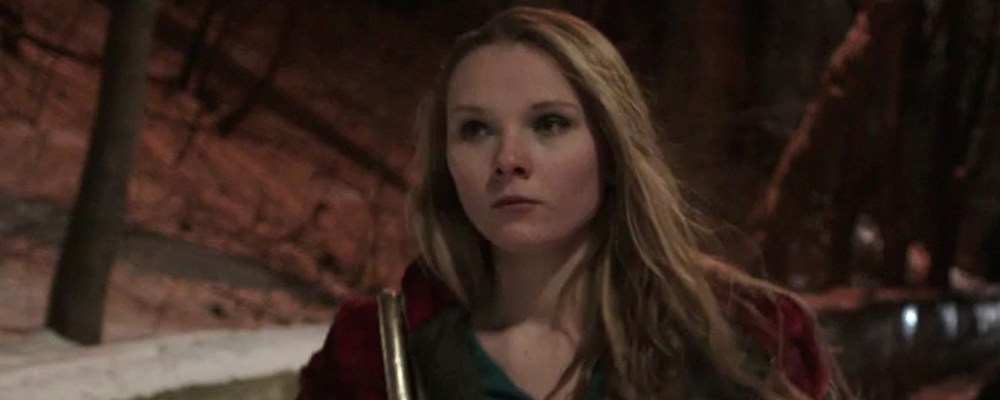
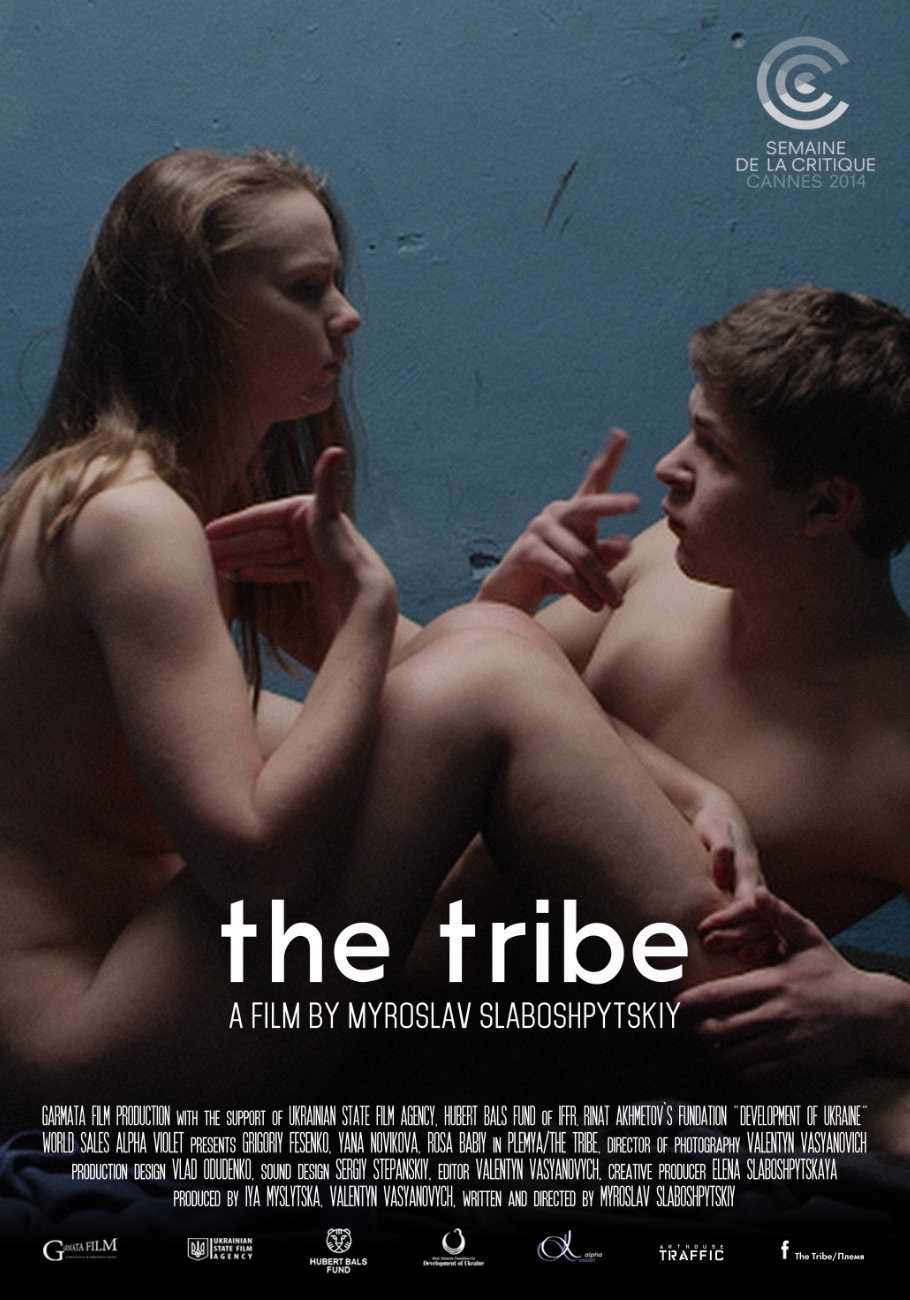

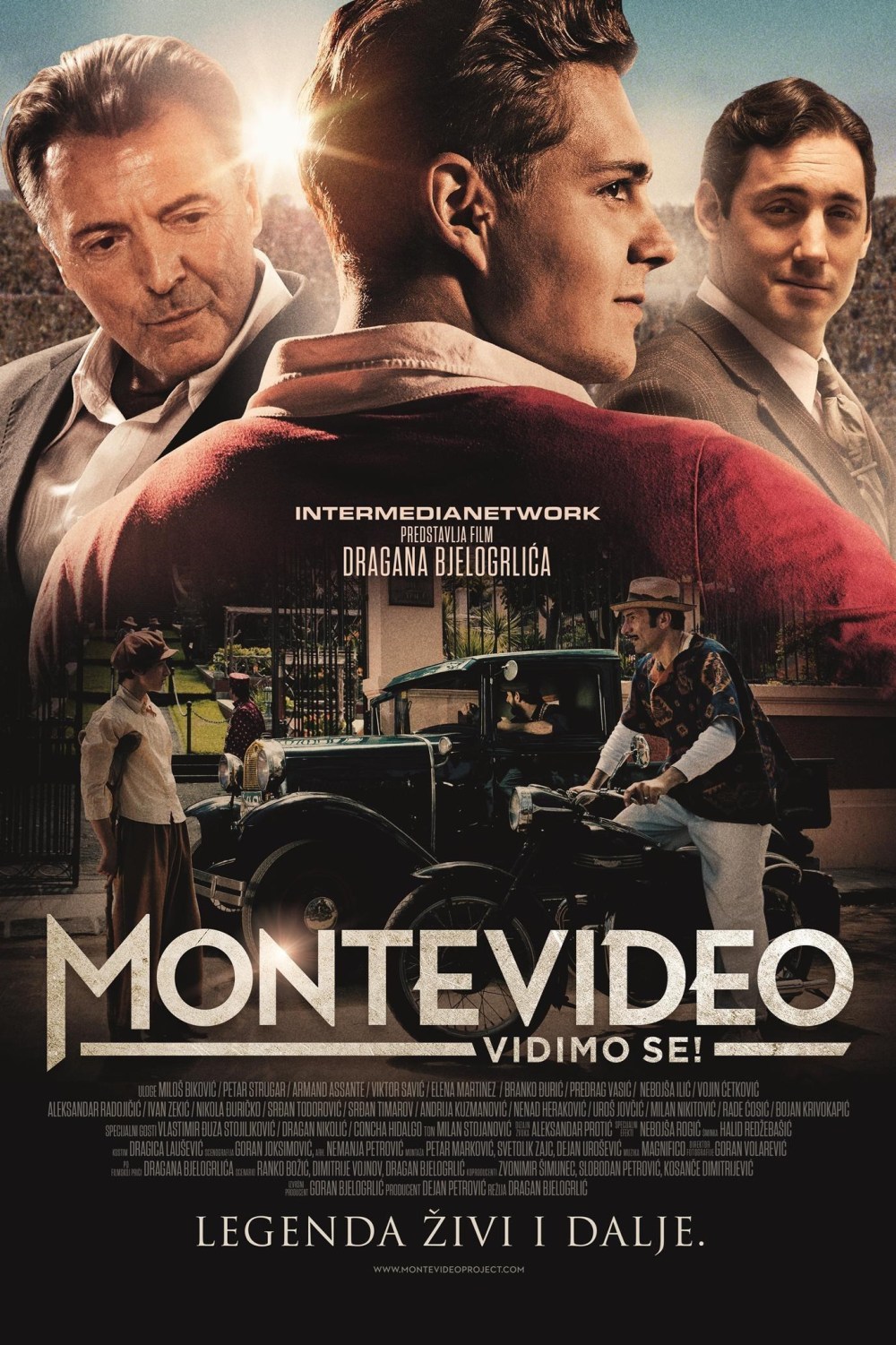
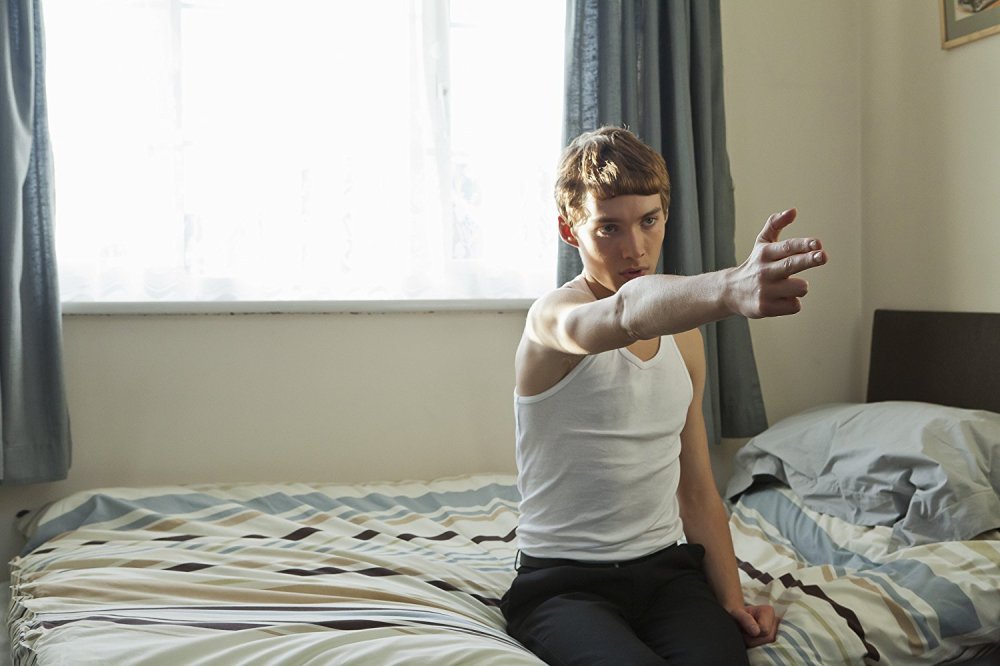


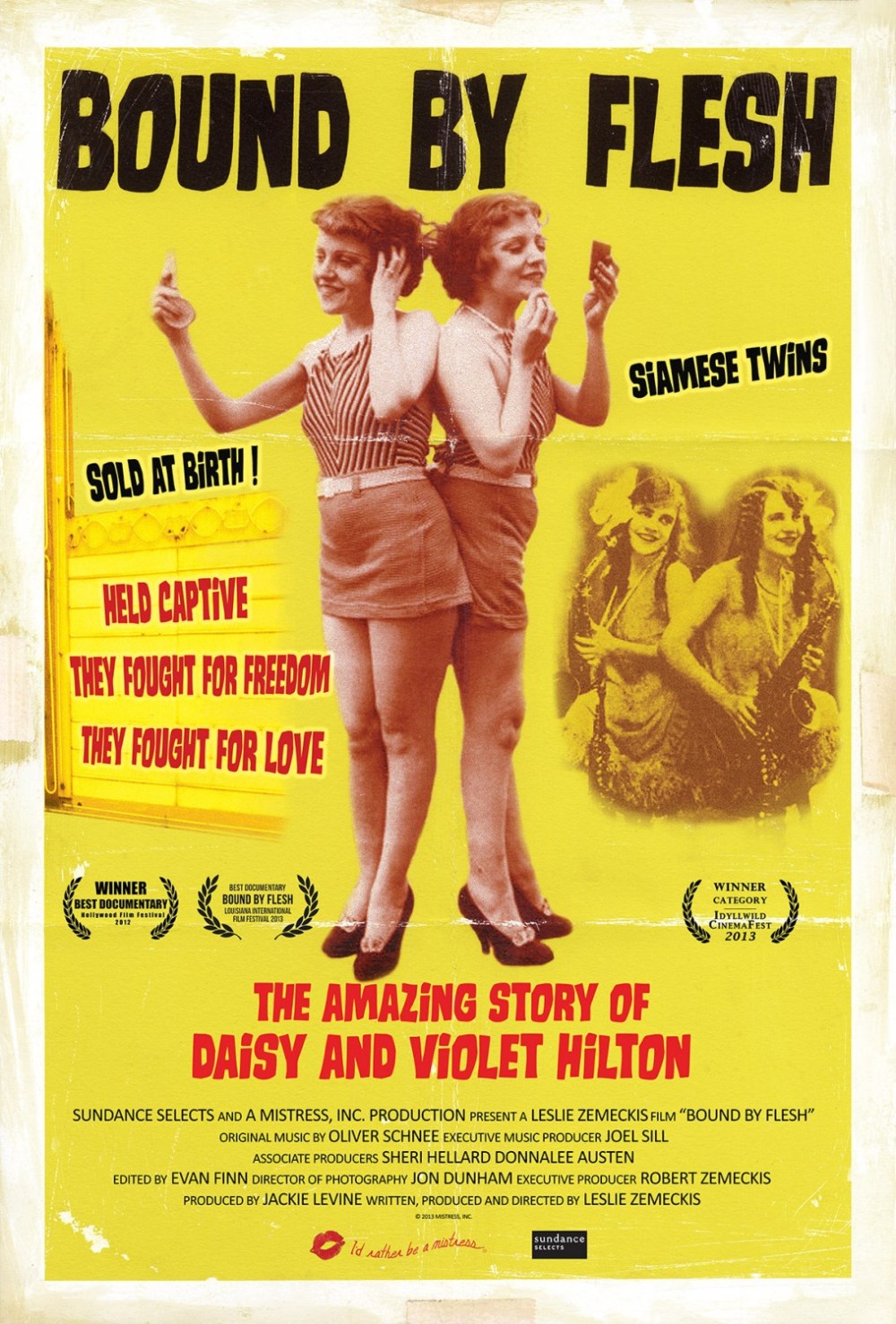
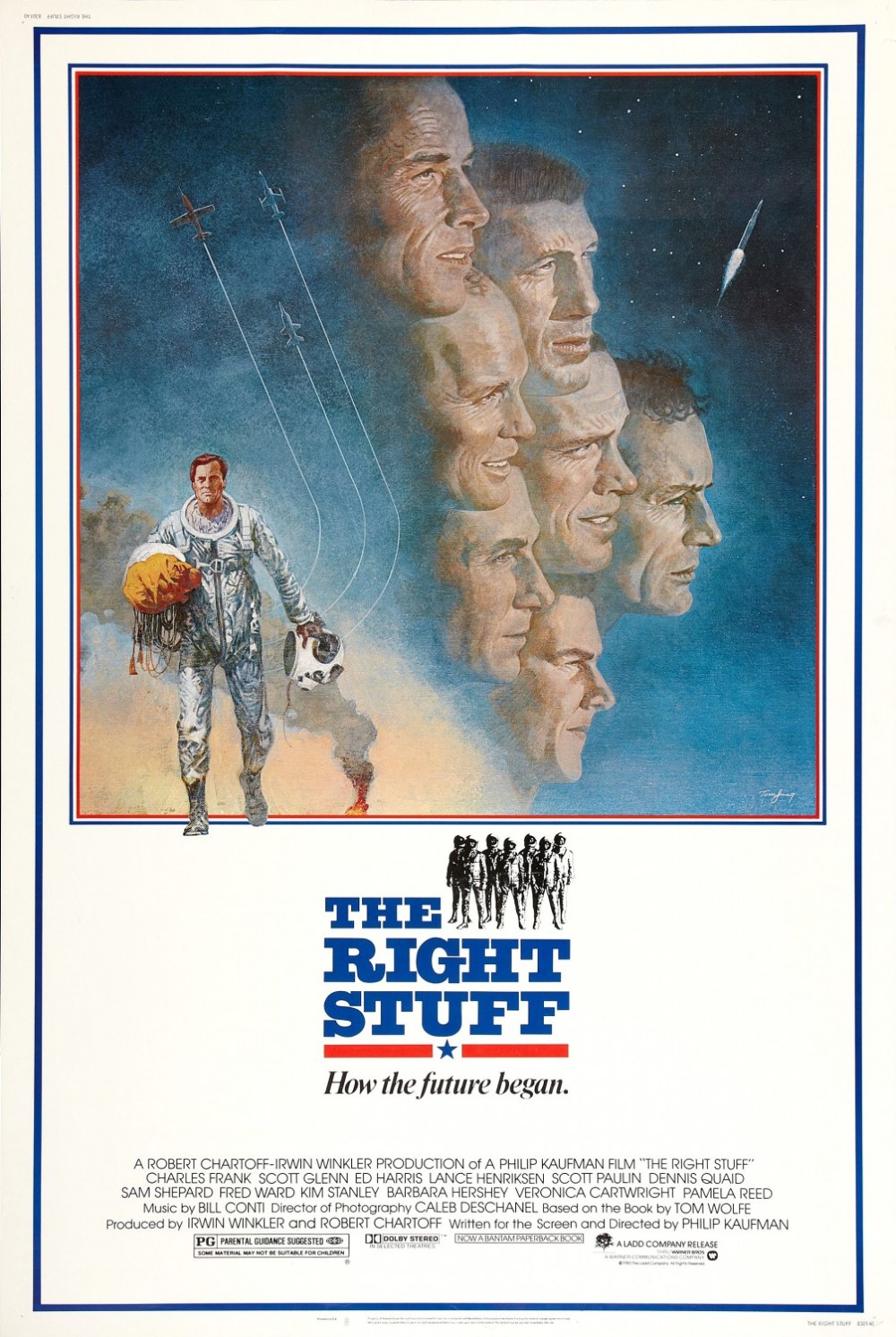


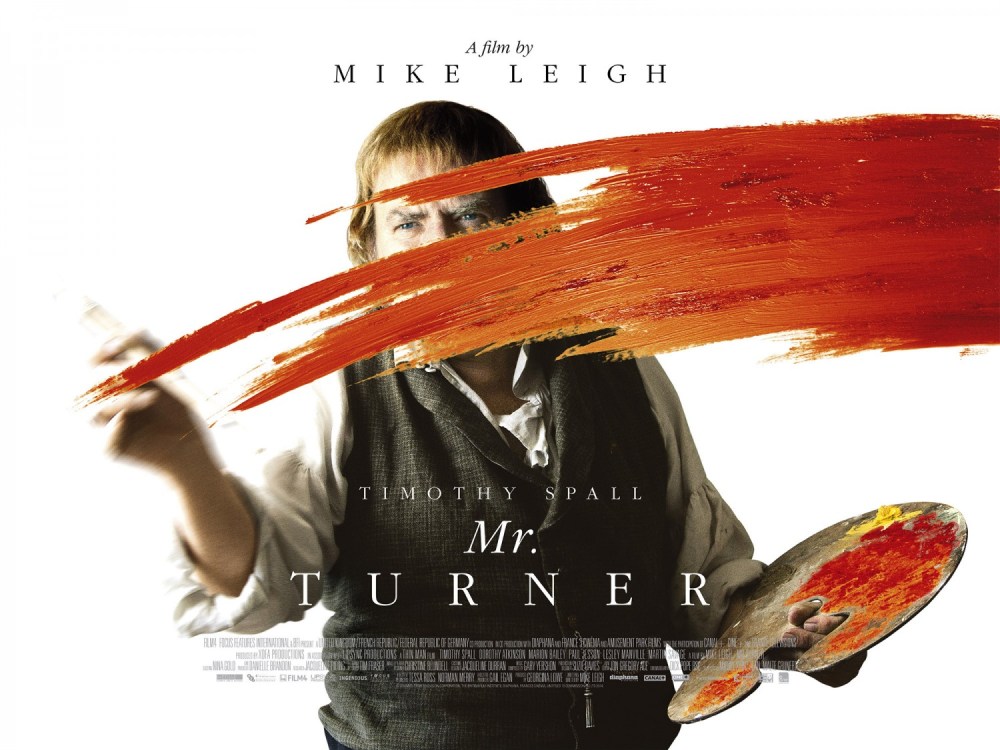
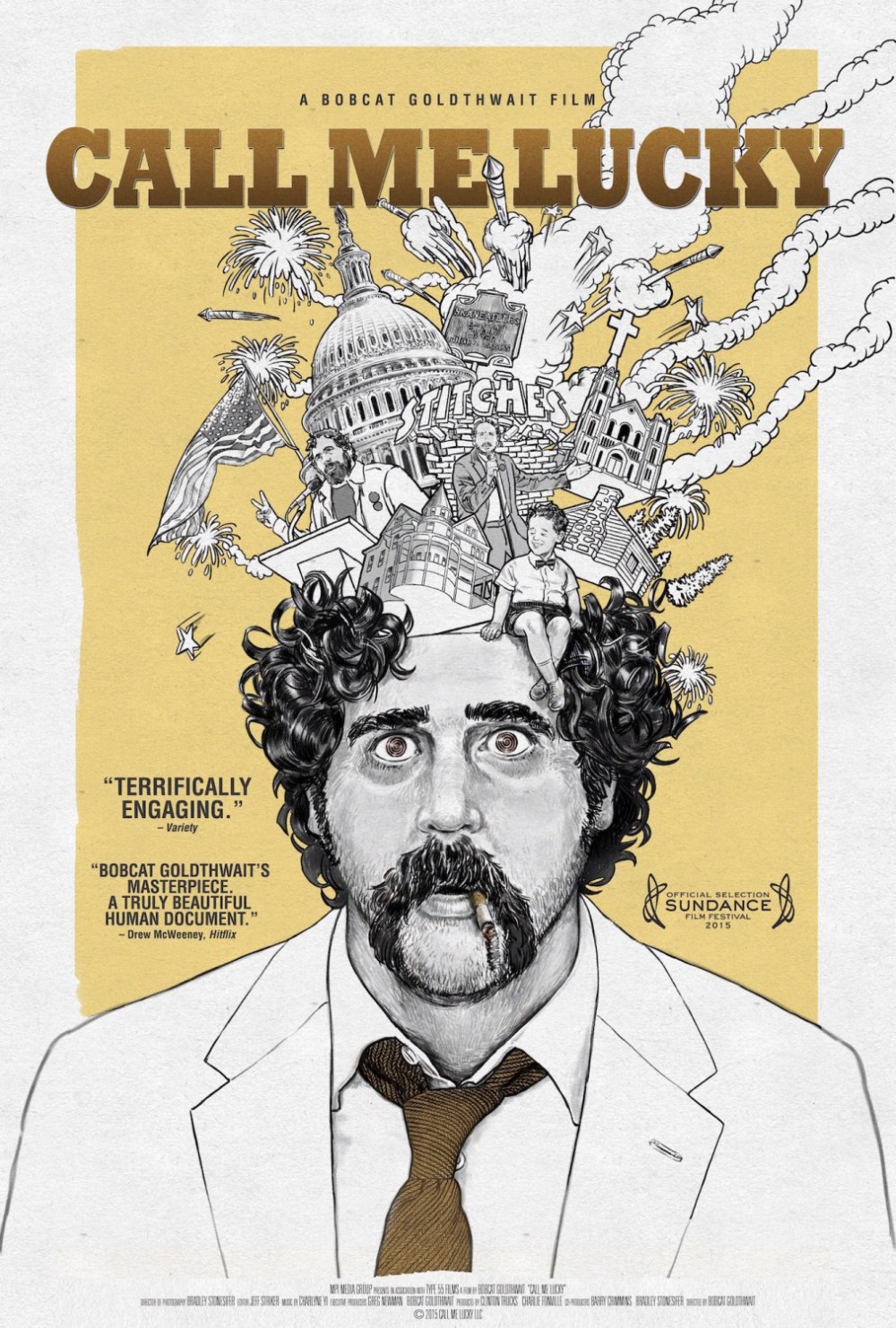

 The Ultimate Rabbit