Spike Jonze’s ‘Where the Wild Things Are’ Deserves Another Look
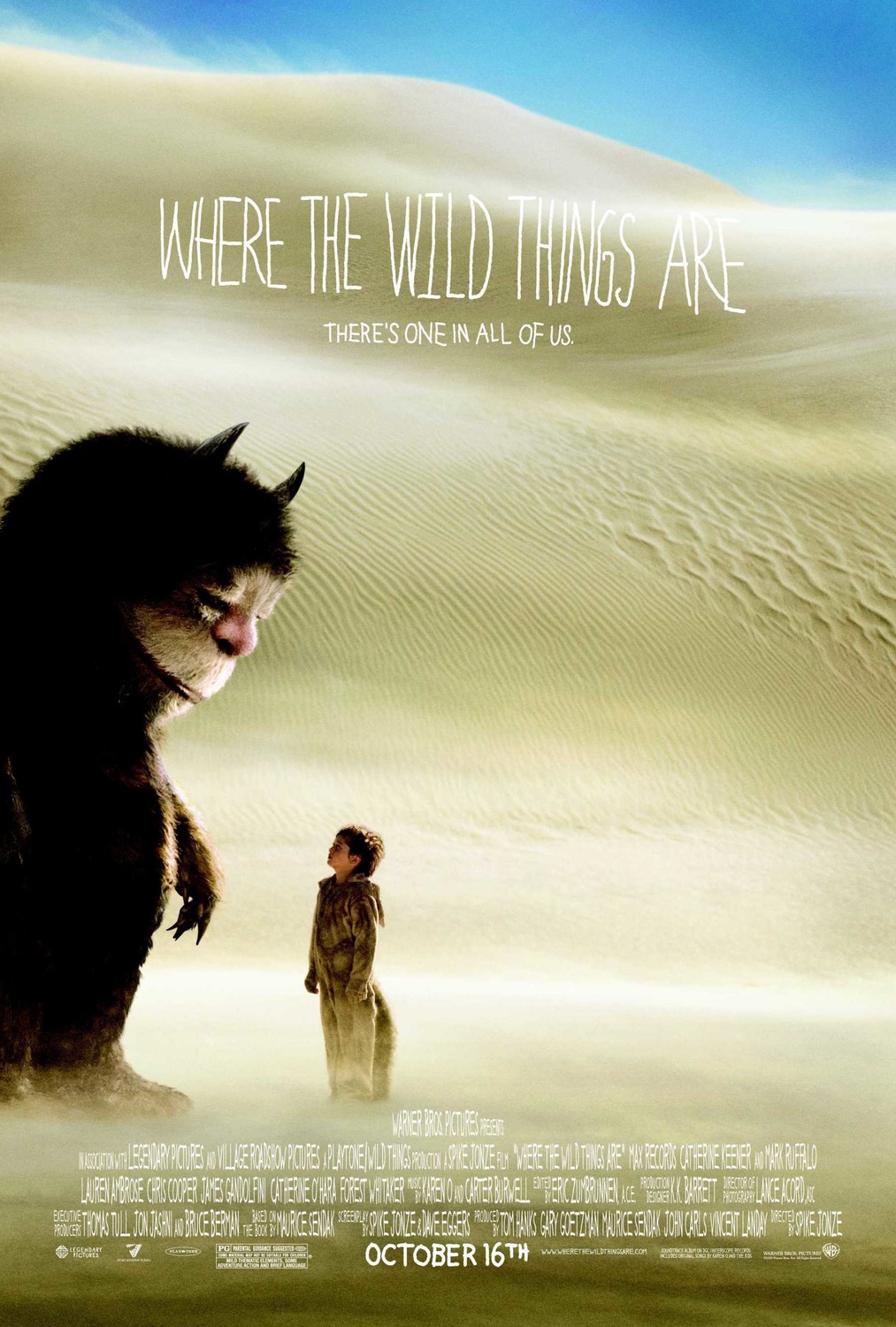
Back when I saw it in 2009, Spike Jonze’s take on Maurice Sendak’s “Where the Wild Things Are” proved to be one of the few movies which I felt really dealt with real kids instead of the cliched ones which inhabit far too many motion pictures. Here, we get a young boy who has quite a vivid imagination which he retreats to when the real world becomes too scary to deal with, and who comes from a broken family where the father is not present. It was nice to see kids, one in particular, treated as intelligent and capable of learning more than they knew, and it combines them with things which are real, imaginary and, of course, wild.

The kid here is Max, and he is played by Max Records in one of the best performances I have seen from a child actor. Seeing him build an igloo out of a snow pile or making a spaceship in his bedroom with his stuffed animals as willing passengers brought back great memories from when I was a kid. But reality rears its ugly head when other kids thoughtlessly destroy his igloo, not thinking of what it meant to him. Then we see him in elementary school as his teacher explains how the sun will die one day. This is one of the funnier moments as the teacher just can’t stop talking about all the different ways our planet will die. Granted, this won’t happen for another billion years, but when you’re a kid, this can feel like it is just around the corner.

Everything comes to a head as Max becomes very resentful of his mother (the always terrific Catherine Keener) when she brings home a new boyfriend (played by Mark Ruffalo). The bond Max shares with his mother is very strong, but when he is no longer the center of her attention, he rebels and ends up biting her on the shoulder. Horrified at what he did, Max runs away from home and sails to a distant island where he does indeed come across the Wild Things of the title, and this is where the rumpus truly begins…

The Wild Things are a combination of puppetry and CGI effects, and it makes them all the more real as a result. The visual effects are used to give them facial expressions which vividly captures their happiness and sadness. As a result, it never ever felt like I was just watching a whole bunch of special effects. It really felt like I was watching creatures I could actually interact with.

Of all the monsters, the one with the most recognizable voice is the late great James Gandolfini who plays the most prominent Wild Thing, Carol. We first see Carol destroying some dwellings he had just built. For Max, breaking things has a wonderment to it, and Carol links on to this with the upmost enthusiasm. Gandolfini is wonderful, and at times truly heartbreaking as he takes Carol from utterly enthusiastic highs to downright angry lows. This is not him doing Tony Soprano as if he was all covered with fur. Also, Carol’s last scene is one which really choked me up, and Gandolfini sells it for all it is worth.

Among the other voices are Catherine O’Hara’s, and she plays Judith, the one monster who is very mistrusting of Max. Paul Dano plays the ever so sensitive Alexander, and he captures the painfully shy nature of this monster in a very truthful way. Forest Whitaker portrays Ira, and I barely recognized his voice here which is pretty impressive. Lauren Ambrose voices KW, and the moments she shares with Max form some of the movie’s best moments.

You know the saying of how we have met the monster, and the monster is us? Well, that is very much the case here. The Wild Things clearly represent the different parts of Max’s personality, and he soon comes to see himself in all of them. As a result, Max manages to see things a little more clearly in relation to his own family, and especially his mother. By becoming the monsters’ king, he realizes he has become much like his mother.

I really mean it when I say Records gives one of the best child actor performances I have ever seen. The whole movie really rests on his shoulders, and that is a lot to put an 11-year-old through. Jonze really lucked out getting him to play this part as the young actor makes his character’s transition from being just a kid to someone who is more mature and understanding very believable, and this really shows in the movie’s last half.

Jonze shot a good portion of the action with handheld cameras to give the proceedings more of an immediacy, and he thankfully does not overdo it. Some filmmakers fail to reign this camerawork in a lot of times to where it is hard not to feel sea sick. This was only his third movie as a director, following the creative triumphs of “Being John Malkovich” and “Adaptation,” and his directorial vision remains a very original one.

“Where The Wild Things Are” was originally supposed to be released in 2008, but Warner Brothers had considered reshooting the whole thing. It turned out Jonze’s vision was a lot darker than they expected it to be for something they thought would be an average family movie. The fact that Jonze’s take on this classic children’s book did make it to the silver screen and was not buried in a deep dark dungeon like “Batgirl” feels like a miracle. While it was not the box office hit the studio hoped it would be, it continues to have a long shelf life.

It also has a wonderful soundtrack done by Karen O and the Kids. It’s one of those soundtracks which has really great songs which are never easily forgotten, and it adds vividly to the strong emotions generated throughout.

Is this movie appropriate for kids? Well, it depends. If they are 6 years or younger, you may want to see it before they do. I was sitting near a boy and his mother, and the boy did get a little freaked out at times. Still, it is nowhere as traumatic as “Watership Down” or “The Neverending Story” was. If your kid can handle “Bambi,” they can handle this one as well.

One of my favorite scenes comes when Max and the monsters are jumping all over the forest, and Carol was creating big dust clouds when he landed. This all leads to a wonderfully heartwarming moment where the wild things pile on top of each other and fall asleep. Seeing Max befriend the somewhat alienated KW is especially great because their individual differences just evaporate at that point. These are two who can relate and sympathize with one another as they both come from worlds where they feel like outcasts.

If there is one weakness to be found here, it is that the plot does not always hold together. There are some moments which drag, and it takes a bit for the pace to recover. Then again, this movie is based upon a book that is only ten sentences long. The fact Jonze and co-writer Dave Eggers were able to craft a story for a feature length movie out of it is pretty amazing. But when you read or re-read the book, I think you will find that there is more to it than its simplicity of story might imply.

There was a bookstore next to the theater I saw the film at, and I dashed in there to read the book. I can’t even remember the last time I read this Caldecott award winner, and there is a lot of different ways you can look at it. You can see it as a story of how kids do not easily separate from their parents, and of how the further away from home they get, the more they realize the importance of a home. Or maybe you will see it as a story of the one person who becomes king and gets what he wants, but then finds it deeply unfulfilling and bereft of love and family which we largely thrive upon.

I think Jonze saw “Where the Wild Things Are” as a story which clearly take in a child’s point of view. Just about everything in this movie made me feel like I a child again, and of how we become shaped by the things which make us happy and sad. It is not meant to break down the imaginary worlds we create for ourselves, but of how they can make us understand the world around us and the people who figure most prominently in our lives better. Max comes to see why his mother treated him the way he did, and he grows up a lot quicker than most others his age do in the process.

For me, this film was something of a godsend when I first watched it. We see kids treated like real kids, and there is a wealth of genuine imagination and emotions throughout. While it doesn’t always hold together, it is a much more accomplished film than many others which get passed off as “family entertainment.” Too many movies then and now are dumbed down for audiences, and they often don’t treat children like the intelligent creatures they can be,

Indeed, no one could have brought this classic book to the silver screen the way Jonze did. And after all these years, it is definitely worth another look.

* * * ½ out of * * * *
Terrence Malick’s ‘To the Wonder’ – Meandering but Still Unforgettably Beautiful

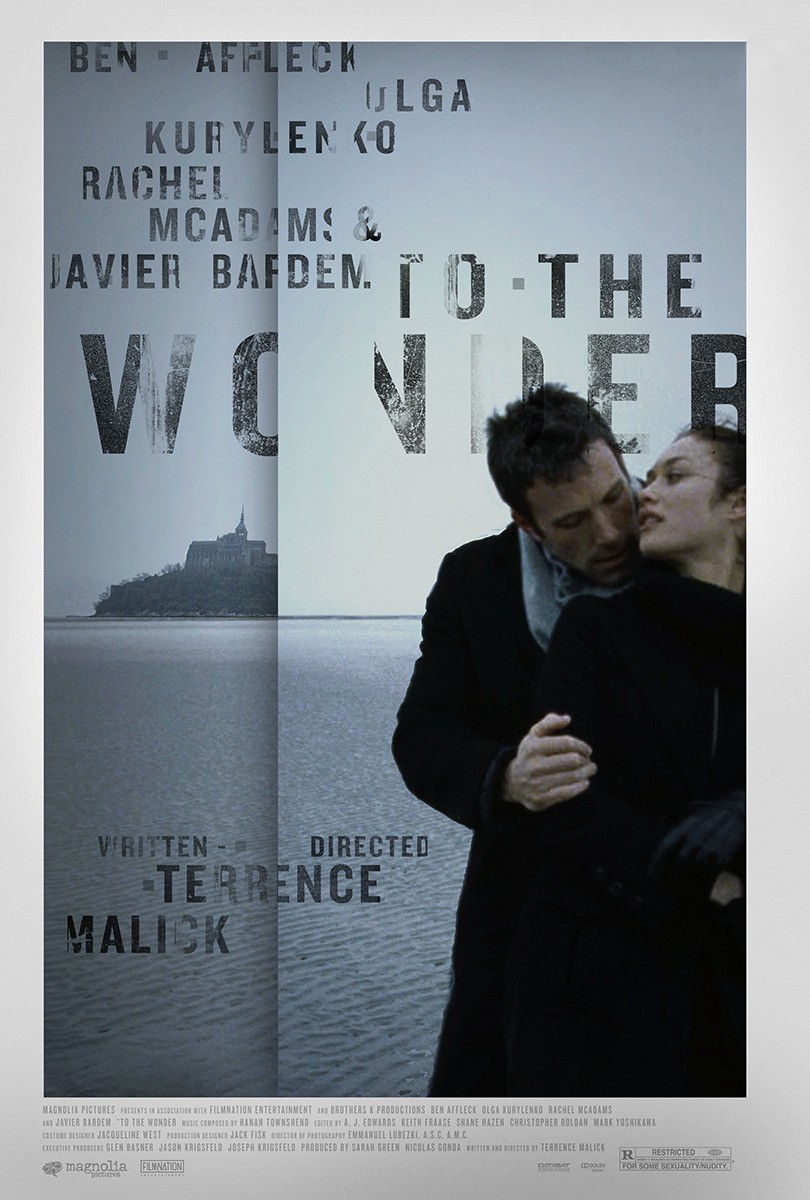
Terrence Malick’s “To the Wonder” is, in many ways, a mixed bag of a film. Not all of its parts go together in a way which feels entirely cohesive. It focuses on a couple played by Ben Affleck and Olga Kurylenko who fall in love and come to America to start a new life, but they eventually find themselves falling out of love, and they constantly struggle to understand how something so wonderful can go so awry. And then we have Father Quintana (Javier Bardem), a Catholic priest who is struggling to keep his faith even as he feels the presence of God eluding him at a time when he is desperate to believe in an afterlife. The balancing act between these characters is wobbly at best, but Malick still gives us many beautiful and wondrous images which are very powerful, and these images quickly remind me of how brilliant he is at capturing nature on film.

“To the Wonder” starts off in Europe where Marina (Kurylenko) finds herself completely enamored by her American boyfriend, Neil (Affleck), as they take a tour around town. Along with them is Marina’s daughter, Tatiana (Tatiana Chiline), who is thrilled when Neil asks her if she and her mom would like to move with him to the United States to live. After briefly viewing the European sights, the film then heads over to Neil’s home state of Oklahoma where the flatlands appear to stretch out as far as the eye can see. Heck, it almost looks like hardly anybody lives there, so it is a huge relief when we see t Neil and Marina actually have neighbors.

As with “The Tree of Life,” “To the Wonder” functions mostly as a silent film as the majority of the dialogue we hear is as a voiceover. Malick is far more interested in the inner thoughts of his characters than anything else as they struggle with the things they want and which are constantly outside of their grasp. We feel their passion for one another, and we also feel their pain and disappointment when their love eventually fades away.

Having read up on Malick as a filmmaker and as a person, it is clear to me how this film and “The Tree of Life” are his most autobiographical works overall. What the characters go through is not much different from what he has experienced in his own life, and with these films, it looks as though he is still trying to pick up the pieces of what went wrong.

Kurylenko first came to my attention in “Quantum of Solace,” and she has made the most of being a Bond woman as her performance here shows. It is thrilling to watch her dancing around the streets of Europe as well as in a corporate drug store which typically sucks the life out of everyone who shops at one. In many ways, Kurylenko is the best thing about this film as she takes us through Marina’s transcendent highs and her emotionally draining lows with complete conviction throughout.

Back in 20123, people had serious issues with Affleck as an actor, and this is even after his film “Argo” won the Academy Award for Best Picture. I myself have never had any issues with his acting abilities, and he gives a strong, understated performance as Neil, and it is never his fault we come to know less about this character than the others we are introduced to here. I really wish Malick had given Neil as much attention as he did to Marina as this would have made Neil’s journey in this story all the more illuminating. Nonetheless, Affleck is still very good in here.

Rachel McAdams is inescapably luminous as Jane; a childhood sweetheart of Neil’s who shows up after Marina has gone away. Malick makes Jane look beyond beautiful as he frames her against fields of wheat, and it is emotionally draining to watch Jane bear her soul to Neil and try to melt his heart in the process. McAdams ends up disappearing from “To the Wonder” a little bit too soon, but she is a vision to watch throughout.

Bardem’s character of Father Quintana at first feels a little out of place as much of the focus seems to be on the relationship between Marina and Neil, but his presence makes more sense as this film goes on. With this character, Malick seems to be saying how our loss of love for one another may have to do with our relationship to God, or lack thereof. Bardem does some of his subtlest work as he portrays a man struggling to hold onto whatever faith he has left, and it results in some of this film’s most emotionally draining scenes.

When we watch Quintana visit the sick, the elderly and the dying, I found myself being reduced to tears as these moments ring so emotionally true in a way I would rather not realize as death is becoming all too common for me to deal with. Plus, Malick just had to use Henryk Górecki’s third symphony entitled the “Symphony of Sorrowful Songs” which Peter Weir used to such great effect in “Fearless.” It remains a piece of music which is as beautiful as it is infinitely sad, and it always reduces me to a weeping wreck whenever I listen to it. I also have to admit I was very angry at Malick for using this piece of music here as it felt so unfair that he reduced me to a complete wreck in an inescapably manipulative way. Then again, I was in the midst of a very deep depression at the time, so that did not help matters.

But as mournful as “To the Wonder” is, there are still many beautiful moments to watch for as Malick remains a master of capturing the unpredictability of nature and animals on film. This includes moments like when Affleck and McAdams are suddenly surrounded by more buffalo than Kevin Costner dealt with in “Dances with Wolves,” the sunlight piercing through the colored glass in a church, or watching Kurylenko walking across the beach as the water covers the sand. These are moments which still will not fade away from my memory anytime soon. Working again with his “Tree of Life” cinematographer, Emmanuel Lubezki, Malick still captures moments of visual poetry in ways few other filmmakers can ever hope to equal.

It is those incredible visual moments which make me want to forgive how meandering “To the Wonder” is as it unfolds before us. I have learned Malick actually shot this movie without a screenplay, and this made me wonder how the actors dealt with this style of filmmaking. Considering that Jessica Chastain, Rachel Weisz, Amanda Peet, Barry Pepper and Michael Sheen all had roles in this film which were eventually removed from the final cut has me believing there was a whole lot more to this film than what ended up onscreen. While “The Tree of Life” had several different story lines going on, Malick was able to rein them all in to where everything seemed to fit perfectly. With “To the Wonder,” he has a little too much going on, and the film ends up losing focus more often than it does not.

Still, if you are willing to tolerate those flaws, “To the Wonder” is still a profound experience filled with great performances and beautiful images which will stay with you long after this film has concluded. I really wish the audience I saw it with all those years ago felt the same way I did. I bring this up as one audience member remarked at how the lives of these characters proved to be far more boring than anyone else’s. Well hell, some people enjoy the simple pleasures in life more than others, but many are still insistent about how theirs are better than the average human being, and that is even though there is plenty of evidence to prove otherwise.

Seriously, it seems very fitting that “To the Wonder” was the last film Roger Ebert reviewed and gave to the Chicago Sun Times before he passed away in April of 2013. Rest in peace, Roger.

* * * out of * * * *

‘Contagion’ Movie and 4K Review

The following review was written by Ultimate Rabbit correspondent, Tony Farinella.

Some of my favorite films are the ones which stick in my brain long after the credits have rolled. They make me uncomfortable, get under my skin, and make me anxious.  You might wonder why someone would want out of such a moviegoing experience, but I believe the best films really challenge and require something out of the viewer. I have seen “Contagion” three times now. I saw it during its theatrical run in 2011, re-watched it on Blu-ray during the height of the pandemic in 2020, and I watched it again recently on 4K. Every single time I’ve watched it, I’ve been utterly engrossed in it, even though I know all of the beats and how it’s going to play out. If anything, I gain something extra from this film because of how much it ended up being pretty damn accurate.

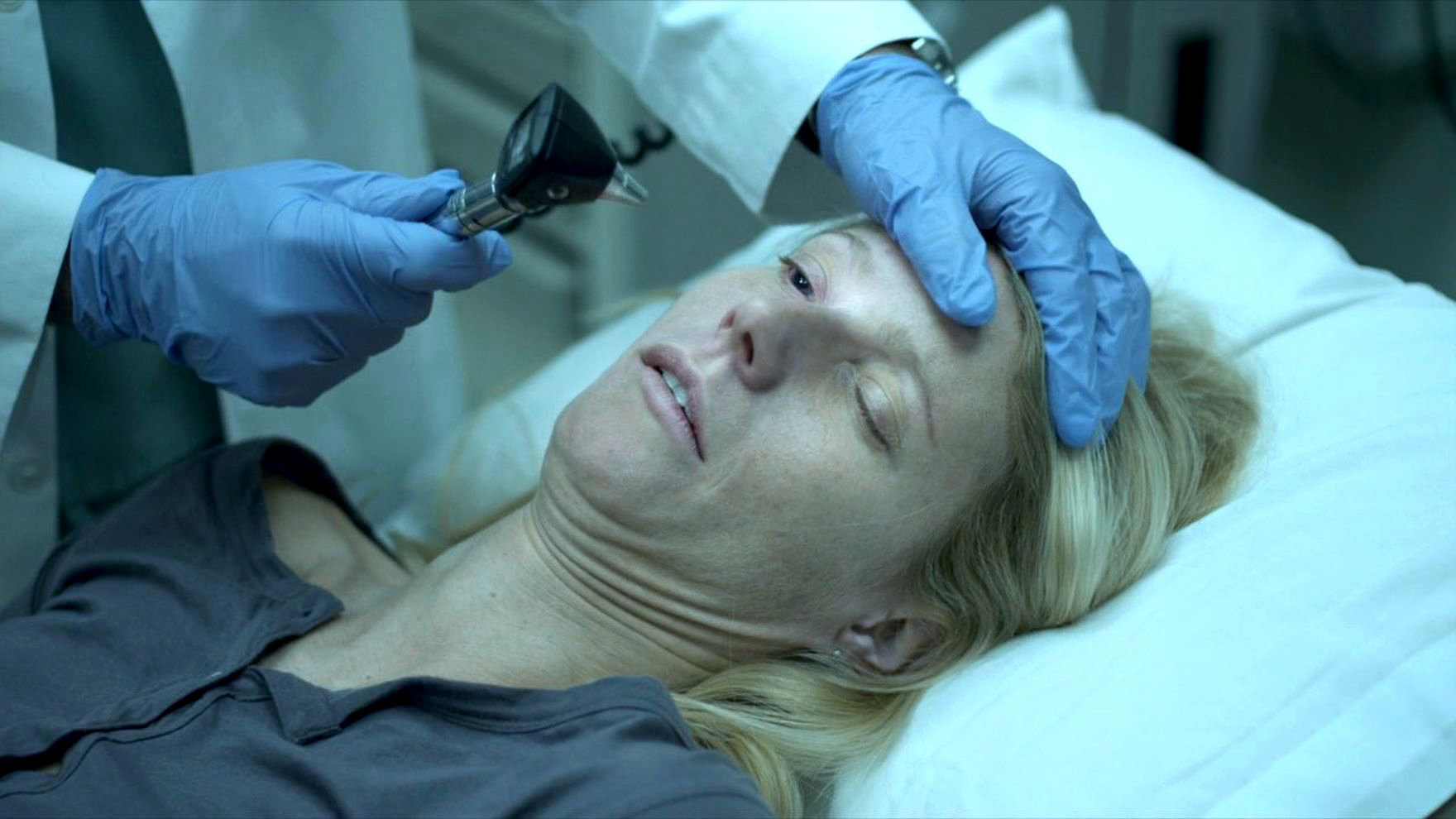
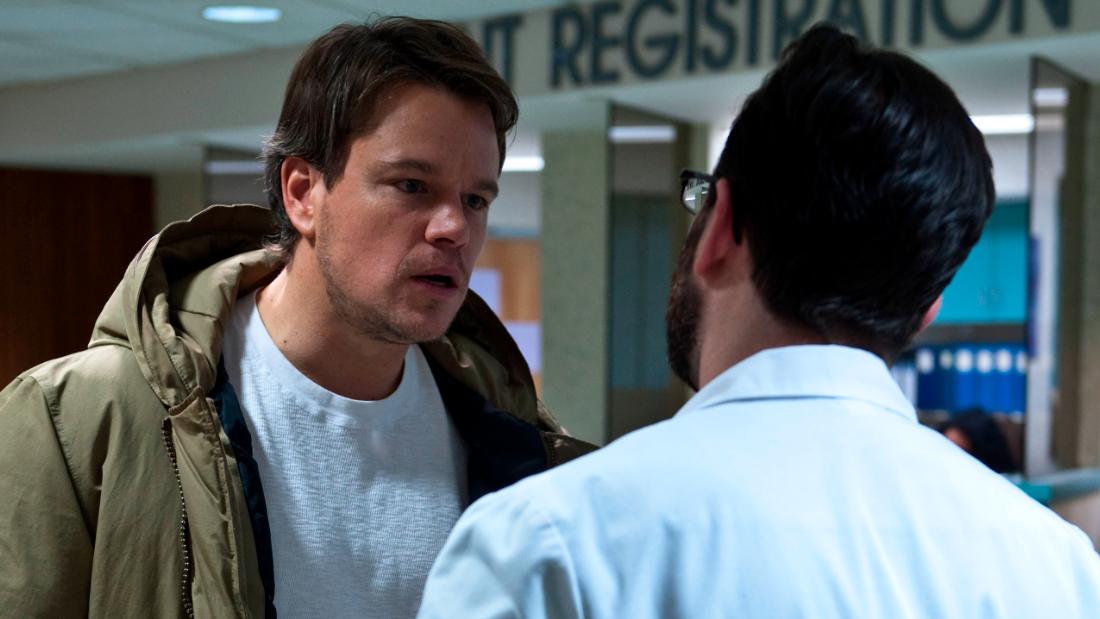
“Contagion” opens by introducing us to Beth Emhoff (Gwyneth Paltrow), an executive returning home to her husband and son after a trip to Hong Kong. Upon returning home, she has a seizure and dies in the hospital, which leaves her husband, Mitch (Matt Damon), with plenty of questions but no answers.  It becomes even more agonizing for Mitch when his stepson passes away shortly after his wife.  He is wondering what she came down with, how it was transmitted, and if he is at-risk for it along with his daughter. His whole world has been turned upside down, and he’s constantly on edge, angry, and making sure he’s doing his due diligence to stay safe.

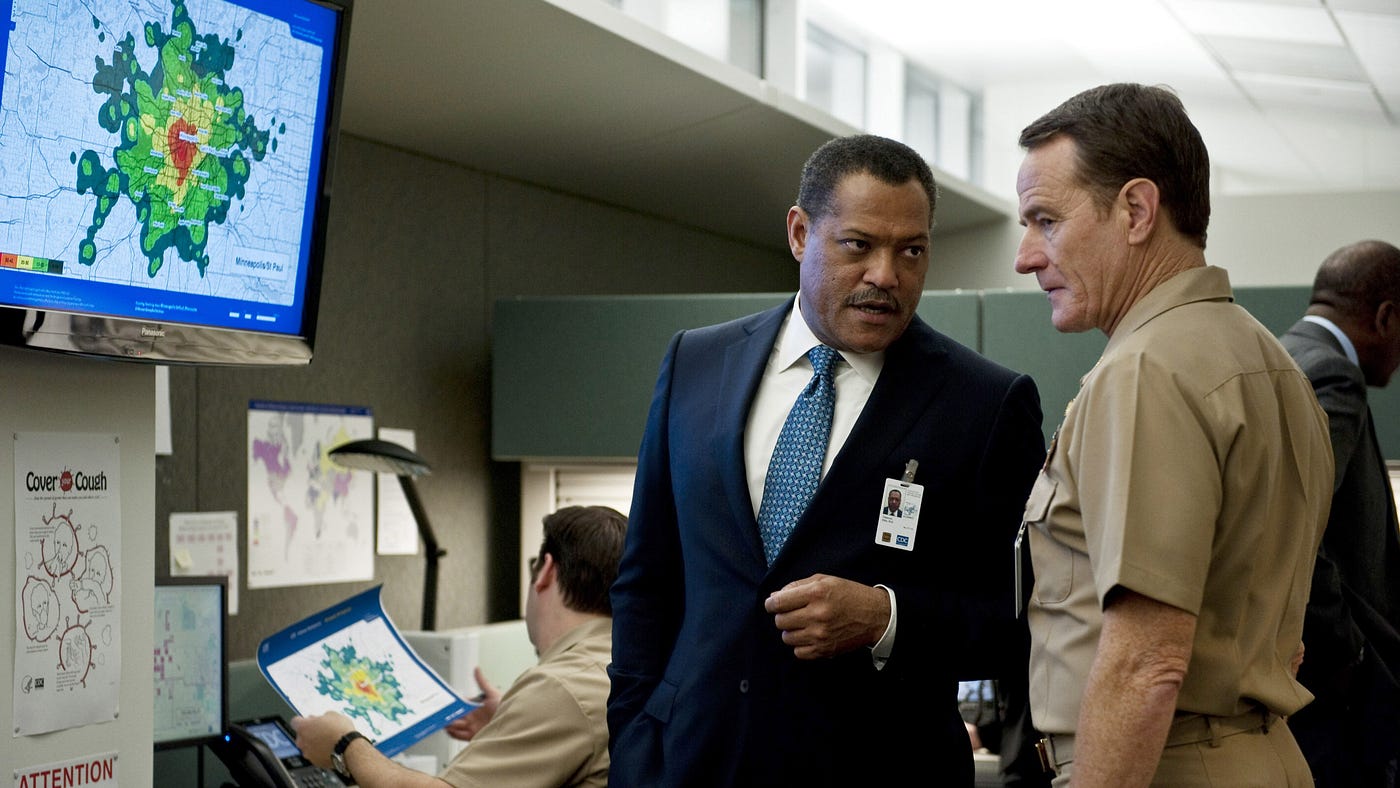
The story then shows us Dr. Ellis Cheever (Laurence Fishburne), who works for the CDC, and he’s looking to trace the root of this problem.  Is it something people should be concerned about or is it an isolated incident? He brings in Dr. Erin Mears (Kate Winslet) from the Epidemic Intelligence Service, to talk to anyone and everyone who was in contact with Beth.  She is going to look anywhere and everywhere for a connection to what might have happened to Beth. She also wants to find out if anyone else is in danger of catching what Beth had as well.

It doesn’t take long for panic and hysteria to take over when the death toll is increasing every day.  It’s becoming a dog-eat-dog world out there, and people are willing to do whatever it takes to not only survive, but to protect their loved ones as well.  They are not afraid to take extreme measures if they need to, as they don’t want to be another victim of this deadly virus which, in the film, is called the MEV-1. Dr. Ally Hextall (Jennifer Ehle), meanwhile, is working around the clock to come up with a vaccine to treat this disease.

There is also a conspiracy theorist named Alan Krumwiede with a very popular blog, and he’s played by Jude Law. Alan is brainwashing his website visitors to try Forsythia, which he believes will cure this disease.  This creates two problems: one, people begin to look at Forsythia as a miracle cure and when the pharmacies run out of it, people start to loot and destroy them. The second problem is that people are now hesitant to take the vaccine, which will actually save lives and help stop the spread of MEV-1.  He’s looking out for his own personal gain and profit, but during times of panic, people will believe anything they read on the Internet.

There is also a storyline involving Dr. Leonora Orantes, a WHO epidemiologist, played by Marion Cotillard, who is looking through countless footage of Beth in order to determine the sequence of events in which she contracted the illness and whom she might have inflicted as well. Leonora is in Hong Kong doing this, and because they are worried about how their village will survive, they kidnap her in order to make sure they have access to the vaccine when it’s released.  They don’t want to hurt Leonora, and she is not scared for her life, as she just wants to help them. As stated previously, desperate times call for desperate measures. When it’s a matter of life and death, you never know what you are capable of doing as a human being.

The only issue I had with “Contagion” and why I couldn’t give it the full four stars is the fact that some stories are more interesting than others and, at times, the plot can be a little bloated.  There are some tremendous performances in the film, especially from Matt Damon, Laurence Fishburne, Kate Winslet and Marion Cotillard. Director Steven Soderbergh gives his actors plenty of space and freedom to show off their considerable acting chops. When the film is firing on all cylinders, it’s truly engrossing and engaging. It’s pretty easy to follow as well, even when they are using scientific terms which might not be as common or familiar to someone like myself.

“Contagion” an ambitious film, and for 80% of its running time, it’s a great movie.  The other 20% is a bit of a slog and can be a little over-stuffed plot-wise. Overall, though, it is a really, really good movie which features some of the biggest names in Hollywood on screen together.  It’s a dark, moody, and tense film that is relentless when the pressure is turned up. I will say this: every single time I’ve watched “Contagion,” I’ve enjoyed it even more and gained something new from it and an even greater appreciation for what it achieved on camera. This is a powerful piece of cinema, and it is a film that will always leave an impact because of what happened to the world in 2020.

I’ll end my review by saying this: I’m not an expert on Covid-19 and the pandemic, but this film foreshadowed a lot of what happened in 2020; from social distancing, handwashing, conspiracy theorists, vaccines and the ability to access to them, and what human beings are capable of doing when they are pushed to the brink of life or death.  For a lot of people, they probably want to put 2020 in the rearview mirror and not watch a movie which focuses on things that were difficult or challenging for the world.  I, on the other hand, find it therapeutic and cathartic to watch a movie like this, as it’s a way for me to deal with what happened in my own way. 

* * * ½ out of * * * *

4K Info: “Contagion” is released on a single disc 4K from Warner Brothers Home Entertainment. It has a running-time of 106 minutes and is rated PG-13 for disturbing content and some language.  It also comes with a digital copy of the film.

Video Info: The minute I popped this movie into my 4K player, I was instantly transfixed by the picture quality.  It was a huge upgrade from the Blu-ray which I previously owned. The film has a dark and brooding look to it with green and blue hues. According to the press release, this was sourced from the original camera negative and the remastering was overseen by Soderbergh. This is exactly what you are looking for when you buy a 4K. You want it to come from the original camera negative and have it looked over by the director.  This is a beautiful 4K and the HDR is incredibly crisp and clear.

Audio Info:  There is also a Dolby Atmos soundtrack here, so this is a win-win for film collectors out there.  The music was composed by Cliff Martinez, who has worked on some of my favorite film scores, such as “Spring Breakers,” “Pump Up the Volume” and “Drive.”  He’s collaborated quite a bit in his career with Soderbergh. This movie does not work as effectively without this mesmerizing score.

 Special Features:

The Reality of Contagion – Featurette

The Contagion Detectives – Featurette

Contagion – How a Virus Changes the World –Featurette

Should You Buy It?

I was so happy to be able to review “Contagion” on 4K and check it out. I recently reviewed “Wonka,” which I thought was an incredible 4K, but this one is even better, considering the improvements they made on the transfer. It still has the same gritty and dirty look to it while also providing an improved picture quality at the same time. The film itself is very close to being a masterpiece. I was very close to giving it four stars, but I had to deduct half a star because of a few issues, which I mentioned in my review. Still, with that being said, “Contagion” comes highly recommended. As physical media shifts to mostly online retailers, it is our duty to support 4K releases of films like “Contagion.”  Why? Because it encourages Warner Brothers and other studios to go into their archives and upgrade other great movies as well.  At the end of the day, they will do their part if we show them there is a legitimate market for physical discs.

**Disclaimer** I received a copy of this film from Warner Brothers to review for free.  The opinions and statements in the review are mine and mine alone.

The Girl With The Dragon Tattoo (2009)

tattoo Final 27x40.indd

You look at her from a distance, and all you see is just another punk chick who’s nothing but trouble; born under a bad sign. You’d figure she’s pierced her body in lord only knows how many different places, and the mascara applied to her eyes might make you see her as an intimidating threat. Not once does she try to adjust her antisocial behavior or clothing attire in the workplace, and this is a sign of how unwilling she is to compromise her learned set of values.

But once you get to know her, you will find Lisbeth Salander is not your average punk rock girl. In fact, she’s a brilliant hacker and researcher who knows more about yourself than you could possibly realize. Bo Diddley was right when he said you can’t judge a book by looking at the cover. I mean you could, but she would just kick your ass because a rough upbringing has more than prepared her for the harsh reality of life.

Lisbeth Salander is the heroine of “The Girl with the Dragon Tattoo,” a brilliant mystery/thriller based on the best-selling novel by the late Stieg Larsson. Many have said Noomi Rapace gives a star making performance as Lisbeth, and nothing could be more true. She finds the heart of this incredibly intelligent yet mysterious character whose past is hinted at but never explained until the end, but we come to get enough of a glimpse which helps us understand where she is coming from. Lisbeth sets the bar high in terms of compelling characters (and not just females) you can find in movies from any country.

Right from the start, this film absorbs us in its compelling mystery involving the case of a missing girl which has remained unsolved for 40 years. Mikael Blomkvist (Michael Nyqvist), the publisher of Millennium Magazine, is coming off of a trial where he was wrongfully disgraced, and soon after he is hired by rich man Henrik Vanger (Sven-Bertil Taube) who wants him to look into the disappearance of his great-niece Harriet who was last seen years ago when she was only 16. Henrik believes Harriet was murdered by someone in his family, and it’s a very dysfunctional family filled with those who will fight one other for the whole inheritance without a single thought for anyone else.

Please believe me when I say “The Girl with the Dragon Tattoo” puts so many American movies of this genre to utter shame. Seriously, many of the mystery thrillers I have seen in the past few years are full of plot holes Michael Bay could lead both Autobots and Decepticons through no matter how enormous they are. Instead of being enthralled, we come out of them feeling like they are average at best, but they do allow us to feel smarter than the filmmakers since we spotted all their foolish mistakes.

Compared to all those wannabes, “The Girl with the Dragon Tattoo” has a very well-constructed plot to where if it is at all flawed, we certainly don’t realize it because we are too caught up with what’s unfolding onscreen. But where this movie truly succeeds is as a character piece in how deeply it involves us in the lives of two very different people. The two main characters are well developed and are very complex, something I always look forward to seeing. Lisbeth is a wounded person, damaged by life, and the trust she puts in others is exceedingly rare. These two end up coming together as Lisbeth has been hacking into Mikael’s computer as part of his case, and she ends up giving him some clues which have eluded him. While she is hesitant to get involved with Mikael professionally or emotionally, he points out how she contacted him in a way that is easy to track.

Lisbeth and Mikael are indeed an odd couple, and yet perfectly matched to work on the coldest of cases. They are also coming together at a time where they are in a very isolated state, having been largely misunderstood by just about everyone around them. While many view them negatively, they come to see one another as who they really are. The more they work together, the more they gain each other’s trust. In the large scheme of things, these are two people who do not let others define them.

“The Girl with the Dragon Tattoo” was directed by Niels Arden Oplev, a three-time award-winning director from Denmark. He deserves a lot of credit for keeping us deeply involved in a movie that could have easily overstayed its welcome. Not once did I find myself getting bored or restless while watching it. Oplev balances out the story and the acting to where they are on equal footing and never upstaged by style. Never does he indulge in quirky camera angles or other visual elements which would have taken away from this movie. Some directors just love to show off instead of just trusting what is there, and Oplev has clearly laid his complete trust in the story and the actors cast.

Noomi Rapace brings a powerful life force to Lisbeth Salander, a character destined to become as iconic as Clarice Starling from “The Silence of the Lambs.” Beneath her hard exterior is a person whose trust in others is practically non-existent for reasons which eventually become clear. Rapace more than succeeds in making Lisbeth tough as well as sympathetic. Her performance could easily have been a caricature, but she proves to be far too good of an actress to allow this to happen.

Michael Nyqvist does excellent work as Mikael Blomkvist, showing his strong resolve and utter frustration without ever going overboard in his performance. When he is first shown to the audience, it is as a man who has just been found guilty. We don’t know why at first, so we can only assume he had it coming or perhaps he was framed. We see him walking down the street when his picture comes up on television, pretty much defining him in the eyes of those who do not know him personally. But Nyqvist invests his character with a strong moral code which he never surrenders even when it seems smart for him to do so. We sympathize with Mikael as it always seems the wealthiest of people are more than willing to smash down the individual, especially when said individual is correct in what he or she discovers about them. The truth always seems to come at a heavy price.

Peter Andersson doesn’t even try to hide the hideous slime that consumes his utterly immoral character of Bjurman, a sexually abusive bastard who takes advantage of Lisbeth in the worst way possible. Even worse, he is her new legal guardian who takes charge of her trust fund after her original guardian suffers a stroke. Not to worry though, the pain Bjurman inflicts on Lisbeth comes back at him in a most vicious way, showing us once again what you see on the surface does not even begin to tell you the whole story.

Two sequels based on Stieg Larsson’s follow up novels have already been made, and I eagerly await the opportunity to see them on the big screen. They will have a tough act to follow after “The Girl with the Dragon Tattoo,” but with Rapace and Nyqvist reprising their roles, they will continue one of the more interesting and unusual partnerships you can hope to find in cinematic history.

It will be interesting to see who will be the next idiotic human being who foolishly thinks they have complete control over Lisbeth. Even more interesting will be in what way Lisbeth lets said person know just how wrong they are. Pray for whoever it is.

* * * * out of * * * *

Deepwater Horizon

deepwater-horizon-poster

It appears director Peter Berg and actor Mark Wahlberg are on their way to completing a trilogy of movies which aim to show audiences how Americans stand up and take care of their own during the most trying of times. In 2013 they gave us “Lone Survivor” which dramatized the unsuccessful United States Navy SEALs counter-insurgent mission Operation Red Wings, and before 2016 ends we will get “Patriots Day” which deals with the Boston Marathon bombing and the subsequent terrorist manhunt. But before that we get “Deepwater Horizon” which focuses on the offshore drilling rig of the same name which exploded in 2010 and created the worst oil spill in U.S. history. As you can expect, it is a riveting motion picture which provides audiences with a visceral experience even though we know how the story will end.

Wahlberg portrays Mike Williams, one of the chief rig workers on Deepwater Horizon, and as the movie starts we see him spending precious time with his beautiful wife Felicia (Kate Hudson) and daughter. Before he leaves to go to work for a couple of weeks, Mike’s daughter shows him a science project she is working on which involves poking a hole in the bottom of a Coke can and then stuffing it up with honey. But, of course, it explodes all over the family dinner table as it foreshadows the terrible disaster which is yet to come.

Berg does great work portraying the working environment these oil rig workers endure on a daily basis as their work is always dangerous, and their animosity towards the executives of BP and Halliburton, a company whose name has long since become a four-letter word, is completely understandable. While these workers aim to do their job safely, the execs are eager to increase their profits as the drilling schedule has fallen behind by forty days. Profit always seems to reign supreme over the rights of the workers who might never reach the level of the 1%, and this is further proof of how the 80’s never left us.

The foreshadowing of the explosion becomes a little too much as Berg employs Steve Jablonsky’s music score to an unnecessary degree. Jablonsky’s score booms way too much as we watch the beginnings of this explosion which emanate far below the ocean’s surface. It alerts us way too early that a natural disaster is about to occur, and this could have instead been a time where we could have seen proof of how silence is golden because, as Gary Oldman’s character from “The Professional” said, we like these quiet little moments before the storm, and that’s regardless of whether or not it reminds us of the Ludwig Van Beethoven’s music.

When things do go horrifically bad on the rig, Berg captures it in a way which feels horrific and almost unbearable as he captures the disaster with a lot of handheld footage. When the main pipe goes bust, it’s not like your average disaster movie where things go out of control but in a not so dangerous way. Bodies are flung with full force against metal railings, and it doesn’t take long for the viewer to feel how painful the deaths and injuries on display are. To say what happened here was a natural disaster is an understatement as the chemicals underneath the earth’s surface make their way to the surface to where it feels like planet is having serious revenge on us.

Wahlberg is an actor who can authentically portray a blue collar worker without any movie star swagger. With a role like Mike Williams, he never ever lets his ego get the best of him or tries to show off in some obnoxious way. You may never lose sight of the fact you are watching Mark Wahlberg on the big screen, but he always succeeds in portraying a character who spends his days doing hard work for an honest living. Not many actors of his stature can pull that off these days.

Then we have Kurt Russell, a veteran actor you can never ever go wrong with, who plays Jimmy Harrell, the man who is very serious about ensuring the safety of his workers. The oil company’s profits may suffer, but that is the least of Jimmy’s problems. Russell makes it clear from the get go where Jimmy’s priorities lie, and you never doubt him for a second. Even when Jimmy suffers greatly from the rig’s explosion to where one of his eyes is swollen shut, which quickly reminds us of Russell’s role as Snake Plissken from “Escape From New York,” he is still infinitely determined to ensure the safety of his workers.

Another standout performance to be found in “Deepwater Horizon” comes from Gina Rodriguez who plays Andrea Fleytas, an oil rig worker prepared to do what’s necessary to save lives but is stopped by the men who somehow think they know better. Rodriguez throws herself into the role to where you never doubt her for a second, and it makes you all the angrier when she is admonished by her superiors who are afraid to make decisions under pressure. She certainly knows her way around an oil rig better than her beat up Mustang.

As for Kate Hudson, she does fine work with an underwritten role. As Felicia, she has to be stuck at home and worried sick about her husband and the situation on the rig, so we only get to see so much of her in this movie. However, her role is an important one as she puts a human face on those who have to suffer from a distance. Besides, it is so nice to see Hudson in a good movie after she appeared in the cinematic monstrosity that was “Mother’s Day.”

But the biggest star of “Deepwater Horizon” is Berg as he thrusts into a real life story with gusto and intensity. As a director, he has never been one to give us a decent time at the movies. Whether it’s “The Rundown,” “Lone Survivor” or “The Kingdom,” Berg wants us pinned to our seats and gasping for air. He achieves this once again with “Deepwater Horizon,” and in the process pays tribute to those who lost their lives while doing their jobs. It makes me look forward to his next movie, “Patriots Day,” all the more.

* * * ½ out of * * * *

I Saw The Light

I Saw the Light movie poster

Watching “I Saw the Light” reminded me of when I saw Oliver Stone’s “The Doors.” Both movies have a great cast, a lead actor who perfectly embodies an iconic singer, and scenes which vividly bring to life the classic songs of the artists. At the same time, both movies keep their main subjects, in this case country singer Hank Williams, at arm’s length to where we come out feeling like we never really got to know them. Considering the talent involved, this particular music biopic proves to be a major disappointment.

Writer and director Marc Abraham, whose previous film was “Flash of Genius,” eschews Hank’s childhood and goes straight to when he married Audrey Sheppard, a divorcee and single mother. They look like the perfect couple, and this is especially the case when you consider the palpable chemistry between stars Tom Hiddleston and Elizabeth Olsen. But like many biopics, we know everything is heading downhill for these two, and Hank’s life got cut short by alcoholism and a painful medical condition. He was only 29 years old when he died, but he looked much, much older.

The movie gets off to a wonderful start as we see Williams singing one of his most famous songs in a sequence which is beautifully lit by the brilliant cinematographer Dante Spinotti. We are instantly hooked as the country icon’s lyrics capture our attention right away, and it makes us look like we’re in for quite the biopic. Unfortunately, this proves to be its high point as nothing else ever measures up.

One of the big problems with “I Saw the Light” is it is so sloppily edited to where it’s hard to tell what part of Hank’s life we are looking at. It goes from one section of his life to another before we can ever fully digest what is going on. This makes the movie very confusing, and it keeps us from getting to know Hank and the other people in his life more intimately. I felt like I never really understood what fueled his music, and he became the kind of person who is not at all fun to hang out with.

Also, the movie feels undercooked to where Abraham has his cast of actors underplay every single scene they appear in. Nothing ever comes to life in the way it should, and everything in “I Saw the Light” eventually becomes an exercise in tedium. It’s bad enough we never get deeper into Hank’s psyche, but to see this story portrayed in such a passionless way makes this whole project come across as an unforgivably missed opportunity.

“I Saw the Light” does, however, have Hiddleston as Hank Williams, and his performance is in some respects amazing. We all know him for playing Loki in the “Thor” and “The Avengers” movies, and at first he seems like an odd choice to play the man who made “Lovesick Blues” such an unforgettable song. But he succeeds not only in mastering Hank’s accent, but in getting the audience to feel the songs as much as he does when he sings them. That’s right, Hiddleston does his own singing here, and this makes his work here all the more admirable.

I was also impressed with Olsen’s performance as she makes Audrey perhaps the only human being who could possibly deal with Hank’s alcoholism and womanizing. Watching her here makes one realize what a powerful actress she can be, and she brings this movie to life in a way others are unable to.

As for the supporting characters, they are given short shrift and serve little purpose other than to further Hank and Audrey’s exploits. Cherry Jones, a tremendous actress, is wasted here as Hank’s mother Lillie as she has almost nothing to do other than sneer at any woman who grabs her son’s immediate affection. Bradley Whitford makes a bit of an impact as Fred Rose, the man who helped Hank rise to stardom, but Fred’s contributions to Hank’s career are made to feel smaller than they were. Maddie Hasson fares better as Billie Jean, the young woman who eventually becomes Hank’s second wife, and it’s a shame we didn’t get to see more of her here.

For what it’s worth, “I Saw the Light” did give me a good appreciation of Hank Williams’ songs. I have never been much of a country music fan, but the movie made me see why his music struck such a strong chord in so many people. Hank understood the pain of love in a way others didn’t want to experience firsthand, and it was not hard to connect with the feelings he so deeply expressed through music.

Still, the movie never digs deep enough into his life, and what results is a inescapably frustrating cinematic experience. This could have been one of the best biopics of recent years, but the filmmakers treat their main subject with kids’ gloves to where he feels like a complete stranger from start to finish. Coming out of “I Saw the Light,” I wanted to read more about Hank Williams on Wikipedia among other places on the internet as there’s got to be much more information on him there than what we got here.

Copyright Ben Kenber 2016

* ½ out of * * * *

Krisha

Krisha movie poster

Krisha” is one of those movies which can be best described as emotionally pulverizing. It starts off with a close up of the title character’s face as the sound builds to a feverish crescendo, and this is enough to tell everyone this movie is going to be a psychological endurance test for the audience watching it. It’s a powerful motion picture which is as emotionally cathartic as they come, and it’s one of the best movies of 2016.

Krisha Fairchild stars as the Krisha of the movie’s title, a deeply troubled woman returning home to the family she abandoned years ago for a life of drug addiction and self-destruction. It’s Thanksgiving and everyone welcomes her back with open arms, prepared to forgive her trespasses, but right from the start there is a palpable tension in the air as everything seems off. While her family is happy to see Krisha, they are still unsure of whether or not she can be trusted. As for Krisha herself, we find she is still struggling with her demons and may not make it through the night in one piece. She’s also cooking the Thanksgiving turkey, and the turkey is just a time bomb just waiting to go off.

It should be noted that the movie’s writer and director, Trey Edward Shults, based its story on a similar family situation he experienced when his cousin Nica came home for the holidays. She was in the throes of her own drug addiction which would end her life prematurely two months later. For Shults, making this movie was a way to confront this tragedy, and he cast many of his family members who had been through the same situation as well.

But the one family member who stands out here the most is Shults’ aunt, Krisha Fairchild.  Fairchild is not playing herself here even though she shares the same name of her character, but this makes her performance all the more extraordinary as she plumbs the depths of a drug addict struggling to prove to her son and family everything is okay with her now. As crazy as she gets in this movie, Fairchild still makes Krisha a sympathetic character who we cannot help but feel for. And when she puts on a red dress which looks a lot like the one Ellen Burstyn wore in “Requiem for a Dream,” she goes all out for an emotionally shattering climax.

The rest of the cast does terrific work, and this especially goes for Bill Wise who plays Doyle, the family member who proves to be its biggest personality and asshole. Doyle sees right through Krisha and tells her flat out, “You are an abandoner. You are heartbreak incarnate, lady.” And then there’s Robyn Fairchild who plays Krisha’s sister, the most stable of all the family members. When Robyn breaks down after a protracted argument with Krisha, it’s impossible not to feel her pain and emotional exhaustion as we all know strong family members who eventually reach their breaking point after holding it together for so long.

“Krisha” is Shults’ first feature film, and it is an incredible debut made all the more amazing by the fact he shot it all in just 8 days. He makes the film look like it was shot a lot longer and cost more than it did as he balances many different elements with a director’s masterful touch. Shults is also aided tremendously by the almost dreamlike cinematography by Drew Daniels and the abstract sounding music score by Brian McOmber which illustrates the increasing tension bubbling beneath the surface. This movie is an emotional powder keg just waiting to go off, and Shults never lets anyone off easy.

There have been countless movies made about drug addiction and the effect it has on the family members of the addict, and “Krisha” certainly feels like one of the most effective. It also rightly reminds the viewer that an addict will only seek help when they want to stop. We can’t make them stop. We can only hope for the best and pray for the addict to see the light and make a conscious decision to seek help. Watching this movie makes you want to see Krisha succeed and put her past behind her, but when things begin falling apart for her we can’t look away. Deep down we would like to, but her suffering is all too real to ignore.

“Krisha” shook me in a way very few movies do these days, and it marks the arrival of a gifted feature film director named Trey Edward Shults. Now that we have seen what he can do with the smallest of budgets, it will be interesting to see where he goes from here. As for Krisha Fairchild, she is an actress whose work has been under the radar for years, and here she gives one of the most unforgettable performances the world of movies has seen in some time. All good things to those who wait.

Copyright Ben Kenber 2016

* * * * out of * * * *


De Palma

De Palma poster

When it comes to interviews, filmmaker Brian De Palma always seems rather remote or looks like he would rather be somewhere else. In an interview about “Redacted,” he flat out told the interviewer he was simply there to sell his movie, and the interviewer replied perhaps De Palma was enjoying his company. To this De Palma replied, “I don’t think so.” So aside from him crushing the interviewer’s ego, his reply illustrates how uncomfortable he gets when talking about his movies. Perhaps this is why he has never done an audio commentary on any of them to date.

But this is the real joy of watching the documentary “De Palma” as he seems more than willing to spill the beans about his life and the inspirations behind his work. It also helps that it was directed by Noah Baumbach and Jake Paltrow, filmmakers De Palma has been friendly with for several years. Whether he’s talking about his greatest works like “Carrie” and “Scarface” or facing up to his critical and commercial disasters like “The Bonfire of the Vanities,” the revered filmmaker holds nothing back as he discusses each of them with a sense of humor which shows how he’s dealt with the movie industry and the way it has treated him over the years.

Now De Palma has often been accused of ripping off Alfred Hitchcock, and the documentary does start off with scenes from “Vertigo,” a movie now considered to be the greatest ever made. De Palma said he was so compelled by “Vertigo,” and we can see how this particular Hitchcock film influenced much of his work. However, the documentary gives us a deep overview of his films and how he drew inspiration from other filmmakers like Jean-Luc Goddard. He also explains the purpose of using split screen as it allows the audience to put everything together for themselves.

One of the real treats of “De Palma” is how it looks at the director’s upbringing, something we haven’t heard much about in the past. He never had much of a relationship with his dad, he says, who was an orthopedic surgeon which had him growing up around a lot of blood. This certainly explains why blood has played a big part in his movies whether it’s the prom scene in “Carrie” or the chainsaw scene in “Scarface.” We also get to see actor Robert De Niro, who appeared in De Palma’s movies “Greetings” and “Hi, Mom,” at the start of his career long before he played Al Capone in “The Untouchables.”

From there, we get to view his movies in chronological order and of how his work as a filmmaker evolved from one decade to the next. Now granted, this might make certain viewers a little impatient as they might want to skip ahead to his stories about “The Bonfire of the Vanities” or “The Untouchables,” but it’s sitting through the others before them that shows De Palma’s evolution as a filmmaker and how he managed to pull so much off despite intense pressure from studio executives and the MPAA.

Looking at these descriptions, “De Palma” may sound like just another talking head documentary. In a way it is, but to dismiss it as such would be unfair. De Palma is such an interesting guy on top of being a brilliant filmmaker, and I loved how he looks back at his triumphs and struggles with an almost gleeful sense of humor. He has been through a lot of heartbreak and struggles throughout his life, and it’s kind of a relief to see him laugh at some of the darker moments he was forced to endure.

What both Baumbach and Paltrow have pulled off is more than just the average documentary on a filmmaker you often see on cable. They present us with something which feels more like a friendly conversation with someone who is not always so open, and it’s a real pleasure to sit back and hear him talk. At the same time, “De Palma” also provides us with a look back at the great filmmaking period that was the 1970’s and how that period will never be repeated again. Then again, I have no issue with people proving me wrong there.

But perhaps most importantly, “De Palma” shows us a filmmaker who managed to stay true to his own voice despite working in a business which, as he puts it, makes you lose your own way. Even as he began working with bigger budgets and movie stars, he still tried to stay true to what he wanted to accomplish, and you come out of this documentary admiring him for that. And unlike other filmmakers who were stubbornly resistant to changes in technology, he was quick to utilize them whether it was high definition filmmaking in “Redacted” or the advent of music videos in “Body Double.”

There are many surprises and interesting bits of trivia to be found throughout “De Palma,” and I would rather you discover them for yourselves. What I can tell you is that this is one of the best movies, let alone documentaries, I have seen so far in 2016. It is infinitely interesting and a must for movie buffs and aspiring filmmakers. Whether he intended to or not, Brian De Palma has provided us with a master class in directing many would be smart to watch as the movie business is one which can tear an auteur’s vision apart out of fear or for the sake of profit. But here’s a man who, for better or worse, has done things his own way and continues to do so from one movie to the next.

And while it may be wishful thinking, here’s hoping it will give studio executives enough of a reason NOT to remake “Scarface.” We’ve already seen what others have done to “Carrie” for crying out loud.

Copyright Ben Kenber 2016.

* * * * out of * * * *

No, I Haven’t Seen It Until Now: ‘Rio Bravo’

Rio Bravo movie poster

I have a confession to make; for years I had never seen a John Wayne western before. I was certainly aware of who he was and of how he is seen as an American hero to many. There is an airport in Orange County named after him, and it houses an enormous statue of him in his western gear that towers over all those taking a flight out of there. Wayne is as conservative as an actor can get in Hollywood, and there are certain people I know personally who don’t want to watch his movies because of that. But come one, we’re here to watch a movie, not debate politics! If I can sit through a Chuck Norris movie, there’s no reason why I can’t see a John Wayne movie.

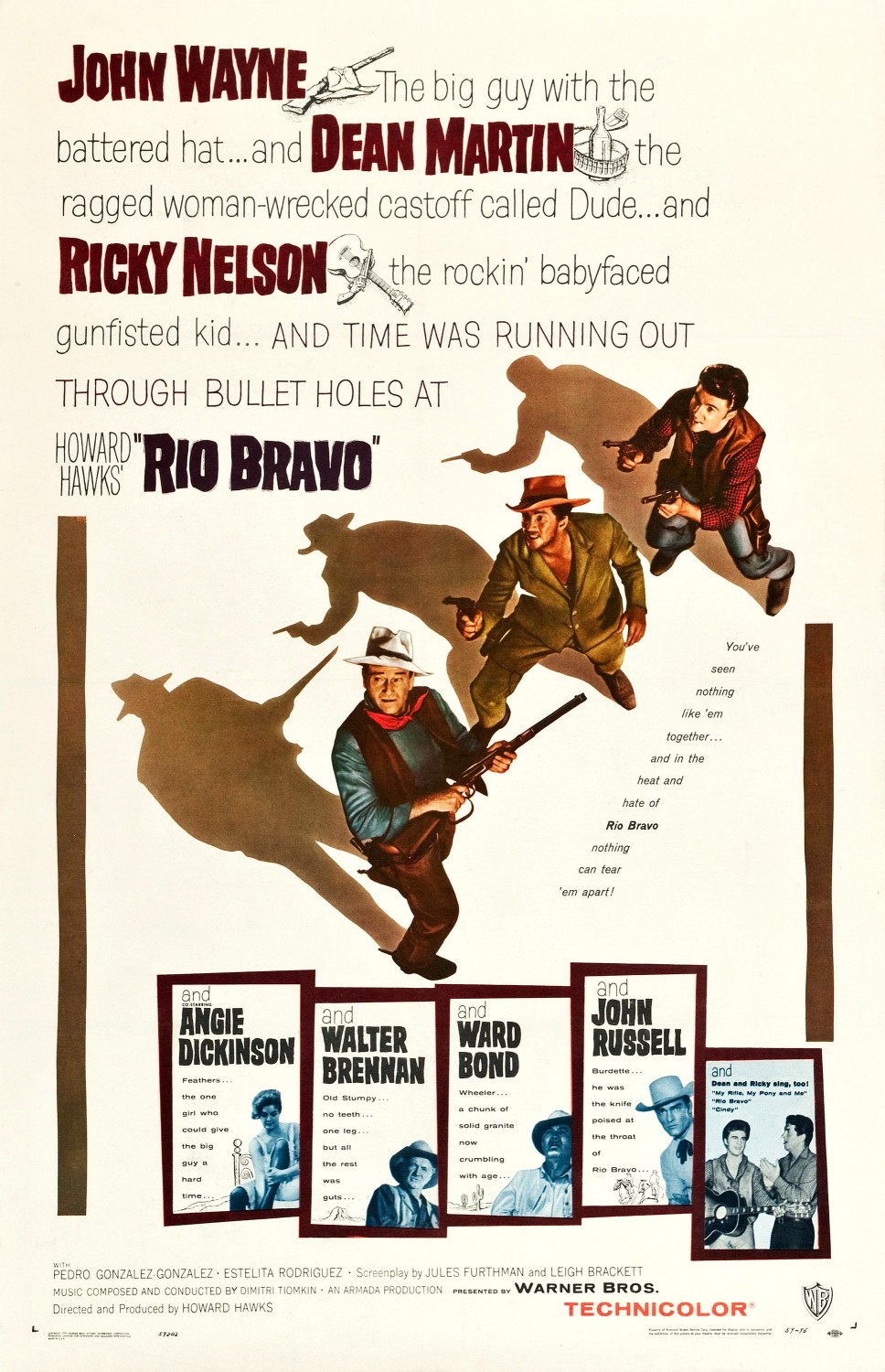
Rio Bravo” was directed by Howard Hawks and it is widely regarded as one of the greatest westerns ever made. It was made by Hawks and Wayne as a “right wing response” to “High Noon” in which Gary Cooper played a sheriff who urged the townspeople to join him in defending the town they live in. In “Rio Bravo” Wayne plays Sheriff John T. Chance, a man who has no time at for amateurs and will deal only with professionals who know what they are doing. That should give you a good idea of how pissed off Wayne was at Cooper.

The plot revolves around Chance guarding a prisoner named Joe Burdette (Claude Akins) who murdered another man at a bar for no good reason. Working with Chance are an old cripple named Stumpy (Walter Brennan) who is always complaining about something, the town drunk Dude (Dean Martin) who spends the movie sobering up, and the new kid in town Colorado Ryan (Ricky Nelson) who is quick on the draw. They are waiting for the marshal to arrive to take Burdette away, but his brother Nathan (John Russell) will not rest until he is freed. Nothing beats brotherly love when you want to keep your sibling from being someone’s best friend, in a manner of speaking, behind bars.

“Rio Bravo” is essentially a big buildup to a final a violent confrontation between the Sheriff and Nathan where bullets fly in all directions. We see these characters going about their normal lives and the Sheriff starting up a subtle romance with the new woman in town, Feathers (Angie Dickinson). Most action movies today would demand filmmakers cut out the character developments and simply go right to the action. It is rare to see a movie like “Rio Bravo” made today as filmmaking gets more faster paced to where we keep losing the art of subtlety.

I see why Wayne was such an incredibly strong presence in movies. He handles the dialogue well, but his best moments come when he doesn’t say a word. There is a moment where he glares at someone he doesn’t recognize as friendly, and he keeps staring at him until the nameless man walks away. Like Chance, Wayne had a face with a lot of history written all over it, and few others could pull off a scene like that so effectively.

You could tell that, like his characters, Wayne had been through a lot in life, and this added immeasurably to the “don’t mess with me” attitude he exhibited onscreen. He was never some pretty boy actor trying to get the ladies, but a seemingly down to earth guy doing his part to serve and protect others.

The other actor who impressed me here was Dean Martin who played Dude, the once famous gunslinger who has spent way too much time drinking to ease a broken heart. Maybe it’s because I have this view of Martin being a member of the Rat Pack to where I thought it completely overshadowed him as an actor. I figured he was more of a star than an actor, but his performance here proved me wrong. Martin takes his character from what seems like an eternally drunk state to a world of sobriety he struggles to keep up with. It’s a battle he can never fully win, but he tries to stay on the right track and Martin makes you root for him throughout.

I can also see why Ricky Nelson was cast here. A big rock star at the time, he was probably cast to help this movie appeal more to women who were crazy about him at the time. Nelson may never have been a truly great actor, but he is very good here as the new kid out to help the Sheriff in times of trouble. Nelson plays it cool here, maybe too cool at times, but you believe he is quick on the trigger.

But the big scene stealer here is Walter Brennan who plays Stumpy. All Stumpy can do is guard the jail with his shotgun and from behind closed doors, and he can be seriously trigger happy if you don’t let him know you’re right outside those jail doors. Every other line he said throughout the movie had the audience I saw it with at New Beverly Cinema in hysterics. The moment where he does that quick impression of Chance had me laughing my ass off.

This is also the first movie I have ever seen directed by Howard Hawks. He shoots with an economy of style and doesn’t overburden “Rio Bravo” with too much style and overlong shots a lot of show-off directors tend to employ. His focus here is on the characters and how they interact with one another. This makes the action more exciting as we come to care about these characters to where we don’t want them to get hurt.

Director John Carpenter pointed out how one of Hawks’ strongest attributes as a filmmaker is his inclusion of strong women. The example of that in Rio Bravo is in the form of Angie Dickinson’s character of Feathers who proves to be the only person in the entire movie who can tame Chance. You never doubt Feathers to be an independent woman who can get by on her own terms. She’s tough, and yet Dickinson manages to bring some vulnerability to Feathers where she doesn’t always appear trustworthy.

The scenes Dickinson has with Wayne are strong, and she succeeds in bringing out his vulnerabilities to the point where he can’t help but appear a little goofy. This is all despite the fact that Wayne was 51 and Dickinson was 26 when they made this movie. It turns out Wayne was very nervous about the love scenes in regards to the age difference. Then again, I don’t think I would have noticed their age difference unless someone pointed it out to me.

“Rio Bravo” is filled with many memorable moments not easily forgotten. The moment where Dude takes out a shooter in a bar is a brilliant one you never see coming. The shootouts are still exciting as hell, especially when good use is made of a flower pot being hurled through a window.

One of my favorite moments comes when the men come in harmony together as they sing “My Rifle, My Pony and Me.” It reminded me of one of my favorite moments from Steven Spielberg’s “Jaws” when Roy Scheider, Richard Dreyfuss and Robert Shaw sang “Show Me the Way to Go Home.” I love those moments in films when people find a way to come together despite whatever differences keep them apart.

I found “Rio Bravo” to be an excellent western, and it’s no surprise to me that it is one of the most influential westerns ever made. It certainly holds a strong place in the cinematic history of westerns, and it endures to this very day. Of course, Hollywood in its infinite wisdom will probably end up remaking it after they have pillaged all the horror franchises they can. That’ll be the day!

* * * * out of * * * *

Copyright Ben Kenber 2016.


The Bourne Legacy

The Bourne Legacy poster

Some consider “The Bourne Legacy” to be a cinematic cheat, nothing more than a greedy attempt by Universal Pictures to continue a hugely successful franchise without its main stars (Matt Damon and director Paul Greengrass). Truth be told however, Universal has done a good job making it clear to audiences that this movie is not out to replace the character of Jason Bourne or have an actor other than Damon playing him. Even though it doesn’t break any new ground in the franchise and threatens to pale in comparison to the trilogy of films which preceded it, “The Bourne Legacy” proves to be an exciting action flick that finds its own rhythm and goes with it.

Describing this movie is a little complicated as it cannot easily be called a sequel or a prequel. This one is really more of a parallel story or a “parallel-quel” if you will. Like “Paranormal Activity 2,” it surrounds the events of the movie which came before it, “The Bourne Ultimatum.” With Jason Bourne systematically taking apart Operation Blackbriar, “Legacy” looks to pull back the curtain to reveal there were several other secret government programs which trained American soldiers to do their dirty work. The program focused on here is Operation Outcome which has employed Aaron Cross (Jeremy Renner), an agent who’s not suffering from amnesia but one who knows he is as easily expendable as Bourne.

In differentiating Aaron Cross as a character, Outcome agents are shown to be more like mice in a science lab as they are given certain kinds of medication which give them increased mental and physical abilities. There are no red or blue pills like in “The Matrix,” but instead green and blue ones which Aaron needs to function. If he misses a dose or doesn’t have access to a refill, he will go into serious withdrawal and could die. Anyone who has had experience with certain medications can certainly understand how bad the withdrawal part can get.

When the situation with Bourne gets as explosive as it did in the last film, retired Air Force Colonel Eric Byer (Edward Norton) is brought in to contain the situation and decides the Outcome agents need to be eliminated for the government’s own protection. So despite the agents’ allegiance to their countries, they are stabbed in the back and assassinated in the coldest way possible.

Aaron narrowly escapes an assassination attempt and ends up going on the run to escape detection and to find some more of those pills. This has him traversing through the Alaskan wilderness while being chased by wolves and going all the way to the Philippines. Joining him in his exploits is Marta Shearing (Rachel Weisz), one of the doctors who helped Aaron achieve such amazing abilities. The setup does have a ring familiarity about it as Marta, like Marie in “The Bourne Identity,” sees her life get turned upside down and is forced to go on the run with Cross. But whereas Marie was an individual who ended up in the wrong place at the wrong time, Marta does have a stronger purpose as Aaron needs her to stay alive.


I could spend a lot of time comparing “The Bourne Legacy” with the three previous films, but I would rather not. Those three movies set a new standard for action movies which is extremely hard to top, and that makes certain comparisons somewhat unfair. Greengrass at one time joked that doing another Jason Bourne movie might as well have him calling it “The Bourne Redundancy,” and that could have been the case here. Indeed, the setup is the same with two characters on the run from a government that has betrayed them, but Tony Gilroy does ground this story in a reality that wasn’t as present in the previous movies.

Gilroy has already made himself well known as one of the main architects of the Jason Bourne movies with his involvement in writing the screenplays for them, but his talents as a director were established before “The Bourne Legacy” with “Michael Clayton” which was one of 2007’s best movies. He does solid work in making this particular Bourne movie stand out from the others, and he doesn’t have the camera shaking all over the place.

Renner creates an intriguing enough character in Aaron Cross that makes us want to follow him some more in the future. Renner has long since acquitted himself as an actor in movies like “The Hurt Locker,” “The Town” and “Mission Impossible: Ghost Protocol,” and with “The Bourne Legacy” he gets a lead role in a motion picture worthy of his talents.

And while her character yells more than she should, Weisz is Renner’s equal in one scene to the next as she is thrown into a situation which changes her life permanently. Weisz is a powerful actress to say the least, and she keeps us hanging on during the movie’s more intense sequences.

Edward Norton creates a down to earth nemesis with his character of Eric Byer. While Norton is not always known as one of the easiest actors to deal work with, we know he will always give a multi-dimensional portrait of each character he plays. Eric is not a man driven to do evil, but one whose patriotism forces him to do extreme things in order to protect his country.

You also have to acknowledge actors like Oscar Isaac, Donna Murphy, Zeljko Ivanek and Stacy Keach who take their small roles and made them into compelling characters. Other actors who show to reprise their roles, however briefly are David Strathairn, Albert Finney, Scott Glenn, and Joan Allen who once again proves with a single line that Deputy Director Pamela Landy is not a person to be messed with.

I missed John Powell’s brilliant music from the past three movies, and the scoring duties this time are left to Gilroy’s frequent composer James Newton Howard. Powell created adrenaline pumping music for the previous three movies that fused orchestral and electronic elements together to thrilling effect. Having said that, Howard is an excellent composer in his own right, and he does give the movie the kinetic score it deserves.

With “The Bourne Legacy,” Tony Gilroy gives us a new chapter in this franchise which in some ways is more realistic than the ones which came before. This may take fans for a bit of a loop depending on what they expect, but it still manages to deliver the goods all the same. Still, it would have been nice for Aaron Cross to have his own theme song instead of Jason Bourne’s (“Extreme Ways” by Moby). How about “Renegade” by Styx? That would work.

* * * out of * * * *

Copyright Ben Kenber 2012.