Exclusive Interview with Robin Givens on ‘God’s Not Dead 2’
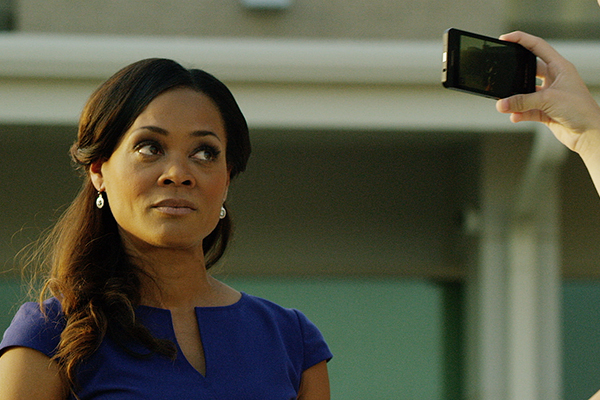
Gods Not Dead 2 Robin Givens

Robin Givens has graced us with her presence for years whether it be on television, onstage or on the silver screen. She caught Theodore Huxtable’s gaze on “The Cosby Show,” played the infinitely spoiled Diane Merriman on “Head of the Class” and gave Eddie Murphy a taste of his own medicine in “Boomerang.” Now she adds a faith based movie to her resume with “God’s Not Dead 2,” a sequel to surprise box office hit from 2014. In it she plays Principal Kinney, the chief administrator at Dr. Martin Luther King High School where a teacher, Grace Wesley (Melissa Joan Hart), becomes the center of controversy when she mentions God in a response to a student’s question. From there Principal Kinney is forced to decide whether to stand up for Grace or to stand by the school district officials who demand Grace to apologize for violating the “separation of church and state.”

I got to speak with Givens while she was in Los Angeles to do press for “God’s Not Dead,” and she could not have been nicer. Her family were huge fans of the original, and she jumped at the chance to appear in this sequel. She discussed what was most challenging about her role, how doing the movie affected her own faith and she shared her opinion about the fact that the movie not only opening on April Fool’s Day, but also National Atheist’s Day.
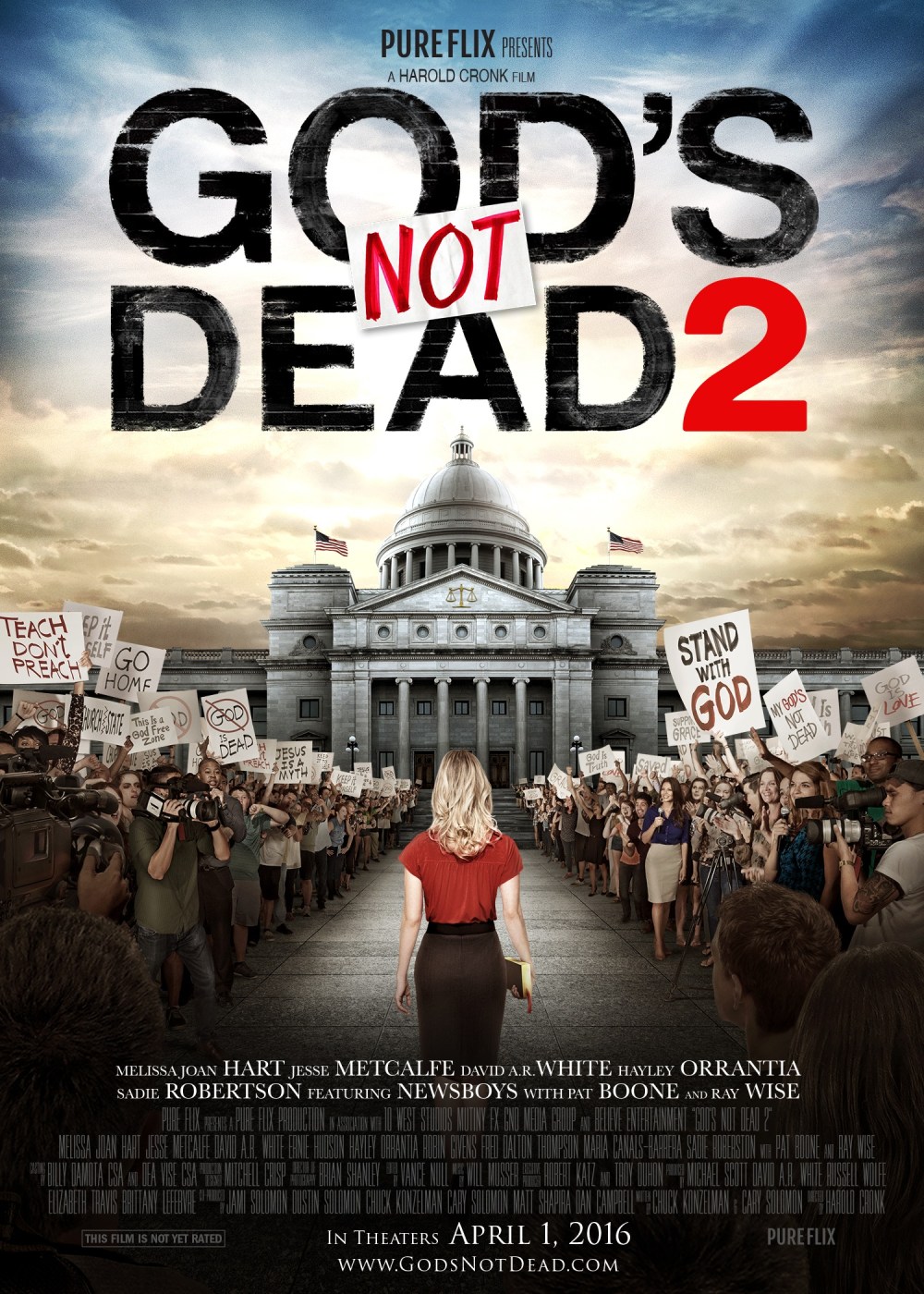
Gods Not Dead 2 movie poster

Ben Kenber: You play a high school principal in this movie. Did you do any research on principals at all?

Robin Givens:  No, I didn’t too much and I kept thinking of my own. I didn’t have a principal. I had a headmaster, Dr. Paul Firestone. I kept thinking of my children so I approached one from the students’ point of view and then one from a parents’ point of view. It’s interesting when you begin to approach the character and you are actually in the school. We were in a very, very large high school, and however big the kids were makes you assume a certain posture. You really do assume a posture even physically, so that was pretty interesting for me.

BK: This is a sequel which has the director and screenwriters returning to it, but most of the cast from the original did not return. Did that concern you at all?

RG: No, no, not at all. My family and I are very big fans of the first one. I guess I was not surprised they were doing a second one based on its success which I’m sure even surprised them. You kind of get the feeling that they were going to camp it up a little bit. When I met Harold Cronk, the director, I just loved him so much so I was not concerned about it at all.

BK: What would you say was the most challenging aspect for you in playing this character?

RG: Just for me, what I believe versus what she believes. You can play different characters that have nothing to do with you; that’s the most wonderful thing about acting. But with this one, I kind of wanted to insert myself for the first time. I wanted to be on Grace’s side in helping her along, not just sort of walking the line or concerned about following the rules. So that was the big part for me that was difficult.

BK: It can be tricky because you don’t want to judge your character.

RG: Exactly.

BK: “God’s Not Dead 2” is being released on April 1 which is not just April Fool’s Day, but also National Atheist’s Day. Do you have any thoughts on that?

RG: (Laughs) Somebody mentioned that to me and I didn’t know there was a National Atheist’s Day. I think it’s interesting that it’s also April Fool’s Day and that April Fools’ Day is different from National Atheist’s Day, but they also mentioned the irony that they didn’t know that was the day when they decided to release it, so maybe that was God intervening.

BK: Perhaps. You said your character was torn between her job and her heart, and that makes her complex as a result. What would you say were the challenges of playing those complexities?

RG: I think it was really difficult for me to get out of the way, that’s what I would say. I wanted to not judge her, but I wanted to not play the subtext of this really isn’t me and this is not what I believe. Just letting myself get out of the way of it was really hard for me. If I could go to Harold now, and now that I know him better, I would go, “Could you write a scene that actually explains the difficulties she is having?” It’s like one scene for me is missing, you know?

BK: Was there anything you brought to this movie that wasn’t in the screenplay?

RG: I try to portray the difficulty she was having, that’s the choice that I made. So I tried to bring the fact that she did believe, but she was still wanting to do her day job well. I tried to bring the conflict she was having, and I don’t know if that was originally planned but I wanted her to be conflicted.

BK: Has doing this movie strengthened your faith in your own life a lot?

RG: I feel like, for me, it was one big God wink. A friend of mine gave me a book called “God Wink” which talked about how there are no coincidences. It was such an important movie in our lives, my family personally, that to be asked to do the movie a year later was almost like a big God wink or validation of like “I’m with you.” So in some respects, not that it changed my mind about anything, it just sort of brought validation.

BK: When Melissa Joan Hart’s character of Grace Wesley talks about God in the classroom, she is really talking about him as a historical being instead of a divine one.

RG: I love that! I don’t know how you feel about that, but for me I think that was so smart. I loved how they put Christ in a historical context with Martin Luther King and Gandhi. I just love that.

BK: There seems to be a lot of confusion about when or if you should bring up God in the classroom, and the way Grace does it is not really offensive at all. But if she was forcing people and saying believe in God or you will get an F, that would be a different story.

RG: Absolutely, and also when she’s talking about it she’s just talking about it in very simple terms: tolerance, being a better person and being kind. I think because she’s talking about it in such simple terms then how can anybody complain about this, but that it still creates an uproar is interesting and shows where we are at.

BK: Christianity is still the dominant religion in America, but in “God’s Not Dead 2” it is presented more as a minority because of the way certain Christians are treated. How do you feel about that?

RG: This is America; we have freedom of religion. You can’t be persecuted for what you believe. People come from other countries to this country maybe not for only that reason, but that’s a big thing. You get to believe the way you believe here, and sometimes we get so caught up defending other people’s rights that even things that have been the fabric of our country have gotten pushed to the side. I do think Christianity is a big thing in America still, and I think that’s why these films are so successful because maybe people shouldn’t talk about, but they love that they get to see themselves or what they believe are the discussion. I think people really do love it.

BK: Was there anything in regards to religion you really wanted this movie to have?

RG: I think that probably lies a lot on Melissa’s shoulders in terms of what she wanted it to have. I was there to sort of help her in many respects to find her way and help her character find her way as opposed to my own beliefs.

BK: This movie has quite the cast with actors like Ray Wise, Ernie Hudson and Fred Dalton Thompson in what turned out to be his last role before he passed away. Did you have the opportunity to work with Fred?

RG: No I didn’t, but I always think of Fred Thompson when he was running for office which is like, it’s so cool. I’m a big fan not only of his acting but also politically. He was so thought-provoking in many respects, so I’m just happy to have been in the film with him.

BK: You mentioned that your mom goes to church every Sunday and that she saw “God’s Not Dead” and it made the family very happy. I imagine they were very happy to hear that you were involved in “God’s Not Dead 2.”

RG: Oh my God. My family doesn’t know where I’ve came from just in terms of the entertainment business. They are never too into it. But they loved it and they couldn’t believe it. It was something we did together as a family, so when she went to see it (“God’s Not Dead”) and then we all went to see it as a family there was a certain irony there. But it made them very happy.

BK: What would you say your mother got out of the first movie?

RG: It was a difficult time in our lives as a family, and I think that what everybody needs is just faith. I think certain things can always trigger what’s going on in our own lives, so just to have faith I think was a big thing.

I want to thank Robin Givens for taking the time to talk with me. “God’s Not Dead 2” is now available to rent or own on DVD and Blu-ray, and you can visit the movie’s website at www.godsnotdead.com.

Copyright Ben Kenber 2016.
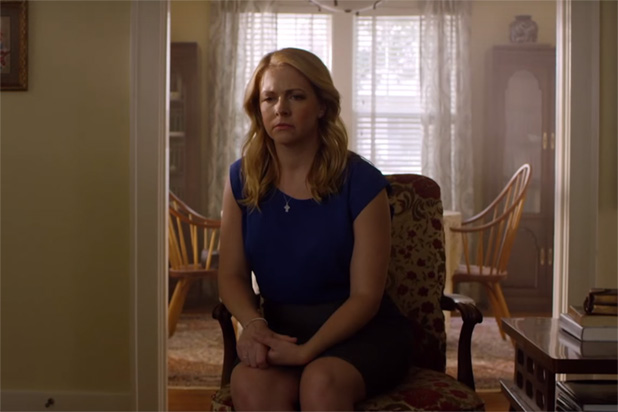
Exclusive Interview with Melissa Joan Hart on ‘God’s Not Dead 2’

Gods Not Dead Melissa Joan Hart photo

The 2014 movie “God’s Not Dead” only cost $2 million to make, but it went on to gross over $60 million and began a movement to strengthen the faith of Christians everywhere. That movement continues with “God’s Not Dead 2” which reunites director Harold Cronk with screenwriters Chuck Konzelman and Cary Solomon, but it tells a completely different story. This time the action moves to a public high school where teacher Grace Wesley (Melissa Joan Hart) encourages her students to appreciate history. But after Grace gives a reasoned response to a question about Jesus, she becomes the center of an epic court case which could end her career and expel God from the public square once and for all.

We all know Melissa Joan Hart from her popular television shows “Sabrina The Teenage Witch” and “Melissa & Joey,” and she is a veteran of show business having started at the tender age of four. I got to speak with Melissa while she was in Los Angeles, California for the “God’s Not Dead 2” press junket. She talked about joining a sequel which had none of the main cast members from the original returning to it, how social media has both helped and hindered the Christian movement, how she had to do a lot of reacting in this sequel, and why she feels likes an anomaly in today’s Hollywood.

Gods Not Dead 2 movie poster

Ben Kenber: It’s interesting how your character talks about Jesus as a historical figure and not a divine person, and yet it somehow leads to this legal case which dominates the movie.

Melissa Joan Hart: Well someone did ask us today in one of our interviews, “Is Jesus a bad word, and why has Jesus become a bad word?” You say Jesus you make people uncomfortable, especially Christians. I have become very comfortable with talking about things within my religion and within my faith. I have been a faithful person my whole life, but only in the last 5 years have I started bible study and really, really studying the word. It’s a hard thing to feel comfortable in this day and age. It’s weird that it used to be such an easy topic, and now it has become such a difficult, strained topic. You say things like “God bless you” and they look at you sideways. It is a weird situation going on these days, and so I like to make sure when someone sneezes that my kids go “God bless you” or if they see a man in military fatigues to say “thank you for your service.” People find it a little disconcerting, but when you do it they appreciate it. I was telling someone earlier about the ten commandments and someone pointed out to me and said, “Which of the ten commandments doesn’t hold up today?” The only one that seems to be fading out slightly is though shall not take my name in vain, and so I make sure I don’t, in my work, say “oh my god” or “OMG.” It really bothers me when other people do now, but in my house they don’t. My kids’ friends come over there and they are not allowed to say it and I’ll tell them why. If I feel the need to pray on an airplane because I’m terrified of flying, I’m not ashamed of that. I cross myself right there in front of whoever is watching. I had some controversy over a Christmas dinner at my house about whether everyone should go to church, and my stepfather brilliantly pointed out if anyone had gone to a Passover or any other kind of religious ceremony or holiday, you would respect that person’s wishes in their home. If you did accept that invitation to go to that event, you would be a part of it and not mock it. We are PC-ing ourselves to death here, literally. I think that’s why Trump is doing so well because he’s not correcting himself and he’s not being politically correct. He’s being completely politically incorrect, and not that I think he’s the best choice, but I can see the draw.

BK: Trump is definitely not the best choice and the fact that he has gotten as far as he has is frightening.

MJH: It’s disturbing.

BK: This is a sequel which features the same directors and some of the same writers but none of the main stars from the original returned for it. Was that ever a concern for you?

MJH: Actually I thought that was pretty exciting. I can’t recall another situation where that happened where they didn’t try to get the original cast and didn’t. I don’t think I’ve ever seen a sequel where the star didn’t go on. Well, maybe “Bruce Almighty” (laughs).

BK: There have been a few sequels like that such as “Son of the Mask” and “28 Weeks Later.”

MJH: But this is a completely different story. It’s not even the same movie. It’s a different movie with similar undertones and a few recurring characters, but really it’s a different story and so that’s kind of exciting and interesting. It was definitely a blessing to step into a leading role in a film that’s already well-established as a movement. The first movie ignited a movement across the country and I think it rallied together the Christian community, especially the youth, and they took to social media and started a movement.

BK: Speaking of social media, do you feel that it has helped the Christian movement or taken away from it?

MJH: I think it’s done both. I read somewhere that they say cell phones are the cigarette of the twenty-first century. They say that for health reasons but I think it’s toxic to families. I read a study where they were observing parents sitting in restaurants with their kids, and if they were on their phone they were more likely to be more violent towards their children and impatient and have outbursts towards their children than the ones that weren’t on their phones. I do think social media plays a big part in that because we want to be attached, but we’re not attached. I remember being in my house on a Thanksgiving and sitting around with everybody. We were watching TV and I made some comment about what was on the TV and I was like, “Can you believe he said that?” And I looked around and everybody was on their phone, but they justified it by saying, “Well we’re playing Words with Friends with each other.” And I said, “Well then why don’t we just play Scrabble?” So I do think that social media can be completely toxic. We feel like we are connected when we are totally not connected. We worry more about followers than friends. But in that way we have also found a fellowship out there of people across the world that we can relate to on certain subjects and certain topics, and Christianity is definitely a big one. I think the movement behind “God’s Not Dead” is doing amazing things on social media.

BK: You talked about how you had to do a lot of reacting in this movie, and that was great to hear because listening is one of the key things in African do especially when they are in a movie. How tough was that for you?

MJH: It was really a lesson for me. Obviously I’ve done reaction shots before, but usually I’m talking at a fast pace but trying to be funny. Usually when you’re the lead of the movie you just talk endlessly. Every other line is your line. So it was hard for me to sit there and just observe and then react, but it was also a great lesson for me to take a deep breath and enjoy not having to learn lines, but also being a part of the scene without having a voice in it and trust that the filmmaker and producers have you protected. It was a little bit for me to wrap my head around that the first week. I was like, “Well I’m not even saying anything. I barely talk.” I didn’t even realize until I get there and you start really reading the lines and you go, “I don’t have a line all day! I’m in every scene but I don’t have a line or I say three words and that’s it.” Jesse’s got six pages. It was hard for me to switch roles, but I’m excited I got the opportunity to do it obviously. If I get the opportunity to do that sort of thing again I know how to handle it better, and hopefully I’ll improve and hopefully with each project you’ll improve.

BK: The two “God’s Not Dead” movies have very different stories. It’s kind of like what’s going on with the two “Cloverfield” movies in that it deals with the same thematic elements even though they each take place on a different timeline. This makes the “God’s Not Dead” franchise seem more like an anthology than anything else.

MJH: Which is why I’m bummed because I know I won’t be in the third movie (laughs). But that’s exciting too because it gives the audience something else. They can come to the movie have knowing what to expect, but part of the fun of film beginning is not knowing the twists and turns and not knowing these characters and infuse it with some new energy. It’s about opening up the stereotypes because as Christians I feel like a lot of people, when you say Christian or the name Jesus, go oh you’re going to judge me now or I don’t go to church enough for you or I don’t know the verses of the Bible. People are always so afraid to be judged and I feel like a lot of Christian films do a little stereotyping, but I feel like in this case with this movie it’s really evolved to a place where these characters are complex. They are real people and these are real human experiences. People will hopefully relate to it more because they will find someone they identify with in this movie or they will identify with everyone.

BK: A lot of criticism that was directed at the first “God’s Not Dead” movie was that there were a lot of Christian stereotypes, but this one has characters that are a lot more complex which makes it more interesting.

MJH: Yeah, you don’t necessarily have a protagonist and an antagonist. I’m the victim in a sense, but not if you are an atheist. With Robin Givens’ character, we didn’t really know which way her character was going until the re-shoots. So I actually asked the director, “Is she bad or is she good? Is she on my side or are we hinting at that?” They decided to keep her a little bit more on the side of evil, but they do walk this nice line with everybody. It’s just a very realistic view of people, and you can’t put people in boxes and you can’t stereotype. I’m a conservative Hollywood girl, and yet I grew up in New York. I’m a Republican so I don’t really fit in with the liberal views of Hollywood, but I’m also anti-gun and pro-choice so I don’t fit into that spectrum. I feel like I’m an anomaly because people can’t figure out where to put me, you know?

BK: It’s interesting to hear you say that because in this day and age we have reduced so many things down to soundbites to where it’s far too easy to label everybody and anybody so broadly.

MJH: Yes. I said I was voting for Romney on Twitter years ago for the election, and instantly I got people saying you must be anti-gay, you must hate all other races, etc. Instantly it was like I just got pigeonholed into then you must be this way if you vote that way instead of just thinking maybe the other choice wasn’t so great (laughing).

BK: “God’s Not Dead 2” was a low budget movie that was shot in less than a month. Did the speed of that help you at all?

MJH: The speed of a movie never helps. They are trying to make movies faster and faster and faster these days which ends up putting a lot of pressure on the crew. So when you do speed these things up, the process is not helpful to the production. They say it puts more money on the screen but I don’t think it does. I think time really helps especially the performances. It’s hard to rush a performance. It’s hard to be like, “Hurry up! Cry! Okay, next scene!” But I feel like working in television you get used to a very rigid schedule and a very fast pace which also kind of kills a performance because I’m used to trying to make sure I hit my marks so I get my letting right. I don’t bang on my microphone so I don’t ruin sound. But am I really think about my performance when I’m thinking about all these other things as well? Did I hit my mark? Am I in the light? My makeup artist is telling me to keep my eye open and to keep my head up. If we had more time to rehearse it and feel it out and do everything and go through it systematically performances would be better, so I think that’s the main thing that suffers, the creativity behind the film, when you rush through it. They save a lot of money and it does get you back to your family faster, but at the same time it’s like you still can only work 12 hours a day.

I want to thank Melissa Joan Hart for taking the time to talk with me. “God’s Not Dead” is now available to own and rent on DVD and Blu-ray. Please visit the movie’s website (www.godnotdeadthemovie.com) for more information.

Copyright Ben Kenber 2016.
//pagead2.googlesyndication.com/pagead/js/adsbygoogle.js
<!– Ultimate Rabbit –>
<ins class=”adsbygoogle”
style=”display:block”
data-ad-client=”ca-pub-4712728578817385″
data-ad-slot=”1713958158″
data-ad-format=”auto”></ins>

(adsbygoogle = window.adsbygoogle || []).push({});

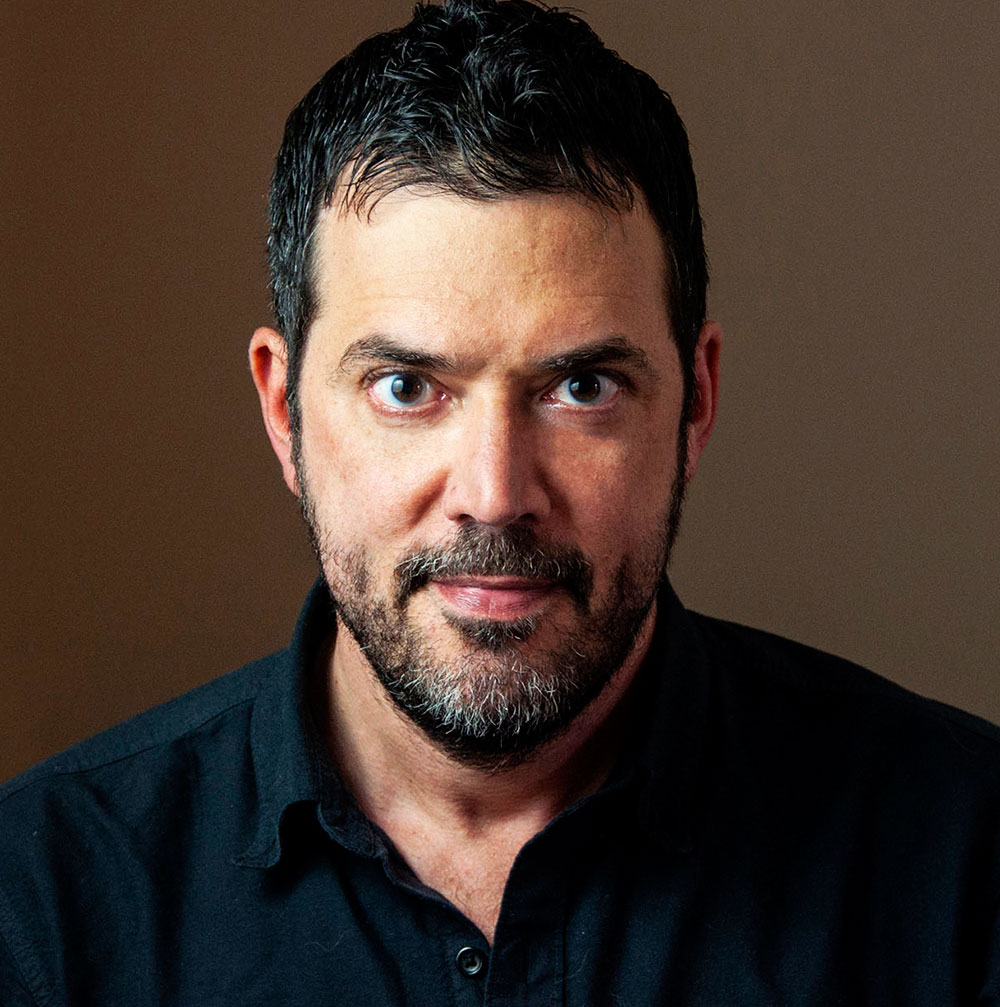
Exclusive Interview with Justin Weinstein on ‘An Honest Liar’

Justin Weinstein photo

In 2015 there were many incredibly fascinating documentaries released, and one of them was Justin Weinstein’s and Tyler Measom’s “An Honest Liar.” It looks at James Randi, a world famous magician, escape artist and renowned enemy of deception. Randi started out his career as a stage magician with aspirations to be the next Houdini. After retiring he went on to publically expose famous psychics, faith healers and con artists who were deceiving people for their own benefit. But things take a shocking turn when it is revealed that Randi’s partner of 25 years is not all he appears to be, and it leaves the audience wondering if Randi is the deceiver or the deceived.

“An Honest Liar” is available to rent or own on Blu-ray and DVD, and it offers the documentary’s fans a treasure trove of special features to check out. There are two commentary tracks to listen to: one with the directors and the other with Randi himself. There’s more about Project Alpha, the elaborate hoax Randi orchestrated where two fake psychics were planted in a paranormal research project and who led others to believe they were for real. In addition, there are deleted scenes as well as extended interviews with Penn & Teller, Alice Cooper, Banachek and Ray Hyman.

I got to speak with one of the co-directors of “An Honest Liar,” Justin Weinstein, over the phone, and we had a great talk about this documentary’s making as well as the challenge of making any documentary in this day and age. Weinstein is a Brooklyn-based filmmaker who was the executive producer on “Bronx Obama,” and he was also a writer and editor on “Being Elmo: A Puppeteer’s Journey” which won the Special Jury Prize at the 2011 Sundance Film Festival.

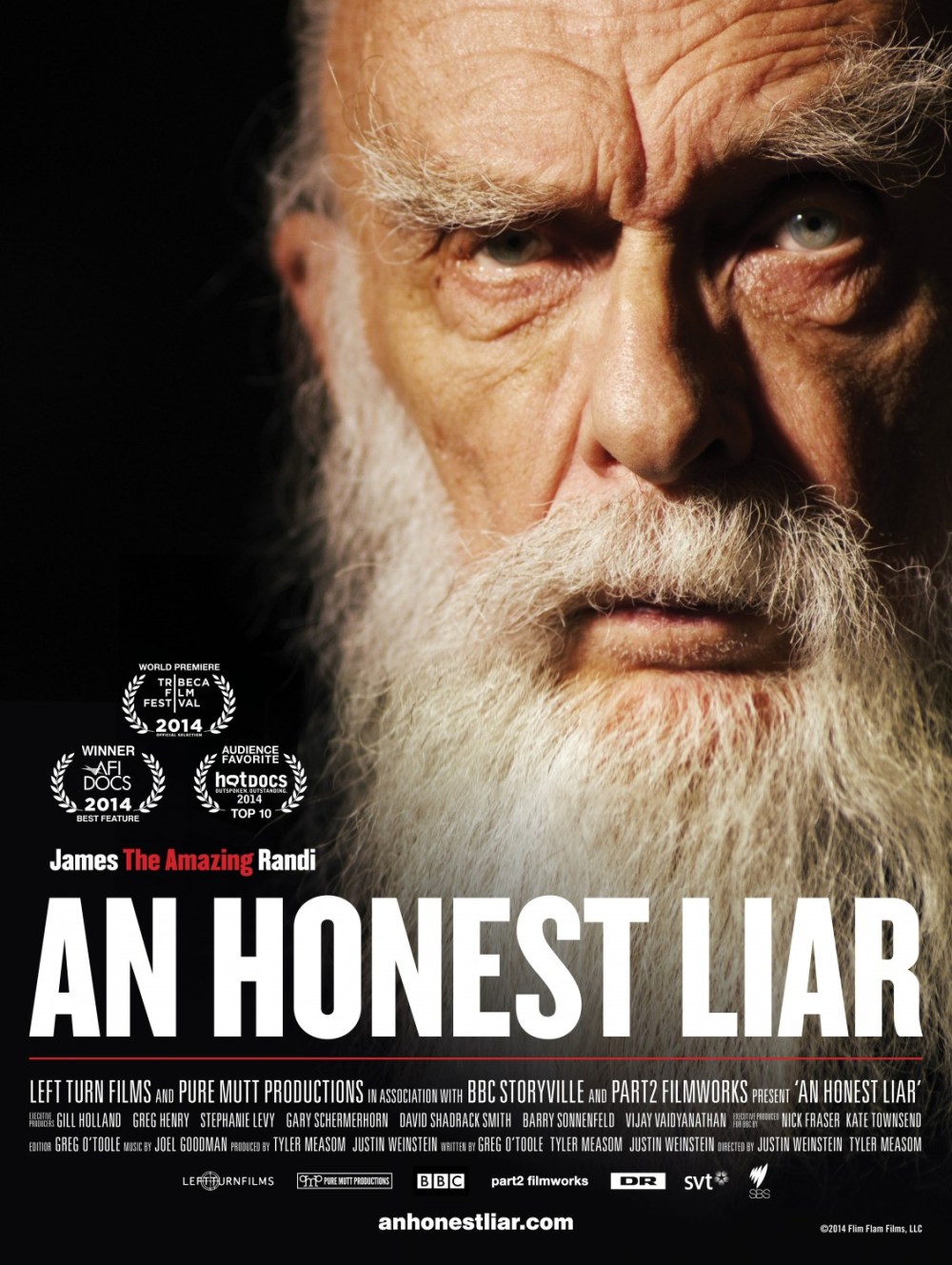
An Honest Liar poster

Ben Kenber: How did “An Honest Liar” change from how you envisioned it before filming to what it eventually became in its finished form?

Justin Weinstein: That’s a great question. We originally started out thinking that the film would be as much about skepticism as it is about Randi. Before we even started filming we thought about what we can do here, and we were interested also in the skeptic movement because there is a very avid movement and active almost religious evangelical group of skeptics with their own charismatic leaders. So we thought that was interesting and our working title began with Skeptic. Of course we were going to deal with Randi’s history, but we were planning to look more at the contemporary skeptic movement as well. But then something happened Randi’s partner got arrested. In doing research and talking to people and going through Randi’s history, there were a lot of interesting disparities. He’s a storyteller and a performer, and when you’re a storyteller and a performer often the best stories are not exactly what happened. And so Randi has kind of bent the truth at times in order to be more effective at what he does, which ironically is being a truth teller (laughs). So we were starting to get interested in the levels of deception, truth, honesty, and a kind of inherent irony with the truth teller bending the facts. Once his partner was arrested, we realized that there is something else bigger thematically here. So we went back and watched Orson Welles’ “F is for Fake” and that really solidified our thinking about the film and that its subject is deception. Above all else that’s the through line. I mean it’s about Randi, but it’s really about truth and deception as well. I knew I wanted to play with the audience and have there be something deceptive in the nature of the film itself. Most people think that documentaries are the truth, and we all know that’s not really the case or rather that they’re one form of the truth. So all these things gelled and helped us focus the film in the direction that it ultimately took.

BK: One of the ad-lines for “An Honest Liar” is if James Randi is the deceiver or the one being deceived. We live in times right now where it feels like we are all being deceived in one way or another, so that’s an interesting way to look at it.

JW: Yeah, and it also working on a couple of levels because it’s not clear right away whether Randi was deceived by Deyvi/Jose, and there’s also a scene in the film where I apparently deceive Randi as a filmmaker. The film came out about the same time I think as “Merchants of Doubt” which is another film about deception actually. (The magician) Jamy Ian Swiss is in that as well. Deception is of fundamental importance in what, to me, forms a lot of the problems that we have today whether it’s political, self-deception or other people pretending something is true when it isn’t.

BK: “Merchants of Doubt” is another terrific documentary and almost as good as “An Honest Liar.” Doubt is a big thing now, and I have had some strong debates with people who are guided more by religion than actual facts.

JW: Well that’s what got Tyler and I interested in this to begin with. I was brought up a secular Jew and was always interested in science and film. When I went to college in Ohio, in my Freshman year I took a genetics class and people stood up and walked out and screamed at the professor, “You’re gonna go to hell for teaching this!” And I was like, “Huh? What?” I remember the first time where I actually spoke to people who believed that dinosaurs didn’t exist and that dinosaur fossils were a plot. I was like, “Wait a minute, what’s going on here?” I transferred to film school and went into doing documentaries, and a lot of my work has been around that subject. I worked on a Peter Jennings doc where I dealt with UFO believers, and it just really fascinates me how people can come to believe things that are demonstrably untrue or just hold onto faith in something for which there is no tangible evidence. Tyler, my co-director, was brought up a Mormon in Salt Lake City. He went on a mission and converted people to Mormonism before he realized that he was being duped and lied to, and he left the church. So that was definitely, as filmmakers, part of what we found fascinating about the subject and wanted to explore.

BK: One of “An Honest Liar’s” most interesting moments is when people start turning against Randi even after he has proven others to be fraudulent in their methods. It seems like many people would rather believe in the illusion rather than face up to reality.

JW: Yeah, I learned this early on when I was debating people in an academic space between creationists they know and evolutionists. At a certain point, and this was when I was 17 or 18, my professor pulled me aside and I said that I couldn’t understand it. There’s evidence. How can they not accept the evidence? What I came to understand was that people create a kind of bubble, a worldview that works for them. If you poke a hole in the bubble no matter small it is, then the whole thing will collapse. So it requires these mental gymnastics to keep the structure of that bubble intact. Over the years making this film people would come up to us, email us and offer us services. Somebody from Paramount Pictures would be like, “Come and finish your film here. I was a born again Christian and I was sucked into all of this, and then I saw one of Randi’s videos on You Tube and someone gave me a book of his and that opened my eyes and changed my life.” He’s had that effect on thousands and thousands of people and it’s always amazing to see how thankful people are. People travel for hours and days to meet him in person to thank him because he changed their lives. It’s really stunning. At the same time there is a whole population of people out there who don’t know him. He’s not the hugest star. He was famous in the 50’s and 60’s and then the 70’s and 80’s with Uri Geller. One of the things we were hoping to do with the film was also to show a fascinating and really important person people deserve to know more about.

BK: Many wonder why a biopic of Randi’s life has not been made, but it makes more sense to tell his story through a documentary because it seems to be a more honest way to introduce this “liar” to a public not familiar with him.

JW: It’s funny because a few of his stories have been stolen. There was a movie with Steve Martin about faith healing called “Leap of Faith,” and then there was something with Robert De Niro where they steal the whole “hello Petey can you hear me” (“Red Lights”), and that’s right out of Randi’s life. There have been other people who had approached him to make a documentary, but I don’t think any of them seemed right. I think both Tyler and I have some films under our belt and we are coming at it from the right angle, so he trusted us.

BK: How open was Randi to doing a documentary? Was he ever hesitant to go into certain areas of his life?

JW: He said at the very beginning, “If we’re going to do this, we’re going to do I warts and all,” and so he was very willing to be open. Right after his partner was arrested it was just unclear what would happen and what was happening. There was a little bit of caution, but as soon as things started coming out both he and his partner just decided that honesty is the best policy. He was very giving with his time. At one point he was upset and you see it in the film, but now he says that he’s glad that we included it because he wants people to see that even he sometimes grapples with the truth that we’re all human.

BK: You also managed to get an interview with Uri Geller which is amazing because he was one of Randi’s chief targets throughout the years. Was it tough getting an interview with Uri, and how open was he to talking with you?

JW: It’s funny. We sent him an email and said we were doing a documentary on Randi and that he has been a big part of Randi’s life and we would love to interview him. We got an email back from his lawyer saying, “Well my client has had a very contentious history with Randi and we want to know exactly how you are going to portray him and the questions you are going to ask.” And Tyler and I looked at each other and we were like, “Screw that!” I never write out a list of questions when I do interviews, I do it conversationally. We have enough of Geller in archive videos. We didn’t need him on camera. So we replied and said we don’t write questions, we got enough in the history to do it without him and he is open to speak for himself. So if he wants to do it great, if not no worries. And then the phone rang and it was Geller who was like, “Oh I’d love to!” So as soon as we threatened to pull the camera away, he ran toward it. Randi said the most dangerous place to be is between Uri Geller and a TV camera. He was very gracious, he was very nice and he was game.

BK: In regards to the Blu-ray/DVD release, what special features are you excited for the fans of the documentary to check out?

JW: There were so many great stories that we couldn’t fit in. With Project Alpha, the two magicians who infiltrated the paranormal study, that went on for two years and they were a couple of high school teenage boys who were away from home and getting into trouble. So there are a few stories from that we couldn’t fit in time wise to the film, but we kept them as bonus scenes. There are a few more Project Alpha tidbits, and the extended interviews are also really great. You can hear Penn and Teller, or rather just Penn, talk about his impressions of Randi because Randi is one of Penn’s biggest heroes. He is very articulate about why Randi deserves the praise that he gets and what is special about his life.

BK: Speaking of Project Alpha, Barry Sonnenfeld now has plans to make a movie about that. What are your thoughts on that?

JW: We’re thrilled. Barry saw the film and loved it, and he immediately recognized Project Alpha as its own great story. We met with him and agreed to work together. He’s a very talented filmmaker who started out as a cinematographer on the Coen brothers’ films but then did “Get Shorty” and “Men in Black.” He’s a great match for the material. It’s kind of a buddy, slightly supernatural period comedy-ish thing, so we’re thrilled to be working with him. We hope to get something up on the big screen with him.

BK: “An Honest Liar” was made with the help of Kickstarter and a lot of grassroots support. Could this documentary have been made without that grassroots support?

JW: That’s a good question. We raised a good amount of money via crowd funding, but our budget was much higher. The money we raised was not enough to make the film on its own by any means so it wouldn’t have been sufficient. However, without it, it would have been much more difficult and I’m not sure it would have been possible without it. In fact, most likely it would not have been possible without crowd funding unless we really cut a lot of corners, and it probably would have been a different film. Documentary funding is always hard to come by especially in the United States. In many other countries there are government funding programs, there’s state money, and in the United States there is no such thing. So you have to do a lot of work applying for grants, but mostly grants that are available tend to be for social issues and ideological films. They are subject oriented about underrepresented populations and minorities, so making a film like this, and it is an issue oriented film, it’s not the kind of issue that grant foundations like. It looks like a biography to most people, so we didn’t have those sources in funding available to us and it’s a shame. I think we made a decent film and I think a lot of foundations which had seen the film after it was made have said, “Oh, well that’s something we could have supported.” They prioritize their money, so crowd funding is almost essential to documentary filmmaking. It’s a shame. It really sucks.

I want to thank Justin Weinstein very much for taking the time to talk with me. Be sure to check out “An Honest Liar” on Blu-ray or DVD as those special features are every bit as entertaining as the documentary itself.

Copyright Ben Kenber 2015.

Exclusive Interview with Jonathan Gold on ‘City of Gold’

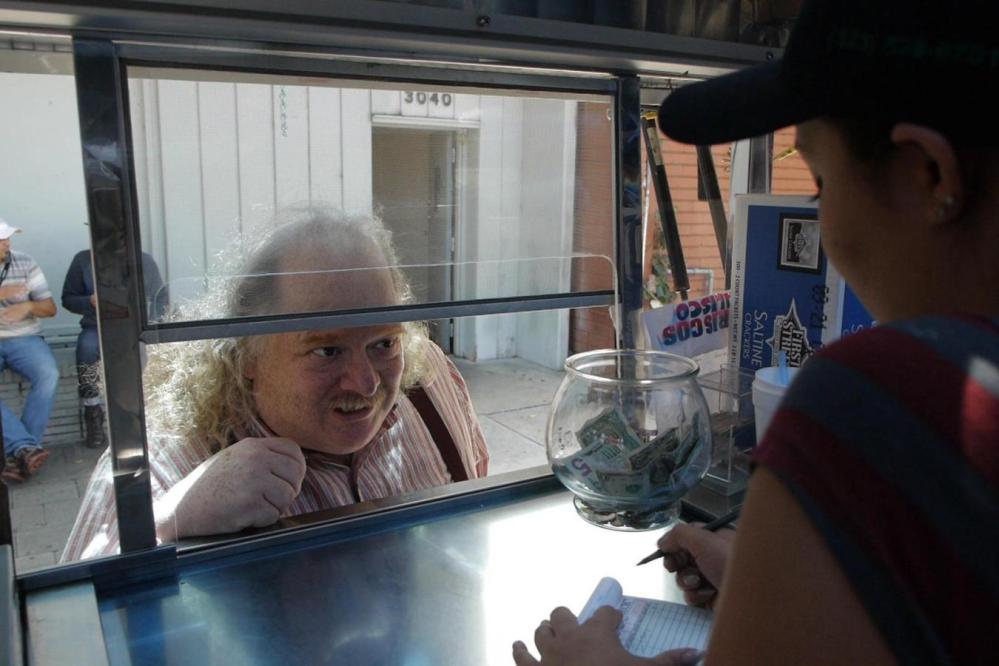
Jonathan Gold photo

For those of you who see Los Angeles as an infinitely shallow and superficial city bereft of culture, try looking at it through the eyes of Jonathan Gold. Food critic for the Los Angeles Times, LA Weekly and winner of the Pulitzer Prize, Gold is known for his robust writings of Los Angeles restaurants, and he has gone out of his way to review small family owned eateries in the city’s ethnic enclaves as well as the trendier eateries in Beverly Hills. In the process, his reviews have changed the lives of many immigrants who continue to cook the food of their countries, and they have provided readers with a deeper understanding of the cultural landscape of Los Angeles which continues to astonish new visitors and longtime locals.

Gold is the subject of the documentary “City of Gold” which was directed by Laura Gabbert whose previous works include “No Impact Man” and “Sunset Story.” It follows the award winning critic around Los Angeles as he checks out restaurants, and we get to meet many of the chefs whose careers really took off after he reviewed their restaurants. In the process, the documentary also comes to reveal Gold’s deep love of this city and of how it has brought many different kinds of people together.

It was a pleasure to speak with Gold during time off from his day job, and he talked at length about the challenges he experienced making this documentary and how it affected him as a food critic.

Ben Kenber: How were you approached to do this documentary? Was it something you were open to doing or were you hesitant about it at first?

Jonathan Gold: Oh I was absolutely not open to doing it. It’s a tradition of anonymous restaurant critics in the United States. I’ve been approached by reality TV a lot, but I always said no. The filmmaker, Laura Gabbert… It’s sort of a weird story. I donated a dinner with a critic to a silent auction at a school a friend’s kid went to and she bought it. We went out to dinner at the first iteration of LudoBites, Ludo Lefebvre’s pop-up restaurant, and she brought it up and I laughed it off, and she called and we had coffee a few times and it was still not going to happen. And then my kid ended up going to that school, and somehow when you see somebody every day at the drop off line it becomes inevitable in a certain way. I had been thinking a lot about anonymity. It had almost been an impossible concept at the moment, restaurant criticism, with the very, very, very few exceptions. The restaurants that really need to know who the critics are know who the critics are, and nobody stays anonymous for more than a couple of months. I had been reviewing restaurants for more than 20 years and I just figured that it was okay to give it up. It was less a question of actually being anonymous then pretending not to notice them pretending not to notice me noticing them and noticing me. Very meta (laughs).

BK: I have heard restaurant workers have a very high mortality rate. Is that a subject you have ever dealt with in your reviews?

JG: No, not so much, but it’s really physically demanding work. You get up really early, you’re on your feet all day, you are around things that are very sharp and are very hot, and you’re breathing in vapors and smoke and things all day. You’re in a place that has a ton of alcohol because that is why it exists. So I admire the people who could do it as much as a sports writer admires athletes. It takes a lot of stamina.

BK: In the documentary we learn early on you were originally a music critic and later became a food critic. What were the differences of being a critic for each?

JG: Well I’ve actually always done both. I would go to dinner on the way to the show, and then I would review the restaurant and I would review the show. That’s how I did it for years and years. I didn’t think they were incompatible at all (laughs). But one of the things I liked about writing about food just as a profession is that when you write about music you deal with layers and layers of publicists, and I remember I did a Rolling Stone cover on Snoop and Dre. I counted at one point because it started to get weird, but there were more than 1100 phone calls to the publicists. When you are dealing with the restaurant you just go to the restaurant, so it was easier that way. It was a good piece but man, it seemed like a full time job dealing with that.

BK: Once filming began, did it take a long time for you to get used to the cameras following you around?

JG: I wouldn’t say that it took me a long time, but it may have actually taken me a long time. It was like one day a week, one day every other week, and Laura Gabbert, the director, would show up with the cinematographer and someone doing sound and they would crowd into the back of my pickup truck and we’d drive around and we’d stop somewhere. I didn’t really know what to do at first. It’s hard to talk freely when you just have a camera pointed at you and a boom microphone like tickling you, but I think over the course of filming it, it became a little less strange and a little more natural. The people I had lunch with and dinner with never got used to it quite as much as I did just because it was an inherently awkward situation. But it must be said that I laid down guidelines at the beginning for filming. I didn’t want her to fill me actually reviewing a restaurant. She would’ve liked that and it would’ve given the movie an arc, but I didn’t want to give her an arc actually because I didn’t want anything dramatic to happen. And I put down for a long time that she couldn’t film my kids because they deserve their privacy, and of course it turned out that they wanted to be in the film so they were. There were probably a few others, but with those boundaries drawn and the fact that I wasn’t actually going to have to interview anybody, I wasn’t going to act as a journalist and I was just going to be a person doing possibly journalistic things.

BK: The movie starts with you sitting in front of your computer and looking pensive, and then you begin to type something. Were you actually writing a review at that moment?

JG: Yeah. Actually I refused to have it staged and they shot it in a lot of different ways, but I was actually always writing a piece when I was doing it. Not necessarily the piece that was coming on the voiceover because… I don’t know if you’ve done it, but pretending to type looks like somebody pretending to type, and it’s always bothersome in movies.

BK: Did you have or want any artistic control over the documentary, or were you content to have Laura just have her way with it?

JG: I had essentially no artistic control over it. I’m the subject in the way that you are interviewing people. The people that you are interviewing don’t have any input into the story you are writing and they shouldn’t, and she was committing an act of journalism and I was the subject. I saw a rough cut of it and I’m not sure there was anything I objected to. Sometimes I wish I had combed my hair (laughs) and sometimes I wish I’d said something in a more articulate fashion, but I talk the way I talk.

BK: Was there anything taken out of the documentary that you wish had stayed in?

JG: There was a scene that I loved where I was giving a presentation at the MAD conference in Copenhagen, and that’s a conference that happens every couple of years. They couldn’t send anybody but they lent my daughter a camera and she took footage and she put it together in a certain way. It’s sort of a beautiful scene, but ultimately it didn’t really fit into the narrative of the film and it was cut. I will always become exercised on behalf of my children (laughs). I think it’s almost demanded.

BK: How would you say you ever evolved as a critic over the years you have done this work?

JG: I think I understand that there’s more and I think I understand that there is less. The more I do this, the more I write, the more it feels like I actually know.

BK: You are so good at describing things in your work to where you give the reader very vivid images of the stuff you are writing about. How do you accomplish that?

JG: Actually that was maybe one thing I worked at pretty hard. I thought that describing food was my one weakness when I first started writing about food. I was good at getting you into the room and I was good at describing the context and telling you why you were there, but sometimes my descriptions of the food were a little bit tough. I actually worked at it and worked at it, and I figure it’s like Kobe Bryant taking 1000 free throws a day. It’s like eventually he’s going to figure out where the basket is.

BK: Has doing this documentary changed the way you write about food at all?

JG: No, not at all.

I want to thank Jonathan Gold for taking the time to talk with me. To find out more about “City of Gold,” be sure to visit the documentary’s website at www.cityofgolddoc.com.

Exclusive Interview with composer Brian McOmber on ‘Krisha’

Brian McOmber photo

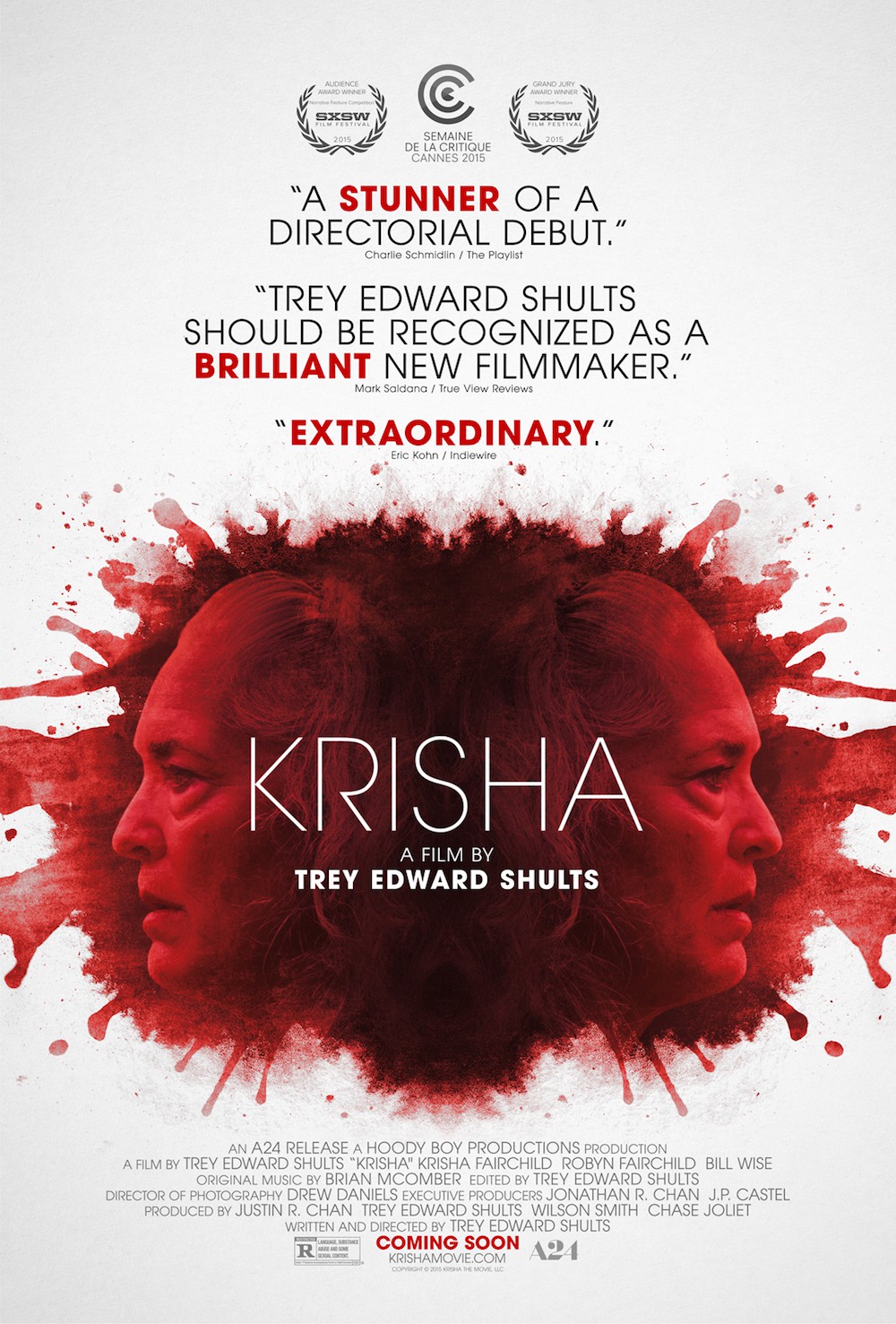
Trey Edward Shults’ “Krisha” swept through the festival circuit and gained critical acclaim for its brilliant direction and tremendous performances from the cast. But among the many things “Krisha” deserves to be acknowledged is the film score that was composed by Brian McOmber. A former member of the popular band Dirty Projectors, McOmber’s score proves to be a pivotal part of this movie as it succeeds in taking us right into the fragile mental state of its main character. I got to talk with McOmber about his music for “Krisha,” and I invite you to read my interview with him below.

Krisha movie poster

Ben Kenber: Your score for “Krisha” is brilliant and fits perfectly with a movie I would describe as emotionally pulverizing. When it came to creating music for the movie, did you know right away if you wanted it to be an electronic score or an orchestral score or a bit of both?

Brian McOmber: I think we did want it to be a combination of both. The first time I had worked with Trey was on the short version of the film, and with that one you didn’t want something more orchestral. He wanted something that just immediately grabbed our attention because to try to re-create the arc of the feature version in the short, we really just went all out with the music right away. So with that one we had orchestral, percussion, strings, electronics, the whole bag right off the bat, whereas with the feature we wanted to break apart the individual components and try to figure out how they could all work independently and also together because there was so much more music to be made, and the arc needed to be more of a slow burn in the feature. Actually, when Trey made the short version of the movie that was supposed to have been a feature. He tried to make a feature version of the film, and a few days and $7000 later… Trey is obviously a brilliant director, but he was just being a little too ambitious so it became a short film. With the feature version of “Krisha” that’s out there now, that was him going back trying to make the film he always wanted to make.

BK: When it came to going from the short film to the feature version, how would you say the music evolved?

BM: I think that the main order was just unraveling those components, the electronic components and the new orchestral components, and figuring out how we could use those textures and instrumentation and spread it out over the course of 12 cues because it was 12 cues we ended up doing in the end. I think that was the main approach to the feature.

BK: I read in an article that you said that you and Trey tried not to get carried away by ambition. How did you manage to keep that from happening?

BM: The entire film was made for under $100,000 and Trey is a young, really smart and really ambitious director, and he wanted the music to be that way too with the little amount of money that we had. So there’s a few instances where we had to chisel and tone down our expectations of what we wanted to get from the music just because we didn’t have the resources, but I think we did a good job. We were very ambitious with what we had to work with, but hopefully being that ambitious with such a small film didn’t work against us. I think we did a good job trying to balance all of our hopes and dreams for the music and the reality of what we were working with. It was a challenge with this film, more so than maybe any other film that I have worked on.

BK: What’s great about the “Krisha” score is while you might know where the movie is heading, the music itself is unpredictable in that you are not sure which instruments are going to be used to capture the emotions. Did you start with one instrument and then decide to go with another while composing the score?

BM: Yeah, I think that coming from this sort of film again we all knew we wanted to use things like wooden blocks or these kind of natural instruments. I didn’t think about the unpredictable component. That’s an interesting point. The film plays into a lot of archetypes of what film music should be and that’s like the orchestral stuff. The electronic component was more of me bringing these ideas to Trey because I felt like having these glitched electronics or at least taking organic instruments like a prepared piano and running them through electronics and making them glitch out or making errors or things like that. That was part of my effort to try to capture, especially early on in the film, Krisha’s slow unraveling, and especially to help capture that anxiety she’s feeling early on that slowly becomes overwhelming. I thought electronic sounds would do a better job of that. Not that we couldn’t have used orchestral sounds, and maybe we would have if we had more resources and time to work with classical musicians but they get expensive. So a lot of times I would just take a prepared piano and run that through electronics or these other programs where you can make it mess up kind of. In general, we never had a rule of what instruments to use and not to use, but we wanted to have some instruments sort of carryover from cue to cue as the film went on. We wanted all the cues to be different and we wanted different instrumentations to keep you on your toes, but at the same time we wanted to have some sort of thread running through that felt like there was some continuity there. So from one cue to the next you might hear an instrument that was used on a previous cue on the current cue, but we never had a rule about what we couldn’t use. It was more about seeing what works.

BK: The score, like the movie, is a ticking time bomb. Did you ever have to make a list of when things in the movie get more and more intense or do you put a level at which the music should build?

BM: Yeah, for sure. That was one thing we started with of what the music should tell and where it should bring us to and how it should support the scene. Even before we started making sounds we start talking about how music would support individual scenes and where it should go. Where the music brings us to is pretty much in her head almost all the time except maybe for the end. So it was about what Krisha was feeling inside from the beginning, middle and end, and that’s how the music helped out.

BK: Were there any film composers or specific scores that served as an influence on your work on “Krisha?”

BM: Sure. I think it was that prepared piano and the glitched electronics, that was certainly what I first thought of. The prepared piano was kind of a John Cage thing, and even though I’m not a big fan of Cage’s music I do find a lot of inspiration towards his approach to music. In a few instances I worked with particular musicians that I knew had a very unique voice and style and had them improvise quite a lot in the very early process of making “Krisha.” With that raw material they gave me, I would do a lot of heavy editing of their parts and flesh out pieces of music that were largely built around improvisations from key players. So that’s nothing new, but I think Cage definitely inspired me. Trey is a huge film music buff and he’s a huge Paul Thomas Anderson fan, and he was referencing “Punch Drunk Love” and “The Master” and some of these other movies. He’s a big Jonny Greenwood fan as am I.

BK: It’s great that you brought up Jon Brion’s and Jonny Greenwood’s scores for Paul Thomas Anderson’s movies because your score for “Krisha” reminded me of them in that they sound so unique compared to so many other film scores that are out there. Was it your intention to make the score sound unique or was that just something that happened?

BM: Well yeah, of course you wanted it to be unique but I don’t think that was the main goal. The main goal was to simply make music that was in service to the picture and in supporting Krisha’s emotional mindset as she goes through this journey. One thing I thought was interesting, thinking about Jon Brion and Jonny Greenwood, is that maybe we come from similar backgrounds in that we’re not classical composers. My entire background is playing with rock bands and maybe that brings a unique perspective to scoring films. In the past a lot of film composers came more from the classical world whereas I don’t, and I know that Jonny Greenwood doesn’t and I know John Brion doesn’t. But also I have a feeling that Paul Thomas Anderson is to blame for a lot of that music too because in choosing his music collaborators and also just the way he makes films and uses music is, for Trey anyway, absolutely an inspiration. I never really studied them the way Trey has.

BK: Like Brion and Greenwood, you do come from the rock and roll world as well having been a member of the indie band Dirty Projectors. The same also goes for Danny Elfman who was with Oingo Boingo before he began scoring movies for directors like Tim Burton.

BM: Yeah, there’s quite a few. I think when I started doing this I was a little intimidated. I started helping my friends with their movies, and more and more people started to hear of my film score work and I just started to fall into it a few years back. I don’t have any musical training and I can’t really read music, so how am I going to do this? I don’t write notes to the page almost ever. For the most part, I think your musical background influences your approach to making things. Maybe there is a similar thread running through all these film music composers who got their start in a different kind of music making.

BK: Now that “Krisha” has been released and is a huge critical success, has that opened the floodgates for you in terms of offers to score other films?

BM: I don’t quite know yet actually. People are just starting to see it now because it did a lot of festival runs. A lot of my film maker friends have seen it, but so far I’m very busy and I don’t know if that’s because of “Krisha” or not. At the moment I am working on a new film, and the music I am making for it has nothing to do with “Krisha.” In fact, the music is more like genre music in that there is a metal song and there’s a couple of slow songs. It’s more songwriting whereas with “Krisha” it was a score. I hope more people see it. “Krisha” is the kind of film that I would love to score more. It’s not that I don’t like doing other kinds of films, but I really enjoyed the challenge making music for a film where music is so much a part of the film. So I hope to do more films like “Krisha” in the future.

I want to thank Brian McOmber for taking the time to talk with me about his score for “Krisha.” It is now available to download on iTunes.

Exclusive Interview with Jeremy Sisto on ‘Break Point’

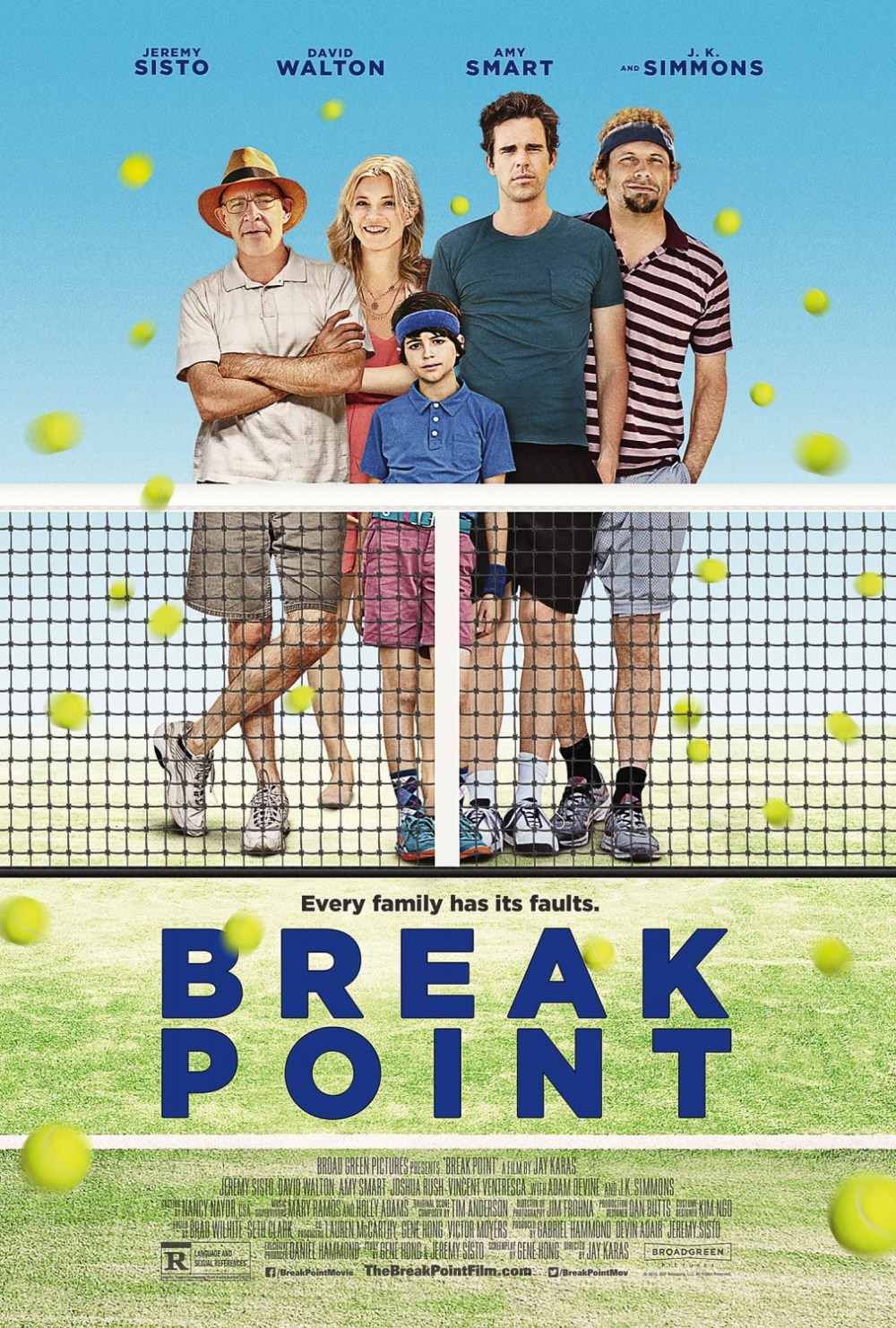
Actor Jeremy Sisto co-wrote, co-produced and stars in “Break Point” as Jimmy Price, an over the hill and unapologetically brash doubles tennis star who realizes his days in the sport are numbered. The sports comedy starts with his latest partner dropping out on him, and it doesn’t take long to see just how many bridges he has burned while on the pro circuit. His last and only chance to make it to a grand slam tournament is to partner up with his estranged brother Darren (David Walton) who used to play doubles tennis with him until they had a falling out. The question is, can they move past their deep-seated resentments of each other to work together effectively as a team? With the help of 11-year-old Barry (Joshua Rush), they just might have a chance.

Sisto has been acting since he was a kid, and he made his film debut in Lawrence Kasdan’s “Grand Canyon.” Since then we have seen him grow up before our eyes in movies like “Clueless,” “Thirteen,” and he even got to play Jesus in the television miniseries “Jesus.” Many know him best from his role as William Chenowith on the HBO series “Six Feet Under” where he played an artist suffering from bipolar disorder and occasional bouts of mania. In 2008 he joined the cast of NBC’s long-running “Law & Order” as Detective Cyrus Lupo, and he stayed with the show through its final three seasons during which he acted opposite Jesse L. Martin and Anthony Anderson.

Sisto sat down with me for an interview at the “Break Point” press day held in Los Angeles, California, and he talked about how he and the filmmakers wanted this sports movie to stand out from others like it. Sisto also discussed how he managed to make the difficult transition from child actor to adult actor, the challenges of getting “Break Point” made, and he shared his experience of working on “Grand Canyon” and of how special the making of it was for him.

Check out the interview above and enjoy! To find out how you can watch “Break Point,” please sure to visit the movie’s website for more information (www.thebreakpointfilm.com).

Break point movie poster

Copyright Ben Kenber 2015.

David Ayer Discusses an Unforgettable Scene in ‘Fury’

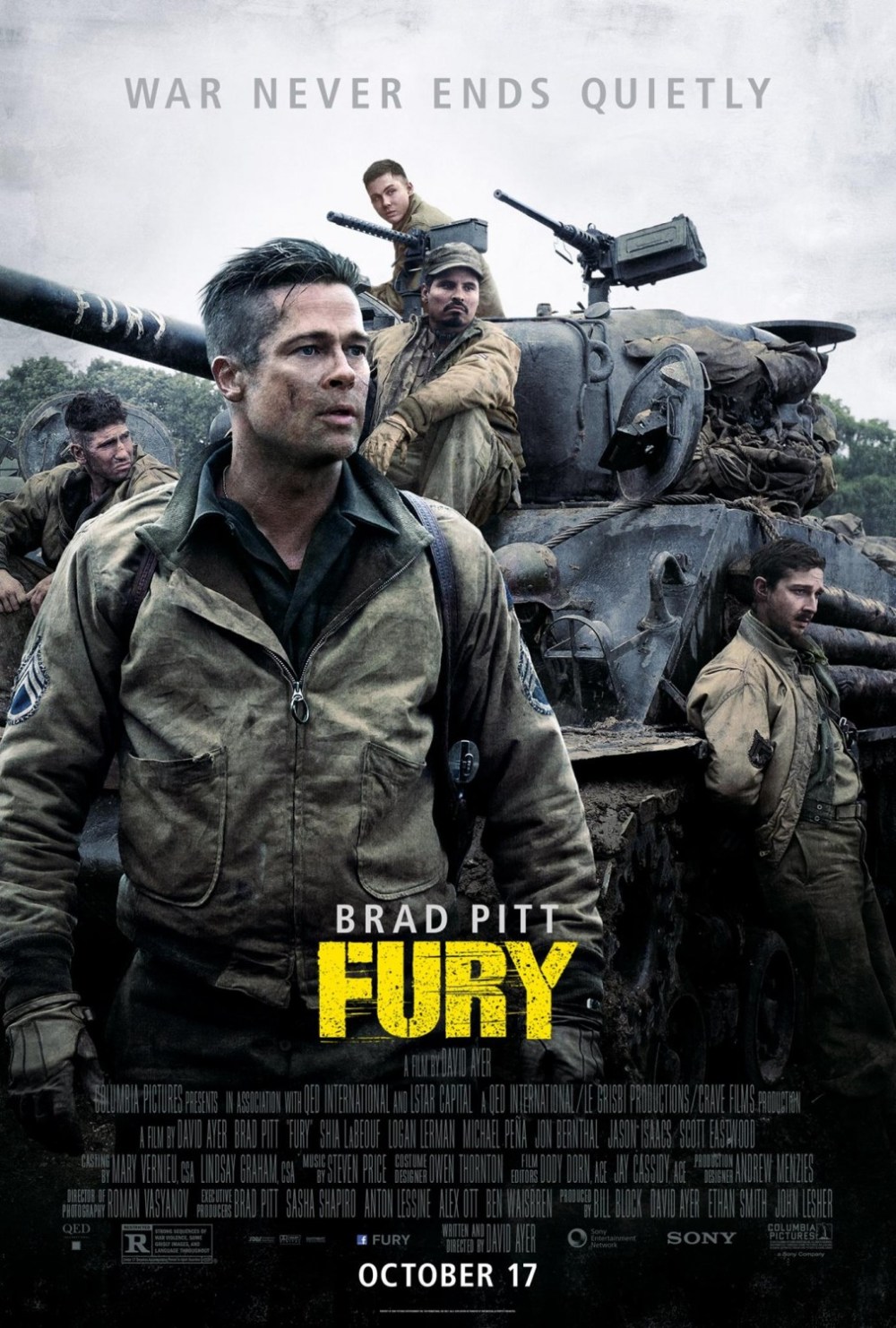
Fury movie poster

Fury” was written and directed by David Ayer, the man who gave us “Harsh Times,” “End of Watch” and “Sabotage.” This movie takes us back to World War II and stars Brad Pitt as Don “Wardaddy” Collier, the commander of a Sherman tank and its five-man crew. We follow them as they go on a dangerous mission behind enemy lines in Nazi Germany. They soon find themselves outnumbered, outgunned and saddled with a rookie soldier barely qualified to serve with them. But even as the odds continue to stack up against them, they stay with their tank which they have named Fury as they consider it the only home they have left.

I attended the “Fury” press conference held at Sony Pictures Studios in Culver City, California, and among those there were Ayer and actors Logan Lerman, Jon Bernthal and Michael Pena. For me, one of the most memorable scenes comes when Pitt and Lerman enter an apartment belonging to a pair of German women and proceed to make themselves at home by cooking breakfast. Then they are joined by the rest of their crew who treat the women and the gathering with a lot of hostility. But as the scene goes on, we see them slowly regain a part of their humanity as they share stories which reduce them to tears.

This scene reminded me of a similar one in Stanley Kubrick’s “Paths of Glory” where a bunch of soldiers jeer a captive German girl when she appears onstage, but they begin to cry when she starts singing a sentimental folk song. I asked Ayer how the scene came about.

“That’s a really good question,” Ayer said. “I did a lot of primary source research, and you realize it’s a workaday world for these guys. It’s sort of a blue-collar existence for these tank crews at this point in the war. It’s go capture the town. Go get this town. Take this hill. Take this ridge. Capture that road junction. You’re given a laundry list of tasks and we think about all these famous battles and all these war-winning battles, but I liken these guys to coal miners. They put on their safety gear and go in and do their work and they come out at the end of the day. And a common pattern was they would capture a town and by early afternoon they’d be in control of it, and then they’d start kicking in cellar doors and looking for wine and looking for food, and they’d make… they locals would cook for them, and they’d do what guys do and pass out and get up the next day at 4 a.m. and take the next town.”

“Something is interesting about that, the idea that you’re in this war zone and there’s humanity and there’s people in there,” Ayer said. “In these movies there’s always a one-sided depiction of either side and of what happens when these people are together in this living room. I imagine this scene as the ultimate Thanksgiving dinner. I think we’ve all had those bad family dinners ourselves. The idea is this crew’s a family, and family can be love-hate. No one can wound you like a family member. No one can hurt you like your brother or sister who just says that one thing that spins you. That was what all the training and the boot camp and the rehearsal and the familiarity was all leading up to, for me, was really that scene. To get these guys as close as brothers so that they can go at each other like older brothers can.”

The other actors echoed Ayer’s sentiments about the dinner scene, and Pena, who plays Captain Trini “Gordo” Garcia, described it as the most intense scene he had to deliver in “Fury.”

“I remember we started shooting and I was an emotional mess,” Pena said. “David said, ‘Let me shoot the other guys first so you can get warmed up,’ and I was like, ‘Dude, I’ve been doing this for five months, buddy. Let’s just go right now.’ Everyone had big scenes and we’d know when the next scene was coming up or when somebody’s big scene was coming up, and we’d try to be as supportive as possible. These guys Bernthal and Shia—we shot it in a day and a half or something like that. I don’t remember. But they were always there tearing up at every take, really supporting me, because it was almost like us against them. It’s like our big brother is playing favorites to this guy (Lerman) and we all took it very seriously. So when I tell the story about the horses, which he never wants repeated, these guys gave me the green light, so to speak, and they were emotionally there for me as well. So that was the toughest.”

Bernthal, who plays Grady Travis, also talked about that scene and how the countdown to it and others that were equally intense loomed over the actors during production.

“We all had those scenes that we sort of circled on the calendar,” Bernthal said. “We could pretty much count down to the hour of when we were going to get to those scenes. It’s sort of like what we were talking about before like family and going for the jugular. For me it felt like, looking back on it, it wasn’t about those scenes, but it was that at any moment everyone here and Shia and Brad and the boss were armed with this information that could cut you down and break you. And because we were familiar and so close with each other, David and the way he kind of orchestrates the thing, he’ll set people loose on people. He’ll set the camera on somebody’s face, and then rip them apart. Sometimes it’s something that another actor says, and sometimes it’s something he comes up with and whispers in your ear.”

“I’ll be honest with you, after just a month of shooting when he would walk towards me, I’d start to shake and sweat, because I know what was coming in my ear was going to break me,” Bernthal continued. “And even though you know what he’s trying to do and it’s for a result, it scares me now honestly just thinking about it. Also, to do that to one of these guys that you love so much, to see them and to get the word to go after that dude, go get him, and like David said, it’s family, so I know what to say to you to press your button. And it becomes this kind of perverse, beautiful game. We’re trying to cut each other down and break each other. That’s what family does. It was uniform among every tank veteran we talked to. You don’t pick your family. You don’t pick your tank crew. These guys are as close as units can possibly get. That’s what we were going for, that familiarity and that bond. It’s just as dangerous as it is lovely.”

Copyright Ben Kenber 2014.

Exclusive Interview with Gusmano Cesaretti about ‘Take None Give None’

Take None Give None poster

2015 proved to be a great year for documentaries with unforgettable ones like “Amy,” “An Honest Liar” and “The Wolfpack.” Now there’s another terrific documentary to check out called “Take None Give None” which is about the Chosen Few, an outlaw motorcycle club based in South Central Los Angeles. Directed by Gusmano Cesaretti, a producer on many of Michael Mann’s films, it chronicles how this motorcycle club, the first multi-racial club of its kind, formed and is bound by the strength of their brotherhood. The documentary also follows the club’s struggles as they deal with the LAPD which raided their clubhouse and unfairly branded them as a criminal organization in the media.

“Take None Give None” had a special screening at the Museum of Contemporary Art in Los AngelesMuseum of Contemporary Art in Los Angeles, and it was sold out and filled with people of all kinds as well as members of the Chosen Few. When it ended, one of the club’s members stood up and said, “Tell people about this movie so that they can see who we really are.” This was met with a thunderous applause from everyone in attendance.

I got to speak with Cesaretti over the phone about “Take None Give None” which he filmed with co-director Kurt Mangum over a three-year period. Cesaretti described how he became acquainted with the Chosen Few, how he managed to get an interview with one of the LAPD cops who went undercover to infiltrate the club, and of how working with Michael Mann served to help him on this project.

Gusmano Cesaretti photo

Ben Kenber: Congratulations on the documentary. This proved to be a real eye opener about the Chosen Few. How did you first become acquainted with this motorcycle club?

Gusmano Cesaretti: Well I saw some of those guys riding motorcycles about 25 years ago on the Pasadena freeway and I pulled over next to them with my car and I said, “Hey! Pull over, I want to talk to you.” And they pulled over then I told them, “I like the way you look. Everything about it is great. I love the way you were riding the bike.” They weren’t just riders, they had pride for some reason. So I told them I would like to take some pictures, and they invited me to the clubhouse. I went over there and it was amazing to see all these great amounts of people and they were all nice. I walked over with the camera and everybody started looking at me and saying, “Hey what are you doing? Oh yeah take pictures of me! Take pictures of my bike!” It was really great. They were friendly, they were open to anything and to me it was fascinating. They were a great people and then I started going there every other week and kept taking photographs and so on in support. Then in 2011, because they were talking all the time about their rides and how important they were for them and being together in like a brotherhood, I said I would like to film one of your rides. So I organized a ride for them where we went through South Central and on the freeways and then through downtown, and then after the ride they started really talking to me and said that we should make a record of all this. That’s when I started doing the documentary, and we just finished (laughs).

BK: When you first started shooting the documentary, how did you envision it and how did it evolve from that point to where it is now?

GC: That’s a good question. When I first started the documentary I had no idea because when you make a documentary you really don’t know which way you’re going. I feel you’re doing it for a year or two (laughs) and then you would have all the information you ever need to create a storyline. We recorded about 48 hours (of footage), and when we finally decided to edit it was like a nightmare because you’ve got listen to all these conversations and all the recording we did. It took months but then you know what’s going on, and then we put a big roll of paper on the floor of my studio and started writing down the scenes. It was crazy. A lot of different cameras were used. It took me about a month to figure out the storyline, and then even during the process of editing there’s always changing this, putting back this and taking this off. It was a very challenging process but I learned so much.

BK: When it came to filming the documentary what formats did you utilize?

GC: We did a lot of stuff with the Super 8 riding the bikes here and there and we used other film. We used Cannon, we used Sony, etc. But the problem when we did the editing, because of all the different formats and all the different cameras, it became now we gotta do this, now we gotta change this and now we have to download everything into this. It was really crazy, but it worked because I shot it in a very cinema verite way. I didn’t want to commit to any style. And the way I interviewed those guys it was like, “Tell me the story.” I didn’t ask any questions because I wanted them to talk and tell me from their point of view. So that’s usually the way I prefer to do my photography; I connect with people and establish a relationship even if it’s for a moment, and I need to start a relationship if I want to get the image that I need.

BK: When the Chosen Few’s club gets raided, we get to see how the media really twisted their identity of proportion. Then they got evicted from their building which had a huge impact on the neighborhood because things were a lot safer when the club was around.

GC: Correct. What was interesting about the Chosen Few in South Central is that it’s really about the cultural of Los Angeles. It’s not necessarily about the bikers, it’s about their lives. The clubhouse was open for all the members and friends and people and visitors like me. There were probably a lot of undercover cops going there too, I’m sure, just to check and make sure that they were okay. But the thing is this; there were always old people there. It wasn’t just the club for the motorcycle people. It was older people who used to sit there all day long and have conversations with their friends, and when they lost the clubhouse a lot of these old people died because they didn’t have a place to go. They were like homeless people practically, and that was really sad to see that happen. All the members too, they felt homeless. They felt like the police were trying to take their identity away. They didn’t have the energy that they used to have any more, so it was extremely sad.

BK: Speaking of the police, you did manage to get an interview with one of the undercover cops who infiltrated the Chosen Few. Was that a hard interview to get?

GC: No actually. I have a friend that is a cop and I said to him, “Look I’m doing this documentary and I would like to interview the police that did the raid.” He said, “Yeah I’ll find him for you.” So he took a couple weeks and then he called me one night and said, “I got the guy.” I talked to him and he was very interested to do it, and we got together and did it. He was actually a nice cop. He was very open and he also told me the truth. What he was saying was real.

BK: It was nice to have the cop’s perspective of the raid as well as the Chosen Few’s as it manages to balance things out.

GC: Yes, yes. It’s a big club and not everybody’s an angel, you know what I mean? But that’s the same in any other big company like Google. There’s always somebody messing up things and in the club a lot of those guys come from the gangs, most of them. Being in the club was like upgrading their lifestyle and they got a job, but they are still connected with the streets and the gangs. There will always be somebody doing a little bit of this and little bit of that and a little drug dealing, but most of them are really wonderful, nice people. The theology of the Father, Lionel Ricks, is amazing. He started the club because he didn’t have a family and he wanted to have a family. That’s beautiful. What really fascinated me the most was that Lionel Ricks started the club in 1959 and then integrated it in 1960, and this was before the civil rights movement. He was able to bring blacks and whites and Mexicans and Chinese and a couple of people from Syria together without any political or powerful stuff like Malcolm X and Martin Luther King and all those people afterwards. He did it very simple and in a naïve and beautiful way with the motorcycle. That’s amazing to me. Think about it, he brought people together with a motorcycle! And that was when I said, “Okay we gotta do this,” and they were all excited about doing a documentary. We got all these great people to interview and the Father. The Father right now is very sick and in the hospital, and I hope he’s going to get better. But I did show him the documentary about a month ago when we finished editing. I went over to his house and showed it to him, and he had tears in his eyes and said, “It’s good. It’s real.” And I said, “Great! Thank you!” He really loved it.

BK: You worked a lot with Michael Mann on his movies. How did your experience working with him help you in making this documentary?

GC: Well I think making a film is completely different from making a documentary. The only help that I got on this film from that world is the camera guys that I worked with, and they are my friends and they came and helped me. With film you have a script and you got the actors and you have time to keep repeating and filming a scene a scene until it comes to where you want it. When you do a documentary the moment is right there. You are shooting this, you turn your head and you see something and you shoot that. You don’t know what’s going on and you’ve got to be aware of what is going on around you, so it’s really different. For me, this was a totally unique experience.

BK: Was there anything you wanted to include in this documentary that you were not able to?

GC: We got to a point where we said okay we gotta finish this project, so there were maybe a few more people that I wanted to interview that we never got to. There was a guy who did an amazing wheel stand. He did a wheelie and he was supposed to come over one night to do a performance for us while we were shooting in South Central, but the guy couldn’t make it and never showed up. And that was another thing that I wanted to include because it’s beautiful and its part of the art of being in control of the motorcycle. When somebody does something like that in a beautiful way it was nice to visually put it into the documentary, but at the same time it wasn’t that kind of a documentary. It was more about the feeling of the individuals and the members and everything that came from their hearts and communicating to the outside world and saying here we are. This is what we are. We are not what people think, we are what we are.

I want to thank Gusmano Cesaretti for taking the time to talk with me. Please feel free to check out the movie’s website at www.takenonegivenonethefilm.com, and be sure to check out its social media pages on Facebook and Twitter.

Copyright Ben Kenber 2015.

Exclusive Video Interview with ‘Gleason’ Director Clay Tweel

Few movie going experiences in 2016 will be as hopeful or as emotionally draining as the documentary “Gleason.” It takes a good long look at the life of former NFL player Steve Gleason, a defensive back for the New Orleans Saints, who was best known for blocking a punt from the Atlanta Falcons on September 25, 2006. This game marked the first time the Saints had been back to their home stadium since the devastation of Hurricane Katrina, so it made their welcome back celebration all the more thrilling.

In 2011, Steve was diagnosed with Amyotrophic lateral sclerosis (ALS) or Lou Gerig’s Disease, an incurable disease which slowly robs the body of all its motor functions and eventually leads to death. It was around that time that he also discovered his wife Michel was pregnant with their son, and this led him to start a video diary for their unborn child so that he could leave as much of who he is as a person to him before the disease takes its toll. While his situation is bleak, Steve still lives life to the fullest and is determined to be there for his wife and son no matter what.

I recently had the opportunity to talk with the director of “Gleason,” Clay Tweel, while he was in Los Angeles. Tweel previously directed “Make Believe,” a documentary which won the Grand Jury Prize at the 2010 LA Film Festival, and “Finders Keepers” which premiered to rave reviews at Sundance in 2015. For “Gleason,” Tweel had to go through 1,500 hours of footage to give us the documentary that is now arriving in theatres everywhere.  He explained how he managed to whittle down that footage, how “Gleason” compares to the film “The Theory of Everything” which also deals with ALS, and of how the health struggles of a family member and the late, great Muhammad Ali inspired him to get the director’s job for this.

Please check out the interview above, and please be sure to see “Gleason” when it arrives in theatres on July 29, 2016. You can also watch the trailer below and visit the website at www.gleasonmovie.com.

Exclusive Interview with Jessika Van about ‘Seoul Searching’

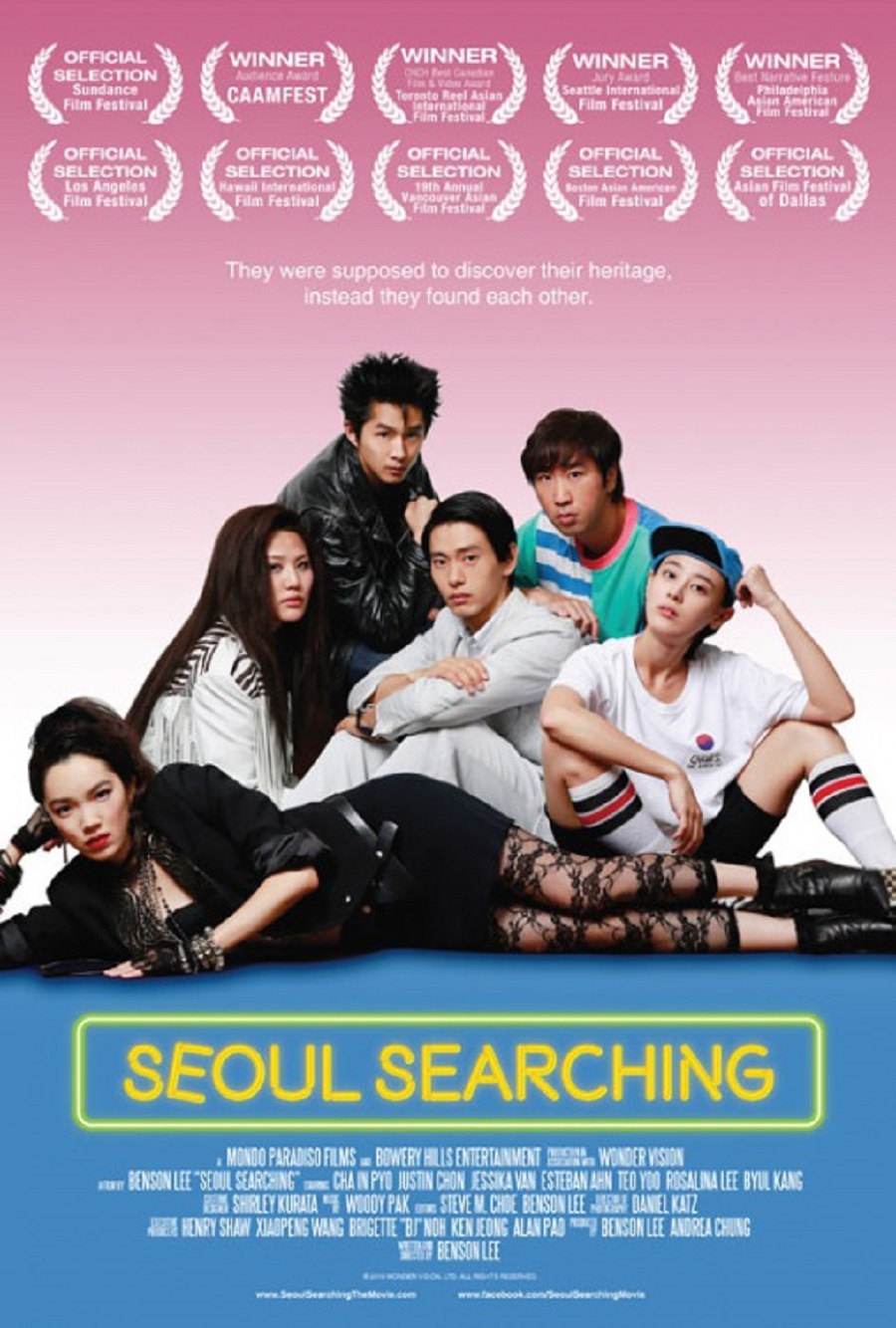
Seoul Searching poster

Jessika Van returns to the silver screen in “Seoul Searching,” a comedy by Benson Lee which follows a group of Korean teens from all over the world who are sent to a cultural heritage school in Seoul during the summer of 1986. Van plays Grace Park, a pastor’s daughter from Cherry Hill, New Jersey who worships Madonna the way her father worships God. Grace doesn’t even need to point that Madonna is her favorite singer as she dresses exactly like the Material Girl and even performs an acapella version of “Like a Virgin.” She also excels at teasing all the young boys who lust after her constantly, but she soon meets her match when an especially rebellious teenager catches her eye.

Van started her career in music where she was a classically-trained pianist and singer, and she won various awards and even performed for the Duchess of York, Sarah Ferguson. She made her breakthrough as an actress playing Becca, Queen of the Asian Mafia, on MTV’s critically acclaimed comedy “Awkward,” and she trained in weapons and martial arts for her role in the first-person shooter game “Battlefield 4.” Videos of her work can be found on her YouTube page.

I spoke with Van while she was in Los Angeles to promote “Seoul Searching.” She talked about the research she did into the 1980’s and Madonna to prepare for her role, what she learned about Korea while filming there, and of how she managed to peel back Grace’s emotional armor to reveal the person hiding underneath. She also spoke of how “Seoul Searching” is much more than just an Asian American film as it touches on issues that are universal to everybody and anybody.

Check out the interview below and be sure to visit the movie’s website (www.seoulsearchingthemovie.com) for more information.