Exclusive Interview with Carlos Marques-Marcet on ‘10,000 Km’

carlos-marques-marcet-photo

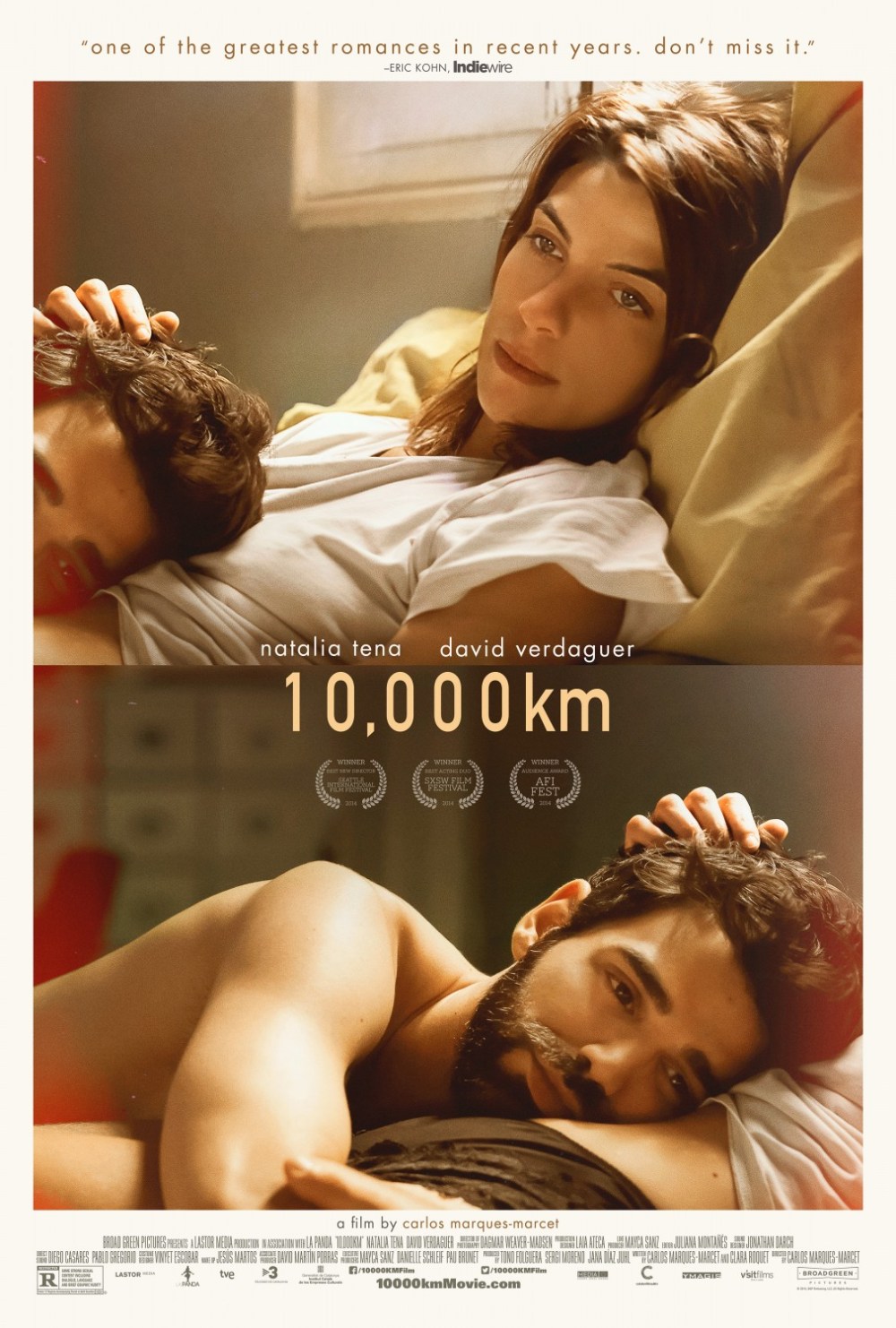
The thought of a long-distance relationship is frightening as it thoroughly tests the bond between a loving couple to where it looks like they are destined for disaster. One relationship is put to this test in “10,000 Km,” a romantic drama co-written and directed by Carlos Marques-Marcet.

Alexandra (Natalia Tena) and Sergi (David Verdaguer) are a loving couple living in Barcelona, Spain, but they also struggle to balance out their careers while trying to start a family. Then Alexandra accepts a one-year residency in Los Angeles which could really jump start her photography career, and Sergi has no choice but to stay in Barcelona where he works as a teacher. Luckily, they have modern technology which allows them to keep in touch on a daily basis, but what is helping to keep them together may also tear them apart.

“10,000 Km” proved to be a powerful meditation on the struggle of a long-distance relationship, and it starts off with a scene which lasts several minutes and captures the characters in their most intimate state. I got to talk with Marcet while he was in Los Angeles, and he talked about how that scene came about and how long it took to shoot. In addition, he also clarified how much of the movie was shot in Spain and Los Angeles, how he came to cast Tena and Verdaguer, and of how he kept the actors separated during shooting.
10000-km-poster

Ben Kenber: It’s interesting to see how this relationship evolves once the two lovers are separated by continents and use technology to keep in touch with one another. Was it hard to balance out the benefits of technology with the human element in this movie?

Carlos Marques-Marcet: No. We knew from the beginning that the driving point was to portray the relationship which derives from the human element. The technology was the tool and the human part was the means somehow, so it wasn’t so much about finding a balance but trying to see how to use these tools to convey the means.

BK: The opening sequence of “10,000 Km” is amazing as it lasts several minutes and features the two lovers being intimate with one another, and then one of them receives an unexpected job opportunity. How did you go about setting the scene up?

CMM: It was a long process to arrive there. It was originally not such a long scene, but then we looked at the script and it suddenly made sense to have this very long scene where you see them together. It’s a two shot of them and you are with them, then afterwards the rest of the movie we shot over shot because they have no other possibilities. There’s a symbolic element to it, this raw thing of being with two people together that weren’t there together. The making of it involved a lot of preparation. The location was the producer’s house, so I knew where I was going to shoot. It was a combination of working with all the departments, the actors and rehearsing. It was like a dance.

BK: This scene must have taken a very long time to shoot.

CMM: 17 takes and three days of shooting. We planned it and we wanted to do it with the dollies. There was no handheld camera. We wanted it to be grounded to the ground. I think it was an interesting way of how to go about it.

BK: Natalia Tena and David Verdaguer are both terrific in this movie. What was the casting process like?

CMM: So basically, we found David about a year before shooting. I had just graduated from UCLA and I didn’t want to shoot another short. I just took a couple of scenes from the movie and shot them just as an experiment with another actress. I watched a lot of You Tube videos and interviews. I like to see how actors move and how they talk, and I was looking for another actor, not David, and then I saw him in this video he made with a cell phone of two friends. Then I saw that he was an actor and I proposed to my producers that we bring him in for casting, but then it turned out that he’s actually known as a comedian. I had no idea. He’s like a “Saturday Night Live” comedian. Actually, he’s done a lot of theater, very serious theater, but people love him for his comedic aspect. But then he came into the casting process, and it was a very long casting process with two people for hours. I like to work with the actors instead of just having them come in to read. I like to meet people. It was David for sure, no doubt. And then with Natalia, it was a last-minute thing. We were actually going to shoot with another actress and she had to cancel, and when we finally found Natalia it was like a miracle. It was very clear that they had chemistry, and they became very close friends instantaneously.

BK: When it came to shooting the scenes when she’s in Los Angeles and he’s back in Spain and they are using Skype to keep in touch with one another, did you purposely separate the actors?

CMM: Yeah. Originally I wanted to shoot it in Los Angeles and in Barcelona at the same time, but Natalia had some scheduling conflicts. It wasn’t that cheap to do it. I wanted to shoot it in my own house in Los Angeles, but schedule wise it was not possible. So we put them in two different apartments in Barcelona and I actually after shooting the first scene said that it would be nice if they didn’t see each other, but that lasted like two or three days (laughs). After three days I was like it’s fine if they hang out with each other. I wanted to create the feeling of missing somebody, and three days was totally enough. In the end, they were hanging out together every night playing cards, going over the lines and drinking wine, and in the morning they had to be separated. So, for them being in touch every day and then during the day not being able to be together was very frustrating, and I think that shows up somehow in the movie.

BK: When “10,000 Km” begins we see this couple at their most intimate, and they still have that intimacy throughout the movie to a certain extent. I don’t want to give away the ending, but I loved how you ended the movie on an ambiguous note. It’s not the kind of movie that begs for a solid or more definitive conclusion.

CMM: Yeah, that came about during the editing. Actually, the script was much more clear, but while we were editing there was a bunch of dialogue that we decided to take out because I felt that already through the images we could tell what was going on. Then we took it out and then for some people it became more ambiguous than it was in the script. I like it. It was not in the plan of how I shot it. I have my own vision of it, but I also like to let people imagine whatever they want.

BK: “10,000 Km” is not designed to give anyone a definitive answer to whether long-distance relationships can work or not, but I came out of it hoping these two would find a way to make things work out.

CMM: That’s a very optimistic view (laughs). We leave it so that the very optimistic people can think that (laughs).

BK: Despite the scheduling conflicts, were you able to shoot any of the movie in Los Angeles, or was it mostly shot in Barcelona?

CMM: Mostly in Barcelona, and then I shot some of the stuff in LA. There are some shots where you see my home in Echo Park with the webcam and everything, but mostly we shot it in Barcelona. We faked the LA interior in Barcelona. It was not possible to do it the other way around. In Los Angeles, you won’t find interior like you would in Barcelona. I didn’t want to shoot in a studio. I wanted to shoot in a real location so they have the feeling that they are in a house or a real apartment.

I want to thank Carlos Marques for taking the time to talk with me. “10,000 Km” is now available to own and rent on Blu-ray, DVD, and Digital.

The Meddler

the-meddler-movie-poster

When reading the plot synopsis of “The Meddler,” I walked into it expecting a formulaic comedy dealing in stereotypes like “My Big Fat Greek Wedding” did. Not that working with stereotypes is always a bad thing, but it can get old very quickly and leave audiences with not much that is worth remembering when they leave the theater. Plus, the movie’s story deals with a parent interfering in the life of their offspring at the most inconvenient time in their life, and how many times have we seen that before? We all know it will build up to that moment where the offspring will say, “Mom, I love you but will you PLEASE GET THE HELL OUT OF MY LIFE??!!” But despite this inescapable confrontation, we know everything will work out in the end.

Well, “The Meddler” turned out to be a pleasant surprise as it is a movie made from the heart more than anything else. A lot of it has to do with the fact writer and director Lorene Scafaria (“Seeking a Friend for the End of the World”) based the story on her own mother and the relationship she had with her. But while this might sound like a buddy comedy, it’s really more about the mother and it gives Susan Sarandon one of the best roles she has had in recent years.

Sarandon plays Marnie Minervini who, as “The Meddler” begins, is staring listlessly at the ceiling fan in her bedroom. We learn Marnie was recently widowed and has since moved from the east coast to Los Angeles to be closer to her daughter Lori (Rose Byrne). As the title suggests, she endlessly interferes in Lori’s life and then goes on to help others whom she feels need her assistance. But deep down she is still struggling with the loss of her husband, someone she was with for decades and who has now vanished from her life. While she looks very pleasant on the outside, Marnie is still struggling to come to terms with her husband’s death and is trying to find new meaning in her life.

What I loved about Sarandon’s performance is how she avoids the easy trap of turning Minnie into a simple caricature and instead turns this character into this wonderful human who is infinitely generous to a fault. Even as Minnie gets a little too involved in her daughter’s life, Sarandon never makes her seem the slightest bit aggravating. It’s also great fun to see her roam around The Grove as if it were Disneyland because it shows just how new to Los Angeles Minnie really is.

Sarandon also has a great foil to work with in Rose Byrne who plays Minnie’s daughter Lori. Byrne also could have made Lori, a writer for television, into a caricature, but she makes her into someone with work problems we can all relate to regardless of whatever industry we work in. Lori is enduring a lot of problems in her life other than her mother such as being dumped by her celebrity boyfriend Jacob (Jason Ritter) which still weighs heavily on her, and she is not sure how she can move on past her heartbreak. Ever since the scene in “Neighbors” where she succeeded in getting two college students to seduce one another, she has remained a terrific actress and one with very sharp comedic skills.

During “The Meddler,” Minnie is met by a couple of men who are eager to get to know her better. One is Michael McKean’s overly earnest Mark whose idea of a date is to take Minnie to the Holocaust Museum, but it’s hard to imagine anyone getting romantic over there. McKean is always fun to watch no matter what movie he’s in, and he makes the most of his limited screen time as a guy who can’t quite take a hint.

The other suitor is a retired cop turned movie set security guard who goes by the name of Zipper, and he is played in a scene-stealing performance by J.K. Simmons. While being upstaged somewhat by an awesome looking mustache, Simmons makes Zipper into a uniquely lovable guy, and he is wonderful to watch as he introduces Sarandon to his nest of chickens. We’ve seen this Oscar-winning actor go from playing a warm-hearted father in “Juno” to an insanely brutal music instructor in “Whiplash,” and this is not to mention his terrific work in the first three “Spider-Man.” But in “The Meddler” Simmons gets to play a role many of us haven’t seen him play before, a romantic leading man, and he pulls it off beautifully.

What makes “The Meddler” an especially strong movie is how genuine it is in its emotions. Not once did its story feel the least bit manipulative, and its portrait of people trying to move past the loss of a loved one feels authentic in its portrayal. Nothing ever feels cloying or artificial, and it also helps that Sarandon, Byrne, and Simmons are surrounded by a wonderful cast which includes “SNL’s” Cecily Strong, Lucy Punch (the moment where she tosses a baby shower gift aside is priceless), Jason Ritter, Casey Wilson and Jerrod Carmichael. Each actor succeeds in creating unique characters who are fun to hang out with, and watching them is a reminder of how there is never a role too small for an actor to play.

Although it deals with the heavy subjects of grief, heartbreak and losing a loved one, “The Meddler” proves to be a very positive movie which is optimistic in its view of life. In a time where many movies feature infinitely cynical characters, here’s one with a woman of a certain age (and lord knows there’s not enough of those) who is very giving and generous. Even when she appears to be more generous than anyone should be, we keep watching the movie with the hope her spirit will stay strong during even the toughest of times.

“The Meddler” was made on a low budget and on a very shooting schedule, and everyone involved succeeded in giving us something much better than we could have expected. Please don’t let the fact it is not a superhero movie keep you from checking it out.

* * * ½ out of * * * *

Save

Kirk Douglas Looks Back at ‘Lonely Are The Brave’

lonely-are-the-brave-poster

The Ultimate Rabbit would like to wish Kirk Douglas a very happy 100th birthday. It is an age few people ever reach, and this is a man who has survived so much in his lifetime: Hollywood, anti-Semitism, a stroke, a helicopter crash and, tragically, the loss of a son. Still, Douglas persevered in spite of many obstacles thrown in his path, and in his 90’s he continued to work as an actor and a writer. The man who was Spartacus has reached a milestone which needs to be celebrated, but it should be no surprise he has lasted as long as he has. Happy Birthday Kirk!

The following article is of an appearance he made in Hollywood a few years ago in which he talked about one of his most enduring motion pictures.

“The best actors disappear into their roles, but icons always keep part of themselves onscreen. Every one of his characters makes hard choices as a figure of integrity. Not always a good guy, not always a bad guy, but a real guy.”

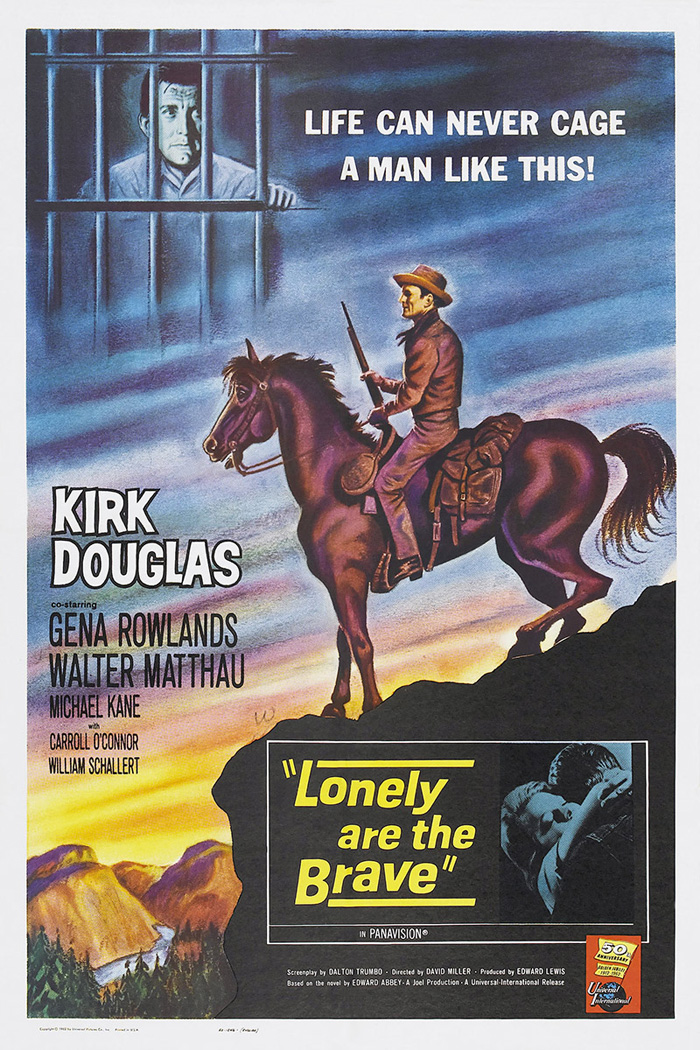
Those were the words writer Geoff Boucher used to introduce legendary actor Kirk Douglas who made a special appearance at the Egyptian Theatre on September 19, 2012. American Cinematheque was screening “Lonely are the Brave” in honor of the movie’s 50th anniversary, and Douglas was greeted with a thunderous and deserved standing ovation. Douglas thanked the audience for coming to see this movie which he made fifty years ago. He also added, “Don’t ask for your money back!”

Boucher pointed out how Douglas has made so many great movies, but this one in particular really stands out. In the movie, Douglas portrays John W. “Jack” Burns, a cowboy from the Old West who refuses to become a part of modern society. “Lonely are the Brave” is based on the book “The Brave Cowboy” written by Edward Abbey, and Douglas recalled being so intrigued by the character and his horse (Whiskey) and how the book spoke strongly about the difficulty of being an individual today. Douglas did, however, say his major problem was by the end of the movie the audience was “rooting for the horse instead of me!”

There was also talk about Dalton Trumbo who wrote the screenplay for “Lonely are the Brave” and whom Douglas had previously worked with on “Spartacus.” Trumbo was one of the Hollywood Ten who refused to answer questions from the House Committee on Un-American Activities regarding their alleged involvement with the Communist Party, and he ended up spending 11 months in prison for contempt as a result. It was Douglas who helped Trumbo get a screenwriting credit on “Spartacus,” and he said he hated the injustice of what Trumbo was put through. Douglas’ latest book “I am Spartacus! Making a Film, Breaking the Blacklist” deals with this extensively.

Douglas made it clear how after reading Abbey’s book, he felt there was no one who could do a better job of adapting it than Trumbo, and it is said he found Trumbo’s screenplay for “Lonely are the Brave” to be perfect to where he didn’t change a single word of it.

Boucher also brought up that Douglas had some problems with “Lonely are the Brave” when it came out, and this was especially the case with the movie’s title:

“The book was called ‘The Brave Cowboy’ and I didn’t want that title,” Douglas said. “I wanted to call it ‘The Last Cowboy,’ but the studio which had the money insisted on ‘Lonely are the Brave.’ And I said, what the hell does that mean?”

Douglas has more than earned his status as an acting legend in Hollywood. Old age has not slowed him down one bit as he just finished a one-man show, released a new book, and took the time to appear at the Egyptian Theatre to talk about “Lonely are the Brave” which really is one of his very best movies. He finished his talk that evening by expressing his respect for actors who help other people, and of how he finds it sad that the media prefers instead to concentrate on the more “racy” things they do.

Boucher remarked at the amazing journey that Douglas has made from being “The Ragman’s Son” to going to all the places he has been and of having worked with all the great people he has worked with, and he commended the actor’s career for being guided not just by talent but integrity. That sentiment was shared by everyone in the audience in attendance as we were all very happy to see Douglas there, and he told them he was “glad and happy” they all came to see him and “Lonely are the Brave” which came out fifty years ago.

Hardwired… To Run 12 Miles

metallica-hardwired-to-self-destruct-cover

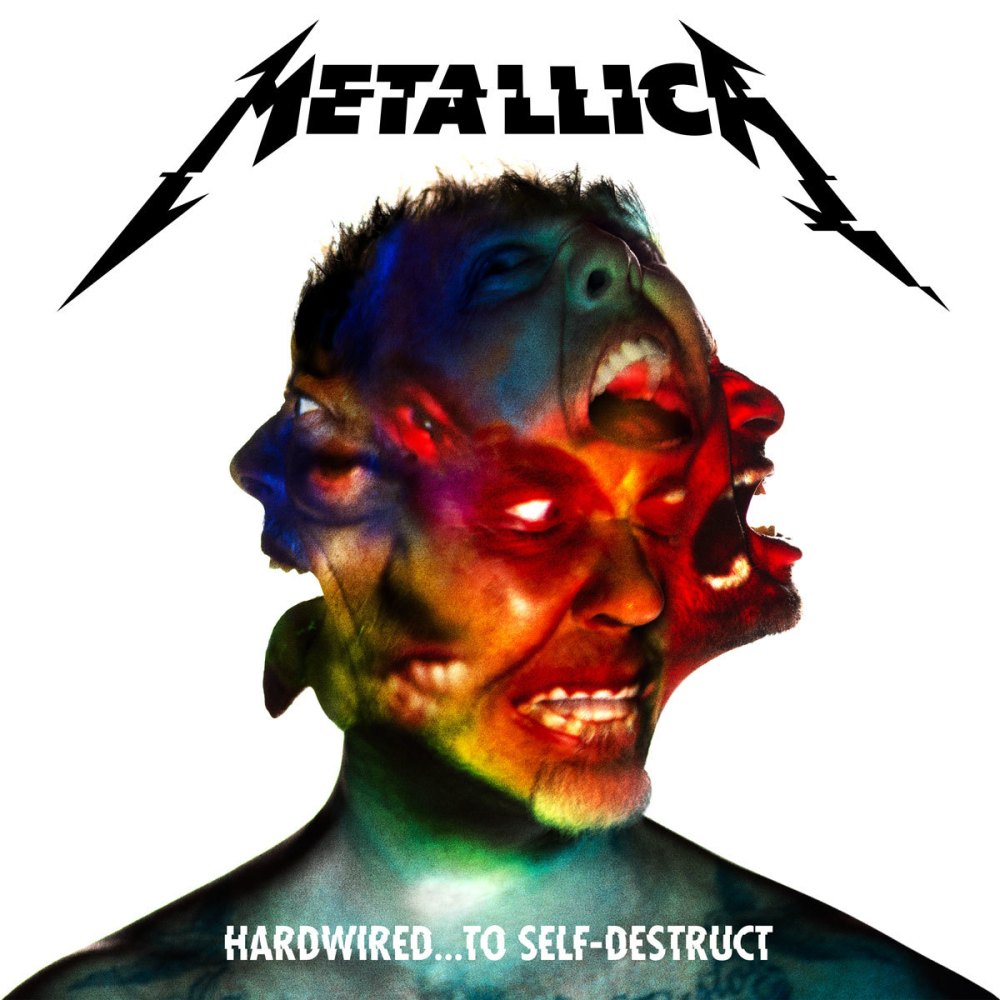
For some bizarre reason, it slipped my mind that Metallica’s latest album, “Hardwired… To Self-Destruct” came out this week. As soon as I saw it on display at the Barnes & Noble store located at The Grove in Los Angeles, I immediately purchased it along with the Criterion Collection Blu-ray of “Boyhood.” Could I have bought Metallica’s newest album at a cheaper price elsewhere? Perhaps, but I’ve been a big fan of this heavy metal band ever since the “Black Album.” I have been playing “Hardwired… To Self-Destruct” on my car’s CD player endlessly since I bought it, and the first track was playing loudly as I drove out to Griffith Park for another run with Team to End AIDS.

In the name of desperation

In the name of wretched pain

In the name of all creation

Gone insane

We’re so fucked

Shit outta luck

Hardwired to self-destruct”

It’s interesting to listen to those lyrics in the wake of Donald Trump’s surprising, and infuriating, victory of Hillary Clinton in the 2016 Presidential election. Also, I have endured my share of wretched pain I have ran the LA Marathon, and yet I still find a reason to run it yet again.

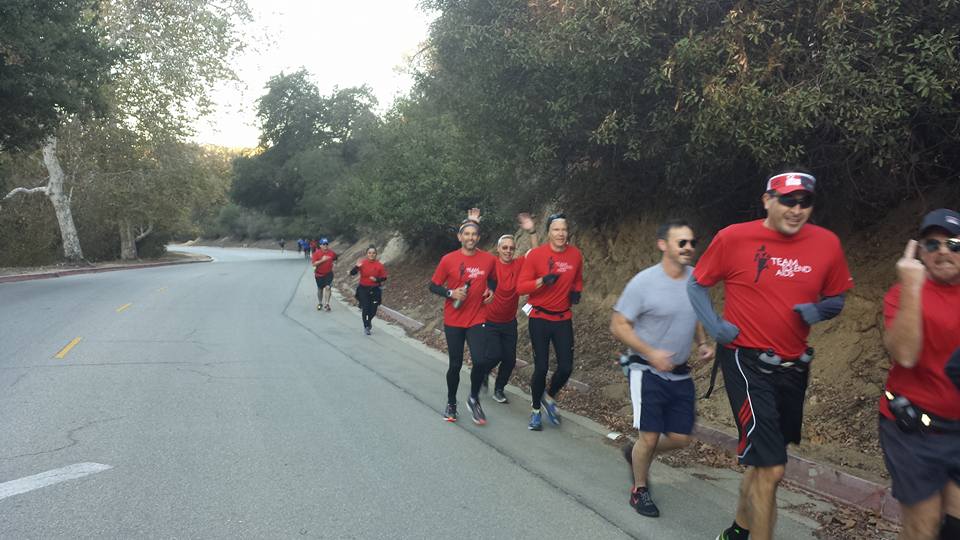
Today had us running 12 miles as well as traversing over the punishing hill on Crystal Springs Drive. And let’s not forget the other hill we had to ascend on Grandview Avenue. We can complain about running up these hills all we want, but when it comes to the LA Marathon, and we were reminded of this during the recent AIDS Walk, there will be hills. As much as we want to avoid them, they are inevitable and not worth avoiding.

Due to circumstances beyond my control, and I will plead the fifth as to what those circumstances were, I arrived at Griffith Park later than I should have. When I got there, everyone had already started and I was cursing at myself for being left behind. I passed by JC who was quick to remark how I arrived just in the nick of time, and I couldn’t disagree with him on that even if I wanted to. I was peeved I had somehow ended up in this position which I promised I wouldn’t this training season, but Coach Jennifer assured me it was okay as everyone has those moments. She even attempted to drive me out to where my pace group was at so I could join them, but I’m still in the process of learning everyone’s names and faces. She ended up dropping me off at the foot of the hill on Crystal Springs Drive, and in the end, that’s exactly where I needed to start.

You would think after all these years I would have mastered running up the Crystal Springs hill, but I had to keep reminding myself to run a slower pace as I seemed determined to run up this hill so I could get it over with. But with all the running and puffing I was doing, I kept remembering the whole point of this training was to run at a conversational pace, so I had to keep slowing down to make sure I was doing just that. When I finally got to the top, it kind of felt like I was on a wooden roller coaster which was clicking along endlessly until gravity started taking over. Having said that, I did watch myself as I ran downhill. While as kids we loved to let ourselves run wild at any given opportunity, running downhill at warp speed was never going to be to my benefit. This is how nasty injuries occur.

t2ea-2017-running-up-that-hill

As I headed on through the depths of Griffith Park, I kept hoping to come across Robin Russell who loves to play his drums in this region of it. The rhythm he loves to play at always help on an especially challenging run like this, but he was probably busy on this particular Saturday morning because he was nowhere to be found. Not to worry though, we are all bound to run into Robin at some point during this training season.

Because I didn’t arrive at the same time as my fellow runners, I ended up running these 12 miles mostly by myself. It’s a good thing I had a map on me, otherwise I could have run in the wrong direction despite my best efforts to avoid such a spectacularly stupid fate. Throughout the run, I kept wondering if a 3:1 pace was really working for me. Some of my fellow pace group runners felt more comfortable going at a 3:2 pace, and I started to wonder if I should do the same. It’s always my intention, when it comes to training with T2EA for the LA Marathon, to run faster than I have in the past. But with my advancing age, something I am safe to say I don’t resemble on a physical level, I owe it to myself to take it easy to where I don’t criticize myself as much. If this means slowing down, then that’s not something worth complaining about.

This particular morning was a cold one, and I found myself wearing a jacket in months, maybe even a year. When I got out of the car, it was still quite frigid, but with the sun already rising in the distance, I figured things would heat up very quickly as Southern California loves to stay unseasonably warm. Indeed, it soon turned into a ridiculously warm November day to where I wondered if California had suddenly moved closer to the Equator alongside Hawaii. Still, it felt like a risk not to leave my jacket on. Out here, we are so used to it never being this cold, ever.

gatorade-endurance-formula

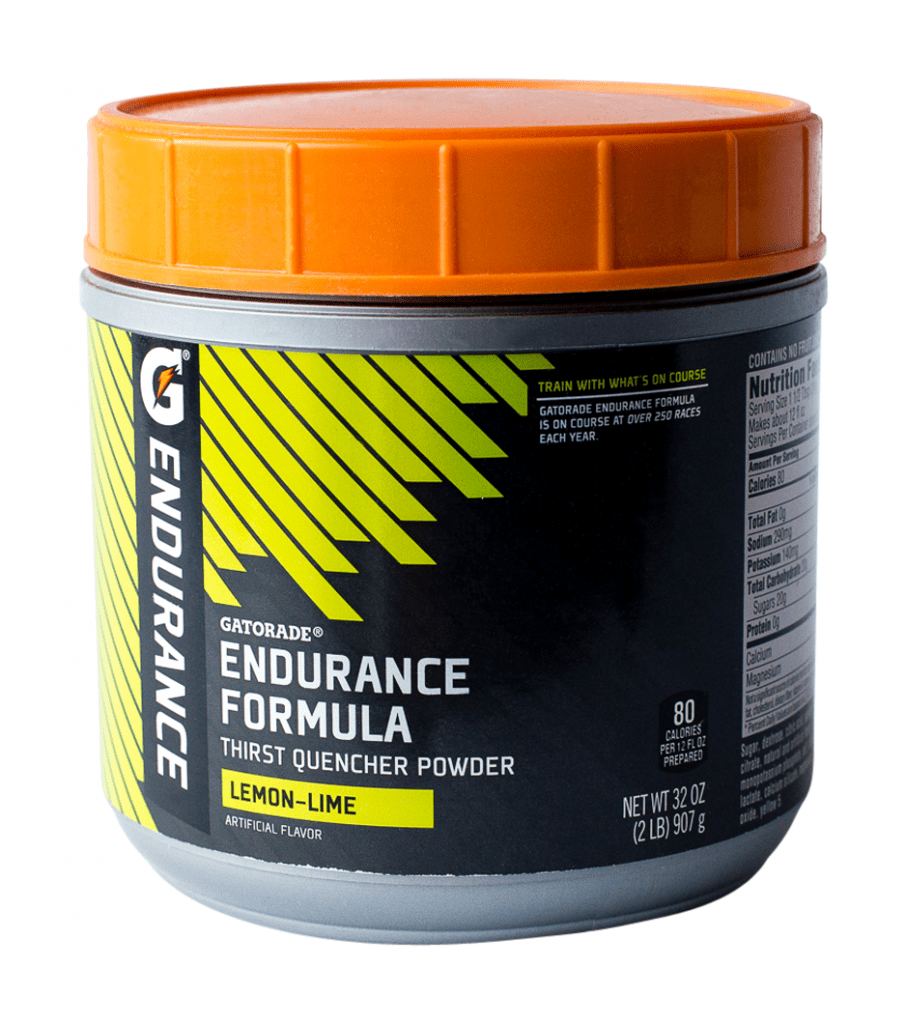
Coach James was on hand at the Boliver water stop to dispense good advice, and he encouraged me to look into getting Gatorade Endurance Formula. This formula is different from the regular Gatorade which is so easy to find at your local Ralphs Supermarket, and you have to order it online to get it. Considering this is the same formula given to runners on the marathon route, it is something I really should look into getting. Still, why is it only available online? Geez, this is like Indiana Jones trying to track down the Ark of the Covenant.

So, Thanksgiving is coming up next week, and I will be out of town. My plan is to keep up with my cardio exercises as well as my maintenance runs. Where I am going, you can bet I will be doing A LOT of walking at the very least. Plus, with all the delicious food I will end up eating (my dad and my brother are fantastic cooks), I will have more than enough calories to burn off and Alka Seltzer to keep the massive heartburn at bay.

Happy Thanksgiving everybody!

t2ea-metallica-logo

Please click here to find out more about AIDS Project Los Angeles which I am running the LA Marathon in support of.

Running the AIDS Walk

img_20161023_080324119

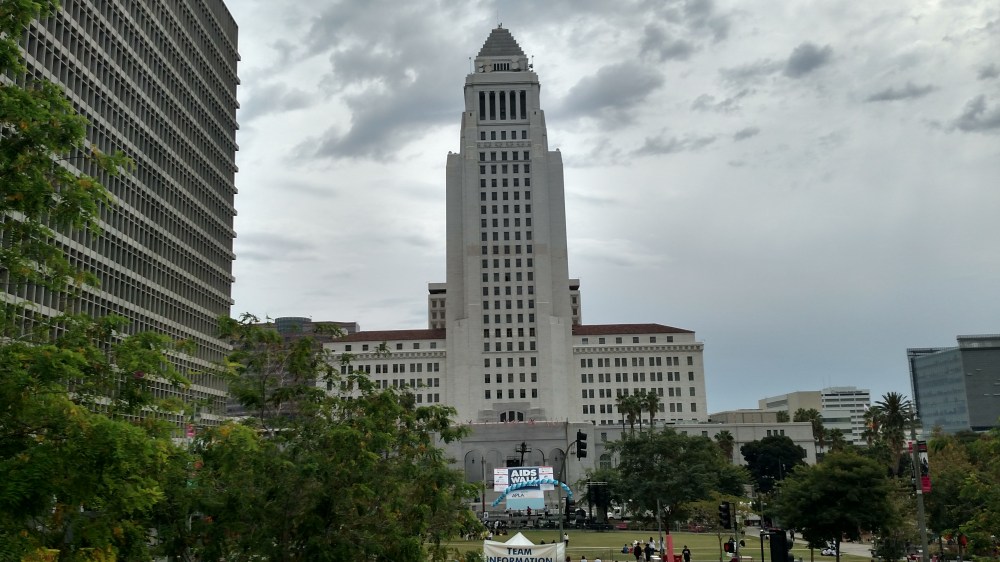
The second week of 2017 Los Angeles Marathon training had us doing something a little different. Instead of meeting up at Griffith Park on Saturday, we instead met on Sunday, October 23rd, in Downtown LA for the annual AIDS Walk. But while the word WALK is prominently displayed in the event signs, we were there instead to run it, and it proved to be a good preview of what we can expect in March 2017.

Now the AIDS Walk is typically held in West Hollywood, but this time it took place in Downtown LA and for the very first time. Another runner told me this was because the Governor wanted to spread out the LGBT related events throughout the city so the acceptance of them could be wider and wouldn’t necessarily be confined to one part of it. This change did throw some people off as they used to be able to just walk down to the event which was a block away from the apartment, and when something like this is held downtown, you can sure bet traffic will be a nightmare for everyone foolish enough to be driving.

img_20161023_092340236_hdr

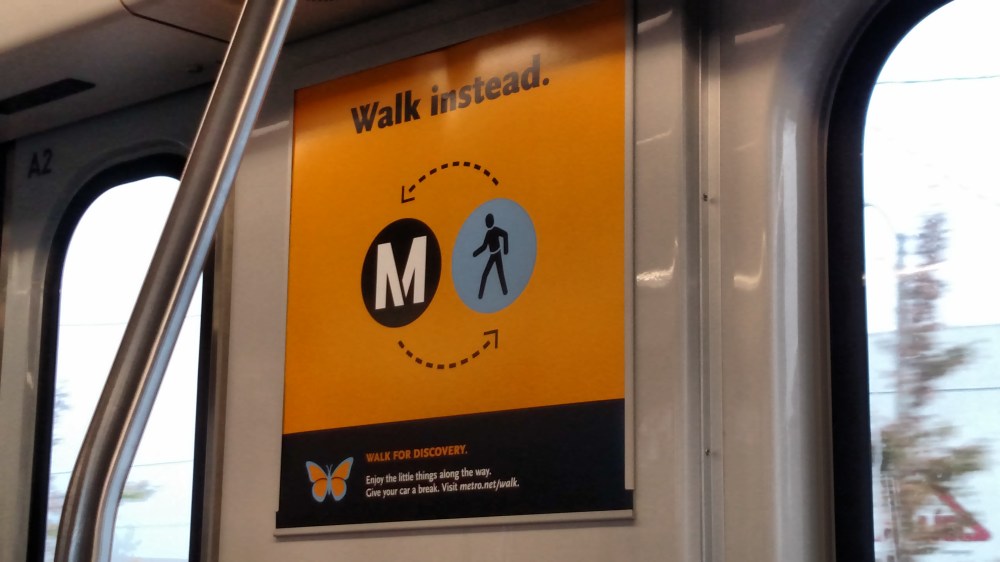
For me, the AIDS Walk being in Downtown LA got me to do something I haven’t done since living out here: use the Metro Rail. The coaches begged us to use public transportation as the odds of us finding parking were going to be remote at best, and getting in and out of town was going to be an endurance test of another kind (and one which is not at all healthy).

I went to the Jefferson/La Cienega station, one which I have passed by many times back when I commuted to Marina Del Rey on a regular basis. That they did not charge a fee for parking there was both a surprise and a delight as parking is such a racket in Los Angeles, one which sucks too much money out of our wallets. The cost of going one way into Downtown LA? $1.75. Looking at the price, I immediately wondered why I never bothered using this service before. There’s no denying how cost effective it is.

Of course, being this was my first time riding on the Metro (thank you, Berlin

), I was afraid I was going to screw up and get on the wrong train. I also had to make a transfer at 7th Street Station and get on either the Red or Purple Line to get to Civic Center which was our meet up point. A lot of times when I’m afraid of going in the wrong direction, I usually do. Fortunately, thanks to the dozens of people wearing AIDS Walk t-shirts at 7th Street Station, I was fairly confident I was heading in the right direction.

It was fun traveling on the Metro Express as it brought back memories of when I took the BART train into San Francisco. At the same time, it reminded me of all the dead and passionless faces I saw seated near me as people looked like they had the life sucked out of them long ago. That scared me to death because I thought I would end up looking like them before I knew it. I still get scared of that even to this very day.

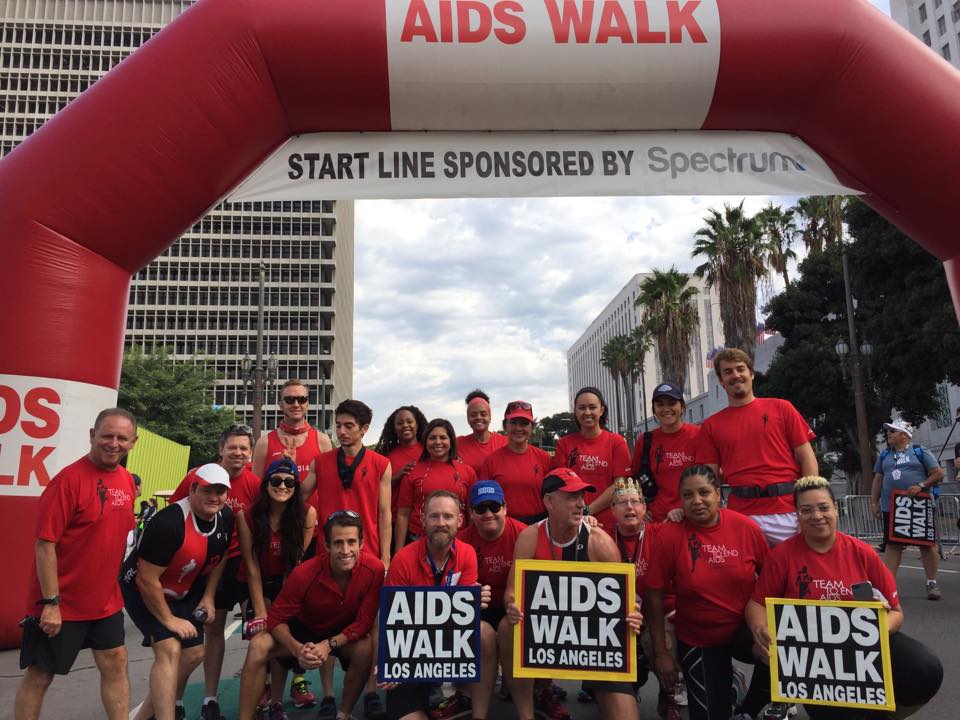
When I finally arrived at the Civic Center/Grand Park Station, I made my way down 1st Street where the T2EA runners were meeting up. The major plus of this event is that our group was always the one to start off, and we would always start just before everyone else did because AIDS Walk primarily benefits AIDS Project Los Angeles (APLA) which we run in support of. While everyone else has to wait behind barricades like cattle, we sat at the very front and were more than ready to conquer the asphalt and concrete roads of Downtown LA.

t2ea-aids-walk-starting-line

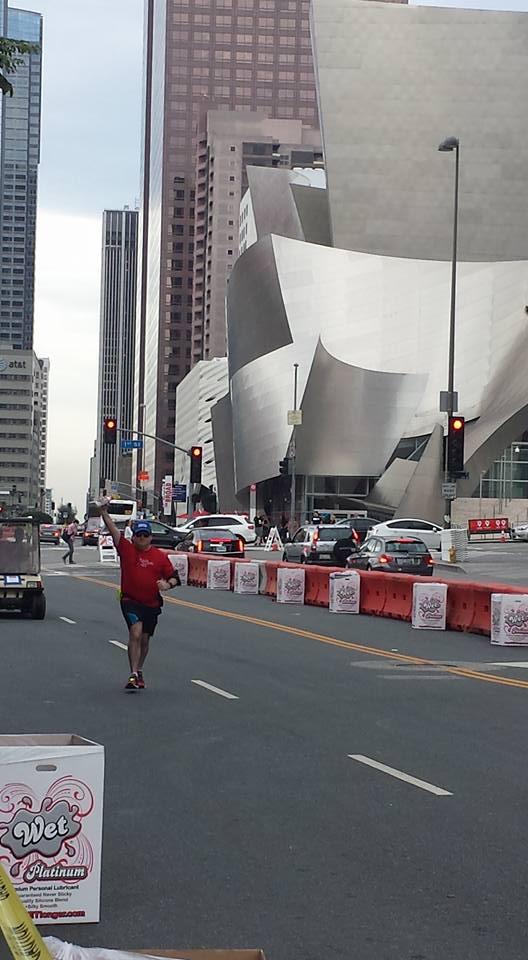
Coach James and Coach Kerry said we may find ourselves wanting to treat the AIDS Walk as a race, but we needed to resist the urge. In retrospect, I ran way too fast. I’m in the 15-minute pace group, and my average pace for this event was 12:57. I spent a lot of time trying to focus on my form as I’m always afraid I am slouching or leaning forward too much. It didn’t occur to me right away that I was running too fast. I wanted to keep up with my fellow T2EA runners, but as usual the majority of them left me in the dust. As training continues, I want to work harder at being lighter on my feet.

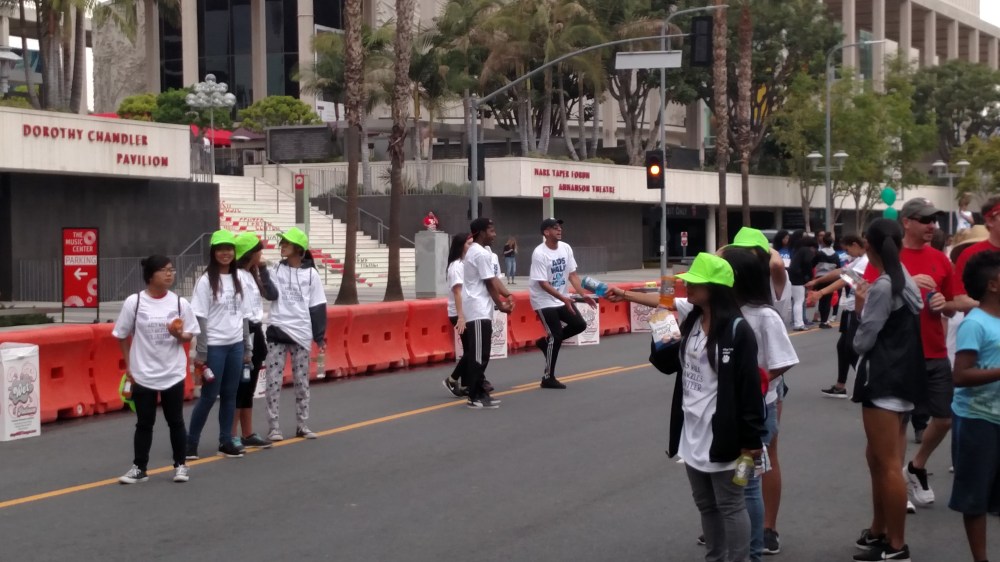
The volunteers proved to be as supportive as those at the LA Marathon, coming out to give us high fives as well as water, chips, bottles of Gatorade and Muscle Milk, and they even had ice cream and popsicles. I was close to getting a popsicle, but I already had a bottle of Muscle Milk in my hands and decided not to overdo it. Plus, I’m on a diet, or so I keep telling myself.

img_20161023_111241557

The major upside was the weather wasn’t too hot or too cold. It was overcast with a nice breeze; a big contrast with last year’s AIDS Walk which had us suffering through temperatures in the triple digits. This time we were lucky and not frying like eggs on the sidewalk. It would have been nice, however, to have had a celebratory lunch in a restaurant with air conditioning.

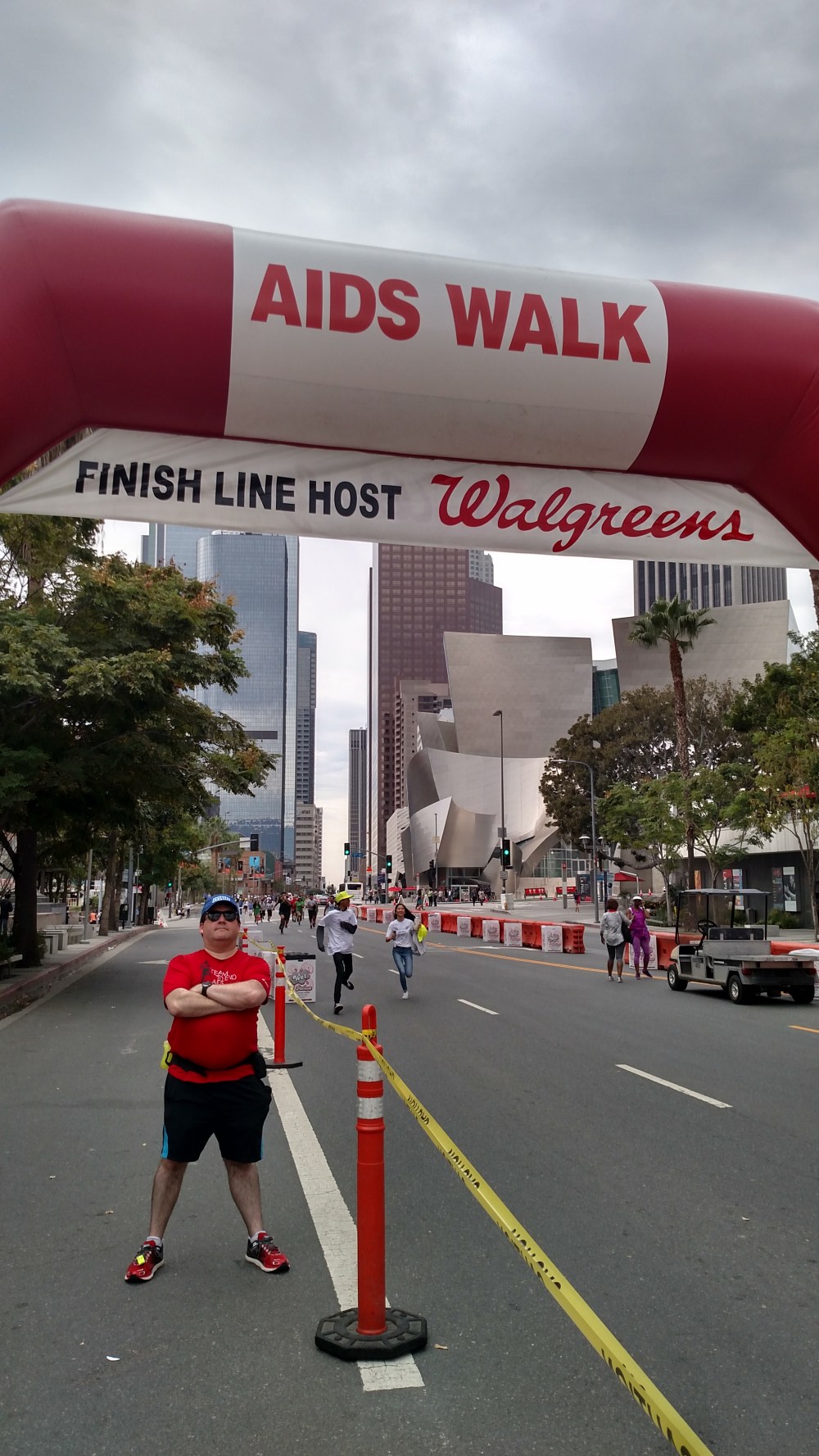
Coming into this, we were told the whole thing would be 6 miles long. But as I was approaching the 5-mile stretch, one of my fellow T2EA runners who was standing to the side and told me, “Just kidding! It’s only 4.87 miles long!” In other words, PSYCHE! I don’t think the coaches realized it was shorter than everyone expected, but it was just as well as I crossed the finish line because the last hill, which proved to be steeper than any we run up during the LA Marathon, pretty much did me in.

aids-walk-2016-ben-near-the-finish-line

Volunteers gave us paper certificates confirming we completed the 2016 AIDS Walk, and they also handed us reusable Walgreen bags which we filled up with bottles of Gatorade and Propel as well as bags of French Onion Sun Chips, Cheetos, Veggie Ranch Sun Chips, Kettle Cooked chips, and I imagine there was some Doritos chips out there somewhere. I kept putting a whole bunch of things in my bag, figuring a volunteer would at some point order me to stop hogging all the goodies. Still, it looked like the volunteers were desperate to give everything away in an effort to justify all the boxes of goods purchased.

Looking back, I think I had a good run. I just need to watch my speed in the future weeks and keep up with the maintenance runs. Also, it would be great to get some more cardio exercises in.

But the real benefit of this AIDS Walk was discovering the Metro Rail as I plan to make more use of it in the near future. No more of this paying $10 to $15 dollars for parking. Like Clint Eastwood kept saying in the movie “In the Line of Fire,” I love public transportation.

img_20161023_115310067_hdr

UPDATE: I am once again raising money for AIDS Project Los Angeles and am trying to reach my goal of $1,100 before the year’s end. All donations are tax-deductible and go to a great organization. Please click here to make an online donation, or you can download a form to instead pay by check. No donation is too small or too big. Thanks for reading.

img_20161023_111314369_hdr


‘The Rocky Horror Picture Show’ Celebrates 40th Anniversary in Westwood

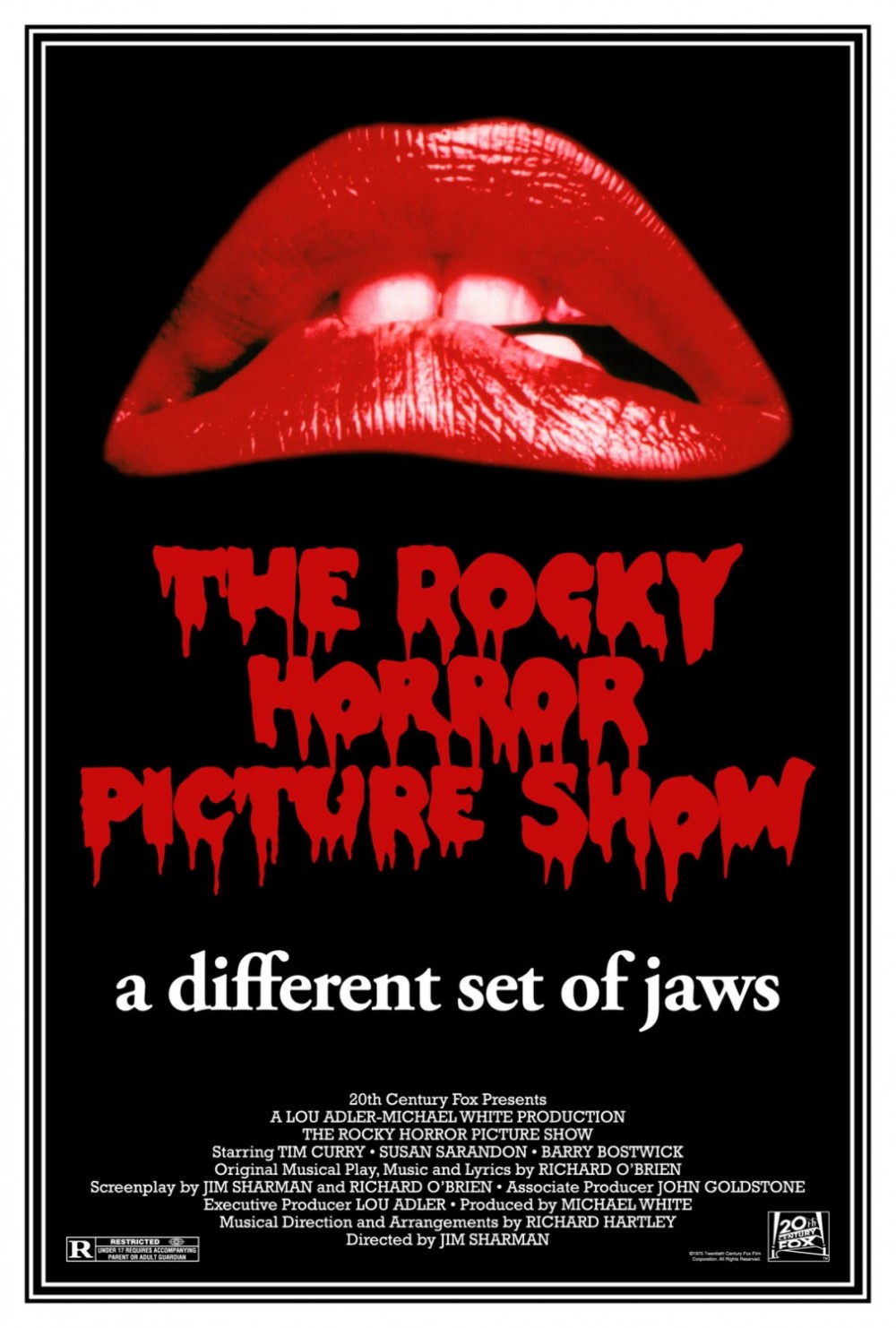
Few cult classics have had such a strong and everlasting cultural impact than “The Rocky Horror Picture Show,” and it always gains a new set of fans from one generation to the next. Based on the musical “The Rocky Horror Show” written by Richard O’Brien, the movie was a critical and commercial disappointment upon its release in 1975, but it went on to become a motion picture which made talking during the movie seem like not such a bad thing. Once it was introduced into the realm of midnight screenings in theaters everywhere, its influence became widespread, and it achieved a popularity many movies only dream of attaining.

“The Rocky Horror Picture Show” celebrated its 40th anniversary on October 30, 2015 outside of the building formerly known as the Mann Festival Theater in Westwood, California where it made its Los Angeles debut. Of all the cinemas the movie premiered in, it did the best business there when it was originally released. The theater closed down a number of years ago, but this wasn’t about to stop anyone from making the world remember that this location was where “The Rocky Horror Picture Show” got its start.

In attendance for this celebration, which was held on a ridiculously hot October day, were Tim Curry who originated the role of Dr. Frank N. Furter, Lou Adler who produced the movie, Sal Piro who is the President of the “Rocky Horror Picture Show” fan club and Los Angeles City Councilmember Paul Koretz. Joining them were a number of die-hard fans who did not hesitate to dress up as their favorite characters and the cast of Sins O’ The Flesh, a group of actors who perform at Saturday midnight screenings of “Rocky Horror Picture Show” at the Nuart Theater in Santa Monica.

Koretz declared October 30, 2015 “Rocky Horror Picture Show” Day in Los Angeles, and he remarked that while its fans may not know the capitol of every state in America, the movie continues to offer “solace, unity and friendship over the years to disenfranchised” and to anyone who feels like an outsider. The movie remains a very important one for LGBT people, and it has long since opened the doors for those who may not feel like they are part of the “mainstream.”

Adler remarked how there were almost as many people at this celebration as there were at the movie’s opening back in 1975, and he thanked what he called the “true fans” for showing up here as well as at every screening of this movie from one year to the next. Adler also remarked how Curry should have won the Academy Award for Best Actor back in 1975, and those in attendance were very much in agreement.

But make no mistake, the big star of the day was Curry, and the fans were ecstatic to see him appear at this celebration. The actor suffered a major stroke in 2013 which has left him confined to a wheelchair, but he was in good spirits as he greeted the fans and encouraged them not to fry as it was very hot outside. The fans in turn thanked him for coming to this event to which he responded, “Did you think I would miss this?”

Piro at how he and others put out the word about “Rocky Horror” midnight screenings in a time before there was social media or the internet. The fans came to see this movie over and over again through pure word of mouth, and it was the same group of people who came which showed how much it meant to them.

The ceremony concluded with the presentation of a plaque made to commemorate the movie theater in Westwood where “The Rocky Horror Picture Show” premiered all those years ago. Following this, Koretz quoted the words of Dr. Frank N. Furter and said to “give yourselves over to absolute pleasure and to don’t dream it, be it.”

I myself had the fortunate opportunity to talk with Curry following the ceremony. In addition to “The Rocky Horror Picture Show,” he also appeared in another cult classic movie called “Clue.” I asked him what the secret was to making a cult classic like this, and he replied that if he knew he would have done another one.

Be sure to check out the video of the anniversary celebration above. “The Rocky Horror Picture Show” is now available to watch on Blu-ray in honor of its 40th anniversary, but nothing will compare to seeing it on the big screen along with its many devoted followers.

the-rocky-horror-picture-show-poster

Exclusive Interview with Jonathan Gold on ‘City of Gold’

Jonathan Gold photo

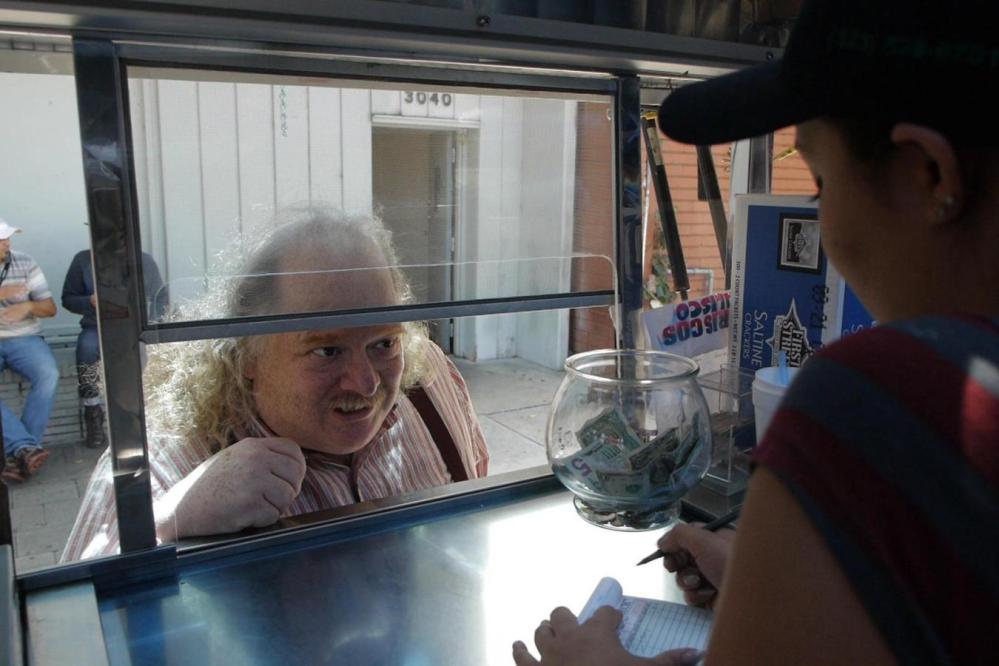
For those of you who see Los Angeles as an infinitely shallow and superficial city bereft of culture, try looking at it through the eyes of Jonathan Gold. Food critic for the Los Angeles Times, LA Weekly and winner of the Pulitzer Prize, Gold is known for his robust writings of Los Angeles restaurants, and he has gone out of his way to review small family owned eateries in the city’s ethnic enclaves as well as the trendier eateries in Beverly Hills. In the process, his reviews have changed the lives of many immigrants who continue to cook the food of their countries, and they have provided readers with a deeper understanding of the cultural landscape of Los Angeles which continues to astonish new visitors and longtime locals.

Gold is the subject of the documentary “City of Gold” which was directed by Laura Gabbert whose previous works include “No Impact Man” and “Sunset Story.” It follows the award winning critic around Los Angeles as he checks out restaurants, and we get to meet many of the chefs whose careers really took off after he reviewed their restaurants. In the process, the documentary also comes to reveal Gold’s deep love of this city and of how it has brought many different kinds of people together.

It was a pleasure to speak with Gold during time off from his day job, and he talked at length about the challenges he experienced making this documentary and how it affected him as a food critic.

Ben Kenber: How were you approached to do this documentary? Was it something you were open to doing or were you hesitant about it at first?

Jonathan Gold: Oh I was absolutely not open to doing it. It’s a tradition of anonymous restaurant critics in the United States. I’ve been approached by reality TV a lot, but I always said no. The filmmaker, Laura Gabbert… It’s sort of a weird story. I donated a dinner with a critic to a silent auction at a school a friend’s kid went to and she bought it. We went out to dinner at the first iteration of LudoBites, Ludo Lefebvre’s pop-up restaurant, and she brought it up and I laughed it off, and she called and we had coffee a few times and it was still not going to happen. And then my kid ended up going to that school, and somehow when you see somebody every day at the drop off line it becomes inevitable in a certain way. I had been thinking a lot about anonymity. It had almost been an impossible concept at the moment, restaurant criticism, with the very, very, very few exceptions. The restaurants that really need to know who the critics are know who the critics are, and nobody stays anonymous for more than a couple of months. I had been reviewing restaurants for more than 20 years and I just figured that it was okay to give it up. It was less a question of actually being anonymous then pretending not to notice them pretending not to notice me noticing them and noticing me. Very meta (laughs).

BK: I have heard restaurant workers have a very high mortality rate. Is that a subject you have ever dealt with in your reviews?

JG: No, not so much, but it’s really physically demanding work. You get up really early, you’re on your feet all day, you are around things that are very sharp and are very hot, and you’re breathing in vapors and smoke and things all day. You’re in a place that has a ton of alcohol because that is why it exists. So I admire the people who could do it as much as a sports writer admires athletes. It takes a lot of stamina.

BK: In the documentary we learn early on you were originally a music critic and later became a food critic. What were the differences of being a critic for each?

JG: Well I’ve actually always done both. I would go to dinner on the way to the show, and then I would review the restaurant and I would review the show. That’s how I did it for years and years. I didn’t think they were incompatible at all (laughs). But one of the things I liked about writing about food just as a profession is that when you write about music you deal with layers and layers of publicists, and I remember I did a Rolling Stone cover on Snoop and Dre. I counted at one point because it started to get weird, but there were more than 1100 phone calls to the publicists. When you are dealing with the restaurant you just go to the restaurant, so it was easier that way. It was a good piece but man, it seemed like a full time job dealing with that.

BK: Once filming began, did it take a long time for you to get used to the cameras following you around?

JG: I wouldn’t say that it took me a long time, but it may have actually taken me a long time. It was like one day a week, one day every other week, and Laura Gabbert, the director, would show up with the cinematographer and someone doing sound and they would crowd into the back of my pickup truck and we’d drive around and we’d stop somewhere. I didn’t really know what to do at first. It’s hard to talk freely when you just have a camera pointed at you and a boom microphone like tickling you, but I think over the course of filming it, it became a little less strange and a little more natural. The people I had lunch with and dinner with never got used to it quite as much as I did just because it was an inherently awkward situation. But it must be said that I laid down guidelines at the beginning for filming. I didn’t want her to fill me actually reviewing a restaurant. She would’ve liked that and it would’ve given the movie an arc, but I didn’t want to give her an arc actually because I didn’t want anything dramatic to happen. And I put down for a long time that she couldn’t film my kids because they deserve their privacy, and of course it turned out that they wanted to be in the film so they were. There were probably a few others, but with those boundaries drawn and the fact that I wasn’t actually going to have to interview anybody, I wasn’t going to act as a journalist and I was just going to be a person doing possibly journalistic things.

BK: The movie starts with you sitting in front of your computer and looking pensive, and then you begin to type something. Were you actually writing a review at that moment?

JG: Yeah. Actually I refused to have it staged and they shot it in a lot of different ways, but I was actually always writing a piece when I was doing it. Not necessarily the piece that was coming on the voiceover because… I don’t know if you’ve done it, but pretending to type looks like somebody pretending to type, and it’s always bothersome in movies.

BK: Did you have or want any artistic control over the documentary, or were you content to have Laura just have her way with it?

JG: I had essentially no artistic control over it. I’m the subject in the way that you are interviewing people. The people that you are interviewing don’t have any input into the story you are writing and they shouldn’t, and she was committing an act of journalism and I was the subject. I saw a rough cut of it and I’m not sure there was anything I objected to. Sometimes I wish I had combed my hair (laughs) and sometimes I wish I’d said something in a more articulate fashion, but I talk the way I talk.

BK: Was there anything taken out of the documentary that you wish had stayed in?

JG: There was a scene that I loved where I was giving a presentation at the MAD conference in Copenhagen, and that’s a conference that happens every couple of years. They couldn’t send anybody but they lent my daughter a camera and she took footage and she put it together in a certain way. It’s sort of a beautiful scene, but ultimately it didn’t really fit into the narrative of the film and it was cut. I will always become exercised on behalf of my children (laughs). I think it’s almost demanded.

BK: How would you say you ever evolved as a critic over the years you have done this work?

JG: I think I understand that there’s more and I think I understand that there is less. The more I do this, the more I write, the more it feels like I actually know.

BK: You are so good at describing things in your work to where you give the reader very vivid images of the stuff you are writing about. How do you accomplish that?

JG: Actually that was maybe one thing I worked at pretty hard. I thought that describing food was my one weakness when I first started writing about food. I was good at getting you into the room and I was good at describing the context and telling you why you were there, but sometimes my descriptions of the food were a little bit tough. I actually worked at it and worked at it, and I figure it’s like Kobe Bryant taking 1000 free throws a day. It’s like eventually he’s going to figure out where the basket is.

BK: Has doing this documentary changed the way you write about food at all?

JG: No, not at all.

I want to thank Jonathan Gold for taking the time to talk with me. To find out more about “City of Gold,” be sure to visit the documentary’s website at www.cityofgolddoc.com.

Exclusive Interview with Gusmano Cesaretti about ‘Take None Give None’

Take None Give None poster

2015 proved to be a great year for documentaries with unforgettable ones like “Amy,” “An Honest Liar” and “The Wolfpack.” Now there’s another terrific documentary to check out called “Take None Give None” which is about the Chosen Few, an outlaw motorcycle club based in South Central Los Angeles. Directed by Gusmano Cesaretti, a producer on many of Michael Mann’s films, it chronicles how this motorcycle club, the first multi-racial club of its kind, formed and is bound by the strength of their brotherhood. The documentary also follows the club’s struggles as they deal with the LAPD which raided their clubhouse and unfairly branded them as a criminal organization in the media.

“Take None Give None” had a special screening at the Museum of Contemporary Art in Los AngelesMuseum of Contemporary Art in Los Angeles, and it was sold out and filled with people of all kinds as well as members of the Chosen Few. When it ended, one of the club’s members stood up and said, “Tell people about this movie so that they can see who we really are.” This was met with a thunderous applause from everyone in attendance.

I got to speak with Cesaretti over the phone about “Take None Give None” which he filmed with co-director Kurt Mangum over a three-year period. Cesaretti described how he became acquainted with the Chosen Few, how he managed to get an interview with one of the LAPD cops who went undercover to infiltrate the club, and of how working with Michael Mann served to help him on this project.

Gusmano Cesaretti photo

Ben Kenber: Congratulations on the documentary. This proved to be a real eye opener about the Chosen Few. How did you first become acquainted with this motorcycle club?

Gusmano Cesaretti: Well I saw some of those guys riding motorcycles about 25 years ago on the Pasadena freeway and I pulled over next to them with my car and I said, “Hey! Pull over, I want to talk to you.” And they pulled over then I told them, “I like the way you look. Everything about it is great. I love the way you were riding the bike.” They weren’t just riders, they had pride for some reason. So I told them I would like to take some pictures, and they invited me to the clubhouse. I went over there and it was amazing to see all these great amounts of people and they were all nice. I walked over with the camera and everybody started looking at me and saying, “Hey what are you doing? Oh yeah take pictures of me! Take pictures of my bike!” It was really great. They were friendly, they were open to anything and to me it was fascinating. They were a great people and then I started going there every other week and kept taking photographs and so on in support. Then in 2011, because they were talking all the time about their rides and how important they were for them and being together in like a brotherhood, I said I would like to film one of your rides. So I organized a ride for them where we went through South Central and on the freeways and then through downtown, and then after the ride they started really talking to me and said that we should make a record of all this. That’s when I started doing the documentary, and we just finished (laughs).

BK: When you first started shooting the documentary, how did you envision it and how did it evolve from that point to where it is now?

GC: That’s a good question. When I first started the documentary I had no idea because when you make a documentary you really don’t know which way you’re going. I feel you’re doing it for a year or two (laughs) and then you would have all the information you ever need to create a storyline. We recorded about 48 hours (of footage), and when we finally decided to edit it was like a nightmare because you’ve got listen to all these conversations and all the recording we did. It took months but then you know what’s going on, and then we put a big roll of paper on the floor of my studio and started writing down the scenes. It was crazy. A lot of different cameras were used. It took me about a month to figure out the storyline, and then even during the process of editing there’s always changing this, putting back this and taking this off. It was a very challenging process but I learned so much.

BK: When it came to filming the documentary what formats did you utilize?

GC: We did a lot of stuff with the Super 8 riding the bikes here and there and we used other film. We used Cannon, we used Sony, etc. But the problem when we did the editing, because of all the different formats and all the different cameras, it became now we gotta do this, now we gotta change this and now we have to download everything into this. It was really crazy, but it worked because I shot it in a very cinema verite way. I didn’t want to commit to any style. And the way I interviewed those guys it was like, “Tell me the story.” I didn’t ask any questions because I wanted them to talk and tell me from their point of view. So that’s usually the way I prefer to do my photography; I connect with people and establish a relationship even if it’s for a moment, and I need to start a relationship if I want to get the image that I need.

BK: When the Chosen Few’s club gets raided, we get to see how the media really twisted their identity of proportion. Then they got evicted from their building which had a huge impact on the neighborhood because things were a lot safer when the club was around.

GC: Correct. What was interesting about the Chosen Few in South Central is that it’s really about the cultural of Los Angeles. It’s not necessarily about the bikers, it’s about their lives. The clubhouse was open for all the members and friends and people and visitors like me. There were probably a lot of undercover cops going there too, I’m sure, just to check and make sure that they were okay. But the thing is this; there were always old people there. It wasn’t just the club for the motorcycle people. It was older people who used to sit there all day long and have conversations with their friends, and when they lost the clubhouse a lot of these old people died because they didn’t have a place to go. They were like homeless people practically, and that was really sad to see that happen. All the members too, they felt homeless. They felt like the police were trying to take their identity away. They didn’t have the energy that they used to have any more, so it was extremely sad.

BK: Speaking of the police, you did manage to get an interview with one of the undercover cops who infiltrated the Chosen Few. Was that a hard interview to get?

GC: No actually. I have a friend that is a cop and I said to him, “Look I’m doing this documentary and I would like to interview the police that did the raid.” He said, “Yeah I’ll find him for you.” So he took a couple weeks and then he called me one night and said, “I got the guy.” I talked to him and he was very interested to do it, and we got together and did it. He was actually a nice cop. He was very open and he also told me the truth. What he was saying was real.

BK: It was nice to have the cop’s perspective of the raid as well as the Chosen Few’s as it manages to balance things out.

GC: Yes, yes. It’s a big club and not everybody’s an angel, you know what I mean? But that’s the same in any other big company like Google. There’s always somebody messing up things and in the club a lot of those guys come from the gangs, most of them. Being in the club was like upgrading their lifestyle and they got a job, but they are still connected with the streets and the gangs. There will always be somebody doing a little bit of this and little bit of that and a little drug dealing, but most of them are really wonderful, nice people. The theology of the Father, Lionel Ricks, is amazing. He started the club because he didn’t have a family and he wanted to have a family. That’s beautiful. What really fascinated me the most was that Lionel Ricks started the club in 1959 and then integrated it in 1960, and this was before the civil rights movement. He was able to bring blacks and whites and Mexicans and Chinese and a couple of people from Syria together without any political or powerful stuff like Malcolm X and Martin Luther King and all those people afterwards. He did it very simple and in a naïve and beautiful way with the motorcycle. That’s amazing to me. Think about it, he brought people together with a motorcycle! And that was when I said, “Okay we gotta do this,” and they were all excited about doing a documentary. We got all these great people to interview and the Father. The Father right now is very sick and in the hospital, and I hope he’s going to get better. But I did show him the documentary about a month ago when we finished editing. I went over to his house and showed it to him, and he had tears in his eyes and said, “It’s good. It’s real.” And I said, “Great! Thank you!” He really loved it.

BK: You worked a lot with Michael Mann on his movies. How did your experience working with him help you in making this documentary?

GC: Well I think making a film is completely different from making a documentary. The only help that I got on this film from that world is the camera guys that I worked with, and they are my friends and they came and helped me. With film you have a script and you got the actors and you have time to keep repeating and filming a scene a scene until it comes to where you want it. When you do a documentary the moment is right there. You are shooting this, you turn your head and you see something and you shoot that. You don’t know what’s going on and you’ve got to be aware of what is going on around you, so it’s really different. For me, this was a totally unique experience.

BK: Was there anything you wanted to include in this documentary that you were not able to?

GC: We got to a point where we said okay we gotta finish this project, so there were maybe a few more people that I wanted to interview that we never got to. There was a guy who did an amazing wheel stand. He did a wheelie and he was supposed to come over one night to do a performance for us while we were shooting in South Central, but the guy couldn’t make it and never showed up. And that was another thing that I wanted to include because it’s beautiful and its part of the art of being in control of the motorcycle. When somebody does something like that in a beautiful way it was nice to visually put it into the documentary, but at the same time it wasn’t that kind of a documentary. It was more about the feeling of the individuals and the members and everything that came from their hearts and communicating to the outside world and saying here we are. This is what we are. We are not what people think, we are what we are.

I want to thank Gusmano Cesaretti for taking the time to talk with me. Please feel free to check out the movie’s website at www.takenonegivenonethefilm.com, and be sure to check out its social media pages on Facebook and Twitter.

Copyright Ben Kenber 2015.

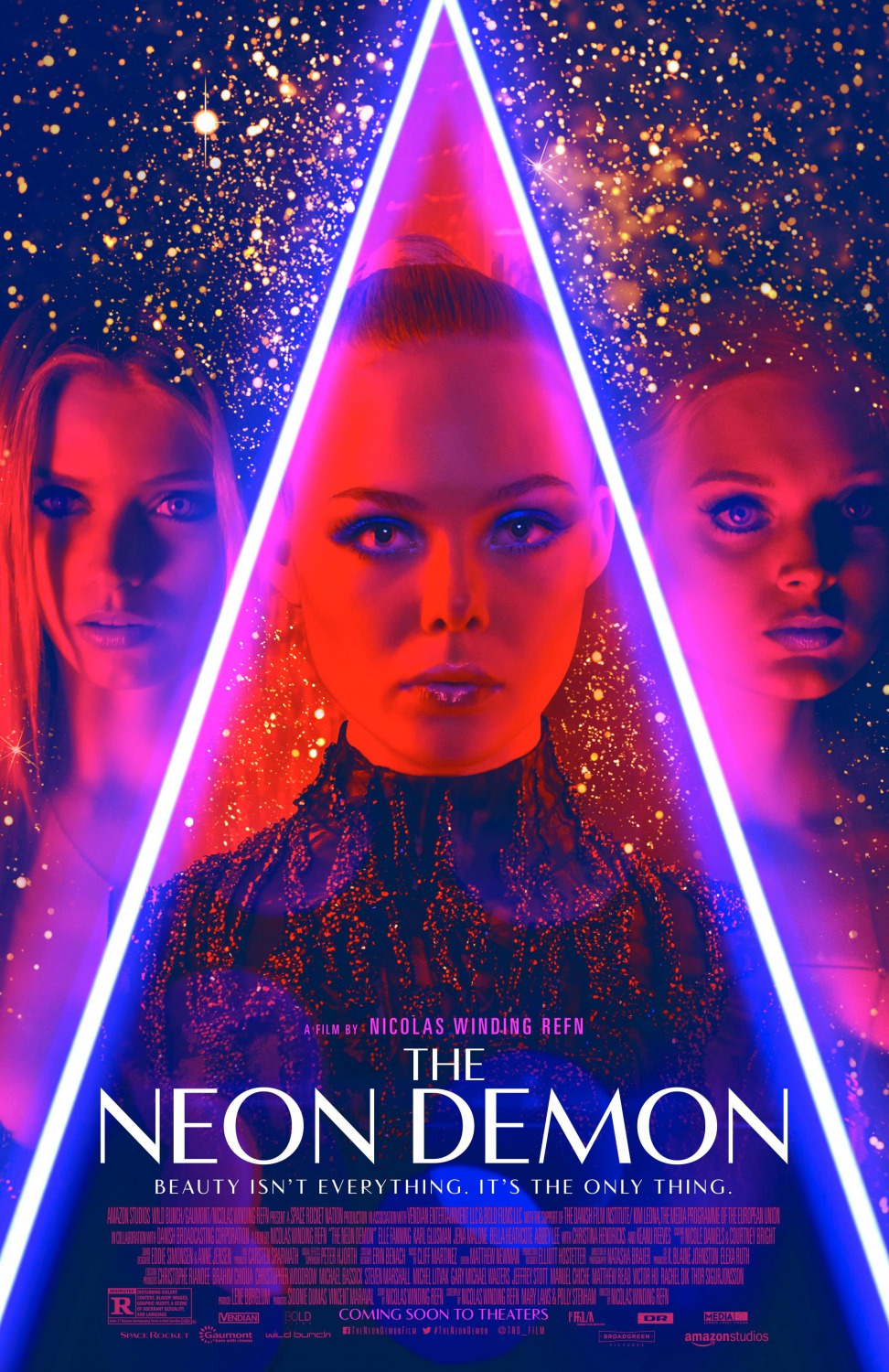
The Neon Demon

The Neon Demon poster

This is a motion picture you will either be on the same wavelength or not. That’s usually the case with any Nicolas Winding Refn film whether it’s “Bronson,” “Drive” or “Only God Forgives,” but I imagine “The Neon Demon” will be his most divisive movie yet. As for myself, I was entranced with this movie from start to finish as it combines the visual aesthetics of a Gaspar Noe film with the dreaminess of a David Lynch one, and those elements come together to form something that is uniquely Refn. In a sea of movies out right now which feel largely underwhelming, “The Neon Demon” is a refreshing one with its undeniably strong visuals, and that’s even though it takes a very sharp left turn in the last half.

We are introduced to Jesse (Elle Fanning), an aspiring model looking to get into the Los Angeles modelling scene. Equipped with some striking pictures shot by her friend Dean (Karl Glusman), she succeeds in getting signed with top Hollywood agent Roberta Hoffman (Christina Hendricks) who encourages Jesse to lie about her age and is quick to dismiss other aspiring talents coldly and without a second thought. Soon Jesse comes to befriend makeup artist Ruby (Jena Malone) who introduces her to the kinky club scene as well as a pair of models, Sarah (Abbey Lee) and Gigi (Bella Heathcote), who are ruthless in their intent to stay relevant in an industry quick to chew them up and spit them out.

Essentially, “The Neon Demon” is Jesse’s descent into the hellish and shallow world of modelling as she becomes the envy of photographers and fashion designers in the industry and creates a cauldron of resentment for those who can only dream of having her natural beauty. That’s the thing; Jesse has a look that feels infinitely real compared to other models who have long since resorted to plastic surgery which has made them look like lifeless statues. How does a novice model make her way through such a cutthroat and friendless realm of existence? Well, Refn is not out to give us the definitive answer to that question, but the journey he takes us on gives us kind of an idea of what it could be like.

I loved the beautiful and yet clinical look Refn gives “The Neon Demon” as it is entrancing and immersive. We are sucked into a world that is not healthy for us, but we can’t turn away from it as, like Pandora’s Box, we have an insatiable desire to see what is inside. Colors abound as if he tried to combine the beautiful images from Noe’s and Dario Argento’s films (“Suspiria” in particular) and turn them into something original. This movie also benefits largely from the beautiful electronic score composed by Cliff Martinez which hugs these images while poking at the darkness lying beneath them.

Elle Fanning has long since distinguished herself from her equally famous sister Dakota, and her role here as Jesse is her most daring yet. Some will complain that all she does in “The Neon Demon” is just sit around and look beautiful, but that’s missing the point. What’s utterly fascinating about Elle’s portrayal is how she takes Jesse from being a seemingly innocent rookie in a business that can be quite cruel to someone who fiercely owns her beauty in a way that is as seamless as it is haunting. This is not a dialogue heavy movie, so Elle has to show this transition without words for the most part and she succeeds to where we cannot help but be horrified about what Jesse will become.

However, Elle is almost upstaged by Jena Malone who combines an earthly look with an almost alien one as makeup artist Ruby. Malone has always been a tremendous actress, and she makes Ruby a wondrous enigma of sorts as she reveals only so much about her character on the surface. As the movie goes on, Malone comes to exhibit a strong vulnerability as Ruby is denied the thing she desires most and ends up acting out in sheer desperation. Malone is riveting and fearless, and she shows no hesitation in embracing Ruby’s dark side.

Abbey Lee deserves credit for bringing unexpected depth to Sarah, a model slowly realizing she is now past her prime, as she sinks into a swamp of infinite envy and resentment. I liked how Bella Heathcote makes Gigi into a model who is unapologetic about the sacrifices she has made for her career and is fiercely defensive of her place in the industry. While Glusman doesn’t get to show a lot of range here as Dean, he does have some nice moments as a man trying to hold strong to his ideals of what real beauty should be. And even Keanu Reeves shows up as Jesse’s unsavory apartment manager Hank, a man John Wick would show no hesitation to beating the crap out of. Say what you will about Reeves’ acting skills; he’s much better here than he was in Eli Roth’s “Knock Knock.”

If there was anything that perplexed me the most about “The Neon Demon,” it was the last half where it suddenly turns into a Grand Guignol horror film. It’s like the movie suddenly turned into something completely different as we find the women in Jesse’s life determined to possess her natural beauty any way they can, and I mean any way. Granted, this is a Refn film so you have to expect the unexpected, but it bears repeating here as things take a direction that almost seems out of whack with what came before.

Many will keep trying to get answers from Refn in regards to the questions “The Neon Demon” casually leaves unanswered. Then again, this is not a movie designed to have easily answered questions as the viewer will have to use their own imaginations to decipher what they have just seen. The movie’s title alludes to an antagonist that can take on a variety of forms that even the real world can’t separate itself from. Or maybe it’s the one deep fear we have to conquer before moving on with life. Whatever the case, “The Neon Demon” in not a movie to be easily dismissed or forgotten. People will either like it or hate it, and I am not afraid to say that I liked it a lot.

* * * ½ out of * * * *