The following review was written by Ultimate Rabbit correspondent, Tony Farinella.
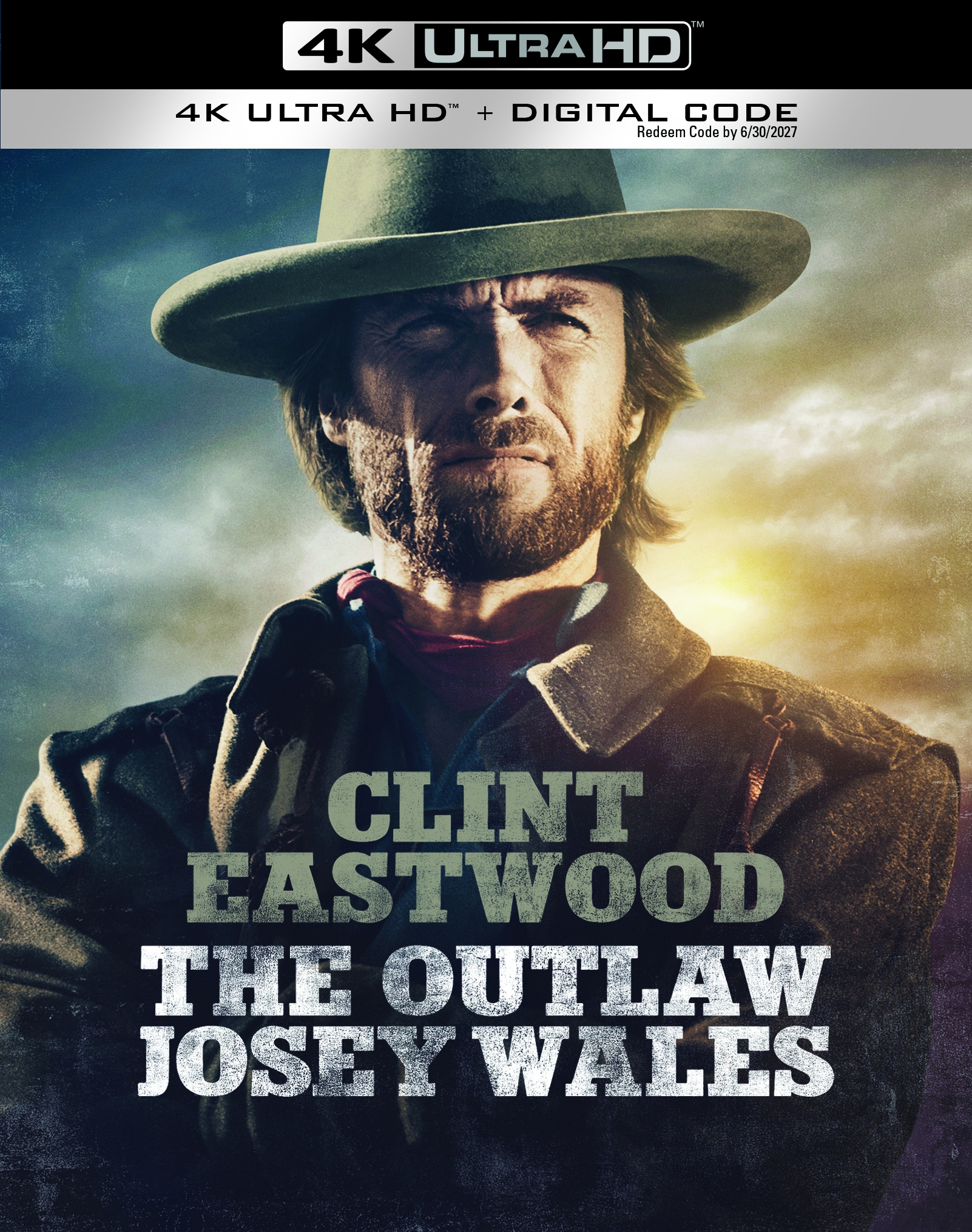
“The Outlaw Josey Wales” was directed by Clint Eastwood, and it was adapted from the book, “Gone to Texas” by Forrest Carter. Eastwood is also the lead actor in the film, and he’s certainly in his wheelhouse when it comes to the Hollywood Western. When it comes to certain Clint Eastwood Westerns, some of them stand out more than others. This film was released in 1976, and it was Eastwood’s second time directing a Western after first directing “High Plains Drifter.” He would return in 1985 with “Pale Rider” before putting his finishing touches on the genre with “Unforgiven” in 1992. For my money, “Unforgiven” is not only one of the best Westerns Eastwood ever directed or starred in, but it’s also one of the best Westerns of all time.
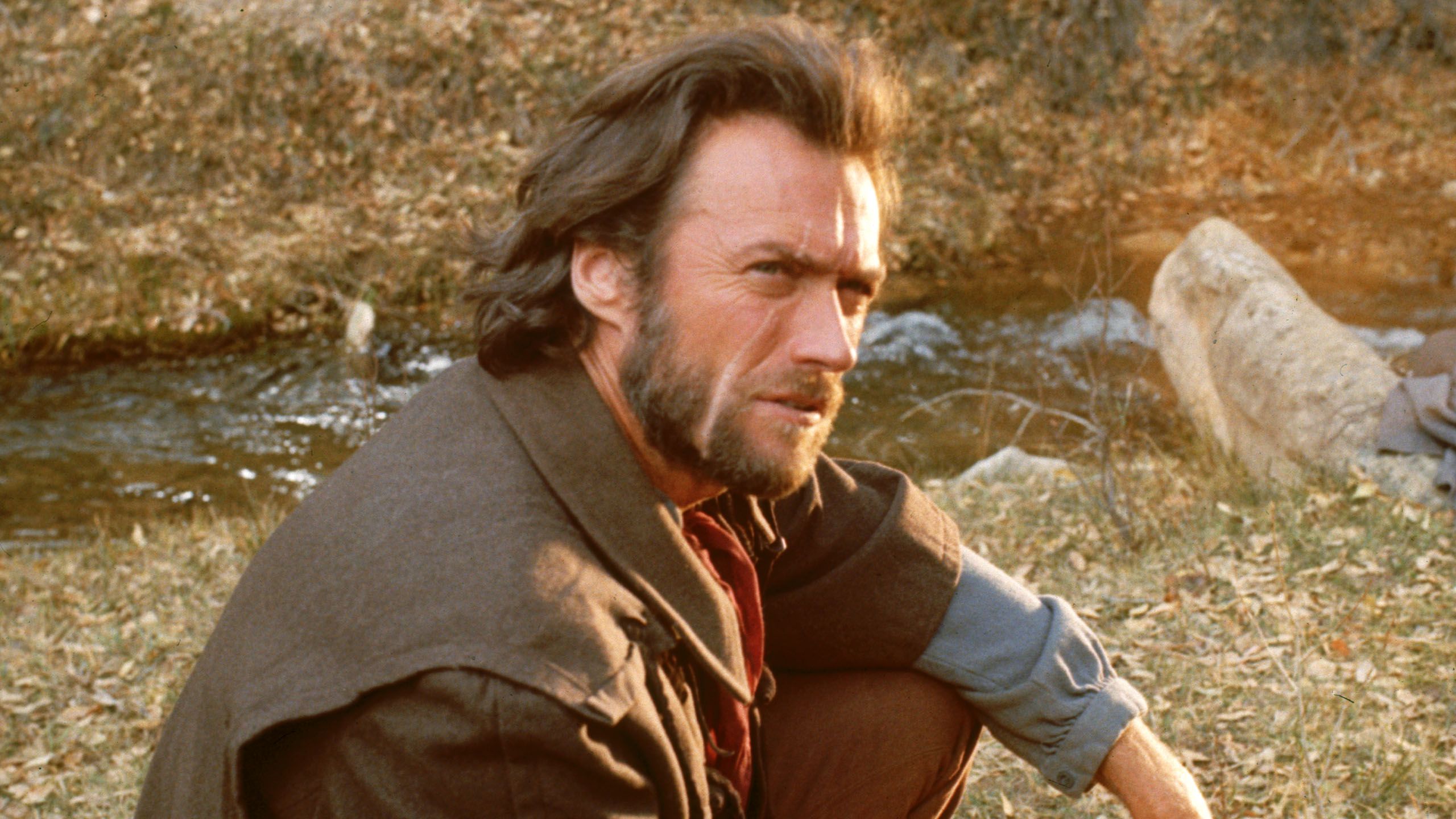
“The Outlaw Josey Wales” is set during the American Civil War, and it opens with the wife and son of Josey Wales (Clint Eastwood) being murdered by Captain Terrill (Bill McKinney) and his group of Union militia. Now, Josey Wales will stop at nothing to seek revenge for the death of his wife and son. Throughout his journey, he stumbles upon a group of unique and eccentric characters who can either help him or get out of his way. Eastwood plays Josey Wales as subdued, determined, and unflappable. If he gets his pound of flesh, will he be satisfied? He’s on a mission, and he isn’t going to let anything or anyone slow him down or get in his way.
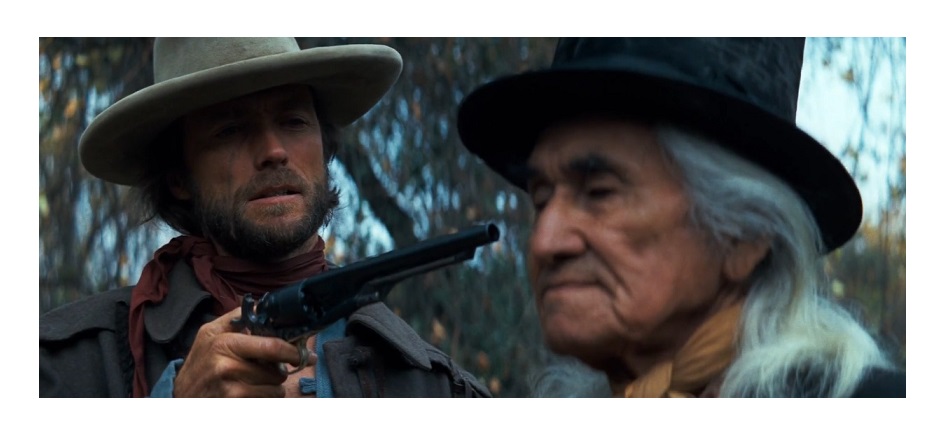
One of the more interesting characters that Josey Wales meets is Lone Watie, played by Chief Dan George. They have had an “Odd Couple” type of relationship, as it’s hard to get a read on Josey whereas Lone Watie is quite chatty. Along the way, they come in contact with various gunmen, and we quickly learn that Josey is not someone to be trifled with when he’s in a battle of life or death. There are also quiet and reflective moments when the threat of violence isn’t in the air. The film is shot with a keen eye by Eastwood. He’s always been a skilled and talented director, especially when he’s shooting Westerns. He makes even the mundane look spectacular and mesmerizing.
When I was watching “The Outlaw Josey Wales,” there wasn’t anything happening on screen from a plot or character perspective which drew me in or kept my attention. I recently reviewed “Pale Rider,” which was done after “The Outlaw Josey Wales,” and that was a film with a strong pulse and interesting characters. I have seen Eastwood portray this character before, and it feels like he’s simply spinning his wheels with this performance. There is not a whole lot going on with this character of Josey, and there isn’t a whole lot going on with the majority of the story either.
I can only get lost in the scenery and the beautiful sights and sounds for so long before I eventually start to get bored. Make no mistake about it, “The Outlaw Josey Wales” is a beautiful film from a filmmaking perspective. There is a ton of skill on display, and it’s a quiet and unassuming film. The problem is it also feels bland and flat. I didn’t feel as though the film did anything to differentiate itself from a host of other Westerns which have been directed by Eastwood in the past. It’s OK for his character to not be showy, loud or outspoken, as we don’t expect that in an Eastwood Western. However, at times, it looked and felt like he was in a medically-induced coma.
As I was watching this film, I kept waiting for it to spring into action and come to life on screen. After you have seen him take out the bad guys time after time, it begins to become repetitive and it loses its luster the more you see it happen. This is a movie which is a little too focused on its sense of time and place but not focused enough on creating a captivating story. This is a problem when you have a film that is a little over two hours long. I didn’t hate watching “The Outlaw Josey Wales,” but I didn’t particularly enjoy the experience. It left me feeling very underwhelmed.
* * out of * * * *
4K Info: “The Outlaw Josey Wales” is released on a single 4K disc from Warner Brothers Home Entertainment. It comes in either a 4K slipcover edition or a 4K steelbook. The film has a running time of 135 minutes and is rated PG. The film also comes with a digital code to redeem.
4K Video Info: The 4K of this film is absolutely magnificent. Westerns, in particular, were made to be released on 4K. You just don’t get this type of viewing experience on Blu-ray or DVD with Westerns. The HDR on this film presents an epic picture that is utterly flawless.
4K Audio Info: The Dolby Atmos audio track also brings the film to life in your living room with a soundtrack that is big and bold. Subtitles are included in Spanish, English, and French.
Special Features:
Commentary by Richard Schickel
An Outlaw and an Antihero – NEW
The Cinematography of and Outlaw: Crafting Josie Wales – NEW
Clint Eastwood’s West
Eastwood in Action
Hell Hath No Fury: The Making of The Outlaw Josey Wales
Clint Eastwood: A Cinematic Legacy – Reinventing the West
Should You Buy It?
I had the pleasure of reviewing three Clint Eastwood 4K’s over the past week: “The Outlaw Josey Wales,” “Dirty Harry,” and “Pale Rider.” “Pale Rider,” without question, was my favorite of the three. With “Dirty Harry” and “The Outlaw Josey Wales,” I admired but didn’t love them. I felt like I was missing something when I was watching them. Both films are well-made and they are not terrible, but they didn’t entertain or grab me emotionally. However, I’m well aware that many people out there who love both “Dirty Harry” and “The Outlaw Josey Wales.” When it comes to “The Outlaw Josey Wales,” if you are a fan of the film, you need to add it to your collection as soon as possible. It looks and sounds out of this world on 4K, and there is a boatload of special features here to enjoy, especially a few new ones as well. I just put this film under the category of, “It wasn’t for me.” If it is for you, you can’t ask for a better physical media release than what they have put together at Warner Brothers for this one.
**Disclaimer** I received a copy of this film from Warner Brothers to review for free. The opinions and statements in the review are mine and mine alone.
The following review was written by Ultimate Rabbit correspondent, Tony Farinella.
A little over a year ago, Warner Brothers Home Entertainment released a set which included the first four “Rocky” films along with the director’s cut of “Rocky IV.” Many fans were dissatisfied with this release and pointed out audio and video issues along with the fact that “Rocky V” and “Rocky Balboa” were not included in the set. Now, Warner Brothers has released a new edition of the “Rocky” films on 4K in a set entitled “Rocky: The Ultimate Knockout Edition,” and it includes replacement discs for the issues with the first four films and also includes “Rocky V,” “Rocky Balboa” and “Rocky Balboa: The Director’s Cut.” There is also a Blu-ray disc which includes special features for the first four films. I went back and looked at my review from March 2023 for “Rocky: The Knockout Collection,” and I didn’t feel as though the issues were as egregiously bad as other reviewers made them out to be.
With all six of the Rocky films now out on 4K, people are going to be wondering if this set is worth its hefty price tag. Before I get into all of that, let’s briefly discuss the films. The original “Rocky,” released in 1976, won Best Picture and put Sylvester Stallone on the map. It is the ultimate underdog sports movie and a film which is quoted and remembered to this very day. Even after Stallone is long gone, fans and historians will always remember him as Rocky Balboa. Of course, he also played John Rambo, but people really connect with Rocky and can even see themselves in the character. It was the right film with the right actor at the right time.
There is much debate and handwringing over the sequels. I love all of the “Rocky” films, warts and all, as they play a part in the story of Rocky Balboa and his ups and downs as a character. We see him start from nothing, rise, fall, and rise again. I think you have to appreciate the good, bad and the ugly all of the films as they all serve a specific purpose for this franchise. Of course, my favorite film will always be the first “Rocky.” After that, I’d probably go with “Rocky II,” “Rocky Balboa,” “Rocky IV,” “Rocky III,” and “Rocky V.” If you ask me this question in a few months, my answer might change again.
The original “Rocky,” the one which started it all, is about a low-level boxer who is looking for a chance to prove he’s not another bum from the neighborhood. He mostly takes outlaw fights which make little to no money. One day, Apollo Creed (Carl Weathers) is looking for an opponent in order to sell his next fight. When he stumbles upon Rocky Balboa, an underdog fighter from Philadelphia, he figures he can use this David vs. Goliath story to sell some tickets and get an easy victory. He ends up getting more than he bargained for from Rocky Balboa, who is feeling the support of his newfound love interest, Adrian (Talia Shire) and her brother Paulie (Burt Young). All he wants is a chance to prove his self-worth.
In “Rocky II,” he needs to prepare for his rematch against Apollo Creed. Can he defeat Apollo Creed this time, or will Creed destroy him and show that their last fight was simply a fluke? Even though Creed won the first fight by decision, Rocky showed he can last in the ring with the Heavyweight Champion of the World.
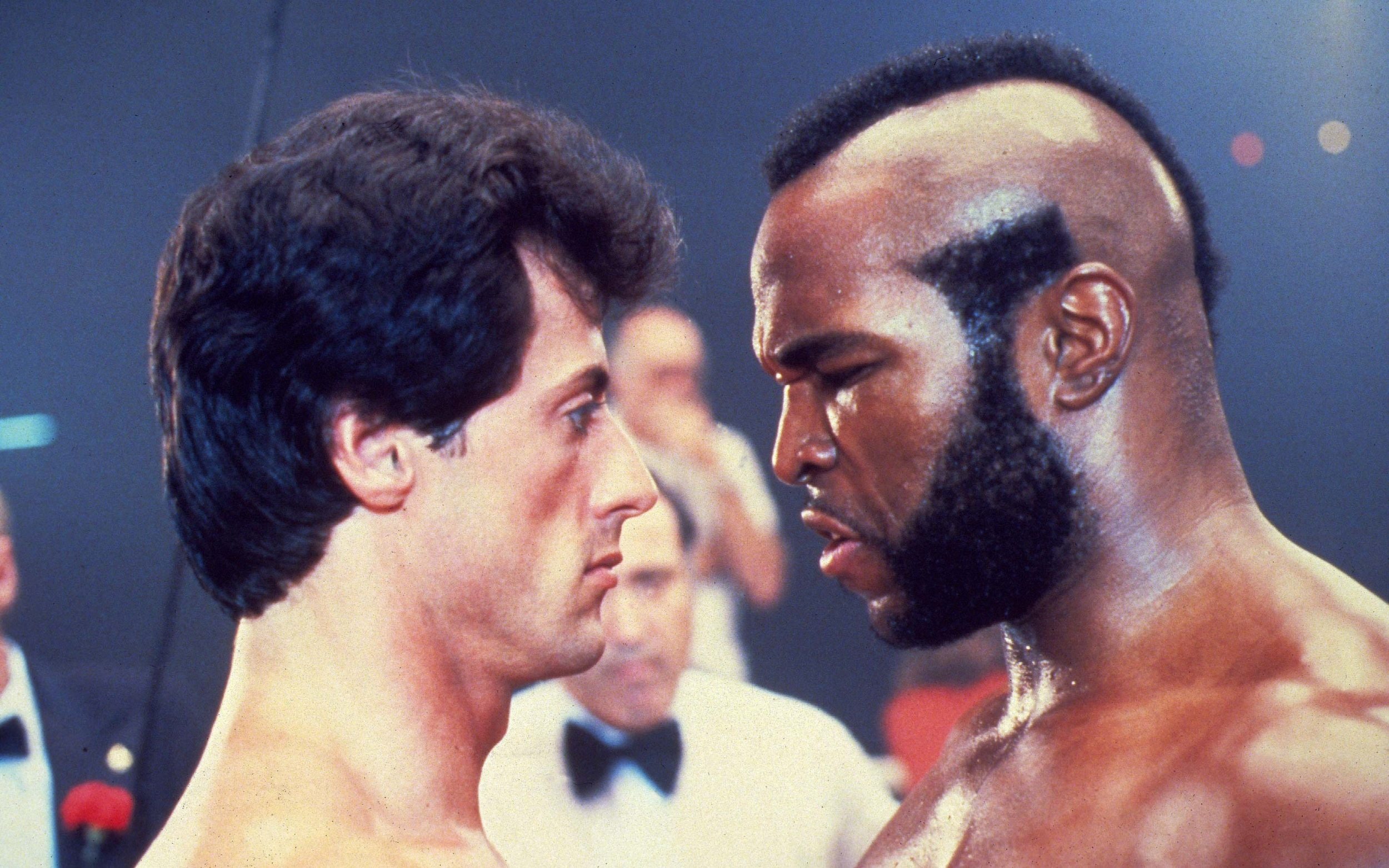
In “Rocky III,” Rocky needs to learn how to handle the biggest obstacle of all: success. How will he deal with money and fame? He also encounters Clubber Lang, played by Mr. T and Thunderlips, played by Hulk Hogan.
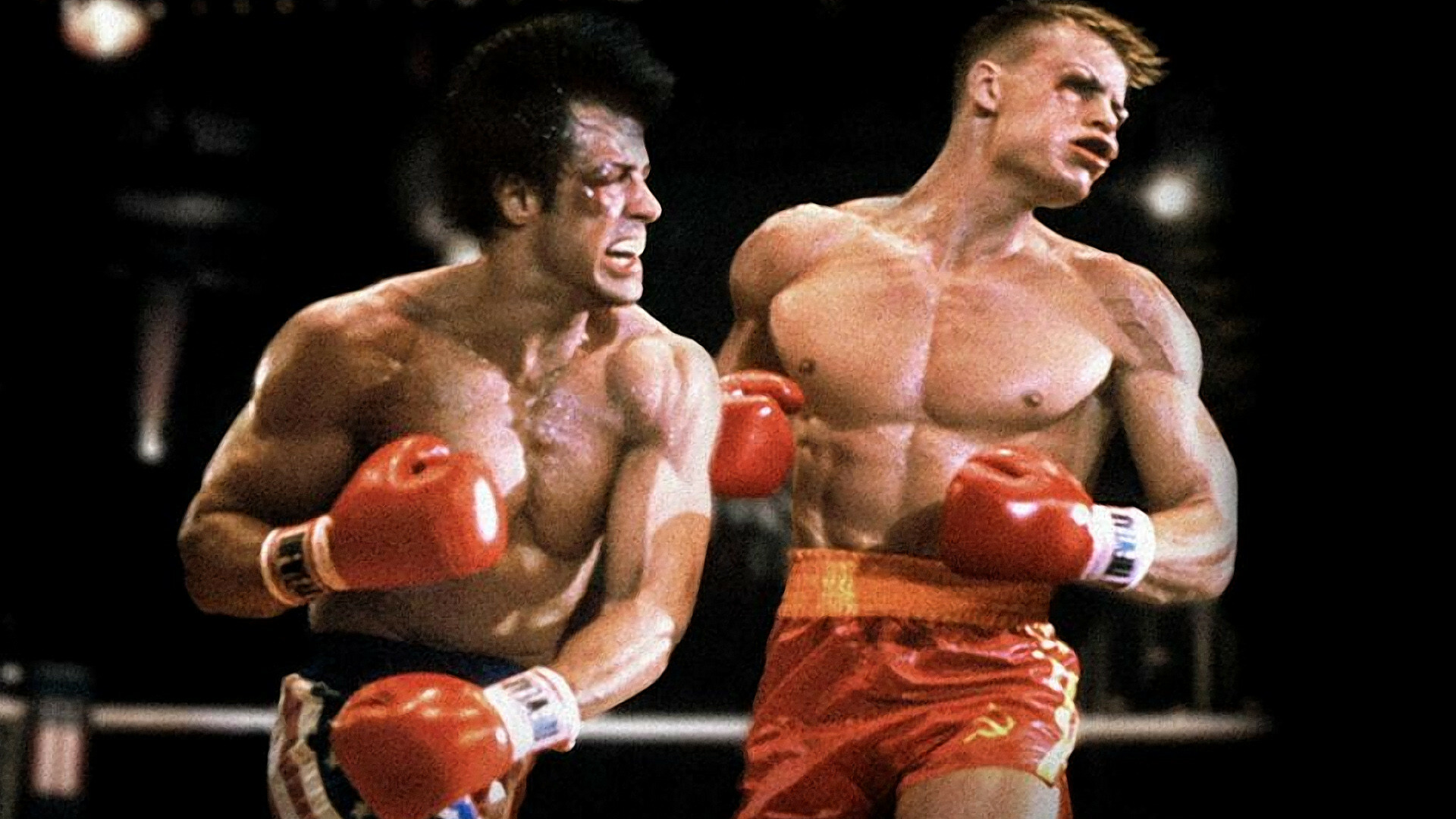
In “Rocky IV,” Ivan Drago (Dolph Lundgren), a menacing Russian, awaits him. I mentioned in my initial review of the first set how I preferred “Rocky IV: Rocky vs. Drago” over the original cut of “Rocky IV.”
In “Rocky V,” he has to get a handle on being a dad and life outside of the ring.
In “Rocky Balboa,” he’s past his prime, old and beaten down, but he’s looking to find an outlet to deal with his pain.
I imagine most people reading this review are familiar with each and every film in the “Rocky” series, so I don’t imagine these are major spoilers. They simply serve as a refresher in case you haven’t seen the films in a while. You are reading this review to see if this box set is worth the money, as mentioned previously. The answer is both yes and no. The 4K transfers are cinematic and an upgrade over the Blu-rays. The “Rocky” films have never looked or sounded better in any other format. The audio issues are also cleaned up on all of the films, even though I didn’t really notice them with the last “Rocky” set. This is all of the “Rocky” films, as the “Creed” films are their own separate entity, even though they are in the “Rocky” universe.
This set is going for about $90 to $110 depending on where you purchase it from, as Gruv.com has it for the cheapest I’ve seen. The discs themselves are great. Warner Brothers fails massively with the packaging of this set. It comes in a flimsy cardboard slipcover with discs that can be looked through in a flipper case. These movies are important to me, and they are also important to a lot of film fans out there. They went cheap with the packaging, as the cardboard slipcover is not a thick and sturdy box that can protect the films or the case. The discs are also stuck in a flipper case which shows a lot of off-gassing, which is this greasy substance that is really difficult to remove from the back of the disc holders.
Overall, I enjoyed watching the films on 4K, and I’m happy Warner Brothers decided to release this “Ultimate Knockout Edition” of all of the “Rocky films. At its price point, however, I would expect a lot more on the packaging side of things. The packaging and the case are truly a mess, and it makes it hard to fully enjoy this set. As a collector, we buy movies for the movies and also the packaging. We are not simply buying the discs of these films. I wish they would have shown a little tender loving care to this set. They should have released these in individual cases in a sturdy box set which holds them all together.
Ratings:
“Rocky”: * * * * out of * * * *
“Rocky II”: * * * ½ out of * * * *
“Rocky III”: * * ½ out of * * * *
“Rocky IV”: * * * out of * * * *
“Rocky IV: Rocky vs Drago – The Ultimate Director’s Cut”: * * * ½ out of * * * *
“Rocky V”: * * out of * * * *
“Rocky Balboa”: * * * ½ out of * * * *
“Rocky Balboa: Director’s Cut”: * * * out of * * * *
Video Info: All of the films are released on Dolby Vision, which leads to some very impressive looking visuals. The best-looking films in this set, in order, are “Rocky V,” “Rocky II,” “Rocky IV: Rocky vs. Drago,” “Rocky IV,” “Rocky,” “Rocky III,” “Rocky Balboa” and “Rocky Balboa: The Director’s Cut.” It was a bit of a surprise to me that “Rocky Balboa” was the weakest link out of all these films from a visual standpoint. It was the film I was most excited to see upgraded to 4K, but it looks rather bland and vanilla. This is probably because they put both versions of this film on one 4K, which is asking a lot out of one disc, although it didn’t affect both versions of “Rocky IV” for some reason. It’s surprising to see that the worst film in the “Rocky” franchise, “Rocky V,” is the best-looking one out of the bunch.
Audio Info: All of the audio issues are fixed here from the previous release, but once again, I didn’t notice a big difference the last time they released these films on 4K. I know that Warner Brothers made sure to correct the issues from the last release based on what I’ve read online. You don’t have to worry about a disc replacement program with any of the audio tracks here. None of the films come with Dolby Atmos, which is a bit of a bummer, as the Rocky films seem perfect for Dolby Atmos. The audio is still really good, but this would have given it that extra boost.
Special Features:
“Rocky”
• Audio Commentary with director John Avildsen and producers Irwin Winkler and Robert Chartoff, Talia Shire, Carl Weathers, Burt Young, and Garrett Brown
• Audio Commentary with Lou Duva and Bert Sugar
• Audio Commentary with Sylvester Stallone
“Rocky Balboa”
• Audio Commentary with Writer/Director Sylvester Stallone
• Deleted Scenes
• Skill vs. Will: The Making of Rocky Balboa
• Reality in the Ring: Filming Rocky’s Final Fight
• Virtual Champion: Creating the Computer Fighter
• Fight Makeup
“Rocky” Bonus Disc
• 8MM Home Movies of Rocky
• 3 Rounds with Lou Duva
• Steadicam: Then and Now with Garrett Brown
• Make-Up! The Art and Form with Michael Westmore
• Staccato: A Composer’s Notebook with Bill Conti
• The Ring of Truth
• A Tribute to Burgess Meredith
• Stallone Meets Rocky
• The Making of “Rocky vs. Drago”: Keep Punching
• Trailers
Should You Buy It?
I don’t think Warner Brothers is going to release ANOTHER “Rocky” set, so I would say buy it, but I would wait until it goes on sale. As of right now, the price is way too high considering the packaging on this set and the lack of original special features. My feeling is this—if you are going to release a set like this, which is near and dear to so many people’s hearts, why not release it the right way and take your time? I would have loaded it up with as many special features as possible and spent a little more money on better packaging and a better case. The films, for the most part, look good and the audio is solid. I’m not trying to sound picky here or look a gift horse in the mouth, but this set should cost $60 and not $90 to $110, considering how they threw it all together in this packaging. You will enjoy the films, which is the most important part, but a little quality control would have gone a long way. This “Rocky” set on 4K does come recommended, but I recommend you wait for it to go on sale and not rush out and buy it right away.
**Disclaimer** I received a copy of this film from Warner Brothers to review for free. The opinions and statements in the review are mine and mine alone.
The following review was written by Ultimate Rabbit correspondent, Tony Farinella.
When it comes to the genre of underdog sports films, they don’t make them any better than the original “Rocky.” It was a film that came along at the right place at the right time and with the right actor. After all, Sylvester Stallone was the writer of the original “Rocky” script, and he demanded to star in the film even though the studio wanted a big name. Stallone was unknown at the time. It’s been 47 years since “Rocky” came out, but its staying power will last forever. It is why I was extremely pleased to hear Warner Brothers was going to be releasing a collection of the first four “Rocky” films in 4K and in a set. It was one of my most anticipated releases of the year so far.
Many of you who are reading this review might be asking, “Where is ‘Rocky V?’ What about ‘Rocky Balboa?’ The ‘Creed‘ movies?” I heard rumblings that there are possible director’s cuts coming out for “Rocky V” and “Rocky Balboa.” As far as the “Creed” movies, I would imagine they will get a separate release, as they are part of their own universe. Now with all that out of the way, this review is going to focus on the first four “Rocky” movies and how they are available on 4K for the very first time.
The original “Rocky,” released in 1976, was nominated for 10 Academy Awards and won Best Picture. When revisiting the film, which I’ve seen a number of times, it is easy to see why it has such staying power. It starts with the relationship between Rocky Balboa (Sylvester Stallone) and a shy young woman named Adrian (Talia Shire) who works at a pet store. For my money, “Rocky” is a love story, first and foremost, and it is a sports movie second. The interaction Rocky and Adrian have with one another in his apartment is one of the most tender and genuine love scenes I’ve ever seen on film.
Rocky Balboa is a local southpaw boxer in Philadelphia where he makes little to no money, and he takes a lot of abuse in the process. He also collects for a local loan shark named Tony Gazzo, played by Joe Spinell. He hangs out at a local pub with his friend Paulie (Burt Young), who also happens to be Adrian’s brother. Paulie isn’t always the easiest guy to get along with, but Rocky is a very patient and understanding individual. As a matter of fact, you would be hard-pressed to find anyone that doesn’t like Rocky. It’s a well-known fact these days that Stallone was not someone the studio wanted to portray Rocky. However, the script was written by him, and he knew this character inside and out. He went on to write and direct “Rocky II, III and IV” which are also included in this set, along with “Rocky Balboa.”
That’s the beauty of this film. Stallone was an underdog actor at the time he sold his script, and the film is about an underdog boxer who is given a chance to fight the heavyweight champion of the world, Apollo Creed (Carl Weathers), after Creed’s original opponent ends up injured. Creed, being the shrewd businessman that he is, figures it would be a great idea to give an underdog a shot at the title in order to create a marketable gimmick and make some money. Rocky Balboa knows this is his chance to prove he can go make something of himself and stand out as a winner. He is trained by the cranky yet seasoned Mickey (Burgess Meredith), who is finally willing to give Rocky a chance. The two of them joust verbally back-and-forth with one another for some great comedic relief.
In “Rocky II,” Rocky is dealing with life after the big fight with Creed. Even though he didn’t win, he went the distance with the champion which shocked the world. He lasted all fifteen rounds and lost based on the decision of the judges. Regardless, many people think Rocky was the true winner of the fight. He has to figure out how to live a normal life now that he’s a well-known figure not only in Philadelphia, his hometown, but around the world as well. He starts to do commercials and even ends up with a manual labor job, but he realizes his true calling is as a boxer.
Apollo Creed also has a score to settle with Rocky. He wants to knock him out and prove to the world and himself that he’s truly the world heavyweight champion. Creed wants to show everyone that what happened in their previous fight was a fluke. Rocky, on the other hand, might go blind if he gets in the ring again after what happened in their last fight. He took quite a beating, but he came back for more. He knows he’s a fighter, and he knows the risks, even though he has to think of Adrian now and their child. Mickey has devised a plan for Rocky which he thinks will allow him to win the fight and protect his eyes at the same time.
In “Rocky III,” Rocky is forced to handle success. He learns that Mickey has been protecting him from the really good fighters out there because he wants to keep him safe and look out for him. This causes Rocky to feel like a paper champion and question his manhood. There is also a tough challenger coming for him by the name of Clubber Lang (Mr. T) who is hellbent on embarrassing Rocky in the ring and becoming heavyweight champion of the world. This time, though, he has a new trainer in Apollo Creed. Rocky once again must learn a new fighting style: it is one based on endurance and speed. Clubber Lang is bigger and stronger than Rocky, so it will take everything Rocky has in him in order to defeat him.
“Rocky IV” is where it gets very interesting, as there are two cuts of the film featured here on one disc. There is the original “Rocky IV” theatrical cut and also “Rocky IV: Rocky vs. Drago,” which is the ultimate director’s cut. This time, Rocky finds himself having to fight his biggest opponent yet in Ivan Drago (Dolph Lundgren), who is a foot taller and thirteen years younger than him. He also must train in Russia as the fight will be taking place there on Christmas Day. Rocky will not only train like he never has before, but he will have to win in enemy territory against “The Russian,” as he’s referred to many times throughout the course of the film.
I didn’t want to give four full-length reviews for these films, as I imagine almost anyone reading this has seen and knows them fairly well, much like myself. If I were to give my ranking of the films featured in this set, I would go with the original “Rocky” as the best, “Rocky II” as the second best, “Rocky IV: Rocky vs. Drago” as the third best, and “Rocky III” as the fourth best. I would really advise you to check out the ultimate director’s cut of “Rocky IV” over the theatrical cut. It’s only two minutes longer, but the film is more serious, intense, and flows in a much more effective manner. It’s all in the tone of the film, and I loved the tone of the ultimate director’s cut. It really gave me a new appreciation for the fourth “Rocky” film.
As soon as this set arrived, it only took me two days to go through all four films. It was truly a treat to revisit them. I understand why they released these four films in a set together. It makes sense after watching them. You can also buy them as standalone steelbooks at your local Best Buy, but I believe they have different release dates. This set is out right now and while it is far from perfect, I’ll explain why later, if you are a “Rocky” fan, you have to buy this set for your collection. The original “Rocky” will always be a great, great piece of cinematic history. The second film is very, very good as well. The third one is good, but not great. “Rocky IV: Rocky vs. Drago” is also much improved with the ultimate director’s cut.
4K Info: “Rocky: The Knockout Collection” is released on 4K from Warner Brothers Home Entertainment. This set features five discs. The first three films are on their own individual discs and “Rocky IV” has the theatrical cut and the ultimate director’s cut on it. There is also a Blu-ray disc of special features. The set also comes with a digital code to have all of them in your digital library on 4K. “Rocky” has a running time of 119 minutes, “Rocky II” has a running time of 120 minutes, “Rocky III” has a running time of 100 minutes, and “Rocky IV” has a running time of 91 minutes (theatrical cut) and 93 minutes (ultimate director’s cut). All the films are rated PG. The set comes in a flipper case with a thick cardboard slipcover, so the discs are not stacked on top of each other and can be flipped through with their own slot. On one hand, I would have loved it if they released these films in four separate cases with slipcovers in a box set. However, for space reasons, this set works for me as it’s easy to put on the shelf with all four films together on five discs (including the Blu-ray special features disc) in a single set which isn’t much bigger than your average 4K film with a slipcover. All of the films come with Dolby Vision as well, which I was VERY happy with as a 4K collector.
Video Info: Let’s talk about the look of these films. The original “Rocky” is probably the worst looking film out of the bunch. I say this because of the age of the film and its low budget. It doesn’t look awful or terrible, but I don’t think it’s ever going to be a film that looks spectacular or blows you away. There is noticeable grain here, but in many ways, it adds to the gritty nature of the original film. That being said, if you are looking for a major upgrade with the first film on 4K, you probably are going to be disappointed. “Rocky II” looks very, very good. It’s a clean transfer which is smooth looking and crystal clear. The boxing scenes, in particular, look the best I’ve ever seen them look. This is when you can see the Dolby Vision and the HDR really, really stand out. This is a major upgrade. For “Rocky III,” the transfer is above average. It’s better than “Rocky,” but it’s not as good as “Rocky II.” There was noticeable grain, but it didn’t have the same old-school charm as the original look of the film. The best-looking film out of the bunch, far and away, is “Rocky IV.” I wish the majority of the films looked like this. This counts for both the ultimate director’s cut and the theatrical cut. You can see everything on their faces, and they really cleaned up this film. It looks beautiful and modern.
Audio Info: The following audio formats were used: English DTS-HD 5.1 Master Audio, English/Spanish/French Dolby Digital, and 2.0 Dolby Digital with subtitles in English, French, and Spanish. I’ve read from a lot of people online that are unhappy with how the films sound. Personally, I don’t think the audio issues are as bad as advertised, and the problems don’t take away from the viewing experience. At times, the films can fluctuate in audio, but the dips are not that frequent. They are here and there throughout the four films. Truth be told, I would not have ever noticed these issues unless they were pointed out to me. Overall, though, I think it’s much to do about nothing.
Special Features:
“Rocky” 4K Special Features:
Audio Commentary featuring Sylvester Stallone.
Audio Commentary featuring John G. Avildsen, Irvin Winkler, Robert Chartoff, Talia Shire, Carl Weathers, Burt Young, and Garrett Brown.
Audio Commentary featuring Lou Duva and Bert Sugar
Bonus Features Disc:
The Making of Rocky vs Drago: Keep Punching
8mm Home Movies of Rocky
3 Rounds with Lou Duva
Steadicam: Then and Now
Staccato: A Composer’s Notebook
The Ring of Truth
Tribute to Burgess Meredith
Stallone Meets Rocky
Trailers
* * * ½ out of * * * *
Should You Buy It?
This set was delayed in getting to me as it had a street date of February 28th, and I imagine a lot of that had to do with people complaining about the audio issues. I’m not a film snob by any means, but I am very particular about the audio and visual quality of 4K releases, as I’ve invested heavily into the 4K format. With all that being said, the pros outweigh the cons. Yes, not all of the films look great, but this is the best they have ever looked, with “Rocky II” and “Rocky IV,” in particular, looking fantastic. Yes, the audio is problematic at times, but it’s not so noticeable that it impacted my ability to hear the films or enjoy them. Right now, the set is going for about $53 plus tax, and I think for four films in 4K that are hugely popular, it’s a good value for the price. I would say this set is imperfectly perfect, as I enjoyed watching the films and the quality of them when they were flying on all cylinders. For film fans or Rocky fans, I think there is A LOT more to like than dislike with this collection. You can buy this set with confidence and try to ignore all of those folks out there who are analyzing every little detail to death. I think people are getting way too particular with 4K films, and this is coming from someone with high standards. The key is watching and enjoying the films with quality video and audio, and I felt I was able to do that more often than not. As far as the films themselves, many would argue these are the best films in the franchise, so it’s fine that “Rocky V” and “Rocky Balboa” are not included. “Rocky Balboa” is enjoyable nostalgia, and I imagine it will get a proper 4K release along with “Rocky V” at some point. As I often bring up, the special features are old special features. It’s hard to get people to sit down and do special features anymore, I feel like. At the end of the day, buy this set and enjoy it!
**Disclaimer** I received a copy of this film from Warner Brothers to review for free. The opinions and statements in the review are mine and mine alone.
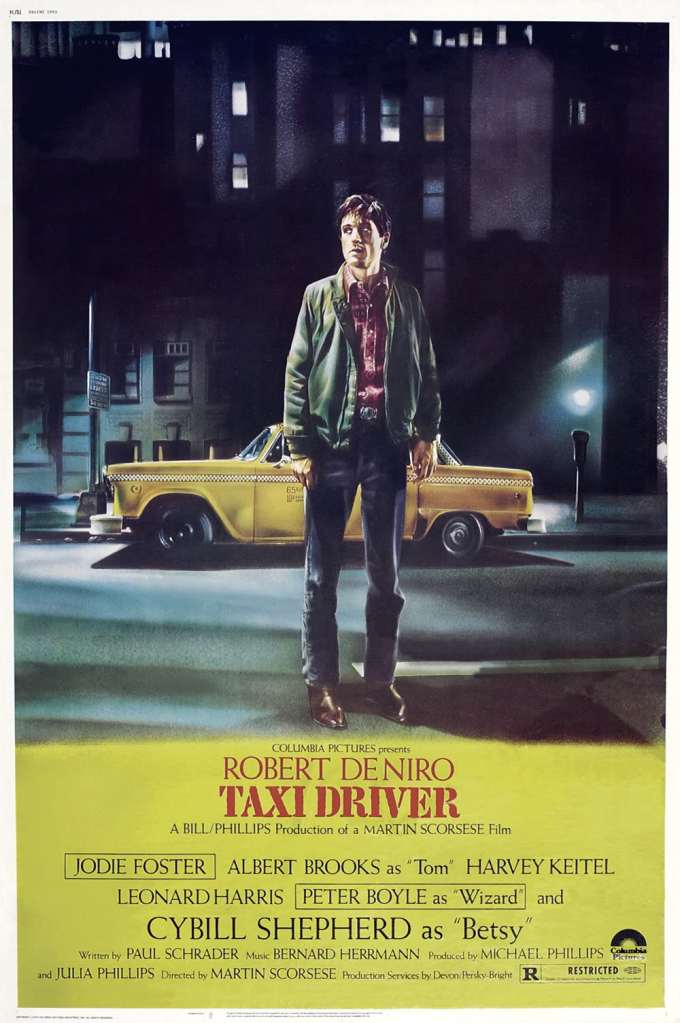
While “Goodfellas” introduced me to the filmmaking brilliance of Martin Scorsese and became my all-time favorite movie, it was “Taxi Driver” which really shaped the way I view movies today. Before seeing it, I always tried to avoid those movies which would make me sad or were too dark. This was a result of my parents having to carry me out of “Star Trek II” and “E.T.,” both of which I cried so hard over to where others wondered if I was okay. I promised myself I would never put my family through such embarrassing situations ever again, and this was especially the case with my brother who was constantly annoyed at my emotional outbursts.
Unlike “Goodfellas” which was immensely entertaining and had great comedic moments, “Taxi Driver” is dark, dark, dark. There is nothing the least bit glamorous to see here as we watch the main character of Travis Bickle (played by Robert De Niro) get continually sucked into a corrupted environment he deeply despises. I kept hoping for him to achieve sort of redemption and maybe, just maybe, have another chance with Cybil Shepherd’s character of Betsy whom he had a memorable first date with. But as we reach the movie’s bloody conclusion, I realized there was nowhere for Travis to go but down. While the reaction to his actions may have been surprising, we all know the truth about Travis and realize something will set him off again before we know it.
Once the end credits went up, my dad asked me what I thought about “Taxi Driver.” My initial reaction was it was not exactly enjoyable. My dad’s response to this has always stayed with me, “Not all movies are meant to be enjoyed. Some are meant to be experienced.”
Looking back, I see what he meant. Look, there are a lot of reasons to not make a movie about someone like Travis Bickle; he’s seriously nuts, not a good date if you want to go to the movies, and watching him lose his mind is painful. But the thing about “Taxi Driver” is people like Travis exist, and turning a blind eye to their existence does us no good. We need to understand why people do the things they do. It’s like what Roger Ebert said in his review of the film:
“Scorsese wanted to look away from Travis’s rejection; we almost want to look away from his life. But he’s there, all right, and he’s suffering.”
With “Taxi Driver,” I came to see how you need these kinds of movies just as much as you need the average escapist entertainment. Some movies need to shine a light on the darker parts of human nature to remind us we need to acknowledge we have a dark side and realize we have more in common with Travis Bickle than we would ever care to think or admit.
Since watching “Taxi Driver,” I have become completely open to movies which disturb me or take me on a journey I would not necessarily want to endure in real life. I can’t stand to watch films in a passive manner. I want to be moved by what I see, be disturbed and shaken, and even weep. Movies are too powerful an art form to be made just for the sake of entertainment. There are so many things about the human existence which deserve to be captured on celluloid, and I believe audiences crave these kind of cinematic experiences as they do the next Marvel movie.
“Taxi Driver” is my second favorite movie of all time, right behind “Goodfellas.” It is a movie I admire above so many others, and I still watch it from time to time. There are many I get sick of watching, but this is one I will never tire of sitting through.
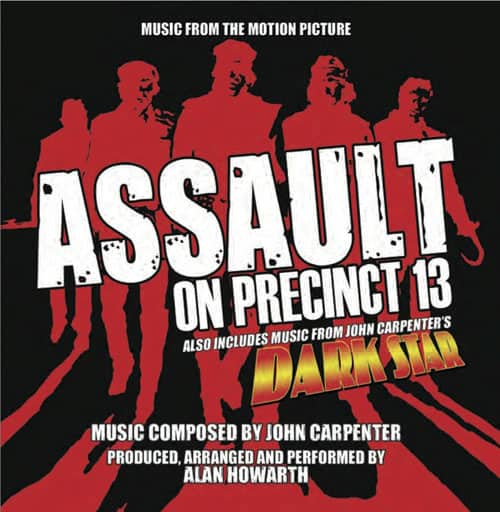
Of all the soundtracks to John Carpenter’s movies, the ones for “Assault on Precinct 13” and “Dark Star” remain the hardest to find. “Dark Star’s” soundtrack has been out of print for years and is basically comprised of dialogue and music from the movie. As for “Assault on Precinct 13,” its soundtrack was available only as a bootleg until 2003 when a French company named Record Makers gave it its first commercial release. But now BSX Records has released “Assault on Precinct 13/Dark Star,” a soundtrack which contains the music from both movies and has been newly recorded by Alan Howarth, and the results are truly fantastic.
“Assault on Precinct 13” and “Dark Star” were Carpenter’s first movies which he directed and did film music for, and they were extremely low budget affairs which forced him to make the best use of whatever he had available. The soundtracks for each ended up inaugurating what is known as “the Carpenter sound” which was expanded on in later films such as “Halloween II” and “Prince of Darkness.” The theme to “Assault on Precinct 13” is one of Carpenter’s most memorable, and it was inspired in part by Led Zeppelin’s “Immigrant Song.” His music for “Dark Star” helped to illustrate the movie’s more thoughtful elements as well as its most comically absurd.
Other artists have re-recorded Carpenter’s music over the years with varying degrees of success, but BSX Records really lucked out here in getting Howarth to recreate these two soundtracks. A highly regarded sound designer and pioneering electronic musician, Howarth worked with Carpenter on the scores to many of his movies all the way up to 1988’s “They Live.” With “Assault on Precinct 13” and “Dark Star,” Howarth doesn’t try to update either soundtrack, but instead aims to remain faithful to Carpenter’s original versions and how they sounded back in the 1970’s. The only real difference is while both soundtracks were originally recorded in mono, Howarth gets the opportunity to record them in stereo which allows for a more powerful presentation.
“Assault on Precinct 13” ends up sounding better than ever here, and the main theme will give your stereo speakers a really strong workout. Track 16 is my favorite on the disc as Howarth takes the movie’s theme and adds orchestral elements on top of the electronic ones. It’s the closest he comes to updating any of Carpenter’s soundtracks, but the theme still stays very close to its original sound.
As for “Dark Star,” Howarth sounds like he’s having a blast recreating all those primitive computerized sounds which dominated the score for the 1974 movie. He even recreates “Doolittle’s Solo” which had the character of the same name performing on a makeshift instrument made up of bottles and tin cans, and he adds in those crazy sounds which emanate from that beach ball of an alien. In addition, composer Dominik Hauser arranges and performs a new version of the song “Benson, Arizona.”
This CD also comes with a highly informative booklet entitled “Assault on a Dark Star: The Musical Pulse of Early John Carpenter” written by Randall D. Larson, a film music columnist and author of the book “Musical Fantastique: 100 Years of Science Fiction, Fantasy, & Horror Film Music.” Larson goes into excellent detail over the challenges Carpenter faced in making both “Assault on Precinct 13” and “Dark Star,” and of how he went about created the music for each. Larson also talks in depth with Howarth on how he went about re-recording the scores for this release and the types of equipment he had to work with.
When it comes to re-creating a well-known soundtrack, composers and musicians usually find themselves at a loss. Whether they do a good job or not, they end up giving us something which makes us pine for the original version. The great thing about BSX Records’ “Assault on Precinct 13/Dark Star” release is how Alan Howarth makes both film scores sound as they were always meant to sound. Listening to them is like traveling back in time to the 1970’s when these two movies came out, and it makes for one of the best soundtrack re-recordings I have heard in a long time.




 The Ultimate Rabbit