‘Constantine’ Movie and 4K Review
The following review was written by Ultimate Rabbit correspondent, Tony Farinella.

Back in 2005 (I realize I’m aging myself by opening with that), I used to go to the movie theater just about every weekend to see the latest releases with my best friend at the time. For some reason, “Constantine” did not find its way onto our radar. I also skipped the film during my weekly visits to Blockbuster Video and Hollywood Video. At the time, I was an avid viewer of Ebert and Roeper, formerly Siskel and Ebert, and Roger Ebert named it one of the worst films of 2005. I imagine this had a lot to do with me ignoring the film because growing up, their weekly review program was something I took to heart. When I heard “Constantine” was being released on 4K in honor of its 20th anniversary, I figured it was finally time to sit down and check out the film for myself.
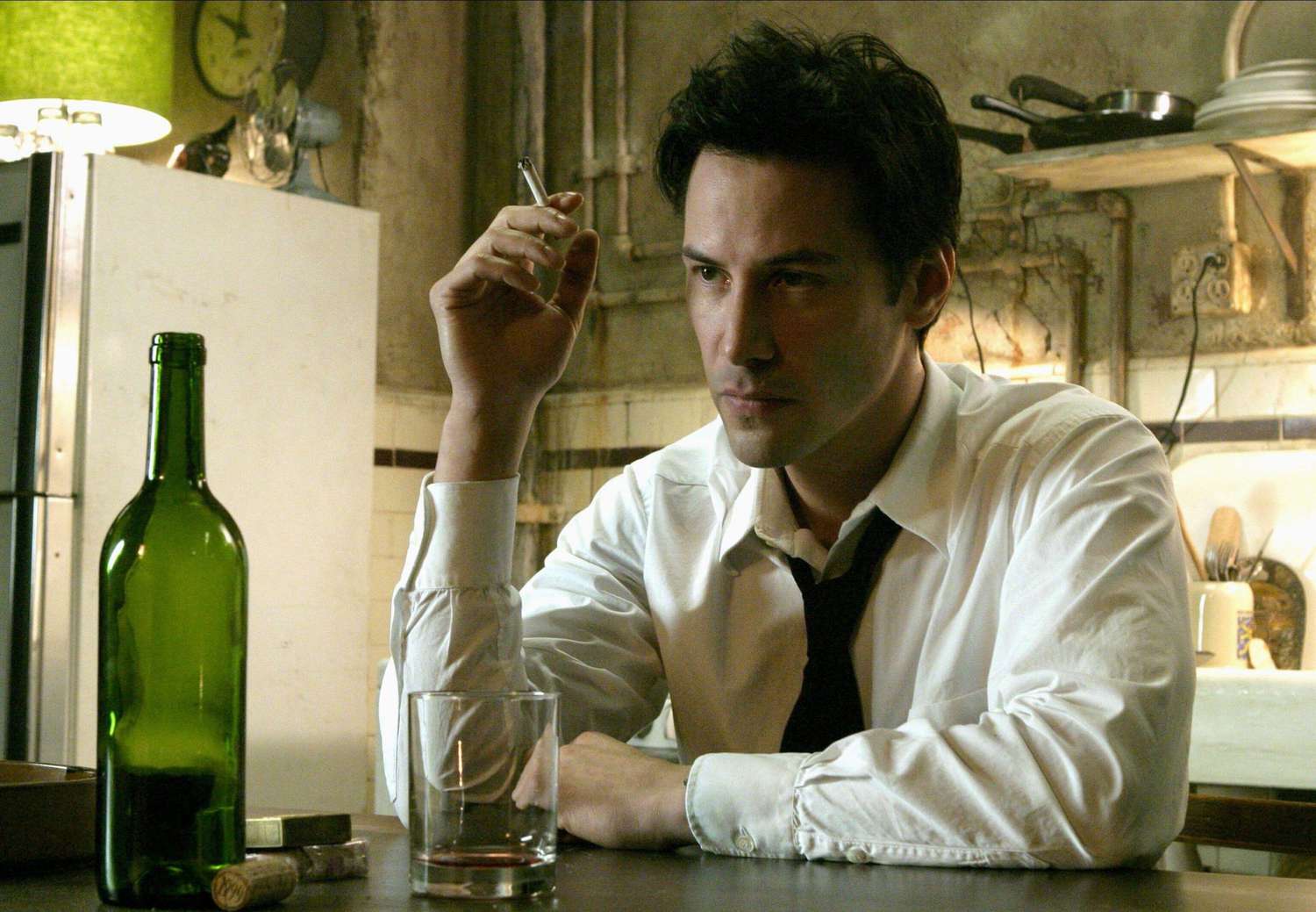
“Constantine” follows the character of John Constantine, played by Keanu Reeves, and he’s an expert in the occult.  He believes there is a “balance” happening in the world between the souls of those who are walking the earth. Essentially, their souls are up for grabs. In his mind, it is up to him to make sure the evil souls are where they belong in hell, and the good souls stay on the straight and narrow. If John can perform enough good deeds, he hopes he can save his own soul because he has lung cancer and doesn’t have a lot of time left on this earth. However, he has a complicated past, so it might be too little, too late for him.

John meets a detective named Angela Dodson (Rachel Weisz) who is looking for answers after her twin sister’s suicide. Angela knows her sister did not commit suicide, and she believes something sinister is at play with her death. This falls back in line with John’s thinking, which is that the souls on earth are being influenced by evil bidders who are looking to bring them to hell. Because Angela’s family is religious, she is concerned her sister will not be able to make it to heaven because of her suicide.
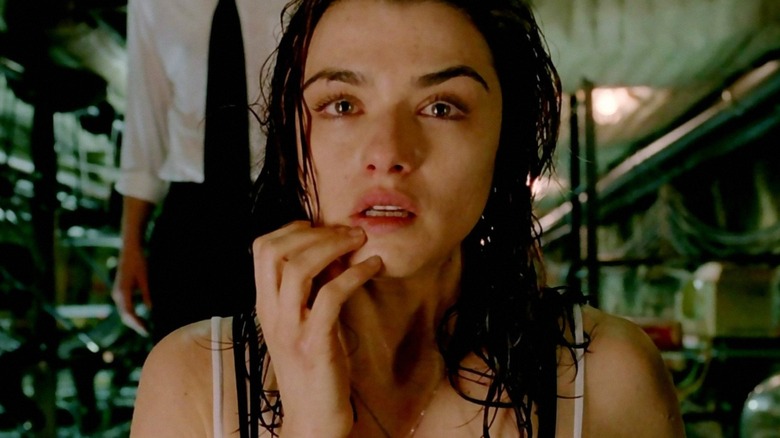
On the surface, I liked the concept of “Constantine” as it reminded me of the films in “The Conjuring” universe with its views on demons and the occult. It also had a mystery element as well, which appealed to me.  I wanted to know the answers to some of the questions raised in the film.  I thought the first hour was captivating, intriguing and intense. I was interested in seeing how it was all going to play out, and I was along for the ride. Somewhere along the way in the latter half, it started to really lose my interest and also my patience with its story.

One of the biggest issues with the film is its lead actor, Keanu Reeves. I found his performance and the writing of his character to be silly and goofy. He has these terrible one-liners which are painfully unfunny, and he also delivers his lines in such a morose and blasé way. It really took me out of the film at times.  The Shia LaBeouf cab-driver character was also completely unnecessary and added nothing to the film. I did think Rachel Weisz gave a really good performance here as she is smart, tough and driven.  She is looking for answers when it comes to her sister, and she is not interested in playing any games. Weisz gives a serious and committed performance.
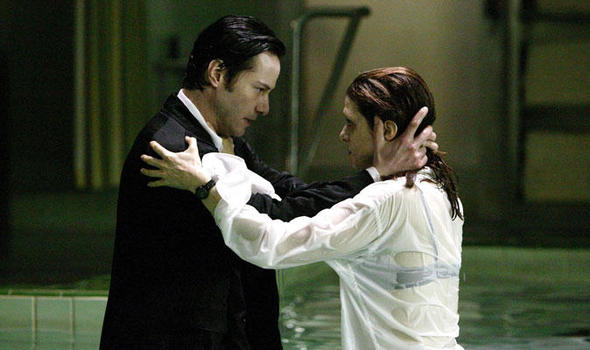
I would have liked it if they had written John Constantine’s character with the same level of seriousness and intelligence. I’m not against some comedic relief in a supernatural film like this, but it felt like he was Freddy Krueger with some of the silliness he was reading on screen. I really didn’t like it, and it made me wonder how this film would have turned out if they had hired an actor like Brad Pitt for this role as he can play cocky, charismatic and funny without trying too hard. Reeves needs the right role in order to show off his acting chops, and I didn’t think this film was in his wheelhouse. He seemed unaffected by a lot of what was happening on screen.

Another issue is when the demons come out to play. They are not that interesting as sparring partners for our main characters. I found them to be rather lackluster in terms of how they were written, and how they came across on screen. Tilda Swinton is a terrific actress, and I wish she had more to do and say here. Peter Stormare is over-the-top in a very uneven way, and I didn’t connect with his performance. Overall, this is a film with some thought-provoking ideas, and it’s directed with terrific style by Francis Lawrence, but the screenplay is wildly uneven. It needed a better performance from its leading man or a different leading man all together.

* * out of * * * *

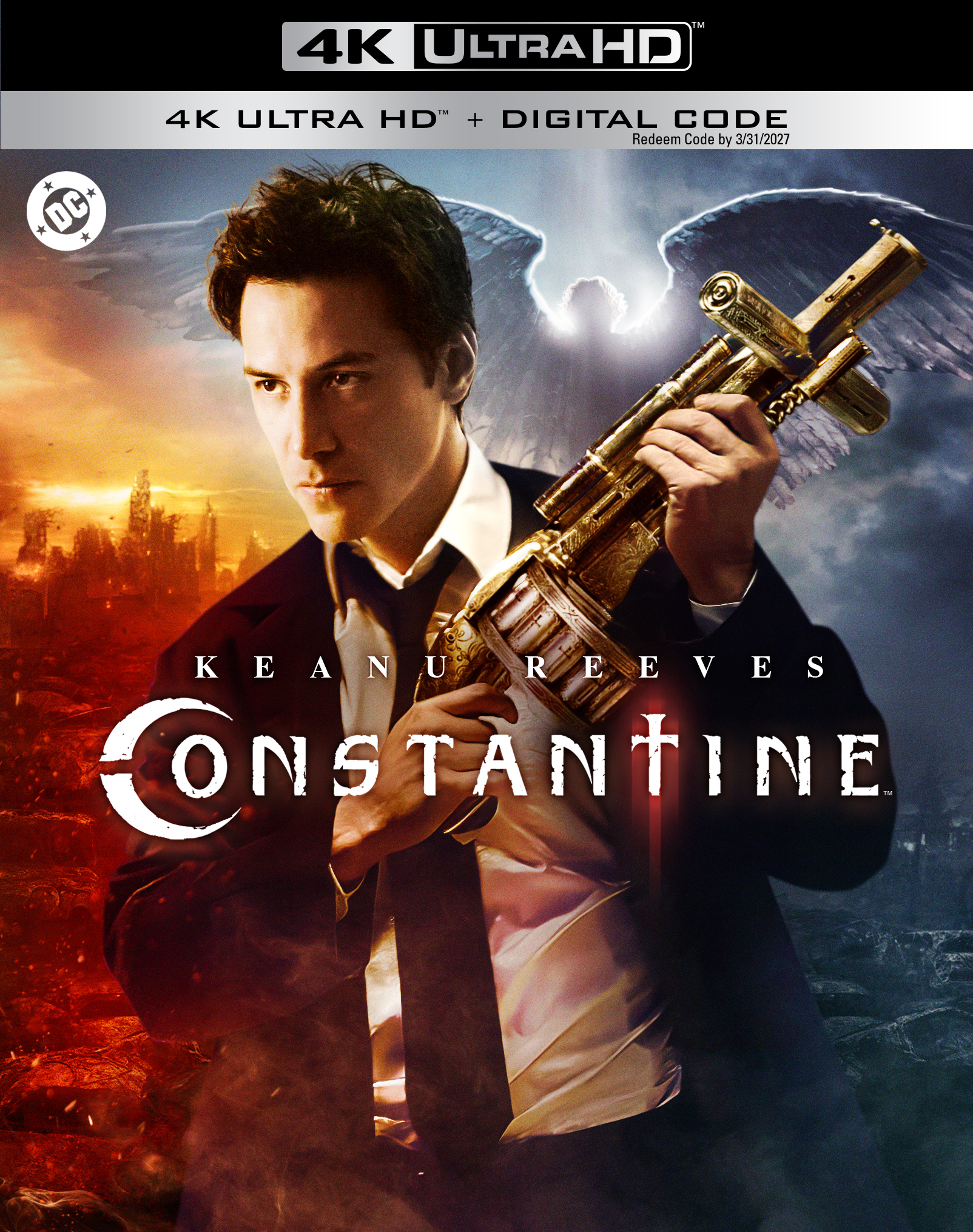
4K Info: “Constantine” is released on a single 4K disc from Warner Brothers Home Entertainment. There is an insert inside, which includes a digital copy of the film as well.  The film has a running time of 121 minutes and is rated R for violence and demonic images.

4K Video Info: The film is treated to a Dolby Vision transfer, and it’s simply stunning. I haven’t seen the film in any other format as this was my first time watching it, but I found the color palette to be bold when it needed to be, and also dark when the material was shot at night.  The image is clean, crisp and vivid.

4K Audio Info: There is also a really solid Dolby Atmos track included here too with subtitles in English, Spanish and French. This is a soundtrack that is consistent and level throughout the duration of this movie.

Special Features:

NEW Feature – Two Decades of Damnation

Audio Commentary featuring Francis Lawrence and Akiva Goldsman

Audio Commentary featuring Kevin Brodbin and Frank A. Cappello

Channeling Constantine

Conjuring Constantine

Director’s Confessional

Collision with Evil

Holy Relics

Shotgun Shootout

Hellscape

Visualizing Vermin

Warrior Wings

Unholy Abduction

Demon Face

Constantine’s Cosmology

Foresight: The Power of Pre-Visualization

A Writer’s Vision

Deleted Scenes + Alternate Ending

Should You Buy It?

It seems as though this film has gained a cult following in the twenty years since it has been released, which shows the importance of physical media.  While I don’t think it’s as bad as the late, great Roger Ebert said it was in his initial review, I also don’t think it’s a cult classic either. I fall somewhere in the middle with “Constantine.” I wanted to like it, and I was enjoying the hell out of it for the first sixty minutes of its running time, but it lost me in the second half. I wanted to see a satisfying resolution to what was presented in the first half. This film looks and sounds great on 4K, and they even introduced a new special feature here as well, which I’m sure is going to make fans very happy. For now, I’d recommend you check it out first if you haven’t seen it before, and then decide if you want to buy it. You can rent it on many digital platforms for the low price of $3.99 and then, if you do like it, you can pick up the 4K. If you are a fan of this film and have been waiting for its 4K release for a long time, you have an awesome looking slipcover version, or you can pick up the 4K Steelbook instead.

**Disclaimer** I received a copy of this film from Warner Brothers to review for free.  The opinions and statements in the review are mine and mine alone.
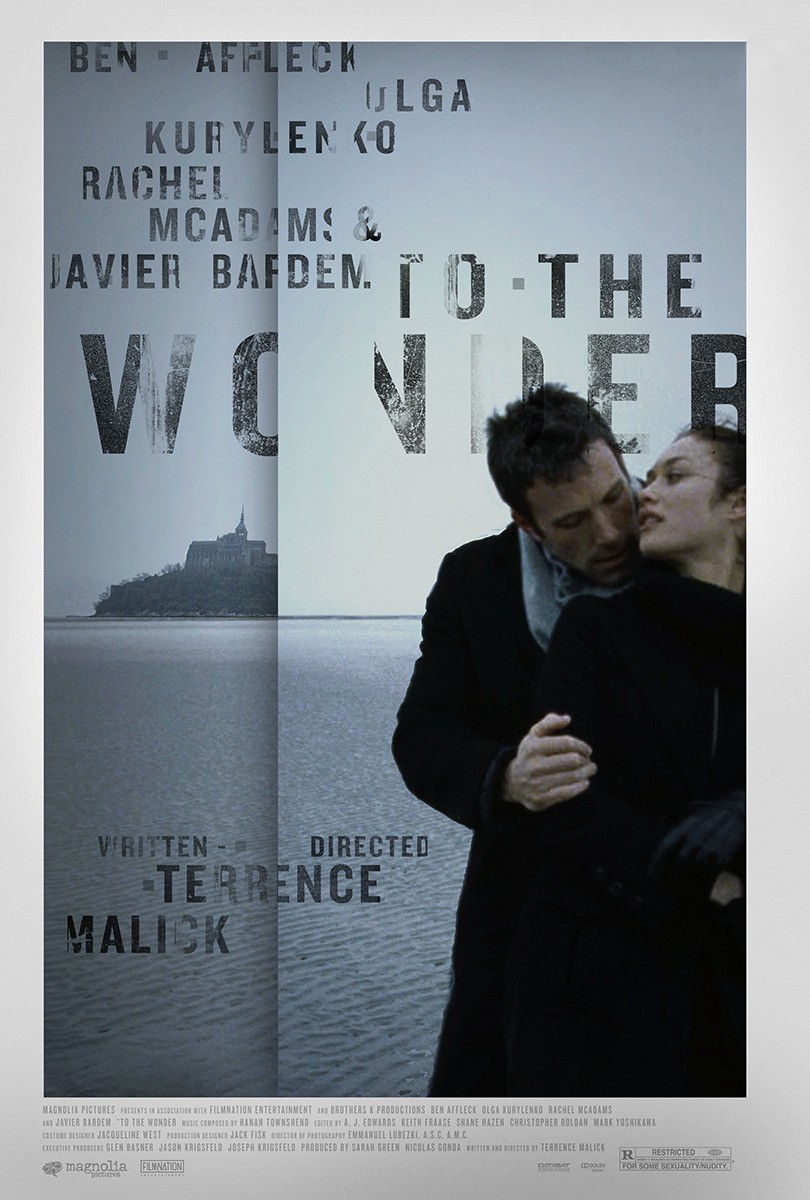
Terrence Malick’s ‘To the Wonder’ – Meandering but Still Unforgettably Beautiful

Terrence Malick’s “To the Wonder” is, in many ways, a mixed bag of a film. Not all of its parts go together in a way which feels entirely cohesive. It focuses on a couple played by Ben Affleck and Olga Kurylenko who fall in love and come to America to start a new life, but they eventually find themselves falling out of love, and they constantly struggle to understand how something so wonderful can go so awry. And then we have Father Quintana (Javier Bardem), a Catholic priest who is struggling to keep his faith even as he feels the presence of God eluding him at a time when he is desperate to believe in an afterlife. The balancing act between these characters is wobbly at best, but Malick still gives us many beautiful and wondrous images which are very powerful, and these images quickly remind me of how brilliant he is at capturing nature on film.

“To the Wonder” starts off in Europe where Marina (Kurylenko) finds herself completely enamored by her American boyfriend, Neil (Affleck), as they take a tour around town. Along with them is Marina’s daughter, Tatiana (Tatiana Chiline), who is thrilled when Neil asks her if she and her mom would like to move with him to the United States to live. After briefly viewing the European sights, the film then heads over to Neil’s home state of Oklahoma where the flatlands appear to stretch out as far as the eye can see. Heck, it almost looks like hardly anybody lives there, so it is a huge relief when we see t Neil and Marina actually have neighbors.

As with “The Tree of Life,” “To the Wonder” functions mostly as a silent film as the majority of the dialogue we hear is as a voiceover. Malick is far more interested in the inner thoughts of his characters than anything else as they struggle with the things they want and which are constantly outside of their grasp. We feel their passion for one another, and we also feel their pain and disappointment when their love eventually fades away.

Having read up on Malick as a filmmaker and as a person, it is clear to me how this film and “The Tree of Life” are his most autobiographical works overall. What the characters go through is not much different from what he has experienced in his own life, and with these films, it looks as though he is still trying to pick up the pieces of what went wrong.

Kurylenko first came to my attention in “Quantum of Solace,” and she has made the most of being a Bond woman as her performance here shows. It is thrilling to watch her dancing around the streets of Europe as well as in a corporate drug store which typically sucks the life out of everyone who shops at one. In many ways, Kurylenko is the best thing about this film as she takes us through Marina’s transcendent highs and her emotionally draining lows with complete conviction throughout.

Back in 20123, people had serious issues with Affleck as an actor, and this is even after his film “Argo” won the Academy Award for Best Picture. I myself have never had any issues with his acting abilities, and he gives a strong, understated performance as Neil, and it is never his fault we come to know less about this character than the others we are introduced to here. I really wish Malick had given Neil as much attention as he did to Marina as this would have made Neil’s journey in this story all the more illuminating. Nonetheless, Affleck is still very good in here.

Rachel McAdams is inescapably luminous as Jane; a childhood sweetheart of Neil’s who shows up after Marina has gone away. Malick makes Jane look beyond beautiful as he frames her against fields of wheat, and it is emotionally draining to watch Jane bear her soul to Neil and try to melt his heart in the process. McAdams ends up disappearing from “To the Wonder” a little bit too soon, but she is a vision to watch throughout.

Bardem’s character of Father Quintana at first feels a little out of place as much of the focus seems to be on the relationship between Marina and Neil, but his presence makes more sense as this film goes on. With this character, Malick seems to be saying how our loss of love for one another may have to do with our relationship to God, or lack thereof. Bardem does some of his subtlest work as he portrays a man struggling to hold onto whatever faith he has left, and it results in some of this film’s most emotionally draining scenes.

When we watch Quintana visit the sick, the elderly and the dying, I found myself being reduced to tears as these moments ring so emotionally true in a way I would rather not realize as death is becoming all too common for me to deal with. Plus, Malick just had to use Henryk Górecki’s third symphony entitled the “Symphony of Sorrowful Songs” which Peter Weir used to such great effect in “Fearless.” It remains a piece of music which is as beautiful as it is infinitely sad, and it always reduces me to a weeping wreck whenever I listen to it. I also have to admit I was very angry at Malick for using this piece of music here as it felt so unfair that he reduced me to a complete wreck in an inescapably manipulative way. Then again, I was in the midst of a very deep depression at the time, so that did not help matters.

But as mournful as “To the Wonder” is, there are still many beautiful moments to watch for as Malick remains a master of capturing the unpredictability of nature and animals on film. This includes moments like when Affleck and McAdams are suddenly surrounded by more buffalo than Kevin Costner dealt with in “Dances with Wolves,” the sunlight piercing through the colored glass in a church, or watching Kurylenko walking across the beach as the water covers the sand. These are moments which still will not fade away from my memory anytime soon. Working again with his “Tree of Life” cinematographer, Emmanuel Lubezki, Malick still captures moments of visual poetry in ways few other filmmakers can ever hope to equal.

It is those incredible visual moments which make me want to forgive how meandering “To the Wonder” is as it unfolds before us. I have learned Malick actually shot this movie without a screenplay, and this made me wonder how the actors dealt with this style of filmmaking. Considering that Jessica Chastain, Rachel Weisz, Amanda Peet, Barry Pepper and Michael Sheen all had roles in this film which were eventually removed from the final cut has me believing there was a whole lot more to this film than what ended up onscreen. While “The Tree of Life” had several different story lines going on, Malick was able to rein them all in to where everything seemed to fit perfectly. With “To the Wonder,” he has a little too much going on, and the film ends up losing focus more often than it does not.

Still, if you are willing to tolerate those flaws, “To the Wonder” is still a profound experience filled with great performances and beautiful images which will stay with you long after this film has concluded. I really wish the audience I saw it with all those years ago felt the same way I did. I bring this up as one audience member remarked at how the lives of these characters proved to be far more boring than anyone else’s. Well hell, some people enjoy the simple pleasures in life more than others, but many are still insistent about how theirs are better than the average human being, and that is even though there is plenty of evidence to prove otherwise.

Seriously, it seems very fitting that “To the Wonder” was the last film Roger Ebert reviewed and gave to the Chicago Sun Times before he passed away in April of 2013. Rest in peace, Roger.

* * * out of * * * *

Who is Billy Jack?

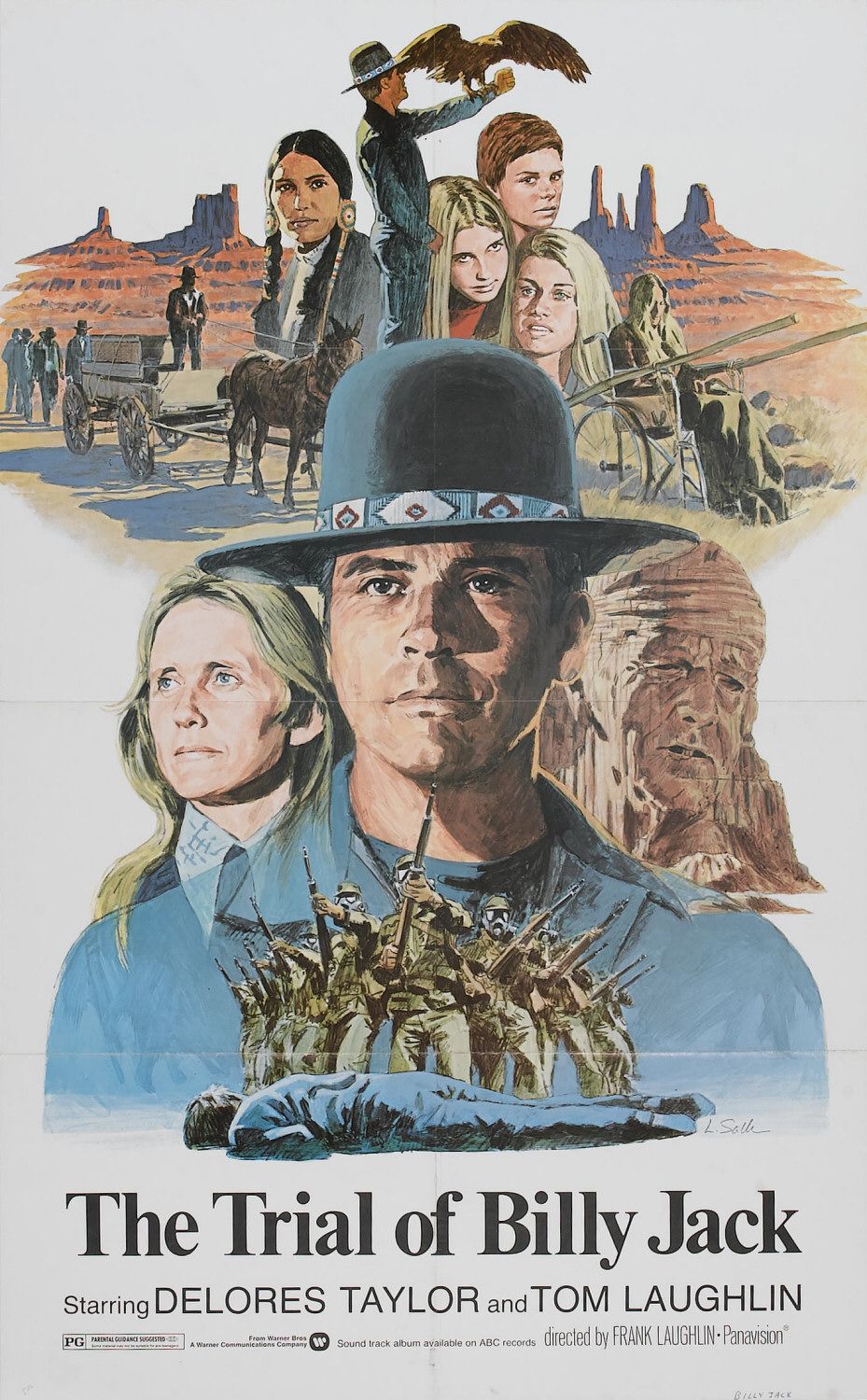
“Billy Jack” is a movie I have heard about time and time again, and it was on July 30, 2012, when I finally got to see it for the first time. Billy Jack is a half-Indian Green Beret Vietnam veteran whose experiences have molded him into this protector who is out to defend those who cannot defend themselves. Tom Laughlin, who played Billy Jack and directed all the movies this character was in, seems inseparable from Billy Jack as both are out to protect those individuals who were sworn by their government to protect them, but which have failed to do so. While no more “Billy Jack” movies have been made in the longest time, Laughlin still fought for the rights of others throughout his life.

The character of Billy Jack was first introduced to audiences “The Born Losers” which was inspired by the real-life incident where members of the Hell Angels got arrested for raping five teenage girls. “The Born Losers” proved to be the first of Laughlin’s movies which was embedded with a layer of social criticism and an anti-authority tone which remained constant throughout each “Billy Jack” film ever made.

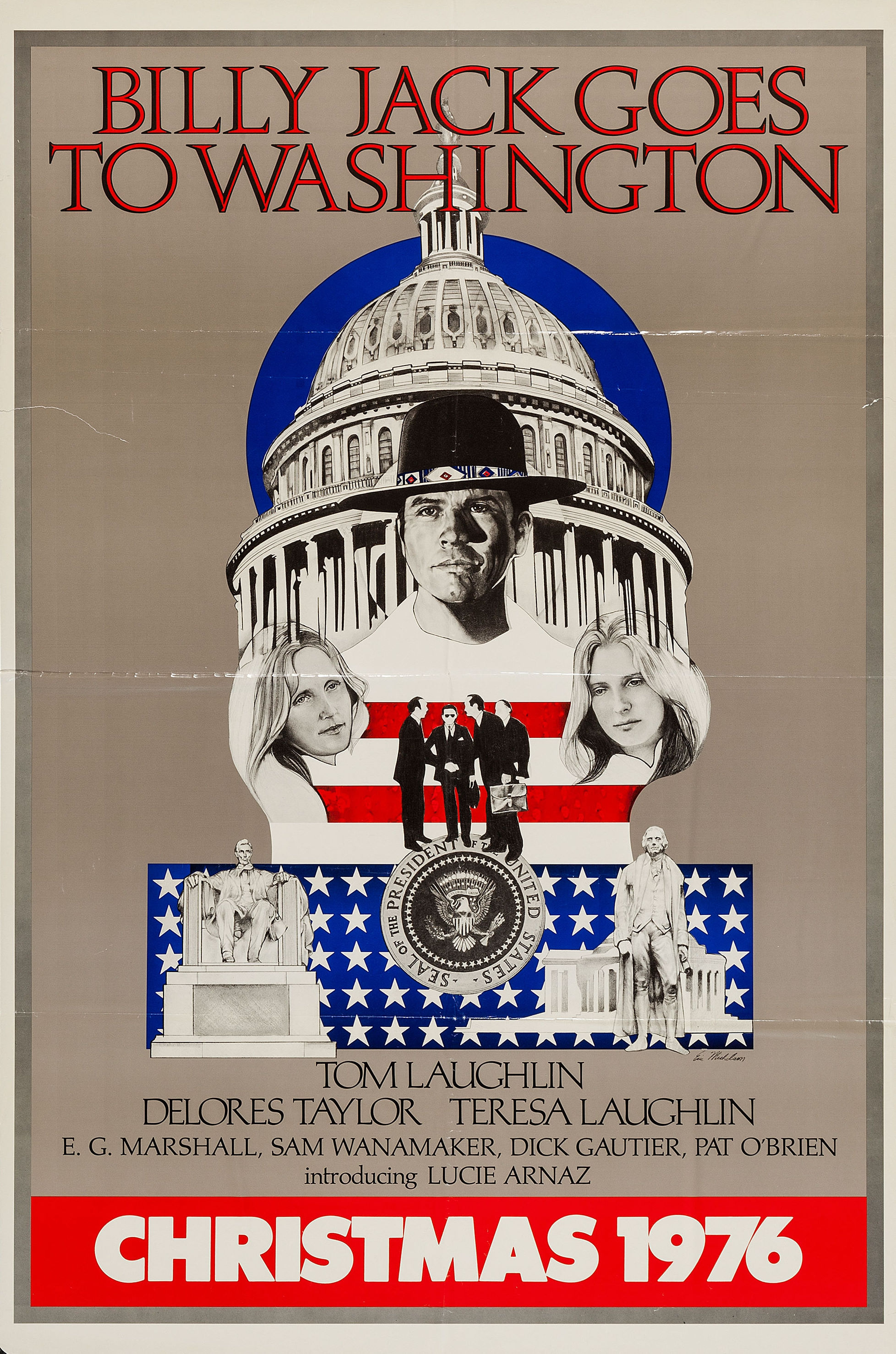
The movie “Billy Jack” came after “The Born Losers,” and it was a response to the conflicts Native Americans often found themselves caught up in. Its sequel, “The Trial of Billy Jack,” was a comment on the anti-war protests which were met by violence from the National Guardsmen who fired upon those protesters, and its follow up, “Billy Jack Goes to Washington,” has the title character battling against senators who are more interested in representing the interest of those representing nuclear power than the people. Even his unfinished sequel, “The Return of Billy Jack,” had political overtones as Billy went to New York to fight those supporting child pornography.

Taking this into account, Laughlin appears to be the first liberal action movie hero as his politics played a big part in each film he made. Then again, calling him a liberal may not be entirely fair as he has gone from one political affiliation to another over the years. In the end, he does not need a particular political label as his goals remain the same; fighting for the rights of ordinary Americans who are not always heard in the way they should be.

All these political and human rights interests greatly informed each movie Laughlin did, and this of course led to many conflicts between him and movie studios. When it came to “Billy Jack,” the movie’s original distributor, American International Pictures (AIP), refused to release it unless Laughlin removed all the political references featured in it. Laughlin, of course, refused to remove them, and he and his wife Delores Taylor, who played Jack’s girlfriend and schoolteacher Jean Roberts, ended up stealing the movie’s sound reels and held them hostage until AIP gave them back their movie.

Warner Brothers ended up releasing “Billy Jack” in 1971, but it failed at the box office and Laughlin sued the studio to get back the rights as he was upset at the way it was promoted. He ended up re-releasing the film himself, and it ended up grossing over $40 million at the box office against a budget of $800,000. Adjusted for inflation, it remains one of the highest grossing independent films ever made.

“Billy Jack,” however, was not without controversies as critics assailed its apparent hypocrisy. In his review of the movie, Roger Ebert said that “Billy Jack seems to be saying that a gun is better than a constitution in the enforcement of justice. Is democracy totally obsolete, then? Is our only hope that the good fascists defeat the bad fascists?” Leonard Maltin ended up saying about the movie that “seen today, its politics are highly questionable, and its ‘message’ of peace looks ridiculous, considering the amount of violence in the film.”

Still, many embrace Billy Jack as a character and the movies he appears in, and this was proven by the large turnout at New Beverly Cinema which cheered him on as soon as he made his first entrance in the movie which is named after him. Seeing Billy grimace at and intimidate the bad guys who were foolish enough to end up in his path had us endlessly entertained, and this remains the case so many years after the film’s initial release.

Laughlin ended up leaving Hollywood to found a Montessori preschool in Santa Monica, California which later became largest school of its kind in the United States. He would eventually turn his attention to politics and psychology as they became the tools with which he could fight injustice. Looking at his life back then and now, it becomes clear how Laughlin and Billy Jack are in many ways the same person as they fight for those whose rights are in danger of disappearing.

Laughlin passed away in 2013 in Thousand Oaks, California at the age of 82. Back in 2007, he announced he was planning to make another film featuring Billy Jack, but this did not happen for a number of reasons. Still, had he made another film with that character, I have no doubt many filmgoers would have welcomed it with open arms.

Roger Ebert – The One Film Critic to Rule Them All

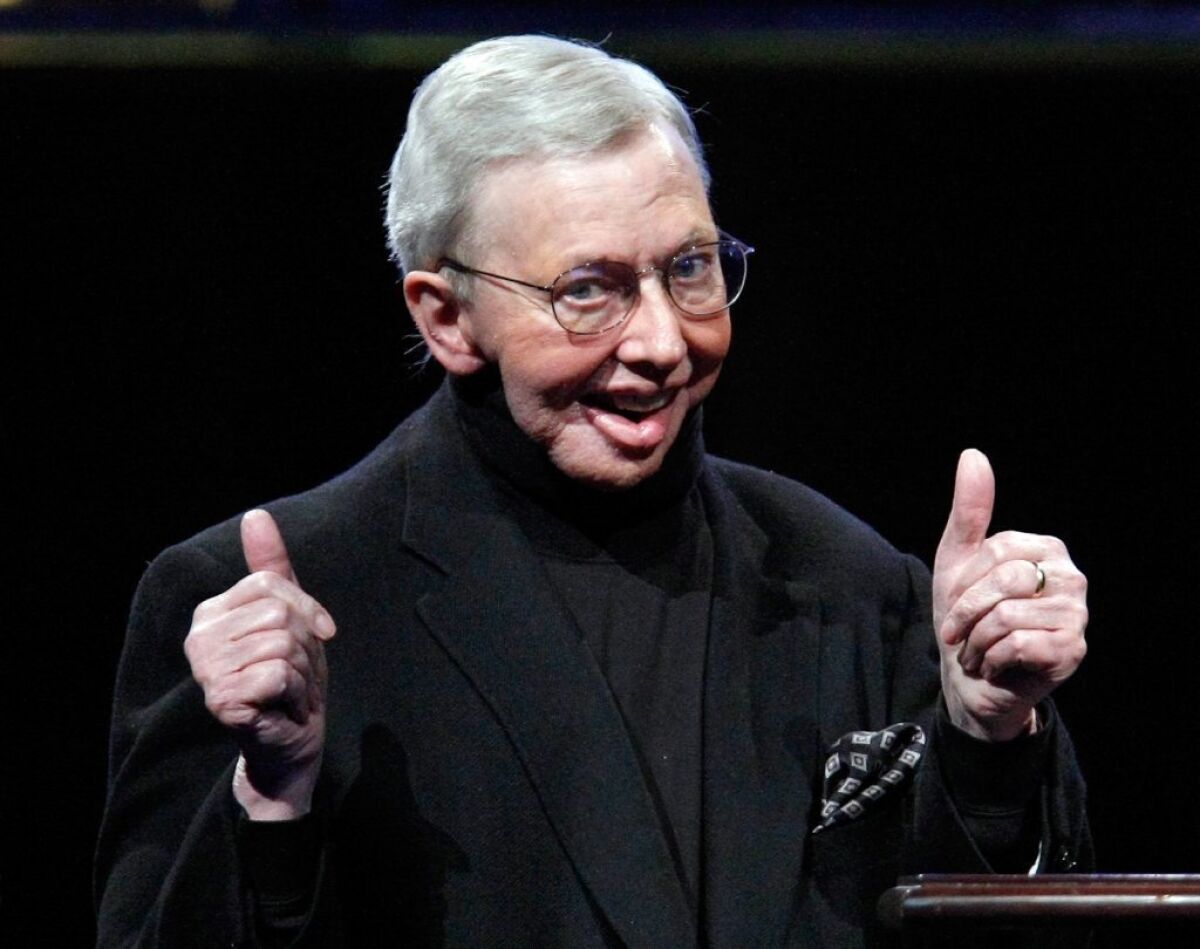
I think we all knew the end was near for Chicago Sun Times film critic Roger Ebert when he announced to the world that his cancer had returned. In his blog entitled “A Leave of Presence,” which was published just a couple of days before his death on April 4, 2013, Ebert announced he would be cutting back his workload to conquer this dreaded disease which had wreaked havoc on his body for the last decade or so. He really did fight the good fight against this indiscriminate and infuriating disease, and you had to admire how he refused to hide from the world after it robbed him of his speaking voice and made him look a little less handsome. But after all the battles, his body could only take so much. His wife Chaz described his passing as a “dignified transition,” and I am just glad it was a peaceful passing and that he was not in much pain.

Like you, I have been a big fan of Ebert’s ever since he started sharing the balcony with Gene Siskel on “At the Movies” all those years ago. Before I made going to the movies a regular event in my life, I had to settle with watching this movie review show as it was my gateway to the world of movies back when going to the local theater happened as often an eclipse of the sun. Even if they did give thumbs down to movies I loved like “Better Off Dead,” nothing could stop me from watching their show.

Eventually, I became exposed to Ebert the writer through his various “Movie Home Companion” books which later became known as his “Video Companion” and then eventually his annual “Movie Yearbook,” and I quickly purchased them year after year once they became available at my local bookstore. Sometimes I was bummed when he gave a so-so review to favorite films of mine like “Caddyshack” (he gave it * * ½ out of * * * *), but in the end he had understandably strong reasons for why he felt the way he did, and it was hard to disagree with his reasons when you thought about them.

In many ways, you did not read an Ebert review as much as you experienced one. This was the case when I read his review of the infamous “I Spit on Your Grave” which he gave one of his rare zero-star ratings to. He described it as “a vile piece of garbage” and how attending it was one of the most depressing experiences of his life. It was a review filled with spoilers as Ebert described everything which happened, and while we hate it these days when people spoil a movie for us (we have Wikipedia for that), it felt like he was doing us all a huge favor when it came to this particular film which has since become a cult classic. He even went out of his way to describe the reactions of other patrons in the theater which were very disturbing as they seemed to shamelessly cheer on the rapists, and this made his experience of seeing this dreaded movie all the more unsettling. Now while his review may have drawn more attention to this movie than he would have liked, you cannot say you were not the least bit warned as to how difficult it would be to sit through it.

As for myself, I loved how Ebert always wrote in the first person, and I am quite confident I do not need to prove to you of the effect his writing had on my own. Many websites and print publications these days do not like it in the slightest when you write in the first person, and while I understand why, it still drives me nuts. Anyone can write a movie review, but no one could write one the way Ebert did. When I first started writing my own movie reviews on the internet, I found myself writing them in the same way he did. Truth be told, it is a lot more fun to write them in the first person as there is only one of you in this universe and, the way I see it, people tend to find more enjoyment in reading those kinds of reviews anyway.

Back when I was in high school, many of my friends came to hate Ebert because, the way they saw it, he just hated movies. Now granted this made me a closeted fan of his for a while because I did not want to appear too different from everyone around me, but I was still annoyed at the summary judgment they made against him. I wanted to yell at them, “DO YOU REALLY THINK HE WOULD SPEND ALL THIS REVIEWING AND TALKING ABOUT MOVIES IF HE REALLY HATED THEM?! WHAT WORLD ARE YOU FROM ANYWAY??!!” While Ebert at times seemed to dislike more movies than he liked, it became easy to see why; many of the movies we loved as kids were no different from the ones he saw as a kid himself, and what we saw as new seemed like the same old thing to him. As we continue to get older, we have come to feel the same away about movies in general because the more things change, the more they stay the same.

Furthermore, Ebert was never a snob to me. While you may be annoyed how he gave thumbs down to “Full Metal Jacket” and yet give a thumbs up to “Cop and a Half,” he was fully aware of how not every movie could be on the same level as “Citizen Kane” or “Vertigo.” Some film critics like Rex Reed are uber snobs who revel in the power they think they have to destroy a movie, but Ebert was able to judge a movie for what it was trying to be as opposed to what he wanted it to be. “Days of Thunder” clearly earned its unofficial nickname of “’Top Gun’ on wheels,” but Ebert gave it a thumbs up because, on that level, it was effective entertainment. Sure, you could compare it to “Lawrence of Arabia,” but why?

In retrospect, if it were not for Ebert, or even Siskel, would audiences have taken the time to discover movies such as “Roger & Me” or “Hoop Dreams?” The one gift Ebert gave us was his power to give a voice to and support films which Hollywood studios were not quick to shower their attention to as they did with summer blockbusters. He made us realize it is up to us to give smaller independent movies the attention they deserve. Otherwise, they just might fall through the cracks to where they become completely obscure.

I also admired Ebert for cutting through the hyperbole which could completely engulf a film. One great example was Spike Lee’s “Do The Right Thing” which many mistakenly saw as a call to violence. Ebert, who would later declare the film to be one of the best of the 1980’s, instead saw it as a story of where race relations were at in America, and that it was a reality call we needed to wake up to. He made you see Lee was not endorsing one course of action over the other, but that he was instead showing us what happens when people do not do the right thing. A few years later, Los Angeles was besieged by riots which came about after the Rodney King verdicts, and this made “Do The Right Thing” seem like an eerily prophetic film as a result.

Now how come other film critics could not see Lee’s film in the same way Ebert did? Maybe it was because he was a much more opened minded person than others. What a critic can say about a movie often says more about them than anything else, and even if you do not agree with Ebert on a particular film, you cannot say he was a man consumed with hate or any deep-seated bias. He was never blinded by any particular ideology or thought process, and he forever remained gifted at explaining what Lee or other filmmakers were truly getting at with their work.

Ebert’s fight with cancer made me admire him even more. Once it robbed him of his voice and a good portion of his jaw, you would have expected him to hide in a cave somewhere. But he refused to do that, and his work as a film critic and a writer never suffered as a result. In fact, he wrote even more than ever before as he expanded beyond his usual movie reviews to cover current events everyone in the world were constantly caught up in discussing. You could argue with Ebert on certain points, but he was always ready to back up what he said with the facts. Your best bet, instead of trying to prove him wrong, was to outguess him at the Oscars.

Thank you, Roger, for being a hero of mine. Thanks for all your great reviews even if you badmouthed some of my favorites. Thanks for continuing to write and not hiding from the world after cancer robbed you of your voice, and thank you for sharing the balcony with Gene Siskel and Richard Roeper for all those years. But most importantly, thank you for showing me the power of the written word. Like many others, I will miss your presence in life and on the web, but you still left us with so many great articles I still have yet to read.

WRITER’S NOTE: Down below, I am including the exclusive interview I did with director Steve James and Roger’s wife, Chaz Ebert, while they were doing press for the documentary they made entitled “Life Itself.” Based on Roger’s memoir of the same name, it was an enthralling documentary I was ever so happy to sit through.

‘Casablanca’ Movie and 4K/Blu-ray Review

The following review was written by Ultimate Rabbit correspondent, Tony Farinella.

Casablanca” is a film which conjures up an immediate reaction from film fans whenever they hear the title.  It’s right up there with “Citizen Kane” as one of those films which film buffs and historians consider one of the greatest movies ever made.  There are many reasons for this, but the biggest reason is the love story between Humphrey Bogart and Ingrid Bergman.  There is also the dialogue and the many quotable lines which come to mind when thinking of this film.  I won’t be repetitive here and list all of them for you, but if you have seen “Casablanca,” you know the lines by heart.  It’s one of those films which means a lot to a great deal of people and for good reason.

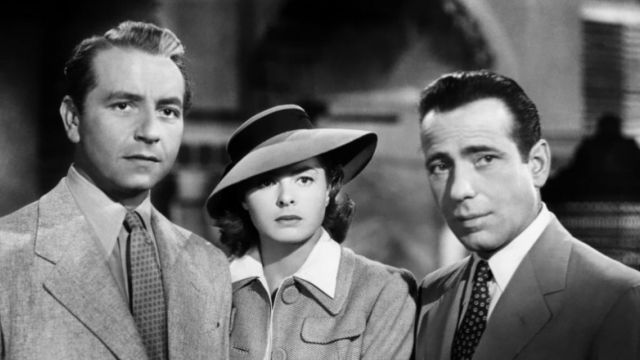
Set in 1941, the film introduces the audience to Rick Blaine (Humphrey Bogart), the owner of the nightclub Rick’s Café Américain. He refuses to have drinks with any of the customers and mostly keeps to himself.  The audience can tell he’s cynical, unhappy, and something has happened to him to cause him to lose a big part of himself. He tends to stay neutral on almost every topic.  Even though he’s cynical, he’s still a good guy with a good heart.  His world gets turned upside down when his old flame, Ilsa Lund (Ingrid Bergman), shows up with her husband, Victor Laszlo (Paul Henreid), as he’s seeking protection from German Major Strasser (Conrad Veidt) who intends to arrest him.

Victor Laszlo is a fugitive Czech Resistance leader. Rick’s Café serves as a place for all sorts of types, good and bad, because of World War II.  A lot of people there are looking to keep a low profile while others are looking to find someone to arrest.  Rick has some war experience himself, but now he’s focused on his nightclub.  He starts to become very focused on Ilsa when he catches up with her again, and it’s clear there are still strong feelings between the two.  They were in love back in Paris, but when it was time to leave, she just left him hanging with a note that left him with more questions than answers.

Rick has letters of transit, which allow two individuals to get out of Casablanca safe and sound and start over without any consequences. Rick can give the letters to Ilsa, but that also means he will be giving her up as well.  Again, even though he stays neutral on most topics, he can tell the good guys from the bad guys.  He’s not afraid to lend a helping hand to someone in need. However, if he helps her and Victor out, he knows he will never see the love of his life ever again.  That was the beauty of some of the old Hollywood films: the romance felt urgent and very important.  It never felt frivolous or silly.  You can tell that two people really loved each other, and it made a huge impact on their lives.

“Casablanca” is an old-fashioned Hollywood classic in every sense of the word.  You have the black and white picture, the classic romance, and the big stars. You also have great supporting work from actors like Claude Rains, Sydney Greenstreet, and Paul Henreid.  It all feels vital and like it serves a purpose.  It’s old-fashioned Hollywood craftsmanship at its finest.  The story with the war can sometimes bog the film down a little bit, but it’s there to push the love story between the two leads.  They are the heart and soul of this beautiful picture.  Like fine wine, this is the kind of film which gets better with age.  Even if you have seen it multiple times and know how it’s going to end, you still can’t help but get swept up in the story.  “Casablanca” is the kind of movie Hollywood doesn’t make anymore, but I wish they did.

This is Bogart’s best performance in his storied career.  He has a certain vulnerability to him we don’t often get to see on film.  He’s also an everyman in this film, and it’s great to see him connecting with his black piano player, Sam (Dooley Wilson).  He respects people and does the right thing, but it doesn’t feel forced. It’s a completely natural performance. It’s not a big or showy performance, and it doesn’t need to be as we see everything in his face: all of the pain and the agony. Bergman is sweet, tough and very, very smart.  She’s the perfect actress to go toe-to-toe with Bogart in this film.  She looks absolutely stunning and gorgeous on screen.

I was sucked into “Casablanca” from start-to-finish, like I am every single time I watch it.  Even though I know how it’s going to end, I’m still on the edge of my seat when they get to the final scene.  The last line of dialogue is iconic and the perfect note to end this film on as well.  I’m a huge fan of old Hollywood when stars were stars, and they could light up the screen with their presence. It should also be noted that “Casablanca” won Best Picture in 1942 along with Best Director (Michael Curtiz) and Best Screenplay. This is Classic Hollywood at its finest!

* * * * out of * * * *

4K/Blu-ray Info: “Casablanca” is released on a two-disc 4K/Blu-ray combo pack from Warner Brothers Home Entertainment. It also comes with a digital copy of the film as well.  It has a running time of 102 minutes and is rated PG for mild violence.

4K Video Info: “Casablanca” looks pretty good on 4K.  The black and white and older films in particular play pretty well with light and darkness on HDR.  It’s not a fantastic upgrade, but I don’t know how much more they could have done to really upgrade a film from the 40’s. It’s better than the Blu-ray, but it’s not a huge improvement.

Audio Info: The audio for the film comes on DTS-HD MA: English 1.0, and Dolby Digital: French and Spanish.  It also comes with subtitles in English, French, and Spanish.  There isn’t a huge upgrade on the audio here, but it still sounds pretty solid.  I don’t really think this is the kind of film which needed a huge audio upgrade.

Special Features:

Commentary by Roger Ebert

Commentary by Rudy Behlmer

Introduction by Lauren Bacall

Warner Night at the Movies

Now, Voyager trailer

Newsreel

“Vaudeville Days” (1942 WB short)

“The Bird Came C.O.D.” (1942 WB cartoon)

“The Squawkin’ Hawk” (1942 WB cartoon)

“The Dover Boys at Pimento University” (1942 WB cartoon)

“Great Performances: Bacall on Bogart” (1988 PBS special)

Michael Curtiz: The Greatest Director You’ve Never Heard Of

Casablanca: An Unlikely Classic

You Must Remember This: A Tribute to “Casablanca” (1992 TEC documentary)

As Time Goes By: The Children Remember

Deleted Scenes

Outtakes

“Who Holds Tomorrow?” (1955 “Casablanca” TV episode)

“Carrotblanca” (1955 WB Cartoon)

Scoring Stage Sessions (audio only)

Lady Esther Screen Guild Theater Radio Broadcast – 4/26/43 (audio only)

Vox Pop Radio Broadcast – 11/19/47 (audio only)

Trailers

I can’t get too upset over the lack of updated special features, as they transported a ton of special features from previous releases. The fact you get two commentary tracks, especially one with Roger Ebert, is quite a treat.  There are A LOT of special features here.  This one is pretty simple for film buffs and physical media collectors out there—if you love classic Hollywood, you owe it to yourself to pick up this film on 4K and watch it in the best possible format.  As mentioned previously, it’s an upgrade over the Blu-Ray, even if it’s not a massive upgrade.  Nonetheless, this is a film you should add to your collection on day one with the slipcover. Personally speaking, I love a good slipcover on my favorite films, and if you want the slipcover, it’s always better to buy it sooner rather than later. This will make the film lover in your life very happy this holiday season!

**Disclaimer** I received a copy of this film from Warner Brothers to review for free.  The opinions and statements in the review are mine and mine alone.

‘Cry Macho’ Movie and Blu-ray Review

The following review was written by Ultimate Rabbit correspondent Tony Farinella.

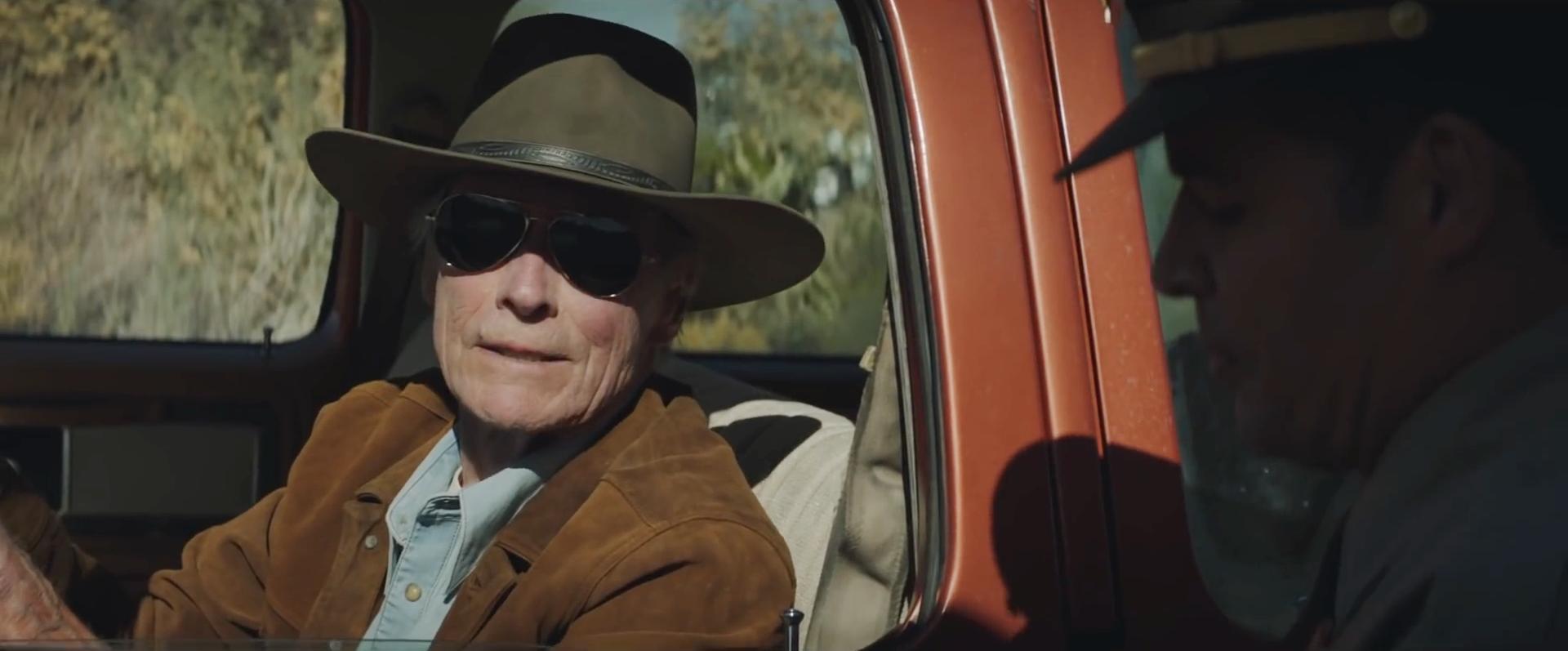
Cry Macho” shows a more sensitive and vulnerable Clint Eastwood looking back on his film career and life. After all, this is the 50th anniversary of his working relationship with Warner Brothers.  He has always been a patient filmmaker known for gorgeous scenery and knowing how to get the most out of each and every scene. Roger Ebert once said Eastwood’s films are a prime example of old-fashioned Hollywood craftsmanship.  The fact Eastwood is 91 and still directing and acting in films is truly astounding and surreal. This is a quiet, peaceful and contemplative film.  As an actor, he has always known how less is more. He’s never been an overly loud or showy actor, and he knows the best way to get an emotional reaction out of the audience is through his face. 

This film is set in 1979 as Eastwood plays Mike Milo, a retired rodeo star who has turned to booze and pills due to a broken back. His ex-boss Howard Polk (Dwight Yoakam) calls in a favor with Mike after all he’s done to support him throughout the years.  He wants Mike to go from Texas to Mexico and bring back his thirteen-year-old son Rafo (Eduardo Minett).  Howard claims he can’t go there for legal reasons and because of trouble with the son’s mother.  Mike will do this job as a one-time favor for Howard, but he has his reservations about the situation.  He wonders if Howard’s son will come with him and how he’s going to pull this off.

Upon entering Mexico, he runs into Howard’s ex, Leta (Fernanda Urrejola), who claims he can take her son if he’s able to find him.  In her eyes, he’s getting into trouble all of the time and spending too much time at cock fights with his rooster named Macho. Rafo doesn’t trust anyone, especially Mike, but he’s interested in reconnecting with his father and getting away from his mother and her many male suitors.  Many of these men have beaten Rafo in the past, and he wants to get as far away from that as possible.

Along the way, Mike, Rafo and Macho have to escape from police officers as well as Leta’s goons.  They have car issues and also have trouble connecting with each other at times.  On the other hand, Mike sees a chance at redemption with Rafo in that he can make up for the mistakes of his past. He sees something special in Rafo, especially with how the kid has been forced to grow up very quickly because of his upbringing. They do get some help along the way from a widow named Marta (Natalia Traven) and her grandchildren.  There might even be a little bit of a love story between Marta and Mike as well.

First and foremost, let’s talk about the good things in “Cry Macho.” The film is beautifully paced. Eastwood is known as a director who usually shoots scenes in one-take. There is something very authentic and real about his films. There is a sense of time and place throughout the film. He’s the major star here, and he’s still got it at age 91.  At times, he does appear a little frail, but I’m going to chalk that up to the character he’s playing having broken his back.  His comedic timing, line deliveries and charisma are still on full-display.  He’s a minimalist actor, as mentioned earlier, which I’ve always appreciated.

Now, let’s focus on some of the issues.  Dwight Yoakam has acted before in films, but he reads his lines here in such a bland and flat manner.  Also, some of the lesser-known actors here are a little green when it comes to their acting chops.  In some cases, it lends itself perfectly to the film.  In other cases, it can be a little cringy and hard to watch.  When you have a seasoned pro like Eastwood, you are hoping to see him act alongside some really good actors.  It’s always good for up-and-comers to get an opportunity in a major motion picture, but even at age 91, Eastwood is miles ahead of them.  In some scenes, it was difficult to watch their inexperience, and in other scenes, it’s charming and exactly what the scene needs. Overall, this is not one of Eastwood’s greatest films, but it’s watchable, sweet and entertaining. It is good enough.

* * * out of * * * *

Blu-Ray Info: “Cry Macho” is released on a single-disc Blu-ray from Warner Brothers Home Entertainment. It has a running time of 104 minutes and is rated PG-13 for language and thematic elements. It also comes with a digital copy of the film.

Video/Audio Info: The film is presented in 1080p High Definition.  For the audio, it comes in the following formats: DTS-HD MA: English 5.1, Dolby Digital: English Descriptive Audio, French, and Spanish. Subtitles are included in English, French, and Spanish.

Special Features:

Back in the Saddle: The Making of Cry Macho and the Mustangs

Should You Buy It?

As with anything on HBO Max, I always enjoy a second viewing on Blu-ray.  I find I’m the type of viewer who likes to watch certain films multiple times to really grasp the vision of the director.  With “Cry Macho,” once again, I enjoyed it more on a second viewing.  It’s heartfelt, touching, and reflective on the part of Clint Eastwood.  He gives a great speech about being “macho” and what it really means. It feels like Eastwood has evolved as a human being, and he’s commenting on some of his past work. As far as the film itself, it was an enjoyable viewing experience.  It is nothing which is going to blow you away as a viewer or stay with you after it’s over.  The Blu-ray is pretty bare bones in terms of having only one special feature. I can’t recommend it as a purchase right away at its current price.  If you can get it in a few months for $10 or less and you are a big Eastwood fan, I’d pick it up then.  There is no need to rush out to buy it right away.

**Disclaimer** I received a Blu-ray copy of this film from Warner Brothers to review for free.  The opinions and statements in the review are mine and mine alone.

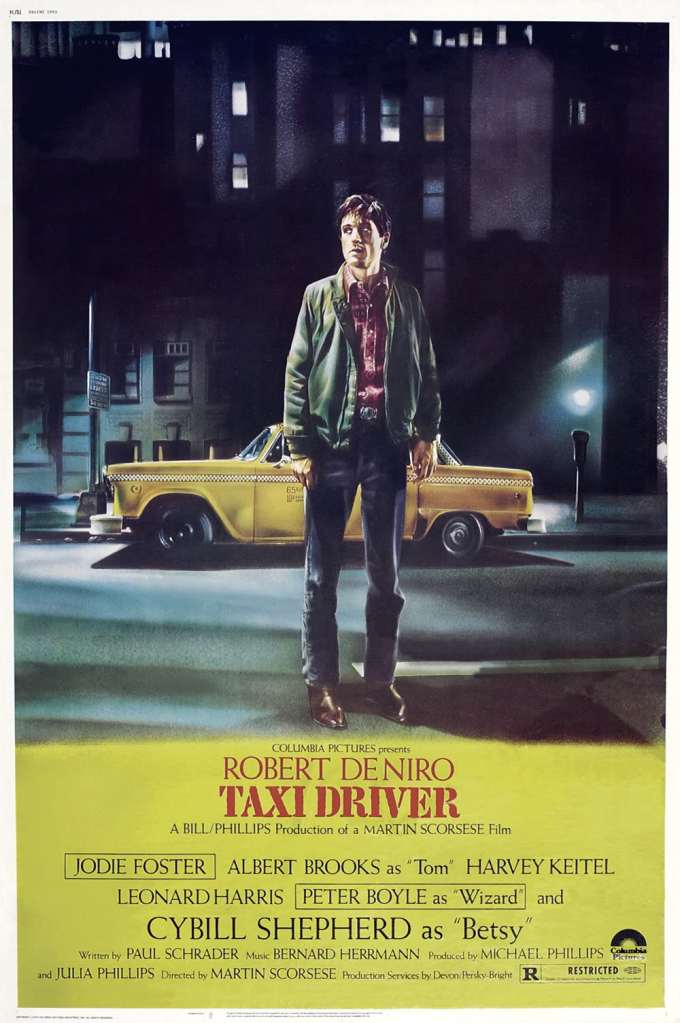
How Taxi Driver Forever Changed The Way I View Movies

While “Goodfellas” introduced me to the filmmaking brilliance of Martin Scorsese and became my all-time favorite movie, it was “Taxi Driver” which really shaped the way I view movies today. Before seeing it, I always tried to avoid those movies which would make me sad or were too dark. This was a result of my parents having to carry me out of “Star Trek II” and “E.T.,” both of which I cried so hard over to where others wondered if I was okay. I promised myself I would never put my family through such embarrassing situations ever again, and this was especially the case with my brother who was constantly annoyed at my emotional outbursts.

Unlike “Goodfellas” which was immensely entertaining and had great comedic moments, “Taxi Driver” is dark, dark, dark. There is nothing the least bit glamorous to see here as we watch the main character of Travis Bickle (played by Robert De Niro) get continually sucked into a corrupted environment he deeply despises. I kept hoping for him to achieve sort of redemption and maybe, just maybe, have another chance with Cybil Shepherd’s character of Betsy whom he had a memorable first date with. But as we reach the movie’s bloody conclusion, I realized there was nowhere for Travis to go but down. While the reaction to his actions may have been surprising, we all know the truth about Travis and realize something will set him off again before we know it.

Once the end credits went up, my dad asked me what I thought about “Taxi Driver.” My initial reaction was it was not exactly enjoyable. My dad’s response to this has always stayed with me, “Not all movies are meant to be enjoyed. Some are meant to be experienced.”

Looking back, I see what he meant. Look, there are a lot of reasons to not make a movie about someone like Travis Bickle; he’s seriously nuts, not a good date if you want to go to the movies, and watching him lose his mind is painful. But the thing about “Taxi Driver” is people like Travis exist, and turning a blind eye to their existence does us no good. We need to understand why people do the things they do. It’s like what Roger Ebert said in his review of the film:

“Scorsese wanted to look away from Travis’s rejection; we almost want to look away from his life. But he’s there, all right, and he’s suffering.”

With “Taxi Driver,” I came to see how you need these kinds of movies just as much as you need the average escapist entertainment. Some movies need to shine a light on the darker parts of human nature to remind us we need to acknowledge we have a dark side and realize we have more in common with Travis Bickle than we would ever care to think or admit.

Since watching “Taxi Driver,” I have become completely open to movies which disturb me or take me on a journey I would not necessarily want to endure in real life. I can’t stand to watch films in a passive manner. I want to be moved by what I see, be disturbed and shaken, and even weep. Movies are too powerful an art form to be made just for the sake of entertainment. There are so many things about the human existence which deserve to be captured on celluloid, and I believe audiences crave these kind of cinematic experiences as they do the next Marvel movie.

“Taxi Driver” is my second favorite movie of all time, right behind “Goodfellas.” It is a movie I admire above so many others, and I still watch it from time to time. There are many I get sick of watching, but this is one I will never tire of sitting through.