Daniel Franzese Talks About ‘Bully’ at New Beverly Cinema
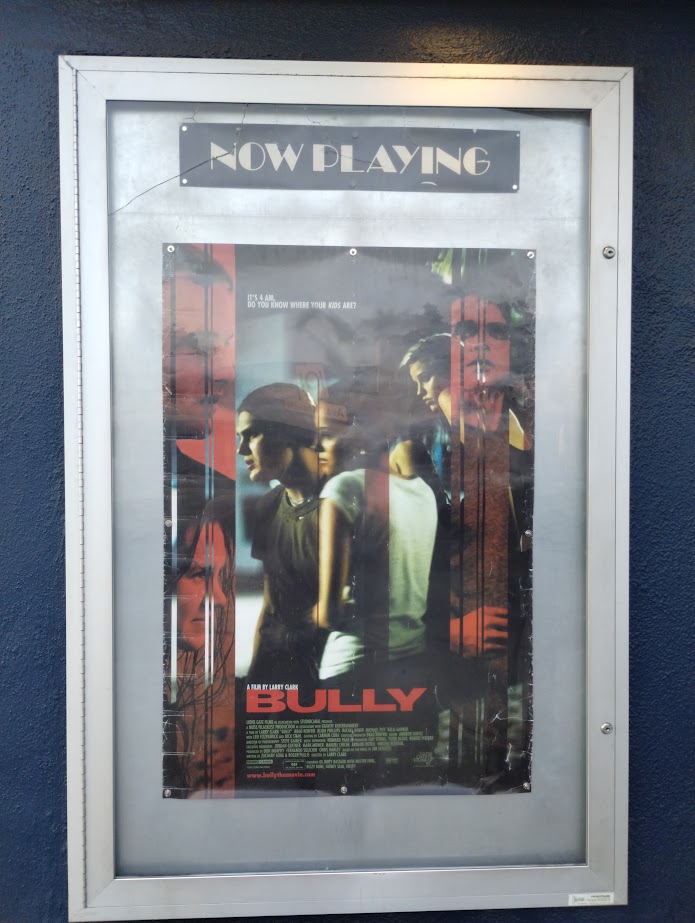
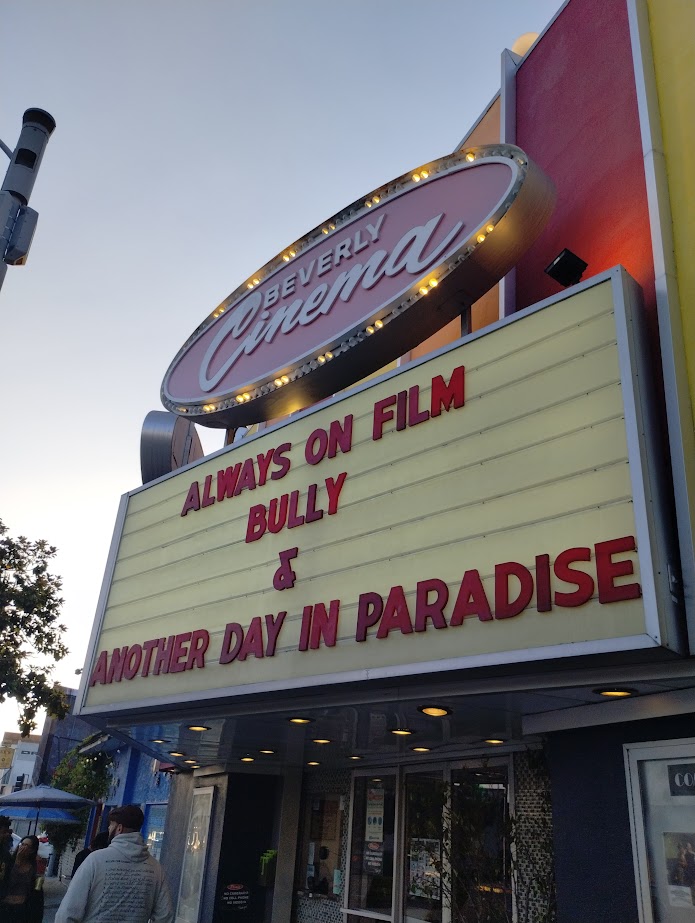
On August 12, 2025, New Beverly Cinema presented a Larry Clark double feature of two of his films: “Bully” and “Another Day in Paradise.” Before “Bully” unfolded on the silver screen, actor and filmmaker Joel Michaely brought out a special guest: Daniel Franzese who played Derek Dzvirk. “Bully” was Daniel’s film debut, and it quickly earned him his SAG card. Daniel thanked Joel for being there and remarked how he killed Joel once in a horror movie entitled “Cruel World” where he shot him in the head.

Daniel said “Bully” was the first time he ever got to hold a screenplay in his hands, and he talked about meeting the casting director, Carmen Cuba, at his audition.
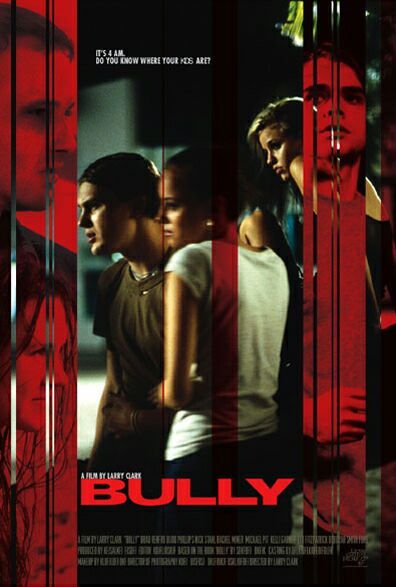
Daniel Fransese: She was like, “Do you wanna see who you are going to play?” I said okay, and she opened up the true crime novel (written by Jim Schutze), and I looked exactly like the guy. And I was just like, oh shit! I can actually get this! So, it was very scary and nerve wracking.”

Rumors are that the set of “Bully” was a crazy one, and being that this was Daniel’s first film as an actor, you can understand and appreciate his feelings at the time.

DF: I’m a pretty easy-going guy, and I am also a theatre guy and a standup comedian. I’m used to being around other people, and I am good at getting along with different personalities. But this movie was next level. we are getting ready to do fittings and start our first day of this movie, and Larry (Clark) is screaming because Brad (Renfro) was in jail for trying to steal a boat. He’s screaming, “This was three years of my life! This kid’s not going to ruin it!” He’s throwing papers and I was like, whoa! That was day one and you can just imagine how the stress level got worse from there.

From there, the discussion went to the late Brad Renfro who played Marty Puccio in “Bully.” Brad first gained worldwide attention at the age of 12 years old when he was cast as Marcus “Mark” Sway in Joel Schumacher’s cinematic adaptation of John Grisham’s “The Client.” Like many people on this planet, let alone actors, he died at far too young an age He was only 25 years old, when he passed away after a drug overdose. Daniel talked about working with Brad.
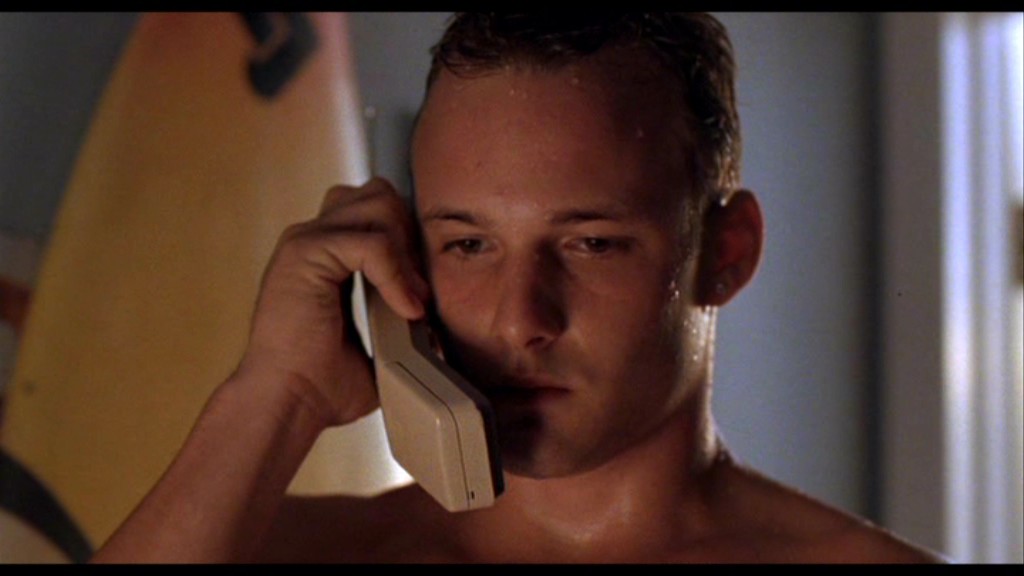
DF: Brad was great. I think he was like one of those golden retriever type people. Not evil, but dangerous. We were doing the table read for the first time, and Brad showed up wearing a white tank top completely soaked in lighter fluid. He came in saying, “I’M TRYING TO GET THE BARBECUE TO GO!” It was like, whoa! He was from Knoxville and had like that “Jackass” sensibility where you didn’t know what he could do, but I don’t think he ever had a mean bone. His intentions were always nice. If anything, he partied too much, and he once told me that at 12, he made hundreds of thousands of dollars to do “The Client,” and he was getting a lot of his drugs and stuff from family members as a kid. I don’t think he got a fair shot. If anything, the reason why I advocate for younger people in Hollywood or talked about my experiences on this movie which were crazy, I was never speaking from a victim place. I was speaking from a place of advocating for people like Brad who didn’t have anyone saying anything for them. I just think, we’re making art. It doesn’t have to be that crazy. We don’t have to be stealing boats or going nuts on sets to produce good material.

After “Bully,” Daniel went on to appear in many films, but he may still be best remembered for playing high school social outcast Damian in 2004’s “Mean Girls.” Like Joel and myself, I wondered what it was like going from an independent film to a studio movie where everybody is expected to be on their best behavior.

DF: I just don’t think the 2000s will be looked upon as a time where it was easy for people on movie sets. I really don’t. People always ask me all the time how to get their kid in Hollywood, and I say don’t. I waited until I was at least in my 20’s (before going to Hollywood), and that’s the only thing which might have saved me. A lot of our contemporaries are not around with us anymore or are in a crazy state. It was a rough time. I can’t say it was easier or better, but I think it’s better now.

Regardless of the crazy set, Daniel made it clear to the New Beverly audience what the experience of making “Bully” was like, and of how the filmmakers strived to capture the spirit of the true story it is based on.
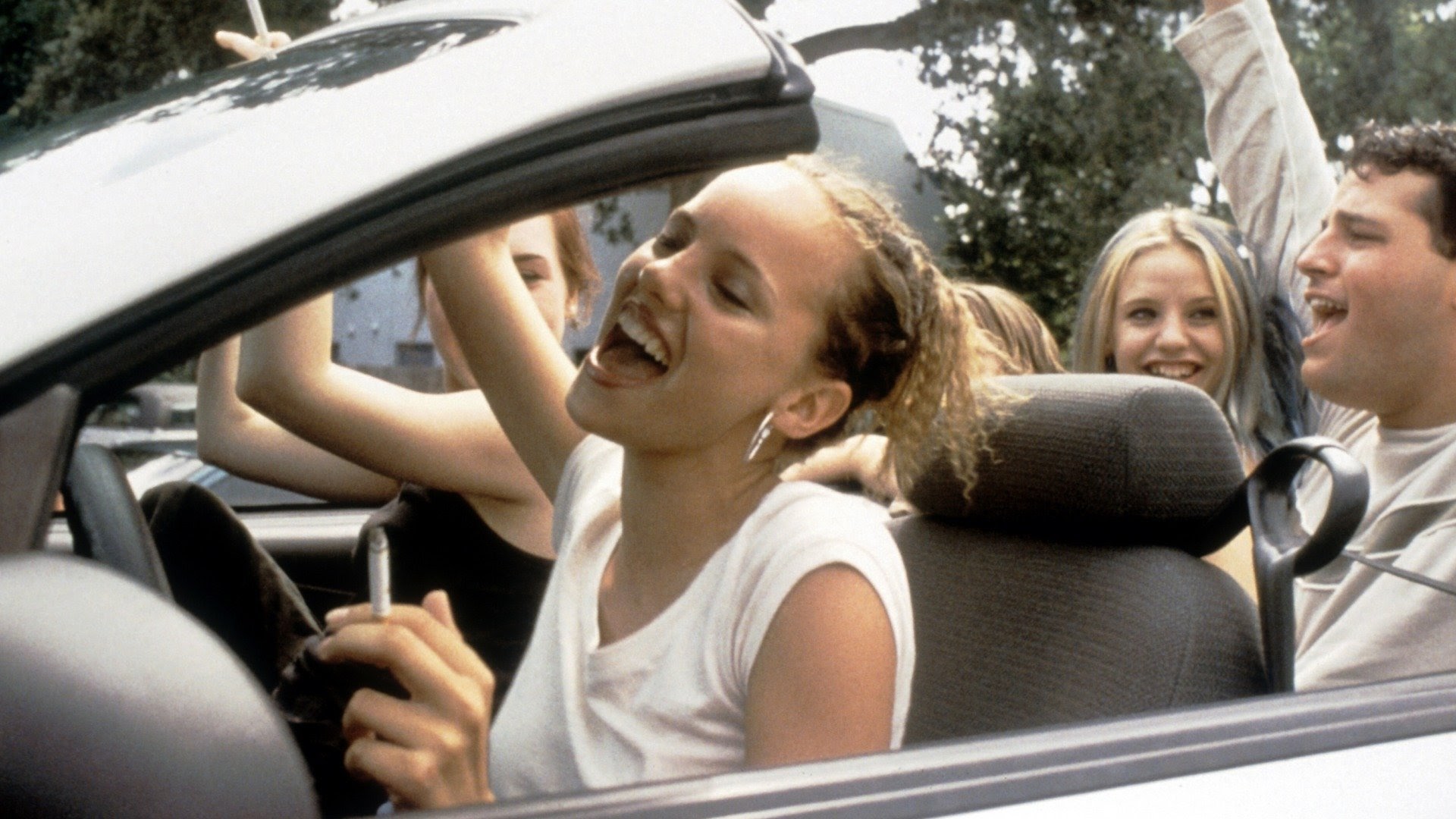
Bully (2001) Directed by Larry Clark Shown in foreground: Bijou Phillips

DF: On a positive note, though, this movie was awesome. It was so fun to make. Larry was cool, the people I was working with were all like people from Thrasher Magazine, it was just like bad ass people. They did shoot in the real locations; it was the real apartment complexes, and it was the real Pizza Hut (we shot in).

Daniel also made it clear how he was the only local hero for hire in Larry Clark’s “Bully.”

DF: They were scouting locations for the gay clubs, and I was just a young kid just figuring that stuff out and performing at the clubs with people I was in musical theatre with and stuff like that. They were like hey we’re making a movie, and I’m like I’m an actor! I had no idea it was going to turn into this. Carmen Cuba, she discovered a lot of people, and I give her all the credit for plucking me out of obscurity and putting me with these people.

An audience member told Daniel that he was from South Florida, and this led Daniel to talk about when he worked at The Gateway Theater in Fort Lauderdale as a kid. a year later, “Bully” premiered there. Daniel found his road from being an usher to a working actor to be honestly insane.

DF: I was there at the theater going, would you like the popcorn combo? I am a movie lover. I worked at Blockbuster (Video), I worked at movie theaters, that’s all I did. Until I was able to support myself as an actor, I was either an usher in theatre or worked at movie theaters. It (“Bully”) was shot in Fort Lauderdale and the whole crew got their premiere at the movie theater where I worked at. So, whoever served me popcorn today, keep writing your scripts.

Like many, Daniel Franzese considers New Beverly Cinema to be one of his favorite places in Los Angeles, and that it was extra special for him to see “Bully” being screened there on 35-millimeter film. To see films presented there in their original format, something often not available to movie buffs in most places, means a lot to him.
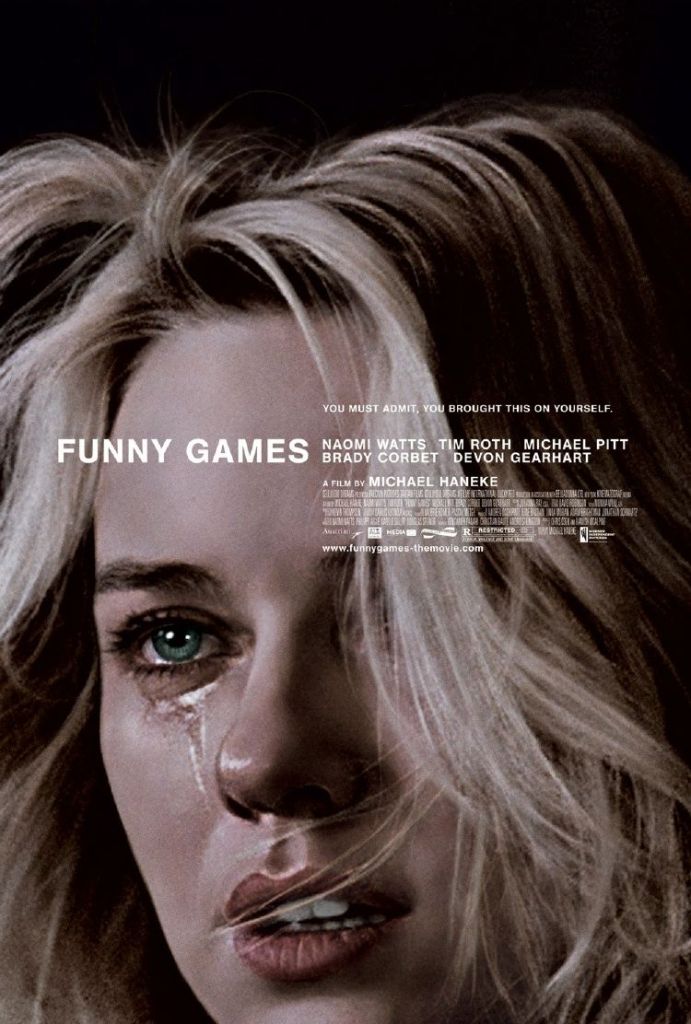
Underseen Movie: Michael Haneke’s Shot-For-Shot Remake of ‘Funny Games’

There is no in between with a film like this. You will either like or hate it with a fervent passion. Reviews for “Funny Games” have gone all over the place from praise to vicious hatred. Some will describe it as a completely immoral piece of work which revels in what it despises. Others will look at as very strong suspense film which does not hide from the ugly reality of violence. After seeing this film, I can’t help but think this is what director Michael Haneke wanted. Alfred Hitchcock was once quoted as saying, “I love playing the audience like a piano.” So does Haneke.

Truth be told, Haneke must be reveling in getting us into such an emotional state as he did the same exact thing in the past. “Funny Games” is a shot-for-shot remake of his original suspense thriller of the same name from 1997. I actually did not realize it was a remake until around the time it arrived in theaters. But since this is a virtual duplication of another film, I’m not sure how necessary it will be to see the original.

Haneke wanted to remake “Funny Games” for an American audience because he felt it was in essence an American story in which he sees its citizens being giddily in love with violence onscreen and in the media. While there is something rather condescending about him thinking this, he does have a point. Every once in a while, we need a film which reminds us of the brutality of violence. While we may fiend for gun battles on the big screen, violence in real life is scary and something we should be eager to avoid. “Funny Games” was the first ironically titled and truly polarizing movie of 2008. It is anything but entertaining, and in the end, it is not meant to be. Some movies are made to be experienced, and this is one of them.

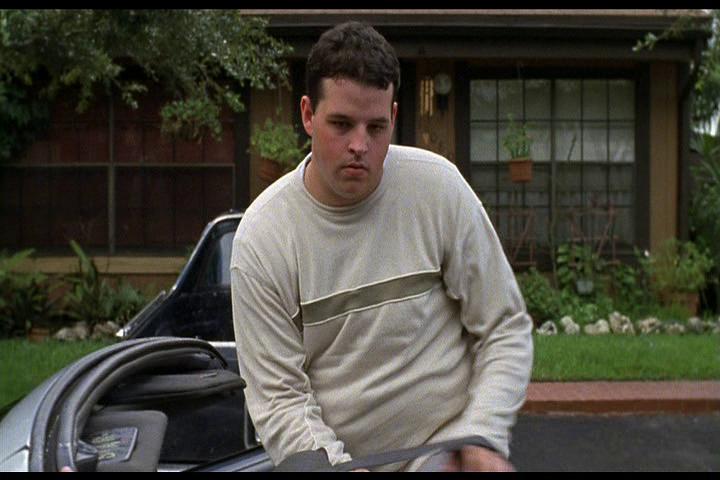
“Funny Games” revolves around the married couple of Ann and George Farber (Naomi Watts and Tim Roth) whom we first see driving down the highway with their son Georgie (Devon Gearhart) and their sailboat in tow. When they finally arrive at their destination, they are met by two young men, Paul (William Pitt) and Peter (Brady Corbet), both of whom look like well-bred preppies equipped with very nice manners. Brady’s character comes to borrow eggs to give which Watts gives him kindly. But on the way out, he accidentally drops them and won’t leave until he gets some more. Soon, both husband and wife are trying to throw these two guys out, and then the two show their true intentions when they take a golf club and smash one of George’s kneecaps.

With the family held hostage, Paul and Peter reveal their heinous plan; they bet that in 12 hours, the whole family will be dead. From there, it becomes a game of survival for the family as the games these two force them to play get increasingly dangerous. One of the major criticisms I have heard leveled at the killers is they have no motive. Sometimes not knowing why people do the things they do makes things much scarier. When “Silence of The Lambs” was first released in theaters, we were never told why Hannibal Lecter was a cannibal. But here, these two evil schmucks do have a motive which is senseless and viciously cold: they are torturing this family for the thrill of it and for what one of them calls “the importance of entertainment.” The director has given us two psychos whose motives, as he puts it are not “easily explained by societal factors.” They look to enjoy the power they have over this helpless family.

This phenomenon of people getting a high off of violence and torture feels like it is growing at a horrifying rate. There have been movies like “Henry – Portrait of A Serial Killer” and “Menace 2 Society” that have moments where the characters commit violent acts which have been intentionally or unintentionally videotaped. We later see these same characters watching their hideous acts over and over. There was an episode of “Homicide: Life on The Street” which featured a scene with one man filming his friend as he goes over to a nearby bus stop and shoots an old lady to death. No reason is given, other than the fact they find the visual so incredibly entertaining.

Like those characters, Paul and Peter are utterly repellent individuals. But the thing is, you should be repelled at what these guys are doing. They are without morals, and the rules of society are nonexistent to them which makes them all the more threatening and dangerous. The comfortable conventions of the normal suspense thriller are thrown out here. If they are employed here, then it is only for us to see them overturned when we least expect them to be. Unlike other Hollywood thrillers, the violence here feels much more real than you would expect it to be.

Another interesting thing is while this is technically an ultra-violent movie, there is actually not a lot of violence shown onscreen. Most of the violence is committed offscreen, making it all the more terrifying. There’s another moment where Ann is forced to disrobe completely, but you never see her from below the neck. It’s a moment where Haneke dares you to wonder why the camera isn’t showing us more here. You may end up hating him for that, but you cannot deny your mind went down to that dark and dirty place.

Like “Cache,” Haneke likes to film shots in long takes. This succeeds in trapping the viewer in with this family as we wait to see if they can escape their fate. One shot lasts a good five minutes or so as Ann desperately tries to break free of the tape which binds her hands behind her back. There are a lot of static shots here which are free of overly clever camera moves, and they suck us in to the action while generating strong suspense. There are points where we are not sure when these two psychos threaten to strike next.

Haneke goes even further by having Paul break the fourth wall between the characters and the audience watching this movie. Many found this device to be annoying, but I wasn’t bothered by it because it made the movie seem even creepier than it already was. It probably would have been an unnecessary device had it been overused, but the director uses it sparingly and to a powerful effect.

There is also a moment a rewind of events is employed. It is as brilliant a move as it is done to completely frustrate the viewer as it completely eschews the formula of movies like these. Haneke doesn’t hesitate to subvert our expectations, and trap us into a reaction we cannot hide.

Whatever you think of the movie, there is no denying the superb work done by the cast here. Tim Roth does strong work, and I can’t remember the last actor who made the pain of broken bones feel so vivid. I also don’t want to forget Devon Gearhart who plays Georgie Jr. as he has a very unenviable role as a child caught up in the worst of situations. He is asked to do things we would rather not see a child actor do, and he makes his sheer terror seem all the more horrifyingly real.

Michael Pitt makes Paul into such a cleverly cold character to where some have compared Paul to Alex in “A Clockwork Orange.” This is a young actor who has made a strong impression in movies like “The Dreamers” and “Bully” among others. He excels in roles like this which play on his charm to an incredibly unsympathetic effect. Brady Corbett plays the seemingly Peter, and he also has done memorable work in “Thirteen” and “Mysterious Skin.”

But in the end, this movie really belongs to Naomi Watts who has long since proven to be one of the bravest actresses working today. She has portrayed characters so naked in their vulnerabilities onscreen to where I constantly wonder how she gets through these roles without having a nervous breakdown. Her performance in “Funny Games” is no exception as she puts herself in situations so difficult to make seem real, but she succeeds here in making us believe just how terrifying her ordeal is.

“Funny Games” is one of those movies which make me want to ready everyone’s reaction to it. Like I said, this is without a doubt a very polarizing motion picture which people will either admire or despise. The again, if many did not have a negative reaction, then Haneke would have failed in his mission to completely unnerve us. No, it is not an enjoyable movie, but it is an experience which cannot easily be ignored as you walk out of the theater. It is a thought-provoking as it in no way allows for a neutral opinion. For my money, it is a very strong exercise in suspense which never lets up throughout its two-hour running time.

While it is not the most disturbing movie I have ever watched in a theater (“Requiem for A Dream” takes the cake there), it sure does come close. The violence presented here is of a real kind, and it does not offer the typical feeling of escapist entertainment. The best advice I can give you is if you don’t want to subject yourself to a very disturbing cinematic experience, then don’t see “Funny Games.” You have been warned, so take the R-rating seriously.

* * * ½ out of * * * *