The Ultimate Rabbit’s Favorite Podcasts

Everybody has a podcast these days to where there are far too many to catch up on. However, there are a few which I refuse to miss as they lighten up my day which usually has me wondering how I can continue to survive in an insanely cruel world. Considering that I spend a good portion of the day in my car, they are my go-to whenever I go place to place, and these are the ones I am always determined to be up to date on.

The Ralph Report

Created and hosted by actor, podcaster and voiceover artist Ralph Garman, “The Ralph Report” is the first podcast I listen to each day. This podcast came about after Garman was unceremoniously laid off from the “Kevin & Bean Show” on the KROQ-FM after 18 years, and you can find it on the Patreon platform. It’s never political, and Garman is just aiming to take you away from your daily troubles for an hour and change.

Garman is joined by his “vice host,” standup comedian Eddie Pence who was a classmate of mine at Second City in Los Angeles and has quite the reserved palate when it comes to food, resulting in a daily segment where a certain food is talked about and whether or not Eddie will eat it. Also on the show is Garman’s wife, Jen Stewart (a.k.a. Queen J) who helps run on the visual part of the podcast known as “Garmyvision,” and she also has the most infectious laugh of any human being I have ever met.

Among my favorite segments on “The Ralph Report” include one-hit wonders where Garman talks about a band or a singer who reached the top just once and never experienced the same level of success ever again (the episode on Bobby “Boris” Pickett’s “Monster Mash” is classic). Others include “Sex U” which discusses sexual practices in ways that are both informative and educational to where I wonder if other sex education classes offered anywhere could ever be this informative. And there is the “Video Vault” segment on Fridays where Garman and Pence recommend movies many people have not seen or heard about. Garman always has the classiest of choices, while Pence tends to recommend those which only he seems to enjoy. Still, maybe Pence is right to find the good in such films as “Megaforce” and “Leprechaun 4: In Space.”
WTF with Marc Maron

Now granted, this one just came to an end, but there are still 16 years of episodes for you and I to catch up on. Hosted by stand-up comedian and actor Marc Maron, “WTF” is not so much an interview show as it is a conversation between him and his guest. What started as a simple podcast, back when the term was in its infancy, turned into one of the biggest as Maron got to have great talks with such people like Jodie Foster, Spike Lee, Louis C.K. and even President Barack Obama who came back to do the final “WTF” episode. We also got to hear Maron deal with his sobriety and daily anxieties which have resulted in crippling emotions and catastrophic thinking for him, something I can very much relate to as anxiety has been the bane of my existence.
Fresh Air

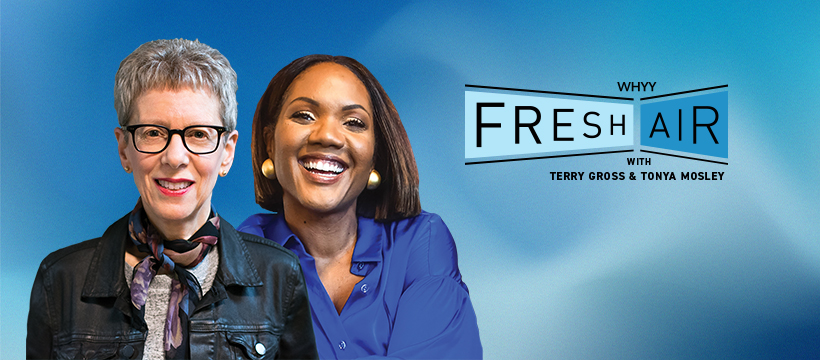
If there is a single person who has come to influence the way I interview actors and filmmakers about their projects, it is most definitely Terry Gross. Few other people can ask such intelligent questions about the arts, movies, politics and sports than her, and that’s the reason why she has remained so popular for the past few decades. In the past few years, “Fresh Air,” which airs from WHYY in Philadelphia, has brought other hosts who occasionally sit in for Terry like Dave Davies, Tonya Mosley and David Bianculli who, like me, has a great love for the classic television series, “Homicide: Life on the Street.

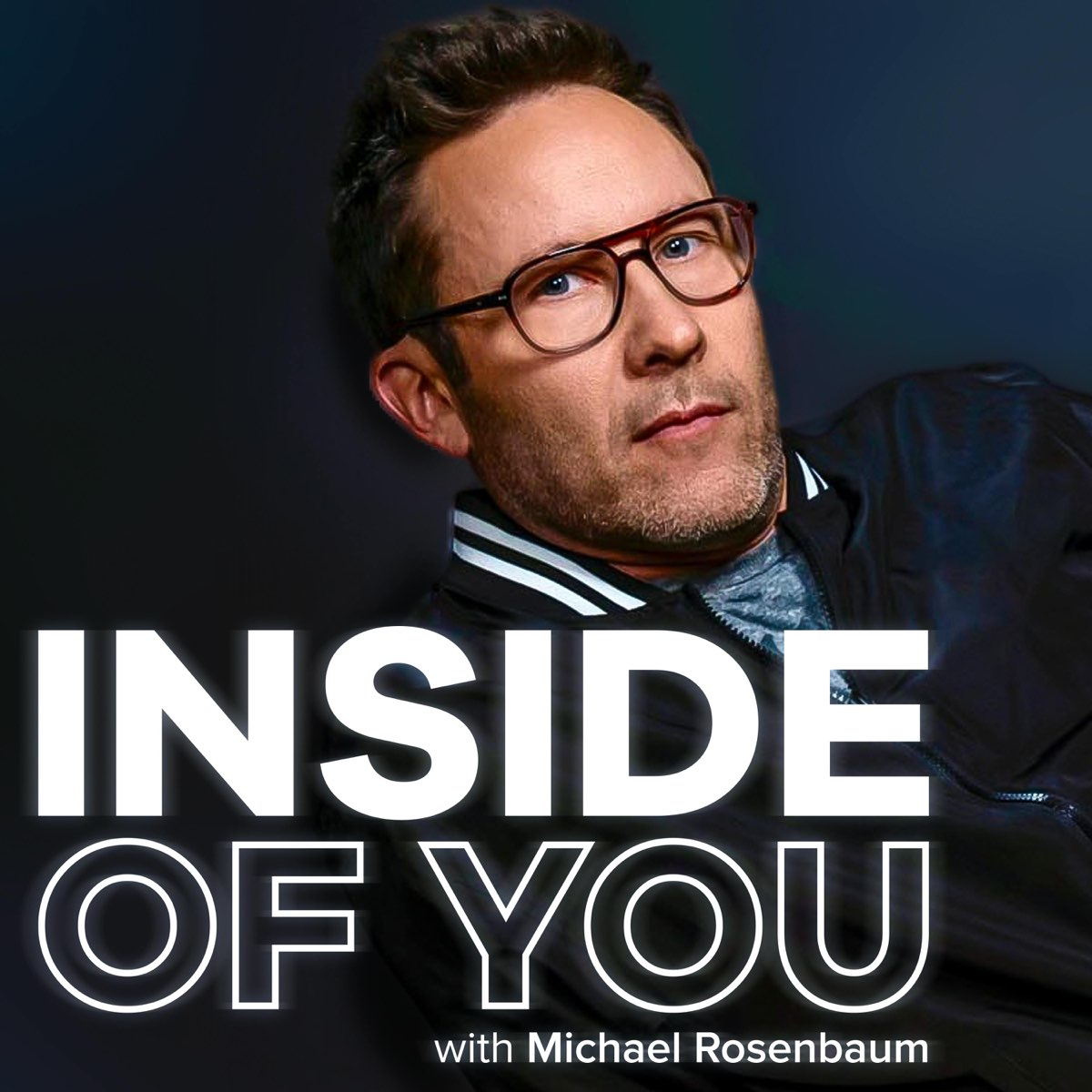
Inside of You with Michael Rosenbaum

Actor Michael Rosenbaum, best known for playing Lex Luthor on the TV series “Smallville,” started his podcast “Inside of You” back in 2018, and it has talking with fellow celebrities he has worked with as well as those he admires. He has made it clear to all that this podcast is no way political, and much of his questions deal with mental health which makes it a must for people like me. I also like how he talks with people who usually don’t get to appear on other big-time podcasts like Gates McFadden, Barbara Crampton or Jonathan Frakes to name a few. I especially liked his talk with Gates as she took the time to discuss her role on “Star Trek: The Next Generation.”
The Everything Sequel Podcast

If there is any kind movie which is especially difficult to make, it is the sequel as it more than likely to pale in comparison to the original. But perhaps there a few sequels which can improve upon their predecessors, and that’s where “The Everything Sequel Podcast” comes in. Hosted by Michael Christopher Shantz, a classmate of mine from my UC Irvine days, and Tom Steward, they thoroughly dissect every follow-up to an original film we know and love to where nary a single detail is left out.

Recently, both Michael and Tom took great delight in dissecting the sequels to Wes Craven’s “A Nightmare on Elm Street,” and they came to agree that “Freddy’s Dead: The Final Nightmare” was the best of the bunch (of course they didn’t).
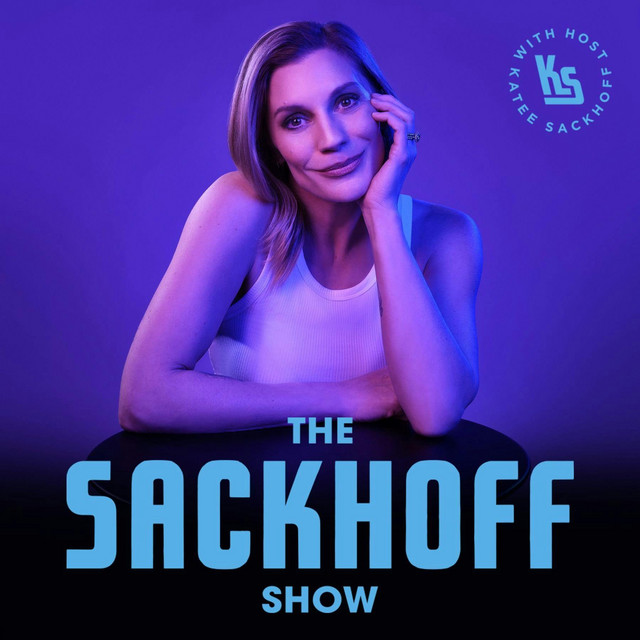
The Sackhoff Show

I have had an enormous affection for Katee Sackhoff ever since she portrayed Starbuck on SyFy’s “Battlestar Galactica,” and I have followed her career from there and continue to do so. Like “Inside of You with Michael Rosenbaum,” Katee uses her podcast to talk with those actors she has worked with on different projects as well as those she has a deep admiration for. Her interviews with her fellow “Battlestar Galactica” actors like Jamie Bamber, Edward James Olmos, Tricia Helfer, Mary McDonnell and James Callis prove to be endlessly fascinating as they discuss not just how their brilliant remake of a classic science fiction show stands on its own, but of how they continue to deal with the fame it all brought them.

But in addition to all of that, Katee talks about her struggles and adventures at being a wife and mother of two children, and of how she continues to rise above her circumstances to be the best person she can be in all the madness life has to offer.

Homicide: Life on the Set/Homicide: Life on Repeat

As I said earlier, I am as big a fan of “Homicide: Life on the Street” as David Bianculli is. With the classic show having finally arrived on the streaming services Peacock and Tubi, a couple of podcasts have emerged to look at what went on in front of and behind the camera, and both have proven to be deeply informative and enthralling in equal measure.
Homicide: Life on the Set” is a largely look at what went on behind the scenes of the Baltimore cop show, and it is hosted by Susan C. Ingram, a camera assistant on the show for six years, and Chris Carr who is a director and podcaster based in London. So far, they have had great interviews with the show’s assorted editors, directors of photography, and actors like Melissa Leo, Reed Diamond and Daniel Baldwin, the latter of which proved to be incredibly lively and exceptionally entertaining.
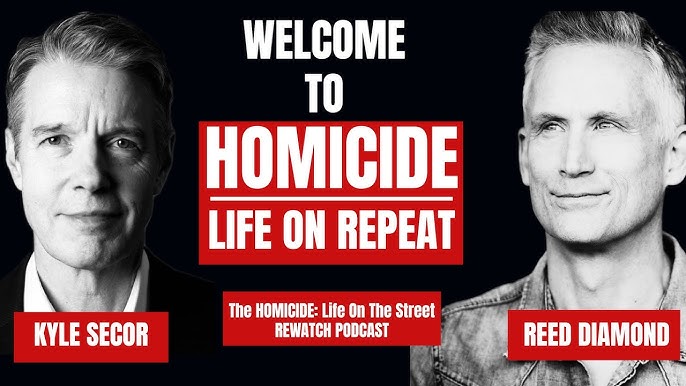
Homicide: Life on Repeat” features two actors from the show: Kyle Secor who played Tim Bayliss, and Reed Diamond who played Mike Kellerman. So far, they have covered “Homicide’s” first season which lasted nine episodes which Secor starred in, and which sparked Diamond’s intense desire to get a role on this show. They have also taken the time to interview key figures involved in the show’s creation such as Paul Attanasio and Tom Fontana who executive produced this show along with Barry Levinson.

Now if there are any other podcasts I can possibly add to this list, I will do so at a near or future date. I shudder to think at what I could have left out.
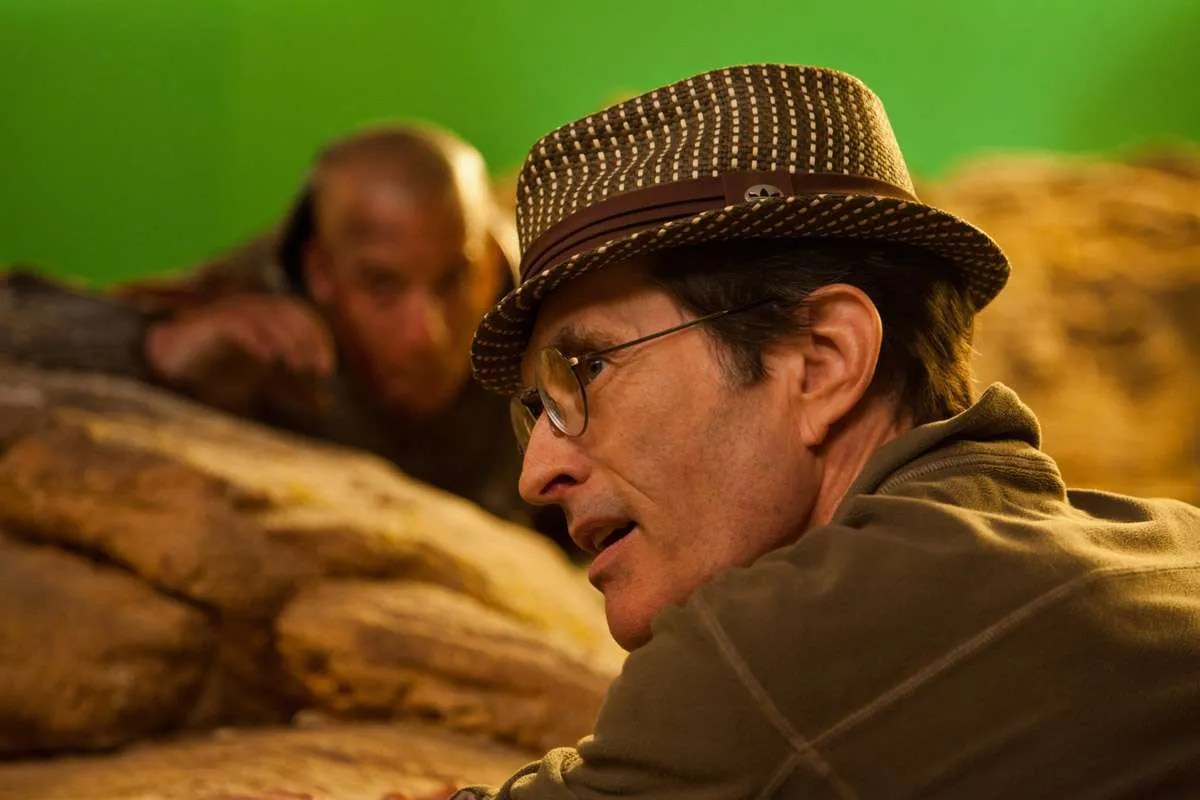
David Twohy Looks Back at the Making of ‘Riddick’

Born and raised in Los Angeles, California, filmmaker David Twohy has left a strong impression on moviegoers everywhere. He got his start as a screenwriter on “Warlock,” “The Fugitive” and “Waterworld,” and he eventually proved himself to be an effective director with the underrated “The Arrival” which starred Charlie Sheen as an astronomer who discovers evidence of intelligent alien life, and the equally underrated submarine supernatural horror film “Below.”

But the movie Twohy is still best known for is “Pitch Black” which had him joining forces with “The Fast & The Furious” star Vin Diesel who played the dangerous criminal, Riddick. Its budget was only $23 million, but Twohy and Diesel created a movie that was intensely exciting and which made the most of its modest budget. So strong was the cult following for “Pitch Black” that the two later made “The Chronicles of Riddick” which had a budget of over $100 million. While the sequel was not a commercial success, fans were still craving another Riddick movie and kept pushing at Twohy and Diesel to bring this anti-hero back to the silver screen.

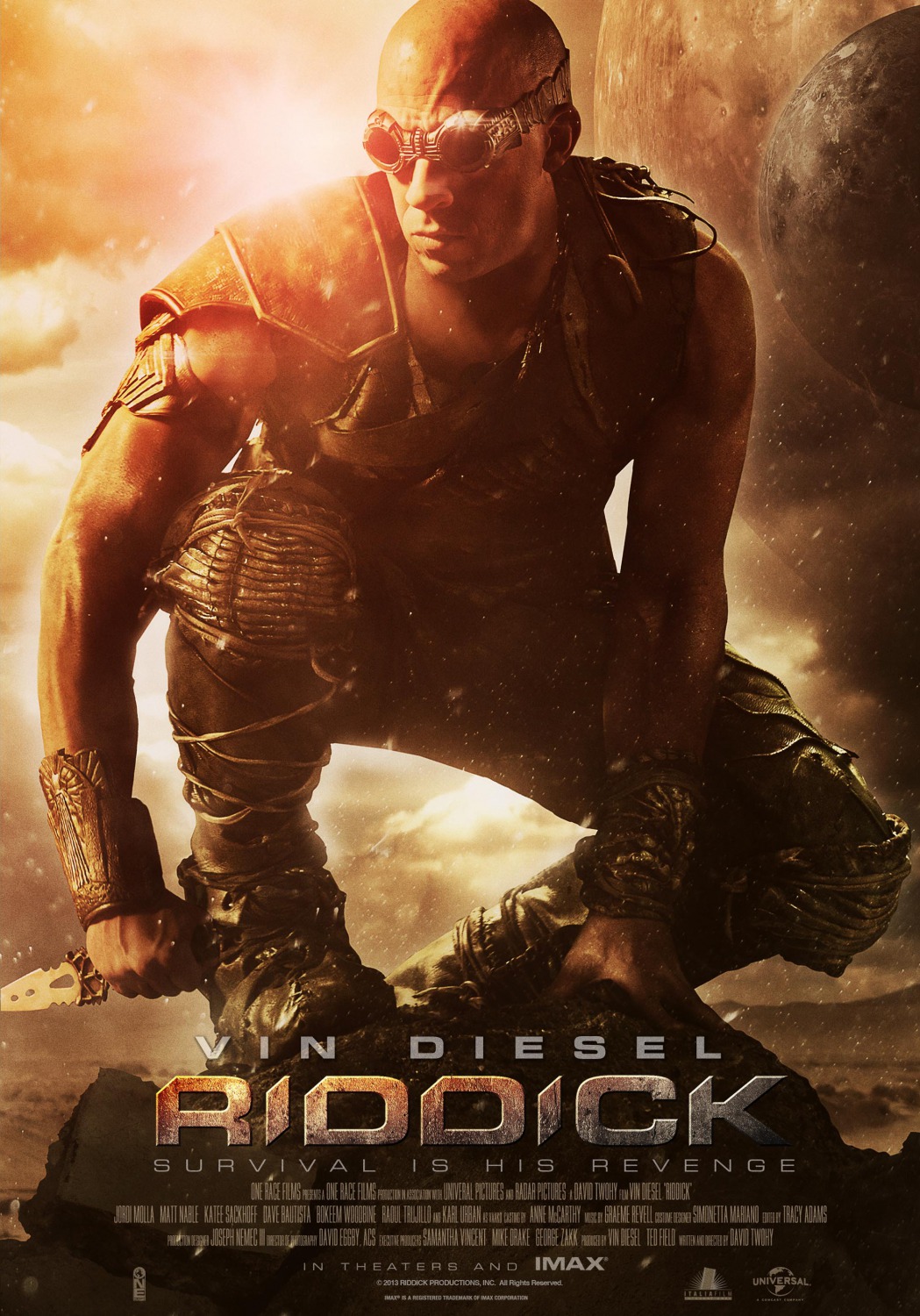
Fans got their wish when “Riddick,” the third movie in the “Pitch Black” franchise, opened in theaters on September 3, 2013. After dealing with a big budget and a Hollywood studio, Twohy and Diesel ended up raising the money independently to make this particular sequel a reality and maintain full creative control over it. It follows Riddick as he is left for dead on a desolate planet and ends up being sought out by bounty hunters who are prepared to bring his head back in a box. But soon they are stalked by vicious alien predators, and they are forced to join forces with Riddick in order to survive the long dark night.

I was lucky enough to attend the “Riddick” press conference at the Four Seasons Hotel in Los Angeles, California just before this sequel was released back in 2013. Twohy talked about the challenges of making this particular movie as well as what it was like working with Diesel who had just received his star on the Hollywood Walk of Fame.

Question: How did the final film compare to what you originally envisioned, and were there any big challenges you faced in terms of the look of the film?

David Twohy: Did the finished product end up like we had imagined it? Yeah, it does because really, as a responsible filmmaker, I have to imagine the whole movie. After I script the movie, I have to storyboard it out, I have to budget it, and I have to understand if I can afford all those visual effects or not. So more than anybody, it looks like the movie I had imagined, sometimes better, sometimes not quite as good depending on how we execute the visual effects. But yeah, I’m not surprised by it because it’s what I do and it’s what I set out to make. Sometimes Vin, who is not privy to everything that’s in my head and all the work that I’ve done with the concept artist (and he likes it that way), is surprised, but I don’t have the luxury of being surprised. I can’t be surprised by anything in the filmmaking process if I’m doing my job right. So, it’s very much the movie we set out to make, and we set out to make something that would fit into the budget that we had ($38 million). I think you all know that this was an independent movie this time out instead of a studio movie. So, knowing that we would have limited resources, Vin and I sat down in his kitchen and we came up with a story that would fit that budget. It couldn’t be as grand as the last movie, and it had to be more contained. It feels more like “Pitch Black” to some people. It probably is more like that at least in its tone and scope (we limited it to one world), but it’s very much the movie we set out to make, and there were not that many surprises for me along the way.

Question: It was interesting to see that Dahl (played by Katee Sackhoff) was not a love interest in this movie. Usually, the girl ends up being the love interest of someone, but instead she was this independent woman who can hold her own. Can you talk about casting Katee and why you chose to make her this independent woman who can take care of yourself?

David Twohy: I remember Ridley Scott telling me this story about the original “Alien;” Ripley was scripted to be a man, and he decided to make her a female thinking that these parts should be gender-neutral. I’ve always remembered that, and the women in my movies do stand up on their own two feet and are not pieces to anybody, and I like that. In terms of Katee, she was the first person to read for the role of about a hundred actresses, and that I remembered her throughout the whole process speaks highly of her. So finally, I said, “Who was that girl who came in the first day, she had blonde hair and she kind of killed it? Who is she?” They said, “Oh that’s Katee Sackhoff from ‘Battlestar Galactica.'” Well, I didn’t really follow “Battlestar Galactica,” so I didn’t even know her from that, so I’m not casting or for that. I just thought she was the best available actress so we cast her like that, and I’m so glad we did because she was a joy to have on the set. And clearly, like the character, she holds her own amongst the men and swears worse than any of them. Her off-screen lines are just as good.

Question: What made you bring this franchise back to R-rated territory after the PG-13 “Chronicles of Riddick,” and is there going to be another “Riddick” anime, game or ride?

David Twohy: (laughs) A Riddick ride? Well, actually we are doing some D-Box seats in theaters, the motion platform seats. I just experienced them for the first time and it’s the closest thing to a Riddick ride as you’ll get. It’s watching the movie, but it’s motion based. I don’t know what that in between thing will be, but we embrace them, and I would like to do more. We published the motion graphic novel as well which helped with the back story of how Riddick went from King of the Necromongers to a man alone on a planet. We embrace those things, and it would be great to get another game off the ground, but those things are very hard to launch. They are costly and they need a lot of lead time, so it’s hard to sync those games to the release of a movie. But we would like to do another one and we are talking about it. The R-rated movie was important to us because, as a filmmaker, I have the flexibility I need to do what I want. With PG-13 I feel like I’m pulling my punches either in the script or working with my actors on the set and coming up with stupid analogues for the word “fuck.” I’m getting tired of that. It gets to the point where people aren’t talking like people talk anymore. Just because I don’t want to pull my punches anymore, I felt this was important to me. It also plants a flag in the ground for our fans as well and lets them know we are true to the character and the nature of the series. The reason for PG-13 last time is obvious. It was because we were a big studio movie funded by a big studio, and to minimize their risk they wanted to branch out to what they think is the widest possible audience and they think that’s PG-13. There is actually a sound reason for that, but Vin and I feel more comfortable back in the R-rated universe.

Question: In “Riddick” you deal with the Necromongers briefly and just move on from there. Do you plan on going back to that story thread if this movie is successful enough to merit a sequel?

David Twohy: Yes. If it is successful and if we have a flexibility to go wherever want for the next movie, and Vin and I are talking about two more movies and probably just that (it would be good to do a closed ended franchise rather than a franchise that just keeps spitting them out just to spit them out), we would like to get back to the Necromongers. I am currently cutting the director’s cut DVD right now which includes more of an epilogue which has Riddick returning to the Necromonger empire and actually setting things right there in terms of the guy who abandoned him on this planet and left him for dead, and his search for Vaako (played by Karl Urban) who he thinks has the answer to where his home world lies. The next few weeks will be telling for us, and we want to pay off the fans who have stuck with us all this time. They have never stopped talking about this movie to us, and it was them who made us open our eyes and say it will be honestly irresponsible to leave it like it was and not make another movie.

Question: How did you and Vin get back to the savagery of the “Pitch Black” with this one and made it look like “Conan the Barbarian” as opposed to “Conan the Destroyer?”

David Twohy: That was important too, and it was also part of the character who thinks at the story’s outset that maybe he feels that he is gotten a little slow, a little soft, who has dulled his own edge as King of the Necromongers and wonders what happened to him. Did he commit the greatest crime of all? Did he get civilized? So, the exploration of him trying to get back to basics to find his edge again, to get back to the lean thing he was, it’s a good evolution for Riddick and it’s also sort of a parallel to what the franchise has undergone

Question: What do you like most about collaborating with Vin Diesel?

David Twohy: That he doesn’t shut up (laughs). He’s a guy who aims high and pushes me to aim high. He’s a guy who dreams and thinks that anything is possible, and me I’m more of a practical guy. I try to be a responsible filmmaker, living with the constraints of what I’m given to make a movie with, but Vin doesn’t think like that. Vin thinks like anything is possible and he thinks big. Sometimes that’s almost a folly but other times it can be inspiring and it can open up my ideas to other ways of doing things. What’s great about it is that he’s a guy who has all the confidence in the world and always has ever since I cast him as just a guy, an actor, in “Pitch Black.” But he had an unshakable confidence in himself even back then, and he just seems to see the future or will it into being (laughs) so that he can say “hey I was right all along!” He’s great like that and he’s inspiring like that. Just about the time you think that Vin Diesel is a guy with big muscles and a big head and your kind of willing to dismiss him as that, you realize that this is a guy with a big heart too. He dreams no small dreams, and that’s good and that rubs off on everybody else he works with.

Question: Can you talk about crafting Riddick’s voiceover in the movie?

David Twohy: Here’s how I craft it, I sit in front of my computer screen and I write it. Then I’ll rewrite it, I’ll tweak it, I’ll rewrite it and then I’ll show it to Vin and he’ll say I’m digging this or I’m digging that. When he gets in front of a microphone, he’ll say 90% of it, but every once in a while, he’ll just stick in a line. I later find out it’s because it’s too similar to something else he said in another movie. We just work it out and then I’ll spitball three alternatives and when something pops up that he likes we’ll just lay it down. We’ve built a good level of trust with each other lately. As opposed to the voiceover in “Blade Runner” where it was just filling in stuff that you needed to know about the world and it wasn’t character-based, the one in “Riddick” is character-based and it comes with Riddick’s voice and how he sees the world. It takes a while to get it right.

Question: Riddick’s relationship with the puppy is one of the best things about this movie…

David Twohy: By the way, every woman who has interviewed me today talked about the damn puppy (laughs). I cut a trailer of this movie that was all about Riddick and his relationship with the dogs and I gave it to Universal and said, “Hey maybe we want to broaden our audience a little bit and make sure we get the women in here, you know?” Then they go, “It’s a little soft for a Riddick movie Dave.” God, I wish the marketing people were listening to this! I’ve been trying to tell Universal, I’ve been trying…

Question: Since the puppy was created with CGI effects and has a lot of interactive scenes with the actors, what did they have to work with on the set?

David Twohy: All the actors have plenty of reference whether its concept art which they can paper their trailers with or I’ll show them on the morning of the shoot. The puppy has stand ins. For the puppy, I got a 12-pound silicone puppy that looks like the real puppy. It’s furred, it’s got glass eyes and everybody wants to hold it, and it just feels right. The puppy made it into the movie in a couple shots. Plus, Vin has big dogs too, so more often than not he’s telling me how to greet the dog and how to pet it (I’m a cat guy, Vin’s a dog guy). So, he says, “No you don’t pet it like a cat. If you want to say hello to your big dog, you slap it on the shoulder.” So that’s what we do in the movie.

Question: What were the differences, both positive and negative, that you found making this movie independently versus working on a studio movie?

David Twohy: Mostly positive. We shot it in 48 days which was pretty streamline. During postproduction I showed it to an audience of 50 or 60 people and didn’t score it, didn’t test it. I just wanted to know what confused them so I could go back and clear up the confusions. I showed one or two cuts to Vin and then I locked the picture. That is as atypical as it gets in the professional filmmaking world because a lot those movies you saw this summer were focus grouped, tested, scored, recut, reshot, recut, tested, scored, and after a while there is a factory-made feel to those movies. So hopefully something this simple, streamline and filmmaking pure results in something that’s at least different and maybe better just in the handcrafted sense of it.

Question: So, would you say you had more fun with less money in some ways?

David Twohy: Yeah, we did, and I’m sure most independent filmmakers will tell you that. The downside is that we staggered to the starting line. We were up, we were down, we were up, and we were down. It all comes down to, is the paperwork closed? Is the bond closed? You have to close the bond to get the bank loan. It’s a lot of stuff I don’t know much about, and I wish it didn’t affect my life but it does. We started and we were shut down, kicked out of our studios, the doors locked. We had to come back three months later and pay our bills and start over. So those are the vicissitudes of independent filmmaking.

Riddick” is now available to own and rent on DVD, Blu-ray, 4K UHD and Digital.

As this interview was conducted in the past, it may contain outdated information.

Click here to check out my exclusive interview with David Twohy which I did for We Got This Covered.

‘Riddick’ – A Welcome Return to ‘Pitch Black’ Basics

After the bloated motion picture that was “The Chronicles of Riddick,” filmmaker David Twohy and star Vin Diesel return for “Riddick,” the third in a trilogy which began with the riveting “Pitch Black.” This sequel proves to be a return to as the story here is a lean one and is not about to overwhelm us with too many plot points. Also, it proves to be a stand-alone film which does not require you to view the previous installments (or “The Chronicles of Riddick” at the least) to understand all that is going on.

As the movie starts, Riddick (Vin Diesel) is now King of the Necromongers, but he ends up being betrayed by his supposed followers when he is left for dead on a planet which he is led to believe is his home world of Furya. From there, this anti-hero struggles to survive in a hostile environment where all these scorpion-like creatures and dog beasts are out to eat anything that moves on at least two feet. To make matters worse, bounty hunters are once again on his tail as he is forced to expose his location in order to find a way off of this barren planet.

What I found interesting about “Riddick” is how being King has somehow robbed this anti-hero of his abilities to survive. Diesel has made it no secret of how much he loves playing this character, and he invests Riddick with everything he has. Whatever you may think of his acting, you cannot say “The Fast & The Furious” star is not dedicated to giving this character the respect he deserves. Riddick is a bad dude, but like the best anti-heroes in movies, I still found myself rooting for him.

This sequel is truly a passion project for Diesel and Twohy more than anything else. Because “The Chronicles of Riddick” was a big budget studio movie that didn’t do well commercially, the two of them ended up having to raise the money independently to make this one a reality. Going from a budget of over $100 to one of under $40 million may have forced them to cut a lot of corners, and this is probably not the “Riddick” movie they originally envisioned doing. Still, I liked what they were able to come up with given the limited resources at their disposal.

One of the joys of watching “Riddick” is seeing how Twohy deftly skewers a lot of sci-fi clichés and wonderfully plays on the bounty hunters’ collective fear of their prey. Once the hunters arrive on this barren planet, Riddick leaves them a warning to leave one ship behind for him or suffer the consequences. Right away, you know that a majority of these characters are screwed. The question is, how are they going to die? There’s a great scene where they think Riddick has gotten into one of their storage compartments which is protected by a highly explosive device. Did he or didn’t get inside? That’s the question. Whatever the answer is, it leads to one of the film’s most wonderfully suspenseful moments.

Among the crew of bounty hunters is Katee Sackhoff whom we all know and love for her work on “Battlestar Galactica” and “Longmire.” She plays Dahl, a female mercenary who can dish it out as much as the men can and then some, and the punches Dahl inflicts on the male population she is forced to deal with are exquisitely painful to say the least, and they leave scars which will not be easily forgotten. Sackhoff is awesome in a role that definitely reminds us of how much we love her work, but she isn’t just playing Starbuck all over again. Dahl makes it abundantly clear at one point that she doesn’t fuck guys, and Sackhoff leaves you wondering just what exactly her character means by this. Remember, a single word never has just one definition.

Also in the cast is Jordi Mollà who has been nominated three times for the Goya Award for Best Actor, but none of those nominations include the performance he gave in Michael Bay’s horrifically bombastic “Bad Boys II.” Here he plays Santana, the leader of one of the bounty hunter groups, and Santana does very little to hide just slimy of a bastard he is. Mollà clearly relishes playing such a despicable character, and I got a kick watching him go over the top as he hunts down his prey. I don’t think it’s giving away too much to say that his character gets the painful fate he so deserves.

Then there is Matt Nable who plays the leader of the other bounty hunter team (who have much better equipment by the way), Boss Johns. I have no idea if his mother gave him that name, but I can only imagine the playground beatings this character got as a kid. Talk about a name to live up to!

Anyway, Nable, a former professional rugby player, does good work in conveying the conflicted emotions of his character as it turns out he needs Riddick for more than just a simple bounty, and it gives this sequel a complexity I did not expect it to have.

Dave Bautista, a former WWE wrestler who has since given memorable performances in movies like “Blade Runner 2049” and “Spectre,” plays the most bone crushing bounty hunter of all, Diaz. With Bautista in the cast, we know he and Diesel are going to have an all-out fight. And yes, it is quite the fight.

Most of the visual effects we see here are rendered in CGI, but that’s understandable given the movie’s budget. While the overuse of CGI effects in movies tends to drive me crazy, many of them look really good, and the alien landscapes are memorably illustrated. Riddick also gets to adopt a dog in the process, and the dog turns out to be one of this sequel’s best characters. Despite all the snarling, this dog is a cuddly little beast at heart.

It is also great to see Graeme Revell back composing the score for “Riddick” as he also did the music for the previous two films as well. It also marks a welcome return to the electronic elements he utilized so well in both “The Crow” and “Dead Calm.” It’s a wonderful reminder of how Revell doesn’t always need a full orchestra to create suck a compelling score.

“Riddick” is not a great movie and does not reinvent the wheel for either the action or science fiction genres, but it kept me entertained throughout. It also says a lot about Diesel and Twohy that they managed to bring this character back to the silver screen despite the commercial disappointment of “The Chronicles of Riddick.” The fans still wanted to see Diesel’s most favorite character make a return to the big screen. It took almost a decade for this to happen, but Diesel and Twohy came through even though they had fewer resources to work with.

And now we have news that a fourth “Pitch Black” movie is in the works. I am intrigued to see what Diesel and Twohy come up with next, and it is nice to know Diesel has another character to rely on other than Dominic Toretto.

* * * out of * * * *

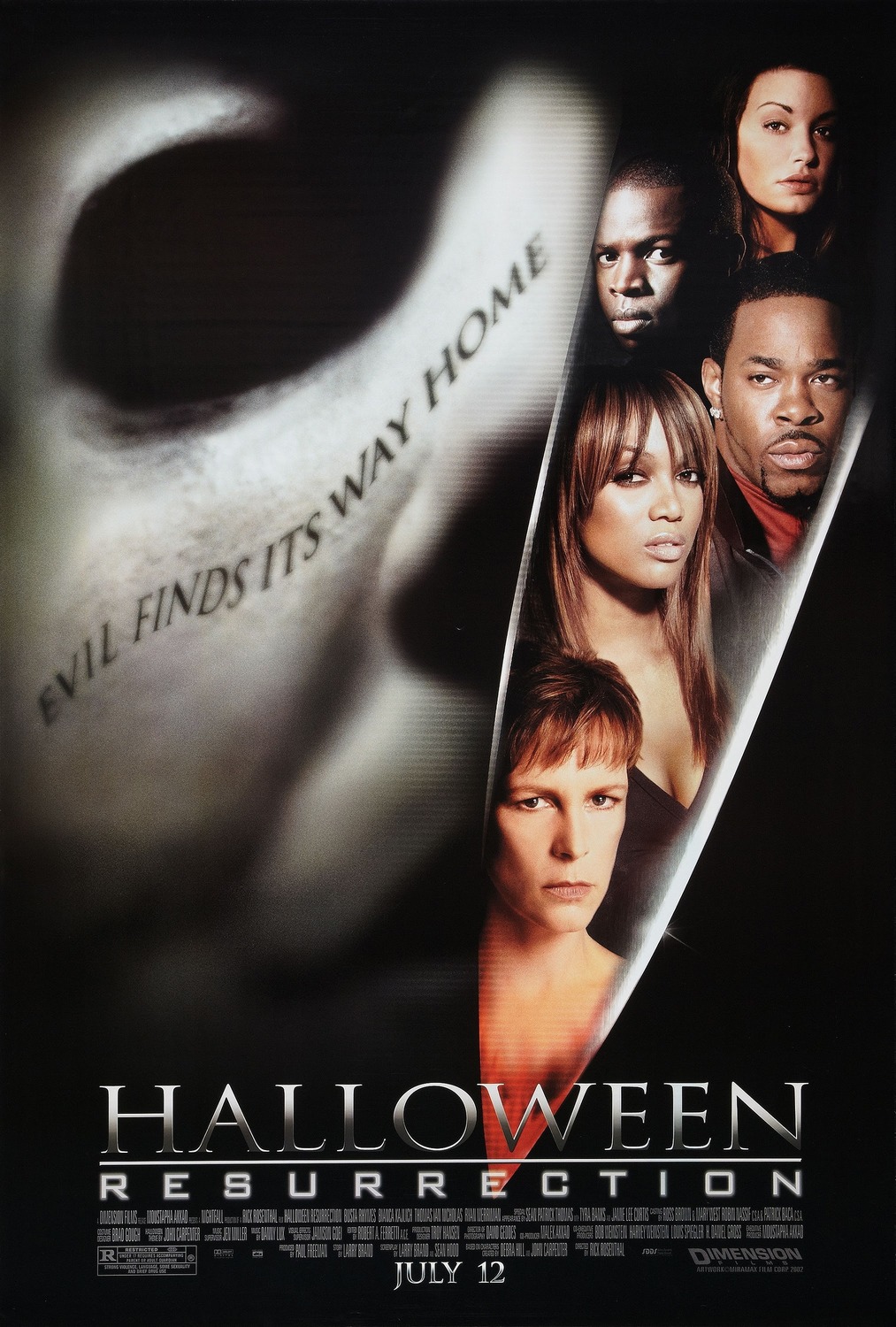
‘Halloween: Resurrection’ – You Think ‘Halloween Ends’ is Bad? Check This One Out!

As I write this, “Halloween Ends” has earned a box office gross of over $40 million in its opening weekend. Those are great numbers, and yet many fans have been rebelling against this installment with an everlasting passion. Listening to them makes me wonder if they have seen the other sequels because, when it comes down to it, “Halloween Ends” is way better than “Halloween: Resurrection” which I actually took the time to watch over the weekend out of morbid interest. If it were not for “movie ever. While certain entries in this series may age like a fine wine, this one never will.

This ill-begotten mess begins three years after the events depicted in “Halloween H2O: 20 Years Later” which ended with Laurie Strode (Jamie-Lee Curtis) decapitating Michael Myers once and for all. But, thanks to an ironclad clause in Moustapha Akkad’s contract, Michael cannot ever be truly killed off, and it turns out the man whose head Laurie chopped off with true precision was not Michael, but instead a paramedic whom Michael attacked, crushed his larynx so he couldn’t talk, and then took his uniform to walk away from the crime scene with relative ease. Keep in mind, this development was written for “Halloween H20,” but Curtis refused to do the film if this ending was featured in the final cut.

While I knew this ending was invented to make “Halloween: Resurrection” a reality, I can’t help but wonder what was going through Michael’s mind when he took out that paramedic. I imagine he was thinking, “Okay, maybe this isn’t the time to kill my sister. Perhaps another time in the near future. In the meantime, I am getting out of town for a bit. I have a timeshare waiting for me.” Michael was so close to killing Laurie, and yet he sensed things were not going to work out for him this time around. But how did he know what asylum Laurie was going to be residing in three years later? Oh wait, you don’t ask those questions in a movie like this.

As we all know by now, Laurie gets killed by Michael even though she has the upper hand. Laurie leads him into a trap, but she still needs to look under his mask to make sure she has the right guy this time around. A knife in her belly is all the proof she needs, and her lifeless body falls to the ground. This was to be Curtis’ last time playing Laurie as she did not want to make any more “Halloween” movies, but we all know how that turned out. The promise of anything final in a horror franchise always has us rolling our eyes and laughing uncontrollably, and this one is no exception.

We then move to a year later when we arrive at the campus of Haddonfield University, and we meet the students who have just won a competition to appear on an internet reality show entitled “Dangertainment” which is operated by Freddie Harris (Busta Rhymes) and Nora Winston (Tyra Banks). They include Sara Moyer (Bianca Kajlich) who proves to be the Laurie Strode of the group as she plays with her hair in the same way Laurie did, Jennifer ‘Jen’ Danzig (Katee Sackhoff) who, like Lucy Van Pelt, keeps signing her classmates up for events they never expected to participate in, Jim Morgan (Luke Kirby) who is looking to get laid on or off camera, Rudy Grimes (Sean Patrick Thomas) who quickly proves to be quite the cook, and Bill Woodlake (Thomas Ian Nicholas of “American Pie” fame) who is looking to score even though the ladies are understandably quick to reject him. Their mission, spend a night in Michael Myer’s childhood home and determine what led him to kill so many people.

Now the key thing to keep in mind about “Halloween: Resurrection” is that these participants are being equipped with head-cameras so we can see what they see as they walk through Michael’s childhood home, and this threatens to make this sequel more promising than it has any right to be. While this one came after “The Blair Witch Project,” it came before the glut of reality shows and found footage movies like “Survivor” and “Paranormal Activity” which Hollywood burned through before the profits ran dry. Still, while this installment could have done a number of clever things with these genres, it instead devolves into the same old thing to where nothing on display feels the least bit surprising.

The one thing which got me excited about “Halloween: Resurrection” was that it was directed by Rick Rosenthal. This is the same man who directed 1981’s “Halloween II,” a sequel I came to appreciate because I first saw it years after its initial release. I thought Rosenthal deserved more credit than he was given at the time and having a veteran “Halloween” director at the helm of this installment seemed like a really smart idea.

Right from the start, however, Rosenthal quickly fumbles the ball as the art of subtlety is completely lost on him here. With his previous venture in this franchise, he knew how to keep the action and characters grounded in a reality we all knew and understood, just like with the 1978 classic. But here, the volume is turned up way too loud to where the suspense is all but neutered, and the characters are unable to speak quietly if at all. Like a certain character Will Ferrell played on “Saturday Night Live” who had vocal modulation issues, these ones make you want to turn the volume all the way down. Okay, maybe that’s pushing things a bit, but these characters got annoying ever so quickly.

The one actor I feel bad for here is Katee Sackhoff who did this film long before she broke through into our collective consciousness on SyFy’s rebooted “Battlestar Galactica.” This is not Sackhoff at her best and, like Stacy Nelkin in “Halloween III: Season of the Witch,” she has to play her last scene without a head.

I should add there is also a subplot involving a college freshman named Myles “Deckard” Barton (Ryan Merriman) who has been communicating online with Sara Moyer for months. While at a college party, he watches this virtual reality series play over the internet and invites other students to watch it with him. This could have led to some interesting moments as the characters try to disseminate what is real and what is fiction, but the performances by everyone here are too broad to where we mock these foolish characters instead of relating to them.

And there is Busta Rhymes who is the first thing anyone thinks about when it comes to “Halloween: Resurrection.” For what it’s worth, he is an entertaining presence as reality show entrepreneur Freddie Harris, but he also takes this sequel into “Batman & Robin” territory as he turns the proceedings into a complete joke, the kind which makes you wince more than laugh. Seeing him trying to take Michael Myers out via martial arts made my eyes roll, and seeing him end things by speaking to television reporters about violence in the media is insulting and a bitch slap to everything we just watched.

When it comes to the recent “Halloween” movies like “Halloween Ends,” they were made by filmmakers who wanted to try something a little different while giving fans some of the things they came to expect. “Halloween: Resurrection,” however, was made by a committee which was designed to take this installment through a number of test screenings in an effort to hopefully give audiences what they wanted and get a return on their investment in the process. If Rosenthal has any artistic aspirations with this sequel, they are all but snuffed out as soon as we realize how cheap the opening credit titles look.

It’s no wonder the Akkad family went out of there way to reboot this franchise yet again after this misbegotten entry. Sure, Michael’s eyes open wide before the screen goes to black, but who gives a shit?

* out of * * * *