‘Dirty Harry’ Movie and 4K Review
The following review was written by Ultimate Rabbit correspondent, Tony Farinella.
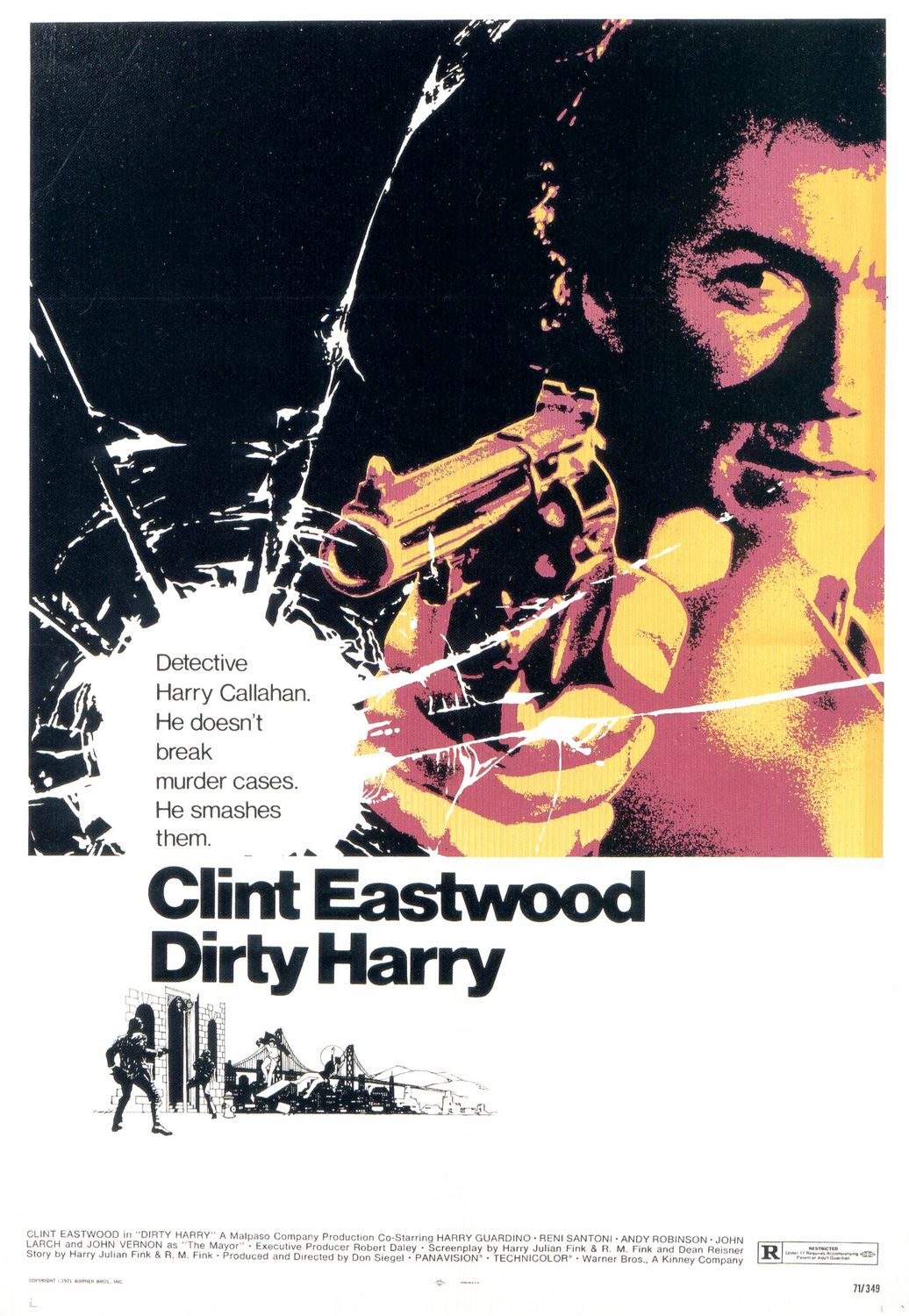
“Dirty Harry” is a film I’ve heard a lot about during my almost forty years on this planet, especially when I started to watch movies regularly in my youth. It’s long been a part of American pop culture, and it’s hard for me to believe this was my first time watching it. I’m familiar with the “Do you feel lucky, punk?” speech that has been repeated by numerous cinephiles over the past fifty years. “Dirty Harry” was released in 1971. The 70’s are my favorite decade of American cinema, as the films back then were raw, dirty, and unapologetically in-your-face.
Our antagonist in this film goes by the name of Scorpio (Andrew Robinson), and when he’s first introduced on screen, he’s seen killing a woman in a San Francisco pool from a rooftop. Scorpio a vicious sniper who plans on killing more innocent people unless his demands are met. He’s looking to get $100,000, and if he doesn’t, he will kill one person a day, starting with either a Catholic priest or an African American. Police Inspector Harry Callahan (Clint Eastwood) found his ransom letter and wants to take matters into his own hands much to the dismay of the San Francisco Police Department. He’s called Dirty Harry because he’s not afraid to get his hands dirty and do whatever is necessary to find his man. He also appears to hate everyone equally, regardless of their race.
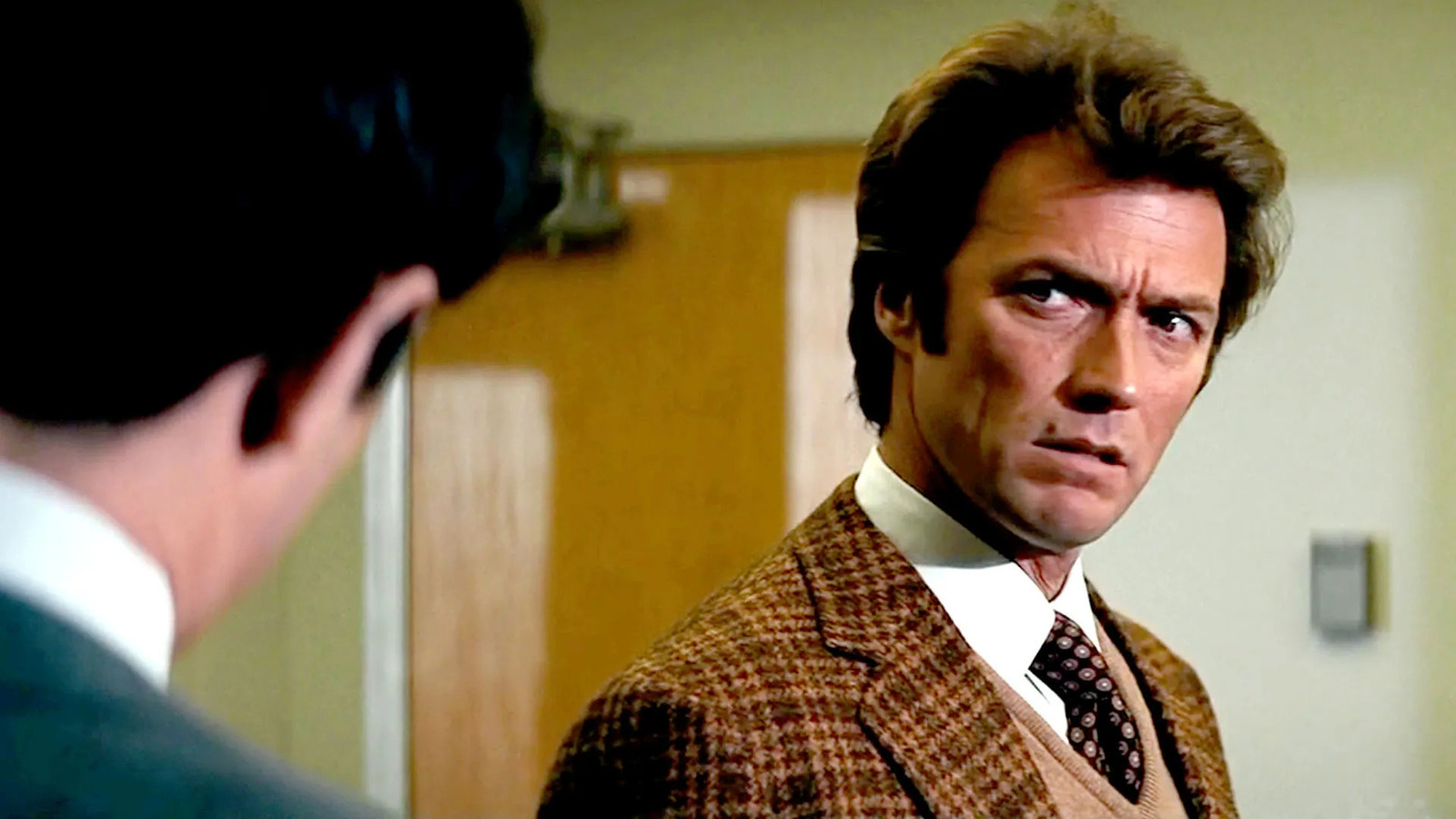
Harry is none too pleased when he’s assigned a rookie partner named Chico Gonzalez, played by Reni Santoni. Harry’s previous two partners ended up injured or dead. Before long, Scorpio decides he wants to raise the stakes–he wants $200,000 or he will kill a teenager named Ann Mary Deacon. It’s up to Harry and Chico to put a stop to this before it gets even worse for the entire city of San Francisco. The biggest problems in Harry’s life come from his own police department, as they want him to play by the rules and follow police protocol. Harry Callahan knows he’s dealing with a lunatic here, and you can’t reason with someone who is evil, maniacal, and cold-blooded.
My biggest issue with “Dirty Harry” is the fact the film presents an antagonist and a protagonist who are written in a bland and one-note fashion. Eastwood is known for his understated and minimalist approach to acting, and most of the time, it works. In “Dirty Harry,” for me, I wanted to learn more about what makes him tick and what his backstory is. I didn’t need everything to be explained to me in granular detail, but we know very little about him. The mystery of Harry Callahan doesn’t work in this film because I found myself detached from the character. Scorpio is just an over-the-top villain. What is anyone’s motivation here?
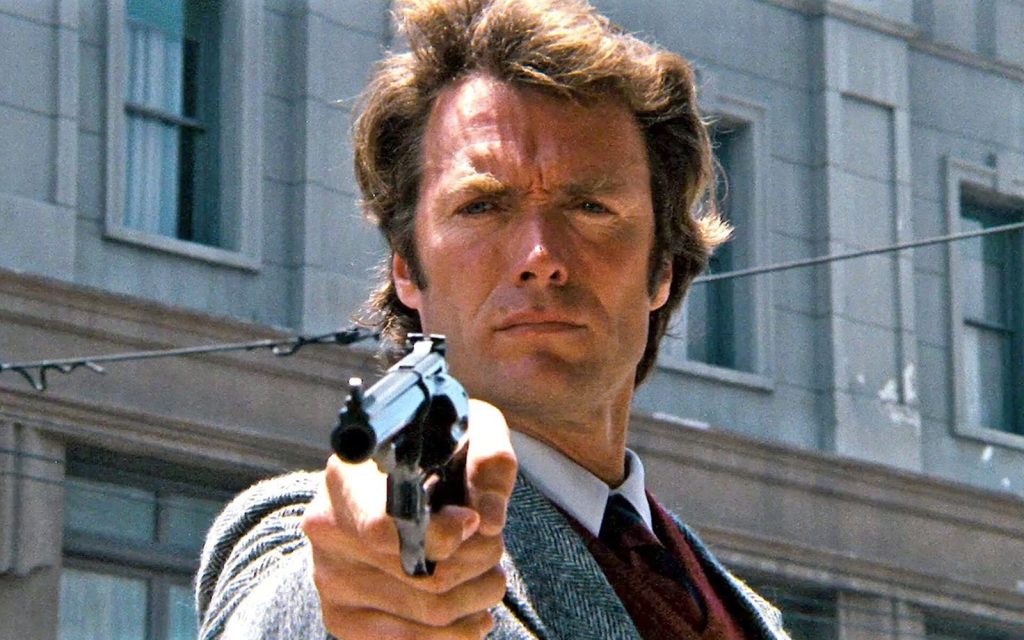
“Dirty Harry” is a film which is all about the chase. It’s all about Harry chasing Scorpio, and it’s interesting to a degree, but it doesn’t hold up for the duration of the film. I understand the film is making a statement about police violence and what needs to be done in order to achieve a peaceful environment for everyone involved. Do the police need to resort to a more aggressive style of police protocol? Are they letting criminals get away with too much? Do the police need to bend the rules a little bit if it allows everyone to feel safe? I understand what the film was trying to say, and I don’t need everything to be spelled out for me perfectly, but this is a film that felt flat and uninteresting to me. I needed a little more meat on the bone here. It’s OK to have a simple story, but you need characters with a little more depth to them than simply good guy versus bad guy.
Overall, I liked the beginning and the end of the film, but the film completely lost me in the middle when it was the back-and-forth chase between Scorpio and Harry Callahan. There is little to no dialogue going on in these scenes, and I respected the style that was on display from director Don Siegel, but I needed something else to grab me to keep my attention. “Dirty Harry” is a Hollywood classic, and I understand many filmgoers hold it in very high regard. I was anticipating having a strong reaction to it. When it was over, I thought to myself, “That’s it?”
* * out of * * * *
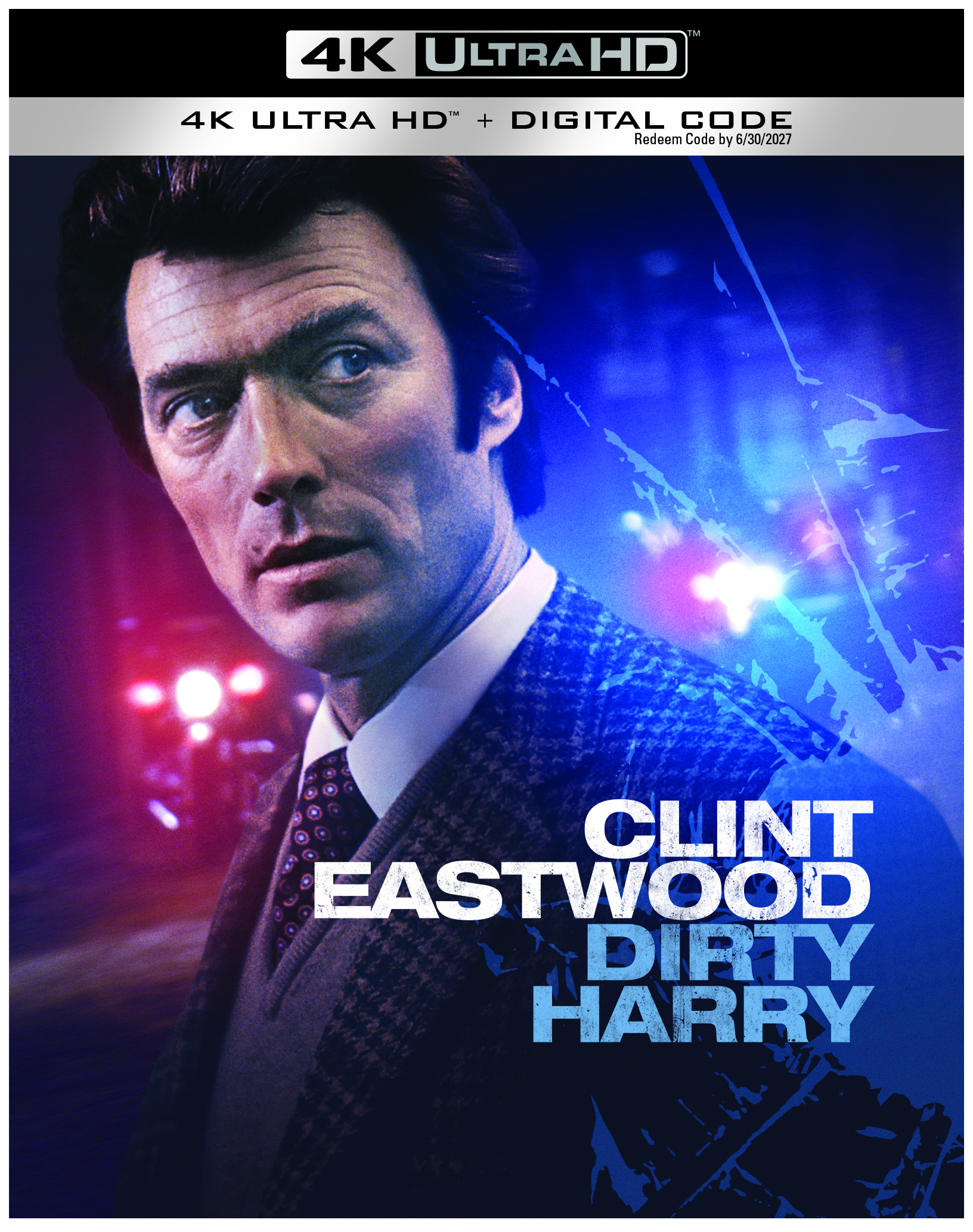
4K Info: “Dirty Harry” is released on a single-disc 4K from Warner Brothers Home Entertainment in either a slipcover version or a collector’s edition steelbook. There is also a digital copy of the film included in the set. The film has a running time of 102 minutes and is rated R.
4K Video Info: The 4K HDR transfer here is striking and vibrant while maintaining a grimy and old-school look to it in the process. When the film is taking place during the day, the colors really pop and shine on screen. When it takes place at night, the deep blacks are on full display.
4K Audio Info: The Dolby Atmos track is sharp and solid throughout the film. It’s powerful without being overbearing. Subtitles are included in English, Spanish, and French.
Special Features:
Commentary by Richard Schickel
Generations and Dirty Harry – NEW
Lensing Justice: The Cinematography of Dirty Harry – NEW
American Masters Career Retrospective: Clint Eastwood: Out of the Shadows
Clint Eastwood: The Man from Malpaso
Clint Eastwood: A Cinematic Legacy – Fighting for Justice
Interview Gallery
Dirty Harry’s Way
Dirty Harry: The Original
Should You Buy It?
If you love “Dirty Harry” and it’s one of your favorite films, you’ll be over the moon about this 4K release, which includes over four hours of special features. They really made sure they went above and beyond for this 4K release, and I imagine a lot of people have been waiting a long time for this. Visually, it’s a stunning release that is sure to satisfy physical media lovers out there. The Dolby Atmos track stands out on this as well. For people who haven’t seen the film before, like myself, I don’t know how well it will hold up with a modern audience or a first-time viewer. It didn’t connect with me, and I was disappointed by the majority of it. It was a film I respected, but I didn’t connect with it the way I have other Clint Eastwood films I’ve been watching lately. If you haven’t seen it before, you might want to watch it before you blind buy it.
**Disclaimer** I received a copy of this film from Warner Brothers to review for free. The opinions and statements in the review are mine and mine alone.
 The Ultimate Rabbit