‘The Outlaw Josey Wales’ Movie and 4K Review
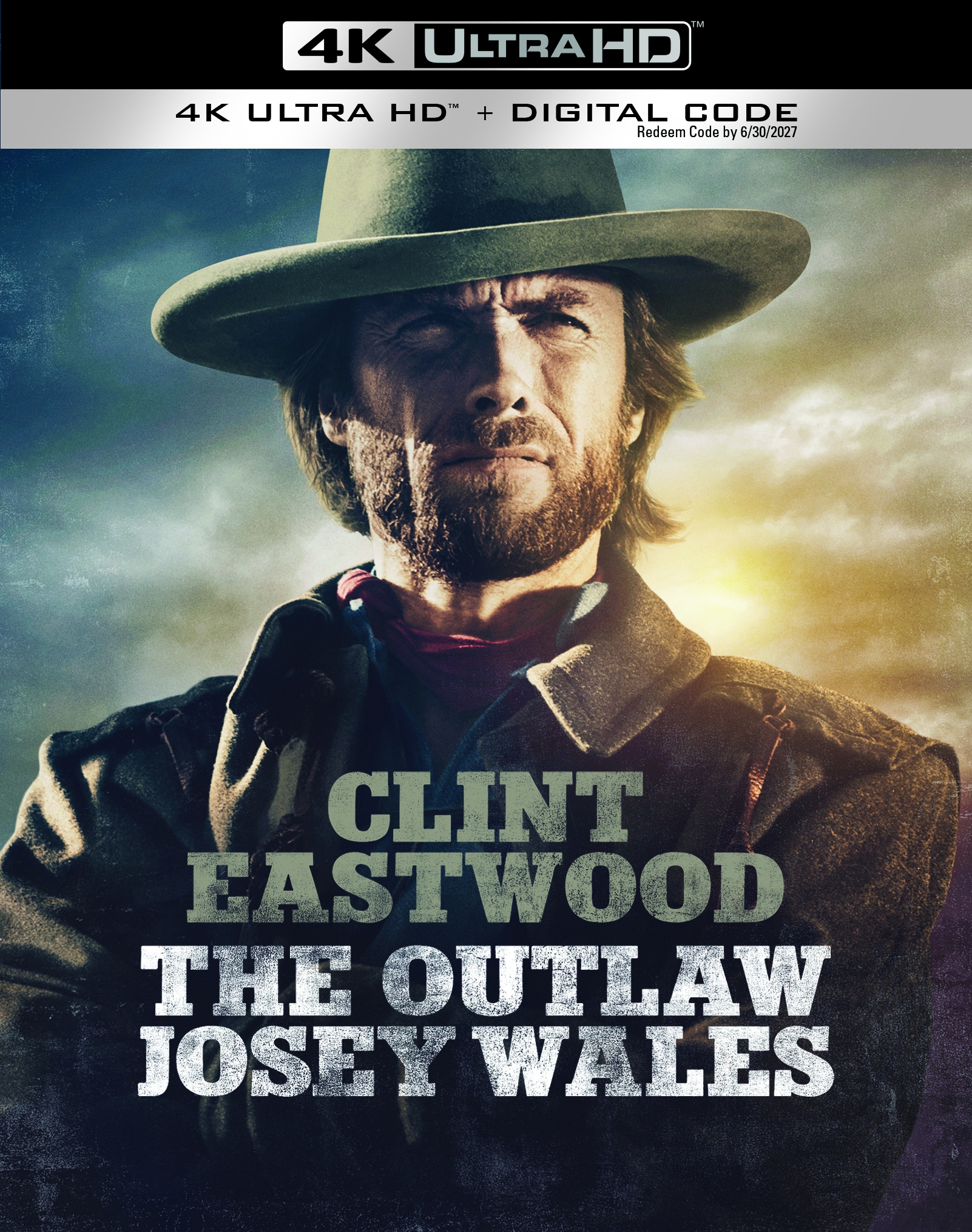
The following review was written by Ultimate Rabbit correspondent, Tony Farinella.

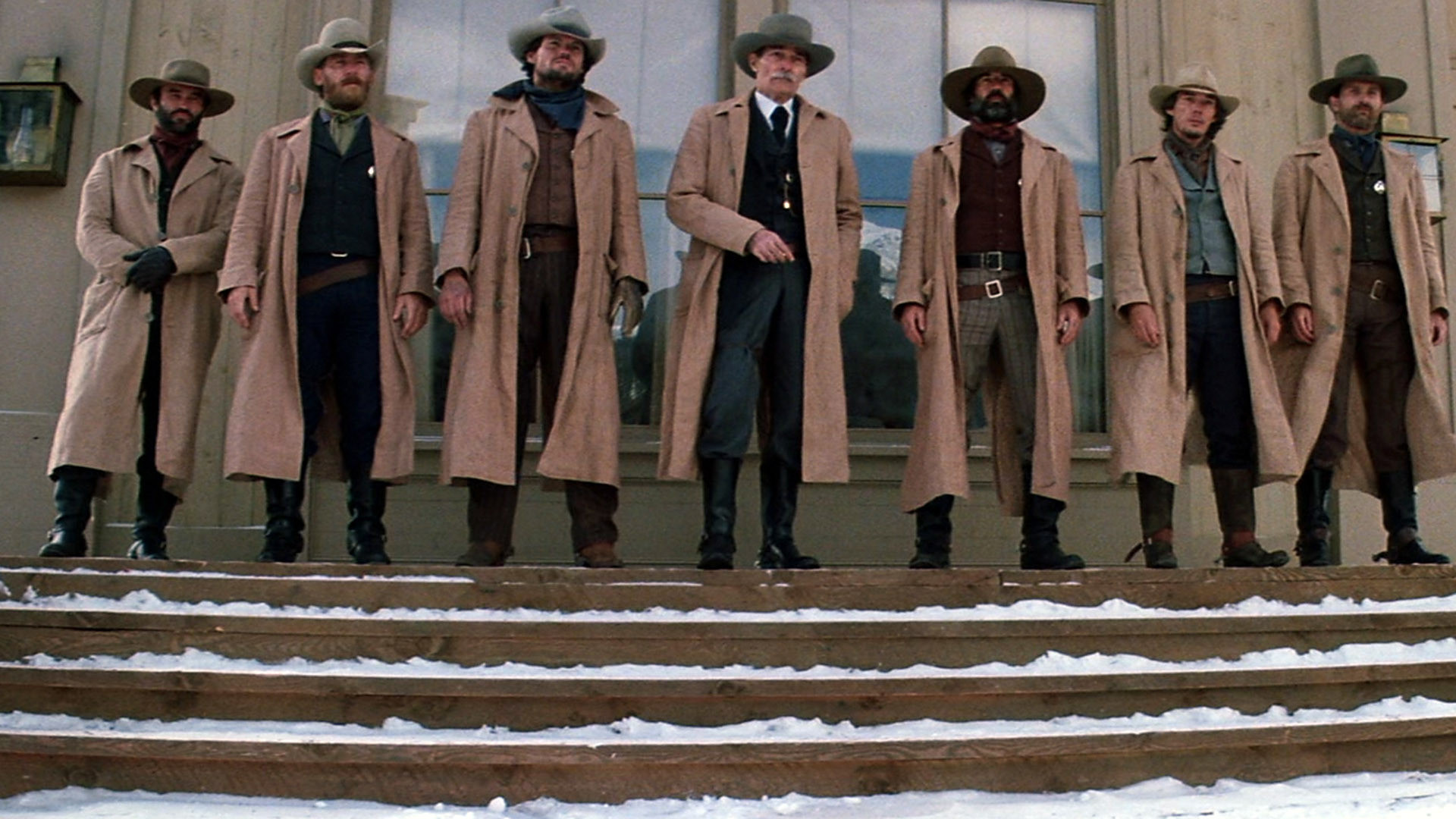
The Outlaw Josey Wales” was directed by Clint Eastwood, and it was adapted from the book, “Gone to Texas” by Forrest Carter. Eastwood is also the lead actor in the film, and he’s certainly in his wheelhouse when it comes to the Hollywood Western. When it comes to certain Clint Eastwood Westerns, some of them stand out more than others.  This film was released in 1976, and it was Eastwood’s second time directing a Western after first directing “High Plains Drifter.” He would return in 1985 with “Pale Rider” before putting his finishing touches on the genre with “Unforgiven” in 1992. For my money, “Unforgiven” is not only one of the best Westerns Eastwood ever directed or starred in, but it’s also one of the best Westerns of all time.

“The Outlaw Josey Wales” is set during the American Civil War, and it opens with the wife and son of Josey Wales (Clint Eastwood) being murdered by Captain Terrill (Bill McKinney) and his group of Union militia. Now, Josey Wales will stop at nothing to seek revenge for the death of his wife and son.  Throughout his journey, he stumbles upon a group of unique and eccentric characters who can either help him or get out of his way. Eastwood plays Josey Wales as subdued, determined, and unflappable. If he gets his pound of flesh, will he be satisfied? He’s on a mission, and he isn’t going to let anything or anyone slow him down or get in his way.
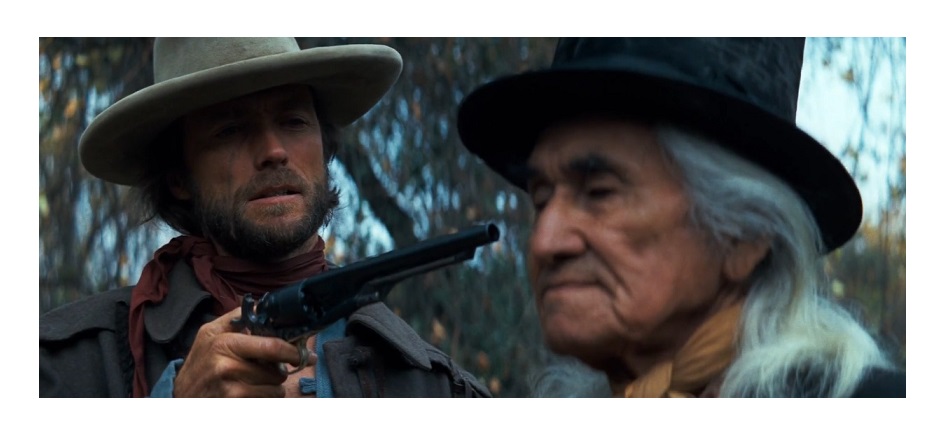
One of the more interesting characters that Josey Wales meets is Lone Watie, played by Chief Dan George. They have had an “Odd Couple” type of relationship, as it’s hard to get a read on Josey whereas Lone Watie is quite chatty. Along the way, they come in contact with various gunmen, and we quickly learn that Josey is not someone to be trifled with when he’s in a battle of life or death.  There are also quiet and reflective moments when the threat of violence isn’t in the air.  The film is shot with a keen eye by Eastwood. He’s always been a skilled and talented director, especially when he’s shooting Westerns. He makes even the mundane look spectacular and mesmerizing.

When I was watching “The Outlaw Josey Wales,” there wasn’t anything happening on screen from a plot or character perspective which drew me in or kept my attention.  I recently reviewed “Pale Rider,” which was done after “The Outlaw Josey Wales,” and that was a film with a strong pulse and interesting characters. I have seen Eastwood portray this character before, and it feels like he’s simply spinning his wheels with this performance. There is not a whole lot going on with this character of Josey, and there isn’t a whole lot going on with the majority of the story either.
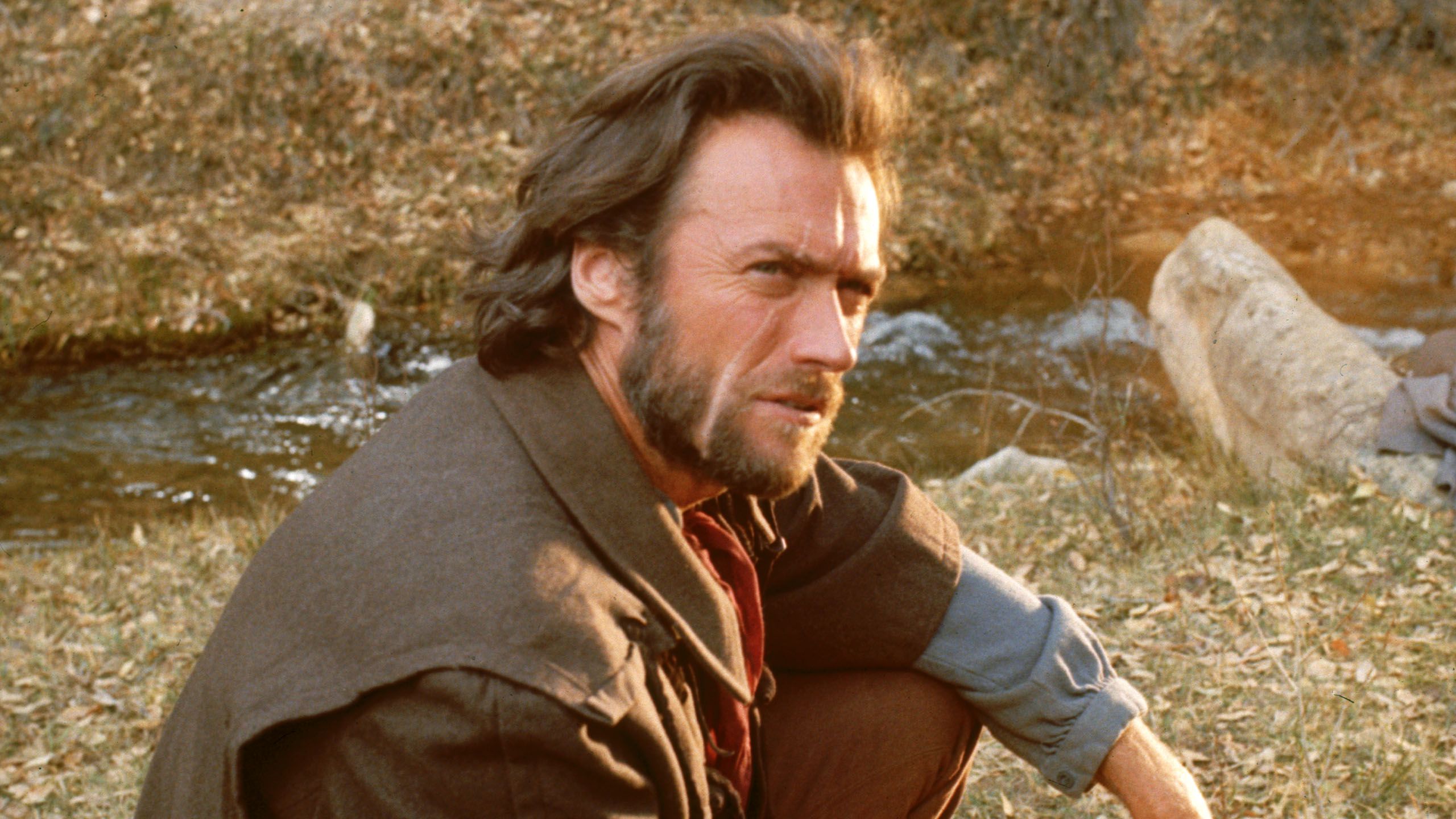
I can only get lost in the scenery and the beautiful sights and sounds for so long before I eventually start to get bored.  Make no mistake about it, “The Outlaw Josey Wales” is a beautiful film from a filmmaking perspective.  There is a ton of skill on display, and it’s a quiet and unassuming film.  The problem is it also feels bland and flat. I didn’t feel as though the film did anything to differentiate itself from a host of other Westerns which have been directed by Eastwood in the past. It’s OK for his character to not be showy, loud or outspoken, as we don’t expect that in an Eastwood Western. However, at times, it looked and felt like he was in a medically-induced coma.

As I was watching this film, I kept waiting for it to spring into action and come to life on screen. After you have seen him take out the bad guys time after time, it begins to become repetitive and it loses its luster the more you see it happen. This is a movie which is a little too focused on its sense of time and place but not focused enough on creating a captivating story.  This is a problem when you have a film that is a little over two hours long. I didn’t hate watching “The Outlaw Josey Wales,” but I didn’t particularly enjoy the experience. It left me feeling very underwhelmed.

* * out of * * * *

4K Info: “The Outlaw Josey Wales” is released on a single 4K disc from Warner Brothers Home Entertainment. It comes in either a 4K slipcover edition or a 4K steelbook. The film has a running time of 135 minutes and is rated PG. The film also comes with a digital code to redeem.

4K Video Info: The 4K of this film is absolutely magnificent.  Westerns, in particular, were made to be released on 4K. You just don’t get this type of viewing experience on Blu-ray or DVD with Westerns. The HDR on this film presents an epic picture that is utterly flawless.

4K Audio Info: The Dolby Atmos audio track also brings the film to life in your living room with a soundtrack that is big and bold. Subtitles are included in Spanish, English, and French.

Special Features:

Commentary by Richard Schickel

An Outlaw and an Antihero – NEW

The Cinematography of and Outlaw: Crafting Josie Wales – NEW

Clint Eastwood’s West

Eastwood in Action

Hell Hath No Fury: The Making of The Outlaw Josey Wales

Clint Eastwood: A Cinematic Legacy – Reinventing the West

Should You Buy It?

I had the pleasure of reviewing three Clint Eastwood 4K’s over the past week: “The Outlaw Josey Wales,” “Dirty Harry,” and “Pale Rider.” “Pale Rider,” without question, was my favorite of the three. With “Dirty Harry” and “The Outlaw Josey Wales,” I admired but didn’t love them.  I felt like I was missing something when I was watching them.  Both films are well-made and they are not terrible, but they didn’t entertain or grab me emotionally. However, I’m well aware that many people out there who love both “Dirty Harry” and “The Outlaw Josey Wales.” When it comes to “The Outlaw Josey Wales,” if you are a fan of the film, you need to add it to your collection as soon as possible.  It looks and sounds out of this world on 4K, and there is a boatload of special features here to enjoy, especially a few new ones as well. I just put this film under the category of, “It wasn’t for me.” If it is for you, you can’t ask for a better physical media release than what they have put together at Warner Brothers for this one.

**Disclaimer** I received a copy of this film from Warner Brothers to review for free.  The opinions and statements in the review are mine and mine alone.
‘Dirty Harry’ Movie and 4K Review

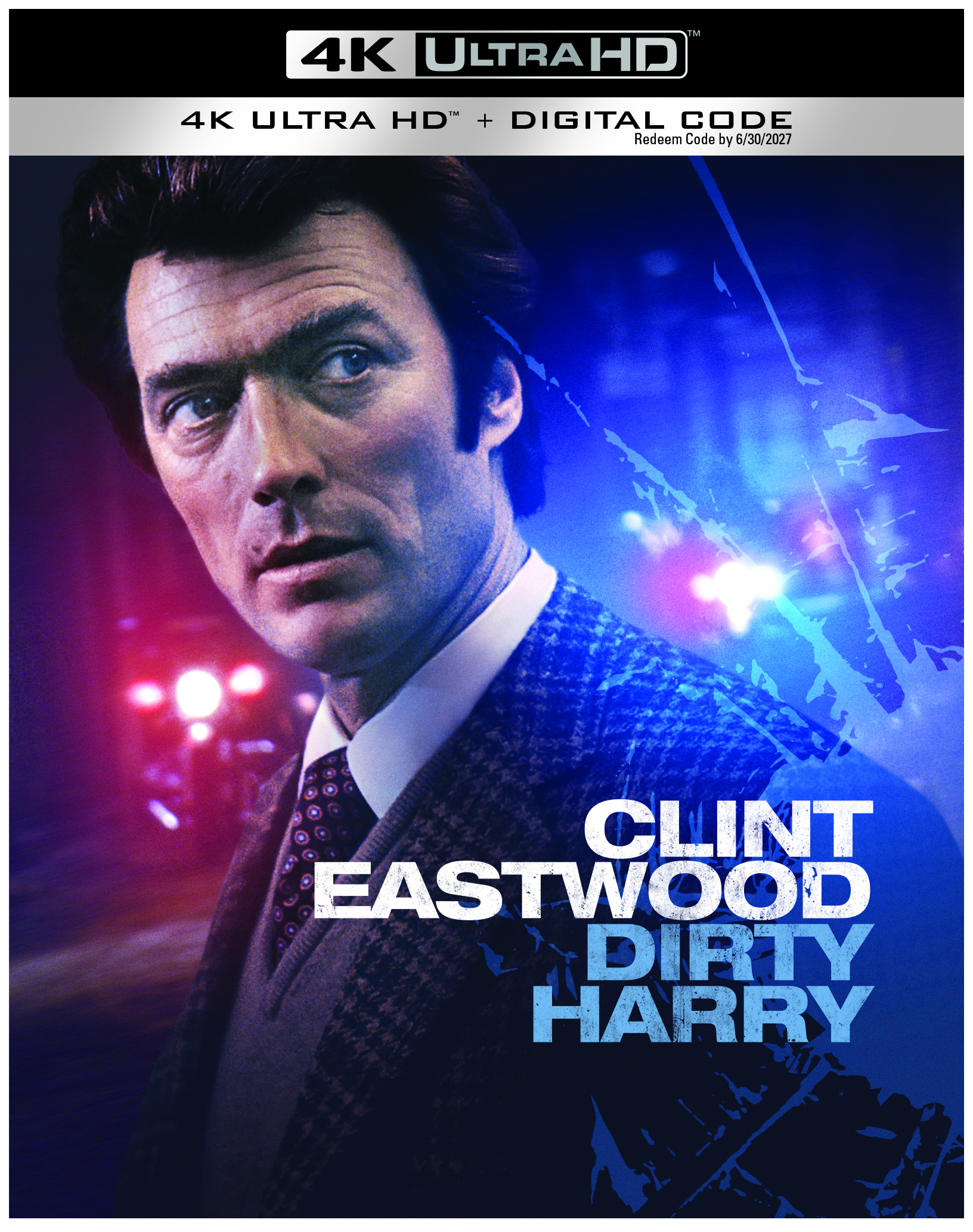
The following review was written by Ultimate Rabbit correspondent, Tony Farinella.

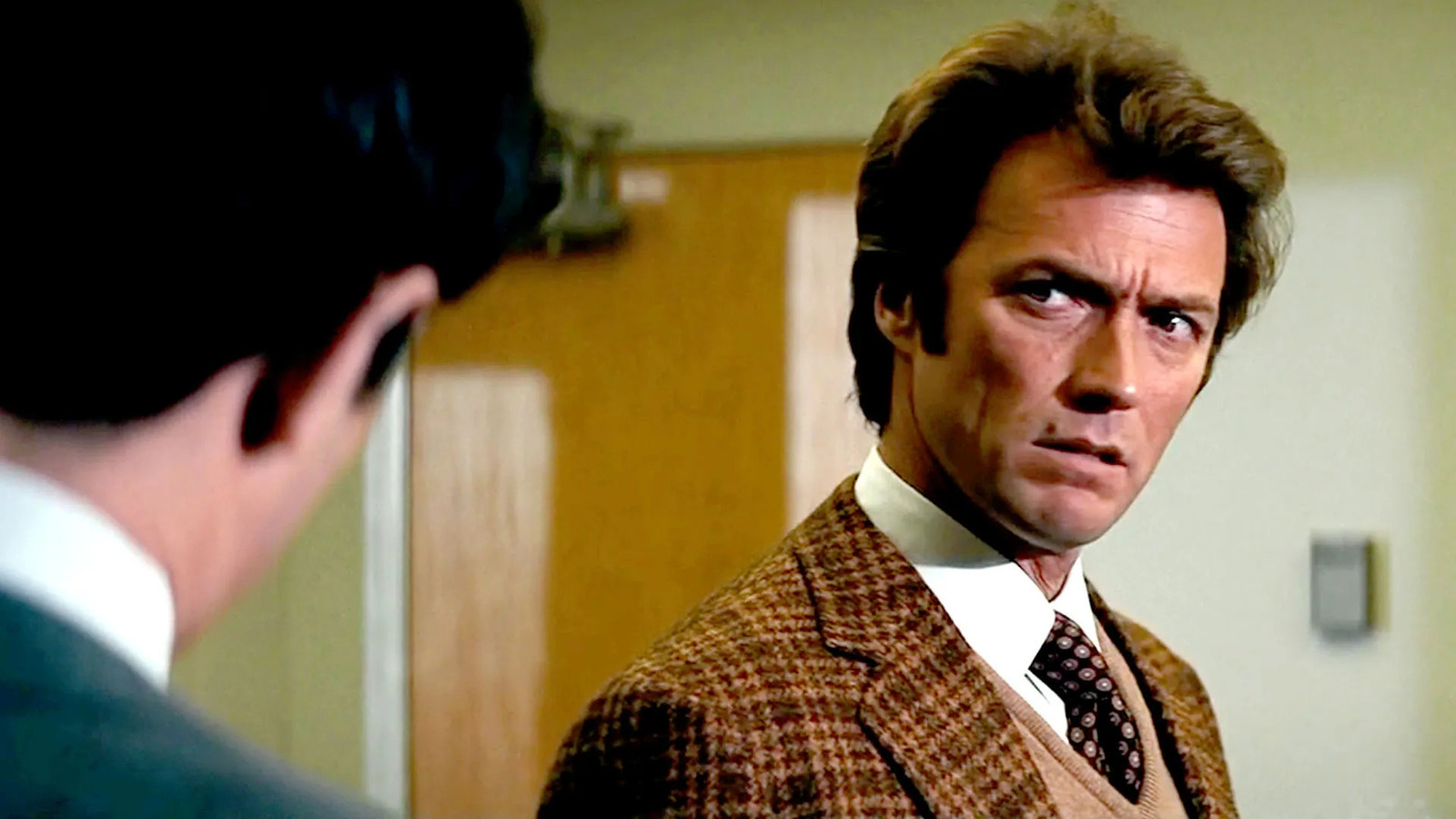
Dirty Harry” is a film I’ve heard a lot about during my almost forty years on this planet, especially when I started to watch movies regularly in my youth. It’s long been a part of American pop culture, and it’s hard for me to believe this was my first time watching it.  I’m familiar with the “Do you feel lucky, punk?” speech that has been repeated by numerous cinephiles over the past fifty years.  “Dirty Harry” was released in 1971. The 70’s are my favorite decade of American cinema, as the films back then were raw, dirty, and unapologetically in-your-face.

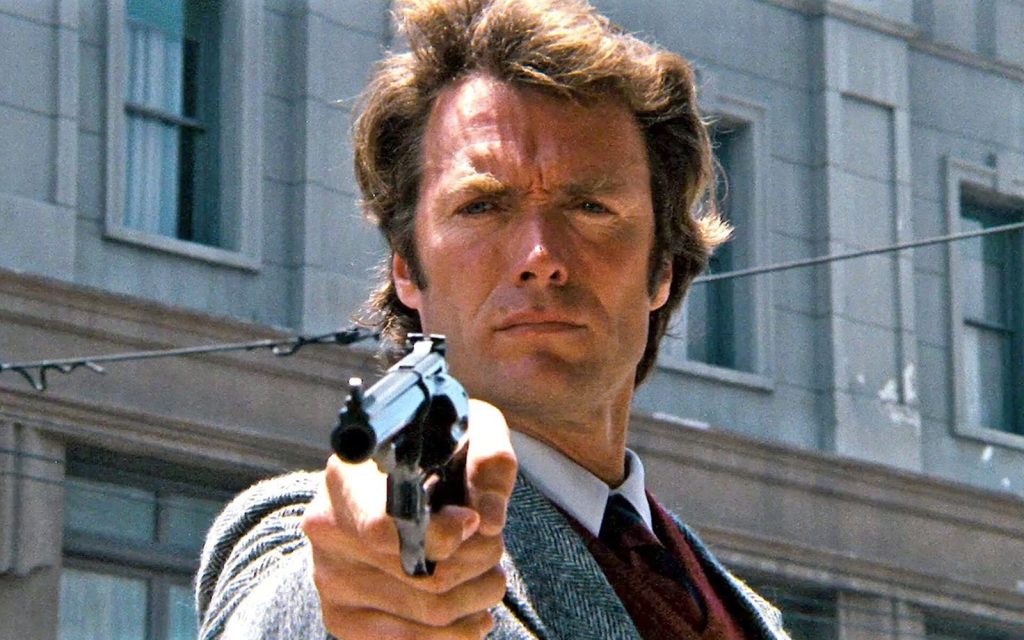
Our antagonist in this film goes by the name of Scorpio (Andrew Robinson), and when he’s first introduced on screen, he’s seen killing a woman in a San Francisco pool from a rooftop. Scorpio a vicious sniper who plans on killing more innocent people unless his demands are met.  He’s looking to get $100,000, and if he doesn’t, he will kill one person a day, starting with either a Catholic priest or an African American.  Police Inspector Harry Callahan (Clint Eastwood) found his ransom letter and wants to take matters into his own hands much to the dismay of the San Francisco Police Department. He’s called Dirty Harry because he’s not afraid to get his hands dirty and do whatever is necessary to find his man. He also appears to hate everyone equally, regardless of their race.

Harry is none too pleased when he’s assigned a rookie partner named Chico Gonzalez, played by Reni Santoni. Harry’s previous two partners ended up injured or dead. Before long, Scorpio decides he wants to raise the stakes–he wants $200,000 or he will kill a teenager named Ann Mary Deacon.  It’s up to Harry and Chico to put a stop to this before it gets even worse for the entire city of San Francisco. The biggest problems in Harry’s life come from his own police department, as they want him to play by the rules and follow police protocol.  Harry Callahan knows he’s dealing with a lunatic here, and you can’t reason with someone who is evil, maniacal, and cold-blooded.

My biggest issue with “Dirty Harry” is the fact the film presents an antagonist and a protagonist who are written in a bland and one-note fashion. Eastwood is known for his understated and minimalist approach to acting, and most of the time, it works. In “Dirty Harry,” for me, I wanted to learn more about what makes him tick and what his backstory is.  I didn’t need everything to be explained to me in granular detail, but we know very little about him.  The mystery of Harry Callahan doesn’t work in this film because I found myself detached from the character.  Scorpio is just an over-the-top villain. What is anyone’s motivation here?

“Dirty Harry” is a film which is all about the chase.  It’s all about Harry chasing Scorpio, and it’s interesting to a degree, but it doesn’t hold up for the duration of the film.  I understand the film is making a statement about police violence and what needs to be done in order to achieve a peaceful environment for everyone involved. Do the police need to resort to a more aggressive style of police protocol? Are they letting criminals get away with too much? Do the police need to bend the rules a little bit if it allows everyone to feel safe?  I understand what the film was trying to say, and I don’t need everything to be spelled out for me perfectly, but this is a film that felt flat and uninteresting to me. I needed a little more meat on the bone here.  It’s OK to have a simple story, but you need characters with a little more depth to them than simply good guy versus bad guy.

Overall, I liked the beginning and the end of the film, but the film completely lost me in the middle when it was the back-and-forth chase between Scorpio and Harry Callahan. There is little to no dialogue going on in these scenes, and I respected the style that was on display from director Don Siegel, but I needed something else to grab me to keep my attention. “Dirty Harry” is a Hollywood classic, and I understand many filmgoers hold it in very high regard.  I was anticipating having a strong reaction to it. When it was over, I thought to myself, “That’s it?”

* * out of * * * *

4K Info: “Dirty Harry” is released on a single-disc 4K from Warner Brothers Home Entertainment in either a slipcover version or a collector’s edition steelbook. There is also a digital copy of the film included in the set.  The film has a running time of 102 minutes and is rated R.

4K Video Info: The 4K HDR transfer here is striking and vibrant while maintaining a grimy and old-school look to it in the process. When the film is taking place during the day, the colors really pop and shine on screen. When it takes place at night, the deep blacks are on full display.

4K Audio Info: The Dolby Atmos track is sharp and solid throughout the film. It’s powerful without being overbearing. Subtitles are included in English, Spanish, and French.

Special Features:

Commentary by Richard Schickel

Generations and Dirty Harry – NEW

Lensing Justice: The Cinematography of Dirty Harry – NEW

American Masters Career Retrospective: Clint Eastwood: Out of the Shadows

Clint Eastwood: The Man from Malpaso

Clint Eastwood: A Cinematic Legacy – Fighting for Justice

Interview Gallery

Dirty Harry’s Way

Dirty Harry: The Original

Should You Buy It?

If you love “Dirty Harry” and it’s one of your favorite films, you’ll be over the moon about this 4K release, which includes over four hours of special features. They really made sure they went above and beyond for this 4K release, and I imagine a lot of people have been waiting a long time for this.  Visually, it’s a stunning release that is sure to satisfy physical media lovers out there. The Dolby Atmos track stands out on this as well. For people who haven’t seen the film before, like myself, I don’t know how well it will hold up with a modern audience or a first-time viewer. It didn’t connect with me, and I was disappointed by the majority of it. It was a film I respected, but I didn’t connect with it the way I have other Clint Eastwood films I’ve been watching lately. If you haven’t seen it before, you might want to watch it before you blind buy it.

**Disclaimer** I received a copy of this film from Warner Brothers to review for free.  The opinions and statements in the review are mine and mine alone.
All-Time Favorite Trailers: ‘Pale Rider’

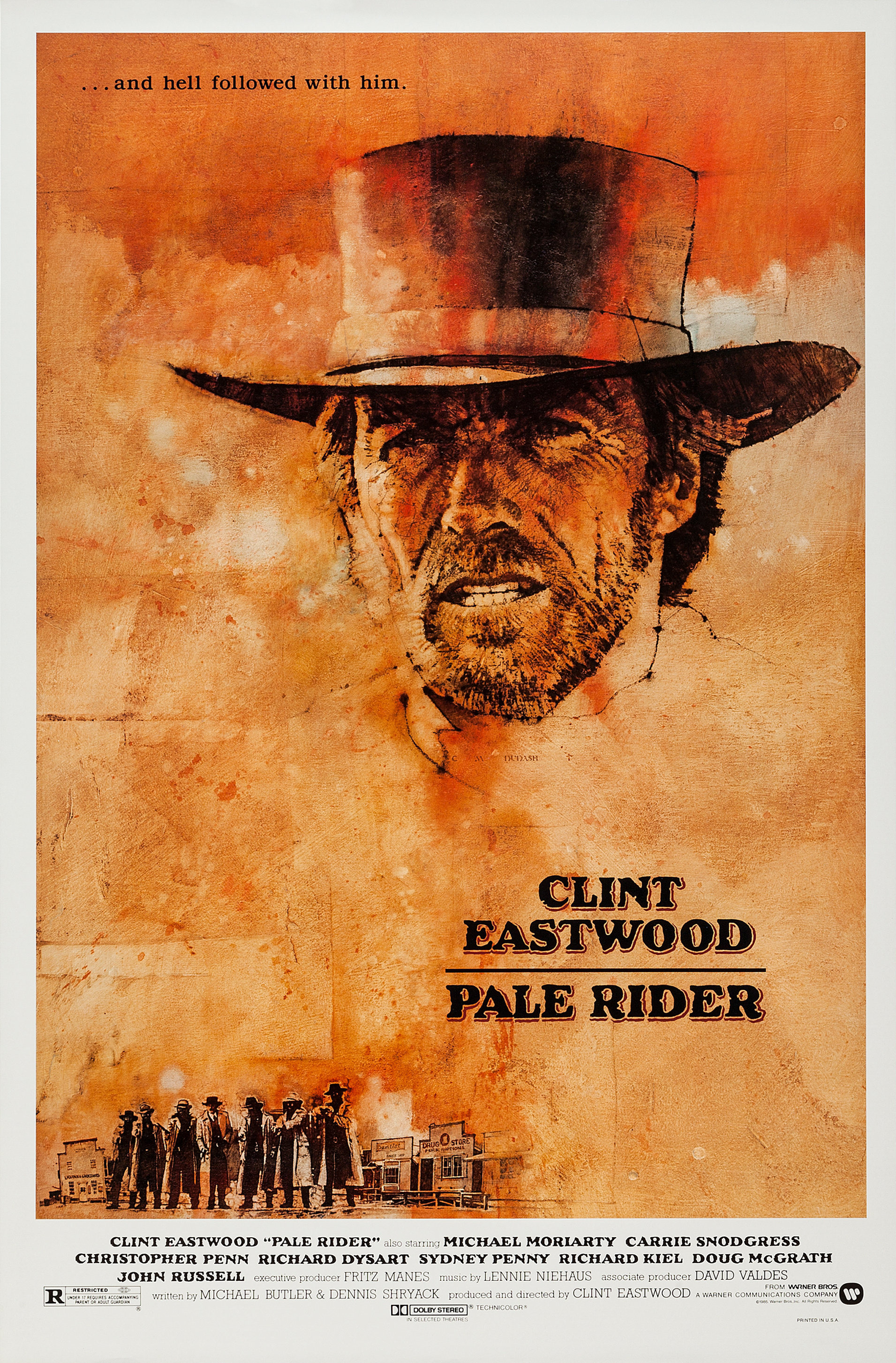
With Tony Farinella’s ever so enthusiastic review of Clint Eastwood’s 1985 western “Pale Rider,” I was quickly reminded of the various trailers made for it back in the day. Each trailer and television commercial made for it was dominated by the music of “Best Endeavours” which was composed by Alan Hawkshaw. That piece of music alone was enough to get me super excited about this particular motion picture.

But one particular trailer for “Pale Rider” which excited and stayed me throughout the years was its teaser. I first watched the teaser when it was included in the VHS release of “City Heat,” a movie which teamed up Eastwood with Burt Reynolds and eventually became one of my most inescapable guilty pleasures.

What makes this trailer for “Pale Rider” stand out for me is how it is composed simply of still images. Like the Italian movie trailer for Dario Argento’s “Suspiria,” it is the images which, in their stillness or frozen moments, spoke volumes. While Warner Brothers might have preferred more in the way of moving images, the still ones had much more of an impact on me.

Plus, it has a narrator telling us how Eastwood had previously directed the last great western back in 1976 with “The Outlaw Josey Wales.” This made the trailer’s promise of “Pale Rider” being the next great American western all the more thrilling. Whether or not you think “Pale Rider” proved to be such the thing, I admired the case the narrator sold us on.

As much as I wanted to see “Pale Rider” when it arrived in theaters, I was only ten years at the time, and it was rated R. The best I could do was watch Siskel & Ebert review it as I got to see movie clips there, and I did get to read the movie’s novelization which was written by Alan Dean Foster. For some odd reason, my parents never kept me from doing that.

I didn’t get to see “Pale Rider” until many years later, but that is a story for another time. And from now on, Alan Hawkshaw’s “Best Endeavours” will always forever be the “Pale Rider” theme to me. To others, it may forever be the theme for the British program Channel 4 News, but Channel 4 never secured permanent exclusivity rights for it at the time, so there!

Please check out the “Pale Rider” teaser trailer down below.

‘Pale Rider’ Movie and 4K Review

The following review was written by Ultimate Rabbit correspondent, Tony Farinella.

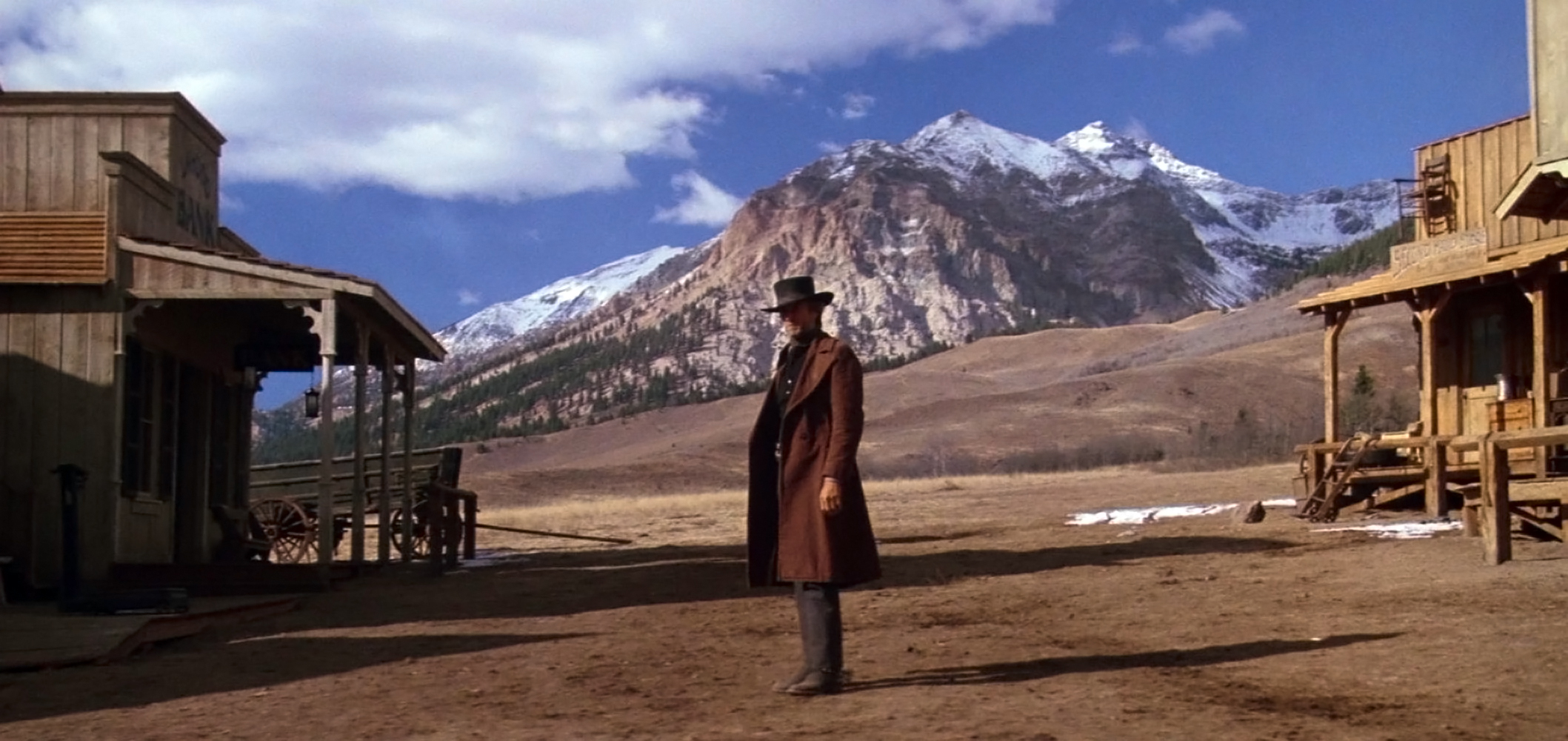
Clint Eastwood is synonymous with the Hollywood western in American cinema. For my money, the westerns of Eastwood are far superior than those of John Wayne. There is a subtlety and nuance to his films and his performances. While not all of them are Hollywood classics, they are a great example of old-school craftsmanship, especially when he’s behind the camera.  He is behind the camera for “Pale Rider,” which is celebrating its 40th anniversary with this 4K release.  It is a film I have not seen before, but after watching it for the first time, I fell in love with it immediately.

Our film is set in LaHood, California in Carbon Canyon, which is being run by an malevolent banker and a crooked marshal. The banker is named Coy LaHood, played by Richard Dysart. Since he doesn’t have the legal rights to kick the miners out of their homes, he uses violence and intimidation in an attempt to gain complete control of the land. This doesn’t sit right with Hull Barret, played by Michael Moriarty, as he’s trying to take care of his fiancée Sarah (Carrie Snodgress) and her daughter Megan (Sydney Penny). However, he’s finding little to no support in his battle against LaHood.

Megan’s prayers for peace are answered by a man known as the Preacher, played by Eastwood. He’s a mysterious and shadowy figure who shows up to save Hull after he’s attacked by four of LaHood’s men. Megan was having a hard time seeing the silver lining in much of anything after her father left, her grandfather passed away, and her dog was killed.  LaHood has brought nothing but mayhem and destruction to Carbon Canyon.  The Preacher, however, is not only giving Megan hope, but he’s also giving hope and faith to everyone in Carbon Canyon. They are not going to be kicked out of their homes, and they will not be bought off.

Westerns are often hit or miss with me as a film critic. When they are done with interesting characters, beautiful cinematography and focus on the quiet introspective moments, they connect with me and I’m completely absorbed.  One of my favorite Westerns of all time is “Unforgiven,” which was also directed by Eastwood. It deals with the aftermath of the violence and the effect it has on those who have inflicted it on others. “Pale Rider” is about the people of Carbon Canyon and how they are trying to exist, survive, and live while under the thumb of LaHood.   Eastwood, in many ways, is a supporting character in his own film.  I imagine this was by design. When he does appear on screen, everything he does is thoughtful and understated. He has a terrific scene with Sydney Penny where he describes why they can’t be together romantically. It’s delicate and, in the hands of any other filmmaker, it would have been awkward and out of place.

It all leads to the big shootout between the Preacher and LaHood’s men along with Stockburn, the Marshal, played by John Russell.  The shootout scene is impactful because Eastwood is a patient director and he takes his time in building up to the grand finale.  At the end of the day, movies are simple—introduce us to characters we are invested in, set the stage, let the actors do their work, and get out of the way. Eastwood is one of the best in the business at doing that as a director, which is one of many reasons why he’s a Hollywood legend.

I’d also like to mention the work of Chris Penn in the film as LaHood’s son, Josh. Even though Sean Penn is more well-known and established as an actor, his brother Chris was a terrific character actor who really knew how to play a slimy and underhanded villain. I’ve always been a big fan of his work.  Michael Moriarty plays a good man who is trying to do the right thing while simultaneously trying to maintain his manhood at the same time.  In many ways, even though Eastwood receives top billing, he’s the lead in the film when it comes to screen time. Carrie Snodgress and Sydney Penny bring vulnerability, strength, and warmth to their performances. This is a terrific cast.

From start to finish, I was utterly engrossed in “Pale Rider,” and I couldn’t take my eyes off the screen. There is a sense of mystery surrounding the Preacher character, and it is what keeps the story moving in a unique and captivating way.  I like to be kept on my toes. Overall, this is the kind of movie I love as a moviegoer.  The acting, from top-to-bottom, is phenomenal, the scenery is gorgeous, and the story is simple yet powerful. This is another in a long line of classic films from the great Clint Eastwood. The great thing about his filmography is there are still films of his I haven’t seen. He’s the gift that keeps on giving.

* * * ½ out of * * * *

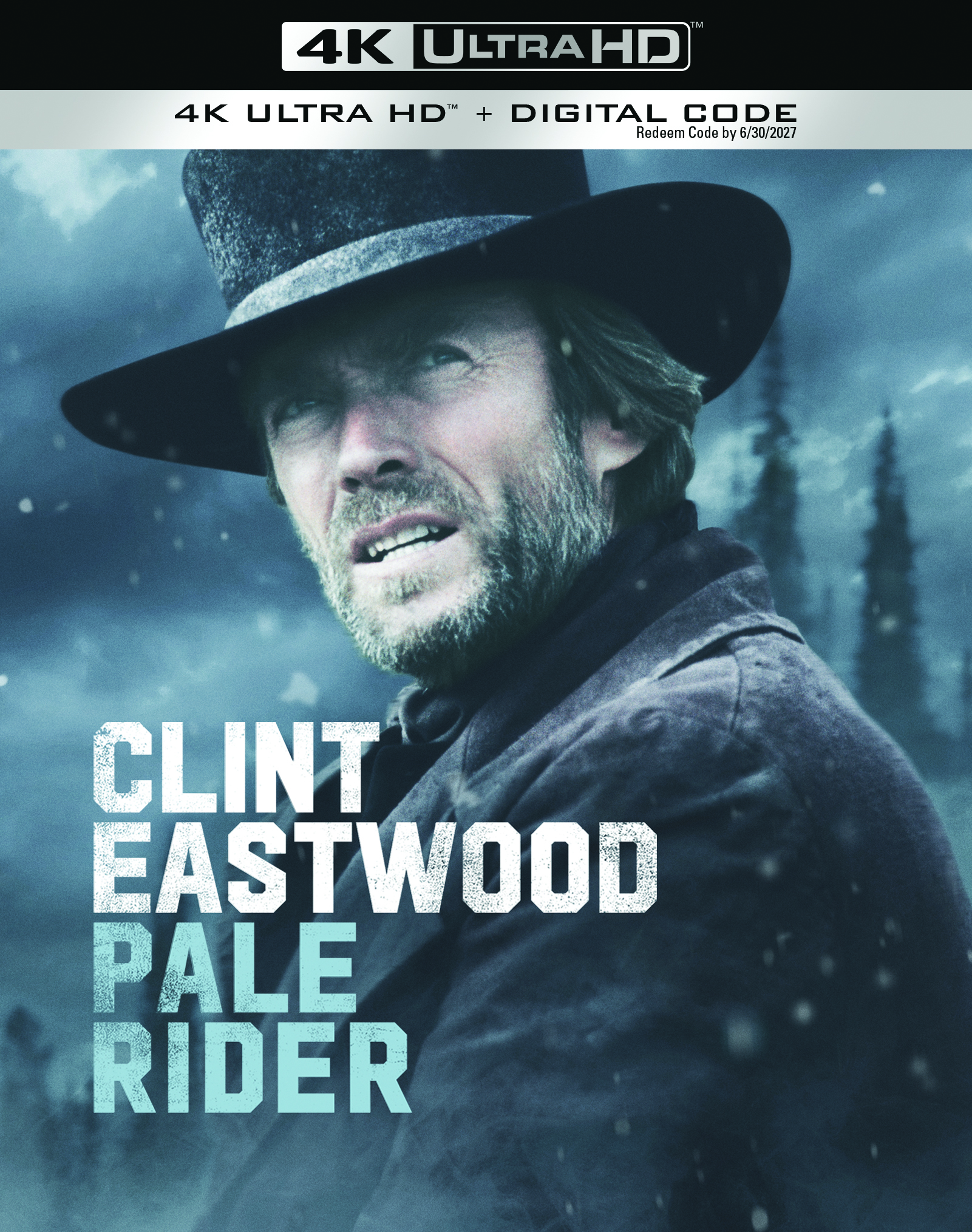
4K Info: “Pale Rider” is being released on a single disc 4K from Warner Brothers Home Entertainment. The release comes with a beautiful slipcover and a digital copy as well.  There is a steelbook version of the film available for purchase if you are interested in steelbooks over slipcovers. I prefer slipcovers myself. The film has a running time of 116 minutes and is rated R.

4K Video Info: “Pale Rider” comes with a jaw-dropping 4K HDR transfer. The film looks magnificent. Westerns, in particular, are always a welcome addition to 4K.  The landscapes are enthralling to look at and the colors are lively and vivid.

4K Audio Info: The Dolby Atmos track is out of this world as it is peaceful during the quieter moments in the film but it comes to life during the action sequences. Subtitles are included in English, Spanish and French.

Special Features:

The Diary of Sydney Penny: Lessons from the Set – NEW

Painting the Preacher: Bruce Surtees and Pale Rider – NEW

Clint Eastwood: A Cinematic Legacy – Reinventing Westerns

Eastwood Directs: The Untold Story

The Eastwood Factor

Should You Buy It?

HELL YES! “Pale Rider” is a great film.  It was almost a perfect film, and I was very close to giving it four stars. In the end, I decided to give it three and a half stars, but when it comes to owning the 4K, it’s a no brainer.  There are also new special features on this disc! So many physical media collectors often complain about the lack of new special features, but there are two new special features on this 4K disc. In total, there are over three hours of special features here! Clint Eastwood and Warner Brothers have a special relationship, and this is one of their finest films.  The audio and visual aspects of the 4K are magnificent.  This is one of my favorite 4K releases of 2025 so far, and I can’t wait to watch “Dirty Harry” and “The Outlaw Josey Wales” on 4K from Warner Brothers. They hit a home run with this release, and you owe it to yourself to add this film to your collection. This one comes highly recommended.

**Disclaimer** I received a copy of this film from Warner Brothers to review for free.  The opinions and statements in the review are mine and mine alone.
‘Juror No. 2’ Movie and Blu-ray Review

The following review was written by Ultimate Rabbit correspondent, Tony Farinella.

Juror No. 2” is the latest film from legendary director Clint Eastwood, and at age 94, it is beyond impressive he is still directing films.  With this one, the biggest controversy surrounding it is the fact that it was released in a limited number of theaters. With a pedigree like Eastwood’s, you would expect his films to get a wide release. However, with the current state of cinema, an adult drama is hard to sell to audiences who are more interested in big action spectacles, sequels and comic book franchises. Nonetheless, whether or not this is Eastwood’s last film or not, one thing is certain: He hasn’t lost any speed on his fastball.

“Juror No. 2” stars Nicholas Hoult as a soon-to-be-father named Justin Kemp who is looking to get out of jury duty. He wants to be there for his wife, Allison (Zoey Deutch), who is in the third trimester of a high-risk pregnancy. However, he is called into a case which involves the death of a young woman named Kendall Carter, who is played by Francesca Eastwood. She was in a relationship with a hot-tempered and aggressive man named James Michael Sythe (Gabriel Basso), who is being accused of her murder after her body is found dead shortly after they were seen arguing together at a bar.

As they say in most murder cases, the husband did it. For most of the twelve jurors, it seems like an open and shut case. However, Justin, a recovering alcoholic, is starting to piece together information about that infamous night. He remembers certain details about that night, and it’s up to him to decide what to do with that information.  As soon as he starts to raise doubt in the mind of one juror, a former homicide detective played by J.K. Simmons, the rest of the jurors soon follow. Now, all twelve jurors need to come together and figure out what to do with this trial, which seemed so simple in the beginning. Now, it’s anything but simple and cut and dry.

The first hour of “Juror No. 2” does a fantastic job of crafting an interesting, complex and fascinating story to grab the audience into this case.  I’m a big fan of courtroom dramas when they are done well and, in the beginning, this looked to be a good story, and I felt as though I was in good hands because Eastwood was directing. In today’s world of true crime obsession, it’s easy to see why this film would be a hit with viewers. As a matter of fact, one of the jurors is even a big fan of true crime podcasts, and she is the one who says the husband is usually the one who is behind the murder.  She also acknowledges how sometimes the police overlook important evidence in an attempt to close the case and move on.

The unfortunate part with this film is it really loses its way in the second half. It starts to get implausible and, at times, rather silly.  It requires the characters to act in a way that serves the story instead of the truth of their individual characters. When the film was over, I felt unsatisfied by the conclusion.  I understand they were going for an ambiguous ending, and I didn’t need everything to be tied together in a neat little bow. That being said, when the film ended, instead of it being a conclusion that felt like, “Oh wow, that was a bold choice,” it felt like, “Eh, at this point, it doesn’t matter.”

“Juror No. 2” features solid performances from Toni Collette, Chris Messina, Kiefer Sutherland and Cedric Yarbrough, but even they can’t save the messy screenplay. Another issue with the film is the lead performance from Hoult. For the film buffs out there, they are likely to remember “About a Boy” and how Hoult is reunited with his movie mom, Toni Collette. Time sure flies by! However, I felt as though he was doing a poor Tom Cruise impression with his performance. His acting really left a lot to be desired, and the performance felt forced and strained. The direction by Eastwood is top-notch as usual, and he is more than capable of directing at a high level for as long as he chooses to, but he needed a better leading man and a better script for his film.

* * out of * * * *

Blu-ray: “Juror No. 2” is released on a single disc Blu-ray from Warner Brothers Home Entertainment. It also comes with a digital copy of the film. The film is rated PG-13 for some violent images and strong language and has a running time of 113 minutes.

Audio and Video Information: There is a solid Dolby Atmos track included here, which was a pleasant surprise. It packs a good punch during the more dramatic scenes. The video quality is also solid.

Special Features: None

Should You Buy It?

“Juror No. 2” is a fine film to watch on a rainy afternoon weekend with your significant other.  It is entertaining, well-made, and it also features top-notch performances from its talented cast.  However, it’s not a movie that requires repeat viewings or the kind you need to go out and buy.  It’s on Max, and that is a perfect place to watch it. There is some good in the film, but it really falls apart in the second half.  It suffers from a pretty run-of-the-mill screenplay. It has drawn comparisons to “12 Angry Men,” but it’s only similar in concept and not in execution. I’m always happy to see a new film from Clint Eastwood, and I hope he has another movie or two left in him. 

**Disclaimer** I received a copy of this film from Warner Brothers to review for free.  The opinions and statements in the review are mine and mine alone.
‘American Sniper’ Movie and 4K Review

The following review was written by Ultimate Rabbit correspondent, Tony Farinella.

Out of all the films I watched in 2014, “American Sniper” was the one which hit me the hardest.  I had never seen a film like it before, and I was surprised I enjoyed it as much as I did, considering I’m not a huge fan of war films. This is much more than a war film, though.  It’s a personal story, and this part of the film resonated with me much more than any shootings. Although there is one particular shooting that made me wince, Chris Kyle was only doing what he was trained to do as a Navy Seal.

Bradley Cooper stars as Chris Kyle in one of the best performances of his career.  Not only did he put on the weight to play Kyle, but he completely became him.  On the special features, they talked about how they would have moments on set that would cause goosebumps because his performance was so true to life.  It’s always a thing of beauty when you see an actor completely devote themselves to a role and a film.  It helps that the film was directed by the legendary Clint Eastwood.  There’s also a quality screenplay by Jason Hall, adapted from Kyle’s book of the same name.

Kyle believes strongly in America and goes through some intense training that would make most men run for the hills, but he eventually becomes a sniper for the Navy Seals. Before he even attempts to do this, someone informs him that most men quit.  Kyle says he is no quitter.  Meanwhile, he meets his wife, Taya, played by Sienna Miller, and they eventually have a child together, adding even more pressure to Kyle’s life.  He ends up taking part in four tours, which puts a strain on their relationship and his well-being.  He knows he is doing a service to his country and protecting his fellow men, but that doesn’t make things any easier.

Bradley Cooper gained 40 pounds of muscle to play Navy SEAL Chris Kyle in the film American Sniper. “It wasn’t at all like a costume,” he said. “It was like … this sort of transformative experience to me because there was no going home from it.”

One of the things I admired the most about this film was the patience in which it was filmed.  Kyle ends up doing four tours, and we get to see the tours along with him spending time with his family.  For me, the “at home” scenes were far more effective than his time as a sniper.  This is not to take anything away from his time on tour and how it’s filmed.  The scenes are jarring and extremely well shot.  I’m just always more engrossed in the human side of the story, and that truly adds more to what’s happening during his time becoming “The Legend”, a nickname he seems proud of at times, but also a little uneasy about as well.  He is known as the U.S.’s deadliest sniper.

A lot of attention and praise was put on Cooper upon the film’s release, but credit also goes out to Miller as she has an extremely tough role to portray as well as Taya.  She has to be supportive of her husband while also looking out for the best interests of her family.  One thing is certain: her love for Kyle never waivers.  She just worries about feeling disconnected from him.  It’s clear he’s not the same when everything is over.  How can he be?  As he tells his psychiatrist, he thinks more about the men he couldn’t save as opposed to the ones he did.  However, Taya wants her husband back, and she wants the man she married.  The ability to disconnect from the war is a hard one, and that is explored in great detail in this magnificent film.

“American Sniper” made my list of the top ten films of 2014, and it is also one of the best films Eastwood has ever directed.  Everyone watches movies for various reasons. I watch movies to be moved and engrossed by great stories and fascinating people.  On my third viewing, I’m happy to report “American Sniper” holds up incredibly well.  It’s also enhanced by the 4K transfer Warner Brothers has added to the film as well.  It was released a few years before 4K discs became a reality, and with this being the ten-year anniversary of the film, it’s a great time to add it to your collection and upgrade the Blu-ray if you already own it.

* * * * out of * * * *

4K Info: “American Sniper” is released on a single 4K disc from Warner Brothers Home Entertainment. It also comes with a digital copy of the film as well. The film runs at 132 minutes and is rated R for strong and disturbing war violence, and language throughout including some sexual references.

Video Info: “American Sniper” on 4K really takes you into the heat of battle.  I did mention that the war scenes didn’t hit me as emotionally as the sequences between Chris and Taya, but they still had their impact nonetheless.  You would have to be a rock to not be moved and affected by what’s happening on screen.  All of it is shot with just the right number of colors and texture.  It’s sort of a dreary looking film, but that is to be expected with war.

Audio Info: The Dolby Atmos soundtrack is also an improvement over the inconsistent audio on the previously released Blu-ray of the film, which was a bit too loud at times.  This time, it’s right on cue throughout the entire film. It was also fairly consistent during the quieter moments as well.

Special Features:

One Soldier’s Story: The Journey of American Sniper

Chris Kyle: The Man Behind the Legend

Clint Eastwood: A Cinematic Legacy – The Heart of a Hero

Navy SEALs: In War and Peace

Bringing the War Home: The Cost of Heroism

The Making of American Sniper

Guardian

Should You Buy It?

American Sniper” is finally on 4K, and it was well worth the wait.  The technical aspects are amazing, as they usually are with a Clint Eastwood film, especially on 4K.  Bradley Cooper turns in an astounding performance and one which really hit me like a ton of bricks. Sienna Miller also turns in an underrated and potent performance as well.  This is a film firing on all cylinders, and it will make a great addition to your physical media collection.  This is top-notch filmmaking and a film that comes from a labor of love from everyone involved.  When you have films like this one, the audience is the ultimate winner.  The special features are also ported over the Blu-ray release as well, and they add a lot of context and information on the making of the film and Chris Kyle’s backstory.  This is a day-one purchase, especially with the impressive slipcover which is included with this release.

**Disclaimer** I received a copy of this film from Warner Brothers to review for free.  The opinions and statements in the review are mine and mine alone.
No, I Haven’t Seen It Until Now: Akira Kurosawa’s ‘Ran’

I pride myself on having a vast knowledge of movies. While my many of my friends stumble across a movie they don’t recognize, I am usually quick to name it even if I have never watched it before. Everyone is amazed at how I could know such things. Still, when it comes to older movies and the great filmmakers who ever lived, there are still many I need to catch up on.

One of those filmmakers I really need to catch up on is Akira Kurosawa who is considered by many to one of the greatest of all time. Until I saw “Ran,”, the only movie of his I had previously watched was “The Seven Samurai” which really is one of greatest movies ever made. Of course, I got exposed to the American remake, “The Magnificent Seven,” beforehand, but anyway.

“Ran” was the very last movie Kurosawa made on such an epic scale, and as amazing as it looked when it was first released, this is even more the case more than 30 years later. Kurosawa clearly had the power to request literally thousands of extras, and it is easy to see well-dressed studio executives looking at him to where, had he made this movie today, would have asked him:

“Can’t you just add all these people in with CGI? Wouldn’t it be easier and cheaper just to hire like 50 guys instead of 1200?”

If they didn’t ask them that, they would obviously come up with the obvious solution:

“We’ll solve it in post!”

Looking at the title and scenes from the movie trailer, I figured the title “Ran” meant the main characters were running from certain doom throughout like it was a big chase. This should show you what I know about the Japanese language, and that is not much. “Ran” actually means “revolt” or “chaos,” and Kurosawa’s movie is filled with so much of both to where this is ends up being a cinematic experience both physically and emotionally draining.

Kurosawa based the story on the legends of the daimyo Mori Motonari and of how he had three sons who were intensely loyal to him. This led him to look at the story a little differently and say the following:

“When I read that three arrows together are invincible, that’s not true. I started doubting, and that’s when I started thinking: the house was prosperous and the sons were courageous. What if this fascinating man had bad sons?”

Of course, anyone familiar with William Shakespeare will say that “Ran” is heavily influenced by the tragedy of “King Lear.” Indeed, the story very much resembles that of “King Lear” as we watch a powerful leader abdicate his throne, and he ends up being betrayed by his own blood in the process.

The powerful leader at the center of “Ran” is Hidetora, leader of the Ichimonji clan. The story starts with Hidetora abdicating his throne to his three sons Taro, Jiro, and Saburo. The majority of the power is given to Taro who is his eldest son, and Jiro and Saburo are ordered by their father to support him no matter what. Saburo, however, does not agree with Hidetora’s decision to disperse all of his powers, reminding him how his kingdom came about through his own treachery and massacre of others. Hidetora starts acting all uppity as if he’s a superstar celebrity who is not used to hearing the word “no” much, and he banishes Saburo from the clan as well as his servant Tango who speaks in Saburo’s defense. It’s amazing what breaking three arrows together can do to a man’s ego.

From there, it is a vicious downfall for Hidetora as he is banished from his kingdom ever so coldly. Many characters here profess to believe in a god, be it Buddha or someone else, and they pray for their assistance in this little world which is quickly collapsing. If there is a god watching over them, he, or she, is blind to their sufferings or deaf to their endless prayers. Hence, this is quite a bleak movie from a thematic and visual standpoint.

After watching “Ran,” I was compelled to learn more about it. While researching the movie more deeply, It turns out “King Lear” never really entered Kurosawa’s mind until he was deep into pre-production. Along the way, he did incorporate different elements of the play into it, and he had this to say about Shakespeare’s classic tragedy:

“What has always troubled me about ‘King Lear’ is that Shakespeare gives his characters no past. … In Ran, I have tried to give Lear a history.”

Now this is what gives Hidetora, among others characters, such gravity throughout the nearly three-hour running time. He was not a leader who earned his kingdom through family succession, but through the pillaging of villages and murdering those who were against them. Perhaps he would like to forget this, but his power and family are forever stained by his deeds, and he is reminded of this in the most painful of ways.

With this in mind, it is no wonder two of Hidetora’s three sons end up turning against him. What his legacy has taught them is you can’t get anywhere in life without beating the crap out of the other guy and stealing everything he and his followers have. Only Saburo is fearless and selfless in telling him this and of pointing out the fact he will always be seen as a killer. Saburo at least cares enough to tell him this instead of just sucking up to him like his brothers do. Some people hear the word “yes” once too often when they need some others say “no” every once in a while.

As we see Hidetora losing his mind and in a state of disbelief, I was reminded of Will Munny, Clint Eastwood character from “Unforgiven.” Both these characters become sick, and in their feverish state they become haunted by the lives they ended ever so coldly. They have tried to convince themselves they are not the same people they once were, and Hidetora appears to develop amnesia in an effort to block his mind of his past deeds. But nightmares abound in his sleep reminding him of the price he has yet to pay. You could even compare this character to Anakin Skywalker who becomes the very thing he fought against in “Star Wars Episode III: Revenge of the Sith.” In the process of trying to prevent the love of his life from dying, he gives up everything he believes in. Hidetora believes that by passing the leadership duties to his oldest son his clan will continue to prosper. The more we fear of something bad happening, the more likely that bad thing will happen.

Taking this into account makes me realize one of the most important elements in the Kurosawa movies I have seen; they are very dependent on the depth of their characters as much as they are on spectacle. Granted, this is only the second movie of his I have seen, but it feels like just enough to understand why his cinematic works made such a strong impression on Steven Spielberg and George Lucas (“The Hidden Fortress” is said to have been a huge influence on “Star Wars”). Most movies today are just about spectacle, and the characters are usually a distant second to it. But it is this focus on character which makes “Ran” so involving and gives its epic scope much more meaning.

But let’s talk about the spectacle of “Ran” which is incredible to say the least. One of the key sequences is the horrific massacre which takes place at the third castle where Hidetora takes refuge. What really struck me was how Kurosawa put Tōru Takemitsu’s music score over the sounds of violence perpetrated by his sons as it gives what is being presented to us with far more emotional power. Takemitsu’s music further illustrates the immense tragedy tearing this powerful clan apart which leaves Hidetora in an endless state of shock. Without the music, it would still be a cinematic high mark of capturing battle on celluloid, but it would not have the same effect.

The bloodbath of the massacre is made all the more vivid by Kurosawa as “Ran” was made long before the advent of CGI effects. With this sequence, Kurosawa brilliantly captures the ugliness and viciousness of war, and of the cruel nature which dominates these characters’ humanity.

All the acting is nothing short of excellent from as the entire cast invests each of their characters with various complexities which allow them to surprise us in unexpected ways. Hidetora is played by Tatsuya Nakadai, and he immerses himself completely into playing a man whose own pride and self-righteousness proves to be his undoing. Without saying a word in the last half of the massacre, Hidetora communicates his utter regret of his thoughtless decision making which has led to the decimation of what he once had. Nakadai makes Hidetora’s eventual descent into madness all the more vivid, and his performance never ever descends into camp.

I also loved Mieko Harada’s performance as Lady Kaede, Kurosawa’s version of Lady Macbeth. Through her deceitful ways, viciousness and endless manipulation, she always seems to get her way and turn the men around her into quivering jelly. Harada’s moments onscreen are among my favorites as she exploits the fears of the men around her and seduces them despite their mistrust of her. Never let it be said that Kurosawa ever writes weak roles for women because it certainly isn’t the case here. Lady Kaede wants to maintain her high status in the clan, and she is ruthless in how she pursues it.

You could say they don’t make movies like “Ran” anymore, but it did come out in a time when they weren’t being made much. For many, it serves as the culmination of all his talents, of what he has accomplished in his career, and of all the struggle and tears he shed while making this movie. During the making of “Ran,” Kurosawa’s wife passed away. By the time he got around to shooting the movie after working on the script for ten years, he was almost completely blind. Regardless of these setbacks, nothing stopped him from making this movie.

Years after its release, “Ran” stands as one of the classic movies from one of the best filmmakers ever. No one can or should doubt the heart and soul Kurosawa put into it for years and years, and getting to see it on the silver screen was a real treat. When all is said and done, the silver screen is where this movie belongs.

* * * * out of * * * *

‘The Lincoln Lawyer’ – The Beginning of the McConaughey Renaissance

WRITER’S NOTE: This review was written in 2011, back when the McConaughey renaissance was just beginning. This almost marks the 1,000th post on The Ultimate Rabbit website!

Okay, now how many dramas and thrillers featuring a lawyer as the main character have we had these past few years? Heck, how many novels featuring lawyers have been thrust at us? After everything written by John Grisham and Scott Turow, you’d think the world would have had enough of legal thrillers whether or not they made it to the silver screen. It all reminds me of that joke we’ve all heard:

“What do you call a thousand lawyers at the bottom of the ocean? A good start!”

As a result, I was in no immediate hurry to check out the latest legal thriller adapted into a movie, “The Lincoln Lawyer.” This particular one is about a defense lawyer who has no scruples about what he does, but he ends up getting involved in a case which haunts his conscience like no other. Looking this plot line over, it sounds like “Primal Fear” all over again. How many times have we been down this road? Yes, I agree, far too many.

But alas, while “The Lincoln Lawyer” breaks no new ground in the legal thriller genre, it does contain many clever twists up its sleeve which distinguishes it from others of its ilk. It is based on the novel of the same name by Michael Connelly who is best known for writing detective novels and crime fiction. One of his previous books, “Blood Work,” was turned into a movie by Clint Eastwood, and it is one of the very few Eastwood directed movies which really sucked. It turns out, however, that “The Lincoln Lawyer” was actually Connelly’s first legal novel, and it introduced the world to one of his most popular literary creations, Mickey Haller.

Mickey Haller is a criminal defense attorney who spends his time defending the kind of people we would all rather see behind bars. Instead of a regular office, he works out of his Lincoln Town Car which he gets driven around in by Earl (Laurence Mason), a former client of his who is working off legal fees he owes. He has an ex-wife, Margaret McPherson (Marisa Tomei), whom he is still on good terms with even though she works on the opposite side of the court as a prosecutor, and they have a daughter whom they both dote on, and you at times wonder why these two ever bothered to divorce. If James Carville and Mary Matlin can maintain a marriage, why can’t these two?

Anyway, Mickey ends up defending Louis Roulet (Ryan Phillippe), a Beverly Hills realtor who is accused of viciously assaulting a prostitute. The case, after some research, looks to be an open and shut deal for this ever so confident lawyer. However, more problems arise to where things are not what they appear to be.

That’s all I’m going to say about the plot. To say anymore would be to give away a good deal of what happens. What I will say is that it makes for a good story in how someone has to find a way to find justice without being forever disbarred from practicing law.

Much of the success of “The Lincoln Lawyer” belongs to the actor chosen to play Mickey, Matthew McConaughey. After seeing him in so many useless romantic comedies, he gets one of his best roles to date here. Believe me when I say he is perfectly cast in this role, and he nails Mickey’s sly confidence and cocky demeanor as he works his way through the courtroom to get what he wants and needs. Mickey is to an extent an amoral character, one who appears to care less about whether or not those he represents will commit crimes again after he gets them off. But McConaughey is so cool here that we find it impossible to hate Mickey, and we love his (if you’ll forgive the expression) “Rico Suave” ways which he utilizes around everyone he meets. Whether or not you agree with what he does, we all would love to have his coolness and persuasiveness when it comes to talking with and influencing others.

It also helps that McConaughey is surrounded by a great cast of actors who give him plenty to work with. Tomei remains as terrific and super sexy as ever in her portrayal of Margaret, and she shares strong chemistry with McConaughey throughout. We also get an entertaining turn from the always dependable William H. Macy as investigator Frank Levin, Haller’s right-hand man who succeeds in getting the facts whether he does it legally or illegally. We also get strong turns from John Leguizamo, Michael Peña, and Frances Fisher who all bring their best selves to this material.

But one performance I want to single out here is Ryan Phillippe’s. As a Beverly Hills playboy who has had everything handed to him on a silver platter throughout his life, Phillippe excels in convincing everyone around and the audience of Louis’ intentions. Still, there is that glimmer in Louis’ eyes which suggests not everything he says or implies is on the level. Phillippe has been better known these past few years as Mr. Reese Witherspoon, but however things went down in that relationship, he deserves to be noted for his acting here and in other movies he has been in. Watching him onscreen here is riveting because he always leaves you guessing as to what will happen next.

Directing “The Lincoln Lawyer” is Brad Furman, and the only movie he previously directed is “The Take.” I really liked how vividly he captured the urban environment of Los Angeles, and it never felt like he was filming on some ordinary Hollywood set. With a story like this, Furman could have easily gone in that direction, but he gives each scene a solid reality which doesn’t feel all that far from the one we inhabit. He also keeps the suspense up throughout and gives us some tension filled scenes which keep us at full attention as if someone is about to come from behind us and bash our brains in.

Like I said, “The Lincoln Lawyer” does not reinvent the legal thriller genre, but it reinvigorates the genre with a strong and enigmatic main character and a story with twists we haven’t seen in some time. In a way, this movie brings McConaughey around full circle as he made his big breakthrough in the film adaptation of John Grisham’s “A Time to Kill.” Soon or later, this man who keeps telling us to just “keep on livin’” had to play another lawyer. I hope for his sake he gets to do a follow up to this one as he has this character down flat. Maybe others could have done it better, but who comes to mind as quickly as McConaughey?

* * * out of * * * *

‘Cry Macho’ Movie and Blu-ray Review

The following review was written by Ultimate Rabbit correspondent Tony Farinella.

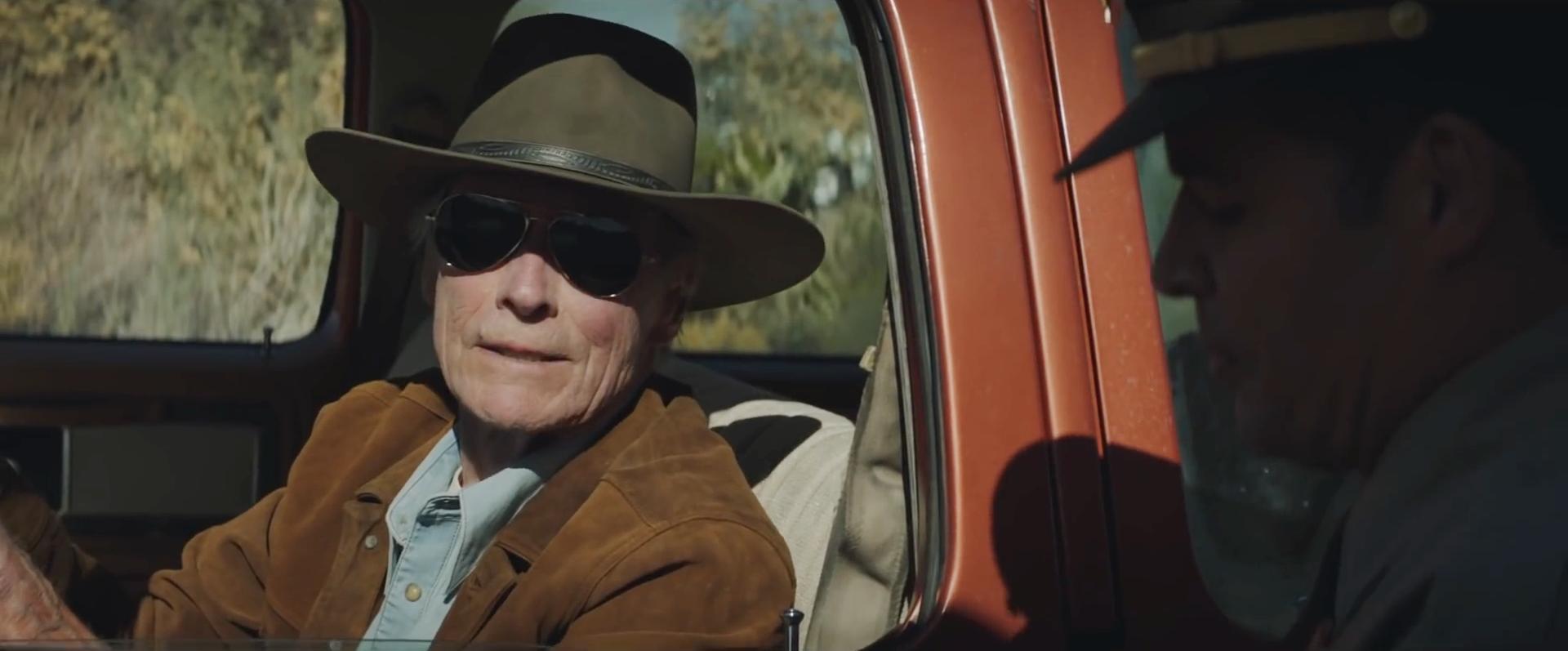
Cry Macho” shows a more sensitive and vulnerable Clint Eastwood looking back on his film career and life. After all, this is the 50th anniversary of his working relationship with Warner Brothers.  He has always been a patient filmmaker known for gorgeous scenery and knowing how to get the most out of each and every scene. Roger Ebert once said Eastwood’s films are a prime example of old-fashioned Hollywood craftsmanship.  The fact Eastwood is 91 and still directing and acting in films is truly astounding and surreal. This is a quiet, peaceful and contemplative film.  As an actor, he has always known how less is more. He’s never been an overly loud or showy actor, and he knows the best way to get an emotional reaction out of the audience is through his face. 

This film is set in 1979 as Eastwood plays Mike Milo, a retired rodeo star who has turned to booze and pills due to a broken back. His ex-boss Howard Polk (Dwight Yoakam) calls in a favor with Mike after all he’s done to support him throughout the years.  He wants Mike to go from Texas to Mexico and bring back his thirteen-year-old son Rafo (Eduardo Minett).  Howard claims he can’t go there for legal reasons and because of trouble with the son’s mother.  Mike will do this job as a one-time favor for Howard, but he has his reservations about the situation.  He wonders if Howard’s son will come with him and how he’s going to pull this off.

Upon entering Mexico, he runs into Howard’s ex, Leta (Fernanda Urrejola), who claims he can take her son if he’s able to find him.  In her eyes, he’s getting into trouble all of the time and spending too much time at cock fights with his rooster named Macho. Rafo doesn’t trust anyone, especially Mike, but he’s interested in reconnecting with his father and getting away from his mother and her many male suitors.  Many of these men have beaten Rafo in the past, and he wants to get as far away from that as possible.

Along the way, Mike, Rafo and Macho have to escape from police officers as well as Leta’s goons.  They have car issues and also have trouble connecting with each other at times.  On the other hand, Mike sees a chance at redemption with Rafo in that he can make up for the mistakes of his past. He sees something special in Rafo, especially with how the kid has been forced to grow up very quickly because of his upbringing. They do get some help along the way from a widow named Marta (Natalia Traven) and her grandchildren.  There might even be a little bit of a love story between Marta and Mike as well.

First and foremost, let’s talk about the good things in “Cry Macho.” The film is beautifully paced. Eastwood is known as a director who usually shoots scenes in one-take. There is something very authentic and real about his films. There is a sense of time and place throughout the film. He’s the major star here, and he’s still got it at age 91.  At times, he does appear a little frail, but I’m going to chalk that up to the character he’s playing having broken his back.  His comedic timing, line deliveries and charisma are still on full-display.  He’s a minimalist actor, as mentioned earlier, which I’ve always appreciated.

Now, let’s focus on some of the issues.  Dwight Yoakam has acted before in films, but he reads his lines here in such a bland and flat manner.  Also, some of the lesser-known actors here are a little green when it comes to their acting chops.  In some cases, it lends itself perfectly to the film.  In other cases, it can be a little cringy and hard to watch.  When you have a seasoned pro like Eastwood, you are hoping to see him act alongside some really good actors.  It’s always good for up-and-comers to get an opportunity in a major motion picture, but even at age 91, Eastwood is miles ahead of them.  In some scenes, it was difficult to watch their inexperience, and in other scenes, it’s charming and exactly what the scene needs. Overall, this is not one of Eastwood’s greatest films, but it’s watchable, sweet and entertaining. It is good enough.

* * * out of * * * *

Blu-Ray Info: “Cry Macho” is released on a single-disc Blu-ray from Warner Brothers Home Entertainment. It has a running time of 104 minutes and is rated PG-13 for language and thematic elements. It also comes with a digital copy of the film.

Video/Audio Info: The film is presented in 1080p High Definition.  For the audio, it comes in the following formats: DTS-HD MA: English 5.1, Dolby Digital: English Descriptive Audio, French, and Spanish. Subtitles are included in English, French, and Spanish.

Special Features:

Back in the Saddle: The Making of Cry Macho and the Mustangs

Should You Buy It?

As with anything on HBO Max, I always enjoy a second viewing on Blu-ray.  I find I’m the type of viewer who likes to watch certain films multiple times to really grasp the vision of the director.  With “Cry Macho,” once again, I enjoyed it more on a second viewing.  It’s heartfelt, touching, and reflective on the part of Clint Eastwood.  He gives a great speech about being “macho” and what it really means. It feels like Eastwood has evolved as a human being, and he’s commenting on some of his past work. As far as the film itself, it was an enjoyable viewing experience.  It is nothing which is going to blow you away as a viewer or stay with you after it’s over.  The Blu-ray is pretty bare bones in terms of having only one special feature. I can’t recommend it as a purchase right away at its current price.  If you can get it in a few months for $10 or less and you are a big Eastwood fan, I’d pick it up then.  There is no need to rush out to buy it right away.

**Disclaimer** I received a Blu-ray copy of this film from Warner Brothers to review for free.  The opinions and statements in the review are mine and mine alone.
Coronavirus Quarantine Viewing: In the Line of Fire

In this time of quarantine due to the global pandemic known as Coronavirus (COVID-19), I have not stayed in my apartment all day long as I have no choice but to work. Still, getting my ass out of bed continues to be a struggle, and while I keep saying I have no time to watch any new releases, I do find myself watching whatever is playing on one of the various Starz cable channels. And I have to be honest, there is always a certain movie which captures my attention regardless if I already have the movie on DVD or Blu-ray.

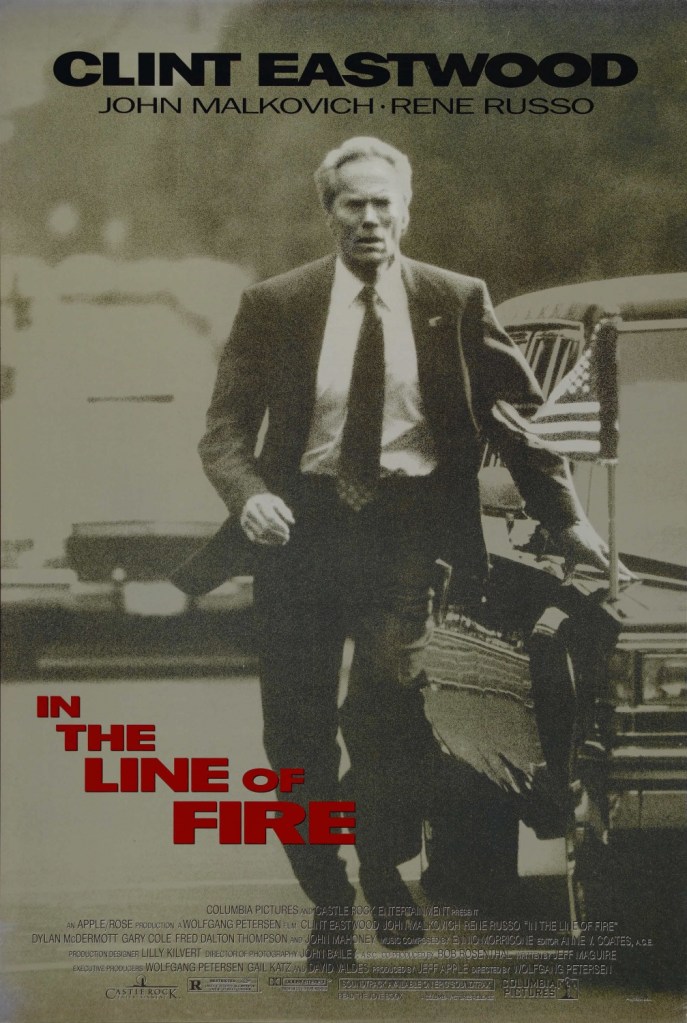
One movie which has been playing on Starz a lot recently is “In the Line of Fire,” the 1993 political action thriller which was directed by Wolfgang Petersen and stars Clint Eastwood as the grizzled and cantankerous veteran Secret Service Agent Frank Horrigan.

I worked at a movie theater in my hometown, Crow Canyon Cinemas, which played it, and during my lunch breaks I would go and watch it to take in the excellent direction, brilliant acting and terrific action sequences.  It also provided me with one of my most frustrating moments while I worked there. While working a shift, an audience member came up to me and said the lights were still up inside the theater. I rushed in to see what was going on, and the lights were indeed still on as the movie opened up on Washington, D.C. and Ennio Morricone’s began playing. Another audience member yelled out, “ARE YOU GOING TO TURN THE LIGHTS OFF?!” This caused others in the audience to laugh, and I walked out of there inescapably pissed. Hey, if I was operating the film projector, I would have made certain the lights were turned off when the movie began. Please do not automatically assume it’s my fault! Do you even know who I am?! Do you know what us concession workers, ushers and box office personal are forced to deal with on a regular basis?!

Anyway, Frank Horrigan is a veteran Secret Service Agent who is busy breaking in a rookie named Al D’Andrea (Dylan McDermott) whom, as you will see, has a really bad first day at work. Upon arriving back at his apartment, Frank receives a call from a man who calls himself Booth, short for John Wilkes Booth, the man who assassinated President Abraham Lincoln. Booth is later revealed to be Mitch Leary (John Malkovich), a disillusioned and deeply obsessed CIA assassin who is determined to assassinate the current President of the United States. From there on out, Frank becomes determined to stop Mitch from ever reaching his murderous goal.

Of course, Mitch has a special reason for telling Frank about his plan as he is the sole active agent remaining from the detail guarding President John F. Kennedy back in 1963 when he was assassinated. Mitch prods Frank into thinking he could have done more to keep Kennedy alive, and we see in Frank’s eyes why this is still a gaping wound which has aversely affected his life for far too long

What really fascinated me about “In the Line of Fire” was the relationship between Frank and Mitch as it worked on different levels. At first, it felt like Mitch was viciously deriding Frank for his failure in Dallas on that fateful day, but perhaps Mitch was taunting Frank in an effort to see if there was any government worker who was still worth believing in. Either that, or perhaps Mitch was eager for some competition as he had long since become such a skilled assassin to where this particular job was easier for him than it should have been. The screenplay by Jeff Maguire is not clear on the answer to this, but this is part of this movie’s charm.

“In the Line of Fire” was the first movie Eastwood had acted in following his Oscar winning triumph, “Unforgiven.” When I saw “Unforgiven,” it forever changed the way I looked at Eastwood as I figured he was just coasting on the success of “Dirty Harry” for far too many years to where he could easily phone in a performance before we realized it But when it came to “Unforgiven,” this movie made me realize he was a consummate artist both in front of and behind the camera. Watching him in “In the Line of Fire” made me see this all the more as, behind that famous glint of his, he succeeds in giving a wonderfully complex performance as Frank Horrigan. From start to finish, Eastwood makes Frank into a difficult, thoughtful, charming, guilt-ridden and stubborn human being, and it is a real shame he didn’t get an Oscar nomination for his performance.

The key scene for Eastwood comes when Frank reminisces about the day of Kennedy’s assassination with Agent Lilly Raines (the always terrific Rene Russo), and he paints a very vivid picture for the audience to where no flashbacks are needed to illustrate what he is talking about. It was also one of the few times back then where we got see Eastwood cry, and an image like this seemed unthinkable for so long. Still, watching this iconic star lose it over an American tragedy which has long since been burned into our collective memory is a beautiful moment. Some are forever trapped in a time and place they can never escape from, and the assassination of J.F.K. is one which still holds many in its grasp.

One actor who did score an Oscar nomination for their performance was John Malkovich. With his character of Mitch Leary, Malkovich created one of the most malevolent psychopaths the world of cinema has ever seen. But as demented as Malkovich makes Mitch (the scene where he puts Eastwood’s gun in his mouth was his idea), he also allows us to see this character has some form of empathy. When Mitch talks about how he doesn’t remember who he was before the CIA “sunk their claws” into him speaks volumes as he has long since become a former shell of his former self to where he has nothing left to live for except revenge. When it comes to Malkovich, you can always count on him to take any character he plays and mold him into something undeniably unique.

I also have to single out Rene Russo who is an absolute joy to watch here as Special Agent Lilly Raines. She made her film debut in “Major League,” but she really caught my eye after co-starring in “Lethal Weapon 3” as Lorna Cole, an internal affairs detective who beat up the bad guys every bit as effectively as Martin Riggs did. When we first saw her in “In the Line of the Fire,” we knew her character was not an agent to be easily messed with as she could kick ass with the best. Still, Russo shows a wonderful vulnerability throughout as Lilly confesses to Frank how she broke off a relationship because she would not give up her job for anyone. Russo does not even have to spell out in words why Lilly is hesitant to become involved with Frank as any potential relationship comes with a lot of baggage, and yet the chemistry between these two proves to be so strong to where we have one of the more hilarious love-making scenes in cinema history. As we see the various objects drop off them as they climb into bed, we can understand Frank’s frustration about having to put all of it back on.

“In the Line of Fire” was directed by Wolfgang Petersen, the same man who gave us the greatest submarine movie ever made, “Das Boot.” Petersen directs this movie in a way which makes it clear to us how character means more to him than spectacle. Whether or not the stunts are the best you have ever seen, they are exciting as hell because we are rooting for the characters from start to finish. As the story heads to a most thrilling climax, I could not take my eyes off the screen for a second.

This movie also has one of my favorite film scores ever by the great Ennio Morricone as he nails every single moment for all its emotional worth. Whether it’s the main theme which is filled with a hard-fought for patriotism, the romantic themes which illustrate the growing relationship between Frank and Lilly, or the themes which add to the taut action sequences, there is not a single false note to be found here.

It is nice to revisit “In the Line of Fire” after all these years, and it still holds up in this day and age. It is a top-notch thriller and the kind of character driven motion picture we do not see enough of these days. It also makes you respect the secret service in a way we always should have. They have to defend the President of the United States regardless of how they feel about him or her as a person. I mean, heaven forbid we have another President serve as a martyr for this great country the way John F. Kennedy did. I bring this up because this is especially the case when we are forced to deal with an infinitely unpopular President, and I will just leave it at that.

* * * * out of * * * *