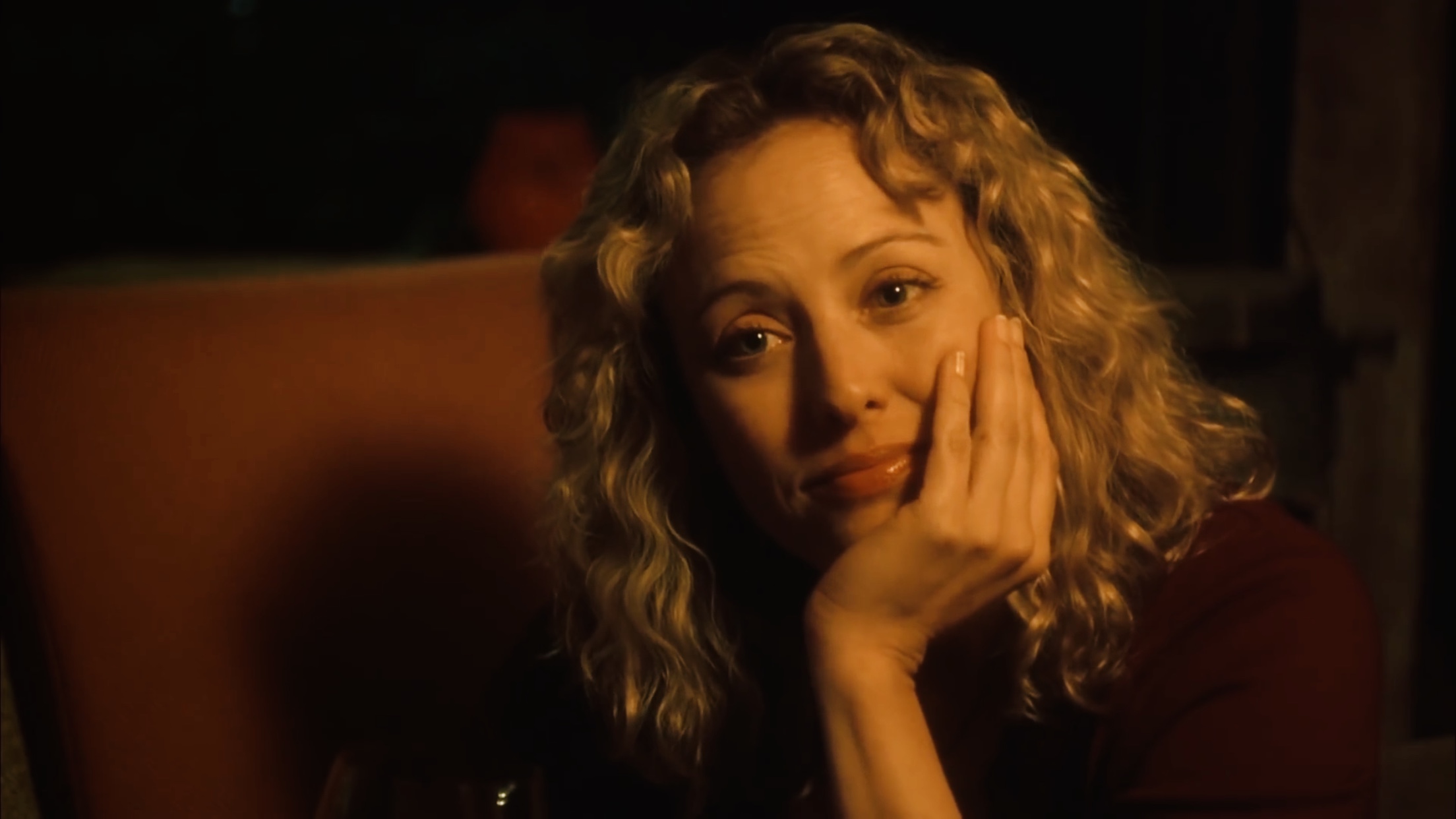
Underseen Movie: ‘The Congress’ in which Robin Wright Plays Herself
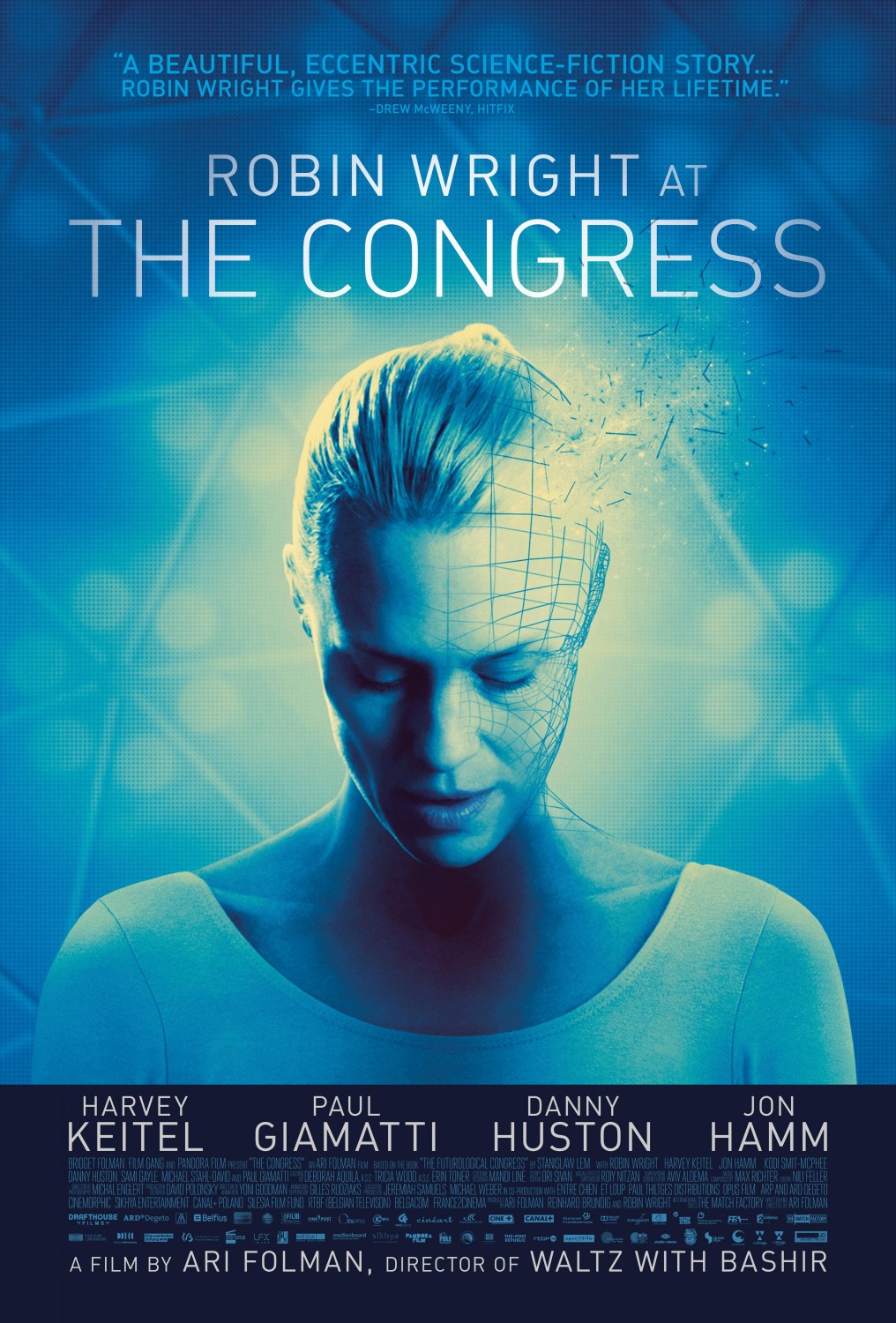
The Congress” is one of the most bizarre motion pictures I have ever seen, and I mean that as a compliment. It combines live-action scenes with animated sequences to tell a story about an actress who willingly gives up her identity so she can be digitized by a movie studio so they can make many films starring her. In the process, it offers a look at the value of one’s identity, how we are unique in our own way, and it questions whether or not it is worth it to give up who we are as individuals so that other people can take on our own identity. With the constant advent of AI in every facet of our lives, those questions are now more important than ever.

Robin Wright stars as a fictional version of herself in this movie. After so many years in which she appeared in such classic motion pictures like “The Princess Bride,” “Forrest Gump” and “Unbreakable,” she is presented here as a washed-up actress who has been in one box office bomb too many. Even worse, she has long since been seen as someone who is very difficult to work with. We see her living with her two children in an airplane hangar located right next to an airport, and this is due to her son, Aaron Wright (Kodi Smit-McPhee), being convinced he is the heir to the Wright Brothers. Aaron’s belief in this leads him to build huge kites on a regular basis.

It also turns out that Aaron is suffering from a rare condition known as Usher’s syndrome, a disease which causes partial hearing loss which gradually deteriorates into total deafness and blindness. Aaron believes he can be cured of it if he smashes one of his kites into a real passenger plane. Looking at this, it is no wonder Wright gave up on her acting career so she could be there for him.

Then one day her longtime agent, Al (Harvey Keitel) comes to her with a deal he has brokered with the head of Miramount Studios, Jeff Green (Danny Huston at his most cynical and slimy), to capture her cinematic identity in a digital format so he can put her in all sorts of movies she does not have to come to a studio to act in. Basically, she is asked to sell her identity and her soul to the studio, and in return she will receive a very hefty compensation which will allow her to look after her family. The only thing is that she has to agree never to act on any other stage in the world ever again, and this leaves the viewer wondering if this is worth such a price.

When Robin Wright was cast in “The Congress,” she was at a certain peak in her career thanks to her role as Claire Underwood on the Netflix series “House of Cards.” On top of that, she had given memorable performances in “Moneyball,” “The Girl with the Dragon Tattoo” (the David Fincher version) and in “A Most Wanted Man” in which she co-starred opposite the late Phillip Seymour Hoffman. In real life, we had no business considering her as anything close to a washed-up actress, but she is so convincing here to where any irony in the air was beside the point.

 “The Congress” takes place in a time where the economy is laser focused on scanning actors to where signing off your identity is easier than trying to make a living in show business. Now it has never been easy to make a living as an actor, but if this can happen to Wright, then it can happen to any actor. While we still may be way off from digital actors taking over for real life actors in movies, this reality is proving to be much closer to a reality than we would like to think or believe.

When we catch up with Robin in a distant future, this is when “The Congress” takes a serious left turn I did not see coming. She ends up entering a completely animated world where everything is being transferred to a chemical method which will allow everyone can be someone famous or anyone or anything other than themselves. The animation feels distinct from any other animated movie I have watched then and now, and it makes the experience of watching “The Congress” a unique one. This is a captivating world to be immersed into, but after a while you feel Robin’s concern as she comes to see her deal with the studio has come at a bigger price than she realized. While it might be fun to be someone other than yourself, is it really worth giving up your own identity in the process?

“The Congress” was written and directed by Ari Folman who directed the critically acclaimed “Waltz with Bashir.” With this movie he sucks us into a world which is full of an array of colors and possibilities, but once we discover this is part of a new Hollywood dictatorship, we become desperate to escape it. Robin comes to regret the decisions she has made as her identity no longer feels like her own, and her family has long since become the most valuable thing in her life as well.

After watching “The Congress,” it was hard for me to think of a better actress who could have been in this movie other than her. From start to finish, we are with Robin as she traverses her way through an ever-changing technology she cannot keep up with, and she is mesmerizing throughout. We feel for her as she attempts to salvage what is left of herself in this strange new world, and any kind of victory she ends up achieving here feels like a significant one.

The rest of the cast proves to be more than up to the challenge as they either play or voice their characters with a lot genuine emotion. In addition to Wright, Keitel and Smit-McPhee, we also have Jon Hamm who plays Dylan Truliner, an animator who invented Robin on Miramount’s computers and has long since become enraptured by her. Even Paul Giamatti shows up as Dr. Barker, and you can never really go wrong with an actor like him.

Seriously, the best way to enjoy “The Congress” is to walk into it with an open mind. It is far from the typical mainstream fare we see playing at our local multiplexes, and it takes you on a journey few movies can. In the process of examining the effects of a Hollywood dictatorship on the rest of the world, Folman has given us a motion picture which leaves you with a lot on your mind after the end credits. In this day and age, this is even more the case than ever.

* * * ½ out of * * * *
‘Emperor’ – A World War II Movie Which Could Have Been So Much Better

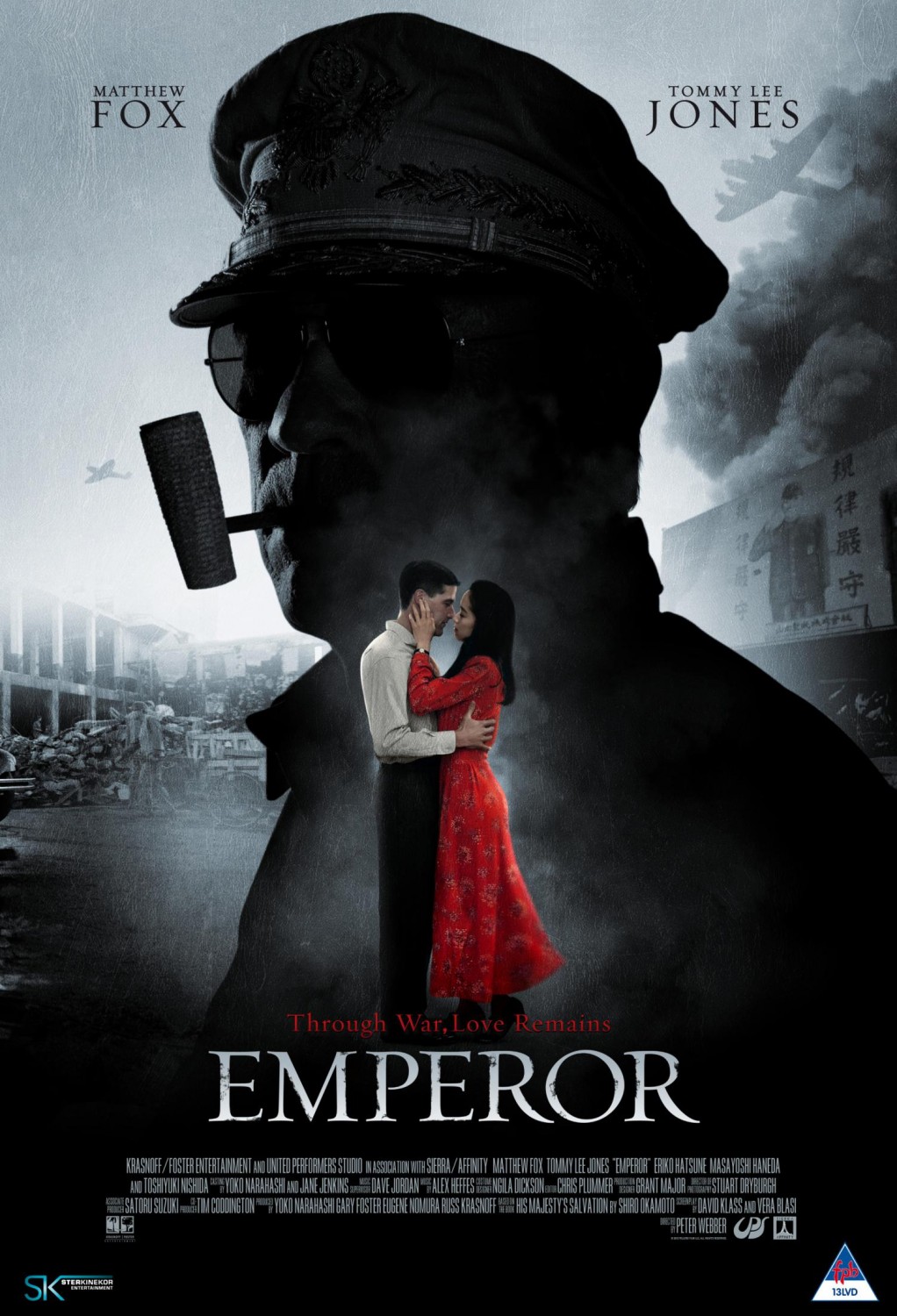
Emperor” is one of those movies I cannot help but view as a frustratingly missed opportunity. On one hand, it is the first contemporary Hollywood movie which takes place during the U.S.-led occupation of Japan at the close of World War II, and it uncovers a part of history many people are not fully aware of. But in the process of delving into the subject of whether a world leader should be punished for crimes against humanity, “Emperor” inevitably gets bogged down with a love story which takes away from all it could have been.

“Emperor” begins with an airplane descending into a Japan which has been decimated by atomic bombs dropped on Hiroshima and Nagasaki during World War II, and the country has long since announced its surrender. Coming out of this same plane is General Douglas MacArthur (Tommy Lee Jones) who has been tasked by President Harry S. Truman to restore order in Japan and prepare the country for democratic elections (sound familiar?). But the one big problem MacArthur has to contend with before any of this can happen is of what to do with Emperor Hirohito (Takatarô Kataoka). Should Hirohito be made to stand trial for brutal war crimes, or is there another way of moving Japan forward without having to do so?

General MacArthur ends up assigning General Bonner Fellers (Matthew Fox) to find out if Hirohito was in anyway responsible for the war crimes which were carried out, and if he was the one who ordered the devastating attack on Pearl Harbor. The scenes in which Bonner does his investigation and gathers evidence from survivors and Japanese military officers are among this movie’s most fascinating moments. We all know how World War II ended, but it’s the specific details about this operation which prove to be the most illuminating because many of us never got to read them in history books when we were kids like we should have.

But it turns out, however, that Bonner has an ulterior motive for going to Japan; he wants to search for his long-lost love Aya Shimada (Eriko Hatsune), a Japanese school teacher whom he met and fell in love with years before. We get flashbacks showing how their loving relationship began, and of how it eventually brought Bonner to Japan. It all proves to be a good device to show the cultural differences between America and Japan. Still, the romance subplot really just slows everything down, and I found myself getting bored as a result. Had this movie been more focused on the investigation into the Hirohito’s activities, it would have been far more enthralling as a result.

“Emperor” also could have used a lot more of Tommy Lee Jones as it is hard to think of another actor in this day and age who could have embodied General MacArthur better than him. The man who won the Best Supporting Actor Oscar for his work in “The Fugitive” gives this historical figure a Whenever Jones is onscreen, he steals every single scene he is in as he gives this real American hero a wonderful sense of humor and a no apology pro-American stance. Coming off of his Oscar nominated performance in “Lincoln,” Jones seems to be getting the roles he rightfully deserves to play these days.

Matthew Fox, who did this movie after doing the bizarre but compelling transformation he did for “Alex Cross,” and who is still best known for his work on the television series “Lost,” does very good work here as Bonners. Furthermore, he shares a very palpable chemistry with Hatsune in their scenes together. Still, this role only allows him to go so far as an actor as Bonners becomes just another guy searching for his long-lost love, and this is a story I have seen far too many times.

Directing “Emperor” is Peter Webber who, before this movie, gave us “Girl with a Pearl Earring.” With that particular motion picture, Webber was able to create a strong undercurrent of sexual tension between the characters portrayed by Colin Firth and Scarlett Johansson, and that he is unable to achieve this same tension between the characters here is both surprising and inescapably depressing. On the plus side, he does get good performances from his cast, and his cinematographer Stuart Dryburgh and production designer Grant Major both obtain some amazing shots of a war town Japan. I feel obligated to say this because the budget for this movie is much lower than it should have been, and the filmmakers succeed in making everything here look like it cost so much more.

Webber also directed the prequel “Hannibal Rising,” and I am still trying to finish my review of it after all these years. When it comes to my subsequent review, you can only hope for so much (if anything for that matter).

Learning more about this specific story of the American occupation in Japan brings to mind similar occasions in which America invaded other countries like Vietnam or Iraq to whip a little democracy on them. Whether or not it was the intention of the filmmakers to remind us of these conflicts, they do serve as a reminder of how we need to learn from the past to prevent the same things happening in the present. But in the end, “Emperor” feels like a history lesson which would have been better told in the a past where people should have been paying close attention.

Back in 2012, audiences were given many films based on historical or actual events like “Lincoln” and “Zero Dark Thirty.” Truly, I was really hoping “Emperor” would have been every bit as riveting, and the fact it is not is a crying shame. While it is not a terrible movie, and there a number of things about it which are very good, it is still a deeply missed opportunity as it will not leave much of an aftertaste once you finish watching it.

* * ½ out of * * * *
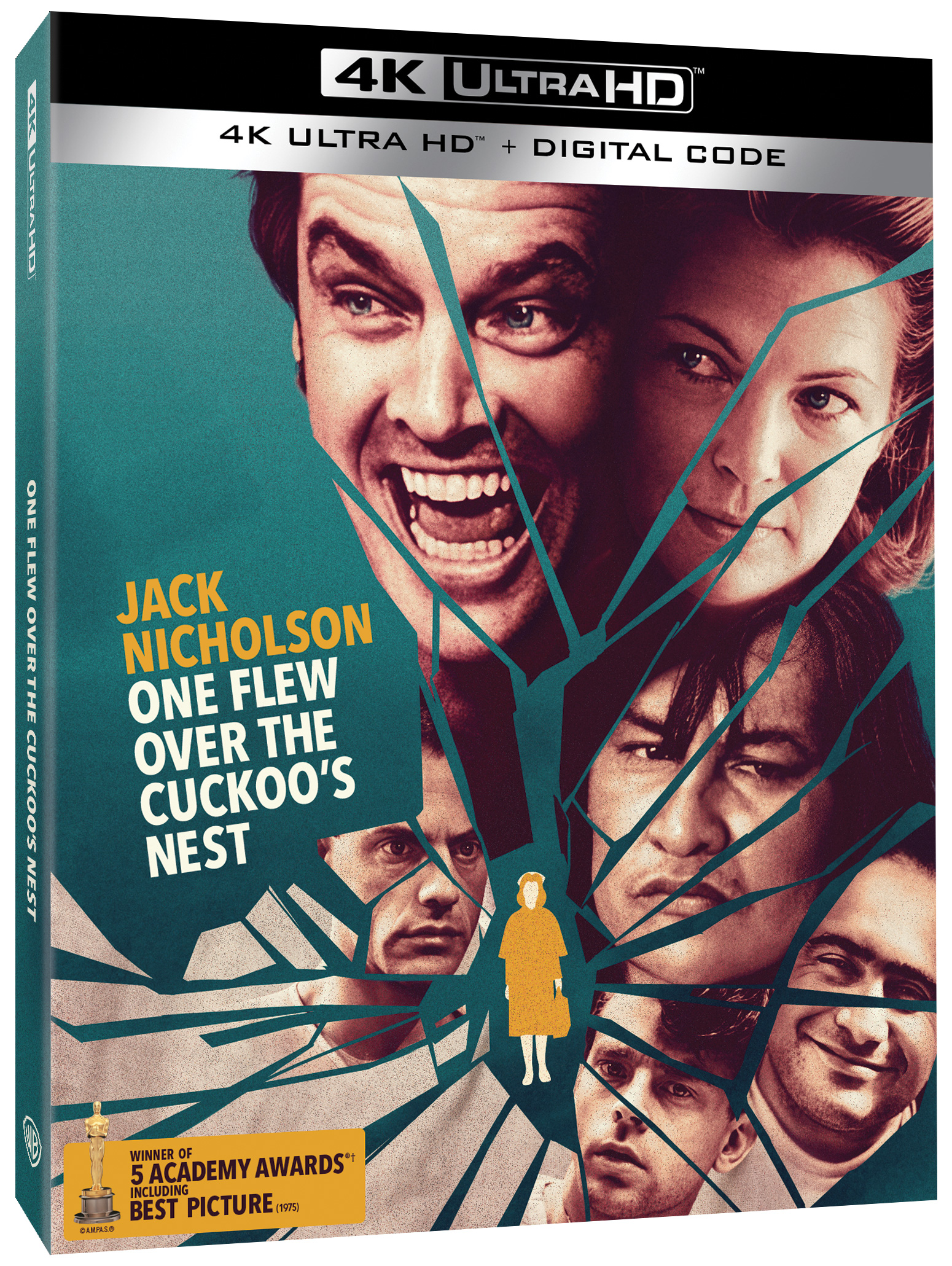
‘One Flew Over the Cuckoo’s Nest’ Movie and 4K Review

The following review was written by Ultimate Rabbit correspondent, Tony Farinella.

When it comes to 1970’s cinema, there was a sense of exploration, discovery and reflection that hasn’t been found in Hollywood since that decade. The filmmakers had a lot to get off their chests, and their way to process what they were seeing and feeling was through their moviemaking.  One of my favorite films from that decade was 1975’s “One Flew Over the Cuckoo’s Nest,” which is celebrating its 50th anniversary this year with this 4K release. I’ve always connected with films which have a powerful message and leave a lasting impression on me as a viewer long after the viewing experience has ended. “One Flew Over the Cuckoo’s Nest” is one of my favorite films of all-time, and one I find myself returning to often as a viewer.

I must confess that one of the reasons I connect with the material is because I’ve battled with mental illness for a good majority of my life, and I’ve also spent time in a psychiatric hospital. When you have a mental illness and tell people about it, they usually look at you sideways and they handle you with care. They think if they do something to upset you, rub you the wrong way, or make you unhappy, you are going to end up back in the hospital again. Friends and family “proceed with caution” when they are around you.  It’s frustrating and challenging. In Miloš Forman’s film, written by Lawrence Hauben and Bo Goldman, it challenges you to expect more out of yourself, not be put in a box, and to live and be free despite your mental illness.

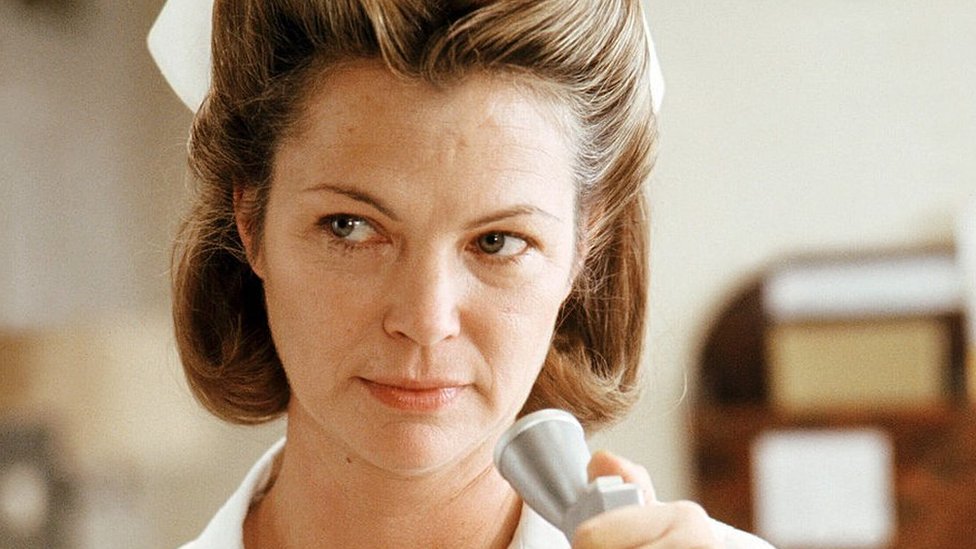
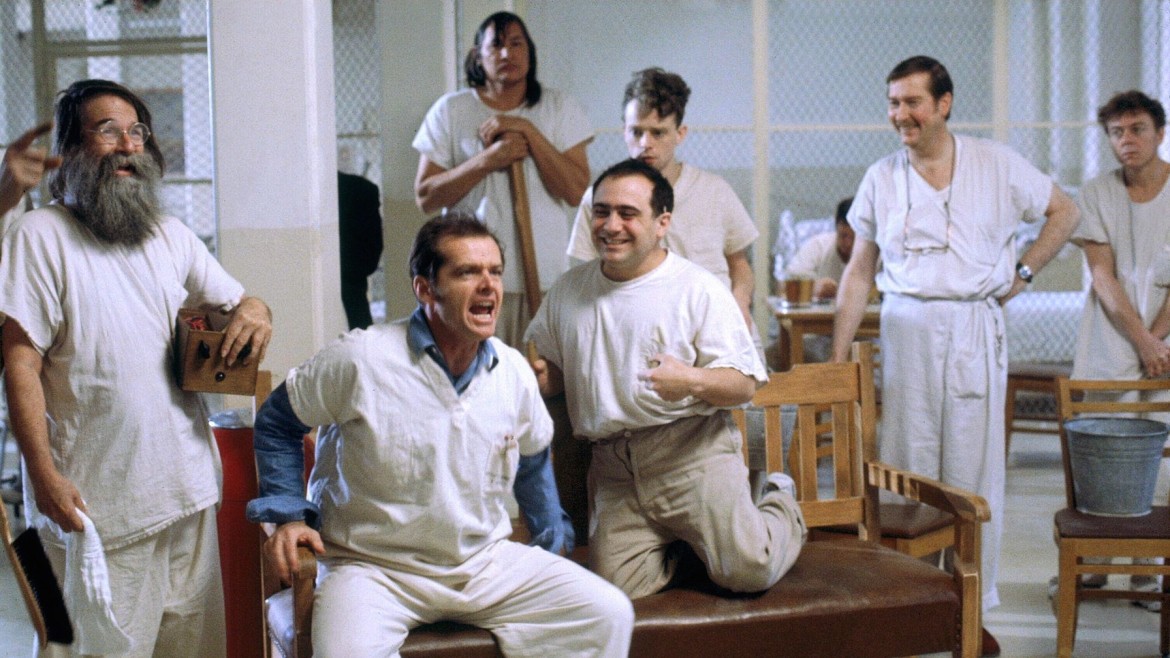
But I digress. Randle McMurphy (Jack Nicholson) ends up in a mental institution after having one too many brushes with the law. In his mind, instead of facing further punishment, it’s better to claim insanity and spend time in the mental institution.  Even though he’s a criminal, he’s no dummy. He’s charming, funny and charismatic, which immediately makes him enemies with Nurse Ratched (Louise Fletcher), who is colder than a mother-in-law’s heart with her treatment of the patients at the hospital. She knows they probably do not have the strength or energy to fight back, and she’s going to take full advantage of that.

Randle shows up, and he gives them a sense of purpose, an identity, and a reason to live. He encourages them to think for themselves, stand up for themselves, and not let their mental illness define them. The cast of actors is filled with Hollywood legends such as Christopher Lloyd, Brad Dourif and Danny DeVito. They all make their presence known with their performances without being too showy or over-the-top. In a film about people in a mental institution, it would have been easy to be loud, goofy, or to act like a complete loon. Instead, they are nuanced and unique. Another standout is Chief Bromden, played by Will Sampson. He’s a deaf-mute who is clearly processing a lot in his head, and Randle is determined to get through to him.

Another reason “One Flew Over the Cuckoo’s Nest” speaks to me is the idea of standing up to authority.  I’ve always been someone who doesn’t like being told what to do, doesn’t like following rules which don’t make any sense, and likes to challenge outdated notions. If you tell me I can’t do something, I want to know why and not just be told, “Because I told you so. These are the rules.” I want to understand the rules and why they are in place, and if they don’t add up, I’m going to speak up on that issue. I’ve never been one who likes to be silenced. This was the way of 1970’s cinema. It was about being confrontational and in-your-face without apologies or excuses.

The great movies in Hollywood have been those which stand the test of time because they strike a chord with the audience. The screenplay for “One Flew Over the Cuckoo’s Nest” is absolutely perfect. I wouldn’t change a thing about it.  The performances, top to bottom, are amazing. For my money, this is Jack Nicholson’s best performance of his legendary and storied career. From his facial expressions to the way he delivers his lines, his performance is a masterpiece. You can’t take your eyes off him when he’s on screen. It reminds me of the old line from the legendary wrestler “Rowdy” Roddy Piper, “Just when you think you have the answers, I change the questions.” Louise Fletcher as Nurse Ratched is perfect to play opposite Jack, as she shows no emotion. She’s cold, matter-of-fact, and unflinching. She knows she has all of the power, and she’s not afraid to wield it. She enjoys being the puppet master.

If I’m lucky enough to live another 50 years, I’ll still enjoy “One Flew Over the Cuckoo’s Nest.” It’s a perfect example of old-school Hollywood craftsmanship. There is a reason why it is one of only three films to win Oscars in the major five categories (Best Picture, Best Actor, Best Actress, Best Director and Best Screenplay). This is a flawless piece of cinema, and it fuels me with energy, enthusiasm and passion. I’m going to sound like the old man shouting at the cloud here, but this is how Hollywood used to make movies.  This is a movie about people dealing with emotions, challenges and problems.  We are with them every step of their journey, and we are invested in them. When we are watching the movie, we forget we are watching characters.

* * * * out of * * * *

4K info: “One Flew Over the Cuckoo’s Nest” is released on a single-disc 4K from Warner Brothers Home Entertainment in celebration of its 50th anniversary. The film has a running time of 133 minutes and is rated R for language and violence.

4K Video Info: I love the way 4K HDR enhances the picture quality but still keeps the integrity of the film alive. The picture is crisp and clear, but it also knows when to be dark and moody depending on the scene and the mood.

4K Audio Info: The DTS-HD Master Audio track comes with subtitles in English, Spanish, and French. The audio track is more subdued throughout the film, as it’s in a mental hospital, but it’s not so subdued that you have to turn it up or can’t hear it.  It also knows when to make the soundtrack more powerful and intense during the impactful moments of the film.

Special Features:

Conversations on Cuckoo: Group Therapy (NEW)

Conversations on Cuckoo: Moviemaking Memories (NEW)

Completely Cuckoo

Deleted Scenes

Should You Buy It?

I would hope after reading my review, you would know the answer is a resounding HELL YES. If you haven’t picked up on that, I haven’t done a very good job in my review. The film also comes with a pair of fun new special features, with my personal favorite being the one that includes conversations with vital cast members about the casting process they went through fifty years ago. Warner Brothers is one of the few big studios that is not only releasing classic films on 4K, but they are also taking the time and effort to include some new special features as well. The film has never looked or sounded better than it does with this 4K release. You can buy the 4K in either a slipcover version or a steelbook. The film itself is a masterpiece and one of the greatest films of all time. This has been one of my favorite releases of 2025.  As a film lover, you owe it to yourself to add this film to your collection.

**Disclaimer** I received a copy of this film from Warner Brothers to review for free.  The opinions and statements in the review are mine and mine alone.

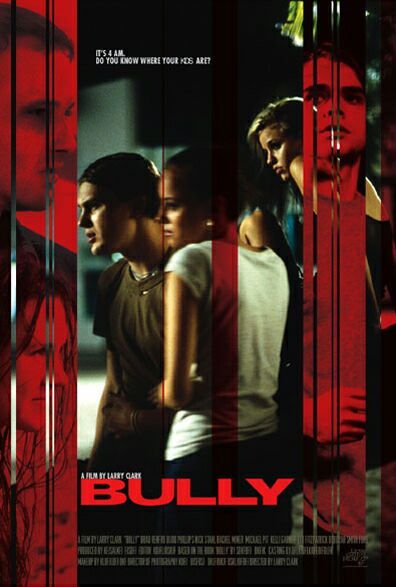
Daniel Franzese Talks About ‘Bully’ at New Beverly Cinema

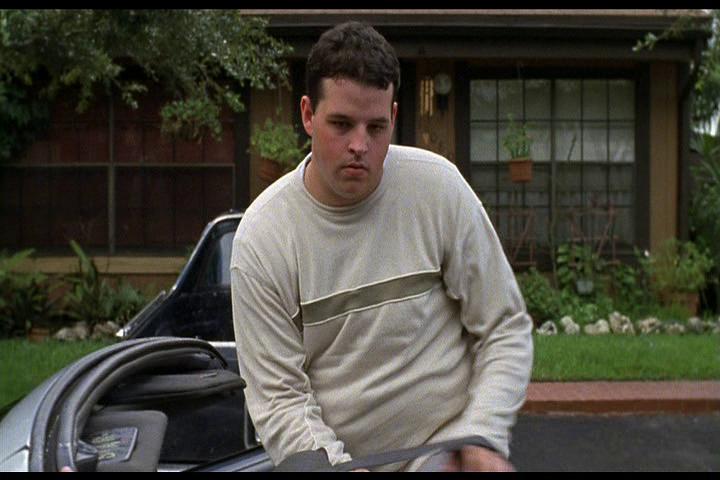
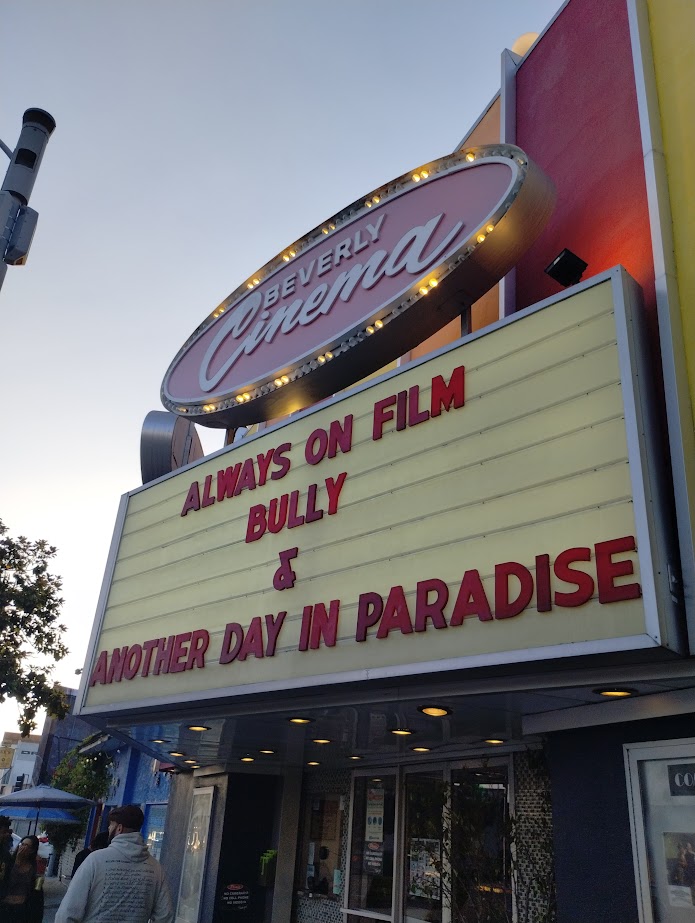
On August 12, 2025, New Beverly Cinema presented a Larry Clark double feature of two of his films: “Bully” and “Another Day in Paradise.” Before “Bully” unfolded on the silver screen, actor and filmmaker Joel Michaely brought out a special guest: Daniel Franzese who played Derek Dzvirk. “Bully” was Daniel’s film debut, and it quickly earned him his SAG card. Daniel thanked Joel for being there and remarked how he killed Joel once in a horror movie entitled “Cruel World” where he shot him in the head.

Daniel said “Bully” was the first time he ever got to hold a screenplay in his hands, and he talked about meeting the casting director, Carmen Cuba, at his audition.

Daniel Fransese: She was like, “Do you wanna see who you are going to play?” I said okay, and she opened up the true crime novel (written by Jim Schutze), and I looked exactly like the guy. And I was just like, oh shit! I can actually get this! So, it was very scary and nerve wracking.”

Rumors are that the set of “Bully” was a crazy one, and being that this was Daniel’s first film as an actor, you can understand and appreciate his feelings at the time.

DF: I’m a pretty easy-going guy, and I am also a theatre guy and a standup comedian. I’m used to being around other people, and I am good at getting along with different personalities. But this movie was next level. we are getting ready to do fittings and start our first day of this movie, and Larry (Clark) is screaming because Brad (Renfro) was in jail for trying to steal a boat. He’s screaming, “This was three years of my life! This kid’s not going to ruin it!” He’s throwing papers and I was like, whoa! That was day one and you can just imagine how the stress level got worse from there.

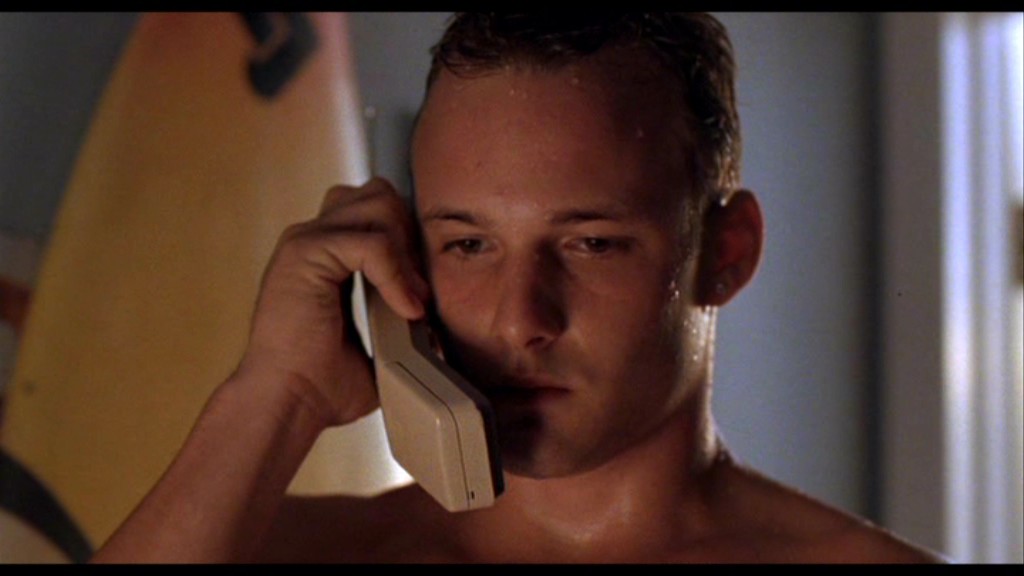
From there, the discussion went to the late Brad Renfro who played Marty Puccio in “Bully.” Brad first gained worldwide attention at the age of 12 years old when he was cast as Marcus “Mark” Sway in Joel Schumacher’s cinematic adaptation of John Grisham’s “The Client.” Like many people on this planet, let alone actors, he died at far too young an age He was only 25 years old, when he passed away after a drug overdose. Daniel talked about working with Brad.

DF: Brad was great. I think he was like one of those golden retriever type people. Not evil, but dangerous. We were doing the table read for the first time, and Brad showed up wearing a white tank top completely soaked in lighter fluid. He came in saying, “I’M TRYING TO GET THE BARBECUE TO GO!” It was like, whoa! He was from Knoxville and had like that “Jackass” sensibility where you didn’t know what he could do, but I don’t think he ever had a mean bone. His intentions were always nice. If anything, he partied too much, and he once told me that at 12, he made hundreds of thousands of dollars to do “The Client,” and he was getting a lot of his drugs and stuff from family members as a kid. I don’t think he got a fair shot. If anything, the reason why I advocate for younger people in Hollywood or talked about my experiences on this movie which were crazy, I was never speaking from a victim place. I was speaking from a place of advocating for people like Brad who didn’t have anyone saying anything for them. I just think, we’re making art. It doesn’t have to be that crazy. We don’t have to be stealing boats or going nuts on sets to produce good material.

After “Bully,” Daniel went on to appear in many films, but he may still be best remembered for playing high school social outcast Damian in 2004’s “Mean Girls.” Like Joel and myself, I wondered what it was like going from an independent film to a studio movie where everybody is expected to be on their best behavior.

DF: I just don’t think the 2000s will be looked upon as a time where it was easy for people on movie sets. I really don’t. People always ask me all the time how to get their kid in Hollywood, and I say don’t. I waited until I was at least in my 20’s (before going to Hollywood), and that’s the only thing which might have saved me. A lot of our contemporaries are not around with us anymore or are in a crazy state. It was a rough time. I can’t say it was easier or better, but I think it’s better now.

Regardless of the crazy set, Daniel made it clear to the New Beverly audience what the experience of making “Bully” was like, and of how the filmmakers strived to capture the spirit of the true story it is based on.

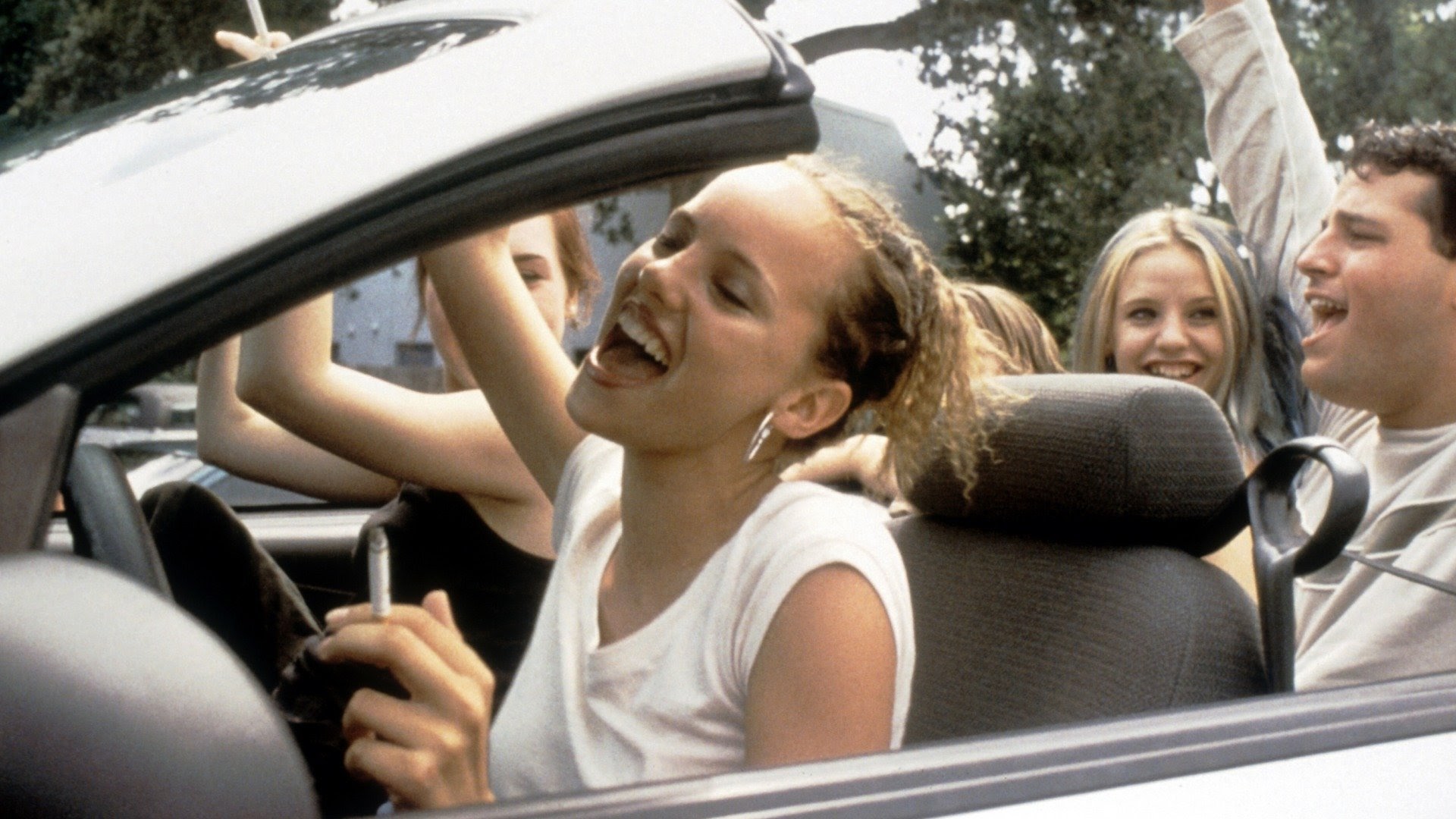
Bully (2001) Directed by Larry Clark Shown in foreground: Bijou Phillips

DF: On a positive note, though, this movie was awesome. It was so fun to make. Larry was cool, the people I was working with were all like people from Thrasher Magazine, it was just like bad ass people. They did shoot in the real locations; it was the real apartment complexes, and it was the real Pizza Hut (we shot in).

Daniel also made it clear how he was the only local hero for hire in Larry Clark’s “Bully.”

DF: They were scouting locations for the gay clubs, and I was just a young kid just figuring that stuff out and performing at the clubs with people I was in musical theatre with and stuff like that. They were like hey we’re making a movie, and I’m like I’m an actor! I had no idea it was going to turn into this. Carmen Cuba, she discovered a lot of people, and I give her all the credit for plucking me out of obscurity and putting me with these people.

An audience member told Daniel that he was from South Florida, and this led Daniel to talk about when he worked at The Gateway Theater in Fort Lauderdale as a kid. a year later, “Bully” premiered there. Daniel found his road from being an usher to a working actor to be honestly insane.

DF: I was there at the theater going, would you like the popcorn combo? I am a movie lover. I worked at Blockbuster (Video), I worked at movie theaters, that’s all I did. Until I was able to support myself as an actor, I was either an usher in theatre or worked at movie theaters. It (“Bully”) was shot in Fort Lauderdale and the whole crew got their premiere at the movie theater where I worked at. So, whoever served me popcorn today, keep writing your scripts.

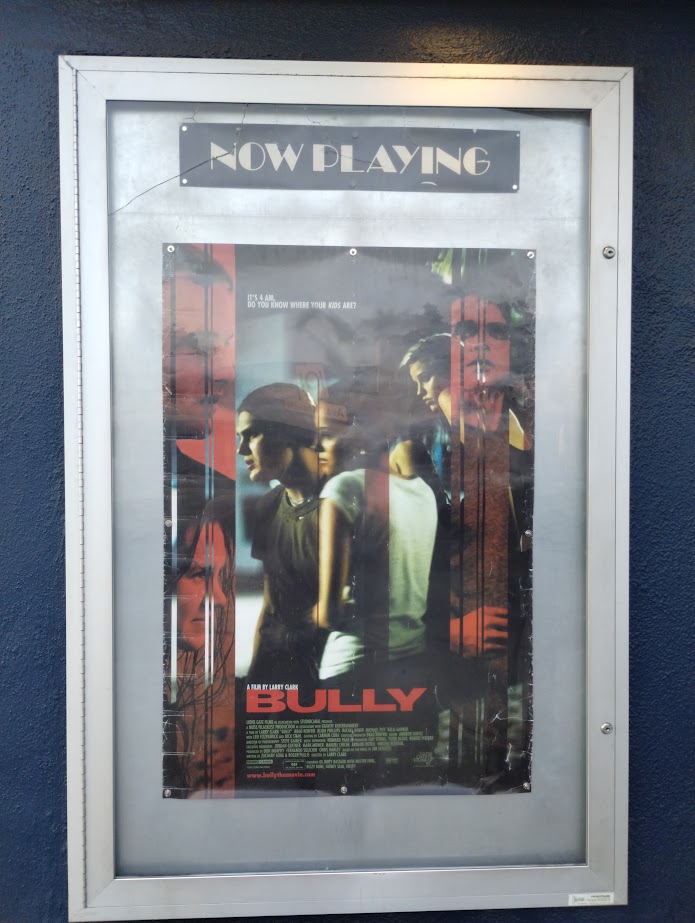
Like many, Daniel Franzese considers New Beverly Cinema to be one of his favorite places in Los Angeles, and that it was extra special for him to see “Bully” being screened there on 35-millimeter film. To see films presented there in their original format, something often not available to movie buffs in most places, means a lot to him.

‘A Working Man’ Movie and 4K Review

The following review was written by Ultimate Rabbit correspondent, Tony Farinella.

At 57-years-old, Jason Statham has made quite a career out of playing the Jason Statham character. Some might say, “If it ain’t broke, don’t fix it.” However, I think it’s reached the point where it’s starting to become quite tedious and laborious to see him simply spinning his wheels with his film choices. Do his characters even need names or backstories? You can just call them, ‘The Jason Statham character’. His latest film, “A Working Man,” was directed by David Ayer, who collaborated with him on 2024’s “The Beekeeper.” While “The Beekeeper” was good fun, there isn’t a whole lot of entertainment value in “A Working Man.”

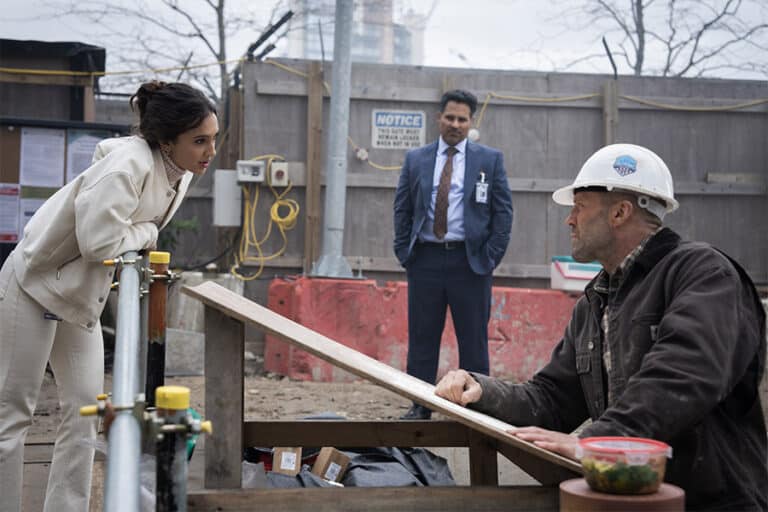
Statham stars as Levon Cade, a man with a background in the Royal Marines. After the death of his wife, he’s now working in construction for the Garcia family in Chicago. He is looking to keep a low profile, keep his head above water, and also spend some time with his daughter. She’s currently staying with his father-in-law who is not a fan of Levon.  As a matter of fact, he blames Levon for the death of his daughter, as she passed away while he was in combat. He’s trying to get more time with his daughter, but his father-in-law is not only extremely rich, but he’s fueled by anger and bitterness. He looks at Levon as someone who can’t control his anger and thinks violence is the only answer.

Arianna Rivas, Michael Peña and Jason Statham star in the film “A Working Man.” (OSV News photo/courtesy Dan Smith, Amazon MGM Studios)

One night, Jenny Garcia (Arianna Rivas), the only daughter of Joe and Carla (Michael Peña and Noemí González) goes missing when she goes out to celebrate an academic achievement. They suspect foul play is involved, so they look to Levon Cade for help, as they get a feeling that he has a background that might lend itself to helping them out. At first, Levon is hesitant to get himself involved in anything, as he says he’s a different person now. He decides to help them out because he’s having a battle for visitation rights over his daughter and he’s fiercely loyal to the Garcia’s who have helped and been patient with him during a difficult time in his life. 

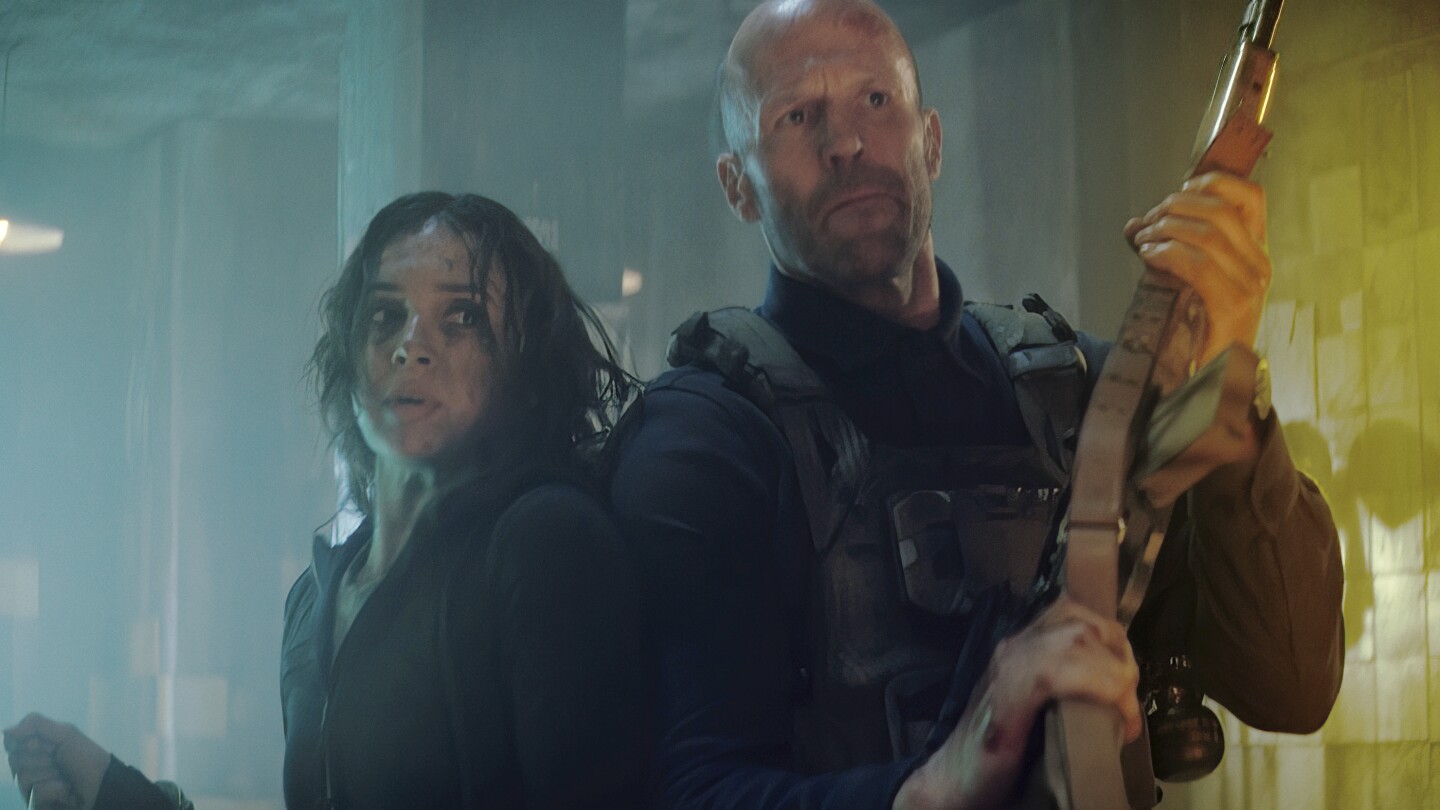
From this point forward, you have a paint-by-numbers revenge flick where Statham is bound and determined to find the men and women responsible for Jenny’s disappearance. On paper, this might sound like a fun flick to sit back and relax while you shut off your brain. This would be true if we hadn’t seen this countless times over with Statham. Let me put it this way—Pizza is great, but if you start to have pizza every night of the week, it starts to make you feel sick. The bad guys in the film are these cheesy, over-the-top Russians who are laughable and can’t be taken seriously. You know what’s going to happen, but it takes almost two hours to reach our destination. I was long checked out of this film mentally by the time it was nearing its conclusion. 

I’m a fan of movies that are so bad, they’re good, but make no mistake about it, “A Working Man” is just bad. This film is all about the action sequences, the kills, and the explosions. I can’t sit through another Jason Statham film unless he plays against type, which I don’t see happening anytime soon.  I’d be happy to be proven wrong, but “A Working Man” is only for diehard Statham fans who want to seek out his entire filmography.  For everyone else, like me, who is feeling extreme fatigue from another Statham film with no imagination, bland kills and a lazy plot, you’ll be wise to skip this one.

* out of * * * *
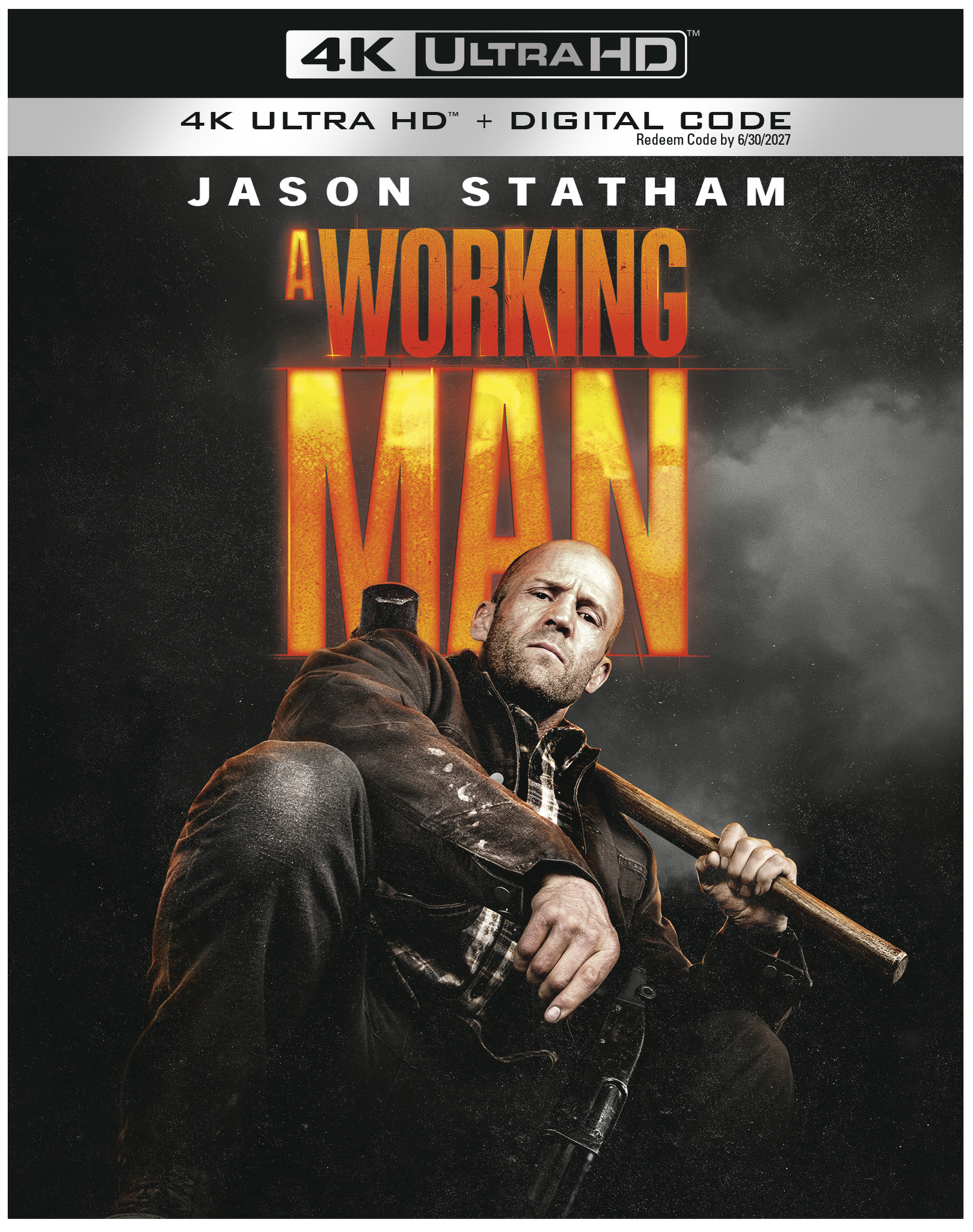
4K Info: A Working Man is being released on a single-disc 4K from Warner Brothers Home Entertainment. It has a running time of 116 minutes and is rated R for strong violence, language throughout and drug content. It also comes with a digital copy of the film.

4K Video Info: The 4K HDR transfer is incredible. The picture is clear, vivid, and full of color and life.  Even though the film isn’t much to watch from an entertainment perspective, it looks stunning in 4K.

4K Audio Info: The Dolby Atmos track really pops on this release as well, as it brings the film to life in your home theater.

Special Features:

NONE

Should You Buy It?

“A Working Man” is an A+ movie when it comes to the audio and visual aspects of this 4K release.  It looks mesmerizing, and it also sounds terrific.  Sadly, it’s a D movie.  Moving forward, unless Jason Statham makes a real effort to think outside the box with his film choices, I’m going to politely decline his future projects. I went into this movie with low expectations, as I thought it would be harmless fun, but instead, it’s just a dull, lifeless, and listless movie. Even though I enjoy the style of director David Ayer, this screenplay, which was co-written by Sylvester Stallone, is dead on arrival. The characters here are so vanilla and one-note. The writing is absolutely terrible. I don’t know if these were real Russians in the film or not, but they came across as fake and phony villains. They spend about 15 minutes setting up this plot and the rest is all in the chase, but I didn’t care about the chase because I barely had time to get to know these characters.  I know you might be tempted to seek this film out, as a late-night quality pleasure, but make no mistake about it: This film is only for fanatical Statham fans. 

**Disclaimer** I received a copy of this film from Warner Brothers to review for free.  The opinions and statements in the review are mine and mine alone.

Exclusive Interview with Mel Rodriguez on ‘The Residence’

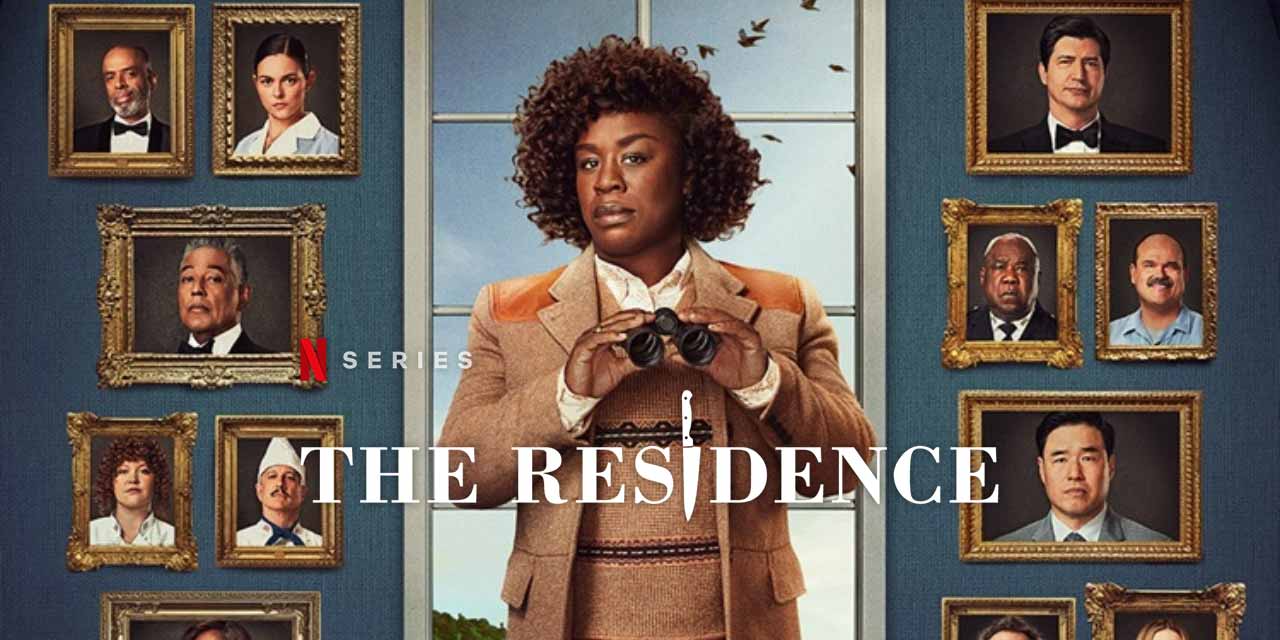
There is always a wealth of original content being dropped on Netflix from one month to the next, and one of the latest additions to its streaming service is a miniseries called “The Residence” which I watched all the way through in just one day. A murder comedy mystery created by Paul Williams Davies, based on Kate Andersen Brower’s novel “The Residence: Inside the Private World of the White House” and produced by Shondaland, the amazing television empire overseen by Shonda Rhimes, it tells the tale of the White House Chief Usher, A.B. Winter (Giancarlo Esposito), who ius found murdered in one of America’s most secured locations, the White House. Into the crime scene comes Cordelia Cupp (Uzo Aduba), a consultant with the Metropolitan Police Department and an avid birdwatcher, who is determined to find the culprit responsible. The problem is, there dozens upon dozens of suspects to consider, be it those with quite the public presence or the staff who works behind the scenes. Suffice to say, it proves to be one very long night for everyone involved.

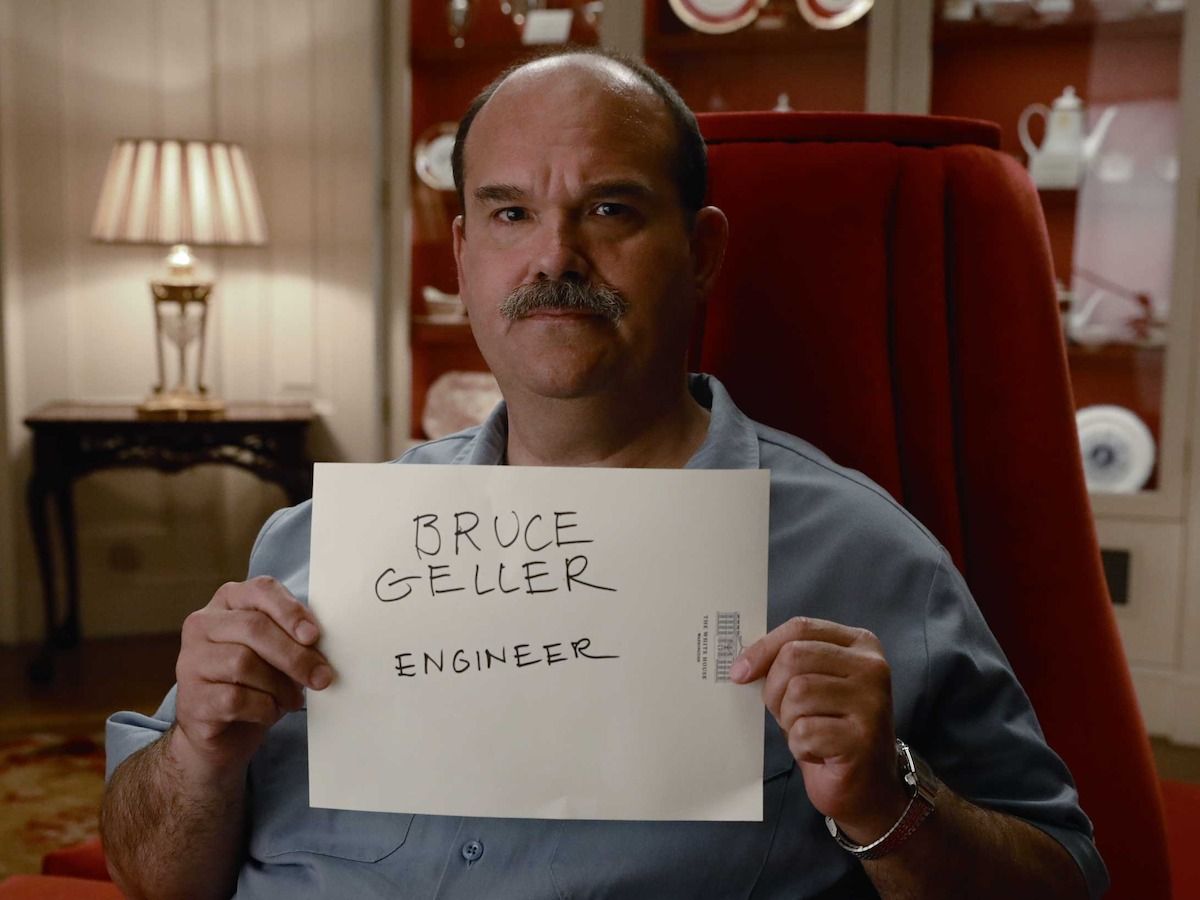
Among those suspects is engineer Bruce Geller, an engineer who succeeds in getting the water pressure in the United States President’s shower just right after far too many tries. Bruce is played by Mel Rodriguez, a native of the Little Havana neighborhood in Miami, Florida, and a graduate of SUNY Purchase (State University of New York Purchase) which has produced unforgettable actors like him, Melissa Leo, Edie Falco, Wesley Snipes, and Ving Rhames among so many others. Mel’s most memorable appearances include playing Nurse Patsy de la Serda on the HBO comedy “Getting On,” Ernie Gomes on the Showtime drama “On Becoming a God in Central Florida,” Marco Pasternak on “Better Call Saul,” and Chief Medical Examiner Dr. Hugo Ramirez on “CSI: Vegas.” Suffice to say, he is a character actor who continues to find work in an industry which is notoriously hard to break into, and more power to him.

I was lucky enough to interview Mel about his role of Bruce Geller in “The Residence,” and it was a lot of fun talking to him about this Netflix miniseries and about other things. Those things included what he learned as a student at SUNY Purchase, why the scripts for this show were among the best he had ever read, and his memories of the late Andre Braugher who was originally cast as A.B. Winter before he unexpectedly passed away.

“The Residence” is now streaming on Netflix, and it is highly recommended by The Ultimate Rabbit as it is highly entertaining and wonderfully intricate. Please check out our interview with Mel Rodriguez down below.

‘Mickey 17’ Movie and 4K Review

The following review was written by Ultimate Rabbit correspondent, Tony Farinella.

Studio movies seem to be falling into two categories these days—they are either inspired by other movies or they are looking to do something unique and different. “Mickey 17” falls into the latter category. Even though it is based on the novel “Mickey7” by Edward Ashton, it is a rather unique and “out there” movie. It is a science fiction comedy with big ideas, over-the-top characters and representations. I can’t compare it to any other movie out there, which is becoming increasingly rare in today’s cinema. So often, when you watch a movie, it reminds you of one or two others that have already been released. Franchises, sequels and reboots are also becoming far too common. Original ideas, even if based off books, are infrequent visitors in the cinematic landscape of today.

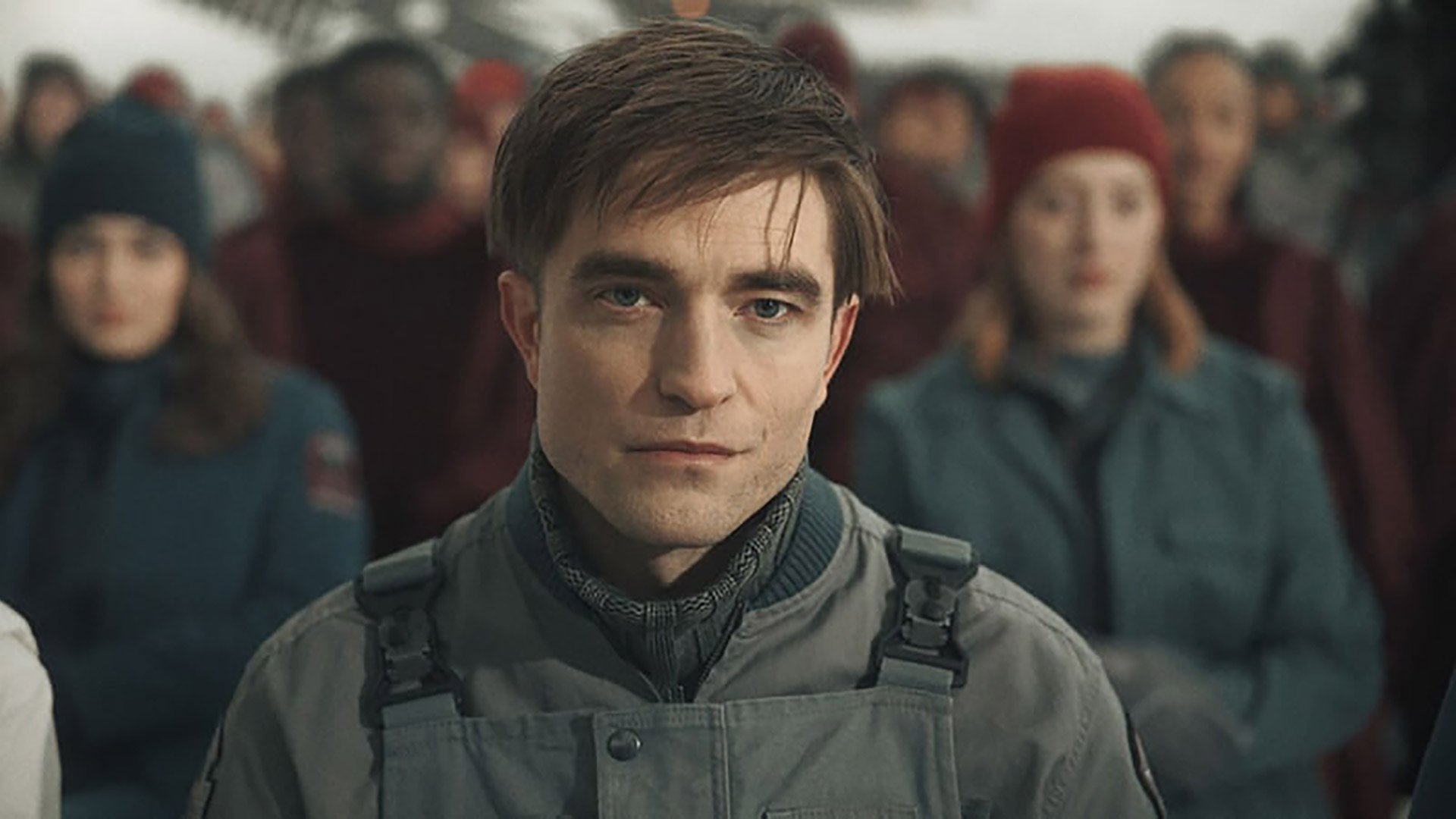
“Mickey 17” is directed by the Academy Award-winning director of “Parasite,” Bong Joon Ho, and it follows the story of Mickey Barnes, played by Robert Pattinson of “Twilight” fame. After Mickey and his buddy Timo (Steven Yeun) fall into debt because their macaron business falls apart, they are out of options. This leads them to joining a spaceship crew where they hope to blend in and avoid getting murdered by flying under the radar. While Timo becomes a shuttle pilot, Mickey decides to become an “expendable,” which is a job where he is in charge of dying over and over again in order to find answers for various problems in society.

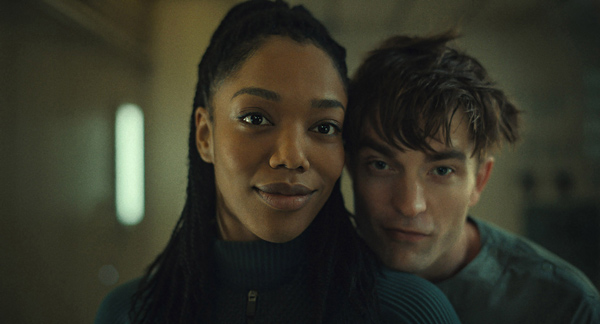
Mickey Barnes is sheepish, dopey, and painfully shy.  However, he enjoys his new lease on life because of his relationship with an agent named Nasha, played by Naomi Ackie. They are madly in love with each other, and she helps Mickey deal with the fact that dying is not a whole lot of fun. Even though he is brought back to life because of a process called “reprinting,” it doesn’t make dying any easier for Mickey as he is, in many ways, a human guinea pig. With his work, they are able to come up with vaccines that will save lives. 

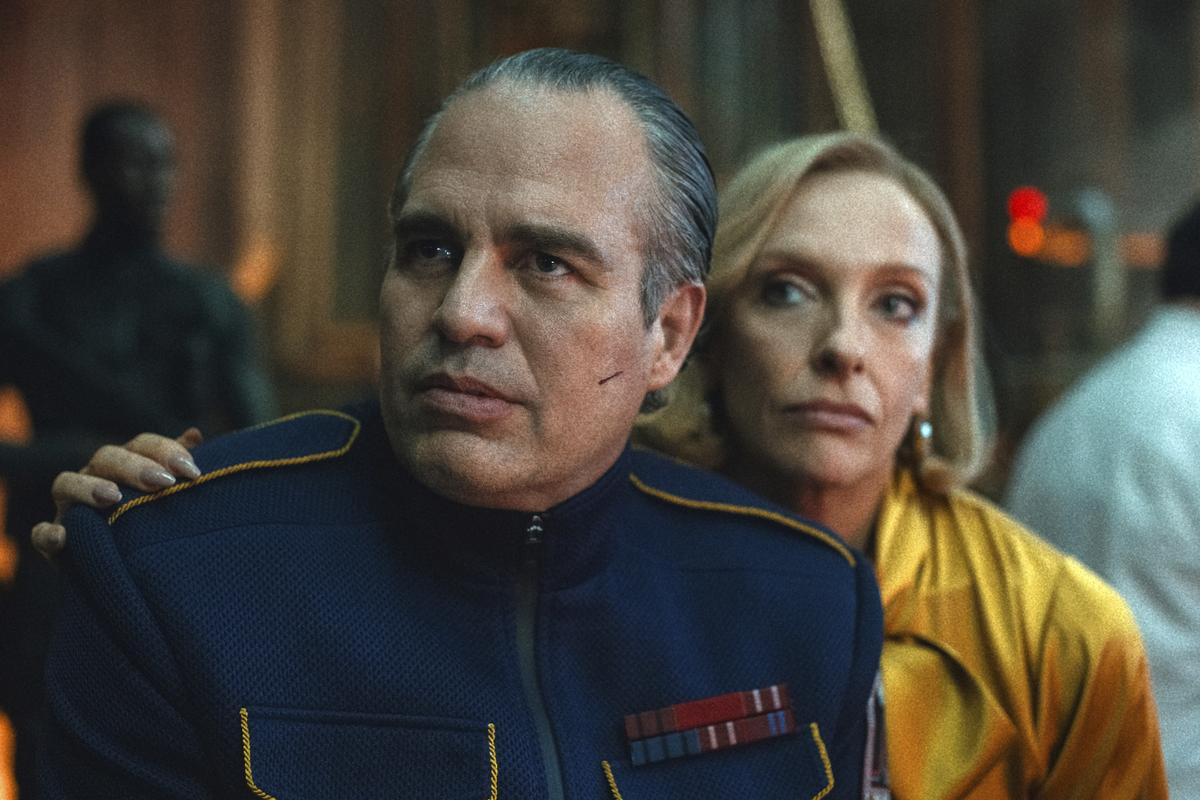
One day, his life is turned upside down when his life is spared by a group of critters known as Creepers. This leads to him being turned into a double, so while he is Mickey 17, there is also a Mickey 18, a version of him that is confident, self-assured and fearless. Nasha doesn’t mind having two Mickey’s, as it is more fun for her to fool around with two versions of her boyfriend. On this expedition, there is a leader named Kenneth Marshall, played by Mark Ruffalo, and it’s hard not to draw comparisons to Donald Trump with his performance. I had to look this up after watching the movie, and I’m not the only one who felt this way, even though Bong Joon Ho and Ruffalo say that was not their intention. If it walks like a duck and quacks like a duck, it’s probably a duck. Kenneth’s wife is played by Toni Collette.

“Mickey 17” is a film high on ambition and ideas, but it doesn’t have a sense of direction, and its pacing is all over the map. One of the most frustrating aspects of this movie is the fact it has a lot to say and there is a lot going on, but it falls apart because there is no sense of where they want to go with all of this. Is it a love story? Is it a commentary on there being two versions of yourself? Is it a commentary on self-sacrifice? Is it about abuse of power? It’s all of those things and a whole lot more, but without a clear and concise vision, not all of these ideas have the time to be fleshed out, even though the film is two hours and seventeen minutes long. The film is wildly uneven and frustrating.

Another big issue with the film is Pattinson and his bland and uninteresting performance. He’s not a good actor, even when he is given good material. I understand he’s trying to be taken seriously as an actor, but he doesn’t have the chops to carry the comedic scenes, and he also struggles with the more serious material as well. This is another problem with the film—it’s in search of a tone. Since it’s trying to do so much at once, it doesn’t know how to balance its themes or tones. It’s also way too long, and it needed a good trip to the editing room.

* * out of * * * *
4K Info: “Mickey 17” is released on a single-disc 4K from Warner Brothers Home Entertainment. The film has a running time of 137 minutes and is rated R for violent content, language throughout, sexual content and drug material. It also comes with a digital copy that can be redeemed on most digital platforms.

4K Video/Audio: “Mickey 17” gets the Dolby Vision/Atmos treatment, and it’s a remarkable release.  The color palette really pops on this 4K release, and the Dolby Atmos audio track is also perfect for your home theater setup.

Special Features:

Behind the Lens: Bong Joon Ho’s Mickey 17 (11:32)

Mickey 17: A World Reimagined (9:44)

The Faces of Niflheim (8:00)

Should You Buy It?

“Mickey 17” is a film that might end up gaining a cult following in years to come, but it also might be a film that falls flat with a lot of audiences. I do think it is worth checking out because it is entertaining at times and has individual moments which stand out in a positive way. It’s just too inconsistent for its own good, and it needed better performances from its cast.  I absolutely hated the Mark Ruffalo character, but it probably wasn’t in the way they intended for me to hate the character. After spending a little bit of time with him, I wanted him off my TV, and I would audibly groan when he would reappear. The film does have some good special features and from an audio and visual aspect, it looks and sounds great. The movie is just a jumbled mess, but it’s rarely, if ever, boring. I’d recommend you watch this one first before you decide to add it to your collection.

**Disclaimer** I received a copy of this film from Warner Brothers to review for free.  The opinions and statements in the review are mine and mine alone.

‘The Outlaw Josey Wales’ Movie and 4K Review

The following review was written by Ultimate Rabbit correspondent, Tony Farinella.

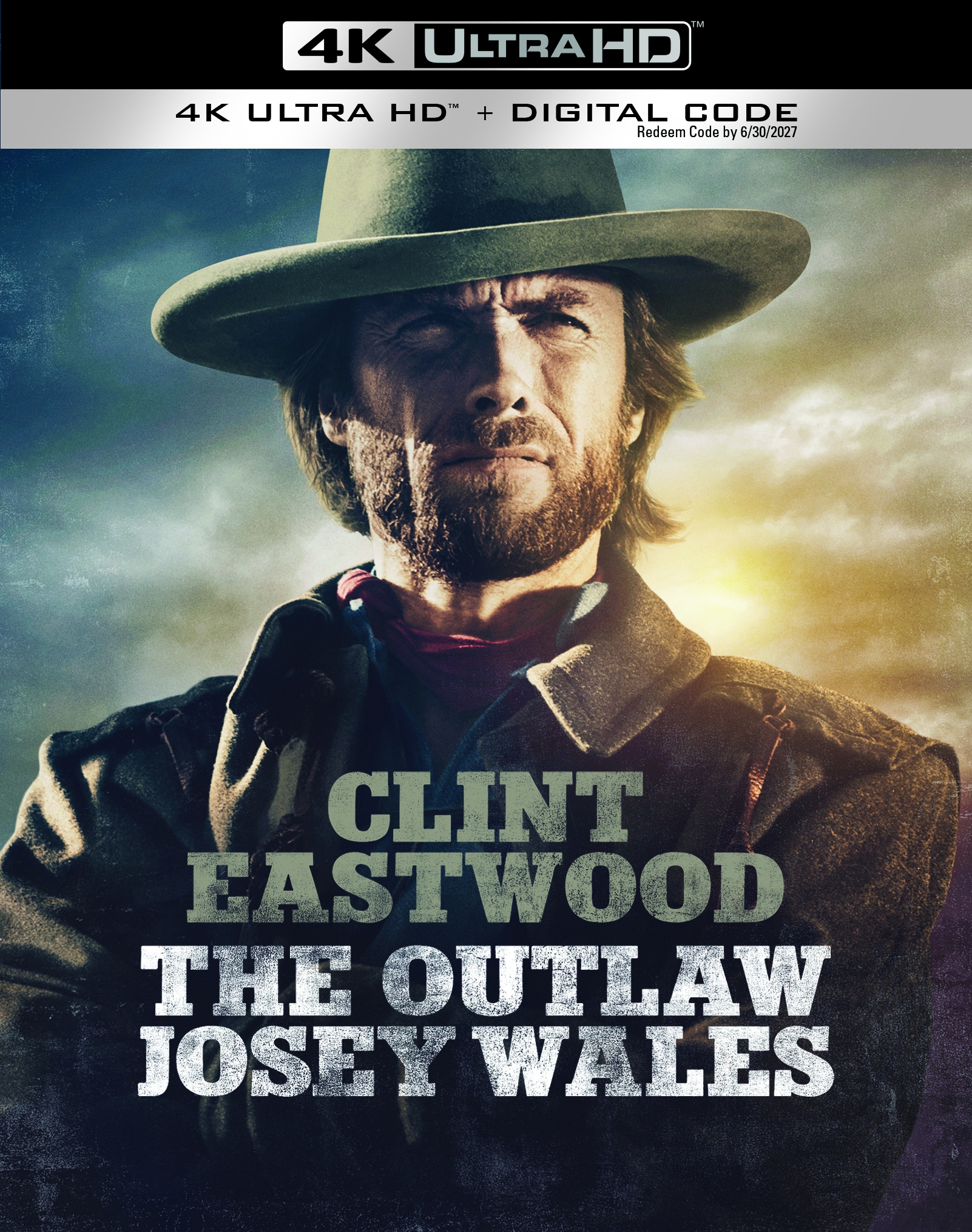
The Outlaw Josey Wales” was directed by Clint Eastwood, and it was adapted from the book, “Gone to Texas” by Forrest Carter. Eastwood is also the lead actor in the film, and he’s certainly in his wheelhouse when it comes to the Hollywood Western. When it comes to certain Clint Eastwood Westerns, some of them stand out more than others.  This film was released in 1976, and it was Eastwood’s second time directing a Western after first directing “High Plains Drifter.” He would return in 1985 with “Pale Rider” before putting his finishing touches on the genre with “Unforgiven” in 1992. For my money, “Unforgiven” is not only one of the best Westerns Eastwood ever directed or starred in, but it’s also one of the best Westerns of all time.

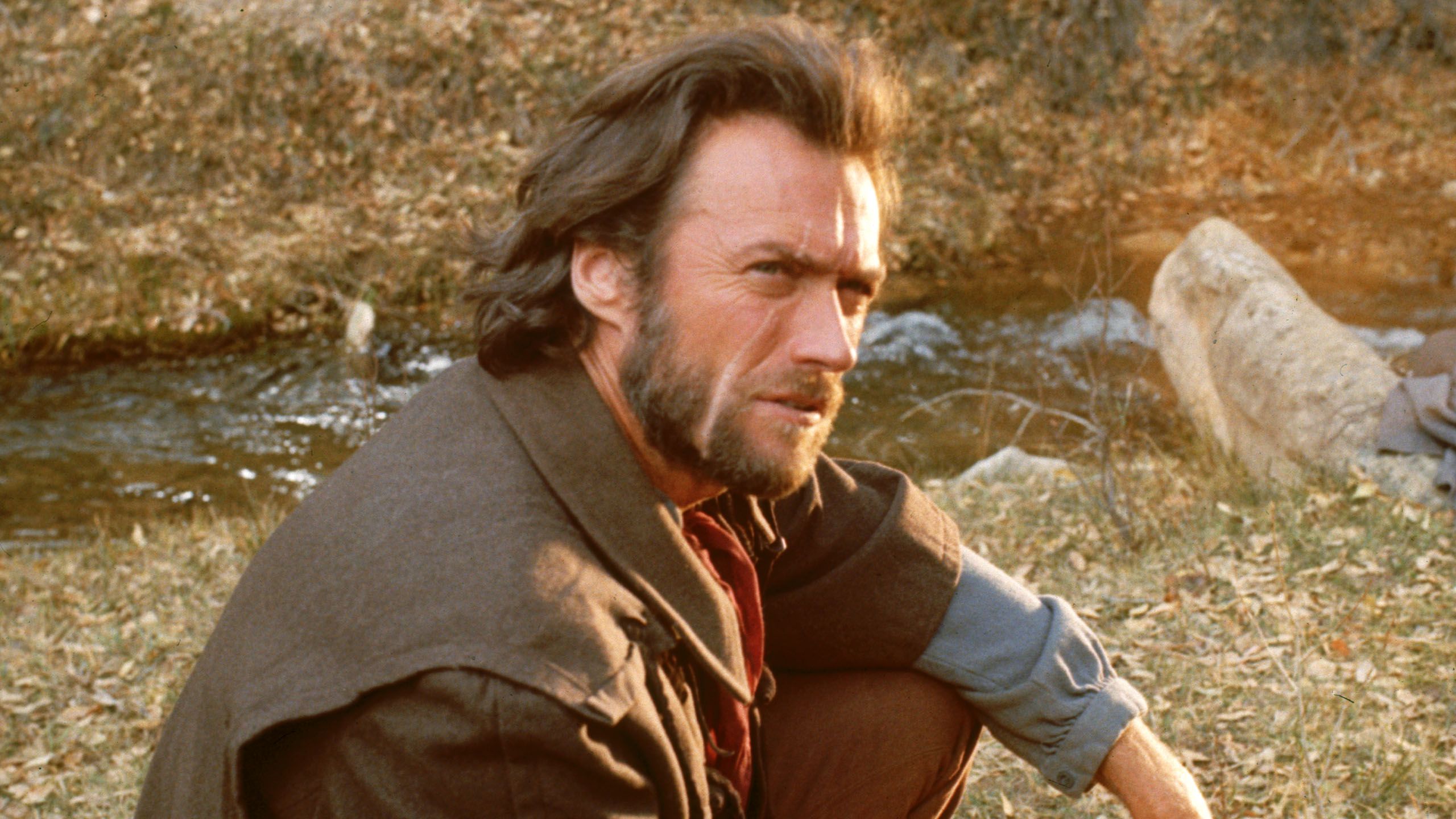
“The Outlaw Josey Wales” is set during the American Civil War, and it opens with the wife and son of Josey Wales (Clint Eastwood) being murdered by Captain Terrill (Bill McKinney) and his group of Union militia. Now, Josey Wales will stop at nothing to seek revenge for the death of his wife and son.  Throughout his journey, he stumbles upon a group of unique and eccentric characters who can either help him or get out of his way. Eastwood plays Josey Wales as subdued, determined, and unflappable. If he gets his pound of flesh, will he be satisfied? He’s on a mission, and he isn’t going to let anything or anyone slow him down or get in his way.

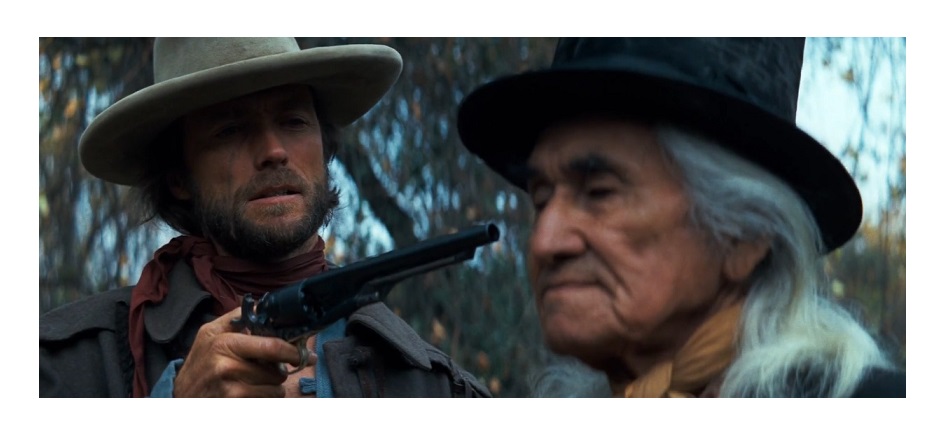
One of the more interesting characters that Josey Wales meets is Lone Watie, played by Chief Dan George. They have had an “Odd Couple” type of relationship, as it’s hard to get a read on Josey whereas Lone Watie is quite chatty. Along the way, they come in contact with various gunmen, and we quickly learn that Josey is not someone to be trifled with when he’s in a battle of life or death.  There are also quiet and reflective moments when the threat of violence isn’t in the air.  The film is shot with a keen eye by Eastwood. He’s always been a skilled and talented director, especially when he’s shooting Westerns. He makes even the mundane look spectacular and mesmerizing.

When I was watching “The Outlaw Josey Wales,” there wasn’t anything happening on screen from a plot or character perspective which drew me in or kept my attention.  I recently reviewed “Pale Rider,” which was done after “The Outlaw Josey Wales,” and that was a film with a strong pulse and interesting characters. I have seen Eastwood portray this character before, and it feels like he’s simply spinning his wheels with this performance. There is not a whole lot going on with this character of Josey, and there isn’t a whole lot going on with the majority of the story either.

I can only get lost in the scenery and the beautiful sights and sounds for so long before I eventually start to get bored.  Make no mistake about it, “The Outlaw Josey Wales” is a beautiful film from a filmmaking perspective.  There is a ton of skill on display, and it’s a quiet and unassuming film.  The problem is it also feels bland and flat. I didn’t feel as though the film did anything to differentiate itself from a host of other Westerns which have been directed by Eastwood in the past. It’s OK for his character to not be showy, loud or outspoken, as we don’t expect that in an Eastwood Western. However, at times, it looked and felt like he was in a medically-induced coma.

As I was watching this film, I kept waiting for it to spring into action and come to life on screen. After you have seen him take out the bad guys time after time, it begins to become repetitive and it loses its luster the more you see it happen. This is a movie which is a little too focused on its sense of time and place but not focused enough on creating a captivating story.  This is a problem when you have a film that is a little over two hours long. I didn’t hate watching “The Outlaw Josey Wales,” but I didn’t particularly enjoy the experience. It left me feeling very underwhelmed.

* * out of * * * *
4K Info: “The Outlaw Josey Wales” is released on a single 4K disc from Warner Brothers Home Entertainment. It comes in either a 4K slipcover edition or a 4K steelbook. The film has a running time of 135 minutes and is rated PG. The film also comes with a digital code to redeem.

4K Video Info: The 4K of this film is absolutely magnificent.  Westerns, in particular, were made to be released on 4K. You just don’t get this type of viewing experience on Blu-ray or DVD with Westerns. The HDR on this film presents an epic picture that is utterly flawless.

4K Audio Info: The Dolby Atmos audio track also brings the film to life in your living room with a soundtrack that is big and bold. Subtitles are included in Spanish, English, and French.

Special Features:

Commentary by Richard Schickel

An Outlaw and an Antihero – NEW

The Cinematography of and Outlaw: Crafting Josie Wales – NEW

Clint Eastwood’s West

Eastwood in Action

Hell Hath No Fury: The Making of The Outlaw Josey Wales

Clint Eastwood: A Cinematic Legacy – Reinventing the West

Should You Buy It?

I had the pleasure of reviewing three Clint Eastwood 4K’s over the past week: “The Outlaw Josey Wales,” “Dirty Harry,” and “Pale Rider.” “Pale Rider,” without question, was my favorite of the three. With “Dirty Harry” and “The Outlaw Josey Wales,” I admired but didn’t love them.  I felt like I was missing something when I was watching them.  Both films are well-made and they are not terrible, but they didn’t entertain or grab me emotionally. However, I’m well aware that many people out there who love both “Dirty Harry” and “The Outlaw Josey Wales.” When it comes to “The Outlaw Josey Wales,” if you are a fan of the film, you need to add it to your collection as soon as possible.  It looks and sounds out of this world on 4K, and there is a boatload of special features here to enjoy, especially a few new ones as well. I just put this film under the category of, “It wasn’t for me.” If it is for you, you can’t ask for a better physical media release than what they have put together at Warner Brothers for this one.

**Disclaimer** I received a copy of this film from Warner Brothers to review for free.  The opinions and statements in the review are mine and mine alone.

Virginia Madsen Reflects on Portraying Maya in ‘Sideways’

I was lucky enough to attend an anniversary screening of Alexander Payne’s “Sideways” at Laemmle’s Monica Film Center in Santa Monica, California. I remember and watching and loving this film back when it was released back in 2004, and now it has reached its twentieth anniversary which just scares the hell out of me. This screening was followed by a Q&A with some of the film’s participants as well as the authors of the recently released book “Sideways Uncorked,” Kirk Honeycutt and Mira Advani Honeycutt.

But make no mistake, the real star of the evening was Virginia Madsen whom everyone who loves “Sideways” was truly thrilled to see. She portrayed Maya, the divorced waitress who captures the attention of the ambitious but very depressed Miles (Paul Giamatti), a writer who just might be about to publish his novel for the world to see. Madsen deservedly earned an Oscar nomination for Best Supporting Actress for her unforgettable performance here. Cate Blanchett ended up winning it that year for her work in “The Aviator,” but there is no forgetting what Madsen did, especially after Maya’s speech about her love of wine.

Before “Sideways,” Madsen was best known for her work in movies like “Candyman,” “Electric Dreams,” “The Prophecy” and “The Rainmaker.” Around the time it came to audition for this now classic film, Madsen openly admitted her career was not doing well and that the odds were against her in playing Maya.

Virginia Madsen: There was talk about getting someone who had a bigger name, but I got the audition and I was working with a coach, so I was really, really ready. They weren’t giving us the whole script though, and then I said, well, can I just have a couple of more scenes, and they just sounded like me.

In addition, she was very familiar with the Santa Inez valley and the other areas which “Sideways” takes place in as she considers them her weekend getaway. Also, this film marked the first time Payne made a film outside of Omaha, Nebraska.

Virgina Madsen: I lived about an hour from there. I didn’t ever go wine tasting. I just went there to sort of be a hippie and climb trees and have this beautiful sense of serenity, so I knew what I felt like when I was in the valley. So, I just went to play myself.

And we can all agree that Madsen’s greatest scene in “Sideways” was when she talks to Miles about her love of wine as it seduces us every bit as much as it seduces Miles. As a result, this made her meeting with Paul Giamatti all the more agonizing.

Virginia Madsen: I loved the part where I talked about wine in that scene with Paul, so I just got this one chance in the room with him. So, I said I just love this screenplay, I love this role, and I love when she talks about the life of wine. I went into the monologue, which you were not supposed to do for the audition. He went, “would you like to do the monologue?” I said, “Yes, sure.” I was so prepared. The tone in the writing changes in that scene. And when it was over, we just looked at the casting director and he said, “You know, we should have everyone do that monologue!” He (Giamatti) wanted me, but it took a while to hear a yes. I knew who Paul was as an actor, and I knew we would have chemistry. I am never wrong about that.

Then there came the time when Madsen met up with Payne about “Sideways,” and he offered her the role of Maya at the Chateau Marmont, something any actor or actress loves to be given the role of a lifetime at. But this also resulted in something actors might be reluctant to agree to.

Virginia Madsen: We met at the Chateau Marmont, and he said, “I want to ask you, would you do me the honor of playing Maya in my film ‘Sideways?’ And I was like, “Oh, well.” And he said, “I have one request though, are you willing to do this movie without makeup?” And I said, “Well Alexander, I’m not wearing makeup now, and that’s what I mostly do.” I did that in three films before that, and the greatest thing about that is you don’t have to get up quite so early. The only request I made back to him was, as long as I can wear mascara and some lip gloss on the date because, if a woman goes on a date, she’s just gonna do a little something, and he agreed to that. It seems to be nowadays more than ever this effort to make people look real, and they kind of look like hell, and that’s also distracting.

After all these years, “Sideways” has lost none of its power to entertain, be it in comedic or dramatic ways. Some films are quickly undone by time, but this one never will as everyone can relate to it and its characters in various ways. And when it comes to Madsen’s performance, she will make you fall in love with Maya every single time.

‘Constantine’ Movie and 4K Review

The following review was written by Ultimate Rabbit correspondent, Tony Farinella.

Back in 2005 (I realize I’m aging myself by opening with that), I used to go to the movie theater just about every weekend to see the latest releases with my best friend at the time. For some reason, “Constantine” did not find its way onto our radar. I also skipped the film during my weekly visits to Blockbuster Video and Hollywood Video. At the time, I was an avid viewer of Ebert and Roeper, formerly Siskel and Ebert, and Roger Ebert named it one of the worst films of 2005. I imagine this had a lot to do with me ignoring the film because growing up, their weekly review program was something I took to heart. When I heard “Constantine” was being released on 4K in honor of its 20th anniversary, I figured it was finally time to sit down and check out the film for myself.

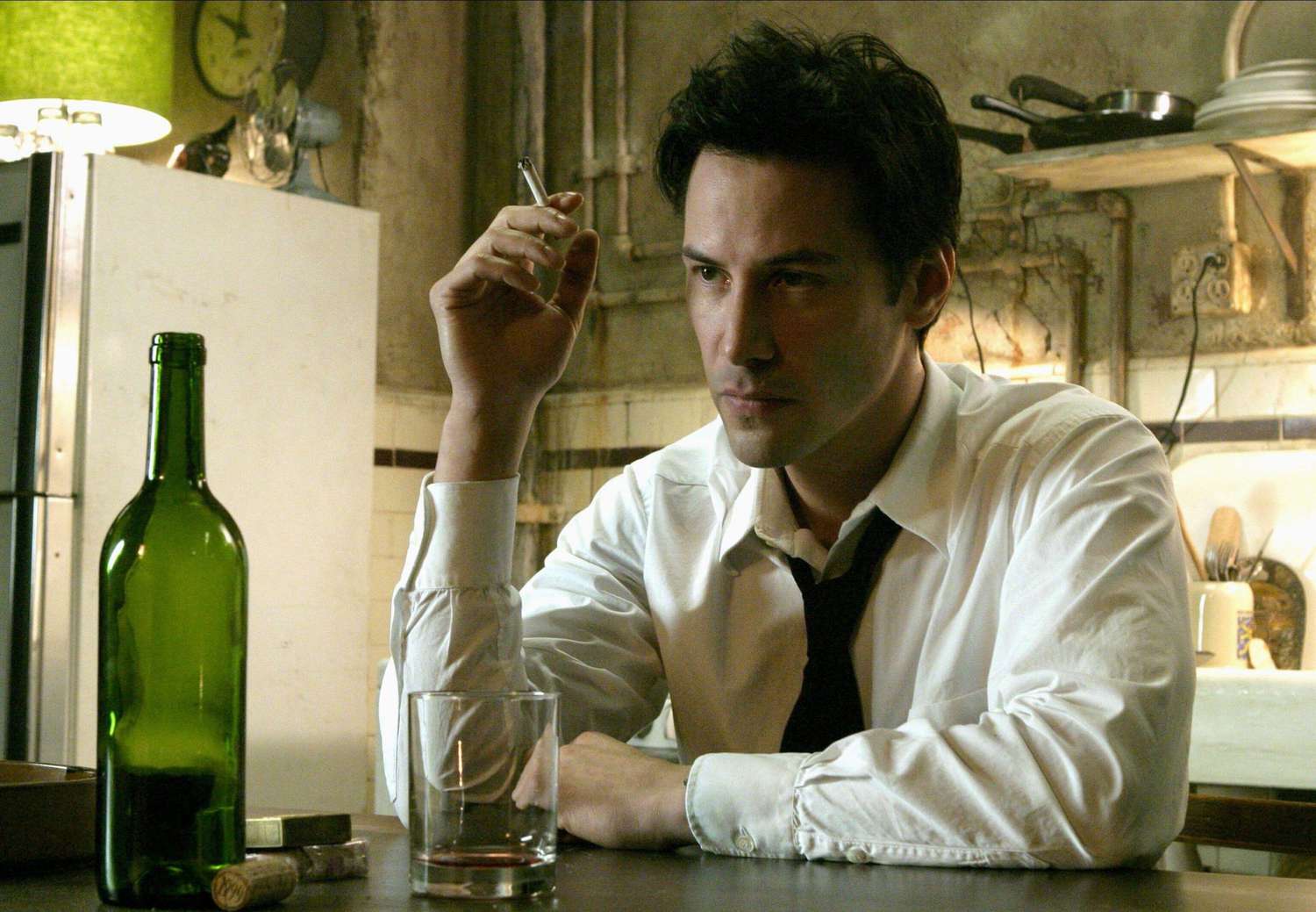
“Constantine” follows the character of John Constantine, played by Keanu Reeves, and he’s an expert in the occult.  He believes there is a “balance” happening in the world between the souls of those who are walking the earth. Essentially, their souls are up for grabs. In his mind, it is up to him to make sure the evil souls are where they belong in hell, and the good souls stay on the straight and narrow. If John can perform enough good deeds, he hopes he can save his own soul because he has lung cancer and doesn’t have a lot of time left on this earth. However, he has a complicated past, so it might be too little, too late for him.

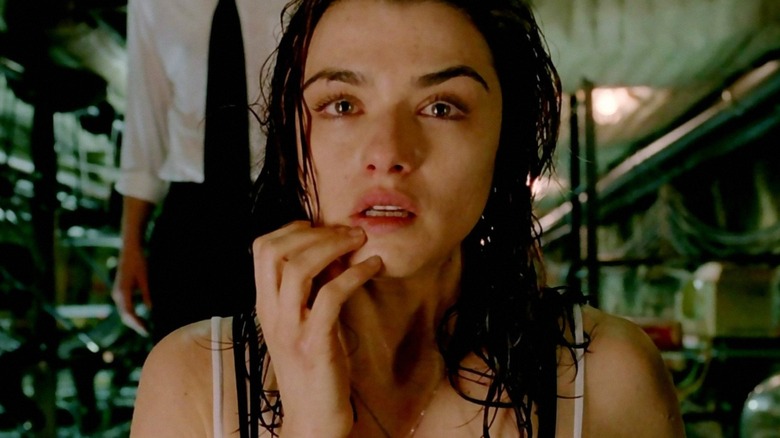
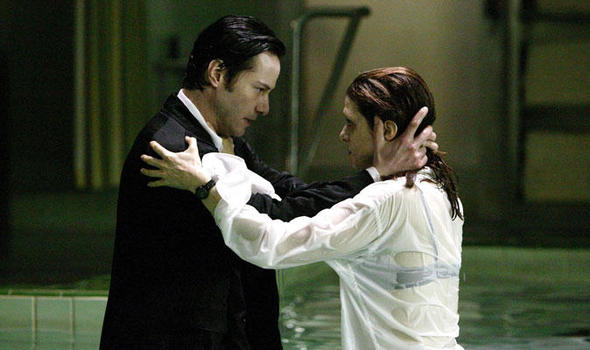
John meets a detective named Angela Dodson (Rachel Weisz) who is looking for answers after her twin sister’s suicide. Angela knows her sister did not commit suicide, and she believes something sinister is at play with her death. This falls back in line with John’s thinking, which is that the souls on earth are being influenced by evil bidders who are looking to bring them to hell. Because Angela’s family is religious, she is concerned her sister will not be able to make it to heaven because of her suicide.

On the surface, I liked the concept of “Constantine” as it reminded me of the films in “The Conjuring” universe with its views on demons and the occult. It also had a mystery element as well, which appealed to me.  I wanted to know the answers to some of the questions raised in the film.  I thought the first hour was captivating, intriguing and intense. I was interested in seeing how it was all going to play out, and I was along for the ride. Somewhere along the way in the latter half, it started to really lose my interest and also my patience with its story.

One of the biggest issues with the film is its lead actor, Keanu Reeves. I found his performance and the writing of his character to be silly and goofy. He has these terrible one-liners which are painfully unfunny, and he also delivers his lines in such a morose and blasé way. It really took me out of the film at times.  The Shia LaBeouf cab-driver character was also completely unnecessary and added nothing to the film. I did think Rachel Weisz gave a really good performance here as she is smart, tough and driven.  She is looking for answers when it comes to her sister, and she is not interested in playing any games. Weisz gives a serious and committed performance.

I would have liked it if they had written John Constantine’s character with the same level of seriousness and intelligence. I’m not against some comedic relief in a supernatural film like this, but it felt like he was Freddy Krueger with some of the silliness he was reading on screen. I really didn’t like it, and it made me wonder how this film would have turned out if they had hired an actor like Brad Pitt for this role as he can play cocky, charismatic and funny without trying too hard. Reeves needs the right role in order to show off his acting chops, and I didn’t think this film was in his wheelhouse. He seemed unaffected by a lot of what was happening on screen.

Another issue is when the demons come out to play. They are not that interesting as sparring partners for our main characters. I found them to be rather lackluster in terms of how they were written, and how they came across on screen. Tilda Swinton is a terrific actress, and I wish she had more to do and say here. Peter Stormare is over-the-top in a very uneven way, and I didn’t connect with his performance. Overall, this is a film with some thought-provoking ideas, and it’s directed with terrific style by Francis Lawrence, but the screenplay is wildly uneven. It needed a better performance from its leading man or a different leading man all together.

* * out of * * * *
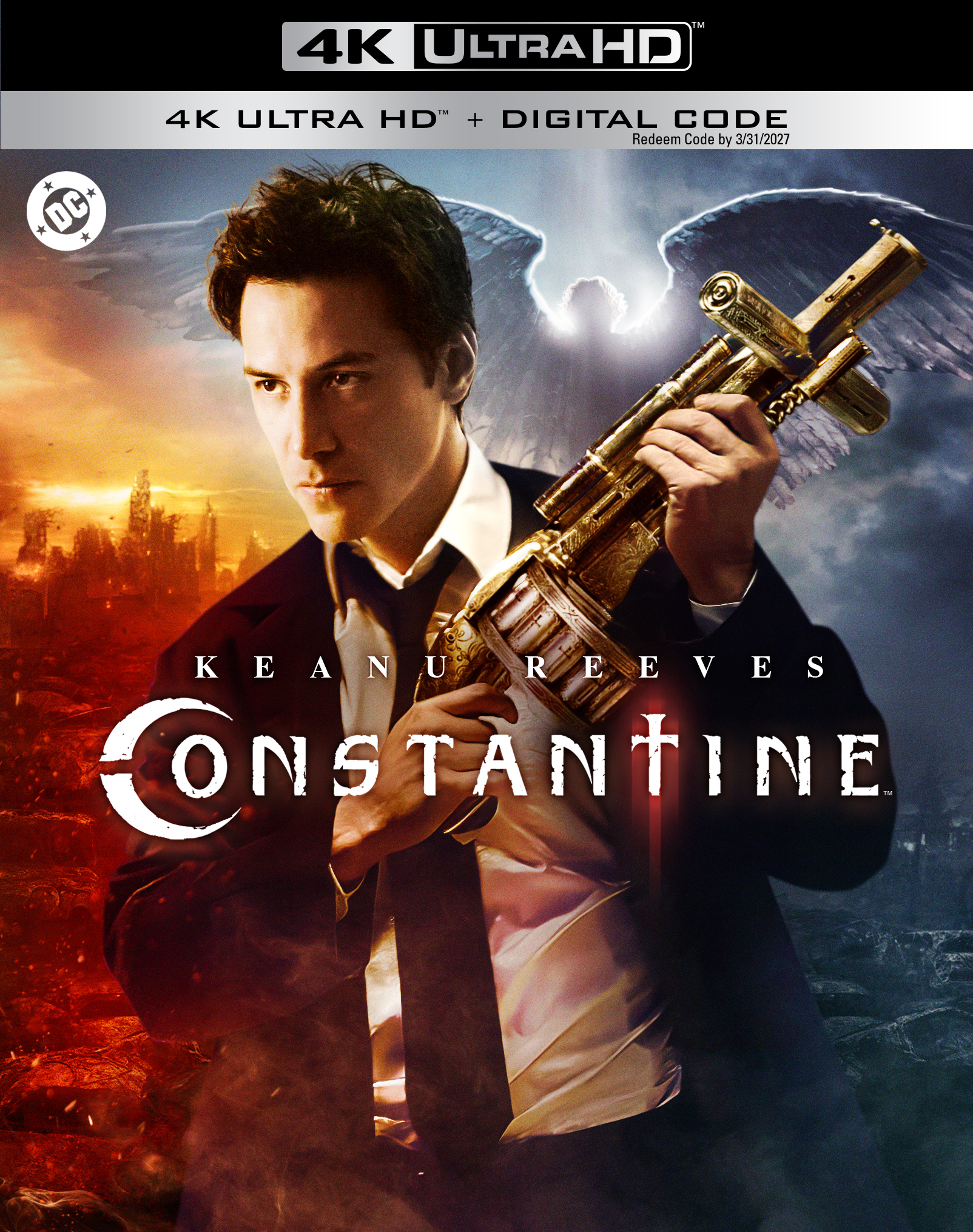
4K Info: “Constantine” is released on a single 4K disc from Warner Brothers Home Entertainment. There is an insert inside, which includes a digital copy of the film as well.  The film has a running time of 121 minutes and is rated R for violence and demonic images.

4K Video Info: The film is treated to a Dolby Vision transfer, and it’s simply stunning. I haven’t seen the film in any other format as this was my first time watching it, but I found the color palette to be bold when it needed to be, and also dark when the material was shot at night.  The image is clean, crisp and vivid.

4K Audio Info: There is also a really solid Dolby Atmos track included here too with subtitles in English, Spanish and French. This is a soundtrack that is consistent and level throughout the duration of this movie.

Special Features:

NEW Feature – Two Decades of Damnation

Audio Commentary featuring Francis Lawrence and Akiva Goldsman

Audio Commentary featuring Kevin Brodbin and Frank A. Cappello

Channeling Constantine

Conjuring Constantine

Director’s Confessional

Collision with Evil

Holy Relics

Shotgun Shootout

Hellscape

Visualizing Vermin

Warrior Wings

Unholy Abduction

Demon Face

Constantine’s Cosmology

Foresight: The Power of Pre-Visualization

A Writer’s Vision

Deleted Scenes + Alternate Ending

Should You Buy It?

It seems as though this film has gained a cult following in the twenty years since it has been released, which shows the importance of physical media.  While I don’t think it’s as bad as the late, great Roger Ebert said it was in his initial review, I also don’t think it’s a cult classic either. I fall somewhere in the middle with “Constantine.” I wanted to like it, and I was enjoying the hell out of it for the first sixty minutes of its running time, but it lost me in the second half. I wanted to see a satisfying resolution to what was presented in the first half. This film looks and sounds great on 4K, and they even introduced a new special feature here as well, which I’m sure is going to make fans very happy. For now, I’d recommend you check it out first if you haven’t seen it before, and then decide if you want to buy it. You can rent it on many digital platforms for the low price of $3.99 and then, if you do like it, you can pick up the 4K. If you are a fan of this film and have been waiting for its 4K release for a long time, you have an awesome looking slipcover version, or you can pick up the 4K Steelbook instead.

**Disclaimer** I received a copy of this film from Warner Brothers to review for free.  The opinions and statements in the review are mine and mine alone.