‘One Flew Over the Cuckoo’s Nest’ Movie and 4K Review
The following review was written by Ultimate Rabbit correspondent, Tony Farinella.

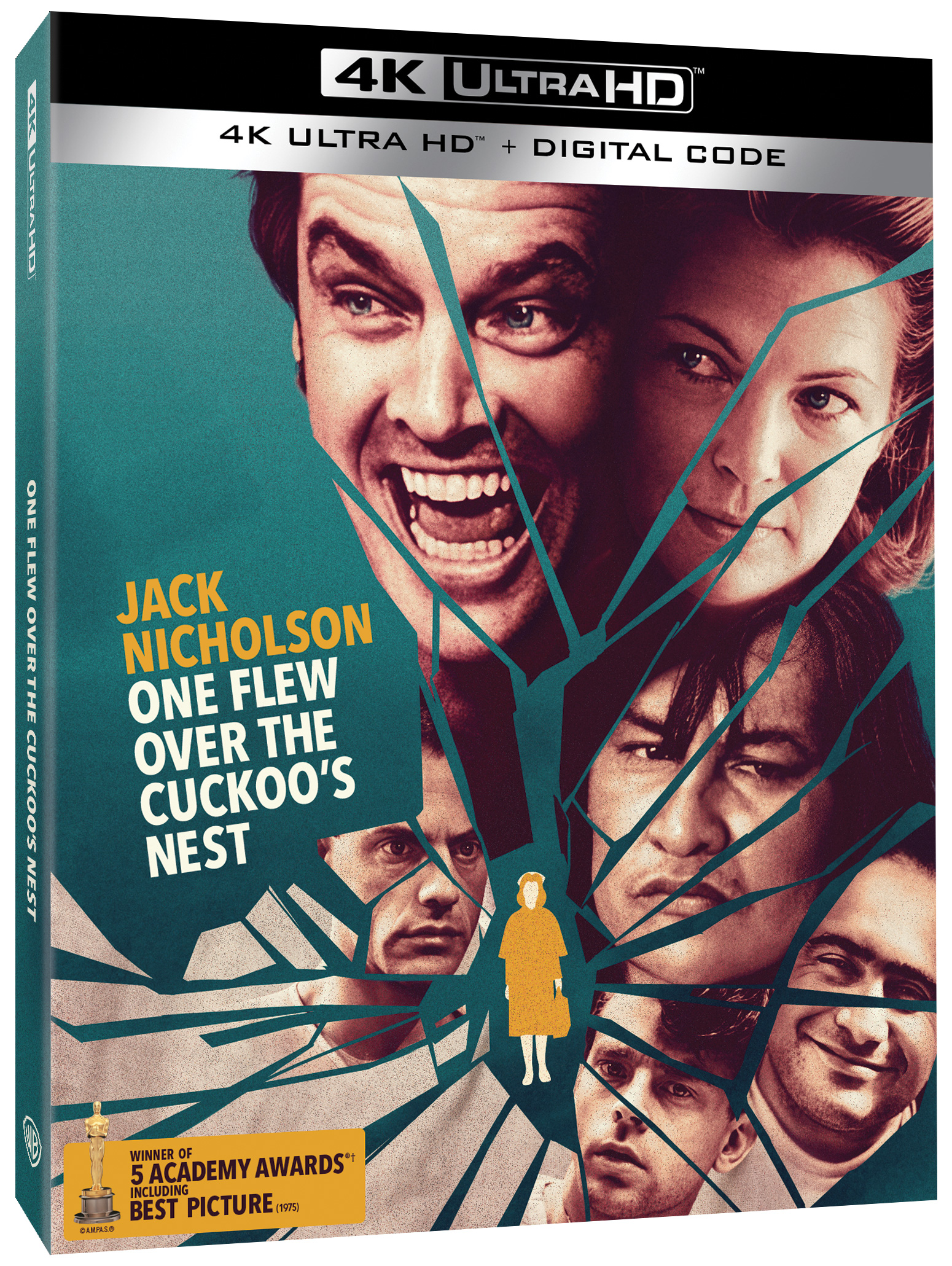
When it comes to 1970’s cinema, there was a sense of exploration, discovery and reflection that hasn’t been found in Hollywood since that decade. The filmmakers had a lot to get off their chests, and their way to process what they were seeing and feeling was through their moviemaking.  One of my favorite films from that decade was 1975’s “One Flew Over the Cuckoo’s Nest,” which is celebrating its 50th anniversary this year with this 4K release. I’ve always connected with films which have a powerful message and leave a lasting impression on me as a viewer long after the viewing experience has ended. “One Flew Over the Cuckoo’s Nest” is one of my favorite films of all-time, and one I find myself returning to often as a viewer.

I must confess that one of the reasons I connect with the material is because I’ve battled with mental illness for a good majority of my life, and I’ve also spent time in a psychiatric hospital. When you have a mental illness and tell people about it, they usually look at you sideways and they handle you with care. They think if they do something to upset you, rub you the wrong way, or make you unhappy, you are going to end up back in the hospital again. Friends and family “proceed with caution” when they are around you.  It’s frustrating and challenging. In Miloš Forman’s film, written by Lawrence Hauben and Bo Goldman, it challenges you to expect more out of yourself, not be put in a box, and to live and be free despite your mental illness.
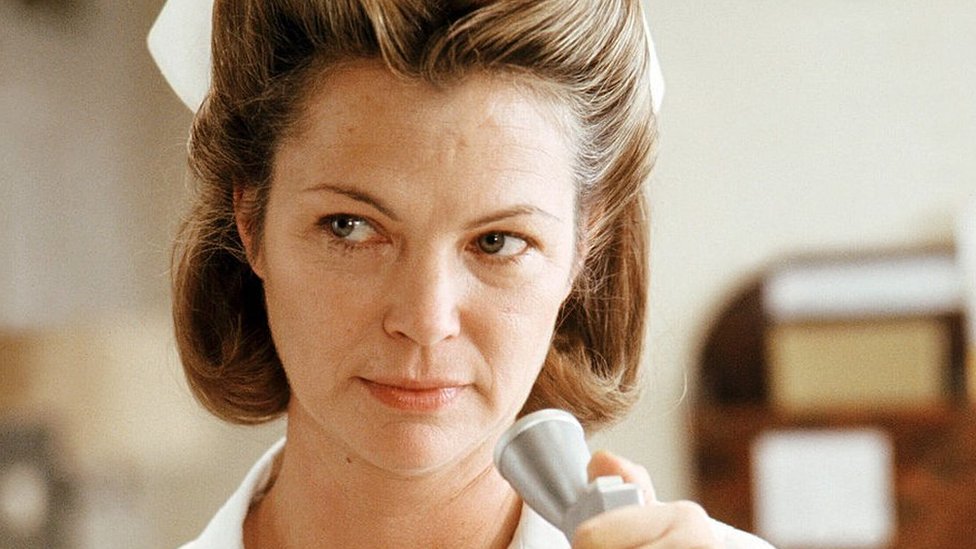
But I digress. Randle McMurphy (Jack Nicholson) ends up in a mental institution after having one too many brushes with the law. In his mind, instead of facing further punishment, it’s better to claim insanity and spend time in the mental institution.  Even though he’s a criminal, he’s no dummy. He’s charming, funny and charismatic, which immediately makes him enemies with Nurse Ratched (Louise Fletcher), who is colder than a mother-in-law’s heart with her treatment of the patients at the hospital. She knows they probably do not have the strength or energy to fight back, and she’s going to take full advantage of that.

Randle shows up, and he gives them a sense of purpose, an identity, and a reason to live. He encourages them to think for themselves, stand up for themselves, and not let their mental illness define them. The cast of actors is filled with Hollywood legends such as Christopher Lloyd, Brad Dourif and Danny DeVito. They all make their presence known with their performances without being too showy or over-the-top. In a film about people in a mental institution, it would have been easy to be loud, goofy, or to act like a complete loon. Instead, they are nuanced and unique. Another standout is Chief Bromden, played by Will Sampson. He’s a deaf-mute who is clearly processing a lot in his head, and Randle is determined to get through to him.

Another reason “One Flew Over the Cuckoo’s Nest” speaks to me is the idea of standing up to authority.  I’ve always been someone who doesn’t like being told what to do, doesn’t like following rules which don’t make any sense, and likes to challenge outdated notions. If you tell me I can’t do something, I want to know why and not just be told, “Because I told you so. These are the rules.” I want to understand the rules and why they are in place, and if they don’t add up, I’m going to speak up on that issue. I’ve never been one who likes to be silenced. This was the way of 1970’s cinema. It was about being confrontational and in-your-face without apologies or excuses.
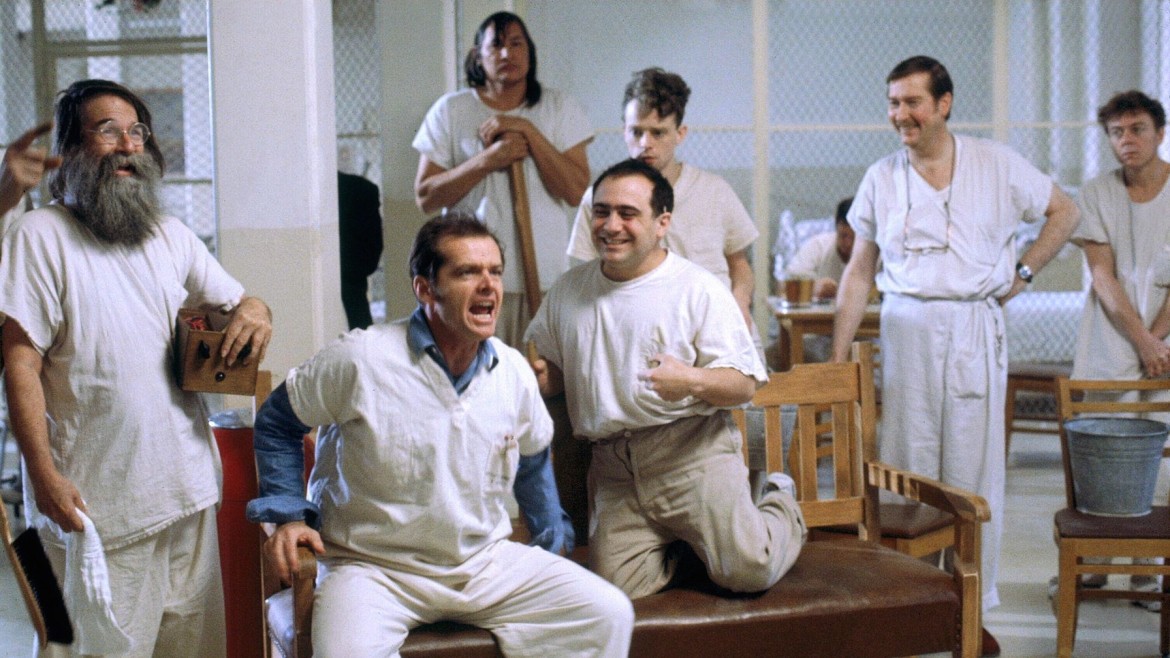
The great movies in Hollywood have been those which stand the test of time because they strike a chord with the audience. The screenplay for “One Flew Over the Cuckoo’s Nest” is absolutely perfect. I wouldn’t change a thing about it.  The performances, top to bottom, are amazing. For my money, this is Jack Nicholson’s best performance of his legendary and storied career. From his facial expressions to the way he delivers his lines, his performance is a masterpiece. You can’t take your eyes off him when he’s on screen. It reminds me of the old line from the legendary wrestler “Rowdy” Roddy Piper, “Just when you think you have the answers, I change the questions.” Louise Fletcher as Nurse Ratched is perfect to play opposite Jack, as she shows no emotion. She’s cold, matter-of-fact, and unflinching. She knows she has all of the power, and she’s not afraid to wield it. She enjoys being the puppet master.

If I’m lucky enough to live another 50 years, I’ll still enjoy “One Flew Over the Cuckoo’s Nest.” It’s a perfect example of old-school Hollywood craftsmanship. There is a reason why it is one of only three films to win Oscars in the major five categories (Best Picture, Best Actor, Best Actress, Best Director and Best Screenplay). This is a flawless piece of cinema, and it fuels me with energy, enthusiasm and passion. I’m going to sound like the old man shouting at the cloud here, but this is how Hollywood used to make movies.  This is a movie about people dealing with emotions, challenges and problems.  We are with them every step of their journey, and we are invested in them. When we are watching the movie, we forget we are watching characters.

* * * * out of * * * *

4K info: “One Flew Over the Cuckoo’s Nest” is released on a single-disc 4K from Warner Brothers Home Entertainment in celebration of its 50th anniversary. The film has a running time of 133 minutes and is rated R for language and violence.

4K Video Info: I love the way 4K HDR enhances the picture quality but still keeps the integrity of the film alive. The picture is crisp and clear, but it also knows when to be dark and moody depending on the scene and the mood.

4K Audio Info: The DTS-HD Master Audio track comes with subtitles in English, Spanish, and French. The audio track is more subdued throughout the film, as it’s in a mental hospital, but it’s not so subdued that you have to turn it up or can’t hear it.  It also knows when to make the soundtrack more powerful and intense during the impactful moments of the film.

Special Features:

Conversations on Cuckoo: Group Therapy (NEW)

Conversations on Cuckoo: Moviemaking Memories (NEW)

Completely Cuckoo

Deleted Scenes

Should You Buy It?

I would hope after reading my review, you would know the answer is a resounding HELL YES. If you haven’t picked up on that, I haven’t done a very good job in my review. The film also comes with a pair of fun new special features, with my personal favorite being the one that includes conversations with vital cast members about the casting process they went through fifty years ago. Warner Brothers is one of the few big studios that is not only releasing classic films on 4K, but they are also taking the time and effort to include some new special features as well. The film has never looked or sounded better than it does with this 4K release. You can buy the 4K in either a slipcover version or a steelbook. The film itself is a masterpiece and one of the greatest films of all time. This has been one of my favorite releases of 2025.  As a film lover, you owe it to yourself to add this film to your collection.

**Disclaimer** I received a copy of this film from Warner Brothers to review for free.  The opinions and statements in the review are mine and mine alone.
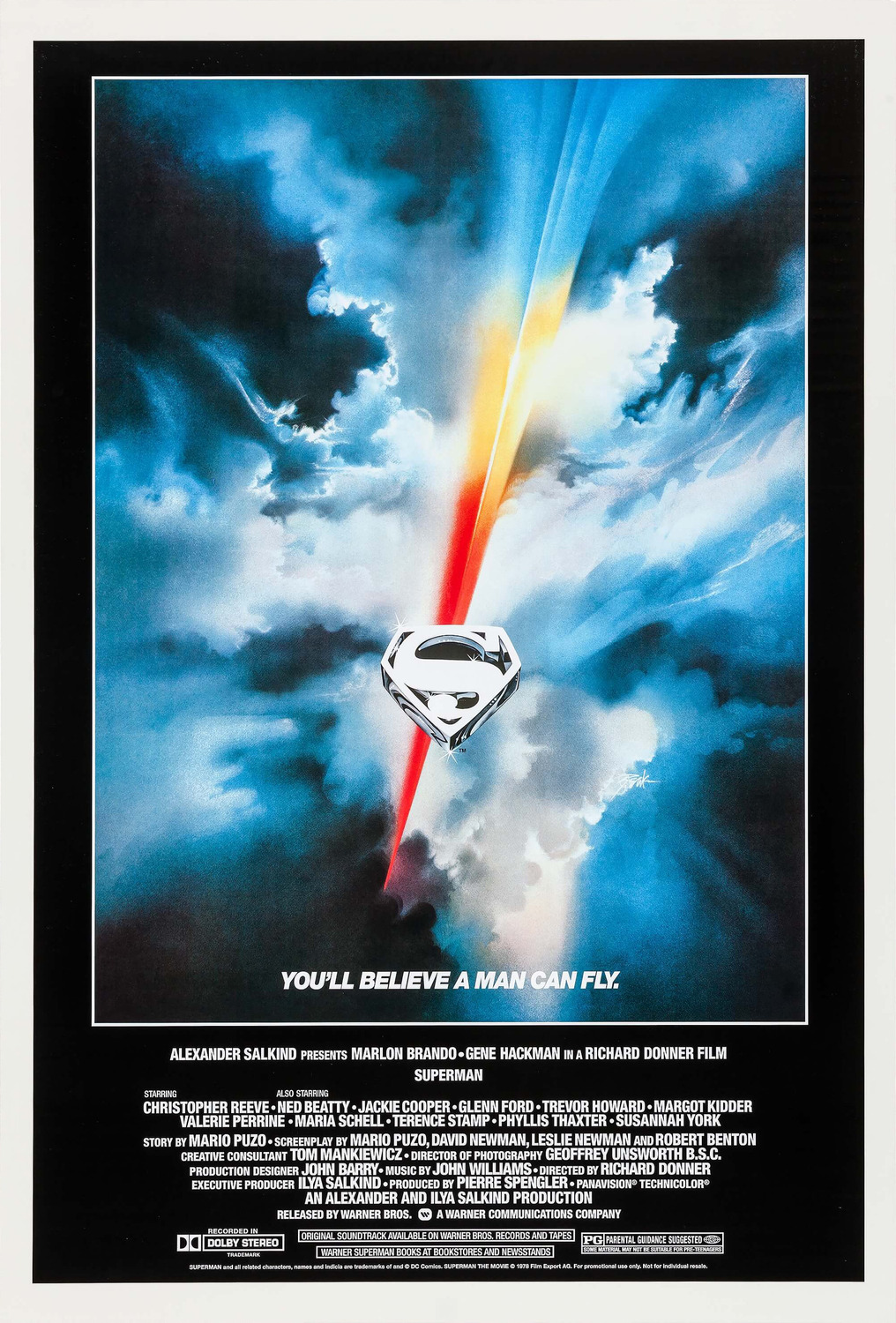
Favorite Opening Titles: ‘Superman – The Movie’

With James Gunn’s long-awaited “Superman” now arriving in theaters everywhere, I am eager to find out if this iteration of the Man of Steel will have any opening credits. And if it does, what will the music to them sound like? The score for the 2025 film is credited to John Murphy and David Fleming, and they both have quite a legacy to live up to which makes the challenge given to them all the more daunting.

Look, it is still impossible to top Richard Donner’s “Superman: The Movie” which brought this symbol of hope to an iconic high, but it will be even harder to top that classic’s opening credits which remain some of the best ever created. Being hurtled to the edges of outer space as the titles stretched out towards the audience was ever so thrilling to me as a youngster, and it has been said that they cost more money to make than most movies back in the day.

And yes, all the visuals were elevated by the opening theme composed by John Williams, a man who has composed so many iconic musical cues and probably still has a couple more left in him. It remains one of my favorite movie themes of all time, let alone one of favorites of Williams’. All of this comes together to create an exhilarating opening to what has long become one of the greatest superhero movies ever made. While this opening could have been “Superman: The Movie’s” peak, something which can result in what I call premature cinematic ejaculation, it instead sets you up and makes clear you are about to watch one of the most entertaining motion pictures you could ever hope to see.

These titles were created by Richard Greenberg of R/Greenberg and Associates (R/GA), and they proved to be his breakthrough into show business. I have included a link for an interview with Greenberg from the Art of the Title website down below in which he describes this opening’s creation, and it can tell you much more than I can in this article.

And, of course, please feel free to watch the high-definition edition of the “Superman: The Movie” opening titles down below.

Art of the Title Superman (1978) article.

‘The Outlaw Josey Wales’ Movie and 4K Review

The following review was written by Ultimate Rabbit correspondent, Tony Farinella.

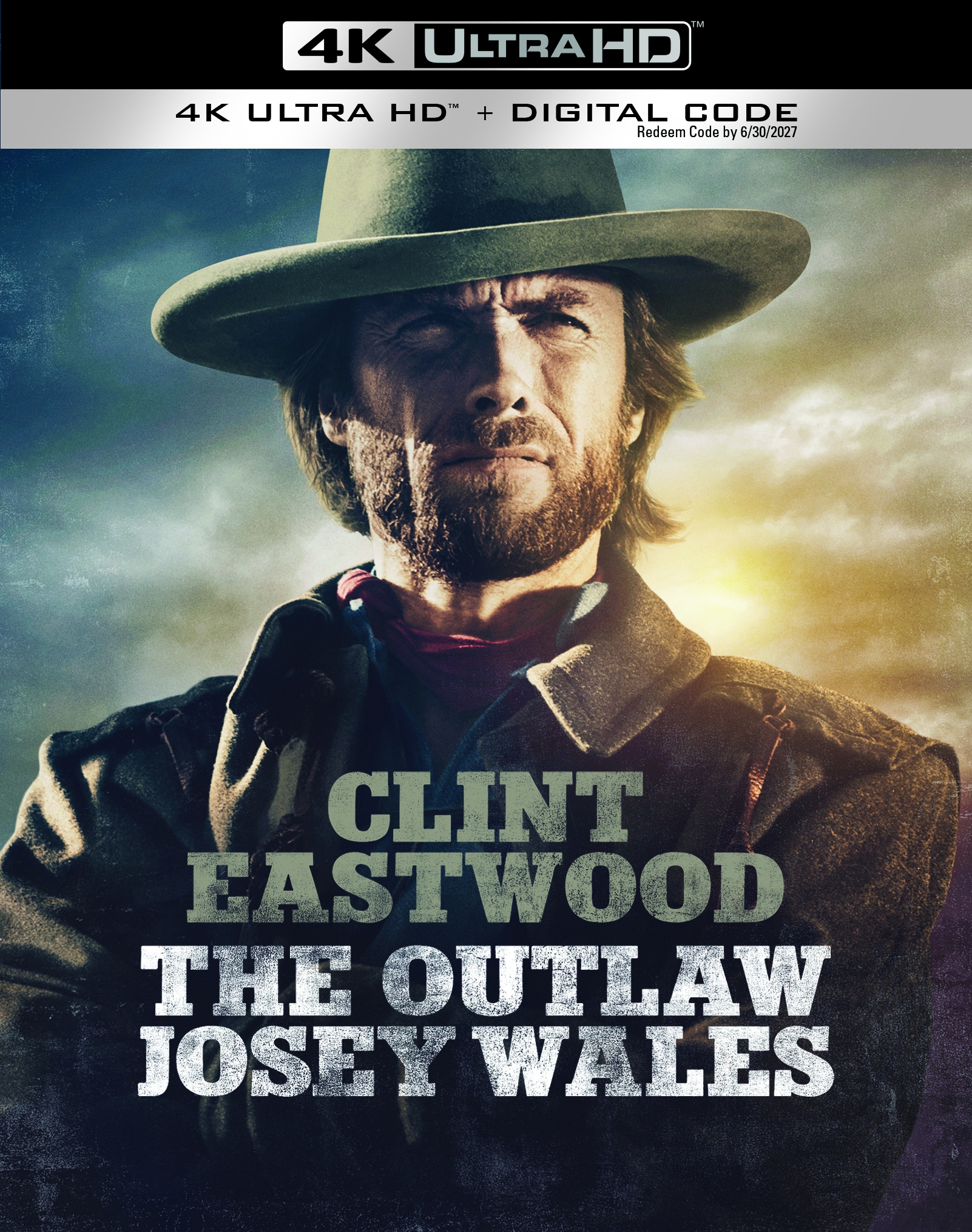
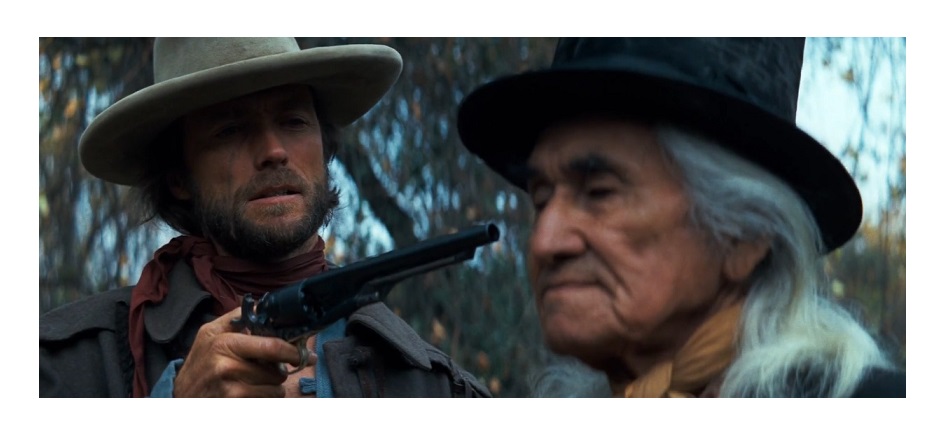
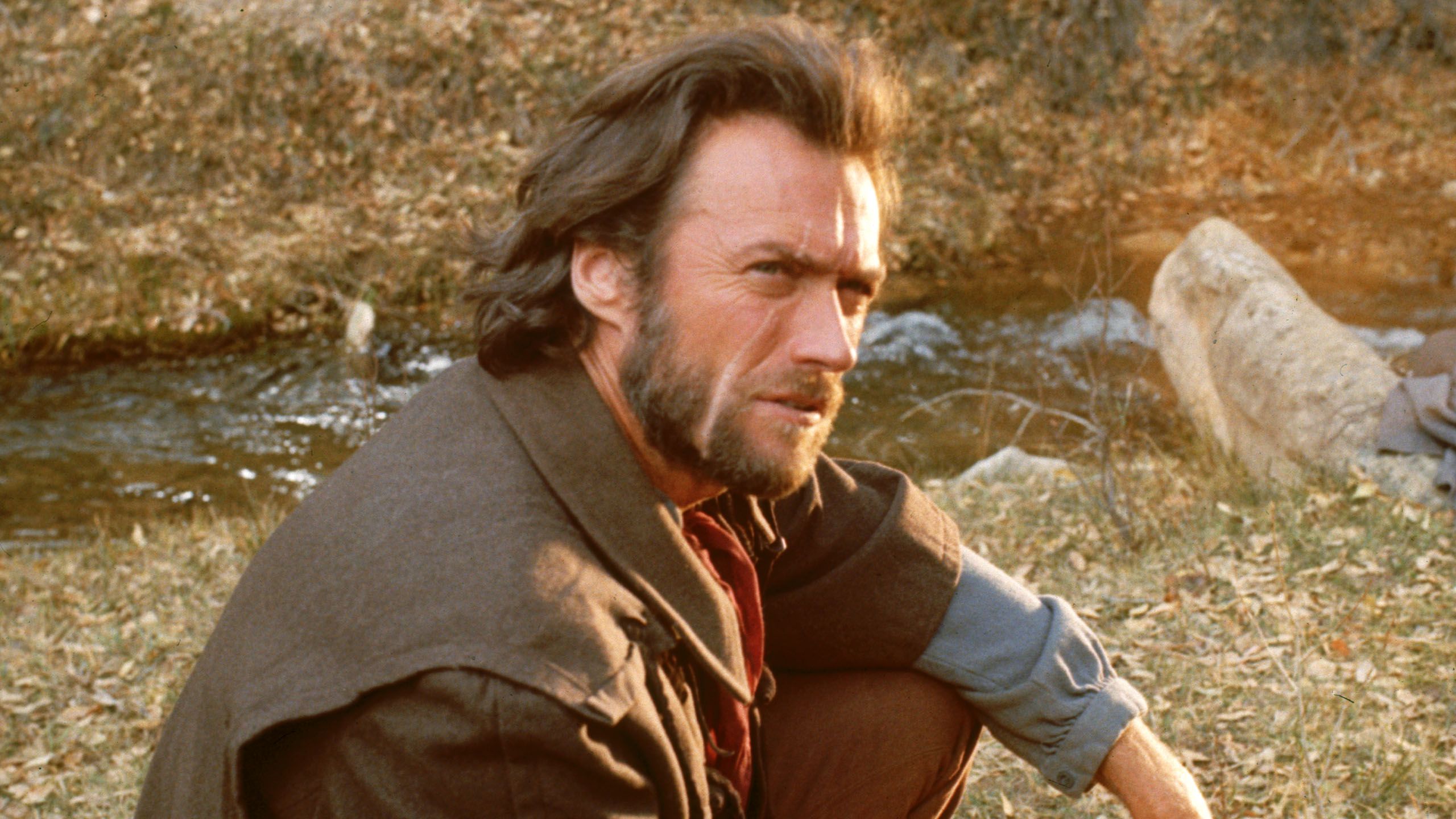
The Outlaw Josey Wales” was directed by Clint Eastwood, and it was adapted from the book, “Gone to Texas” by Forrest Carter. Eastwood is also the lead actor in the film, and he’s certainly in his wheelhouse when it comes to the Hollywood Western. When it comes to certain Clint Eastwood Westerns, some of them stand out more than others.  This film was released in 1976, and it was Eastwood’s second time directing a Western after first directing “High Plains Drifter.” He would return in 1985 with “Pale Rider” before putting his finishing touches on the genre with “Unforgiven” in 1992. For my money, “Unforgiven” is not only one of the best Westerns Eastwood ever directed or starred in, but it’s also one of the best Westerns of all time.

“The Outlaw Josey Wales” is set during the American Civil War, and it opens with the wife and son of Josey Wales (Clint Eastwood) being murdered by Captain Terrill (Bill McKinney) and his group of Union militia. Now, Josey Wales will stop at nothing to seek revenge for the death of his wife and son.  Throughout his journey, he stumbles upon a group of unique and eccentric characters who can either help him or get out of his way. Eastwood plays Josey Wales as subdued, determined, and unflappable. If he gets his pound of flesh, will he be satisfied? He’s on a mission, and he isn’t going to let anything or anyone slow him down or get in his way.

One of the more interesting characters that Josey Wales meets is Lone Watie, played by Chief Dan George. They have had an “Odd Couple” type of relationship, as it’s hard to get a read on Josey whereas Lone Watie is quite chatty. Along the way, they come in contact with various gunmen, and we quickly learn that Josey is not someone to be trifled with when he’s in a battle of life or death.  There are also quiet and reflective moments when the threat of violence isn’t in the air.  The film is shot with a keen eye by Eastwood. He’s always been a skilled and talented director, especially when he’s shooting Westerns. He makes even the mundane look spectacular and mesmerizing.

When I was watching “The Outlaw Josey Wales,” there wasn’t anything happening on screen from a plot or character perspective which drew me in or kept my attention.  I recently reviewed “Pale Rider,” which was done after “The Outlaw Josey Wales,” and that was a film with a strong pulse and interesting characters. I have seen Eastwood portray this character before, and it feels like he’s simply spinning his wheels with this performance. There is not a whole lot going on with this character of Josey, and there isn’t a whole lot going on with the majority of the story either.

I can only get lost in the scenery and the beautiful sights and sounds for so long before I eventually start to get bored.  Make no mistake about it, “The Outlaw Josey Wales” is a beautiful film from a filmmaking perspective.  There is a ton of skill on display, and it’s a quiet and unassuming film.  The problem is it also feels bland and flat. I didn’t feel as though the film did anything to differentiate itself from a host of other Westerns which have been directed by Eastwood in the past. It’s OK for his character to not be showy, loud or outspoken, as we don’t expect that in an Eastwood Western. However, at times, it looked and felt like he was in a medically-induced coma.

As I was watching this film, I kept waiting for it to spring into action and come to life on screen. After you have seen him take out the bad guys time after time, it begins to become repetitive and it loses its luster the more you see it happen. This is a movie which is a little too focused on its sense of time and place but not focused enough on creating a captivating story.  This is a problem when you have a film that is a little over two hours long. I didn’t hate watching “The Outlaw Josey Wales,” but I didn’t particularly enjoy the experience. It left me feeling very underwhelmed.

* * out of * * * *

4K Info: “The Outlaw Josey Wales” is released on a single 4K disc from Warner Brothers Home Entertainment. It comes in either a 4K slipcover edition or a 4K steelbook. The film has a running time of 135 minutes and is rated PG. The film also comes with a digital code to redeem.

4K Video Info: The 4K of this film is absolutely magnificent.  Westerns, in particular, were made to be released on 4K. You just don’t get this type of viewing experience on Blu-ray or DVD with Westerns. The HDR on this film presents an epic picture that is utterly flawless.

4K Audio Info: The Dolby Atmos audio track also brings the film to life in your living room with a soundtrack that is big and bold. Subtitles are included in Spanish, English, and French.

Special Features:

Commentary by Richard Schickel

An Outlaw and an Antihero – NEW

The Cinematography of and Outlaw: Crafting Josie Wales – NEW

Clint Eastwood’s West

Eastwood in Action

Hell Hath No Fury: The Making of The Outlaw Josey Wales

Clint Eastwood: A Cinematic Legacy – Reinventing the West

Should You Buy It?

I had the pleasure of reviewing three Clint Eastwood 4K’s over the past week: “The Outlaw Josey Wales,” “Dirty Harry,” and “Pale Rider.” “Pale Rider,” without question, was my favorite of the three. With “Dirty Harry” and “The Outlaw Josey Wales,” I admired but didn’t love them.  I felt like I was missing something when I was watching them.  Both films are well-made and they are not terrible, but they didn’t entertain or grab me emotionally. However, I’m well aware that many people out there who love both “Dirty Harry” and “The Outlaw Josey Wales.” When it comes to “The Outlaw Josey Wales,” if you are a fan of the film, you need to add it to your collection as soon as possible.  It looks and sounds out of this world on 4K, and there is a boatload of special features here to enjoy, especially a few new ones as well. I just put this film under the category of, “It wasn’t for me.” If it is for you, you can’t ask for a better physical media release than what they have put together at Warner Brothers for this one.

**Disclaimer** I received a copy of this film from Warner Brothers to review for free.  The opinions and statements in the review are mine and mine alone.
‘Dirty Harry’ Movie and 4K Review

The following review was written by Ultimate Rabbit correspondent, Tony Farinella.

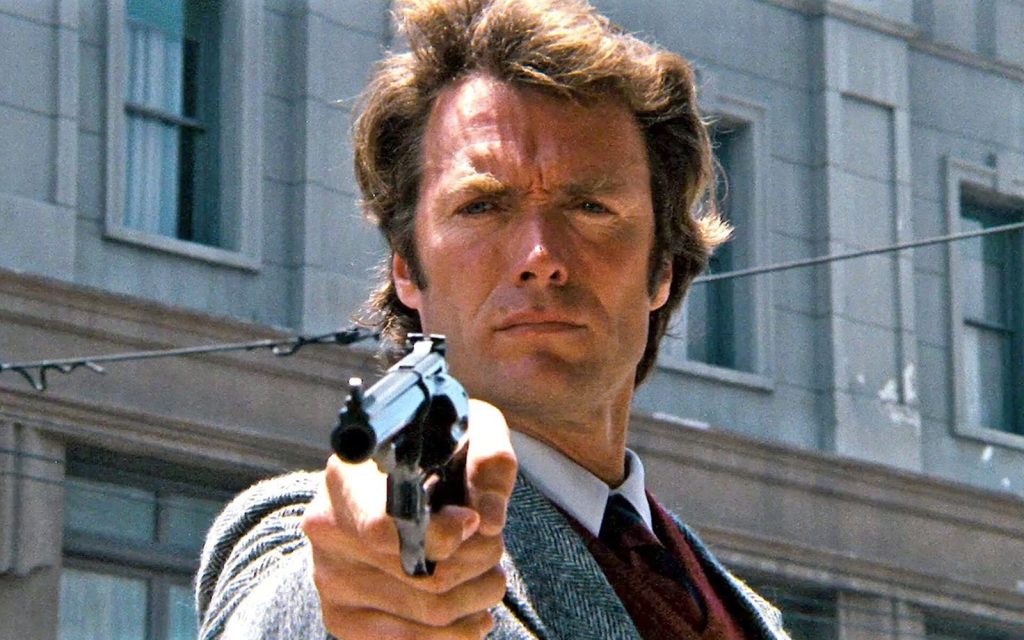
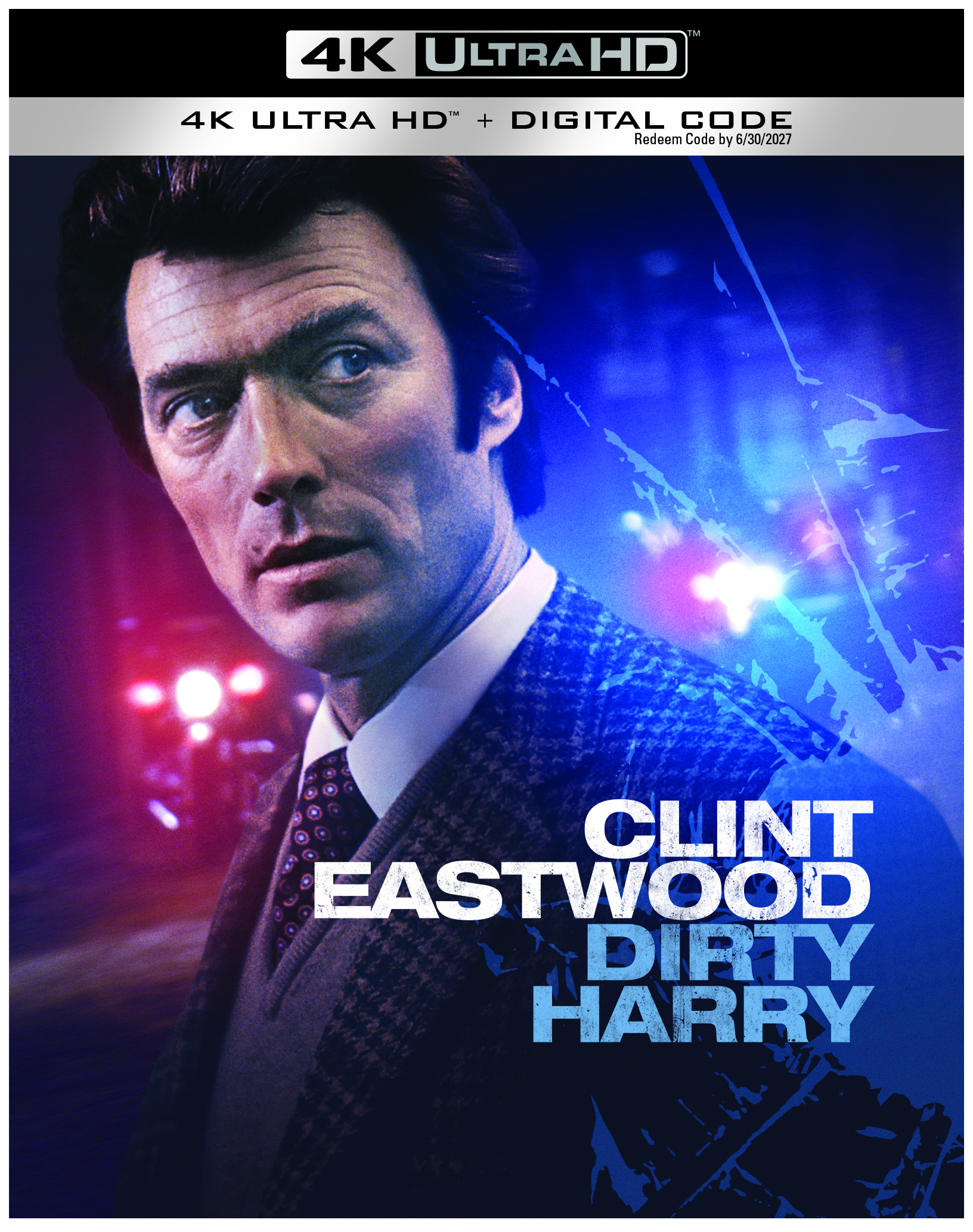
Dirty Harry” is a film I’ve heard a lot about during my almost forty years on this planet, especially when I started to watch movies regularly in my youth. It’s long been a part of American pop culture, and it’s hard for me to believe this was my first time watching it.  I’m familiar with the “Do you feel lucky, punk?” speech that has been repeated by numerous cinephiles over the past fifty years.  “Dirty Harry” was released in 1971. The 70’s are my favorite decade of American cinema, as the films back then were raw, dirty, and unapologetically in-your-face.

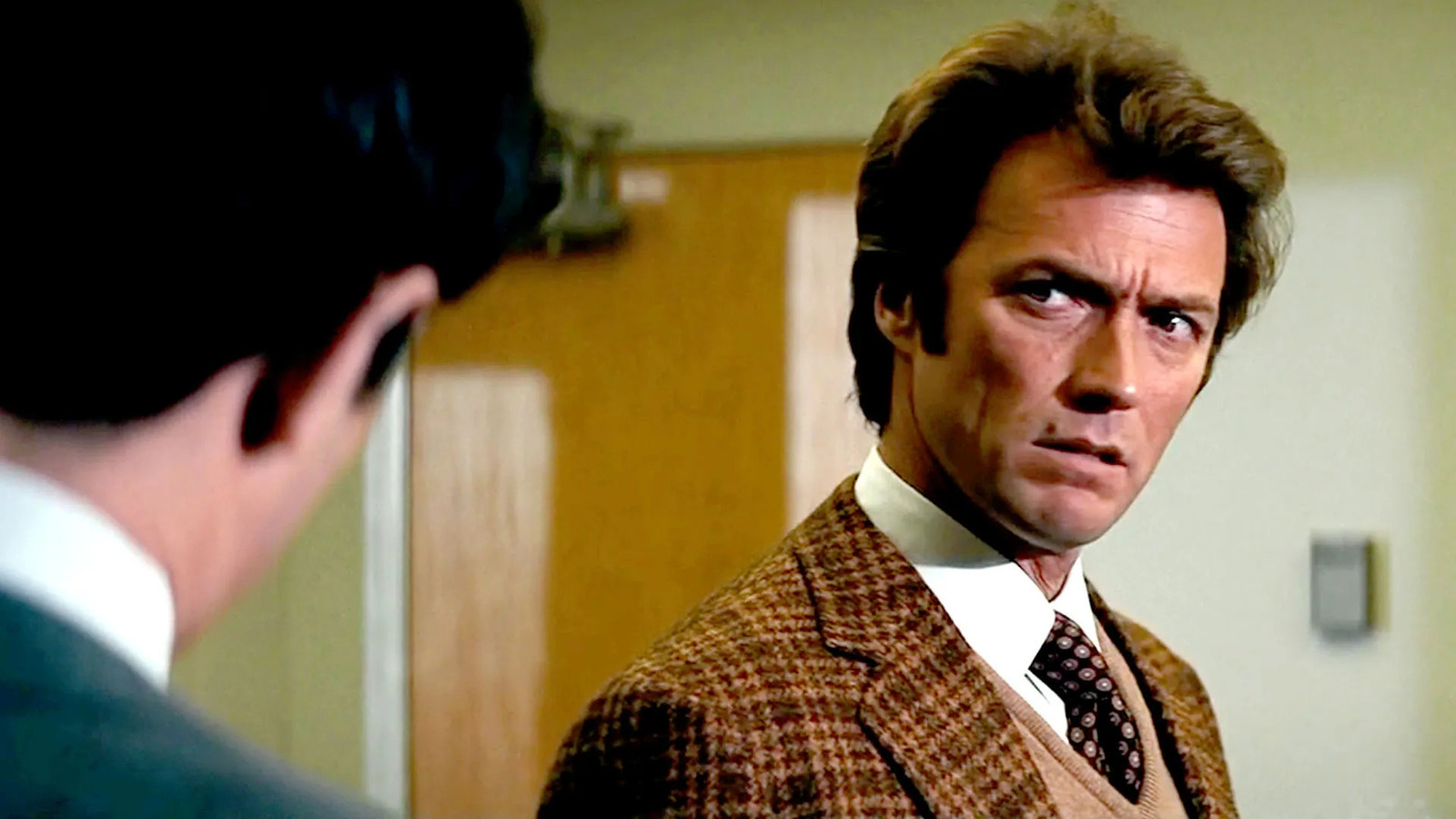
Our antagonist in this film goes by the name of Scorpio (Andrew Robinson), and when he’s first introduced on screen, he’s seen killing a woman in a San Francisco pool from a rooftop. Scorpio a vicious sniper who plans on killing more innocent people unless his demands are met.  He’s looking to get $100,000, and if he doesn’t, he will kill one person a day, starting with either a Catholic priest or an African American.  Police Inspector Harry Callahan (Clint Eastwood) found his ransom letter and wants to take matters into his own hands much to the dismay of the San Francisco Police Department. He’s called Dirty Harry because he’s not afraid to get his hands dirty and do whatever is necessary to find his man. He also appears to hate everyone equally, regardless of their race.

Harry is none too pleased when he’s assigned a rookie partner named Chico Gonzalez, played by Reni Santoni. Harry’s previous two partners ended up injured or dead. Before long, Scorpio decides he wants to raise the stakes–he wants $200,000 or he will kill a teenager named Ann Mary Deacon.  It’s up to Harry and Chico to put a stop to this before it gets even worse for the entire city of San Francisco. The biggest problems in Harry’s life come from his own police department, as they want him to play by the rules and follow police protocol.  Harry Callahan knows he’s dealing with a lunatic here, and you can’t reason with someone who is evil, maniacal, and cold-blooded.

My biggest issue with “Dirty Harry” is the fact the film presents an antagonist and a protagonist who are written in a bland and one-note fashion. Eastwood is known for his understated and minimalist approach to acting, and most of the time, it works. In “Dirty Harry,” for me, I wanted to learn more about what makes him tick and what his backstory is.  I didn’t need everything to be explained to me in granular detail, but we know very little about him.  The mystery of Harry Callahan doesn’t work in this film because I found myself detached from the character.  Scorpio is just an over-the-top villain. What is anyone’s motivation here?

“Dirty Harry” is a film which is all about the chase.  It’s all about Harry chasing Scorpio, and it’s interesting to a degree, but it doesn’t hold up for the duration of the film.  I understand the film is making a statement about police violence and what needs to be done in order to achieve a peaceful environment for everyone involved. Do the police need to resort to a more aggressive style of police protocol? Are they letting criminals get away with too much? Do the police need to bend the rules a little bit if it allows everyone to feel safe?  I understand what the film was trying to say, and I don’t need everything to be spelled out for me perfectly, but this is a film that felt flat and uninteresting to me. I needed a little more meat on the bone here.  It’s OK to have a simple story, but you need characters with a little more depth to them than simply good guy versus bad guy.

Overall, I liked the beginning and the end of the film, but the film completely lost me in the middle when it was the back-and-forth chase between Scorpio and Harry Callahan. There is little to no dialogue going on in these scenes, and I respected the style that was on display from director Don Siegel, but I needed something else to grab me to keep my attention. “Dirty Harry” is a Hollywood classic, and I understand many filmgoers hold it in very high regard.  I was anticipating having a strong reaction to it. When it was over, I thought to myself, “That’s it?”

* * out of * * * *

4K Info: “Dirty Harry” is released on a single-disc 4K from Warner Brothers Home Entertainment in either a slipcover version or a collector’s edition steelbook. There is also a digital copy of the film included in the set.  The film has a running time of 102 minutes and is rated R.

4K Video Info: The 4K HDR transfer here is striking and vibrant while maintaining a grimy and old-school look to it in the process. When the film is taking place during the day, the colors really pop and shine on screen. When it takes place at night, the deep blacks are on full display.

4K Audio Info: The Dolby Atmos track is sharp and solid throughout the film. It’s powerful without being overbearing. Subtitles are included in English, Spanish, and French.

Special Features:

Commentary by Richard Schickel

Generations and Dirty Harry – NEW

Lensing Justice: The Cinematography of Dirty Harry – NEW

American Masters Career Retrospective: Clint Eastwood: Out of the Shadows

Clint Eastwood: The Man from Malpaso

Clint Eastwood: A Cinematic Legacy – Fighting for Justice

Interview Gallery

Dirty Harry’s Way

Dirty Harry: The Original

Should You Buy It?

If you love “Dirty Harry” and it’s one of your favorite films, you’ll be over the moon about this 4K release, which includes over four hours of special features. They really made sure they went above and beyond for this 4K release, and I imagine a lot of people have been waiting a long time for this.  Visually, it’s a stunning release that is sure to satisfy physical media lovers out there. The Dolby Atmos track stands out on this as well. For people who haven’t seen the film before, like myself, I don’t know how well it will hold up with a modern audience or a first-time viewer. It didn’t connect with me, and I was disappointed by the majority of it. It was a film I respected, but I didn’t connect with it the way I have other Clint Eastwood films I’ve been watching lately. If you haven’t seen it before, you might want to watch it before you blind buy it.

**Disclaimer** I received a copy of this film from Warner Brothers to review for free.  The opinions and statements in the review are mine and mine alone.
When I First Watched David Lynch’s ‘Eraserhead’

Please don’t ask me what “Eraserhead” is about because I’m still trying to make sense of it after all these years. Even David Lynch, who passed away on January 15, 2025 after battling emphysema, refused to tell anyone what it means as he prefers to let audiences come to their own interpretations. I finally got to see this surrealist body horror cult classic for the very first time at New Beverly Cinema back in 2012, and the theater was packed with fans of Lynch’s films as well as others who were also witnessing his cinematic work for the first time. We all came out of “Eraserhead” baffled as to what it all meant, but we were still endlessly mesmerized by the visuals and sounds Lynch came up with, all of which were done on a very low budget of $100,000.

When the movie’s title appeared on the screen, the audience burst into applause which gave me an idea of just how many at the New Beverly had seen “Eraserhead” before, and I imagine that have sat through it multiple times. We were sucked right in as Henry Spencer’s head floated in front of us while some weird looking guy was pulling at a bunch of levers as if he were pulling strings on a marionette. Then we got a visual of a sperm-like creature floating on the edge of Henry’s mouth which is suddenly shot forward into our world. Whatever this creature is, it was clear it would play a big part as the film unfolded before us.

It was fascinating to take in the audience’s reactions to “Eraserhead” that evening, but the most vocal reaction came when Henry Spencer (plated by Jack Nance) and his girlfriend Mary X (Charlotte Stewart) bring home their hideously deformed newborn baby. No one could tell if it was male or female, and its grotesque appearance both repulsed and enthralled everyone.

This very strange looking baby has a long pencil-thin neck, its head looks more like a giant snout, and it is limbless. To many, this is the kind of baby no parent ever hopes to have, but we feel sympathy towards this child because it breaks our hearts to see any baby suffer the way this one does. That it’s whining seriously got on the nerves of its parents is a testament to the meticulous sound design Lynch put together along with sound editor Alan Splet because it irritated us as well. Then again, we couldn’t help but laugh along with the baby when it let out a cackle as if it were belittling Henry and his feeble attempts at attending to it in a meaningful manner.

With Lynch’s films, there are times where we can’t help but laugh because the dreamlike state he invites and propels us into is at times hard to take seriously. But with every moment we laugh, there is another which has us so deeply enthralled to where we are at a loss for words and you can hear a bag of popcorn or a soda drop from someone’s hands in the theater (if it were a cellphone ringing, they would have been kicked out and banned for life). “Eraserhead” is no exception as it has many moments with a kind of beauty impossible to find in any other motion picture, and this makes Lynch an exceptionally original filmmaker.

This is especially the case with Laurel Near who played the Lady in the Radiator because, even with her horrifically bloated cheeks, she has us at hello with her rendition of the song “In Heaven.” While she may not exactly look pretty by any conventional standards, her singing voice is very sweet and gives us one of the more heart-warming scenes you might not expect this film to have.

While we came out of “Eraserhead” utterly baffled as to how to describe or interpret it, we could not say we weren’t enthralled by what Lynch presented to us. This was his debut as a movie director, and it led him to getting a career in Hollywood as one of its most daring filmmakers. I am eager to revisit this film again in the future because, like “Lost Highway,” I would like to think I can figure out what it all means. Lynch was never quick to give us any easy answers as he felt life was far too complicated and complex to do so, but I appreciate him for always bringing up some very interesting questions. Even as human beings all over the world desperately want everything spelled out to them, Lynch reminded us how we need to think about things for ourselves.

Rest in peace David.

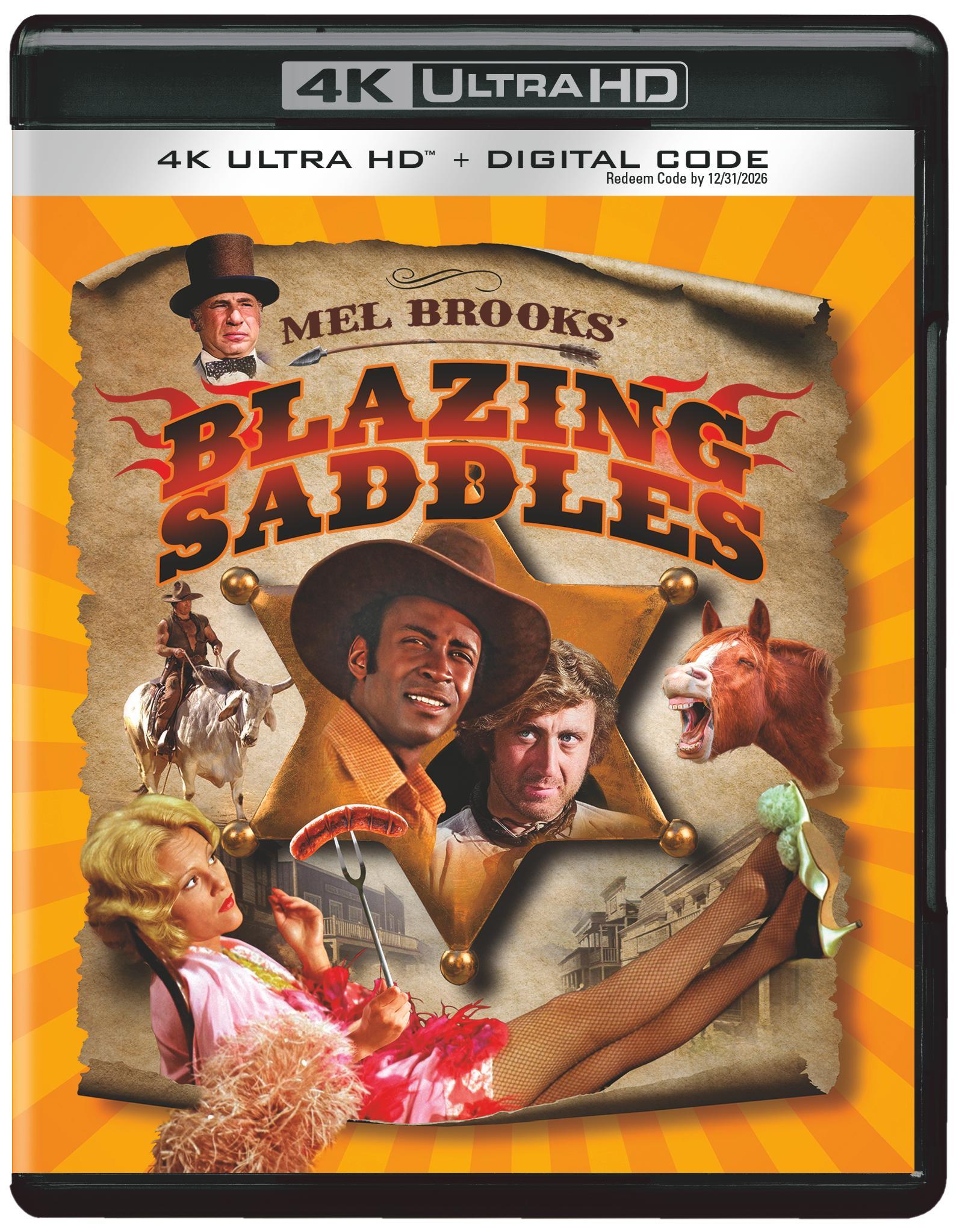
‘Blazing Saddles’ Movie and 4K Review

The following review was written by Ultimate Rabbit correspondent, Tony Farinella.

When it comes to comedy, it’s all a matter of opinion. Comedy, even more than film criticism, is subjective.  For example, I’m not an Adam Sandler fan and I find his films terribly unfunny, but there is a reason why his films keep getting released by studios. There is really no right or wrong when it comes to comedy.  With “Blazing Saddles,” I heard all of the praise surrounding it and how some critics considered it one of the funniest films of all time.  While watching the film for the first time, I understood what they were going for and what they were looking to achieve.  It wasn’t as though the film went over my head or I didn’t understand the style of comedy they were putting on screen.  I just never laughed.

My first issue with “Blazing Saddles” was its lack of plot.  It seems this is mostly a movie filled with random gags and one-liners that are intended to make the audience laugh.  They throw everything but the kitchen sink at us. It must be said the film is filled with the N-word along with other racial and homophobic slurs.  I understand this film was made in 1974, which was fifty years ago, but it’s still uncomfortable to watch.  The film is not funny and the jokes don’t land.  There is a way to be offensive and also be funny, but this movie did not accomplish that goal.  With comedy, you can go almost anywhere if you know what you’re doing.  We have seen films that pushed the comedic envelope in the past, but they have been done in a smart and clever way.  This is just flat-out lazy.

The plot involves a railroad being built through the town of Rock Ridge, a railroad that will make a corrupt politician a lot of money if he is able to force the residents out of their town. One way he is hoping to do this is by having a black sheriff named Bart (Cleavon Little) come in and make some of the local residents uncomfortable. The sheriff is called Black Bart.  Subtlety is not this film’s strong suit.  Bart’s deputy is played by Gene Wilder. Even though they are hoping to get the locals out of Rock Ridge, they end up staying and fighting for their town. Bart must also deal with Lili Von Shtüpp, played by Madeline Kahn, who is looking to find a way to sink her teeth into him.

“Blazing Saddles” features performances from Mel Brooks, Alex Karras and Richard Collier, to name a few.  However, no one can save this movie from its awful screenplay and bad jokes.  It is unwatchable from start-to-finish.  It took every ounce of strength in my body to not only watch this movie, but to finish watching it.  I absolutely hated it in a way I haven’t hated a movie in a very long time. I understand they were trying to make a film that would be a satire on Westerns and how certain demographics view African Americans. It shows how they are exploiting African Americans because the money men are only focused on the bottom line. I know what the message was and what they were trying to do in this film. I just didn’t find it funny.

In the end, “Blazing Saddles” is considered a comedy classic and one of the funniest films of all-time.  I wouldn’t be doing this film any justice if I didn’t acknowledge its reputation and its three Oscar nominations.  It has clearly reasoned with a lot of people.  With this being its 50th anniversary, I know a lot of people are very excited about this 4K release. One of the worst things you can do as a critic is to say a movie should not be watched by anyone, and if anyone likes this movie, they are a moron.  I would never dream of doing that.  I acknowledge the reputation of “Blazing Saddles,” but I simply shrug my shoulders and say, “This was not, at all, my kind of comedy.”  As stated previously, comedy is subjective. If you love the film, you will love the 4K.

ZERO out of * * * *

4K Info: “Blazing Saddles” is released on a single 4K disc from Warner Brothers Home Entertainment. It also comes with a digital copy of the film.  It has a running time of 93 minutes and is rated R. You can purchase either the 4K slipcover or the 4K steelbook.

4K Video: The 4K HDR transfer from Warner Brothers is fantastic and looks terrific.  Westerns, when done right, can look great on 4K. This is a visual feast for the eyes, and I imagine fans of the film will be quite pleased with this 4K transfer.

4K Audio: The Dolby Atmos track is also right on cue, as it’s a strong audio mix throughout the film that hits all the right notes.

Special Features:

Inappropriate Inspiration: The Blazing Saddles Effect

Scene-Specific Commentary by Mel Brooks

Blaze of Glory: Mel Brooks’ Wild, Wild West

Back in the Saddle

Additional Scenes

Should You Buy It?

I imagine some readers might call me too sensitive or say the film went over my head. I’m a huge fan of standup comedy, and I believe just about anything in the world is fodder for comedy when it’s done right. I understood exactly what Mel Brooks was going for in this movie, and I know that one of its writers was Richard Pryor.  It is my job to give my honest assessment of this film, and I thought it was painfully unfunny and wanted to turn it off after twenty minutes.  Because I was reviewing it, I felt obligated to watch the entire film. If this style of comedy is not for you, you won’t find a whole lot to laugh about in “Blazing Saddles.” If you enjoy the film and it fits into your comedic sensibilities, you will be very happy with it.  This is another top-notch 4K release from Warner Brothers.  They are doing a great job with releasing 4K’s from their massive library.  Overall, if you loved this film, buy it. If you haven’t seen it before, I’d recommend watching it and seeing how you respond to it.

**Disclaimer** I received a copy of this film from Warner Brothers to review for free.  The opinions and statements in the review are mine and mine alone.
‘Rocky: The Ultimate Knockout Edition’ 4K Review

The following review was written by Ultimate Rabbit correspondent, Tony Farinella.

A little over a year ago, Warner Brothers Home Entertainment released a set which included the first four “Rocky” films along with the director’s cut of “Rocky IV.”  Many fans were dissatisfied with this release and pointed out audio and video issues along with the fact that “Rocky V” and “Rocky Balboa” were not included in the set.  Now, Warner Brothers has released a new edition of the “Rocky” films on 4K in a set entitled “Rocky: The Ultimate Knockout Edition,” and it includes replacement discs for the issues with the first four films and also includes “Rocky V,” “Rocky Balboa” and “Rocky Balboa: The Director’s Cut.” There is also a Blu-ray disc which includes special features for the first four films. I went back and looked at my review from March 2023 for “Rocky: The Knockout Collection,” and I didn’t feel as though the issues were as egregiously bad as other reviewers made them out to be.

With all six of the Rocky films now out on 4K, people are going to be wondering if this set is worth its hefty price tag.  Before I get into all of that, let’s briefly discuss the films.  The original “Rocky,” released in 1976, won Best Picture and put Sylvester Stallone on the map.  It is the ultimate underdog sports movie and a film which is quoted and remembered to this very day.  Even after Stallone is long gone, fans and historians will always remember him as Rocky Balboa.  Of course, he also played John Rambo, but people really connect with Rocky and can even see themselves in the character. It was the right film with the right actor at the right time.

There is much debate and handwringing over the sequels. I love all of the “Rocky” films, warts and all, as they play a part in the story of Rocky Balboa and his ups and downs as a character.  We see him start from nothing, rise, fall, and rise again.  I think you have to appreciate the good, bad and the ugly all of the films as they all serve a specific purpose for this franchise.  Of course, my favorite film will always be the first “Rocky.” After that, I’d probably go with “Rocky II,” “Rocky Balboa,” “Rocky IV,” “Rocky III,” and “Rocky V.”  If you ask me this question in a few months, my answer might change again.

The original “Rocky,” the one which started it all, is about a low-level boxer who is looking for a chance to prove he’s not another bum from the neighborhood.  He mostly takes outlaw fights which make little to no money. One day, Apollo Creed (Carl Weathers) is looking for an opponent in order to sell his next fight.  When he stumbles upon Rocky Balboa, an underdog fighter from Philadelphia, he figures he can use this David vs. Goliath story to sell some tickets and get an easy victory. He ends up getting more than he bargained for from Rocky Balboa, who is feeling the support of his newfound love interest, Adrian (Talia Shire) and her brother Paulie (Burt Young). All he wants is a chance to prove his self-worth.

In “Rocky II,” he needs to prepare for his rematch against Apollo Creed.  Can he defeat Apollo Creed this time, or will Creed destroy him and show that their last fight was simply a fluke? Even though Creed won the first fight by decision, Rocky showed he can last in the ring with the Heavyweight Champion of the World.

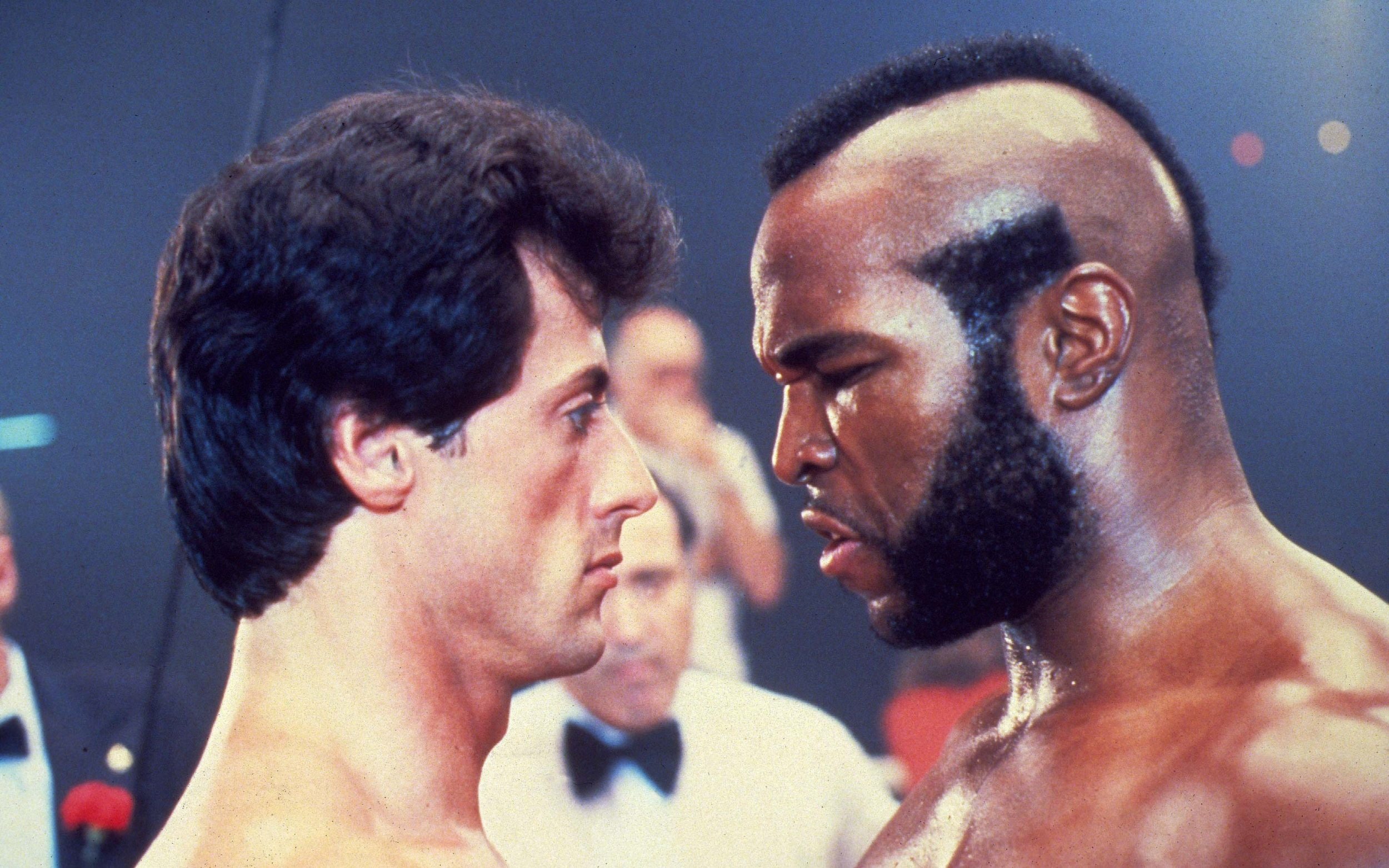
In “Rocky III,” Rocky needs to learn how to handle the biggest obstacle of all: success. How will he deal with money and fame?  He also encounters Clubber Lang, played by Mr. T and Thunderlips, played by Hulk Hogan.

In “Rocky IV,” Ivan Drago (Dolph Lundgren), a menacing Russian, awaits him. I mentioned in my initial review of the first set how I preferred “Rocky IV: Rocky vs. Drago” over the original cut of “Rocky IV.”

In “Rocky V,” he has to get a handle on being a dad and life outside of the ring.

In “Rocky Balboa,” he’s past his prime, old and beaten down, but he’s looking to find an outlet to deal with his pain.

I imagine most people reading this review are familiar with each and every film in the “Rocky” series, so I don’t imagine these are major spoilers. They simply serve as a refresher in case you haven’t seen the films in a while.  You are reading this review to see if this box set is worth the money, as mentioned previously.  The answer is both yes and no.  The 4K transfers are cinematic and an upgrade over the Blu-rays.  The “Rocky” films have never looked or sounded better in any other format.  The audio issues are also cleaned up on all of the films, even though I didn’t really notice them with the last “Rocky” set.  This is all of the “Rocky” films, as the “Creed” films are their own separate entity, even though they are in the “Rocky” universe.

This set is going for about $90 to $110 depending on where you purchase it from, as Gruv.com has it for the cheapest I’ve seen. The discs themselves are great. Warner Brothers fails massively with the packaging of this set.  It comes in a flimsy cardboard slipcover with discs that can be looked through in a flipper case.  These movies are important to me, and they are also important to a lot of film fans out there.  They went cheap with the packaging, as the cardboard slipcover is not a thick and sturdy box that can protect the films or the case.  The discs are also stuck in a flipper case which shows a lot of off-gassing, which is this greasy substance that is really difficult to remove from the back of the disc holders.

Overall, I enjoyed watching the films on 4K, and I’m happy Warner Brothers decided to release this “Ultimate Knockout Edition” of all of the “Rocky films.  At its price point, however, I would expect a lot more on the packaging side of things.  The packaging and the case are truly a mess, and it makes it hard to fully enjoy this set.  As a collector, we buy movies for the movies and also the packaging. We are not simply buying the discs of these films.  I wish they would have shown a little tender loving care to this set.  They should have released these in individual cases in a sturdy box set which holds them all together.

Ratings:

“Rocky”: * * * * out of * * * *

“Rocky II”: * * * ½ out of * * * *

“Rocky III”: * * ½ out of * * * *

“Rocky IV”: * * * out of * * * *

“Rocky IV: Rocky vs Drago – The Ultimate Director’s Cut”: * * * ½ out of * * * *

“Rocky V”: * * out of * * * *

“Rocky Balboa”: * * * ½ out of * * * *

“Rocky Balboa: Director’s Cut”: * * * out of * * * *

Video Info:  All of the films are released on Dolby Vision, which leads to some very impressive looking visuals. The best-looking films in this set, in order, are “Rocky V,” “Rocky II,” “Rocky IV: Rocky vs. Drago,” “Rocky IV,” “Rocky,” “Rocky III,” “Rocky Balboa” and “Rocky Balboa: The Director’s Cut.”  It was a bit of a surprise to me that “Rocky Balboa” was the weakest link out of all these films from a visual standpoint. It was the film I was most excited to see upgraded to 4K, but it looks rather bland and vanilla. This is probably because they put both versions of this film on one 4K, which is asking a lot out of one disc, although it didn’t affect both versions of “Rocky IV” for some reason.  It’s surprising to see that the worst film in the “Rocky” franchise, “Rocky V,” is the best-looking one out of the bunch.

Audio Info:  All of the audio issues are fixed here from the previous release, but once again, I didn’t notice a big difference the last time they released these films on 4K. I know that Warner Brothers made sure to correct the issues from the last release based on what I’ve read online.  You don’t have to worry about a disc replacement program with any of the audio tracks here. None of the films come with Dolby Atmos, which is a bit of a bummer, as the Rocky films seem perfect for Dolby Atmos.  The audio is still really good, but this would have given it that extra boost.

Special Features:

“Rocky”

• Audio Commentary with director John Avildsen and producers Irwin Winkler and Robert Chartoff, Talia Shire, Carl Weathers, Burt Young, and Garrett Brown

• Audio Commentary with Lou Duva and Bert Sugar

• Audio Commentary with Sylvester Stallone

“Rocky Balboa”

• Audio Commentary with Writer/Director Sylvester Stallone

• Deleted Scenes

• Skill vs. Will: The Making of Rocky Balboa

• Reality in the Ring: Filming Rocky’s Final Fight

• Virtual Champion: Creating the Computer Fighter

• Fight Makeup

“Rocky” Bonus Disc

• 8MM Home Movies of Rocky

• 3 Rounds with Lou Duva

• Steadicam: Then and Now with Garrett Brown

• Make-Up! The Art and Form with Michael Westmore

• Staccato: A Composer’s Notebook with Bill Conti

• The Ring of Truth

• A Tribute to Burgess Meredith

• Stallone Meets Rocky

• The Making of “Rocky vs. Drago”: Keep Punching

• Trailers

Should You Buy It?

I don’t think Warner Brothers is going to release ANOTHER “Rocky” set, so I would say buy it, but I would wait until it goes on sale.  As of right now, the price is way too high considering the packaging on this set and the lack of original special features. My feeling is this—if you are going to release a set like this, which is near and dear to so many people’s hearts, why not release it the right way and take your time? I would have loaded it up with as many special features as possible and spent a little more money on better packaging and a better case.  The films, for the most part, look good and the audio is solid.  I’m not trying to sound picky here or look a gift horse in the mouth, but this set should cost $60 and not $90 to $110, considering how they threw it all together in this packaging.  You will enjoy the films, which is the most important part, but a little quality control would have gone a long way.  This “Rocky” set on 4K does come recommended, but I recommend you wait for it to go on sale and not rush out and buy it right away.

**Disclaimer** I received a copy of this film from Warner Brothers to review for free.  The opinions and statements in the review are mine and mine alone.
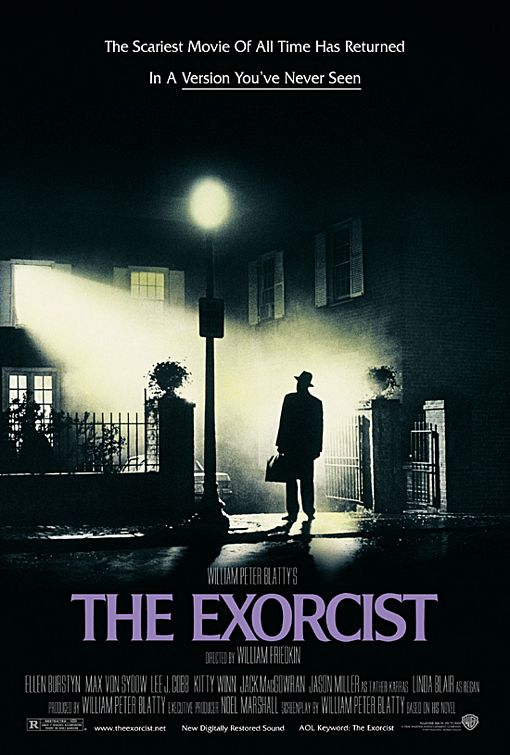
All-Time Favorite Trailers: ‘The Exorcist – The Version You’ve Never Seen’

There are several trailers out there for William Friedkin’s “The Exorcist” which are very memorable, but the one which stands out for me is the one made for its rerelease back in the year 2000. In some ways, it is a huge surprise that this trailer was not treated like a red band trailer as the film remains ever so shocking after all these years. Regardless, it does a great job of reminding audiences, old and new, of what an incredibly unnerving and unforgettable experience this 1973 film was when it first came out, and how it remains so all these years later. Even if there was no new footage made for this release, this trailer made seeming it back on the silver screen an offer no movie buff could ever refuse.

I have to tell you, seeing this version on “The Exorcist” at a celebrated movie theater in Westwood, California provided me with one of the best cinematic experiences I ever had. On top of this film never having lost any of its power, as it contains scenes no studio would allow any filmmaker to capture on film today, the theater had the most extraordinary sound system which made watching it all the more adrenaline-inducing, exhilarating and enthralling to sit through. This trailer gave me such a great reason to check it out on the biggest silver screen in my neighborhood.

To date, there has yet to be an “Exorcist” sequel or prequel which can at the very least equal Friedkin gave us half a century ago.

Please check out the re-release trailer down below.

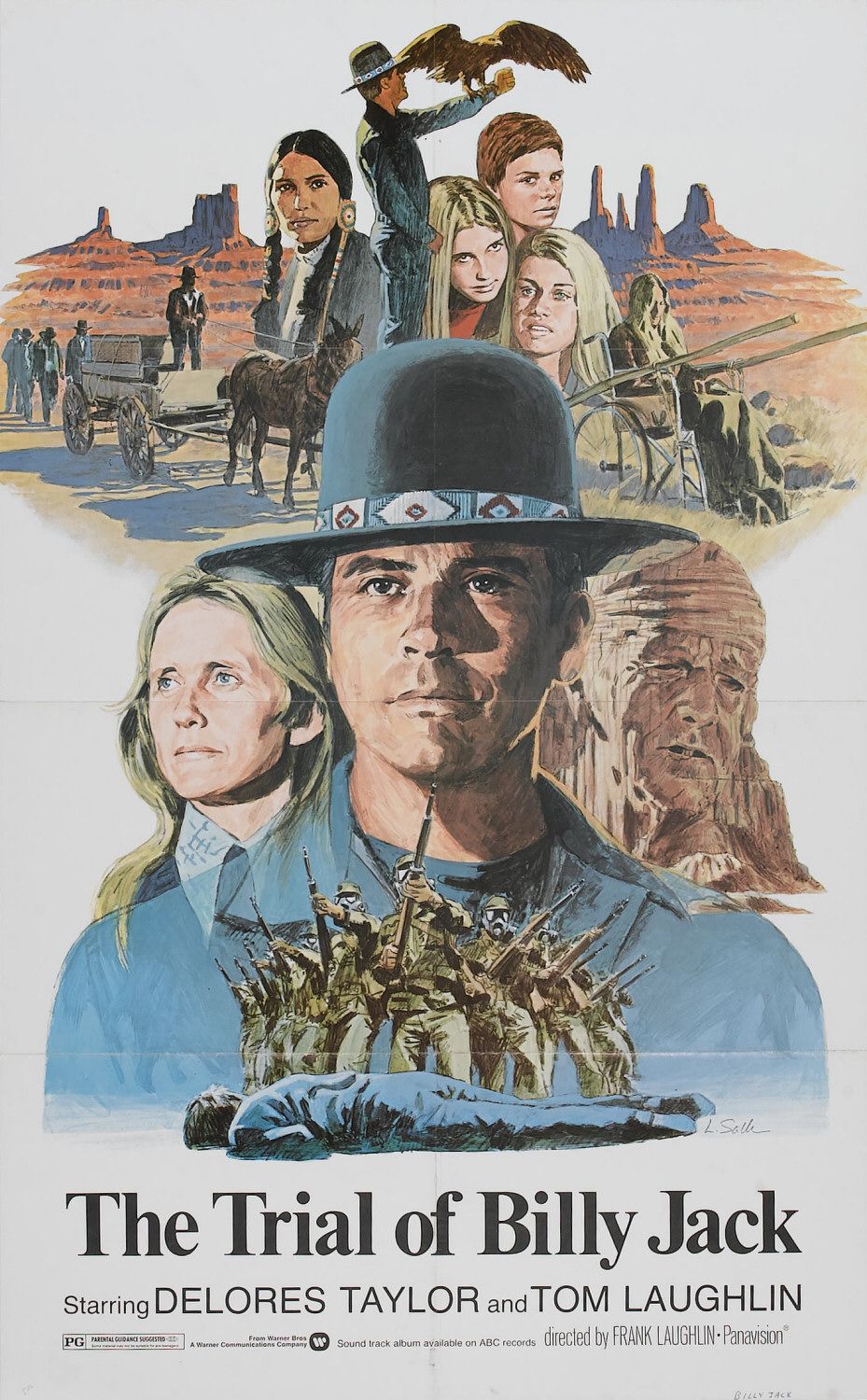
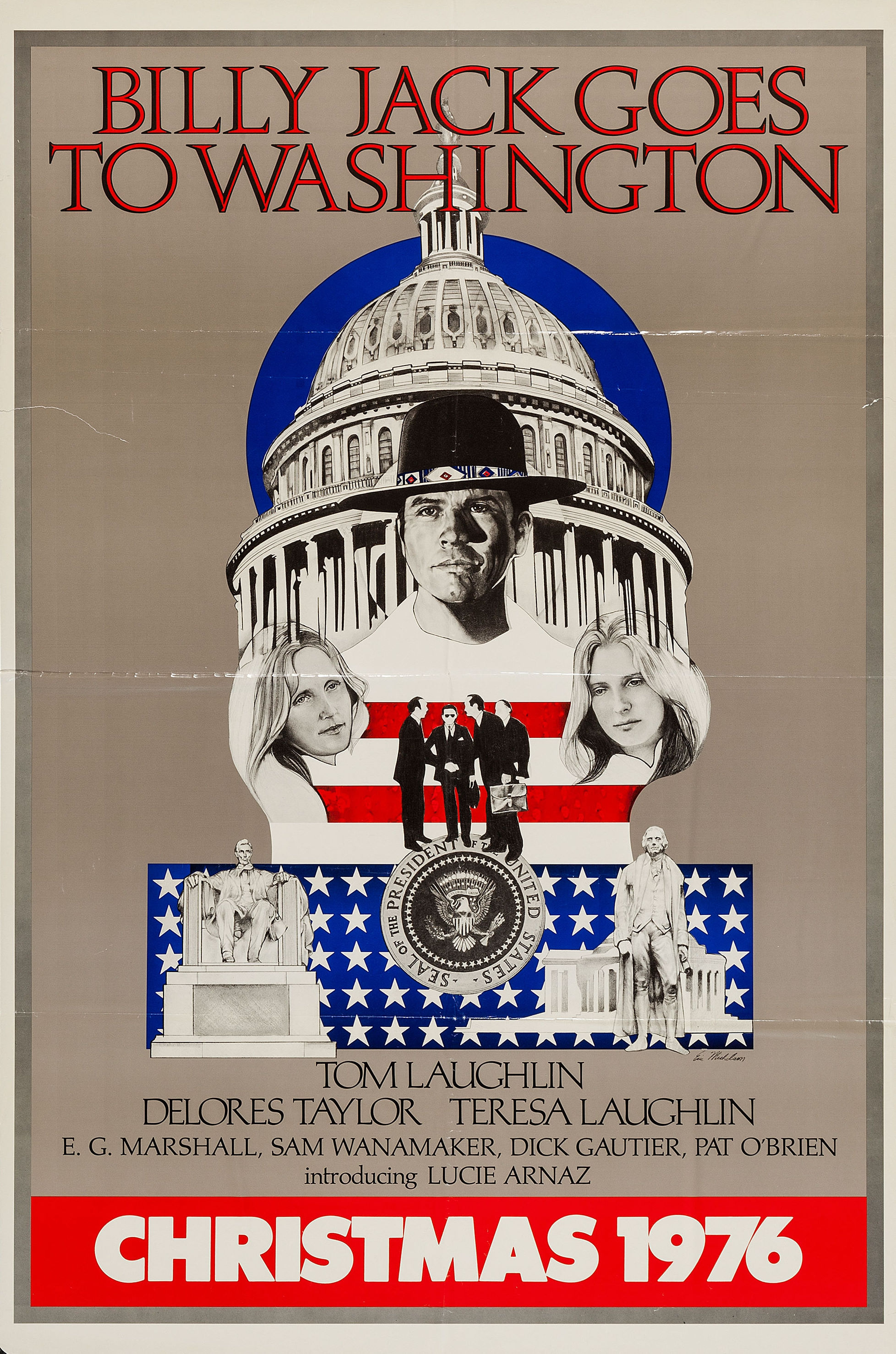
Who is Billy Jack?

“Billy Jack” is a movie I have heard about time and time again, and it was on July 30, 2012, when I finally got to see it for the first time. Billy Jack is a half-Indian Green Beret Vietnam veteran whose experiences have molded him into this protector who is out to defend those who cannot defend themselves. Tom Laughlin, who played Billy Jack and directed all the movies this character was in, seems inseparable from Billy Jack as both are out to protect those individuals who were sworn by their government to protect them, but which have failed to do so. While no more “Billy Jack” movies have been made in the longest time, Laughlin still fought for the rights of others throughout his life.

The character of Billy Jack was first introduced to audiences “The Born Losers” which was inspired by the real-life incident where members of the Hell Angels got arrested for raping five teenage girls. “The Born Losers” proved to be the first of Laughlin’s movies which was embedded with a layer of social criticism and an anti-authority tone which remained constant throughout each “Billy Jack” film ever made.

The movie “Billy Jack” came after “The Born Losers,” and it was a response to the conflicts Native Americans often found themselves caught up in. Its sequel, “The Trial of Billy Jack,” was a comment on the anti-war protests which were met by violence from the National Guardsmen who fired upon those protesters, and its follow up, “Billy Jack Goes to Washington,” has the title character battling against senators who are more interested in representing the interest of those representing nuclear power than the people. Even his unfinished sequel, “The Return of Billy Jack,” had political overtones as Billy went to New York to fight those supporting child pornography.

Taking this into account, Laughlin appears to be the first liberal action movie hero as his politics played a big part in each film he made. Then again, calling him a liberal may not be entirely fair as he has gone from one political affiliation to another over the years. In the end, he does not need a particular political label as his goals remain the same; fighting for the rights of ordinary Americans who are not always heard in the way they should be.

All these political and human rights interests greatly informed each movie Laughlin did, and this of course led to many conflicts between him and movie studios. When it came to “Billy Jack,” the movie’s original distributor, American International Pictures (AIP), refused to release it unless Laughlin removed all the political references featured in it. Laughlin, of course, refused to remove them, and he and his wife Delores Taylor, who played Jack’s girlfriend and schoolteacher Jean Roberts, ended up stealing the movie’s sound reels and held them hostage until AIP gave them back their movie.

Warner Brothers ended up releasing “Billy Jack” in 1971, but it failed at the box office and Laughlin sued the studio to get back the rights as he was upset at the way it was promoted. He ended up re-releasing the film himself, and it ended up grossing over $40 million at the box office against a budget of $800,000. Adjusted for inflation, it remains one of the highest grossing independent films ever made.

“Billy Jack,” however, was not without controversies as critics assailed its apparent hypocrisy. In his review of the movie, Roger Ebert said that “Billy Jack seems to be saying that a gun is better than a constitution in the enforcement of justice. Is democracy totally obsolete, then? Is our only hope that the good fascists defeat the bad fascists?” Leonard Maltin ended up saying about the movie that “seen today, its politics are highly questionable, and its ‘message’ of peace looks ridiculous, considering the amount of violence in the film.”

Still, many embrace Billy Jack as a character and the movies he appears in, and this was proven by the large turnout at New Beverly Cinema which cheered him on as soon as he made his first entrance in the movie which is named after him. Seeing Billy grimace at and intimidate the bad guys who were foolish enough to end up in his path had us endlessly entertained, and this remains the case so many years after the film’s initial release.

Laughlin ended up leaving Hollywood to found a Montessori preschool in Santa Monica, California which later became largest school of its kind in the United States. He would eventually turn his attention to politics and psychology as they became the tools with which he could fight injustice. Looking at his life back then and now, it becomes clear how Laughlin and Billy Jack are in many ways the same person as they fight for those whose rights are in danger of disappearing.

Laughlin passed away in 2013 in Thousand Oaks, California at the age of 82. Back in 2007, he announced he was planning to make another film featuring Billy Jack, but this did not happen for a number of reasons. Still, had he made another film with that character, I have no doubt many filmgoers would have welcomed it with open arms.

‘The Exorcist’ Movie and 4K Review

The following review was written by Ultimate Rabbit correspondent, Tony Farinella.

It’s crazy to me to know “The Exorcist” is now celebrating its 50th anniversary. Unfortunately, we lost its legendary director recently in William Friedkin, a trailblazer who was not afraid to push the envelope and do things his own way in films such as “Cruising,” “The French Connection,” and “To Live and Die in L.A.”  He was an outspoken and passionate filmmaker who never backed down from his vision and his principles. I think it’s safe to say his most talked about film of all-time is “The Exorcist” which recently got a 4K upgrade from Warner Brothers Home Entertainment. Even to this day, people go to their local theater to watch it on the big screen, or they revisit it on home video when it’s spooky season.

There is quite an infamous backstory to the making of this film and getting it off the ground.  It’s a legitimate miracle the film was able to be made considering all of the roadblocks and obstacles the director and his crew had in making it. I could go into detail here, but it’s best to Google it, as it’s lengthy and strange.  I’ll just say this–many thought the film itself was cursed because of all the odd occurrences which happened to this production.  People would also heavily protest the film, and many filmgoers would faint and get sick while watching it.  The film has certainly developed quite a reputation over the years for a variety of reasons.

“The Exorcist” is set in Georgetown, Washington, D.C. and introduces the audience to actress Chris MacNeil (Ellen Burstyn) and her twelve-year-old daughter Regan (Linda Blair). They are renting a house while Chris works on a film directed by Burke Dennings (Jack MacGowran), someone she considers a close friend.  We are also introduced to Father Damien Karras (Jason Miller), a psychiatrist at Georgetown University who works with fellow priests. Father Karras is struggling with guilt as he wishes he was spending more time with his mother, who is elderly, frail and unwell. He is also having a crisis of faith as well. At a party Chris is hosting, she notices some unusual behavior from Regan, and Regan is also talking about strange and weird noises in the attic.

From here, things only get worse for Regan as she starts to become vulgar, aggressive and develop facial sores.  She has baffled modern science as they can’t understand what is wrong with her. They think it has something to do with her brain, but it still doesn’t explain her actions or her superhuman strength. Once Regan becomes a danger to herself and others, they decide the only solution is to tie her to her bed and perform an exorcism.  There is a lot of hesitation on the part of Father Karras, as he doesn’t think it will turn out well and might only further damage young Regan.  However, if a more experienced priest helps him, he will do it.  This is where Father Merrin (Max von Sydow) comes in to help Father Karras with the exorcism that will hopefully save the child.

I’ve seen “The Exorcist” three times now, and I’ve really, really wanted to fall in love with it, but for whatever reason, it is a film I respect and admire but don’t love.  I can see the great acting on display from Jason Miller, Ellen Burstyn, and Linda Blair.  It’s impossible to ignore their range of emotions and their ability to sell this material and make it work. My issue is with the pacing of the film.  I’m all about letting things breathe and building up to something, but this is very much an all-or-nothing film at times.  At times, it’s moving a little too slowly without enough character build-up, and the plotting can be a little tedious.  At other times, it’s in-your-face, intense, and really mind-blowing.  There is really no middle ground with “The Exorcist.”

At fifty-years-old, “The Exorcist” is still an impactful horror film, without question.  I just wonder if it’s more built on its reputation and folklore at this point. One might even argue if it’s a horror film or a thriller. It is a little bit of both, which I think most horror films are to some degree unless they are just flat-out horror with no plot.  There is a plot here and a rhyme and reason to what unfolds, but it feels a little dated, in my opinion.  All in all, I think “The Exorcist” should get its flowers for being a horror film that was ahead of its time and has really opened the door for a lot of the supernatural horror films we see today from “The Conjuring” and “Insidious” world.  However, it’s a good yet flawed film, overall. As I stated earlier, I like it and it stays with me, which is a good thing, but I don’t love it and it doesn’t impact me, as much as I feel like it should, considering its place in film history.

* * * out of * * * *

4K Info: “The Exorcist” is released on a two-disc 4K release from Warner Brothers Home Entertainment.  It comes with two different 4K versions of the film.  One version is the theatrical cut, which is 122 minutes. The second disc is 132 minutes and features the extended director’s cut of the film in 4K.

Video/Audio Info:  Warner Brothers did a pretty good job of cleaning up this film. However, they didn’t clean it up so much that you aren’t able to enjoy the dark and moody look of the film. I would say it’s a good but not great transfer of the film.  I’ve seen better transfers of older films from Warner Brothers.  It does come with a very, very good Dolby Atmos soundtrack for the film, though. I was really blown away by how good the film sounds. It also comes with subtitles in English, French, and Spanish.

Special Features: The theatrical version comes with the following special features: an introduction by William Friedkin, a commentary track by Friedkin, and a commentary track by William Peter Blatty, who wrote the novel and the screenplay for the film, with special sound effects. The unrated version of the film also comes with a commentary by Friedkin. These are all older commentary tracks and the introduction is much older as well.  The big issue here is the fact they didn’t have a third disc with some of the special features from the previous Blu-ray release.

 Should You Buy It?

This is a rather tricky one.  I’ll say this–if you love “The Exorcist” and it’s one of your favorite films of all time, the transfer makes it worth the upgrade, even though I didn’t think it was a great transfer.  It has its issues, as, at times, it can be a little unfocused and not super clear.  If you own the Blu-ray, you should keep and not sell it because you will lose your special features with this 4K as it only has the commentary tracks and an introduction from the director. They really should have added a third disc just for the special features.  Overall, “The Exorcist” is a film that has earned its place in horror film history based on it being released at the right time with the right director and the right cast and crew.  It’s a good film.  However, I don’t think it’s a great film in my personal opinion. If you love the film, I think you will be happy with what Warner Brothers has done with the transfer.  It’s not a bad transfer by any means.  It’s just not a transfer that is going to “wow” you.  You will probably be very disappointed they didn’t port over the special features from the Blu-ray.  However, if this is your favorite horror movie, you want to own it on the best format out there right now, which is 4K.  If you are lukewarm on the film or think it’s merely good, you can keep your Blu-ray if you already own it.

**Disclaimer** I received a copy of this film from Warner Brothers to review for free.  The opinions and statements in the review are mine and mine alone.