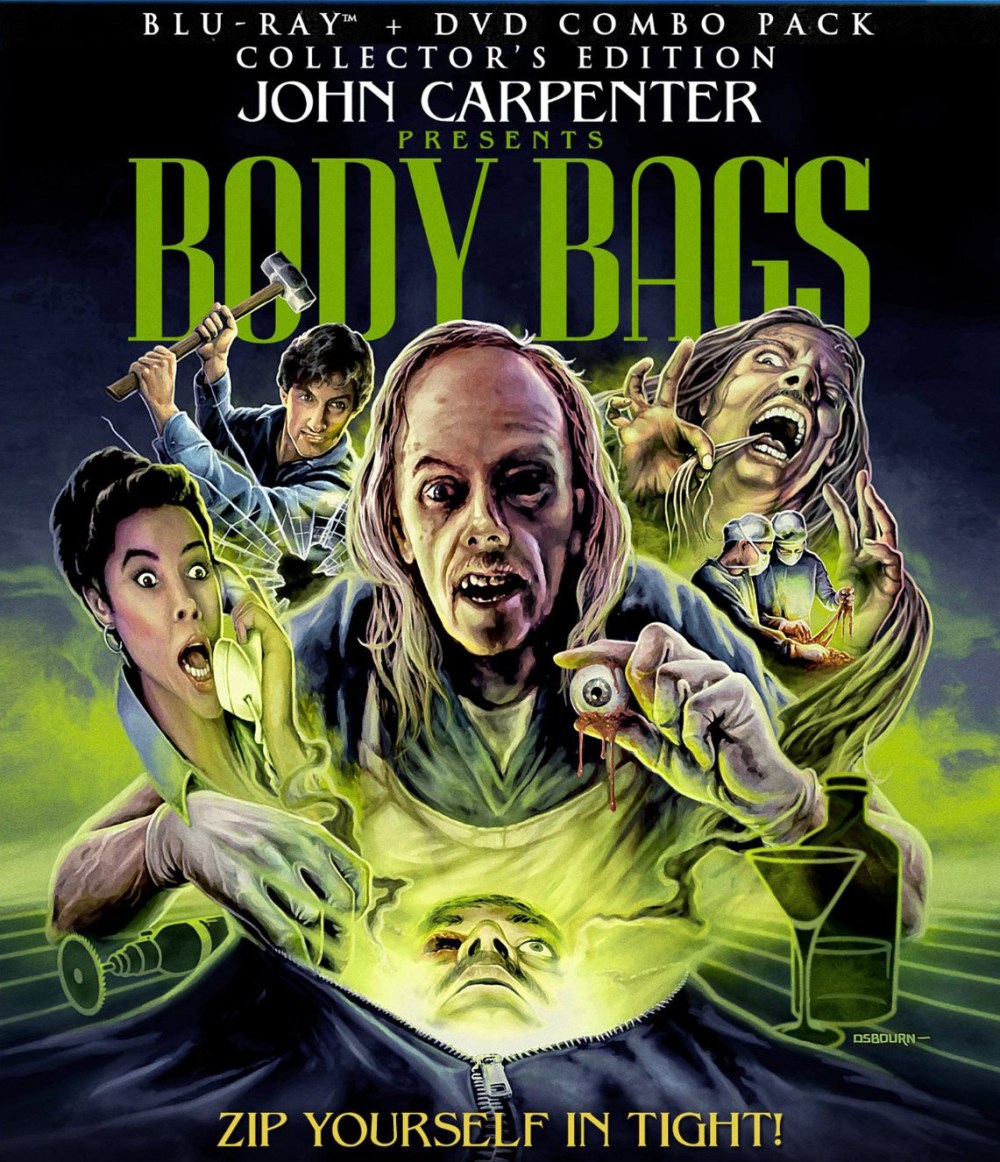
Remember John Carpenter’s “Body Bags?” It was a horror anthology containing three stories: “The Gas Station” which has a female college student working a graveyard shift and getting terrorized by a serial killer, “Hair” about a hair transplant which goes horribly wrong, and “The Eye” where a baseball player loses an eye and gets a new one from a recently executed murderer. Many see it as Showtime’s answer to HBO’s “Tales from the Crypt” as it featured Carpenter as a creepy-looking and deranged coroner who introduces the three stories while drinking formaldehyde as if it were a martini, and it looked like the start of a wickedly demented series. Was it meant to become a series, or was it simply intended to be a single movie? These questions were answered by Sandy King, the producer of “Body Bags” and Carpenter’s wife, when she dropped by Cinefamily which showed 1993 horror anthology as part of its Friday Night Frights series.
King told the audience Showtime originally wanted a 3-story movie and that it was supposed to be a one-shot movie for her and Carpenter. As soon as they were done, they would be off and running to their next project. King remarked how anthology movies were very hard to finance as they were typically not successful at the box office, so bringing one to a cable channel like Showtime made more sense. When it was finished, Showtime then decided they wanted to turn it into a series, but King explained why she and Carpenter decided against it.
“We shot it in California, mostly in Los Angeles, which allowed us to get a lot of the great cameos with Wes Craven, Sam Raimi and Roger Corman,” King said. “Showtime, however, wanted to lower the budget and shoot the series in Canada, and we felt the amount of money they were putting into was not going to be enough to get it right. Plus, shooting in Canada would have made it enormously difficult to get the cameos we got. So, we basically told Showtime thanks, but no thanks.”
“Body Bags” was in many ways a family affair as it involved King and Carpenter working with people they worked with in the past. King had previously worked with Bobby Carradine and Stacey Keach on the Walter Hill western “The Long Riders,” and she had worked with Mark Hamill as well. Peter Jason has appeared in many of Carpenter’s films, and he even used his own car for his appearance in “The Gas Station.” As for the cameos from Craven, Raimi and Corman, she reminded the audience that the horror community is a small and tightly-knit one as everyone knows each other in it.
Carpenter has never seen himself as much of an actor for those who have listened to his various commentary tracks on the movies he has done. After making a Hitchcockian cameo at the beginning of “The Fog,” felt he would be better off behind the camera instead of in front of it. Still, King said she wanted him to play the Coroner in “Body Bags” and that it actually didn’t take much to convince him. She also described Carpenter as an “inner looney” to where he allowed himself to let loose, with the help of Rick Baker’s makeup, on set. Also, Carpenter did not direct himself as the Coroner as King said a friend was brought in to handle his performance and to make sure he hit all his marks. Truth be told, casting him as the Coroner was very inspired.
King said she and Carpenter worked on “Body Bags,” “In the Mouth of Madness” and “Village of the Damned” all in a row. It was originally planned that Carpenter would direct all three stories in “Body Bags,” but as he was already in post-production on “In the Mouth of Madness,” she said Carpenter told her he couldn’t direct all three. To this, she replied, “Okay, we’ll get Tobe.”
The Tobe she was referring to was Tobe Hooper, director of the horror classics “Poltergeist” and the infinitely terrifying “Texas Chainsaw Massacre.” Getting Hooper to direct “The Eye” was a bit tricky as he was very disturbed by the material which had a husband attempting to kill his pregnant wife, but King told him it would be fun and that he could make it work. She also said it was fun to watch Hooper do comedy as he had a cameo at the end with Tom Arnold in which they play two morgue workers who perhaps enjoy their jobs a little too much.
It was great fun to watch “Body Bags” on the big screen and with an audience at Cinefamily, and it was especially nice to see Sandy King drop by and talk about its making and development. She even brought some Shout Factory Blu-rays of Carpenter’s movies to give away, and this writer was lucky enough to win a copy of the one for “Body Bags.” For Carpenter fans, the Blu-ray is a must as it features a great commentary track, a wonderful making-of documentary, and a trailer for the movie as well. It had been out of print for years, and the previous DVD released by Artisan Entertainment gave us a severely edited version which took out a lot of things like Craven’s inspired cameo and some especially gruesome moments. “Body Bags” may not be epic filmmaking, but it sure is a lot of fun for horror fans.
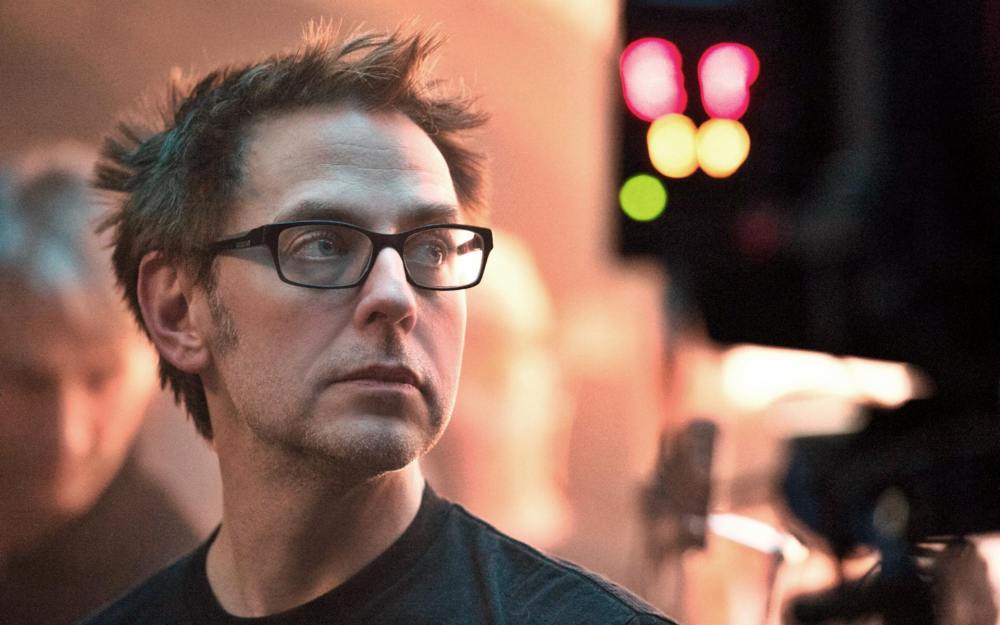
The screening of “Tromeo and Juliet” at New Beverly Cinema brought many people to the theater who were involved in its making. Among them were the movie’s director and co-founder of Troma Entertainment Lloyd Kaufman, actor Will Keenan who played Tromeo, and actors Sean Gunn and Stephen Blackheart among others. But the real star of the evening was filmmaker James Gunn who entertained the devoted audience with many anecdotes about “Tromeo and Juliet’s” making. Best known these days for his films “Slither,” “Super,” for writing the script to the “Dawn of the Dead” remake and most especially for “Guardians of the Galaxy,” “Tromeo and Juliet” was one of his first jobs in the movie business.
“Tromeo and Juliet” is, of course, loosely inspired by William Shakespeare’s classic “Romeo and Juliet,” and Kaufman said he and Troma Entertainment had tried to write the script for three or four years and could not get it right. It was his sister’s best friend who sent Gunn’s resume to Kaufman’s attention, and at that point Gunn had already graduated from Columbia University with an MFA in Writing Fiction. Kaufman, however, noticed something different about him.
“What caught my attention was he vomited onstage, that he was a performance actor who vomited onstage,” Kaufman said about Gunn. “I didn’t know whether he vomited because he was nervous or because it felt it was entertaining or because perhaps he had studied all the work of Terence Malick. But whatever it was, it was sort of like that moment in ‘The Producers’ when Zero Mostel sees his Hitler and says ‘you’re my Hitler!’ James Gunn was ours.”
Gunn said he didn’t actually vomit onstage and that Kaufman may have read someone else’s resume, but it didn’t matter because he got the job.
Keenan said he had not seen “Tromeo and Juliet” in fifteen years before this night and he joked that it looked twenty years old when it first came out. But for Gunn, this was part of the movie’s design.
“When we were doing the movie, I remember that I wanted it to look really dated,” Gunn said. “I used to love ‘Valley Girl’ and I loved looking back at it because it looked so 80’s. And I wanted to make this one look as 90’s as possible (it came out in 1997).”
Gunn recalled writing the first draft for “Tromeo and Juliet” in about a week and a half, and he gave it to Kaufman and assumed he was going to love it. Kaufman, however, found Gunn’s script to be “too filthy,” and this is saying a lot because Troma Entertainment movies usually revel in being filthy. Kaufman said there were about “8 scenes of urination” in the script, and Juliet was originally written to make her first appearance in a porno booth which is where the initial conversations between her and Tromeo would have taken place. Kaufman complained “Shakespeare didn’t have that in mind” when he wrote “Romeo and Juliet.”
There was also a bit said about Jane Jensen who played Juliet. She was not able to attend this screening, but Gunn talked of how he joked around with her throughout shooting. One scene from “Tromeo & Juliet” has her character’s stomach opening up to reveal popcorn and then rats and maggots. Jensen apparently had a near nervous breakdown shooting it as she had a major phobia of the maggots and was screaming her head off as the cameras rolled. Gunn recalls exactly what was going through his head at that moment.
“Wow! Jane’s acting is really good in this scene,” Gunn said. “And then all of a sudden I go ‘holy shit! I think that maybe this is real!’ And then I had that evil filmmaker moment where you go ‘do I keep filming?’”
Gunn ended up reminiscing about a review of “Tromeo and Juliet” he read in Film Threat Magazine, and he felt it captured the movie perfectly.
“They said, ‘I don’t know how to review this film because you can’t win,’” Gunn reminisced. “’If you say that there’s something stupid in here, they (the filmmakers) are going to say yeah, we meant to do that. And if you say there’s something great in here, they’re going to say yeah, we meant to do that.’ And that’s totally true! That is what it is!”
For those of us who have seen “Tromeo and Juliet,” we have to agree the review is really dead on. The movie wallows in bad taste and never apologizes for it, and it becomes all the more entertaining as a result. It was great to see James Gunn at New Beverly Cinema talking about this cult classic because his enthusiasm for this project was contagious. It’s this same enthusiasm which carried over to the movies he worked on from there, and not just “Guardians of the Galaxy.”
While Veronica Cartwright was at New Beverly Cinema to talk about “The Right Stuff,” filmmaker Brian McQuery couldn’t help but ask her a question about another famous movie she starred in, “Alien.” Specifically, he wanted to know more about the “chestburster” scene which is one of the film’s most horrifying moments. The story behind this scene has been told over and over again throughout the years, but Cartwright was still willing to talk and clear up a few things about it.
Legend has it neither Cartwright nor the other actors in “Alien” had any idea of what exactly was going to erupt from John Hurt’s chest. Cartwright, however, said the actors had read the script and knew something was supposed to come out of there. Also, she and Sigourney Weaver had a scene where they were supposed to know what it looked like, but they had no clue what they were going to be talking about. As a result, they visited the studio where the infant alien was being built.
“A few weeks earlier we had gone down and seen the little mockup of that little penis guy with the tail, but it wasn’t working at that point,” Cartwright said of the alien. “It was sort of a gray thing and the artists were saying ‘oh his teeth will be like this and he breathes…’ It was just like a little puppet thing that came out.”
Then came the day when the chestburster scene was shot, and Cartwright described it as though she had just filmed it yesterday.
“We’re all upstairs in the dressing room and they take John (Hurt) down, and for four hours we never saw John. John was having his false chest made,” Cartwright said. “When we were told that we could come down to the set, the entire set was dressed in plastic, everybody’s wearing raincoats, and there were big buckets of this awful stuff that smelled like formaldehyde. It stank and you gagged when you first went in there.”
“So, here’s John packed in this thing, and they had four cameras so that they would get everybody’s reaction,” Cartwright continued. “What happens is that they cut the t-shirt so that the puppeteer could push the thing through, so we all start leaning forward because you’re just fascinated to see what’s going to happen. One of the effects guys told me, ‘oh you’ll be getting a little blood on you,’ and I said, ‘oh okay.’ Not thinking, I leaned right into it. I had a jet pointed at my face, and it just shot me square in the face. It was unbelievable, and then I backed up and (in the dailies, it’s the most hysterical thing) my knees hit the back of a set piece and I flipped upside down to where you can see my cowboy boots sticking up above. I did not expect to get shot with a full blast of blood.
Cartwright pointed out that the scene was done in just one take, and McQuery replied how her reaction looked “really real!” The audience at the New Beverly laughed loudly in agreement with him.
“Years later I worked with that same guy and he said, ‘sorry about that!’ How rude,” Cartwright said.
Looking back, Cartwright described “Alien” as being a very “sweaty” movie because the cast would come on the set in the morning and get covered in glycerin from a pumper. She described this as being “so gross,” but that in the end it was an experience.
While she was primarily at New Beverly Cinema to talk about “The Right Stuff,” the audience was glad McQuery asked Cartwright about the making of Ridley Scott’s classic 1979 film. Just when you think you have heard the definitive story about a classic movie scene, one of its participants comes around to inform you of one or two details you might have missed.
Oscar-winning actress Anne Hathaway stars in “Song One,” a drama where she plays a young archaeologist named Franny. At the movie’s start, her brother Henry (Ben Rosenfield) is hit by a car and goes into a coma, and she flies back to New York to be at his side. In the process of going through Henry’s notebooks, she comes into contact with James Forester (Johnny Flynn), a favorite musician of Henry’s. James has had some success in music but is also a shy and private man suffering from writer’s block. From there a romantic relationship between the two begins, and they soon help each other find their way through the darkest of times.
“Song One” was written and directed by Kate Barker-Froyland who had worked as a director’s assistant on one of Hathaway’s biggest hits, “The Devil Wears Prada.” One of her main intentions with this film was to capture the lively music scene of her Brooklyn neighborhood. Indeed, it is a lot of fun listening to the music as you can tell these musicians are playing and singing out of their love for music as opposed to just chasing a record deal (although I’m fairly certain they wouldn’t mind that either). Watching it made me want to take a vacation to Brooklyn just to see this music scene up close.
I got to speak with Hathaway during a “Song One” roundtable interview held at the SLS Hotel in Beverly Hills, California, and I told her how much I enjoyed watching and hearing the musicians featured in the movie. These were musicians playing with all their heart and soul, and I was curious how she and the filmmakers gathered up so many talented ones for this project. It turns out a lot of that was due to the participation of Jonathan Rice and Jenny Lewis who have had tremendous success together on the music scene, but Hathaway said getting the both of them on board was a little tricky.
Anne Hathaway: My husband (Adam Shulman) and I were friends with Jenny Lewis and Jonathan Rice, and when we initially ready the screenplay back in 2011 we just kind of had one of those like dream musicians for this and we both said them. And then we kind of laughed at our audacity and decided that could never possibly happen because we couldn’t get them, and also they were friends and we would have felt awkward. We were worried about it bordering on being opportunistic, so we spent a while pursuing other avenues trying to come up with better ideas. Then Kate came up with a draft that had focused on the James character and we asked Jonathan if we had hit the right tone with the character. He asked who’s doing the music and we were like half-jokingly, ‘Well you if you want to.’ He was like, ‘Okay let me give it to Jenny,’ and she read it and they were open to the process of meeting Kate, and then they met and they really liked each other. The next morning, we opened up our emails and there was this song (from Jonathan and Jenny) and it was Little Yellow Dress and it was incredible. And then Jonathan Demme, our producer, came out. Jonathan Demme has one of the deepest and most beautiful encyclopedias of music in his head, and to watch him and Jenny and Jonathan just kind of talk music and talk about the sound and who James Forrester was, it was a thing of beauty. From then on they were in the movie, and a lot of the musicians wound up being contacts that they knew. They were so integral to the sound of the film.
To read about “Song One’s” making is to see it was a movie made by friends who brought everything they had to this project. In addition, they brought with them a lot of great music which feels authentic to the locales it takes place in, and it’s the kind of music that fills up your spirits when you’re feeling low.
“Song One” is now available to own and rent on Blu-ray, DVD, and Digital.
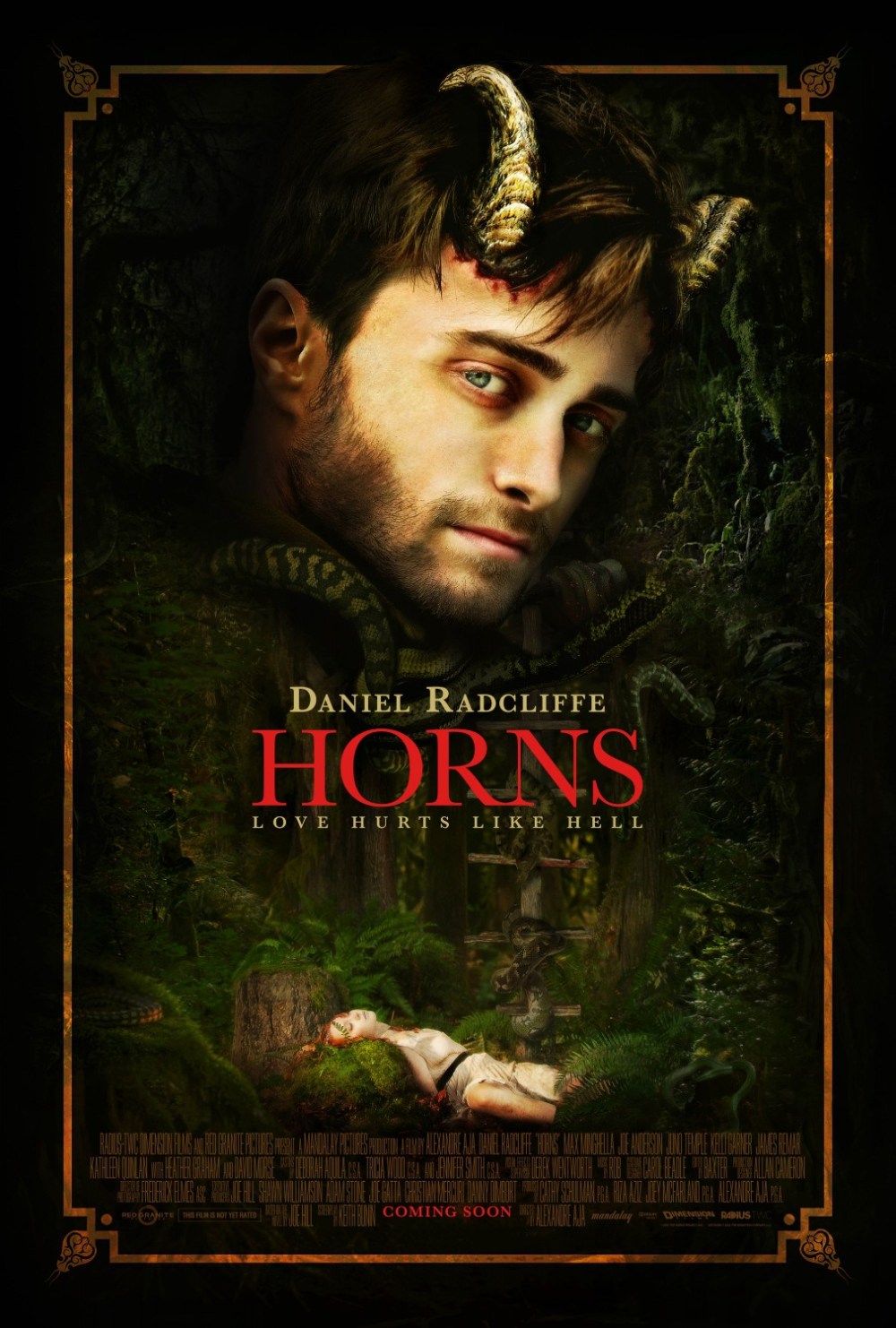
The “Horns” press conference held at the Four Seasons Hotel in Beverly Hills, California proved to be a lot of fun as stars Daniel Radcliffe, Juno Temple and writer Joe Hill, whose book the movie is based on, shared great memories about the making of this dark fantasy. Radcliffe plays Ig Perrish, a young man madly in love with Merrin Williams (Temple) and who will do anything for her. But as the movie opens, we discover Merrin was brutally murdered, and everyone thinks Ig was the one who killed her.
In addition to scenes where we see Ig and Merrin being intimate with one another, we also get to see a flashback where these two lovers first met. This resulted in two younger actors being hired to play these characters: Mitchell Kummen as Ig and Sabrina Carpenter as Merrin, and both look a lot like Radcliffe and Temple. While watching this sequence, I started thinking of the movie “Contact” in which Jodie Foster plays Eleanor Arroway and Jena Malone plays the same character as a young girl. In her commentary track on the “Contact,” Foster said the following:
“I always love watching actors play me, and actually it’s always the reverse; whenever you hire a child actor to play the adult actor, you just ask the adult actor to copy the kid. That’s certainly what Tom Hanks did in ‘Forest Gump,’ and that’s what I tried to do a little bit in this movie.”
That remark stayed with me long after the first time I heard it, and I wondered if Radcliffe or Temple had the same experience with the actors playing the younger versions of themselves in “Horns.” I asked Radcliffe about that, and his answer led to one of the funniest moments of the day.
Daniel Radcliffe: That’s interesting because we didn’t really see a huge amount of what the kids were doing. I was often, when they would be doing stuff, getting made up or de-made up or something would be going on so they would try and time it like that, so I didn’t really get to see a lot of what they were doing. I got to spend quite a lot of time particularly with Mitchell on the movie, and it was funny because Sabrina lives in L.A. now and she’s 13 going on 21. She’s incredibly mature and well above her years, and Mitchell is like I was when I was like 13. He’s a kid from Winnipeg, and he’s like a kid and he’s incredibly sweet. He’s awesome and I just like the fact that… Obviously, Mitch is blond naturally and he’s got much fairer hair than I do, and they dyed his hair on the first day. He went back to his hotel in Vancouver and nobody knew what he was doing, and then one of the girls just happened to say, ‘Oh you look like Harry Potter.’ That just made his day. He was so happy.
So, while Radcliffe didn’t necessarily take anything specifically from Kummen’s performance, he did illustrate how difficult it can be for casting directors to find an actor to play him as a younger person. Still, both Radcliffe and Kummen took the same character and made it their own in this movie. Thanks to their performances, we succeeded in getting the best of both worlds in “Horns.”
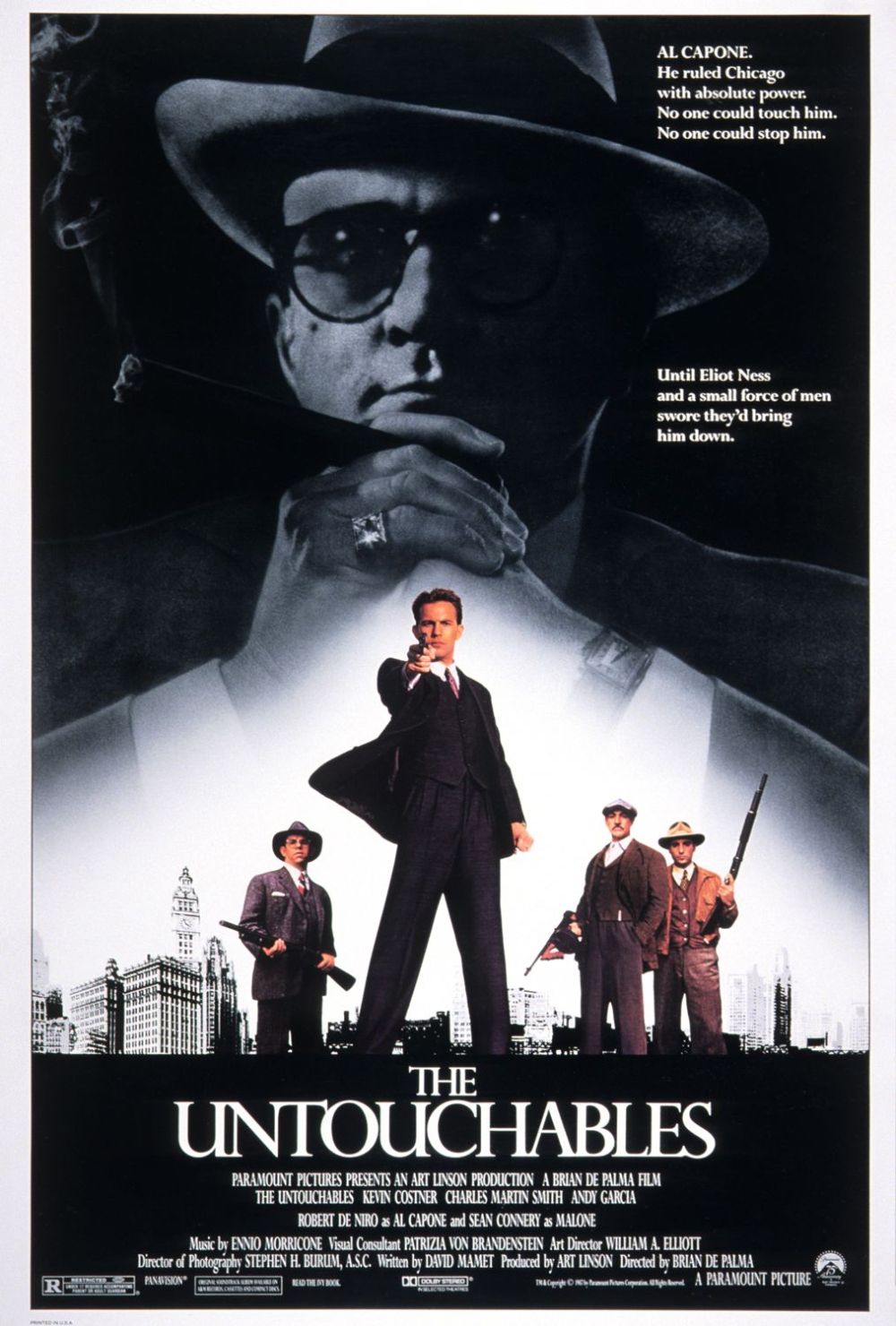
There were more than enough film buffs who filed their tax returns, or applied for an extension, on April 15, 2010, in the nick of time to check out a special screening of Brian De Palma’s 1987 classic “The Untouchables” at the Aero Theatre in Santa Monica. Following the story of how Elliot Ness and his select group of men who worked to bring down infamous crime boss Al Capone on tax evasion charges seemed like the perfect way to celebrate Tax Day. Finally seeing it on the big screen in glorious 70 mm was great after first watching it on VHS years ago.
But I do have to admit though that this movie really screwed me up for a time after I first saw it. It was one of the few times my parents let me watch an R-rated movie with them when they rented it on video. Having seen it reviewed on so many different shows like “At The Movies,” “Sneak Previews” and of course “Siskel & Ebert” (which had both hosts clashing over it passionately) had me excited about watching it eventually, and this was back in the day when I rarely, if ever, went out to the movies. But it was one of the first times where I realized the good guys didn’t always make it to the finish line. To see them get killed off in a most gruesome way was painful for a 12-year-old to take in as I always believed the good guys, those who work for justice would be the ones left standing. Back then, I was starting to learn how unfair the world can be.
Anyway, this evening had a special reason for us to come out other than seeing the film in 70 mm as David Mamet, who wrote the screenplay for “The Untouchables,” was also in attendance to engage in a Q&A. Instantly recognizable in his beret and those huge yellow glasses of his, Mamet had many stories to tell regarding the making of De Palma’s film, writing the script for it and his thoughts on writing and Hollywood in general.
The first question asked was how Mamet got hired to write the script, and he replied that he got the job by default. Apparently, the job was first given to the late playwright Wendy Wasserstein who had won a Pulitzer for “The Heidi Chronicles.” She must have done quite a bit of work on it because Mamet said the Writer’s Guild of America still wanted to give her a credit. But he never hid the fact that what attracted him to writing the script was, as he said, “a lot of money.” The way Mamet described it, writing for someone else is known as “whoring.”
Being one of America’s most acclaimed playwrights and having grown up in Chicago where “The Untouchables” takes place should have made Mamet the most obvious choice for this motion picture. Mamet talked about how he grew up there with gangsters all around him and of how everyone lived and breathed the same air as them. As for the cops, he got to know them better while working as a cab driver. He also went on to say several of his family members kept telling him stories about Capone from time to time.
For years, Chicago has been known to be a city engulfed by corruption, and Mamet did nothing to hide the fact it is full of crooks. He described it as a machine that is run downstate and remarked the mayors occasionally go to jail. He also remembered a saying once told to him when he asked someone in politics what the difference was in running for one office or the other. The politician told him, “the girls get prettier.”
It seems many natives of this city have the same romantic view of Chicago as Mamet did, and he said it best, “In Chicago, we love our crooks!”
A lot of Mamet’s inspiration for “The Untouchables” came from all of Chicago, he said. He tried to include as many famous landmarks such as The Anchors Restaurant and The Lake. Much of downtown Chicago was used to great effect throughout, and I wonder if there has been a movie since which is as superb in the way it brings Prohibition-era Chicago to life.
With De Palma directing “The Untouchables,” Mamet said he just hoped the director would stick to the script he wrote. Looking back, he said De Palma did actually stay true to his script to a certain extent, but that there were moments where he felt aliens had come down and sucked the brains out of those making the film. In terms of differences from his original script, Mamet said they took out the crawl he put at the end of what happened after the Prohibition Era ended and of how gangsters are still with us today. Mamet also said De Palma was the one who added the “cockamamie baby carriage” sequence.
During the making of “The Untouchables,” Mamet said he was never on the set. He was actually quite happy he wasn’t there which was surprising to here as you’d figure any writer would want to be there even if it annoys the hell out of the director. But while most writers want the opportunity to be on a film set, Mamet said he feels better off staying out of the way.
One of the main sources behind the screenplay was Elliot Ness’ autobiography which Ness wrote with Oscar Fraley. When an audience member asked Mamet if he believed what Ness wrote about, Mamet replied quite simply, “I don’t believe anything anymore.”
At its essence, Mamet described “The Untouchables” as a melodrama. Lest people see this as him looking down on the way De Palma shot this now classic movie, he was quick to quote from Stanislavski, “Tragedy is just heightened melodrama.” Looking at the movie as a melodramatic piece actually makes perfect sense as audiences got so swept up in the story to where it affected them more emotionally than they could have anticipated.
Other tidbits Mamet shared included that aside from Robert DeNiro’s method preparation in playing Al Capone, he ended up saying just what was in the script. The line uttered by Sean Connery’s Malone character of “here endeth the lesson” came from the book of common prayers. But the one which really stood out was what Mamet said Connery first told the producers when he came to make this movie, “Broccoli never paid me a dime to play James Bond!” As for “the Chicago way,” Mamet said it was something he just came up with. The philosophy behind it was when you take something, burn it down to the ground and then build it back up again.
Many in the audience were also eager to hear Mamet talk about the art of writing, and he had much to say on the subject. As a dramatist, he said his job is to take out the narration and go with the plot and characters. Watching the plot for him is where the enjoyment comes from. The problem is actors and directors end up wanting to put all the narration back in. They want to spell out everything for the audience, but dramatists make you want to know more about what’s going on. The way Mamet sees it, you just need a plot and an actor to get the ball rolling. A play or a movie cannot start from an ongoing situation. Of course, writing a plot can be very hard. In terms of plots, he views “Wag The Dog” as his “Casablanca” in that it was the easiest plot for him to write. Once he was finished, Barry Levinson started shooting the movie a month later, and the shoot went very quickly. As for all the other plots he has worked on, they were nightmares.
In talking about some of his other projects, Mamet said the coffee’s for closers speech with Alec Baldwin from “Glengarry Glen Ross” might have come from sitting in an office where he once worked. There was also some talk of how he wrote the script for “Ronin,” which was directed by the late John Frankenheimer, and never got credit for it. Mamet said he had always wanted to write something anonymously, and “Ronin” became that something because he was not originally hired to write it. What happened was Robert De Niro pleaded with him to do a rewrite as he felt the script was not up to speed. Mamet said he eventually caved in and rewrote the whole script in a week.
In addition to being a writer, Mamet is also a director of film and stage. When asked about his approach to directing, he said he wants to know what the story is about and how each beat contributes to the action. From there, everything comes together along with some unforeseen difficulties. When asked if movies would ever become an art form again, Mamet said, “Movies were never an art form, they were entertainment. It just evolved into an art form from there, and it’s still evolving in different ways.”
Mamet was up onstage for almost an hour at the Aero Theatre, and it still didn’t feel like he was there long enough. This writer, who grew up a working-class man and went to Kaminsky Park on a regular basis (yes, he is a Cubs fan) was full of anecdotal moments which made us want to learn more. When it comes to “The Untouchables,” he gives all the credit for its success to De Palma as he made all the elements work perfectly. He said almost everything good that happens is an accident, so it’s safe to say “The Untouchables” is a glorious accident and one which invites repeat viewing.
I personally want to thank David Mamet for saying something he once heard from a judge; that being quoted out of context is “the definition of a quote.” This makes writing articles like these so much easier! As for his line about critics being “illiterate swine taking the bread from my children,” I won’t take that one personally. Oh yeah, he also said the lizards in Hollywood will be the last ones to die, and he believes their last words will be, “I want to know more…”
After all these years, I think Richard Gere is one of the most underappreciated actors working in movies today. Sure, he’s been a movie star for years, having appeared in such classics as “An Officer and a Gentleman” and “Pretty Woman,” but I wonder if people in general see him as more than just another pretty face after all this time. Seriously, he has pulled off a number of unforgettable turns in “Primal Fear,” “Chicago” and “Arbitrage” which had him portraying morally duplicitous characters whom you cannot help but root for. The fact he has never been nominated for an Academy Award is baffling as he has more than earned his place among the best, and it seems like he still has to keep reminding us of how good an actor he is.
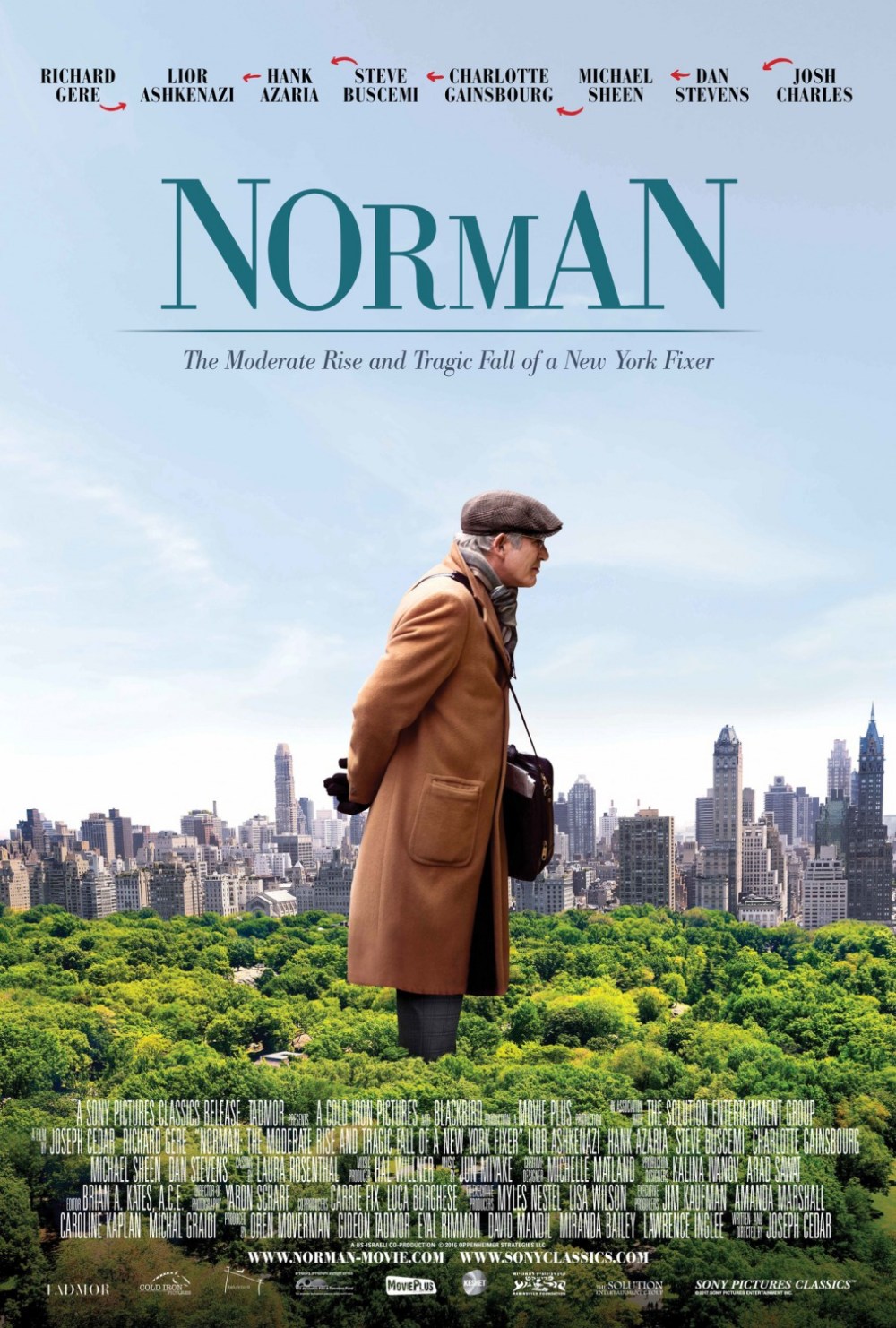
The latest example of this is “Norman” in which Gere plays Norman Oppenheimer, a humble New York fixer who lives a lonely life in the margins of power and money. He is a would-be operator who dreams up financial schemes, and he strives to be everyone’s friend as he networks with anyone who can elevate him in society. In the process, he gains the attention of Micha Eshel (Lior Ashkwnazi), an Israeli politician who has yet to fully advance in his career, by buying him a super expensive pair of shoes. When Micha becomes Prime Minister of Israel, he remembers Norman’s generous gift and brings him into his inner circle. This gets Norman to set up the biggest deal of his career, but it all threatens to end in an international crisis no one can walk away from in one piece.
“Norman” was directed by Joseph Cedar. His previous films include “Campfire” which earned him Ophir awards for Best Director and Best Screenplay, “Beaufort” which won him the Silver Bear award for Best Director at the Berlin International Film Festival, and “Footnote” which earned an Academy Award nomination for Best Foreign Language Film. “Norman” was inspired by the archetypal tale of the Court Jew which involves a Jew meeting a man with power when his resistance is very low. The Jew gives the man an incredible gift, and the man remembers him when he ends rising in stature. The Jew then becomes a consultant to the man, but when the man becomes subjected to endless antagonism, he has no choice but to get rid of the Jew because the Jew is far too easy to get rid of.
The tale of the Court Jew is one I was not familiar with, and it was fascinating to hear Cedar talk about it when he joined Gere for an interview at the Beverly Wilshire Hotel. Yes, this was the same hotel Gere romanced Julia Roberts in “Pretty Woman,” and the irony of this fact was not lost on any of us. Anyway, Cedar got more specific about this tale with us.
Joseph Cedar: Aside from the type of personality that the Court Jew has to do what a Court Jew does, which is a combination of brilliance because otherwise he is not essential to whoever has power, and a flexibility which allows him to sell out. These are complicated characters that are in the gray area of many moral questions, and it’s part of what allows them to be of influence. But there’s another aspect to it that I think is extremely interesting me. I think all of modern progress is the result of some Court Jew, or at least in Europe. If you look at the great European monuments, none of them would have been possible without that relationship between a king, a duke, a prince or someone in power, and a Jew is able to finance things that the township or the common person, the farmers of whatever area they were in, would have never agreed to do. So rulers needed that function in order to do things that, in retrospect, we are all enjoying right now: art, culture in general, architecture. And then there are some things that are considered negative but are also important: armies, bridges. But it’s a combination of things which are objectively good together with things that are questionable. There are many taxes that Jews convinced their rulers to put up, so those taxes were seen as something bad for the people who have to pay them. But 500 years later, those taxes created beautiful cities.
Ben Kenber: Was there anything specific about the Court Jew tale which you really wanted to get across in this screenplay? It sounds like a tale many other writers are familiar with, and it has been told a number of times, but was there something specific you wanted to address?
Joseph Cedar: I don’t know. It was something I was attracted to in a very sincere way. It’s not that I was looking for this tale.
Richard Gere: Is it the fact that the Court Jew who would be sacrificed in the end and the easiest one to let go?
Joseph Cedar: I think that’s what makes this tale, this journey, this narrative so involving.
Watching Gere as Norman Oppenheimer reminded me of his great work in “Arbitrage,” “Primal Fear” and “Internal Affairs” as he is so good at playing immoral characters who somehow manage to bring you over to their side despite their duplicitous ways. But while Norman is trying to get the upper hand in a way which benefits him, we see he is a desperately lonely man who longs to be accepted by others. Deep down, we want to see Norman succeed, and you can see his lonely desperation in his eyes. This is what I asked Gere about.
Ben Kenber: The thing I love about your performance Richard is we can tell when your character is playing with peoples’ emotions and trying to get what he wants, and then there are other moments where you can see in his eyes that he is being truly honest with others. How challenging is that for you as an actor to pull off?
Richard Gere: Not so hard because he believes it every time. When he’s lying, he believes it. When he’s telling the truth, he believes it. As soon as he starts or if something happens, he has got to fix it. Someone confronts him and he’s got to make it sound like, “Well my wife babysat him…” Whatever the story is, but once he starts it, his fantasy life is so vivid to him that he totally believes it. Totally. So, to him there’s no difference.
Joseph Cedar: I believed you believing it.
Richard Gere: Well that was important.
I want to thank Richard Gere and Joseph Cedar for taking the time to talk with me. “Norman” opens in theaters on April 14, and it is a very good movie worth checking out.
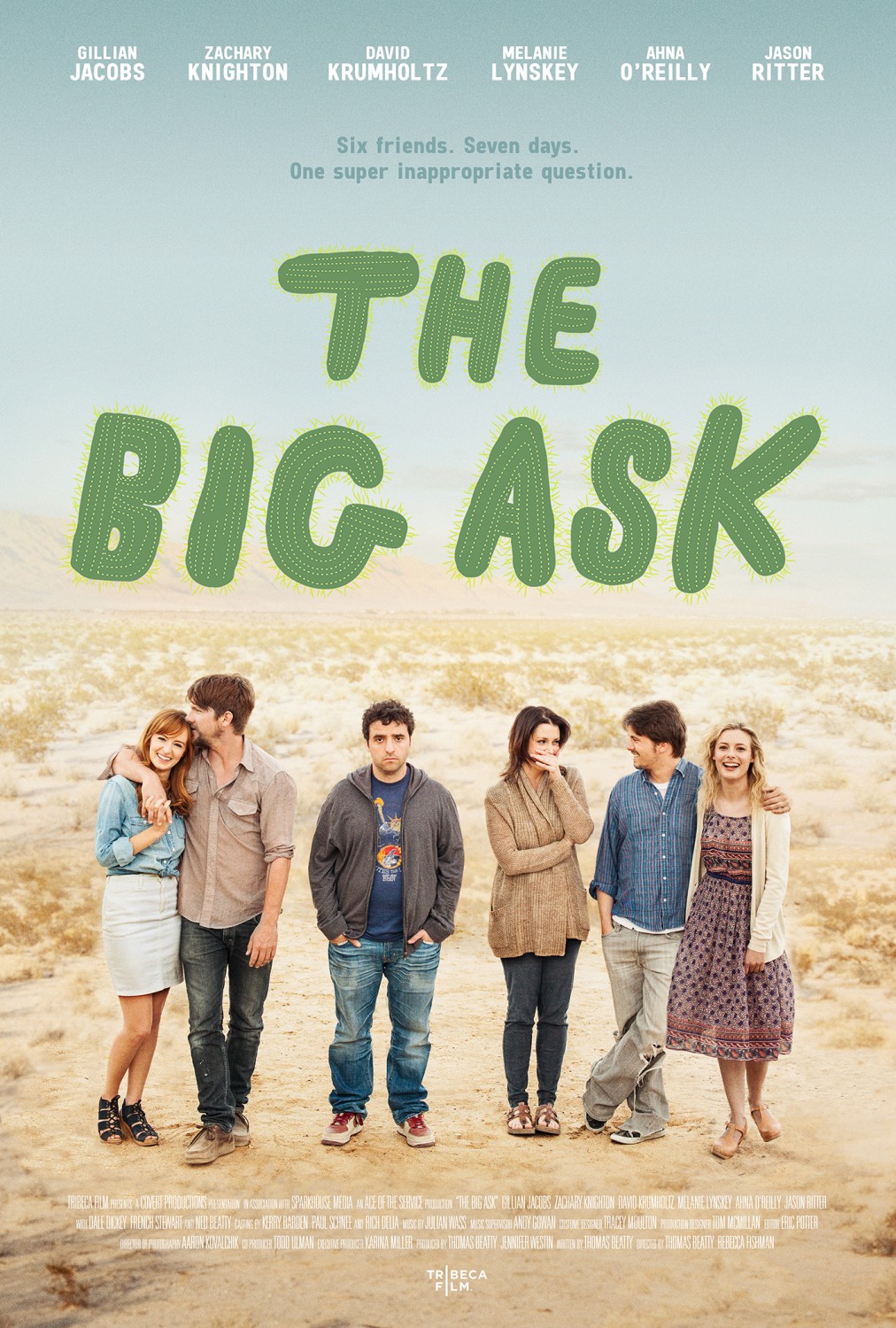
“The Big Ask” is a very well made black comedy which stands out among other indie movies being released at the moment. Its story revolves around three couples who go on a vacation in the desert to help their friend Andrew (David Krumholtz) who has just lost his mother to cancer. But once everyone is there, Andrew tells everyone there’s only one thing which can heal him in his time of sorrow; he needs to sleep with his friends’ girlfriends. It’s an absurd offer which makes everyone eager to jump in their cars and go home, but they stay as they see Andrew is very depressed and needs attention. But the movie has you wondering if they will actually go through with his plan if it means saving him from himself.
I got to speak with David Krumholtz over the phone, and he proved to be a lot of fun to talk to. Krumholtz has appeared in “Harold & Kumar Go to White Castle,” “Serenity,” “The Santa Clause” and “10 Things I Hate About You,” but these days he is best known for playing Charlie Eppes on the CBS show “Numbers.” During my interview with him, he talked about why he didn’t feel the need to do research on his character, what it was like making a movie with two directors instead of one, and he described the town of Twentynine Palms where the movie was shot. Also, he took the time to talk about a new website he is part of called Weather From which allows him to play one of his favorite characters.
Ben Kenber: The original title for “The Big Ask” was “Teddy Bears” which one character uses as a nickname for the cactus trees near the home everyone is staying in. Why did the title of the movie change?
David Krumholtz: I really don’t know why. I think Tribeca Films felt the title “Teddy Bears” didn’t really tell you what the film was. I like the title of “The Big Ask,” don’t get me wrong, but the problem is everywhere I go people ask me what I have coming out and I say “The Big Ask,” and they think I’m saying “The Big Ass.” So I keep getting, “You’re in a movie called ‘The Big Ass?’” And I have to explain that now it’s “Ask.” What’s even more awkward is that I show my ass in the movie.
BK: Well “The Big Ask” makes more sense in terms of what the movie is about.
DK: Yeah, I guess so.
BK: When it came to playing this character, did you do any research for this role or did you just work off the script as it was written?
DK: The script was very self-explanatory, and I really didn’t need to do much research because I’ve had an experience somewhat similar to this, obviously not asking my best friends’ girlfriends to have sex with me, but I had had kind of a painful experience in my life that I needed saving from. I needed my best friends to gather around me and to lift me up on their shoulders. I think a lot of people go through that, and it’s very hard to ask for help when you’re feeling helpless because it’s desperate. It’s interesting how people react to other people’s desperation. I had an experience like that, and this script in the way the characters react really rang true for me to what I experienced in my own situation. I didn’t have to do much research because I think I felt like I had been there, done that, so it was an opportunity for me to exercise that demon on film. I think people go through that kind of stuff all the time. Some people keep it quiet, some people handle it in certain ways, other people just scream for help. That’s ultimately what my character is doing in the film because he’s saying help me. But the matter in which he asks for help is ludicrous, and of course the fact that he thinks that there’s nothing wrong with it and that it’s totally normal is also crazy. I love how the film handles the awkwardness of it. These characters are real people, and so the idea is how real people react in this situation. The script was just so grounded in reality and in sort of the silent awkwardness and I thought Thomas Beatty did such a great job at making it feel real, and it’s because he had had an experience like that as well. I think it’s a great crowd movie in the sense of your sitting there kind of sympathizing with this guy who on paper reads like an asshole but you get where he’s coming from, and the big question is will they have sex with him or won’t they. I think it’s a fun movie in that regard.
BK: Yes, definitely. It’s like on the surface they are saying no but there’s a part of them that’s unconsciously considering it, so you can’t help but be riveted by the movie from start to finish for that reason.
DK: Yeah, the movie ends up becoming a reaffirmation of all the characters’ values. The one character of Dave (played by Zachary Knighton) wants to get married and he will stop at nothing to make it happen, and then the circumstance puts a stamp on his conviction to make it happen, to get his girlfriend to say yes. And the opposite is true for Jason Ritter’s character of Owen and Gillian (Jacobs) in that this brings to light the problems they have in their relationship, the communication issues. Their lives sort of unravel as a result of this question that this guy asks and it’s definitely not handled in a collegiate humor way. It’s definitely an adult movie for people who were not sure how to be adults. It’s certainly true of every adult.
BK: This movie is credited to two directors, Thomas Beatty and Rebecca Fishman. What was it like being directed by two directors instead of just one, and did that make things easier or harder?
DK: Well Thomas and Rebecca are husband and wife, and in this circumstance Thomas wrote the script so I think Thomas appreciated what Rebecca brought to it which was a filmic sense: the cinematography element and being in communication with the cameraman. So Thomas didn’t have to concentrate on anything but working with the actors and working on the script, so that in regard it was great. I found that I got more out of Thomas than I would have if he was worried about performance and camerawork the whole time. Rebecca had her own ideas as to what the film was tonally, and there were times when their ideas contradicted one another and there were times where we all agreed on the same thing. It’s tricky especially because they are husband and wife. You definitely don’t want to be the reason they start fighting, and it was a hard movie to make. But their spirit and their earnestness and their enthusiasm for the material really just carried us all through, so it was lovely to have the two of them there together.
BK: What was the most challenging aspect of playing this role for you?
DK: I mean for me, to be honest with you, I think beyond just doing some soul searching with the role, I think the most challenging thing is probably that there wasn’t very much that can be played broad or on the nose about this character. As actors we have an instinct to perform and to push and to show, and the hardest thing for me was I felt like the movie and Andrew only worked if I pulled him back and held back a lot because I’m playing a character that the audience is wondering what’s going on in his head. And more importantly, he’s wondering what’s going on in his head. He’s not even sure what he’s thinking, so it’s really important to pull back my performance and do something really small, and that was the biggest challenge for me. I need to establish a good level of trust with Thomas Beatty about that because I told him, “Look if I’m ever going too big or broad or if I’m too on the nose with my interpretation, pull me back. Let’s go smaller.” This is a movie where the awkward silences are the funniest beats, and so in this case less was more.
BK: The group dynamic between you and the rest of the actors is truly fantastic. Did you all have a lot of time to work things out and rehearse before you started shooting?
DK: No, this is a super low-budget indie so there are no frills and there’s not a lot of rehearsal time… Yeah, we did a couple of read-throughs and we kind of worked out some kinks. The great thing was from the first moment as a cast we all got along beautifully. We all enjoyed each other’s company, we all sort of came from similar places in our lives which we applied to this experience and to this project. So, what helped a lot and what made up for the lack of rehearsal time was that we all just had amazing chemistry as people, and then that did a lot of the work for us onscreen.
BK: The movie was shot in Twentynine Palms. Can you tell us more about this city?
DK: It’s about a half-hour outside of the heart of the Mojave Desert and about an hour past Joshua Tree National Park, so it’s basically the middle of nowhere. There’s a big, big giant army base out there and that’s about it. They were dropping bombs constantly and our little house that we all stayed in would rattle when they would drop a bomb, and sometimes they’d drop a bomb closer to us and it would be like, “Do we need to get the heck out of here?” We were basically in the middle of the desert with bombs being dropped near us and it was really quite a different experience, but for us it was kind of like paradise because it was so immersive. We really didn’t have a choice. We were all trapped in the desert and we really didn’t have a choice but to focus on what we were doing and focus on each other.
BK: Wow, I didn’t see anything resembling an Army base out there so you must have done a great job of hiding it from view in this movie.
DK: It’s actually the biggest army base in America; it’s that big. If you go out on this one road the road ends and if you go off-roading for about 20 minutes, you’ll end up at a giant re-creation of the central market of Baghdad, and it’s in the middle of nowhere dude. There’s no easy access to it, and there’s literally props and fake soap and fake market items. They do drills within that city and it’s meant to mock Baghdad or any major Middle Eastern city, and it’s about a square mile, that’s how huge it is, and you can see it from above from the mountain range. You really can’t get down to it. I’m not even sure how the military has access to it. I guess they have a certain road that leads there that people can’t get to from the other side. But I know Ahna O’Reilly and Jason Ritter went out there one day with a couple of friends and actually got out of the car and walked into it and walked around it while there were no drills happening. Then all of a sudden an alarm went off and the drill was happening and they had to run out of there because the Army started shooting up the place. I actually went out there once but I didn’t get too close because it was just super scary to me and super intimidating. It’s a very trippy place man, Twentynine Palms. If you ended up in Twentynine Palms, there’s a very specific reason.
BK: You also have a website that’s starting up now called “Weather From.” Could you tell us a little more about it?
DK: I’m really, really jazzed about it. Basically my friends came up with the idea to create a weather website that would make you laugh. People get their most up to the moment weather on the Internet and they thought that since it’s become this essential part of everyone’s lives, to check the weather for their town or where they are traveling to or where they are traveling from, why don’t we make them laugh while we are doing it. The idea was to create a bunch of characters and film a bunch of vignettes where the characters told you the weather for your small town, and it kind of went off on tangents. They pushed me to do an old lady character because my friend Ricky, who was involved in it, knew that I had done this character that I based on my grandmother. I said, “Well yeah I’ll do it, but I don’t want to do it in drag. Can we get some prosthetic makeup going?” We actually ended up getting Stephen Prouty’s company which just got nominated for an Academy Award for doing “Bad Grandpa,” so all of a sudden they transformed me into an old Jewish lady that no one, even my family members, were fooled by. Basically, how the site works is you go and you type in your zip code or the name of any city around the world, it hooks up to the National Weather Service so it works like any other weather website except instead of specific forecasts coming up, a video comes up and it’s accurate to your hometown. We did 35 videos for 35 different types of weather, and the videos range from 30 seconds to two minutes long. They are basically just vignettes and it’s me as this old, nasty Jewish woman who has a filthy mouth and is very opinionated and is also a little sexually promiscuous telling you the weather for your hometown and then also going off on tangents of what the weather reminds her of or whatever; everything from her wanting to have sex with Jeff Goldblum to claiming that she was the only survivor of the space shuttle Challenger disaster. She’s a really funny, funny character. We didn’t hold back. She’s very filthy and she’s very real, and it’s hard to imagine that’s me which is really cool. People have been really surprised by it. I think it’s a brilliant concept, and the idea going forward would be that there would be more characters to choose from to give you your weather and there will be more specific types of weather. We only did 35 types of weather as a start, but the weather can get very, very specific with high fronts and low fronts and hurricanes and tornadoes. So hopefully as we go forward we will get the chance to do hundreds of videos potentially.
BK: Yeah, it will be interesting to see how the website evolves as you have started off with a couple things, but I imagine at some point it will have to get a little more specific. That should give you a lot to work with as an actor which is cool.
DK: Yeah, I think so. I think it has endless potential and I’m just happy that they asked me to be a part of it. I’ve been working really hard on promoting it and getting the word out there about it because I love playing that character. It’s so much fun (laughs). She’s such a nasty old woman. I guess she’s a side of me that I didn’t know existed, or maybe I did know and I didn’t want to tell anybody or didn’t want to admit to. But it’s so much fun getting to let her out and I just really want people to see it and enjoy it as much as I enjoyed making it.
BK: What do you hope that people get the most out of watching “The Big Ask?”
DK: Well, I really hope they have a good time laughing at my character’s misfortune, but I hope it makes them reflect a little bit on their own frailty and their own willingness or lack of willingness to ask for help. It’s the kind of movie that I love when I can walk out of the theater and feel like I know what that’s like. I can feel those feelings in my life, and maybe it’s time I ask for what I need regardless of whether or not it hurts people’s feelings because I need it. And if their friends, they’ll understand it’s something that I need. So hopefully someone will walk out of there having popped the question or whatever it is just because they felt inspired to do so.
I want to thank David Krumholtz for taking the time to talk with me. “The Big Ask” is now available to own and rent on DVD, Blu-ray, and Digital.
Sure, everybody deals with anxiety, but for others it can be a very serious disorder. Anxiety is not the same thing as fear because fear is more of a feeling about something which is realistically dangerous, and it is an appropriate response to a perceived threat. But anxiety is more about anticipating disaster and excessively worrying about everyday things like health, money, relationships with friends and family or troubles at your job. The problem is many of these worries are irrational, and much of what you fear never becomes a reality. Still, it’s not something you can just flip off like a light switch as those who are saddled with this disorder end up suffering from many physical symptoms like fatigue, insomnia, fidgeting, difficulty concentrating, trouble breathing and nausea among other things. They find themselves unable to control their anxiety, and it can seriously affect how they deal with daily life.
I bring this up because I suffer from anxiety, but I typically don’t talk about it much outside of a doctor’s office. There is a stigma attached to mental disorders in general, and many who suffer from them don’t want to admit they have a problem. Explaining this to others is frustrating because not many have a full understanding of what you’re going through, and the advice you are likely to get is “get over it.”
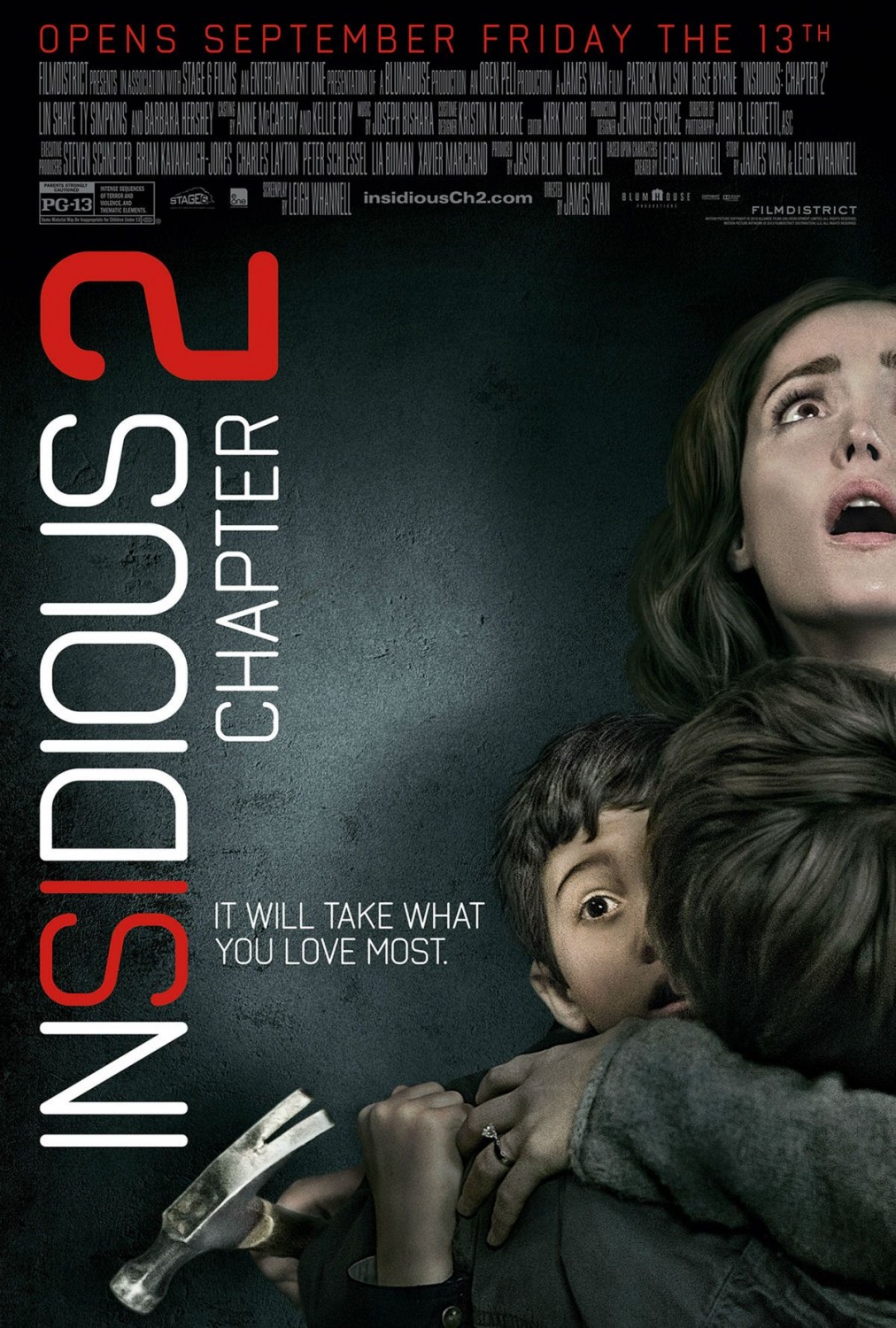
So, I had the opportunity to speak with Leigh Whannell, an actor and writer who wrote the screenplays for “Saw,” “Dead Silence” and “Insidious,” all of which were directed by James Wan. Whannell was in Los Angeles for the “Insidious: Chapter 2” press junket, and I was lucky enough to have a 1-on-1 interview with him at the Four Seasons Hotel thanks to the website We Got This Covered. Whannell himself suffers from anxiety as well, and I asked him how he dealt with it and if it influenced his writing in any way. Part of me was worried this might seem like too personal a question, but he was actually very open to talking about it.
Leigh Whannell: When I was in my mid-20’s, I was having these physical symptoms. To me I didn’t think it was anxiety, I thought it was a health problem. I was getting these headaches and heart palpitations, and at that age I was too young to understand psychological problems. Especially in Australia, we don’t really have a big therapy culture in the sense that I don’t know if people really address their problems as much as they do here. So, I was very confused, and when a doctor told me that all these things that are happening are because of anxiety, that was hard. I think the way I dealt with it in the end was to chisel away at the elements of my life that were adding to the stress. I was working in a job I didn’t like very much, and I got out of the job. It was hard because no one wants to be unsure where their next paycheck is coming from, but I knew that if I got out of that job that would help so I did that. In terms of influence, it was very influential in the writing of ‘Saw.’ I look at ‘Saw’ now and I realize that it’s not exactly a critically acclaimed film, but a lot of people would maybe see it as a B-movie. But for me, at the time, I didn’t see it that way. It was so meaningful to me because, even though it’s this thriller, I was looking at this character that was dying, and all these anxieties about death really were an influence. I think it can end up being good therapy in a lot of ways. When you get out your subconscious on paper, it’s like a mental sauna. You sweat out all the dark stuff and I think that ‘Saw’ is very much a product of who I was in my early to mid-20s. I think I had a pretty dark nihilistic worldview, hence the movie ‘Saw’ (laughs).
I told Whannell it was great he was able to channel his anxiety into his work as it proved to be beneficial for his health and career overall. As I walked out of the hotel room, he wished me the best of luck in dealing with it as he deeply understood what anxiety was all about, and he also gave me some good advice to follow:
Leigh Whannell: I think it’s similar to a physical health problem in that you need to take steps like meditation or long walks or days where you don’t have to focus on it. You need to carve out time for yourself.
Since the interview, I have started taking a mindfulness class which is a form of meditation that focuses your mind to be more attentive and aware of what your body is going through. Essentially, it gives your brain a much-needed rest and to not judge the thoughts which keep running through your head on a regular basis. I have also sought treatment through therapy and other methods, and all of it has been largely beneficial. I still have a way to go in dealing with my anxiety, but I can honestly say I have made a lot of progress.
I really want to thank Leigh Whannell for his time and for being so open about what he went through while dealing with overwhelming anxiety. Honestly, it looks like he’s feeling great and doing much better than when he was younger. Hearing him talk about this issue and seeing him looking very healthy certainly gives me a lot of hope.
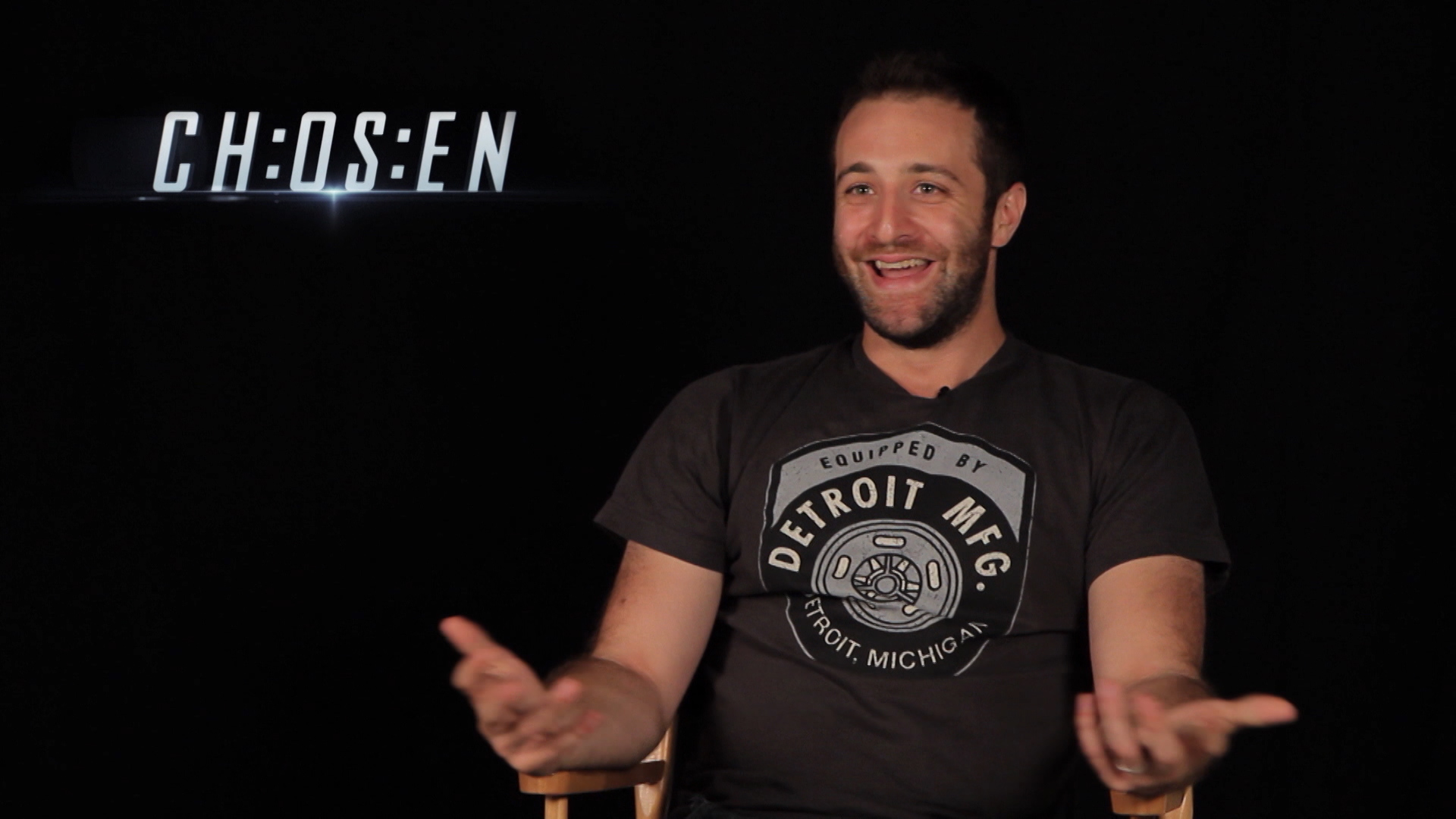
He has made a place for himself in the horror genre with the “30 Days of Night: Dust to Dust” miniseries and the web series “Chosen.” Now with “Beneath,” Ben Ketai breaks into the feature film realm with a story about a bunch of coal miners who get trapped several hundred feet underground after a catastrophic accident. The movie stars Jeff Fahey as veteran coal miner who spends the last day on the job with his co-workers and his daughter Samantha (Kelly Noonan) when the accident happens, and they have to work together to escape the mine before madness and toxic gasses kill them.
I got to speak with Ketai over the phone, and it was great fun talking with him as he explained what it was like working with Fahey, the challenges of maintaining a strong level of suspense for ninety minutes, and the research he did on coal miners for this movie. “Beneath” might look like your typical horror movie, but in many ways, it isn’t.
Ben Kenber: I thought this movie was very riveting and I like how you managed to keep the suspense up until the very end. How much of a challenge was it to maintain that suspense from start to finish? It could not have been easy.
Ben Ketai: One of the challenges when doing a horror movie like this where you are stuck in one space for the entire film, and I give all the credit to Chris (Valenziano) and Patrick (Doody), the writers, is figuring out how to build a proper level of escalation that keeps the story moving without breaking the suspense until the very, very end. It definitely makes my job much easier when you have a creative group of people like that.
Ben Kenber: This is definitely an interesting story for a horror movie. There have been a lot of stories in the news over the past years of mines collapsing and miners being trapped for an agonizing period of time. Was there a specific event that inspired the story for this film?
Ben Ketai: It was really, for Patrick and Chris, the Chilean coal miners and what they went through was the first seedlings of the idea. And then while they were working on it, I think there were a couple more incidents that came along and so we had a lot of different unfortunate happenings that allowed us to draw inspiration from. A lot the inspiration for the film also comes from just coal miners who haven’t been in collapses, and Chris and Patrick did extensive research while writing the script talking to coal miners and visiting coal mines in West Virginia. We had a recently retired coal miner talk to our cast before production. It was like a little seminar on what it’s like to be a coal miner. There were lots of wonderful sources of inspiration.
Ben Kenber: Where exactly was this movie shot? It looks like a real coal mine, but I came out of it not knowing if it was actually a movie set or not.
Ben Ketai: We actually shot it on a soundstage in Culver City, and pretty much everything you see inside the mine was constructed by our brilliant and very resourceful production designer Michael Barton.
Ben Kenber: At times, I thought it looked so real.
Ben Ketai: I had to remind myself sometimes when we were actually on set. I would start to get claustrophobic, and I had to remind myself that we were on a soundstage and that there was sunlight outside.
Ben Kenber: While watching “Beneath,” I was reminded of a number of other movies like “The Descent” where a group of women went cave dwelling and encountered a bunch of vicious monsters. Was there any movie which inspired you or played through your mind while you were making “Beneath?”
Ben Ketai: We actively tried to avoid “The Descent” and other movies like it because we knew it would draw such strong comparisons just because of the subject matter. But of course we watched “The Descent” and we looked at what works best in that movie, and then also what signifies what that movie is and what that movie looks like it feels like. It sounds too derivative, but while making the movie and immersed in the experience I tried to pull from movies that aren’t actually entirely of the genre. I wanted to try to put something more human to the horror experience. Honestly, one of the movies that my crew and I watched the night before we shot was “Friday Night Lights” simply because it’s a film to me that just does a great job of capturing real camaraderie, and also it has a very piece of life feel to it. That was something that we wanted to bring to a movie like this and to try to make the characters feel like real people that we love and care about, and if we can do that then the horror is going to take care of itself. “The Wrestler” was another movie we watched, and it did such a great job of getting the camera to capture the world of wrestling in such a personal way. I wanted to do that same thing with coal miners and have that same sensation.
Ben Kenber: I’m assuming that you did a lot of research on coal miners and mining accidents, and I imagine that when you have a lack of oxygen down there beneath the earth that you start seeing things that may or may not actually be there. What kind of research did you do in preparation for directing this film?
Ben Ketai: All sorts really. The writers had a great head start obviously and they worked on the script for about a year and a half. When I came onto the project just a couple months out from production, they kind of dumped all the research into my lap and I had to do a crash course and catch up fast with them. We were developing the script through craft and with the actors. We just gathered as much information as we could about what happens to your brain during oxygen deprivation, and not only that but what happens when you were trapped in a coal mine. It’s not just that you are running out of oxygen, but the air itself is becoming toxic. There are always toxic gasses that are leaking into the coal mine, and usually if the mine hasn’t collapsed there is stuff that extracts that from the working environment. When the collapse happens, it basically cuts off their flow of fresh air, and things like methane and poisonous gasses continue to build up. All the crazy things that can happen to you like hallucinations to total personality changes, that was really the most exciting thing to me. We had this great device that creates a real-life thing that could explain away all those supernatural things. We really wanted to make it all ambiguous, and we did.
Ben Kenber: The cast for this movie is really spot on. All the actors look like they have worked in a mine for a long, long time. What was it like casting this film?
Ben Ketai: The casting process on this movie was awesome. It was probably the most enjoyable process that I ever had working on movies because we didn’t have a studio looking over our shoulder and we didn’t have foreign sales companies to answer to. So we really just got to do it the old school way and we just had auditions. We really took our time to figure out who were the best people to embody these characters, and we managed to assemble what I felt was a cast of just all incredibly talented and incredibly realistic people/actors.
Ben Kenber: What was it like working with Jeff Fahey?
Ben Ketai: It was a really, really incredible experience. I’ve always been a fan of his. I was probably 12 years old when I first saw “Lawnmower Man.” I grew up with Jeff Fahey. It’s kind of a dream to get to work with a guy like this, and not only that but he’s got so many years of experience under his belt and so much passion for his craft that working with him is sort of like… You turn him loose in a scene and his energy and his expertise kind of permeates to the rest of the cast. I think it really helped pull everything together. I feel like, as a director, I’m just lucky to be able to put that in front of the camera.
Ben Kenber: Robert Rodriguez once said having less money to work with forces you to be more creative. Was that the case for you on this movie, and did you have to cut any corners to get the shots that you wanted?
Ben Ketai: It definitely forces you to be more creative, and I really actually think in many ways it’s what gives the movie its voice and personality. We had to spend so much money building the set itself because we couldn’t film in a coal mine. There really wasn’t much left for anything else. When I came onto the film as director, my first role was to try to make everything feel as real as possible. Myself and Tim Burton, my cinematographer, we wanted to make it feel like we were down in the coal mine with flashlights and headlamps. So what you actually see onscreen is lit with practical lights. Instead of spending our time and our electric budget on a huge lighting truck like you would get on a big studio movie, we were at Home Depot looking at different kinds of flashlights.
I want to thank Ben Ketai for taking the time to talk with me. “Beneath” is now available to own and rent on DVD, Blu-ray, and Digital.







 The Ultimate Rabbit