‘Private Eyes’ by Hall & Oates – My First Vinyl Album
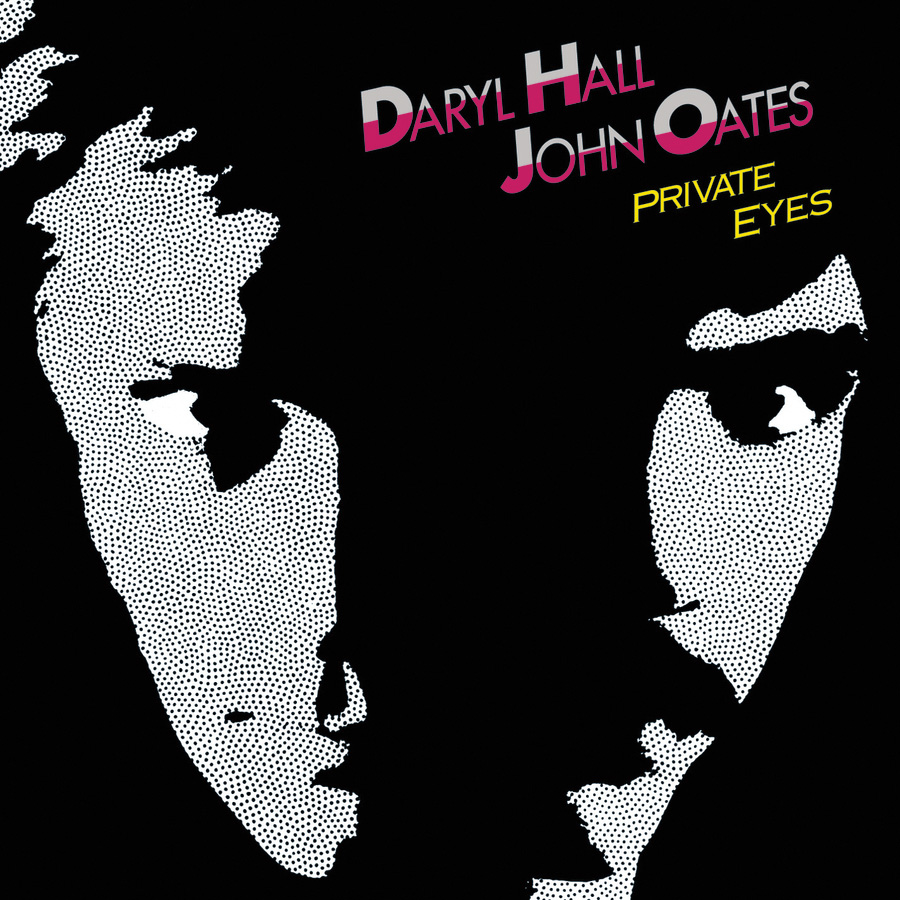
Private Eyes album cover

Hall & Oates’ 1981 album “Private Eyes” was actually the first vinyl record I ever got which I could call my own. Years ago, my mother offered to buy me and my brother one vinyl record each, and we were both really excited at the prospect of having one of our own since our parents owned several dozens of them, many of them by Fleetwood Mac and The Beatles (they have great taste in music). I don’t remember exactly why my mom did this. Maybe we were well behaved or something (a rarity for the two of us as kids).

Anyway, my brother got this KTEL album (remember those?) called “Radioactive‘ which featured popular songs of the moment from Devo (their cover of “Working in a Coalmine” is one of my favorites), REO Speedwagon, Rick Springfield and Blondie among others. “Radioactive” was the equivalent of those “Now That’s Music” CD’s which get released every other month, but the music on this particular album was excellent and never groan inducing, and it was a good selection by my older brother.

But for me, my choice was clear from the start, and it represents one of my most decisive decisions at a video or music store.

I first got exposed to “Private Eyes” when I was in Kindergarten thanks to my friend Matthew who lived down the street from me in Marietta, Georgia. Matthew had the album on cassette and we kept listening to the title track endlessly, and when those claps came into play, I made it look like I was punching myself. This made the two of us laugh hysterically, and we didn’t listen to much else on the album at the time. That one song seemed to be enough for the two of us.

But later, we started to listen to “I Can’t Go for That (No Can Do)” which I had heard on the radio, but I didn’t realize right away it was also on the “Private Eyes” album. Cool, I thought, this tape must have a lot of good songs on it. Sure enough, it did! Just before I got the album on vinyl, “Did It in A Minute” became Hall & Oates’ latest hit song. Getting “Private Eyes” at that point seemed like a do or die mission in retrospect. Come to think of it, it was!

I still have a lot of memories from listening to this definitive Hall & Oates album after all these years. My brother and I were dancing without a care to these songs, especially to “Did It in a Minute.” This was back before we both became saddled with those inhibitions which more or less came to define the adults we are today. Sometime later, my family moved from Marietta, Georgia to Thousand Oaks, California, and “Your Imagination” started playing on KIIS FM, back when Rick Dees was the morning disc jockey. I thought it was a very cool song, and I later realized it was also on the “Private Eyes” album as well. For me, this album now seemed so magical because it had so many great songs on it, and if there was a song I heard on the radio which I liked, it had to be from this album!

“Private Eyes” was just an infinitely fun album to listen to, and this is still the case more than 30 years after its release. It is one of several records from the 1980’s I can never get sick of listening to, and it always brightens my mood whenever I put it on. Hall & Oates went on to become a dominant musical duo during the 80’s with this album as well as “H2O” and “Big Bam Boom,” but neither of those albums, despite having some awesome tracks, could hold up as well as “Private Eyes” did.

Of all the songs here, I still think the best one is “I Can’t Go for That (No Can Do).” While the other songs might seem stylistically dated, this one feels timeless and could fit in with the music of today. For a time, it was the ring tone on my cell phone, and when went off in the office I used to work in, a fellow colleague remarked about how Hall & Oates once auditioned for Smokey Robinson. Robinson ended up not hiring the duo, and he later admitted it was one of the biggest mistakes of his life.

Of course, I don’t want to leave out other songs like “Did It in a Minute” which ends the first side of the record. A great up-tempo song, it was one which got me really excited about life when I listened to it (I was 5 or 6 at the time, so what did I know?). Going onto the second side, we have “Head Above the Water” which proves to be an appropriate selection to listen to during aerobic exercises. Lesser known songs like “Tell Me What You Want” and “Some Men” resonated strongly for me even when I didn’t understand the lyrics. Then again, it took me a long, long, long time after the first grade to really pay attention to a song’s lyrics. The music itself was all that mattered to me at the time.

I always kept wondering about John Oates though. Daryl Hall was always the most prominent of the duo, and John seemed to be there mostly as backup. I wonder if Mr. Oates ever got seriously resentful of Mr. Hall in a “Fatal Attraction” kind of way. But they are still together, so I guess it never got quite that bad. John, however, proved he is every bit as good a singer on songs like “Mano a Mano” and “Friday Let Me Down,” a song title which would have a depressing significance on me during my adolescent years. It didn’t even matter how I had no idea what “Mano a Mano” meant (it would be several years before I took my first Spanish class) because the song itself has a catchy rhythm which every decent 80’s song needed to have.

It should also be noted how Hall & Oates were a big hit on the R&B charts with their music back then, and this was a rare feat displayed by what some would call a “white act.” While many of us today may laugh at white people doing what others simply saw as “black music,” this musical duo was never seen as a joke, and they were respectful of the influences which inspired their musical choices. The song “Looking for a Good Sign” was actually dedicated to the original lineup of The Temptations, a huge influence on their work. The duo would later perform with two of the vocalists from The Temptations on the “Live at The Apollo” album.

“Private Eyes” is not an album with any big theme to hold all these songs together. It is not a concept album like Pink Floyd’s “The Wall,” an album which took me many years to fully appreciate. In the end, “Private Eyes” is still an endlessly entertaining album which can never be construed as boring, and it holds up really well. I still love listening to this album to this very day, and it remains one of my favorite albums of all time. Considering how it was my first vinyl record, it will forever hold a special place in my heart.

Years later, I did purchase the remastered CD of “Private Eyes, but I do still have the original vinyl record in my possession. Believe me, I will never get rid of it. Ever.


Music Review: ‘Houses of the Holy’ by Led Zeppelin

Led Zeppelin Houses of the Holy album cover

With “Houses of the Holy“, Led Zeppelin gave the world one of its greatest albums. Filled with a variety of unforgettable songs, it takes you on a musical journey which very few albums are able to do these days. It’s also the first album which they did not name after themselves, a curious habit Peter Gabriel picked up on when it came to naming his first three solo albums. It also captures the band at a key turning point where they began experimenting with sound designs which they used to great effect here and on future releases.

This sound experimentation is immediately apparent on the album’s first track “The Song Remains the Same”. Listening to it, you might think Jimmy Page was playing three guitars at once and using his toes to play at least one of them. Either that or he’s riffing off on his double-necked Gibson guitar. The song’s title is indeed ironic because even if this one does remain the same, nothing the band has done previously can easily compare. You can feel Page’s excitement as he layers one of his guitar licks on top of another as he creates rapturous dimensions which surround Robert Plant’s passionate vocals.

The other great thing about “Houses of the Holy” is it has the band exploring a variety of musical styles. Most of their albums up to this point were inspired by blues music, and with this one they almost leave that genre completely in the dust.

The second track, “The Rain Song,” has them playing one of their many great love ballads. Then there’s “The Crunge” which has them grooving obsessively to the funkiest beat imaginable, and it’s one of their most entertaining tracks as well as the kind you never want to end even if Plant never finds “that confounded bridge”. Along with the band exploring reggae music with “D’yer Mak’er” and even experimenting with doo-wop on the last track, “The Ocean”, you can tell every band member had the greatest time recording this album.

Some of the best Led Zeppelin songs have the listener feeling like they are on a journey, and this is definitely the case with “Over the Hills and Far Away” which makes you want to run through the fields. Plant is at his most beautiful here vocally as Page eases us in with his acoustic guitar before throttling into gear with an electric one. This is one of the musical numbers you feel like you are flying high in the sky more than anything else.

But the great thing about “Houses of the Holy” is how each band member make their unique contributions really stand out. When people think of the band, Page and Plant are the first people who come to mind. But then there’s the late great John Bonham who remains unrivaled as the greatest drummer ever, and I still cannot think of another who can match his genius. John Paul Jones never seems to get the same amount of respect as everyone else, and this is a shame as his bass playing here is what really drives the power of these songs, and the riffs he pulls off are truly thrilling.

With “The Crunge” and “The Ocean”, you can feel each band member coming together as one. No single person steals the show from the other on “Houses of the Holy,” and realizing this makes this album all the more enjoyable. Everyone here is on the same page (no pun intended) when it comes to their individual contributions, and you can feel the band’s joy as they perform the music.

Years after its release, “Houses of the Holy” continues to find new generations of listeners who love the music as much as we do, and Led Zeppelin continues to outlast the musical fads Beck sang about in “The New Pollution.” As much as fans want to see the surviving members reunite for another world tour, they don’t need to as their music remains as popular as ever. With this particular classic album, Led Zeppelin expresses an eagerness to stretch beyond their safety zone and explore avenues of creativity they had not previously tapped. It remains one of their best efforts, and there is no doubt future generations will come to love it as much as we do.

Music Review: ‘If You Want Blood, You’ve Got It’ by AC/DC

ACDC If You Want Blood Youve Got It cover

While it may be more fun to watch them in concert, AC/DC’s first live album, “If You Want Blood, You’ve Got It,” will still have music fans grooving to the relentless beats of this infamous Australian hard rock band. The album cover shows Angus Young impaled by his own guitar while original lead singer Bon Scott stands behind him with an incredibly demonic look on his face. It’s their ever so subtle way of telling the listener they are about to hear some nasty rock and roll their parents don’t approve of, and they ain’t about to apologize for that in the slightest.

This album was recorded while the band was on their “Powerage” Tour back in 1978, and it captures them as they begin to find an audience outside of their native Australia. Included on it are songs from “High Voltage,” “Dirty Deeds Done Dirt Cheap,” “Let There Be Rock” and, of course, “Powerage.” Things get off to a fantastic start with “Riff Raff” as Angus commands the audience’s attention with his lightning quick guitar licks. The listener will be unable to keep his or her feet still while listening to it.

Angus, one of the greatest rock guitarists ever, makes himself known with his amazing solos on songs like “The Jack” which captures the band’s love of blues music. By the time he gets to “Let There Be Rock,” one can’t help but wonder how he finds the energy to keep going full throttle without breaking any strings on his guitar. Listening to him play away is thrilling, and it’s easy to believe he could pluck away at any six-string guitar ever given to him even while he sleeps. There’s no getting sick of his amazing talent.

But the other band member who deserves as much attention here is the late Bon Scott. Scott sounds magnetic as he holds his own with Angus and the rest of the band. This was his next to last album with AC/DC (the last being “Highway to Hell”) before his tragic death in 1980. With all due respect to Brian Johnson who took over lead vocals when the band recorded “Back In Black,” Scott had a better vocal range and always sounded like he was having the time of his life onstage while singing “Rock ‘N’ Roll Damnation” or getting the audience to chant “HIGH” during the band’s performance of “High Voltage.”

The rest of AC/DC makes their presence known as well throughout this live album. Angus’ brother Malcolm Young plays a mean rhythm guitar which Angus can improvise off of endlessly. Cliff Williams’ bass guitar is supremely powerful and keeps the audience revved up during “High Voltage” and “Let There Be Rock.” And finally, there is drummer Phil Rudd who pounds away on his set and keeps everyone else in line as Bon sings and Angus lets loose on a solo which he sounds like he cannot fully control (not that it’s a problem or anything).

Actually, this is one of those live albums which could have been a double album if the band allowed it to be. While it’s great to hear the AC/DC rocking away on these songs, fans will miss other favorites like “Dirty Deeds Done Dirt Cheap” or “T.N.T.” Unlike most other live recordings, this one feels surprisingly short and could have gone on for much longer. The band must have realized this years later on when they released double live albums for “AC/DC Live,” “Let There Be Rock: The Movie – Live in Paris” and “Live at River Plate.”

Listening to this live album again in its remastered edition, the sound design is incredible. Fans will feel like they are at the concert while they are listening to it, and they will be able to picture Angus doing his Chuck Berry two step move across the stage throughout. AC/DC remains a powerhouse of a rock group after an amazingly long run. “If You Want Blood, You’ve Got It” showed how full of potential they are when in front of a live audience, and hearing it again proves none of that potential has ever been wasted in the service of rock and role music.

M. Night Shyamalan’s ‘The Last Airbender’ is a Cinematic Atrocity

the last airbender movie poster

WRITER’S NOTE: This review was written back in 2010. I also want to dedicate it to my good friend Ed Mahoney who was brave enough to endure this cinematic monstrosity with me.

I couldn’t help it. I had to see this movie for myself. Ever since it opened, “The Last Airbender” has received some of the most atrocious reviews of any movie ever made. Audiences all over have been calling for M. Night Shayamalamadingdong’s blood for the last decade, and they just may get their wish with this monstrosity posing as a summer blockbuster.

But nothing could keep me or a friend of mine from witnessing the cinematic carnage of what was an eagerly awaited motion picture. The reviews were getting increasingly abysmal, and public perception made it look like a car crash you drive by on the freeway which you can’t help but look at. We knew we only had ourselves to blame since we paid $10 bucks each for our tickets, but we were willing to make the sacrifice.

Well, I came out of “The Last Airbender” laughing hysterically. In fact, I couldn’t stop laughing for an hour after I walked out of the theater, and it was for reasons Shyamalan didn’t intend. Everything you have heard about it is true. It is a complete and utter disaster and fails on just about every level a movie can. It proved to be so boring to where I almost passed out even when the soundtracks and explosions increased in volume. Furthermore, the plot is almost completely incoherent, and the dialogue will make you howl in disbelief. Shyamalan’s career has officially hit rock bottom with this atrocious adaptation, and no one is going to ever let him off easy for all the things he got wrong here.

I could tell from the start the movie was going to be terrible as the opening scroll fails to make any back story seem the least bit comprehensible. Then words “Book One” appeared, and it quickly reminded me of what Bruce Campbell and Sam Raimi were once told by Irvin Shapiro when they were selling him a certain horror movie:

“Fellas, if you call this movie ‘Book of the Dead’ they’re gonna think they have to read it! Call it ‘The Evil Dead!’”

Campbell and Raimi thought it was the worst title they ever heard, but what did they know?

So, what is “The Last Airbender” about exactly? Well, it’s about this kid named Aang who is brought up out of the water where he has either been hiding or accidentally entombed in, and he is revealed to be the new Avatar. In plain English, the Avatar is the only living being capable of controlling the four elements: water, fire, air and earth. But wait, he wasn’t actually trained on any of them, and yet people take him at his word. What happened? Doesn’t it make more sense for him to be resurrected and have him be fully trained? Or are we going to watch him perfect these so-called talents in future sequels? You know Paramount Pictures and Nickelodeon are just begging for a franchise here.

Oh, I see! Aang found out 100 years ago he was the new Avatar and ended up running away because he didn’t want the responsibility. Also, this meant he could never have a family. Now that sucks! You haven’t even gotten laid yet, and then you find out you have all these powers and can defeat anything and anybody in your way. But you know sooner or later, this kid is going to hit puberty and really scare the crap out of everyone. The question is, will he hit puberty in this movie or the sequel?

Those who know me best know how sick and tired I am of movies which have characters forever reluctant to accept the fact they are “the one.” We end up having to spend almost three quarters of the movie’s running time watching Aang bitch and moan about his unfair predicament, and all the time I found myself getting infinitely impatient as we know he will eventually accept the role the universe has given him. Look, you’re “the one,” so get on with it already! Take pride in the fact you can defeat so many enemies without ever having to use a gun!

The two innocent looking kids who accidentally resurrect Aang are Katara, one of the last waterbenders of her tribe, and Sokka. These characters were originally Asian in the television series this film is based on, but Shyamalan chose to cast Caucasian actors instead. To say fans were angered is one of the ultimate understatements of the year. If Shyamalan was such an ardent admirer of the show, he would have honored the source material without question. His casting decision is even more bewildering when you take into account he is an Indian American filmmaker, an ethnicity sorely underrepresented in movies. Furthermore, the actors he cast are personality free and spend way too much time emoting when they should have been acting.

The main antagonist of “The Last Airbender” is the fire nation which appears to be comprised of men who have had all the joy sucked out of their lifeless faces. All of them seem to be on the same emotional wavelength, and none ever appears to enjoy being pyromaniacs for life. Would it be too much to show the bad guys enjoying what they do even as we want to see them fail?

Most of the cast here are unknowns which I thought might give Shyamalan the power to discover some incredible new talent as he did with Haley Joel Osment in “The Sixth Sense,” But from the start you see that these actors are not going to even compare to that kid who saw dead people.

Aang is played by Noah Ringer, and his job seems to be playing the emotion more than the character. We never fully buy into what Aang is doing because Ringer is not able to give us a character worth rooting for. Nicola Peltz plays Katara, and Shyamalan said he refused to make the movie without her, but she is not given much to do other than pine for Aang who is way too young for her. She keeps coming on to Aang like some stalking fan, and I kept waiting for Aang to drop his polite guard and yell at her, “COULD YOU GIVE ME A MOMENT TO MYSELF???!! PLEASE???!!!!”

The biggest name “The Last Airbender” has to offer is Dev Patel whom we all remember from “Slumdog Millionaire.” Patel plays Prince Zuko who spends an obscene amount of time moaning and groaning over how he was once heir to the throne but has since been exiled by his father. The only way back into his dad’s good graces is to capture Aang. After a while, I couldn’t figure out if Zuko was a good or a bad guy. Maybe that ambiguity was supposed to be there in the screenplay, but it gave me a headache just thinking about what role this character was supposed to play in the story.

As for the screenplay, it features dialogue which sounds like people listlessly reading facts from some outdated history book which should have been removed from circulation seven years ago. Much of it cannot be digested without cringing in utter horror. This is the same problem I had with the “Star Wars” prequels as they too contained characters made to sound like they are in some stuffy period piece when they should sound relatively normal. Compared to those three movies, however, George Lucas’ dialogue sounds amazingly fresh compared to what comes from Shyamalan’s pen.

I’m not sure what else to say about “The Last Airbender” other than it is a monumental failure, and the blame for its epic awfulness lays solely at Shyamalan’s feet. One has to wonder how the director of “The Sixth Sense,” “Unbreakable” and “Signs” could have stumbled so badly. He has gone from being a wunderkind of cinema to its abandoned stepchild, and I think success has spoiled him too much to where the creative freedom he has at his disposal needs to be reined in. This is the same guy who pulled off one of the most brilliant twists ever in a movie with “The Sixth Sense,” and now he has given us a summer blockbuster every bit as inept and infuriating as last year’s “Transformers: Revenge of the Fallen.”

Do I regret watching “The Last Airbender?” No, not really. It was worth it just to watch the finished result so I could analyze everything wrong with it. But with so many movies out there worth watching, I would encourage you to avoid this one at all costs. Watching paint dry will prove to be a far more invigorating experience. Better yet, watch the Nickelodeon animated television series it is based on instead. You do not need to convince me it is better than this cinematic atrocity.

Maybe Shyamalan should just direct for the time being. No more screenwriting. Lord knows how long it’s going to be before he gets over this creative disaster. Considering the talent involved, there’s no excuse for it to be this atrocious. None whatsoever.

ZERO out of * * * *


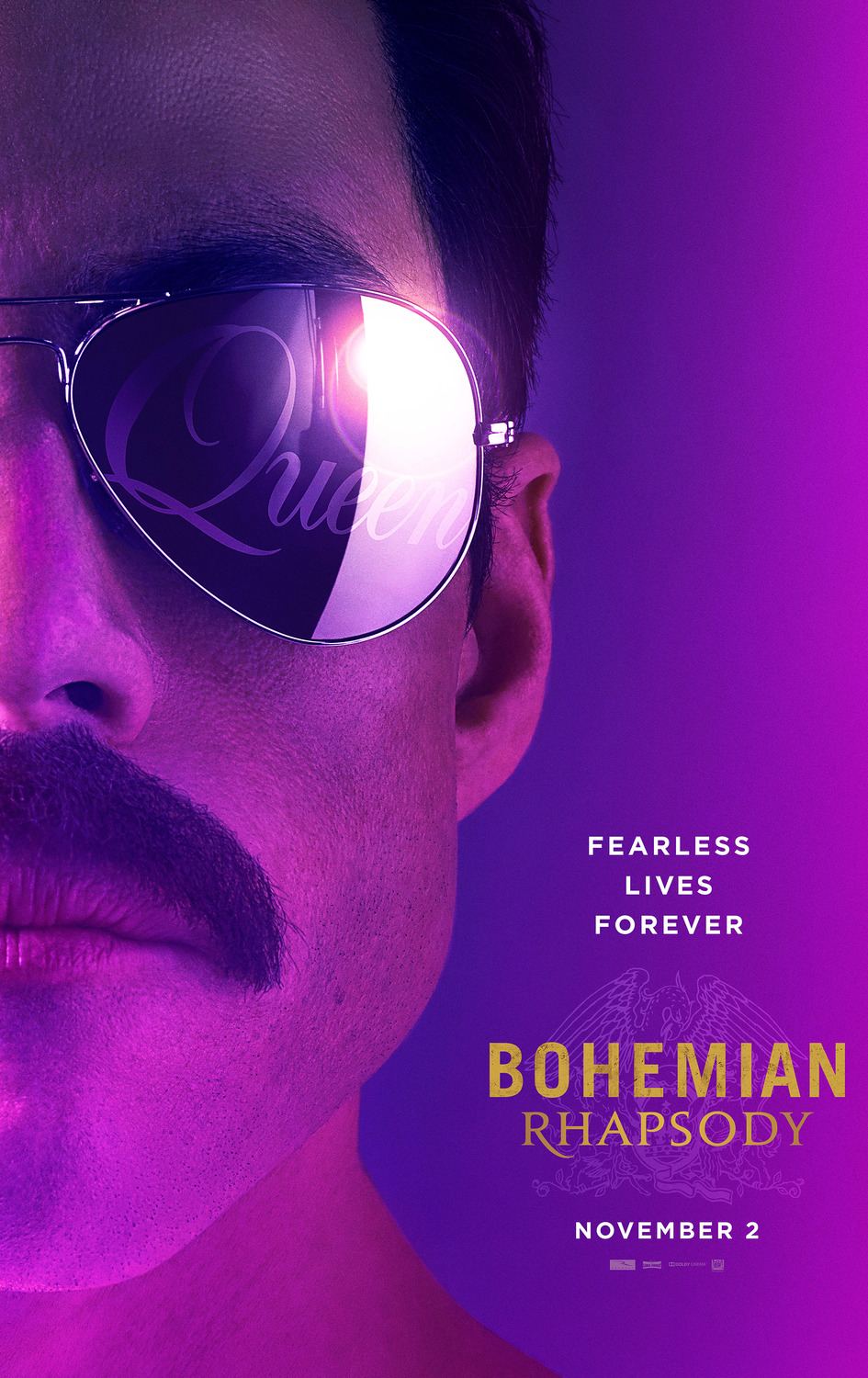
‘Bohemian Rhapsody’ Takes Us Back to When Queen was King

Bohemian Rhapsody poster

Many will say this in their reviews of “Bohemian Rhapsody,” and I have to as well: Freddie Mercury was a one-of-a-kind performer. Whenever he was onstage, he had a commanding presence only a handful of artists could ever hope to equal. Nothing seemed to ever hold him back as he rocked us in a way few others, if any, ever could. Watching him and Queen perform in front of thousands of fans also had a cinematic quality to it, and I went into this biopic hoping Bryan Singer (and Dexter Fletcher who replaced him as director) could capture the exhilaration of their live performances. Could such a thing even be possible?

Well, right from the start when Queen performs their own kick-ass version of the 20th Century Fox fanfare, “Bohemian Rhapsody” proves to be an exhilarating ride. While there were times when I thought the filmmakers could have dug even deeper into Freddie’s life and the lives of his fellow bandmates, Brian May, Roger Taylor and John Deacon, it proves to be a biopic which takes you back in time to when Queen was the biggest thing in music, let alone in the world. But at its center is an iconic singer who is on a long journey not to stardom, but finding respect for himself.

When we first meet Freddie, we learn his birth name was Farrokh Bulsara and that he was the child of a Parsis couple, something I was previously unaware of. His mother Jer (Meneka Das) proves to be a loving presence, but his father Bomi (Ace Bhatti) doesn’t even try to hide his disappointment over the lackadaisical way in which his son lives his life. By day he works as a baggage handler at Heathrow Airport, and he spends his nights at a local club where a band named Smile performs to an enthusiastic audience. When the lead singer quits, Freddie seizes the opportunity to grab the job, but Brian and Roger feel his overbite will easily upstage him. That is, of course, until they hear him sing.

“Bohemian Rhapsody” at times speeds through the history of Queen to where I wished they would slow down a bit and focus on bits and pieces which haven’t been covered as much in the past. I kept hoping there would be a sequence on the making of the “Flash Gordon” soundtrack, one of the best soundtracks ever. The filmmakers don’t even get around to dealing with the songs they did for “Highlander,” and that was a real bummer. Still, we get to learn about the beginnings of some of their most famous songs like “Another One Bites the Dust” which features one of the greatest bass lines in the history of music, and the immortal rock anthem that is “We Will Rock You.”

One of the movie’s centerpiece’s is the creation of the song “Bohemian Rhapsody” which allowed Queen, as the Beatles did with “Sgt. Pepper’s Lonely Hearts Club Band,” to push the boundaries of mainstream music to create something truly unique. This all leads to a scene where the exasperated EMI executive Ray Foster (a priceless Mike Myers) explains how no radio station is about to play a six-minute song, especially one which features opera in it. While it is seen as one of the greatest rock songs ever created, this doesn’t stop the filmmakers from throwing out initial reviews of it which showed anything but admiration. It’s only over time that something can ever be truly considered a classic.

Looking at Freddie’s life overall, it does seem deserving of an R-rating. But for a PG-13 movie, I felt “Bohemian Rhapsody” dug deep enough into the man’s life in ways I usually expect a PG-13 movie to avoid. Some may say this is a sanitized biopic, but I was surprised at how willing the filmmakers were to portray Freddie’s debauched lifestyle and of the underground worlds he chose to delve into. The scene in which Freddie learns he has AIDS is especially devastating, especially when scored to the song “Who Wants to Live Forever.” There is even video footage of people with AIDS, and seeing Freddie watching it is especially heartbreaking as it gives him a glimpse as to what is in store for him.

When it comes to music biopics, I keep thinking of ones like Oliver Stone’s “The Doors” and “I Saw the Light” and of how they kept their main subjects at a distance. This proved to be especially frustrating as I felt like I never got to know more about their main characters, Jim Morrison and Hank Williams, and even wondered why anyone would bother to spend time with them. “Bohemian Rhapsody” doesn’t make this same mistake nor does it hide from Freddie’s flamboyant lifestyle which alienated many of his closest friends. It’s not afraid to make the singer unlikable at times, but it also pays him the respect he deserves especially when he humbly reunites with his bandmates who, unlike other musicians, were never afraid to tell him no.

Rami Malek gives a truly phenomenal performance as Freddie Mercury. If you are still wondering what this movie would have been like had Sacha Baron Cohen not dropped out, Malek will silence those thoughts immediately. It’s as if the actor is possessed by Freddie’s spirit as he inhabits the role with a fearlessness and a gusto to where it is impossible to think of someone who could have been better suited to play the lead singer of Queen. Malek owns the movie from start to finish, and you can’t take your eyes off of him.

Malek also does a brilliant job of letting you see Freddie’s inner turmoil as he struggles with who he is and his sexuality. In many ways Freddie was a social outcast before he came to be the lead singer of Queen, but he becomes even more of an outcast at the height of his fame. Seeing him in almost near isolation from the rest of humanity is distressing, and it reminds me of what the late Robin Williams said in “World’s Greatest Dad:”

“I used to think the worst thing in life was to end up all alone. It’s not. The worst thing in life is ending up with people who make you feel all alone.”

Kudos also goes out to Lucy Boynton who proves to be a fetching presence as the love of Freddie’s life, Mary Austin. Boynton, whom you may remember from “Murder on the Orient Express,” makes you believe how Mary was a huge lifeline to Freddie, especially when he became deluded and was ruthlessly manipulated by those who never had his best interests at heart. Even as their loving relationship was torn apart, they remained the best of friends, and I believe Freddie when he was quoted as saying how Mary was really his one true friend in the world.

But if you need only one reason to buy a ticket to “Bohemian Rhapsody,” it is Singer’s (and Fletcher’s) recreation of Queen’s epic performance at Live Aid in 1985. I’m sure you have all seen footage of this concert on YouTube, but I was enthralled at how the filmmakers made us feel like we were right there in Wembley Stadium where the band played to the largest crowd any band could ever play to. This recreation proves to be one of the most exhilarating sequences I have seen in any 2018 movie, and it is the perfect way to cap off this biopic.

Could a better movie have been made about Freddie Mercury and Queen? Perhaps, but I find it tiring to think of what could have been and would much rather deal with what ended up on the silver screen. “Bohemian Rhapsody” proved to be an immersive cinematic ride which brings back to life an amazing performer who left the land of the living far too soon, but whose role in music history will never ever be forgotten.

Regardless of who deserves the most credit, we owe Dexter Fletcher many thanks as he managed to bring this chaotic production to the finish line and oversaw it during post-production. Without him, I wonder if this movie would have ever been completed.

* * * ½ out of * * * *

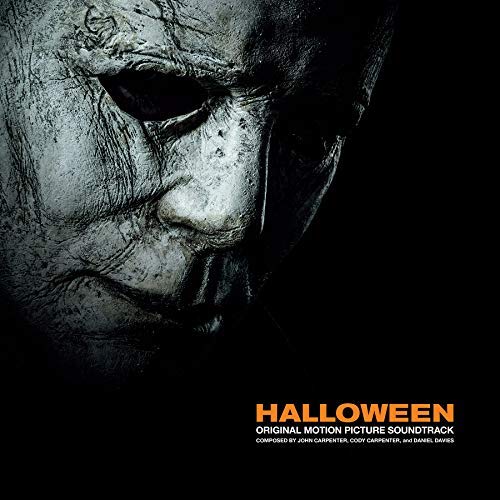
Soundtrack Review: ‘Halloween’ (2018)

Halloween 2018 soundtrack cover

As I write this, I have not yet seen David Gordon Green’s “Halloween,” the movie I am looking forward to the most this fall season. I was, however, lucky enough to get a copy of its soundtrack while at the “Halloween: 40 Years of Terror” convention this past weekend in Pasadena, California. I had preordered the soundtrack on iTunes, but anyone who knows me has no doubt of what a die-hard fan I am of Carpenter’s music as well as his movies, so of course I had to purchase a physical copy even if it meant spending more money.

This 2018 “Halloween” movie marks Carpenter’s return to this undying horror franchise since “Halloween III: Season of the Witch,” and it is also the first film score he has composed since 2001’s “Ghost of Mars.” With this score, he joins forces with his son Cody Carpenter and godson Daniel Davies to not only build on the themes he made famous back in 1978, but to give us new ones as well. What results is a highly effective score which I have been listening to endlessly ever since I purchased it.

The “Halloween Theme” is a musical piece impossible for most to ever get sick of, but listening to it on this soundtrack reminds me of how no one can play it better than Carpenter. Along with Cody and Daniel, he makes this theme as potent as ever especially with its ticking sound in the background which spells out how evil will be arriving in Haddonfield before we know it.

“Laurie’s Theme” sounds much different this time around. Whereas her theme in the 1978 “Halloween” and 1981’s “Halloween II” highlighted Laurie’s innocence and lack of awareness of the horror she would be forced to endure, this version acknowledges how haunted she remains after Michael Myers almost killed her 40 years ago. As we should all know by now, Green’s “Halloween” serves as a direct sequel to Carpenter’s 1978 original, wiping the slate clean of all the other sequels and reboots. So, the Laurie Strode we see here as long since become hardened by her terrifying encounters with pure evil to where it appears she only lives for revenge.

Carpenter does bring back some of his old musical stings which are always welcome, but there are other stings which come at us more furiously than ever before. There is an unrelenting edge to tracks like “Michael Kills” or “The Shape Kills” which go far beyond the original “Halloween’s” simplistic musical design. Evil sounds even more furious than it did previously, and the driving rhythms of the music here promises us a thrilling good time at the movies.

John Carpenter once said he can play just about any keyboard but that he cannot read or write a note. Regardless, nothing has stopped his growth as a musician or a film composer. His son, Cody Carpenter, has since proven himself to be a very talented musician in his own right, and his additions to this score only heighten the tension in it. Daniel Davies sounds like he is having so much fun experimenting with guitar sounds, and they add a real edge to a score which proves to be anything but an exercise in nostalgia.

The soundtrack concludes with the track “Halloween Triumphant” which is an epic piece of film score as it combines John’s unforgettable “Halloween” theme with the musical additions of Cody and Daniel who help update his themes for a new generation. Listening to it brings a smile to my face as the three men have composed what feels like an ode to the enduring legacy this 1978 horror classic continues to have on filmgoers everywhere, and it sounds like a victory march in more ways than one.

When John Carpenter composed the original “Halloween” score in just three days, it is clear how he and his collaborators had more time to develop one more multi-layered for Michael Myers latest cinematic onslaught. This is not just a return to the musical themes John made famous years ago, but it is also an opportunity to expand on them as the filmmaker and composer is clearly not content to just give us the same old thing. Along with Cody and Daniel, he gives us a superb soundtrack which I find myself listening to endlessly as the music proves to be more complex than I expected it to be.

The 2018 “Halloween” soundtrack is a must buy, and I encourage you to buy it when it is released on October 19, 2018.

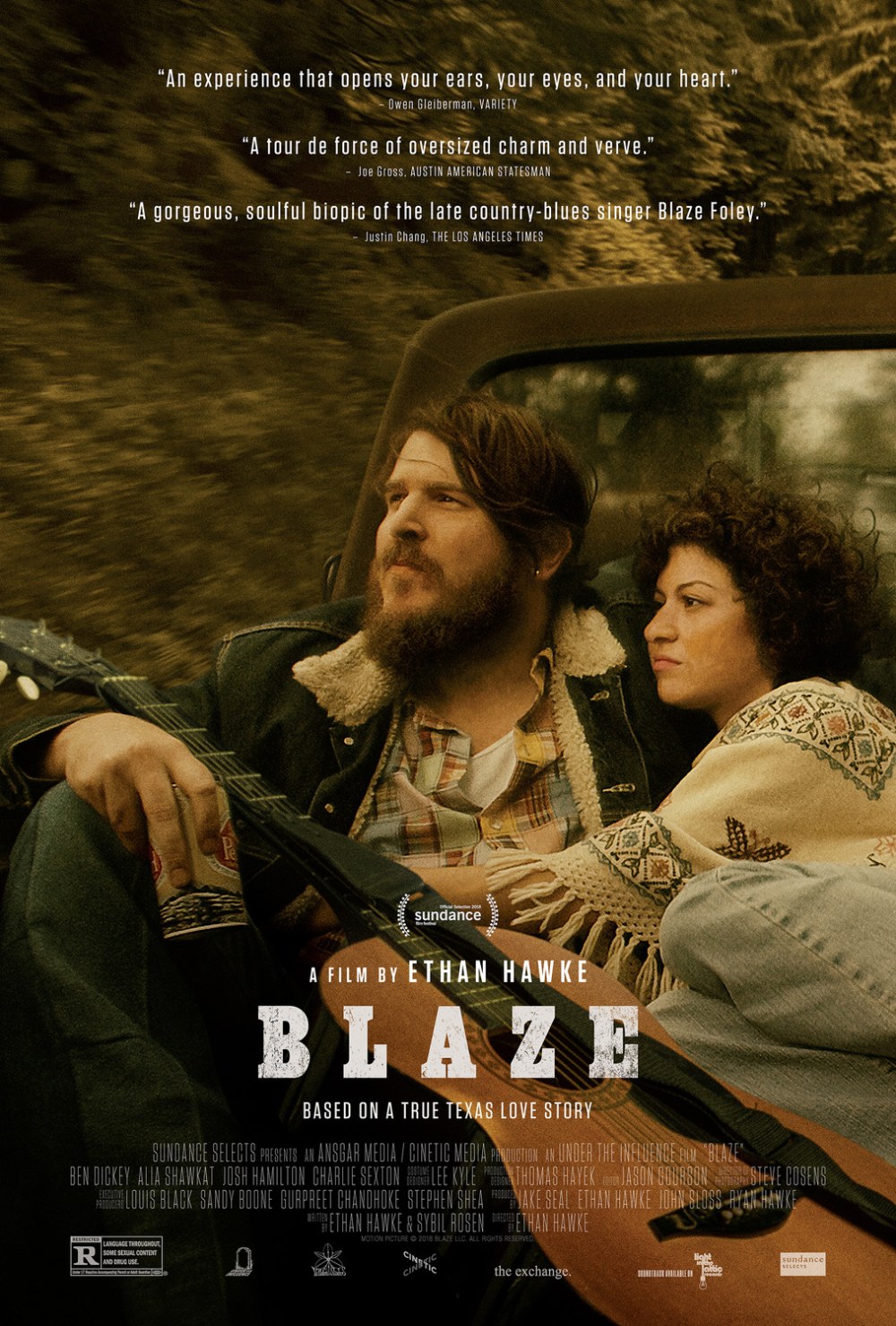
‘Blaze’ Gives a Late Musician the Audience He Never Got in Life

Blaze 2018 movie poster

There have been a number of music biopics in the last few years like “Straight Outta Compton,” “Love and Mercy” and “I Saw the Light.” Looking back, I wonder if my enjoyment, or lack of, was the result of how much knowledge I had of their main subjects: the rap group N.W.A., Beach Boys singer Brian Wilson, and country singer Hank Williams. Typically, biopics focus on people we know of, and I went into them wondering if the filmmakers had anything new to say about these iconic figures. Biopics are, of course, “based on a true story,” so you can expect many liberties will be taken with the source material, so this just complicates things even more.

I bring this up because “Blaze” deals with a country singer and songwriter whom I am not familiar with, Blaze Foley. Many consider him a cult figure in the realm of country music, especially in Austin, Texas. What results here is an absorbing motion picture which delves into the life of a musician whose life, like many of his ilk, was cut short at far too young an age. Part of me wonders if my enjoyment of this movie would have been affected had I known more about Blaze Foley before I walked into the theater, but considering how much I liked it, I suppose the answer doesn’t matter much.

Based on the memoir “Living in the Woods in a Tree: Remembering Blaze” by Sybil Rosen, “Blaze” weaves together three different timelines which examines this musician in life and death. We see him develop a loving relationship with aspiring actress Sybil Rosen (Alia Shawkat) to where she becomes his muse. Then we see him being discussed post-mortem by his close friends Zee (Josh Hamilton) and Townes Van Zandt (Charlie Sexton) on a radio show, and they reflect on his life with both respect and bafflement. And then there is the Blaze’s last night on earth which is presented in an unspectacular fashion, and we come to mourn a loss which was deeper than many realized at the time.

The narrative of “Blaze” shifts back and forth quite often, but I never lost track of where the story was going. This is saying a lot as the editing job on this movie could have rendered it into a complete mess, but it instead makes “Blaze” into an especially interesting motion picture as I was never sure which direction it would end up taking. Viewing a person’s life while they were alive and after they died proves to be endlessly fascinating here as we see all sides of the man in a way which feels both subjective and objective.

While watching “Blaze,” I kept thinking of “I Saw the Light” which focused on the life of Hank Williams. While it featured a stellar performance by Loki himself, Tom Hiddleston, the movie was a narrative mess even though it was told in a linear fashion. There were moments where it took me some time to figure out what was happening as events jumped from one place to another with very little warning. “Blaze” could have been a similar mess, but Hawke never lets us lose sight of where things are going, and kept my attention throughout as I was intrigued to see where the movie would head next. I can’t say that for a lot of biopics these days.

When we first see Blaze Foley, he is a complete mess and screwing up a recording session to where a producer does little to hesitate in throwing him out of his studio. But then we rewind back to when he was an up and coming musician who showed the great love he had for music. Sybil asks him if he wants to be famous, but Blaze replies he how he instead wants to be a legend. As the movie goes on, we see him struggling with being a true musician and becoming a star in a way which he feels will dilute everything he does. When the movie started, I felt it would be like Oliver Stone’s “The Doors” which made Jim Morrison into the kind of musician you thought you would like to spend time with, but ended up wanting to avoid at all costs. Instead, the movie dares to look at Blaze’s life in a way which evokes both sympathy and pity.

In his unorthodox way of wooing Sybil, we see Blaze defying ordinary conventions in showing his love to another human being. As the movie goes on, we watch as he struggles with both his artistic ambitions and the fear he has of becoming a commodity which may make him a rich man, but will also rob him of any artistic integrity he ever hopes to have. Clearly this is a musician who wants to leave his mark on society, but like any stubborn artist, he wants to leave his mark on his own terms. The trouble is, does anyone get to leave their mark on this world on their own terms?

“Blaze” was co-written and directed by Ethan Hawke, an actor who has struggled with his place as a celebrity. We know him for acting in box office hits like “Dead Poets Society” and “Sinister,” but he is also well-known for delving into movies which defy mainstream convention like the “Before Sunrise” trilogy. I can see how the story of Blaze Foley appealed to him as Blaze is an artist who wants to be true to his art, but he is also subjected to the pressures of commercial success, or the potential for it, to such a degree that they fold under the pressure or have an overwhelming fear of being seen as a sellout. Hawke continues to walk the fine line between Hollywood and indie movies, and I believe it when he says how long it took for him to become comfortable with the fame he had achieved.

Hawke has directed a few movies previously such as “Chelsea Walls” and “The Hottest State,” both of which had their share of flaws but showed him to be a filmmaker willing to take chances even if critics questioned his methods and material. With “Blaze,” he has given us a motion picture which feels assured in its vision, and it features some of the most ingenious editing I have seen in movie in some time.

Playing Blaze Foley is musician Ben Dickey, a man who has never acted before. But in a movie like this, the actors are meant to inhabit their characters more than play him, and Dickey ends up inhabiting Blaze in a way few others could. His life is similar to Blaze’s in a number of ways as he also has music running through his blood and has traveled throughout America playing songs filled with cinematic imagery which deal with life at its most hopeful and at its darkest.

As Blaze. Dickey gives the movie its heart and soul as we see him traveling through life wanting to be pure as an artist while dealing with a past and a heartache that will never let him be. He is matched perfectly with the fantastic Alia Shawkat as Blaze’s wife and muse, Sybil. I admired her work in a movie which came out earlier this year called “Duck Butter,” and she brings same emotionally raw power to the role of a person who lives to be another’s muse until it becomes too much to bear.

My only real complaint with “Blaze” is it never digs too deep into the singer’s life. We get only hints and implications of how troubled his childhood was, but no real specifics are given so we can only guess what led him to be such a tortured soul. We do get a nice cameo from Kris Kristofferson as Blaze’s father who is seen asking everyone for a cigarette, but it only tells us so much about their relationship. Perhaps Hawke felt it was better to imply certain things without spelling everything out to audience.

Hawke has had quite the year with this and “First Reformed,” and “Blaze” shows he has long since arrived at a place where he can do passion projects like this and Hollywood films to where he can transition from one to the other with relative ease. More importantly, he makes Blaze Foley into a complex human being who may have alienated many people close to him, but we never lose our empathy for the struggles he endures. I have seen many biopics which try to present a complex portrait and have failed to get below the surface, and it says a lot that Hawke doesn’t make the same mistake here.

* * * ½ out of * * * *

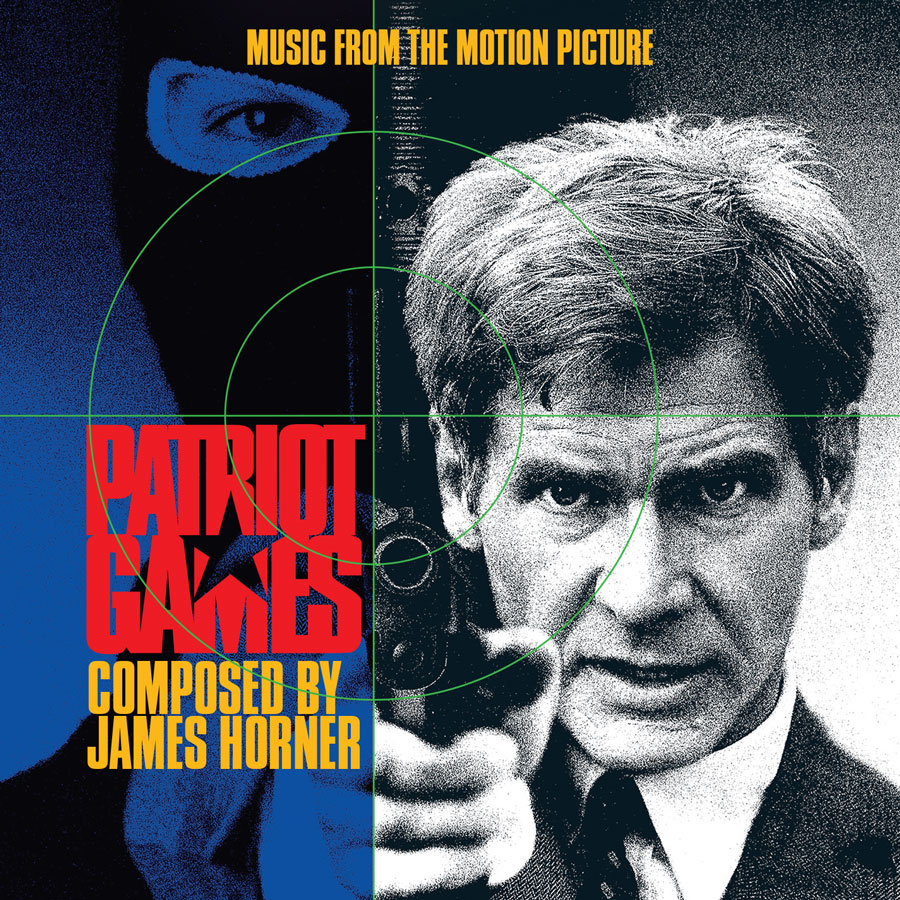
Soundtrack Review: ‘Patriot Games’ Extended Edition

Patriot Games soundtrack

Patriot Games” was the second Tom Clancy novel adapted to the big screen after the huge critical and commercial success of “The Hunt for Red October.” But in the process of bringing Clancy’s heroic character Jack Ryan back for another adventure, many changes ended up taking place. John McTiernan stepped away from the director’s chair and Phillip Noyce came on board, Alec Baldwin was replaced by Harrison Ford, and Basil Poledouris stepped aside for James Horner who at the time was an A-list composer very much in demand.

La La Land Records has released a remastered and expanded soundtrack to “Patriot Games” which contains a lot of music never before released, source cues and the Clannad song “Harry’s Game.” The film has Jack Ryan stopping an IRA assassination attempt on the Royal Family, but this makes him the target of a renegade faction of terrorists, especially Sean Miller (Sean Bean) whose brother Ryan ended up killing. In scoring this action and suspense film, Horner creates a surprisingly understated score which features lovely Irish and Gaelic flavors, and he combines both electronic and orchestral music to highlight the movie’s action set pieces.

Now most action scores start off with a thunderous main title to get the audience all hyped up, but the main title for “Patriot Games” is surprisingly subtle and not the least bit bombastic. This turned out to be an excellent move on Horner’s part as this film proves to be a more personal one for Jack Ryan than “The Hunt for Red October.” Among my favorite tracks are “Attempt on the Royals” which underscores Ryan’s heroic save and the loss of Sean Miller’s brother, “The Hit” in which Jack rushes after his family to save them from the vengeful Sean, and “Assault on Ryan’s House” where IRA terrorists make their last effort to eliminate the brilliant CIA analyst. I’ve always been a sucker for adrenaline pumping film music, and Horner was one of the masters at composing it.

At the same time, I really liked the low-key music he comes up with like “Closing Credits” which is a piece of music great to fall asleep to. I kept thinking it was one of the singers from Clannad who did the backing vocals on this track, but it was actually Maggie Boyle whose voice is nothing short of heavenly. Horner is great at finding the humanity in the characters inhabiting an action movie, and his music can be both thrilling and highly emotional at the same time. Not many film composers can pull off such a feat.

Among the previously unreleased tracks, it was nice to see “Sean Obsessing in Jail” on this release as Horner gets at what is eating away at Sean whose obsession for avenging his brother’s death continues to grow and grow, and I also got a kick out of “Cooley Escapes” which follows a minor character in the film who suddenly discovers he is under police surveillance. As for the source cues, they include the “Washington Post March,” some traditional Irish music and some pieces composed by Mozart, I’m not sure how necessary they were to this edition of the “Patriot Games” soundtrack. At the same time, those additions prove just how serious La La Land Records is about giving fans the most complete soundtrack to a movie they could ever hope to have.

One interesting thing about this particular La La Land Records release is it doesn’t contain the original commercial release of the soundtrack. Other releases of theirs have had them on a second disc as a bonus for those who liked the original version. But in the end, I guess they decided not to include it because everything from the original release is on these two discs anyway. I do need to point out, however, there are two different versions of “Closing Credits” on this expanded version. One is listed as the film version, and the other is listed as the album version. The difference between the two is the film version is in English and the other one is not. Regardless of which version you find yourself liking more, it is great to have both of them here.

And like many La La Land Records releases, it does come with a booklet detailing the making of the soundtrack and the movie itself. The booklet is entitled “The Pluck of the Irish,” and was written by Jim Lochner who is the managing editor of FSM Online and the owner of the website FilmScoreClickTrack.com. Now I have reviewed several La La Land Records releases, but the booklet for “Patriot Games” is one of the best they have ever put together as Lochner covers just about every single detail about the movie more than ever before.

Among the memorable passages are why Neufeld didn’t bring McTiernan back for “Patriot Games,” how Baldwin reacted to not getting cast in the film, and how Clancy was constantly upset about the changes made in bringing his book to the big screen. In describing Horner’s score, Lochner writes it is a “subtle, understated score that percolates underneath the surface, conveying the tension of a family under siege and the terrorists’ patriotic Irish roots.” I think this is the perfect description for the music of “Patriot Games,” and Lochner, in writing about the other tracks, makes the case for why Horner should have received more attention for it when the movie came out in 1992.

Once again, La La Land Records has given film music fans another remastered and expanded soundtrack which is a must buy. In a career that has seen him create unforgettable film scores for “Titanic,” “Star Trek II: The Wrath of Khan” and “Glory,” Horner’s score for “Patriot Games” stands out as one of his most unique. It is at times an understated and at other times a pulse pounding listen, and the Irish elements he puts in reminds us of what a masterful composer he was. Now it has the soundtrack edition it has long deserved.

Click here to purchase the soundtrack.

Soundtrack Review: ‘Grand Canyon’ Extended Edition

Grand Canyon soundtrack cover

Anybody who knows me best knows I am a huge fan of film scores and soundtracks, and James Newton Howard’s score to “Grand Canyon” is one of my all-time favorites. I knew at some point this score would get an expanded and remastered soundtrack, and La La Land Records finally came through with this limited-edition release. While he is better known for his music to “The Prince of Tides,” “The Fugitive,” “Batman Begins” and “The Dark Knight” which he worked with Hans Zimmer on, “Grand Canyon” remains my favorite work of his as the music provides a soothing heartbeat to this movie.

The movie “Grand Canyon” came out in 1991 and was directed by Lawrence Kasdan and written by him and his wife Meg. Its story revolves around six different Los Angeles residents whose lives intertwine with one another over the course of a few days. It all starts when Mac (Kevin Kline), while driving home from a Lakers game, drives into a bad neighborhood where his car breaks down. Just when it looks like he’s about to be killed by a gang, tow truck driver Simon (Danny Glover) rescues him and the two end up becoming unlikely friends. Many called it “The Big Chill” of the 1990’s, but “Grand Canyon” more than stands on its own as it observes the lives of Los Angeles residents who are dealing with personal issues which are tearing them apart.

What I love about Howard’s score is how it combines so many different kinds of music, be it orchestra, electronics, rock, jazz or percussion, to create a film score so unique to where I have a hard time comparing it to any other. It captures the coldness of big city life while giving the characters stuck in it a sympathetic voice which understands how they feel. The “Main Titles” hooked me right away and made me feel so at ease even though I knew this movie was not going to be a fairy tale.

La La Land Records limited edition release of “Grand Canyon” includes twenty-five minutes of music not included on its original release. Soundtracks, back in the 1990’s, were limited to having only forty to fifty minutes of music on a compact disc, so a lot of great stuff got left out as a result. It’s been over twenty years since this movie came out, but the music remains as powerful as ever. In addition, there are some bonus tracks which are alternate takes on certain themes as well as some source music for a violent film which Davis (Steve Martin) has produced with an unrestrained glee.

As usual, La La Land Records has provided an informative booklet on the making of “Grand Canyon” and its music which is entitled “Scoring the City of Angels” written by Daniel Schweiger, soundtrack editor of AssignmentX.com and Filmmusicmag.com. Schweiger writes extensively about the making of the movie and of how Howard came up with the music for it, and I’m not sure we have had as much detailed information on the creation of this score previously. Each track on this disc gets an individual write up, and it’s nice to see someone, let alone anyone, give this soundtrack the attention it deserves.

If there’s any downside to this edition of the “Grand Canyon” soundtrack, it’s that it doesn’t include the song “Searching for a Heart” by the late Warren Zevon. Usually La La Land Records is able to get all the songs from a movie’s original soundtrack, but I guess there was an issue with the rights this time around. It would have also been great to have the other Zevon song featured in this movie, “Lawyers, Guns and Money,” included as well. Mac plays it while he’s driving home from the Lakers game, and the lyrics turn out to be quite prophetic for him.

“Grand Canyon” is truly one of the unsung cinematic masterpieces of the 1990’s, and what’s sad is most people don’t know about this movie today. This proved to be my introduction to the work of James Newton Howard, and it is one of the main reasons why this movie is so great. I am thrilled to see La La Land Records has taken the time to make Howard’s score sound better than ever before. While he didn’t get an Oscar nomination for his work here (he was instead nominated that same year for “The Prince of Tides”), there’s no doubt in my mind this remains his most memorable film score to date.

This limited edition has only 2000 units available, so be sure to order yours before it goes out of print.

100.3 The Sound Has Done Left the Building

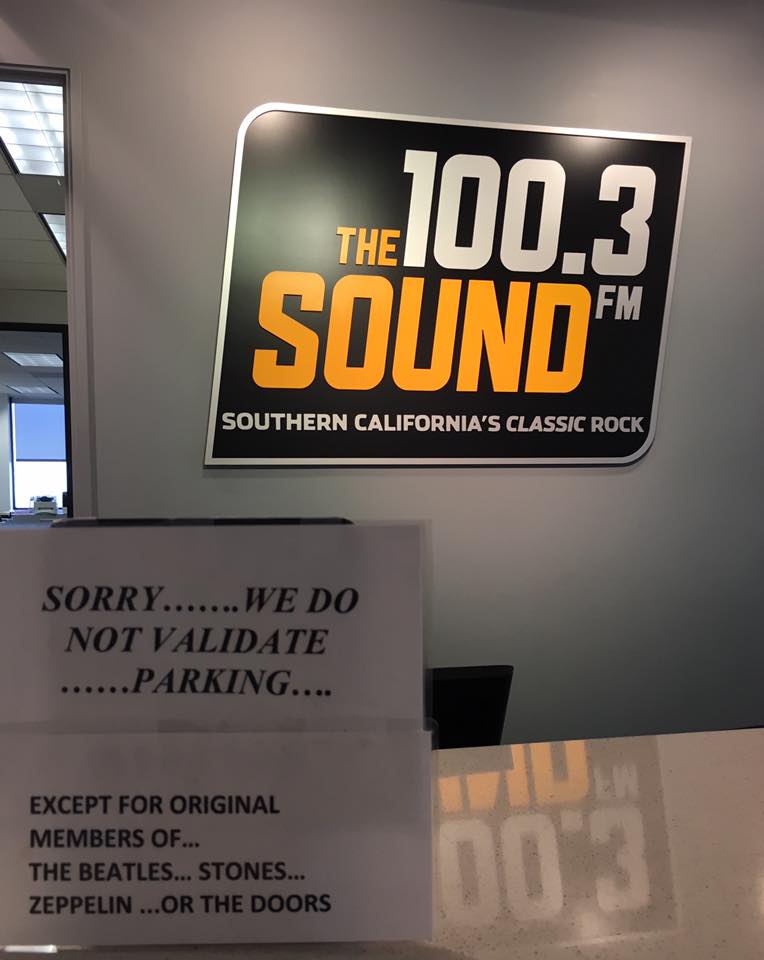
The Sound does not validate

Many of you are probably reading this and saying, “Oh lord, is he going to talk about this radio station again?” Yes, I am.

At 1 p.m. Pacific Standard Time on November 16, 2017, 100.3 The Sound, the beloved FM radio station, ceased operations after finishing up the second side of The Beatles eleventh studio album, “Abbey Road.” Uncle Joe Benson, in an interview with CBS, said this album was chosen to close out the station because of its last set of lyrics from “The End.”

“The lyrics are, ‘The love you take is equal to the love you make.’ To me, it’s very heartfelt,” says Benson. “It’s how I view the music and how I view the audience.”

Once “The End” concluded, Andy Chanley came on the air to say, “This has been KSWD Los Angeles. This is The Sound. And this dream will self-destruct in three… two…” And with that, we were greeted with silence, and The Sound was no more.

Indeed, the last line of “The End” featured the perfect lyrics to end 100.3 The Sound’s nearly 10-year-run on as this station gave out a lot of love to its listeners, and it received even more love right back from them. This was especially evident as the station has been deluged with emails and messages left on their voicemail saying how much they love The Sound and how sad they are about it going away. For many, The Sound filled the void left by KMET, “The Mighty Met,” which itself was a pioneering station of the underground progressive rock format. With The Sound, Program Director Dave Beasing and the DJs aimed to bring back the spirit of KMET for a new generation of listeners and, to hear all the comments from The Sound fans, they truly succeeded.

In addition to Chanley and Benson, the other Sound DJs, Rita Wilde, Gina Grad, Cynthia Fox and Mimi Chen were on hand to celebrate the station’s last day and play some of their favorite songs as their way of saying farewell. For Chanley, he chose Neil Young’s “Thrasher,” and Grad played Three Dog Night’s “Shambala” as it never failed in put a smile on her face. Chen played Crosby, Stills and Nash’s cover of The Beatles’ “In My Life,” and then Fox followed with The Who’s “Pure and Easy” which she said “really captures the power of music to heal, transform and inspire the community.” Wilde chose an especially upbeat song by Bruce Springsteen, “Wrecking Ball,” and she described it passionately:

“It’s not a sad song, you get to get up and dance. Just remember, be grateful, be thankful and be good to each other.”

Benson then wrapped things up with Led Zeppelin’s “Rock and Roll,” and he told audiences to “turn this sucker up.” It was great to hear this song played here instead of in a car commercial where it has no place.

The last 90 minutes of The Sound featured songs reflecting the emotions of this final goodbye in its staff and loyal fans. “The Sky is Crying” by Stevie Ray Vaughn & Double Trouble spoke of the inescapable sadness we all have been feeling since this station was sold, and the lyrics “can’t you see the tears running down my nose” were ones its devoted listeners could relate to now more than ever. “Once in a Lifetime” by the Talking Heads features the lyrics, “You may ask yourself, well, how did I get here?” These lyrics have even more meaning for me today than they did when I first listened to the song. But one song I was especially happy to hear in the closing minutes was Bob Seger’s “Old Time Rock and Roll” as its lyrics summed up this station’s mission as well as the feelings we have about present day music:

“Call me a relic, call me what you will.

Say I’m old-fashioned, say I’m over the hill.

Today’s music ain’t got the same soul.

I like that old-time rock and roll.”

While other stations were eager to play the next big thing in music, The Sound was more than happy to revel in rock of the past as the songs of right now can’t even compare. I fell in love with The Sound before I realized it as I never found myself changing the channel even when commercials came on as I was eager to hear what rock and roll classic they would play next. Even if there was a podcast I was desperate to listen to, the DJs always kept me listening as they were cool in ways others tried way too hard to be. During its final weeks, it dug even deeper into its catalog to give us music other stations have long since forgotten, and they handled their last moments with class even when they played William Shatner’s cover of “Rocket Man.” Even as the countdown clock kept winding down, The Sound went out at its best.

It’s been a rough couple of weeks for me, knowing that The Sound was on its way out. As glad as I was to tune into the station every chance I got, I couldn’t help but sigh over the fact my favorite radio station was being killed off thanks to a corporate merger and sale. And now I have to wonder if there will ever be another station like it in the near future. I am left with a heavy heart as the music was great and the DJs were so infinitely cool, and it does feel like the radio I grew up on has finally taken in its last breath.

Well, thank you 100.3 The Sound for ten great years of wonderful music and for making me and many others feel like we were part of a truly loving family. You may be gone, but you will never be forgotten. Now excuse me while I deal in private with my latest case of separation anxiety…

In honor of The Sound, I want to include the late Tom Petty’s song “The Last DJ” as its lyrics encapsulate the kind of DJ this station employed ever so thoughtfully.

I also urge you to give a listen to Andy Chanley’s “The Sound Song,” a somber but thoughtful song about what we have lost and what we should be thankful for.


The Sound at the end

The Sound Family Forever