‘Remote Area Medical’ Exclusive Interview with Jeff Reichert and Farihah Zaman
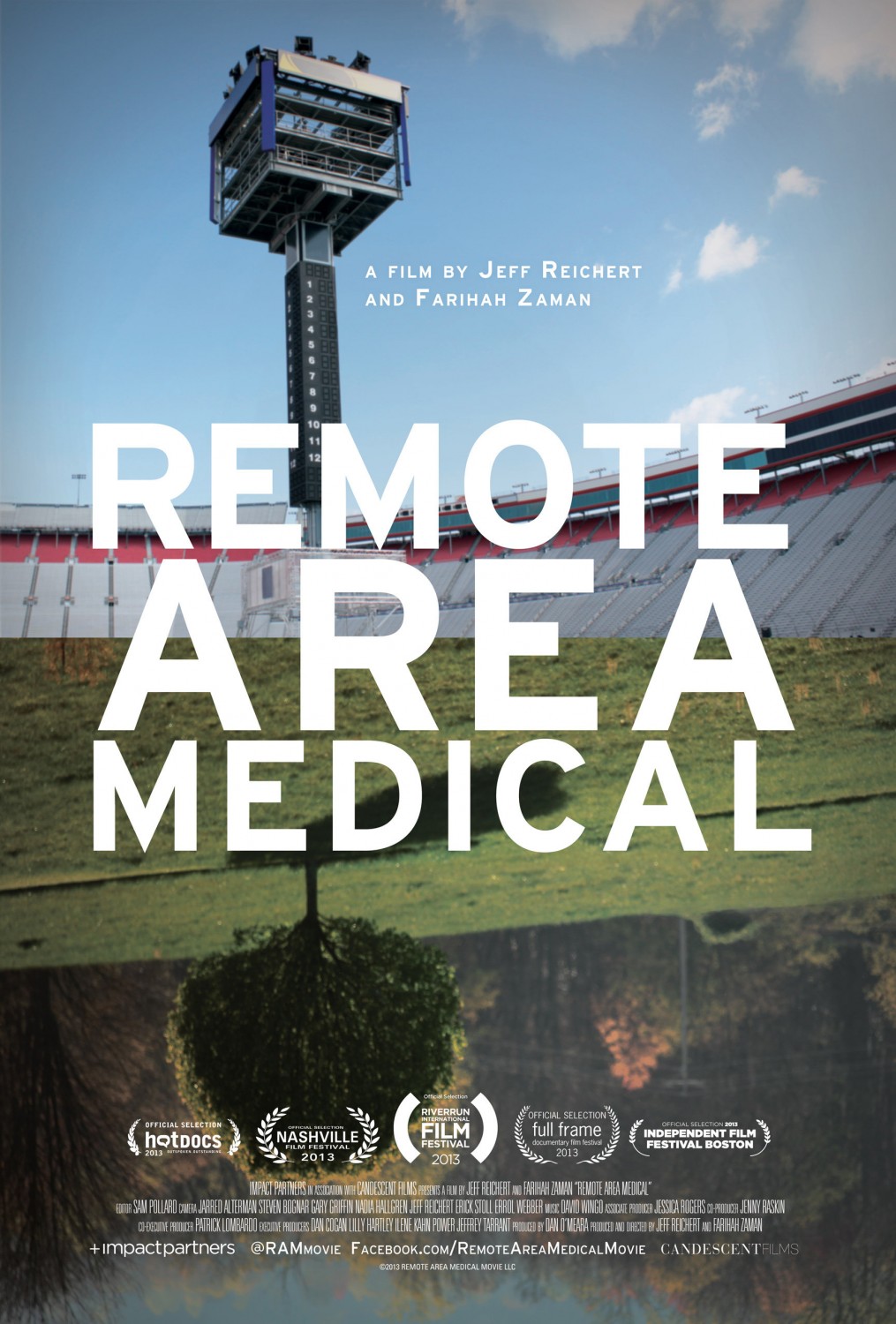
Remote Area Medical” focuses on the non-profit medical provider of the same name, better known as RAM, when they opened a three-day clinic held at the Bristol Motor Speedway in Tennessee, and we watch as hundreds wait by their cars in the hopes of getting the kind of health care they never have any easy access to. While there has been an endless debate in the United States about how to handle health care, this documentary chooses to focus on people instead of policy. We get a close up look at how this clinic starts off with a 3:30 a.m. ticket distribution which determines who will get seen for routine check-ups, and the patients tell us about themselves through stories which prove to be both vivid and heartbreaking. In addition, we also get to meet those who volunteer their time at the clinic like the organization’s founder, Stan Brock, a doctor who happens to drive a refurbished 18-wheeler truck, and a denture maker who also works as a jeweler. From start to finish, “Remote Area Medical” puts a human face on what it means to not have access to health care, and it makes for one of the most unforgettable documentaries of 2014.

I got the opportunity to speak with its directors, Jeff Reichert and Farihah Zaman, while they were in Los Angeles back in 2014. They are married to each other and actually volunteered at a RAM clinic back in Pikesville, Kentucky in 2011 where they were overwhelmed by stories they heard of patients in need and volunteer doctors working overtime to provide care. Reichert and Zaman also directed the documentaries “Gerrymandering” and “This Time Next Year.” They discussed what stunned them most as volunteers at RAM, what they learned about people who live in the Appalachian community, and they talked more about the conversations they had with Stan Brock.

Please check out the exclusive interview down below, and I have also included a trailer for “Remote Area Medical” as well for you to check out. This documentary is now available to own and rent on DVD, Blu-ray and Digital.

To learn more about Remote Area Medical (RAM), please feel free to visit their website at ramusa.org.
Ultimate Rabbit Exclusive Interview: Bryan Fogel Talks about ‘Icarus’

Bryan Fogel Icarus photo

Actor, writer and filmmaker Bryan Fogel first came to the world’s attention with “Jewtopia,” a play he co-wrote and starred in which went on to become one of the longest running shows in off-Broadway and Los Angeles history as it was seen by over a million viewers. Now he is set to reach an even larger audience with his documentary “Icarus” which will debut on Netflix on August 4.

Icarus documentary poster

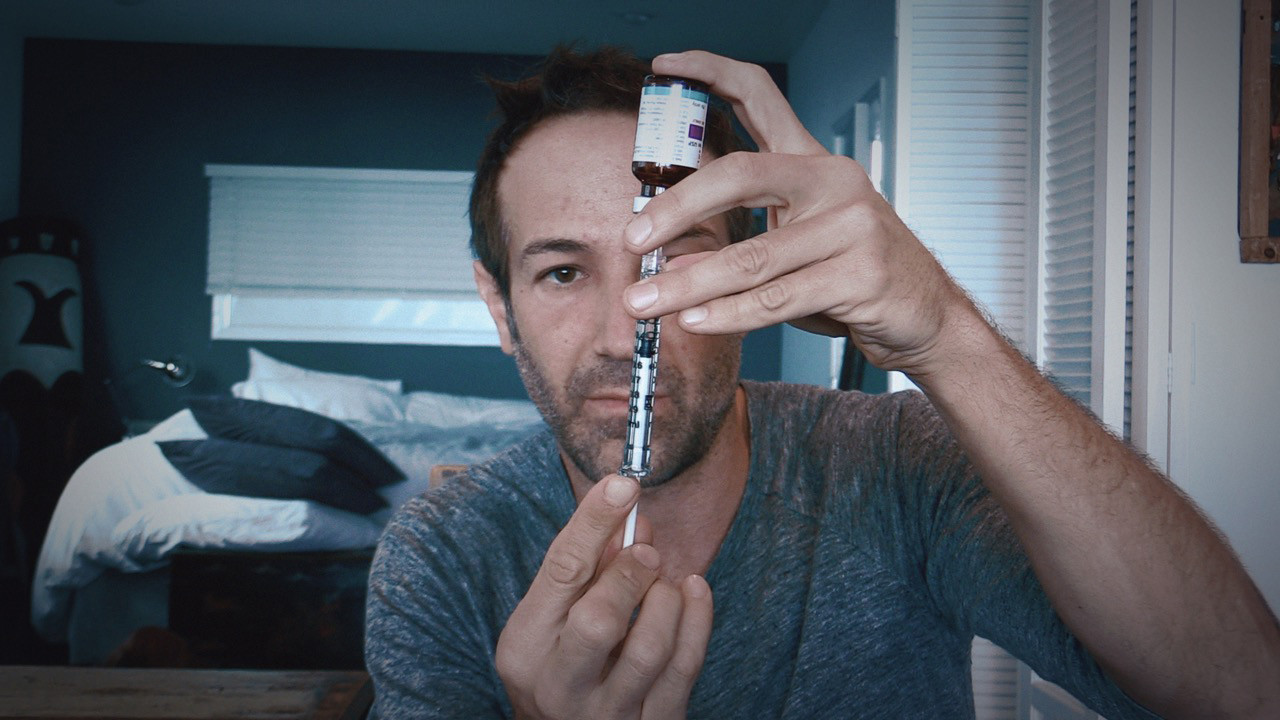
“Icarus” follows Fogel as he went on a mission to investigate doping in sports. Like Morgan Spurlock in “Super Size Me,” he becomes the main experiment of his own documentary as he dopes himself with performance enhancing drugs to observe the changes they have on his body, and to see if he can avoid detection from anti-doping officials. By doing so, he aims to prove the current process of testing athletes for performance enhancing drugs does not work in the slightest.

During this process, Fogel comes to meet Dr. Grigory Rodchenkov, a pillar of Russia’s “anti-doping” program who aids the filmmaker in avoiding doping detection through various processes which include being injected with various substances as well as collecting daily urine samples which will be smuggled from one country to another. But as Fogel becomes closer with Rodchenkov, he soon discovers the Russian is at the center of his country’s state-sponsored Olympic doping program. From there, “Icarus” goes in a different direction as it delves deep into Russia’s program and discovers the illegal activities go all the way up to the country’s highest chain of command which includes Vladimir Putin. The deeper this documentary goes, the more aware we become of how truth can be an easy casualty as others die under mysterious circumstances.

I had the opportunity to speak with Fogel about “Icarus” while he was in Los Angeles to promote it. He spoke about the documentary’s evolution from being a simple exploration into sports anti-doping programs to becoming a geopolitical thriller where witnesses are forced to go into hiding. Also, he spoke of how Lance Armstrong’s admission of using performance enhancing drugs was merely a needle in the haystack as many athletes were utilizing the same chemicals and threw him under the bus to save their own careers.

Check out the interview below.