‘Remote Area Medical’ Exclusive Interview with Jeff Reichert and Farihah Zaman
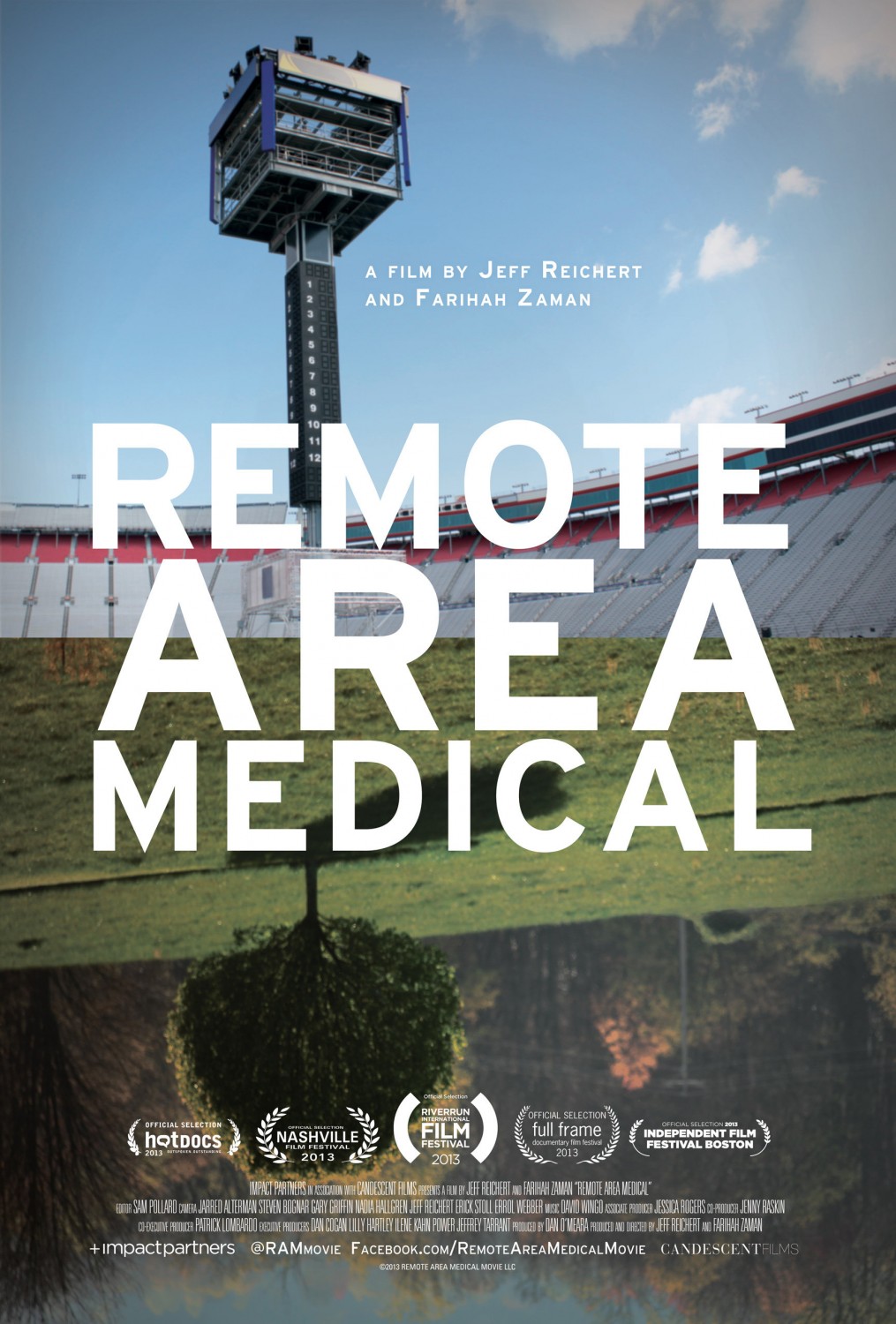
Remote Area Medical” focuses on the non-profit medical provider of the same name, better known as RAM, when they opened a three-day clinic held at the Bristol Motor Speedway in Tennessee, and we watch as hundreds wait by their cars in the hopes of getting the kind of health care they never have any easy access to. While there has been an endless debate in the United States about how to handle health care, this documentary chooses to focus on people instead of policy. We get a close up look at how this clinic starts off with a 3:30 a.m. ticket distribution which determines who will get seen for routine check-ups, and the patients tell us about themselves through stories which prove to be both vivid and heartbreaking. In addition, we also get to meet those who volunteer their time at the clinic like the organization’s founder, Stan Brock, a doctor who happens to drive a refurbished 18-wheeler truck, and a denture maker who also works as a jeweler. From start to finish, “Remote Area Medical” puts a human face on what it means to not have access to health care, and it makes for one of the most unforgettable documentaries of 2014.

I got the opportunity to speak with its directors, Jeff Reichert and Farihah Zaman, while they were in Los Angeles back in 2014. They are married to each other and actually volunteered at a RAM clinic back in Pikesville, Kentucky in 2011 where they were overwhelmed by stories they heard of patients in need and volunteer doctors working overtime to provide care. Reichert and Zaman also directed the documentaries “Gerrymandering” and “This Time Next Year.” They discussed what stunned them most as volunteers at RAM, what they learned about people who live in the Appalachian community, and they talked more about the conversations they had with Stan Brock.

Please check out the exclusive interview down below, and I have also included a trailer for “Remote Area Medical” as well for you to check out. This documentary is now available to own and rent on DVD, Blu-ray and Digital.

To learn more about Remote Area Medical (RAM), please feel free to visit their website at ramusa.org.
Bernardo Ruiz and Oscar Hagelsieb Talk About ‘Kingdom of Shadows’

WRITER’S NOTE: This interview took place back in 2015.

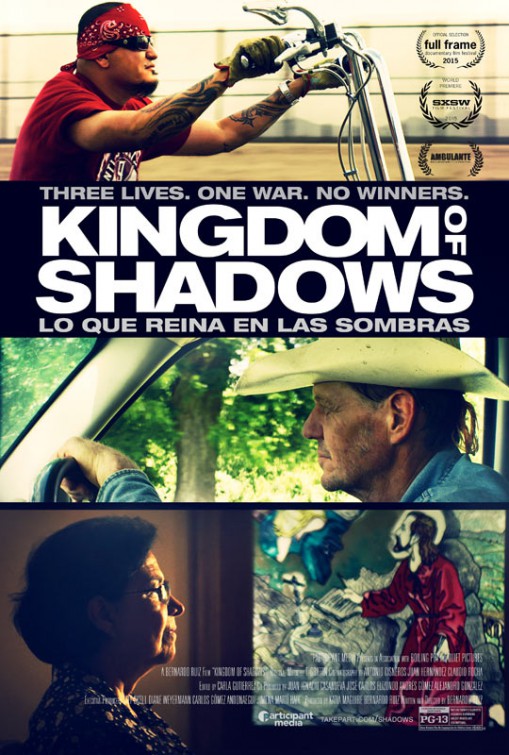
The U.S.-Mexico drug war is one many of us watch from a distance, but the documentary “Kingdom of Shadows” forces you to look at the war more closely than usual as it puts a human face on the damage left in its path. Director Bernardo Ruiz observes the ongoing conflict through the perspectives of three individuals: activist nun Sister Consuelo Morales who prods government officials to take action against the drug cartels who have kidnapped many people, Texas rancher and former drug smuggler Don Henry Ford Jr. who offers a descriptive context for the evolution of drug trafficking, and undercover agent turned Homeland Security officer Oscar Hagelsieb who offers a unique perspective on America’s role in the drug war. The majority of what we see takes place in Monterrey, a devastated and violence scarred town in Mexico that Oscar felt less safe to be in than when he was a soldier in the Middle East.

Watching “Kingdom of Shadows” is deeply moving and unsettling as we see how vicious the war on drugs has become, and it makes the intense thriller “Sicario” feel all the more real and unnerving in retrospect. Bernardo takes a real close look at the cost of this war from both the U.S. and Mexico sides, and he gives us an unflinching look at the human rights crisis it has generated and which only recently made international headlines.

I was among a group of reporters who got to sit in on an interview with Bernardo Ruiz and Oscar Hagelsieb while they were in Los Angeles to promote “Kingdom of Shadows.” Bernardo also directed the documentary “Reportero” which chronicled a veteran reporter and his colleagues at a weekly newspaper challenging drug cartels and corrupt local officials during an unprecedented wave of violence against journalists in Mexico. Oscar’s life began in a drug infested neighborhood where he was raised by undocumented parents, and despite having been an undercover officer for several years, he explained why he was more than willing to show his face in this documentary.

Bernardo talked about the kind of resistance and challenges he faced in making “Kingdom of Shadows,” and he explained why he introduced Oscar the way he did. Oscar was asked how he manages not to take his work home with him, and he explained why the legalization of marijuana will cause the drug war to become even more violent.

Please check out the interview below, and you can also check out the trailer as well. “Kingdom of Shadows” is now available to own and rent on DVD, Blu-ray and Digital.