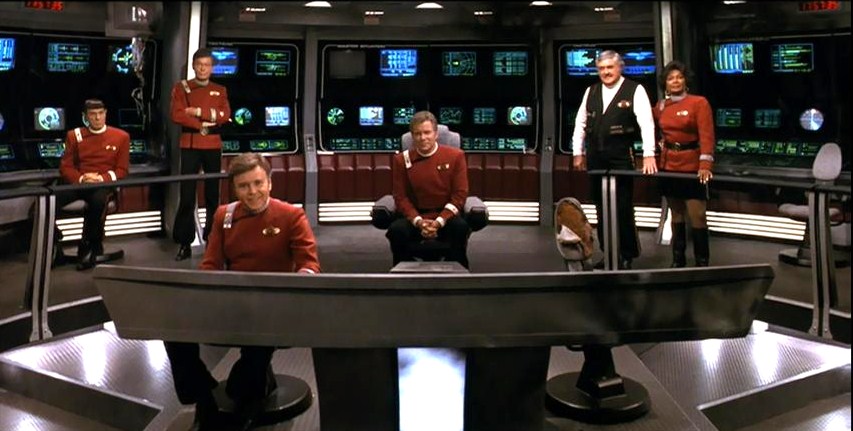
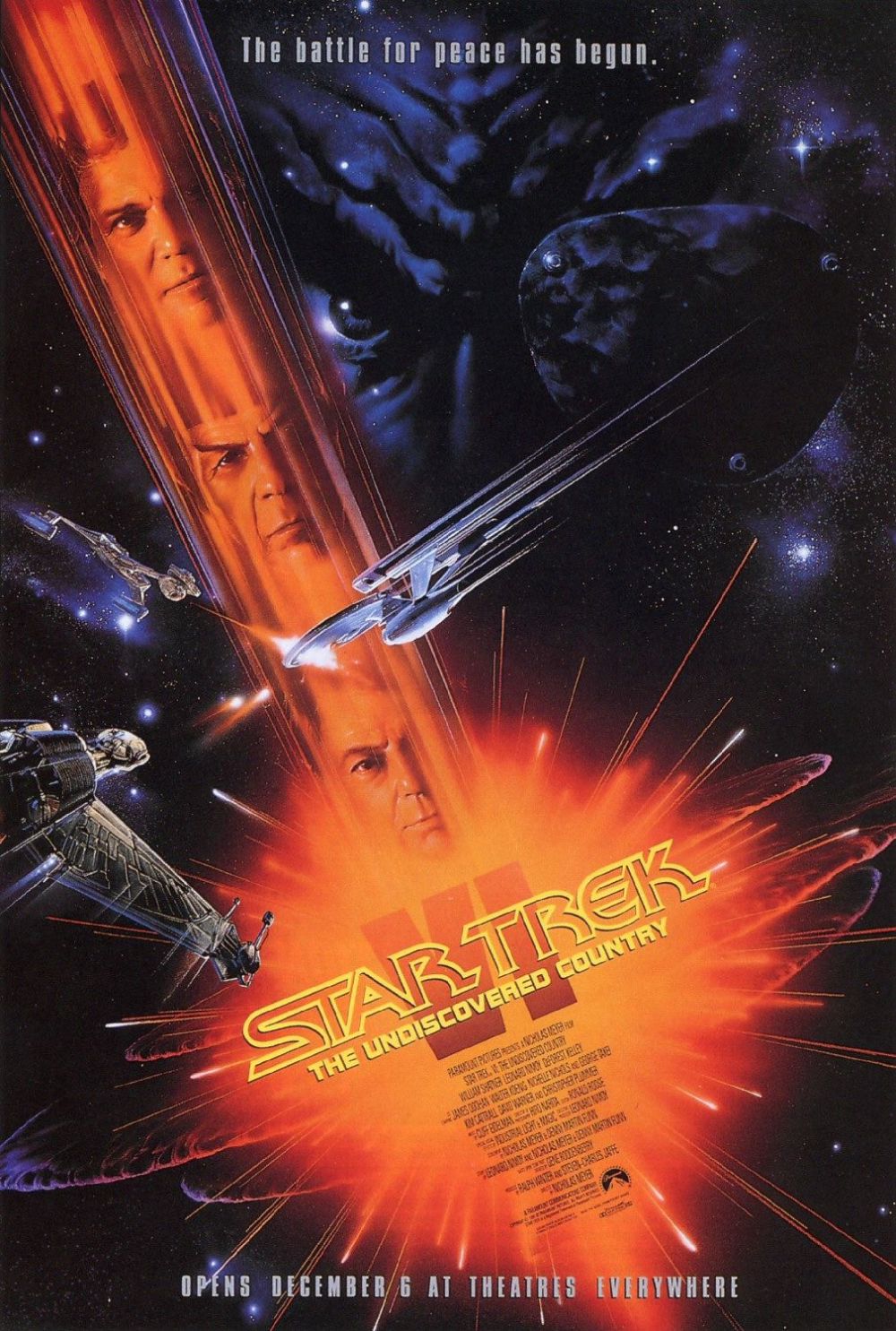
Yes, ladies and gentlemen, it has now been 25 years since “Star Trek VI: The Undiscovered Country” arrived in movie theaters. I still remember watching it with my parents at Blackhawk Cinemas like it was yesterday, thrilled that the original crew of the starship Enterprise managed to get one last adventure in space. For a time, it looked like that would not happen as “Star Trek V: The Final Frontier” almost killed the franchise, but thanks to Leonard Nimoy taking on executive producing duties and Nicholas Meyer returning to the director’s chair, Kirk, Spock, McCoy and the rest of the crew got a wonderful sendoff as they struggled to bring about a truce with their longtime enemies, the Klingons.
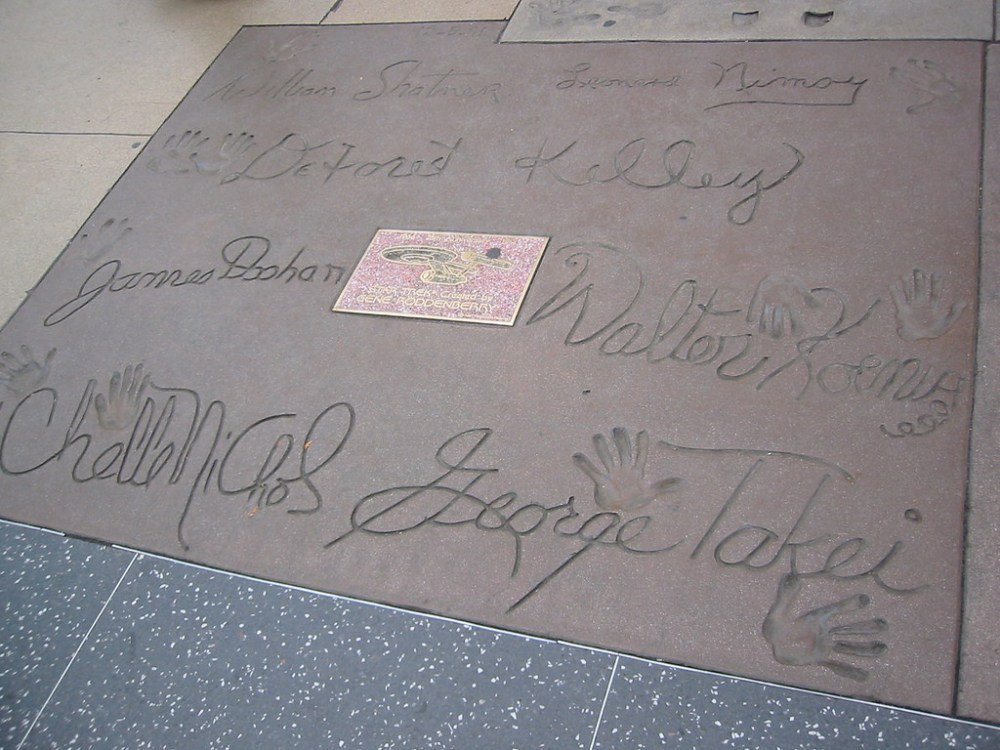
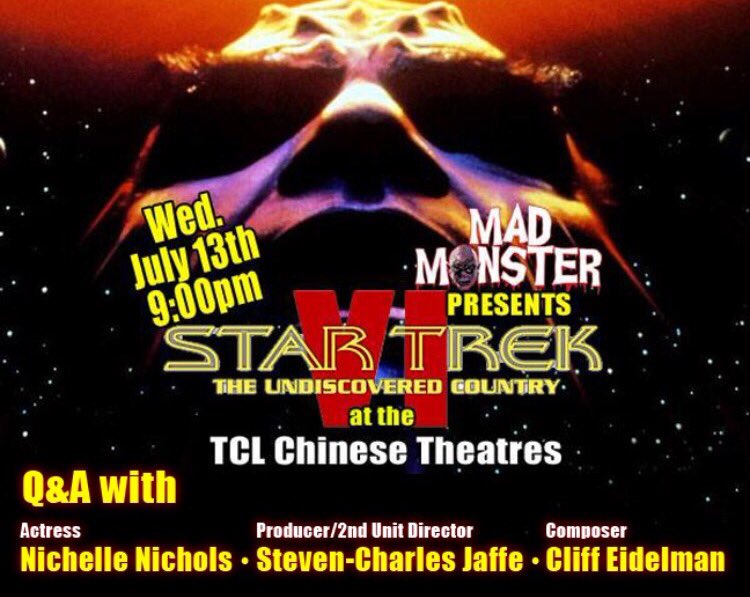
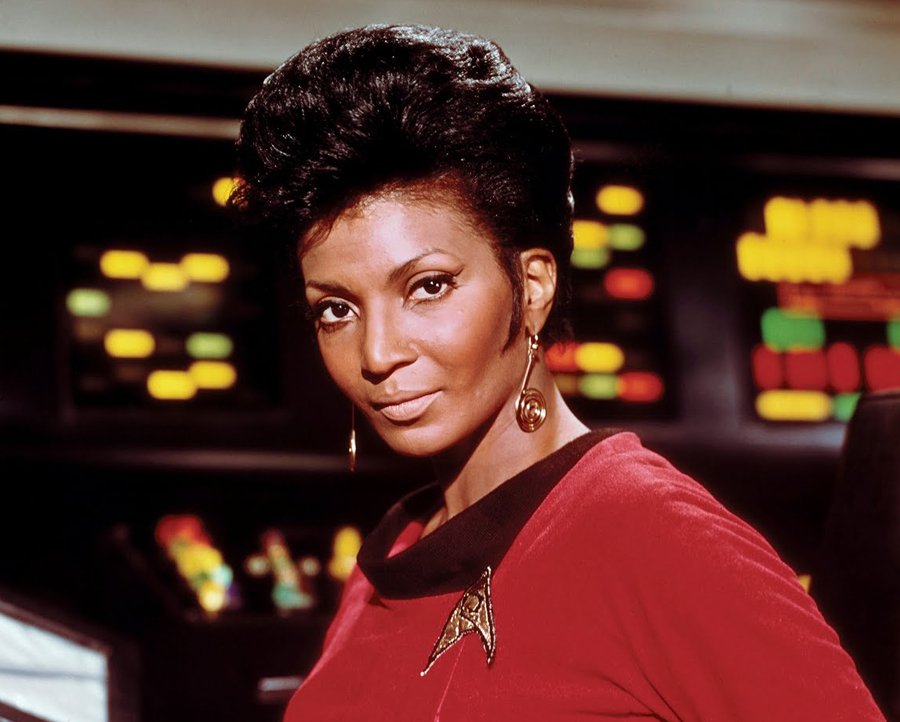
On July 13, 2016, Mad Monster hosted an anniversary screening of “Star Trek VI” at the TCL Chinese Theatres in Hollywood. It was the perfect place for this screening as “Star Trek VI” had made its debut at Grauman’s Chinese Theatre next door, and the cast got to write their names in the cement outside of it. Appearing for this screening were producer Steven-Charles Jaffe, composer Cliff Eidelman, and Nichelle Nichols whom we all know and love for playing Lieutenant Uhura.
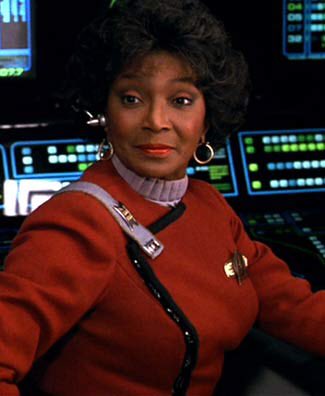
Nichols was asked how she first got cast as Uhura on the original “Star Trek” television series, and she said that she didn’t remember as that this character has been with her for so long and that she likes “the gal” and described her as “nice company.” When it came to getting cast in this iconic role, she replied that she was “just lucky I guess.”
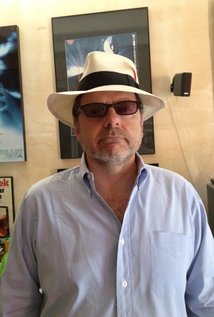
Jaffe pointed out that he previously produced “Ghost” and that Whoopi Goldberg told him if it weren’t for Nichols, she never would have become an actress. Goldberg had watched the original series and felt Nichols was such an inspiration to her and many generations of young actors as her role really represented racial diversity. Jaffe was also eager to add the following:
“The last week of shooting this movie, I was on the bridge of the Enterprise and we were setting up a shot and I was looking at the original cast, including Nichelle, and I had this very interesting flashback of being a little boy in Stanford, Connecticut in my pajamas watching ‘Star Trek’ on television with these same people, and here I am producing this movie and thinking what a lucky guy I am. I don’t know how this happened, but how special was that?”
To this Nichols added, “I was the lucky one.”
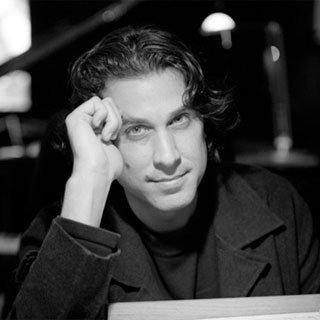
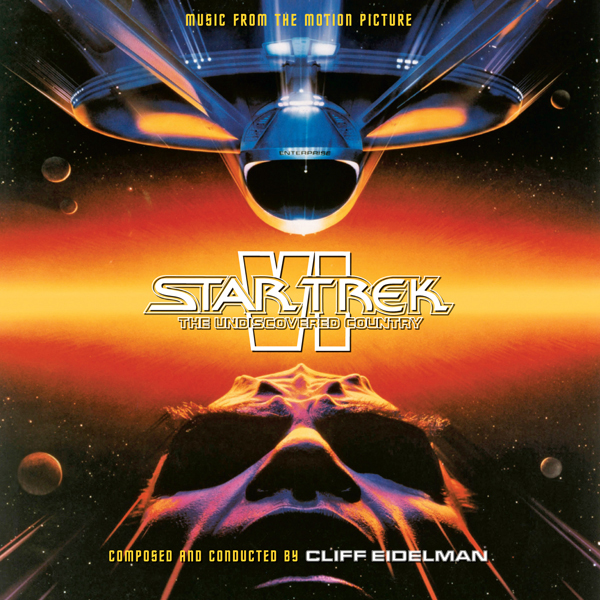
Eidelman’s score to “Star Trek VI” remains one of the most haunting of the franchise and helped propel the composer to new cinematic heights. But it turns out that Meyer wanted Eidelman to adapt Gustav Holst’s orchestral suite “The Planets” as opposed to creating an original score. Eidelman said he had studied that piece “a little” in college but lied to Meyer and said he studied it a lot. However, Eidelman had something else in mind.
“The truth is I didn’t want to adapt ‘The Planets,’” Eidelman said. “As a young composer I wanted to write an original score that would be original for this project, but I didn’t say that to Nick and I kind of played along. Not long after we started talking about it I started writing original themes, and at some point I think the people at Paramount started to inquire about the cost of licensing ‘The Planets’ from the Holst kids. I think the cost was apparently very expensive. But anyway, you (pointing to Jaffe) came by my apartment along with some people from Paramount and Nick, and I started to play these themes of mine on my old upright piano, and I was humming what the strings would do and what the brass would do. And at some point I think Ralph Winter or somebody turned and said, ‘Well why are we licensing ‘The Planets’ when we’ve got this theme?’ So that was the end of ‘The Planets’ and I was able to go off and write my own score.”
Nichols spoke at length about Gene Roddenberry, the man who created “Star Trek” and set the whole franchise in motion.
“I knew Gene before I went on the show, and he told me what he was planning and what it was going to be and that it would be on television,” Nichols said. “He wanted me to be a part of it, and I got nervous (laughs) because I loved working for him and he is very particular. But I think that was why I liked working for him because you didn’t have to guess what was going on and you didn’t have to guess what you were going to do. If you had something that you wanted to give beyond what you thought he was talking about, he was very open to listen to it and say yes or no just like that. Fortunately, he said yes more than he said no to me.”
In addition to producing “Star Trek VI,” Jaffe was also the movie’s second unit director. He said he has directed second unit on every movie he ever produced and that this started on Meyer’s first movie, “Time After Time.” The first thing Meyer had Jaffe shoot on “Star Trek VI” was the ice planet in Alaska, and in the process he said he experienced “premature global warming.”
“I went up to Alaska on this glacier three weeks before we started filming,” Jaffe said. “I storyboarded everything, I had every shot, every location I thought locked down, and three weeks later I came back with a full crew and several helicopters and everything was gone. They said, ‘Well, glaciers do move.’ And I said, ‘They don’t move that quickly.’”
“My job was to not stand out,” Jaffe continued. “It was weird because I had never shot second unit before the movie began, and I was very nervous because the studio would see my dailies before anybody’s. I figured somebody is probably doing this to get me fired off this movie really quick. Fortunately, Leonard (Nimoy) who was one of the producers and the studio liked what I did, and that was that.”
Jaffe also talked about how he and Meyer had finished making a movie in Germany before “Star Trek VI” (“Company Business”) when the Berlin Wall came down. Unfortunately, the studio they did it for was having a hard time and the movie got a horrible release. The two of them were hanging out at Meyer’s house in London when Nimoy called and told Meyer, “I got a new idea for ‘Star Trek;’ the wall falls down in outer space!” Jaffe said Meyer hung up on Nimoy and that they were both very drunk at the time, and Jaffe encouraged Meyer to call Nimoy back.
“Wait a minute, you don’t get this opportunity too many times,” Jaffe remembered telling Meyer. “It isn’t the same movie, but it’s the same theme as the film we just made. ‘Star Trek’ will get a release. We’re crazy not to do this.”
Before the Q&A ended and the movie began, Nichols had the last word of the evening as she talked about her most important addition to the character of Uhura before the cameras were rolling on the original “Star Trek” show.
“They hadn’t named her yet and I said, ‘What about Uhuru?’ And they looked at me funny and I said, ‘It means freedom.’ They said, ‘Well it’s kind of harsh.’ And I said, ‘Well, make it Uhura.’ And he (Roddenberry) says, ‘I like that.’ And I said, ‘I do too!’ And I became then and there for the rest of my life Uhura, and I’m glad to be here with you.”
Technically, the 25th anniversary of “Star Trek VI: The Undiscovered Country” doesn’t occur until December 5, 2016, but it’s never too early to celebrate. This “Star Trek” movie succeeded in rejuvenating the movie franchise and helped give the original Enterprise crew the sendoff they richly deserved. After all these years it remains one of the best in the series as its themes of war, peace and change still resonate deeply in our everyday affairs. With “Star Trek Beyond” coming soon to theaters and a new “Star Trek” television series on the way, there is no doubt that this franchise will continue to live long and prosper from one generation to the next.