Exclusive Interview with Gusmano Cesaretti about ‘Take None Give None’

Take None Give None poster

2015 proved to be a great year for documentaries with unforgettable ones like “Amy,” “An Honest Liar” and “The Wolfpack.” Now there’s another terrific documentary to check out called “Take None Give None” which is about the Chosen Few, an outlaw motorcycle club based in South Central Los Angeles. Directed by Gusmano Cesaretti, a producer on many of Michael Mann’s films, it chronicles how this motorcycle club, the first multi-racial club of its kind, formed and is bound by the strength of their brotherhood. The documentary also follows the club’s struggles as they deal with the LAPD which raided their clubhouse and unfairly branded them as a criminal organization in the media.

“Take None Give None” had a special screening at the Museum of Contemporary Art in Los AngelesMuseum of Contemporary Art in Los Angeles, and it was sold out and filled with people of all kinds as well as members of the Chosen Few. When it ended, one of the club’s members stood up and said, “Tell people about this movie so that they can see who we really are.” This was met with a thunderous applause from everyone in attendance.

I got to speak with Cesaretti over the phone about “Take None Give None” which he filmed with co-director Kurt Mangum over a three-year period. Cesaretti described how he became acquainted with the Chosen Few, how he managed to get an interview with one of the LAPD cops who went undercover to infiltrate the club, and of how working with Michael Mann served to help him on this project.

Gusmano Cesaretti photo

Ben Kenber: Congratulations on the documentary. This proved to be a real eye opener about the Chosen Few. How did you first become acquainted with this motorcycle club?

Gusmano Cesaretti: Well I saw some of those guys riding motorcycles about 25 years ago on the Pasadena freeway and I pulled over next to them with my car and I said, “Hey! Pull over, I want to talk to you.” And they pulled over then I told them, “I like the way you look. Everything about it is great. I love the way you were riding the bike.” They weren’t just riders, they had pride for some reason. So I told them I would like to take some pictures, and they invited me to the clubhouse. I went over there and it was amazing to see all these great amounts of people and they were all nice. I walked over with the camera and everybody started looking at me and saying, “Hey what are you doing? Oh yeah take pictures of me! Take pictures of my bike!” It was really great. They were friendly, they were open to anything and to me it was fascinating. They were a great people and then I started going there every other week and kept taking photographs and so on in support. Then in 2011, because they were talking all the time about their rides and how important they were for them and being together in like a brotherhood, I said I would like to film one of your rides. So I organized a ride for them where we went through South Central and on the freeways and then through downtown, and then after the ride they started really talking to me and said that we should make a record of all this. That’s when I started doing the documentary, and we just finished (laughs).

BK: When you first started shooting the documentary, how did you envision it and how did it evolve from that point to where it is now?

GC: That’s a good question. When I first started the documentary I had no idea because when you make a documentary you really don’t know which way you’re going. I feel you’re doing it for a year or two (laughs) and then you would have all the information you ever need to create a storyline. We recorded about 48 hours (of footage), and when we finally decided to edit it was like a nightmare because you’ve got listen to all these conversations and all the recording we did. It took months but then you know what’s going on, and then we put a big roll of paper on the floor of my studio and started writing down the scenes. It was crazy. A lot of different cameras were used. It took me about a month to figure out the storyline, and then even during the process of editing there’s always changing this, putting back this and taking this off. It was a very challenging process but I learned so much.

BK: When it came to filming the documentary what formats did you utilize?

GC: We did a lot of stuff with the Super 8 riding the bikes here and there and we used other film. We used Cannon, we used Sony, etc. But the problem when we did the editing, because of all the different formats and all the different cameras, it became now we gotta do this, now we gotta change this and now we have to download everything into this. It was really crazy, but it worked because I shot it in a very cinema verite way. I didn’t want to commit to any style. And the way I interviewed those guys it was like, “Tell me the story.” I didn’t ask any questions because I wanted them to talk and tell me from their point of view. So that’s usually the way I prefer to do my photography; I connect with people and establish a relationship even if it’s for a moment, and I need to start a relationship if I want to get the image that I need.

BK: When the Chosen Few’s club gets raided, we get to see how the media really twisted their identity of proportion. Then they got evicted from their building which had a huge impact on the neighborhood because things were a lot safer when the club was around.

GC: Correct. What was interesting about the Chosen Few in South Central is that it’s really about the cultural of Los Angeles. It’s not necessarily about the bikers, it’s about their lives. The clubhouse was open for all the members and friends and people and visitors like me. There were probably a lot of undercover cops going there too, I’m sure, just to check and make sure that they were okay. But the thing is this; there were always old people there. It wasn’t just the club for the motorcycle people. It was older people who used to sit there all day long and have conversations with their friends, and when they lost the clubhouse a lot of these old people died because they didn’t have a place to go. They were like homeless people practically, and that was really sad to see that happen. All the members too, they felt homeless. They felt like the police were trying to take their identity away. They didn’t have the energy that they used to have any more, so it was extremely sad.

BK: Speaking of the police, you did manage to get an interview with one of the undercover cops who infiltrated the Chosen Few. Was that a hard interview to get?

GC: No actually. I have a friend that is a cop and I said to him, “Look I’m doing this documentary and I would like to interview the police that did the raid.” He said, “Yeah I’ll find him for you.” So he took a couple weeks and then he called me one night and said, “I got the guy.” I talked to him and he was very interested to do it, and we got together and did it. He was actually a nice cop. He was very open and he also told me the truth. What he was saying was real.

BK: It was nice to have the cop’s perspective of the raid as well as the Chosen Few’s as it manages to balance things out.

GC: Yes, yes. It’s a big club and not everybody’s an angel, you know what I mean? But that’s the same in any other big company like Google. There’s always somebody messing up things and in the club a lot of those guys come from the gangs, most of them. Being in the club was like upgrading their lifestyle and they got a job, but they are still connected with the streets and the gangs. There will always be somebody doing a little bit of this and little bit of that and a little drug dealing, but most of them are really wonderful, nice people. The theology of the Father, Lionel Ricks, is amazing. He started the club because he didn’t have a family and he wanted to have a family. That’s beautiful. What really fascinated me the most was that Lionel Ricks started the club in 1959 and then integrated it in 1960, and this was before the civil rights movement. He was able to bring blacks and whites and Mexicans and Chinese and a couple of people from Syria together without any political or powerful stuff like Malcolm X and Martin Luther King and all those people afterwards. He did it very simple and in a naïve and beautiful way with the motorcycle. That’s amazing to me. Think about it, he brought people together with a motorcycle! And that was when I said, “Okay we gotta do this,” and they were all excited about doing a documentary. We got all these great people to interview and the Father. The Father right now is very sick and in the hospital, and I hope he’s going to get better. But I did show him the documentary about a month ago when we finished editing. I went over to his house and showed it to him, and he had tears in his eyes and said, “It’s good. It’s real.” And I said, “Great! Thank you!” He really loved it.

BK: You worked a lot with Michael Mann on his movies. How did your experience working with him help you in making this documentary?

GC: Well I think making a film is completely different from making a documentary. The only help that I got on this film from that world is the camera guys that I worked with, and they are my friends and they came and helped me. With film you have a script and you got the actors and you have time to keep repeating and filming a scene a scene until it comes to where you want it. When you do a documentary the moment is right there. You are shooting this, you turn your head and you see something and you shoot that. You don’t know what’s going on and you’ve got to be aware of what is going on around you, so it’s really different. For me, this was a totally unique experience.

BK: Was there anything you wanted to include in this documentary that you were not able to?

GC: We got to a point where we said okay we gotta finish this project, so there were maybe a few more people that I wanted to interview that we never got to. There was a guy who did an amazing wheel stand. He did a wheelie and he was supposed to come over one night to do a performance for us while we were shooting in South Central, but the guy couldn’t make it and never showed up. And that was another thing that I wanted to include because it’s beautiful and its part of the art of being in control of the motorcycle. When somebody does something like that in a beautiful way it was nice to visually put it into the documentary, but at the same time it wasn’t that kind of a documentary. It was more about the feeling of the individuals and the members and everything that came from their hearts and communicating to the outside world and saying here we are. This is what we are. We are not what people think, we are what we are.

I want to thank Gusmano Cesaretti for taking the time to talk with me. Please feel free to check out the movie’s website at www.takenonegivenonethefilm.com, and be sure to check out its social media pages on Facebook and Twitter.

Copyright Ben Kenber 2015.

Exclusive Interview with Steve Hoover on ‘Almost Holy’

Almost Holy poster

Almost Holy” is one of the most harrowing documentaries I have seen in years as it follows the efforts of Gennadiy Mokhnenko, a Ukrainian pastor, who helps the drug addicted kids lost in the streets of Mariupol, Ukraine. After the Soviet Union fell, social services in Russia were severely cut to where many of its citizens fell into a life of drugs and prostitution, and Gennadiy pulls them off the street to give them the help they need at his Pilgrim Republic rehab facility. While many view him as a hero, others consider him a vigilante for his unorthodox tactics. The way he sees it, he doesn’t need anyone’s permission to do good deeds, and the documentary invites us to make up our own minds about him and what he does.

“Almost Holy” was directed by Steve Hoover whose previous works include the critically acclaimed documentaries “Blood Brother” and “Seven Days.” I got to speak with him while he was in Los Angeles.

Ben Kenber: How did you first become aware of Gennadiy?

Steve Hoover: I had friends who worked on an assignment in Ukraine doing a promotional piece for a nonprofit and they were traveling to a lot of different cities in Ukraine, and their last stop was Mariupol at Pilgrim with is Gennadiy’s rehab center. They were forewarned that this guy was fascinating and to not revert too much onto him, and the way they’ll describe is not intentionally, but he stole the show for them. They detoured from the project and followed him for several days and just filmed everything, and they described Gennadiy as having loads of stories and he just talked and captivated everybody in the room. These are friends of mine that I work with and they came back to Pittsburgh where I am based after that trip and they were like, “You have to see this guy. He’s open to being in a documentary and he has years of archival footage. Do you want to direct it?” And I was like, “Well, why don’t you direct it?” Anyway, they offered it to me to direct, so that’s how I got connected to Gennadiy and things went from there.

BK: What I found fascinating about “Almost Holy” is that you never judge Gennadiy. There are reasons to judge him especially when it comes to the way he gets kids into his rehab program. How were you able to keep a very objective perspective while making this documentary?

SH: I wanted people to have a similar experience that I had. I didn’t want them to have my exact experience. I found that I walked into this situation thinking that I knew and understood the story, but as documentaries go you never do. In general, I’m interested in people’s motives and complications of people’s motives, and I like to explore why people make the decisions they make because I find people so easily boil people’s motives down to very simple things. I just don’t think that’s ever the case. Why Gennadiy does what he does, there is not an easy answer for that. I think he’s somebody you could frame in a lot of different ways. People have made him look very heroic, and I wanted people to see what I saw and didn’t want to give people answers because I don’t ever feel confident in being like here’s how you should think or here’s how you should think about this person. You don’t have to do any work, just react emotionally to this.

BK: How would you say your vision of this documentary evolved from when you first started shooting it to when you were editing it?

SH: I think because my friends that had met Gennadiy had limited exposure to him, they thought the story was something. So what they communicated to me was what I thought the story was going to be; that Gennadiy only stays in Mariupol and pulls kids off the streets and rehabs them. That was what I thought I was walking into. I didn’t have personal correspondence with Gennadiy beforehand, so the first time I saw him was the first time I ever talked to him. Some people will do extensive talks with the subject to try to figure out if this is worth it, but I just fell into Ukraine which, for me, was fun because it was this exploration and it was very much an adventure. I quickly started to realize that the story was more interesting than that. How does he get more interesting than adopting homeless kids and rehabbing them? His story had evolved with the needs and problems of his city and what was around him, and I came to realize that adopting kids from the street through these night raids was a back story and that it was so much more ill-defined which made him more developed and interesting. When we started the conflict hadn’t happened. There wasn’t even like, “Oh now’s a good time to do something in Ukraine because there might be a conflict.” There was nothing. That all dramatically impacted the narrative of the film because the conflict forced its way into everybody’s lives in Ukraine, so for a while I wasn’t sure. In the middle of it there’s the Euromaidan revolution and I was like, I don’t think we need to get into that. But it just kept creeping closer and closer and then it just was on the doorstep and in his life and everybody’s lives. At first it was like okay, I can avoid this, but then I realized how much it actually helped the story because here you have a figure who cares deeply about Ukraine and has been an advocate, a social worker and a lot of makeshift things. Whether it’s the prettiest execution of those offices or makeshift offices doesn’t matter. He’s somebody who was trying to make a difference in his country, and all his years of work is now being threatened by a force he can’t control and that became more interesting to me. That’s how it changed.

BK: The documentary has a wonderful industrial score by Atticus Ross, Leopold Ross and Bobby Krlic. Did you work with them closely on the score, or did you let the composers just work on it on their own?

SH: We had sent Atticus some clips of Gennadiy as a work in progress and said this is what we’re doing, would you be interested in being a part of this? He took interest for his own reasons, and he’s somebody who is creatively beyond me in what I do. He has incredible sensibilities and is someone you could absolutely trust. I was interested in seeing how these visuals inspire him and what he made of them, and he would send me bits of his work and his inspiration. The way I like to work is exactly like that, where composers would give me music. My last film had six or seven different composers and I only knew one of them personally. The great thing is Atticus had been working on it at his own time and pace based out of inspiration. Atticus, Leopold and Bobby, they provided a really excellent pool of material that I felt was inspired by the industrial backdrop of Ukraine. It’s interesting because there are definitely darker, bleak and intense moments, but there also these moments of hope in the score. There are moments that bring such character to the film. It was great working with him (Atticus) creatively. It wasn’t just like, “Hey what are your thoughts on the score?” I looked to him a lot for feedback on picture and on the edit, and he was very involved and very helpful. I respect his creative sensibilities a lot.

BK: The documentary also has the wonderful privilege of being executive produced by Terrence Malick. How did Malick become involved?

SH: With our last film we had worked with Nicolas Gonda who is also an executive producer on this film, and he is Terrence Malick’s producer. So we worked with Nicolas and, similar to developing a relationship with Atticus for the film, we had some work in progress and basically pitched the idea of creating an executive producer relationship for Nicolas and Terrence Malick. They took interest, so that’s basically how it happened.

BK: How many years did you shoot this documentary over?

SH: The film covers years, and a lot of that is due to Gennadiy’s archival footage. He had footage from 2001 to roughly 2008, and then we came into the picture in 2012 and shot. I wrapped the edit at the beginning of 2015, but I was still pulling news sources and things like that. So we were with the story for three and a half years.

BK: Are there any movies for you that helped influence the style of this documentary?

SH: I think more in postproduction. There’s a movement within documentary and creative nonfiction to make documentary films seem more dramatic and entertaining or to just push the creative boundaries of documentaries, so I like those ideas and those sensibilities. My last film was kind of a happy accident. I was sort of rebelling against polished productions because I had been doing commercials and music videos for years, and I wanted to do something that didn’t matter what the picture looked like and was more heart. I didn’t know very much about documentaries towards the end of that. I was like, what if I could care about the image but still give it heart or authenticity? So that was sort of what drove a lot of my creative decisions with “Almost Holy.” I wanted it to be more classic filmmaking. I didn’t want to bring the slider or certain things. I just wanted it to feel like a classic film with just traditional lockdowns and nice shots as much as possible. We were on the go a lot so that didn’t always work out, but even with when people were talking I made sure we always had two cameras running to film it like a narrative film so that I could cut dialogue later so you could feel the conversation like you would in a film.

BK: That’s interesting because a lot of directors come from the world of music videos and commercials, and it seems to be that that world is more about style than anything else. So to escape from that has got to be very fulfilling in a sense when you come to a documentary like this. Would you say that is the case?

SH: Yeah. With the last film that was very much the case, and then with this one it was kind of like marrying the two worlds. I have these years of experience with the crew that I work with, and these guys are very talented. What if we applied all of that in a running gun setting? Everyone adapted very well to it. We were in places where we had a minute to set up our shots and we would be stuck on a lens and we just made do, but I feel like it was very rewarding. It was hard, it was really hard. It was basically five filmmakers and then six people with the translator trying to make this happen. We had an insane amount of gear, but everyone pulled their weight and I think they did a fantastic job.

I want to thank Steve Hoover for taking the time to talk with me. Please visit the “Almost Holy” website to find out how you can view it (www.almostholyfilm.com).

Copyright Ben Kenber 2016.

Exclusive Interview with Timothy Kane and Annika Iltis on ‘The Barkley Marathons’

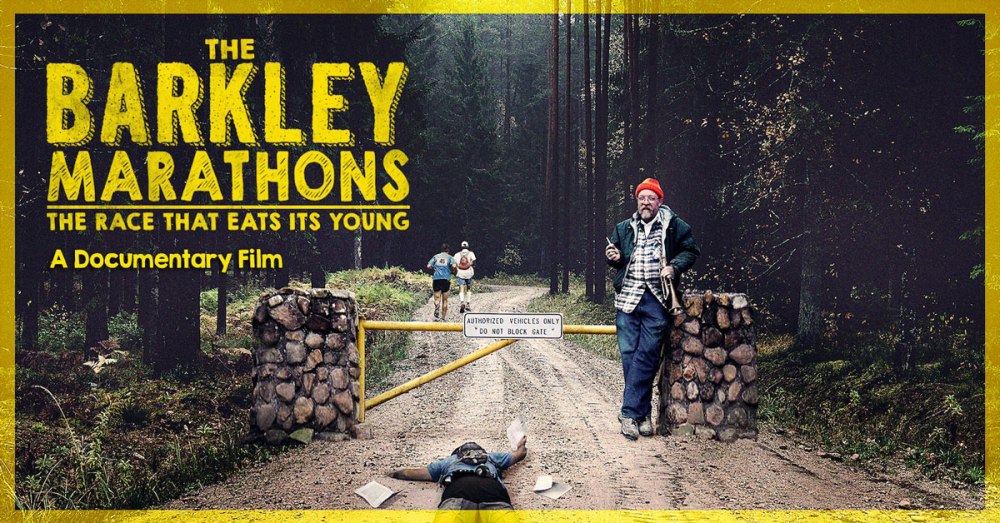
The Barkley Marathons poster

There are marathons, there are ultra-marathons, and then there is the Barkley Marathon. If you haven’t heard of this one that’s okay because, like “Fight Club,” the number one rule is you don’t talk about it. But that’s bound to change after you watch the documentary “The Barkley Marathons: The Race That Eats Its Young” (please take its subtitle seriously). It sheds light on this race which has developed a cult following over 25 years and gives its participants 60 hours to complete the equivalent of five marathons. Once you watch it, it will be very easy to understand why, out of the hundreds who have run it, only 13 people have actually completed the entire thing.

“The Barkley Marathons” introduces us to the event’s co-founder, Lazarus Lake, a man who is as idiosyncratic and unpredictable as the race itself, and he approaches the proceedings with an almost devilish sense of humor. Hundreds of people apply for it, but only 40 are accepted. Those accepted get a letter of condolence informing them they have been selected and only have to pay an entrance fee of $1.60 and bring with them a t-shirt or license plate from their home state or country. It all takes place at a park in Tennessee where the start time is not revealed right away, and the race begins at a yellow gate when Lazarus lights up a cigarette. What happens from there is really something to witness.

Directing this documentary were first-time filmmakers Timothy Kane and Annika Iltis, both of whom had worked as camera assistants on “Mad Men.” I got to speak with them and they described what inspired their decision to find out more about the Barkley Marathon and of the numerous challenges they faced throughout filming.

Ben Kenber: The documentary was inspired by an article you read called “The Immortal Horizon.” What was it specifically about that article which spoke to you the most?

Timothy Kane: Well when we read it we didn’t know anything about the Barkley at all and had never heard of it. We also didn’t know anything about the author, so everything was kind of new to us. We read it in the Believer magazine and what we learned was that Leslie (Jamison) was really, at that time, just a fiction writer and this piece on the Barkley was her first journalistic nonfiction piece. So when we read it, it really had a narrative style to it. It read kind of like fiction that it made it even, you know, more impossible to believe than just the facts do alone. Her writing really piqued our interest and made us want to get on a plane and go to Tennessee and find out what it was all about.

BK: I heard it was really hard to track down Lazarus Lake. How did you manage to find him?

TK: Well that’s sort of inside information.

Annika Iltis: Yeah, we’re trying to keep their anonymity as much as possible. In the opening of the film we say we’re going to tell you the truth but the truth is malleable. As much as it is a documentary and everything that you see in there happened, we tried to keep the Barkley world the same as when we started the film, and I think part of that is keeping Lazarus’ privacy and Raw Dog’s privacy as much as possible. Of course we know this film will probably change that.

BK: The way people describe the Barkley Marathon, it’s a lot like “Fight Club” in that the number one rule is you don’t talk about it. There must been a lot about the marathon that you could not include in this documentary, but how much of it percent wise did you manage to get in this film?

AI: In terms of like the geography of it, a very small percentage. I think it’s hard to say even what percentage it would be because over 26 miles of the loop, or 26.2 miles, we had about seven camera operators during the shoot. We moved around a little bit, but we did everything with Lazarus’ blessing and we only went to places that he was happy with us going to and that wouldn’t affect the runners’ navigation and that wouldn’t affect the race as much as possible. But we weren’t interested in running alongside them. That was never something that we wanted to do. It wasn’t something that we’d want to watch either. A lot of the action really happened around the gate. What we got was great for the film we were making.

BK: Regarding the seven camera operators, were they ever visible to the runners or were they put in spots where the runners couldn’t see them?

AI: They were visible, but all the places that they were placed were places where that were obvious points along the course. So navigation wise it was very obvious to where the runners knew where they were along the course that when they saw a person with a camera, they weren’t like hey there’s a person there so I must be going in the right direction. They knew where they were. And there weren’t many of us; it was a very skeleton crew. We kept it simple, and because of that we were able to get a deep part of the action without overwhelming people.

BK: What was the most challenging part of making this documentary for you two?

AI: (Laughs).

TK: There were so many things. Annika, one of the first things she mentioned was the vastness of the terrain. Trying to navigate around it was a challenge, and trying to be at the right place at the right time over a 20-mile square area through six or seven mountain ranges, that was a major challenge. It was a challenge to gain the trust of the runners. That was a big thing early on for us to try to make sure that they understood what we were trying to do. We’re trying to be as respectful of them as possible and to not affect their race. They worked hard to get there and we were just guests, so we didn’t once do anything that would jeopardize their experience.

BK: Were the runners open right away to being filmed or did that take a lot of trust building tween you and them?

TK: We did on the first registration day a lot of interviews and Annika was instrumental in getting a lot of those, and at that point there were definitely some people who were maybe nervous about the race coming up but were not sure what we were doing. In hindsight I’d say there was a little bit of hesitancy, but once they started running I would say that everybody was so focused on what they were doing that they really didn’t take much notice of us which was good for us.

AI: And once they knew what kind of film we wanted to make, which was basically capturing the soul and spirit of the Barkley more than exposing its secrets, then people were on board.

BK: It was interesting because part of me wanted to see more of the course, but after a while it’s easy to understand why you don’t see that much of it. Plus, it is said that the course changes from year to year.

AI: Yeah it does change most years. We were lucky to have one of the runners; he was going to wear a Go Pro camera throughout the course and offered up his footage, so we got to see parts of the course through that. But honestly to keep the narrative structure of the film and the pace of the film, we really wanted the film to feel like you were actually there watching this race that weekend and feel like you are part of the Barkley. So to keep that going I don’t think we could’ve put more of the course in there because it just would have been more running footage and more landscape footage, and we weren’t interested in that. We wanted to keep the narrative pace up.

BK: But even though we don’t see much of the course though, we do see what it does to the runners’ bodies as they come back with dozens of scratches on their legs. It doesn’t take long to feel how painful those scratches are.

AI: Yeah, that’s all from the briars. They are pretty rough and there’s just so many hours running on your feet and with moisture. You see that part in the film. It’s very difficult on the human body but also mentally for the runners, so we tried to capture that as well.

BK: Another thing I liked was how it showed that even though many of the runners don’t finish the Barkley, you still have to pat them on the back because at least they still gave it a shot and finished one loop. There’s something to be said for that.

AI: I think anyone who actually makes it to the starting line there has already accomplished a lot because that’s not the easiest thing to get there. Part of what was really important to us while we were focusing in on different people was including people with the varying idea of success and failure. We wanted to make sure that we showed all of those points because it is a very personal thing how people view their own accomplishments there, and that was a big part of the Barkley and why we focused on the various people that we did.

BK: Have you kept in touch with any of the runners since finishing this documentary?

AI: Oh yeah, we are in touch with quite a number of them. We’ve been back to the Barkley almost every year. We missed last year, but almost every year since we get in touch with a lot of folks, we see the ones we can and, as silly as it is or maybe not, we feel sort of a part of this thing now because it’s a very unique experience and having been there for three years is something we look forward to every year. I think the people that we’ve met in the experience of making the film is really, for us, the greatest accomplishment probably.

BK: It would be interesting to see a sequel to this documentary showing what the experience of running the Barkley has had on the runners’ overall lives, and that’s regardless of whether they finished it or not.

AI: It’s interesting because honestly I don’t think it really affected most of their lives very much, and that’s because it’s a very personal thing that they do. Most of the people who go out there are not doing this for any sort of a claim by any means. They are doing it for a very personal reason. Most of them have high level degrees in science and engineering, they have regular lives and they go back to work on Wednesday or whatever day of the week it is. They can talk about their experience, but I think in their daily lives this is just something that they did and then they go on and do the next thing which is amazing but that’s the kind of person who goes out and tries this.

BK: Did either of you have to pay the $1.60 fee or a license plate in order to get permission to film this documentary?

AI: (Laughs). I don’t think we did actually. We talked about it. We did bring lots of chocolate. We paid a lot of other tolls probably over the past four years to get through all the hurdles that we had to get through, but Lazarus did not require any of those items from his (laughs).

BK: Both of you came to this project after finished filming season five of the show “Mad Men,” and you’ve said that this was a great opportunity for you to create your own material. How fulfilling was it to go from working on someone else’s material to working on your own project?

TK: It’s hard to say. It’s almost like we are still so close to it. We are still in awe of so much of the work that’s going on that it might take a little bit of time to pass before we can really look back on it and see what we learned from it. We certainly learned a lot, but in terms of doing a film it’s something that we sort of dove into and it’s basically taken up all of our free time for four years the way a passion project does I guess. It’s really pushed us to new limits. We had a lot of creative battles back and forth with each other, and those things are interesting and hopefully we’ve grown as people and as filmmakers.

BK: Many documentary filmmakers I have talked to have said that it usually takes a number of years for their project to come to fruition in terms of filming it and then finding distribution for it. Did you have any idea of how long it was going to take to make this documentary?

TK: We had no idea, but we didn’t put a time limit on it because the nature of our work, being sometimes 70 hour weeks, we would have to take full chunks of time off, like six months at a time. In some ways we were tired of working on the movie every day, tired of talking about it at work trying to push something forward, but in terms of moving forward with the narrative of the editing or whatever needed to be it was very difficult to start something because we had such little time. You would start something and then all of a sudden you would have to get ready to go to sleep or go to work. I think if you had told us it was going to take four years we may have thought twice about it. But we do get this from everybody that does documentaries, and as a matter of fact a lot of people told us that’s not long at all.

AI: That’s like an average actually. We’re probably on the short side of the lifespan of a documentary in terms of getting it out there.

I want to thank Annika Iltis and Timothy Kane for taking the time to talk with me. Please visit the doucmentary’s website at www.barkleymovie.com to find out how you can watch it.

Exclusive Video Interview with ‘Gleason’ Director Clay Tweel

Few movie going experiences in 2016 will be as hopeful or as emotionally draining as the documentary “Gleason.” It takes a good long look at the life of former NFL player Steve Gleason, a defensive back for the New Orleans Saints, who was best known for blocking a punt from the Atlanta Falcons on September 25, 2006. This game marked the first time the Saints had been back to their home stadium since the devastation of Hurricane Katrina, so it made their welcome back celebration all the more thrilling.

In 2011, Steve was diagnosed with Amyotrophic lateral sclerosis (ALS) or Lou Gerig’s Disease, an incurable disease which slowly robs the body of all its motor functions and eventually leads to death. It was around that time that he also discovered his wife Michel was pregnant with their son, and this led him to start a video diary for their unborn child so that he could leave as much of who he is as a person to him before the disease takes its toll. While his situation is bleak, Steve still lives life to the fullest and is determined to be there for his wife and son no matter what.

I recently had the opportunity to talk with the director of “Gleason,” Clay Tweel, while he was in Los Angeles. Tweel previously directed “Make Believe,” a documentary which won the Grand Jury Prize at the 2010 LA Film Festival, and “Finders Keepers” which premiered to rave reviews at Sundance in 2015. For “Gleason,” Tweel had to go through 1,500 hours of footage to give us the documentary that is now arriving in theatres everywhere.  He explained how he managed to whittle down that footage, how “Gleason” compares to the film “The Theory of Everything” which also deals with ALS, and of how the health struggles of a family member and the late, great Muhammad Ali inspired him to get the director’s job for this.

Please check out the interview above, and please be sure to see “Gleason” when it arrives in theatres on July 29, 2016. You can also watch the trailer below and visit the website at www.gleasonmovie.com.

Exclusive Interview with Chris Hajian about his score for ‘The Infiltrator’

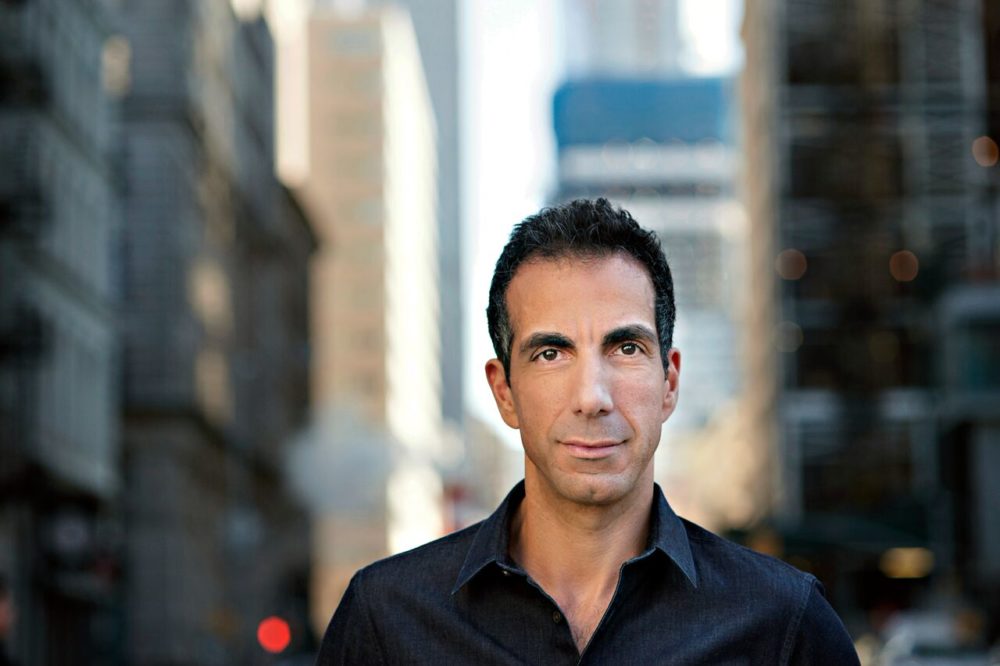
Chris Hajian

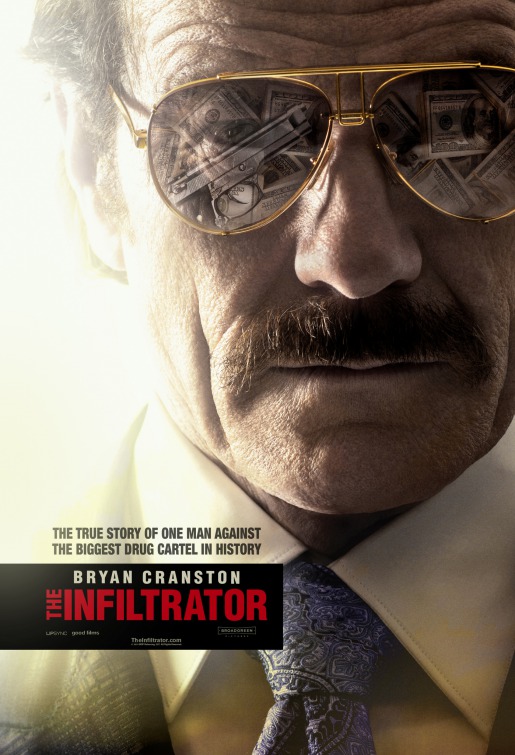
With “The Infiltrator,” Brad Furman’s movie about U.S. Customs special agent Robert Mazur (played by Bryan Cranston) and his attempt to bust Pablo Escobar’s money-laundering operation back in 1985, I couldn’t help but expect a film score that was inspired by Jan Hammer’s music from “Miami Vice” or a variety of electronic scores that were very popular at the time. But the film’s composer, Chris Hajian, ended up creating something much more modern, and it acts as Robert’s conscience as he sinks deeper into a world of crime he may not get out of alive.

Hajian was born and raised in Queens, New York, and his love of music began at the age of five when he started playing the trumpet. He went on to get formal training at New York’s High School of the Arts, and he later studied classical composition at the Manhattan School of Music. His credits include “Mr. Vincent,” “Inspector Gadget 2,” “Jingle All The Way 2” and the documentary “Unraveled.” “The Infiltrator” marks his latest collaboration with Furman who he worked with previously on a number of short films and “The Take.”

I spoke with Hajian over the phone recently about his music for “The Infiltrator,” and I was interested to learn how he managed to make it sound like much more than a typical 80’s synth score. It was also fascinating to hear him talk about his approach to this material and of the different elements he used to get into the psychology of the main character.

The Infiltrator poster

Chris Hajian: Thank you so much for making time for me and getting to know me and my music. I really appreciate that.

Ben Kenber: You’re welcome. I was really surprised with your score because the fact that the movie takes place in the 1980’s made me expect an 80’s score, but what you manage to do was take a lot of synth elements and orchestral ones to create something that’s surprisingly modern. Was that always your intent?

CH: Thank you for noticing that. When Brad Furman and I set out to talk about this in the initial phases, we always wanted the score to have a relevance to the 80’s as the film was shot in a way that’s relevant to that decade. We focused on that sound with the textures and the synth stuff, but we never wanted it to feel like a clichéd or tongue-in-cheek or cheesy reference. I also wanted to combine it with my aesthetic of the lyricism of the strings and the kind of very ambient textures that I use to create a lot of the emotional and internal conflicts, so that was my intention. The other thing was when I studied a lot of those classic 80’s synth scores, the “Blade Runner” and Vangelis stuff and Giorgio Moroder, I started noticing how those scores used a lot less music and thank God. I think the trend now to put music everywhere is not good for storytelling personally, and I tried to capture that and use that in the film because the film is so well acted, and when you have Bryan Cranston and the level of actors on there I didn’t want to clutter it with music or overcompensate. So we tried to look at that and use music in a way they did in the 80’s as well in smaller bursts. There’s a lot of music in the film, but there’s also a lot of moments where the film breathes without score so that’s the approach we took.

BK: There are a number of intense moments throughout this movie like when Bryan Cranston’s character auditions for a meeting with a certain drug dealer, and that’s a scene which almost doesn’t need music. But the way you added music in was quite subtle. How tricky was it for you to score that moment?

CH: It went through a lot of different iterations, but Brad wanted that moment to be the most abstract and surreal. This guy is diving into this crazy world, but now he’s taken down to a foreign place and put through this ceremony or an audition. There are some synth elements but there’s much more music score design elements that are working together. We wanted to avoid a lot of the horror clichés that you could do in that scene with the high strings and all that stuff that is so easy to go to. We always tried to counter ourselves and say let’s go to something more nuanced and internal. My whole goal with this whole score was to get into the mind of Robert Mazur and how he is going to pull this off and living with the impression that at any given time he gets discovered, he and his family are dead.

BK: We really do get into the mind of Bob Mazur and the danger he is constantly under. What was the challenge of getting into that character’s mindset?

CH: Just living the double life. As a composer I am a storyteller first and foremost, but I am also always trying to check and watch from the perspective of an audience and understand what can I use to deepen a character from a storytelling or an audience point of view. So for me it was about what’s the essence of a character that is living these two lives and is constantly one move away from getting exposed. To me that all just kept pointing back to keeping the score internal and pushing into his mind, and a good moment that I think illustrates that is after that car accident where he almost dies. He climbs out of the car and the score gets super, super into his mind and almost to the point where you can just see him processing all this. To me it’s all about him having to tie up his own fears and come to grips with his own fears and mortality, so that moment has a very, very surreal quality to it. That’s a sound that I used a couple of times in the film where I felt like it was appropriate to get into the world of what he was doing and the pressures he was feeling.

BK: I’m glad you brought up the car crash scene because that just came out of nowhere, and it’s like everything else goes silent when it happens.

CH: That was the idea. I love that technique when directors will pull out the ambience and the score can have a moment. From the point that the car stops and you’re just kind of wondering if he’s alive or if he’s dead, all the ambience comes out and all you hear is the score. You can’t write too over the top. To me it does a disservice to the story and it takes you out of the moment. I just wanted this thing to evolve. How is he going to reconcile all that just happened in his mind?

BK: What specific clichés from 80s synth scores you were looking to avoid the most when composing this score?

CH: You probably noticed by listening to the score that there’s very little use of drums or percussion in the entire score. Brad and I both talked about how when you deal with thrillers on some level and action and stuff like that, it’s very easy to go to the percussion bank and a lot of composers use it and it always works, there’s no doubt about that, but we felt that would’ve taken away from the film. So all the motion and the stuff that I’m generating were emotions by and large, and there’s a few moments with some drums but very sparingly were created by synth pulses and the ambiences and reverse sounds that I have created and created loops on, and that’s really what gave it a lot of propulsion.

BK: That’s what is fascinating about this score of how you use little in the way of drums or percussion. I don’t think I even realized that as I was watching the movie.

CH: Yeah, it worked. It just felt right and it became a really good challenge. As a composer you always want to get challenged by the director in a really wonderful way, and when Brad said I just don’t hear that sound, that made me say okay, cool, now what can I do or dig into to find something that’s maybe a different take on those kind of scenes. The other thing with the clichés too is I incorporated the kind of 80’s synth with the ambient textures and the strings that created that emotional warmth. That was my goal, to have those three things all work. I didn’t want you to identify one or the other like that, and I don’t ever want the audience to feel oh here’s synth, now here’s strings, now here’s ambient textures. I had to find a way to merge them so that it’s seamless and you don’t realize that. I wanted it to feel like it’s just a wave of these different sounds and textures. One of them becomes a priority at different times depending on what the narrative is.

BK: That’s a great point because this is a score that could’ve called too much attention to itself with the 80’s synth sound. But all of them, the synth, the ambient textures and the orchestral elements, do come together in a seamless way. You could have just composed the score electronically, but an emotional component to the story could have been lost in the process.

CH: You’re totally right. You can look at the film and think this is going to be a film about a drug cartel or it’s going to be like “Narcos,” but cocaine is really the least important aspect of the film. Yes, it’s in that world and the cartel is dealt with, but it’s really about this man’s journey and his emotional connection to his family, to his own self-doubts and ultimately to that bonding he makes with Alcaino played by Benjamin Bratt and his family and the immense amount of conflict he has knowing that he’s going to ruin this guy’s life and his family after he becomes friends with him.

BK: You worked with Brad Furman previously on a number of projects including “The Take.” How has your working relationship with him evolved from “The Take” to “The Infiltrator?”

CH: I have known Brad for 21 years. He is the most generous, trusting collaborator and I think the world of his talent. We have become amazing friends and have become better collaborators the more we work. We start with a really big sense of trust, and I think for a composer that’s what you need, to really see yourself and reach for something more interesting. To work in a situation where you’re afraid you’re going to fail or you’re going to try something different and it’s going to be looked down on as you can’t do the job, then it’s going to feel like a straitjacket. To me it’s not enough to just get a score done or get the cues down. I need to put my own mark and personality on it in a way that the director wants. I really know what makes Brad tick. I know his sensibilities, I know his inherent likes and dislikes in what a score represents. I have invested a lot in this relationship and I will go to the ends of the earth for him and to stop at nothing to make him feel that I was the only person who should be scoring his films and telling the story with him. That’s what it’s about; to have somebody that really gets you and understands you creatively.

BK: I read that one of the film scores that really influenced your work on “The Infiltrator” was Giorgio Moroder’s for “Midnight Express.” What was it specifically about that score which influenced you the most?

CH: I think that was one the most landmark synth scores. Nobody really did that before Moroder, and he did it in a very serious film with a lot of intensity. You listen back on some of those synth sounds now and some of the sounds are teeny or small, but at the time that put such an incredible uniqueness onto that score and really tapped into what was relevant in its pop culture in a positive way. I just think it was highly unique and I think it opened up the door for Tangerine Dream and Vangelis and all those things that followed it.

BK: When it comes to composing the score for any project, do you find yourself running music before you watch the movie or do you have to watch the movie before you can start writing any music for it?

CH: Usually a composer is hired relatively late in the process. In this case I was on very early because of my relationship with Brad, and it was so important that we define the tone of this thing so we spent as much time as possible on it. I was writing these really global themes and even just putting sounds together just to see if Brad connected with it. Even while they were shooting I was sending Brad some ideas. It just made him think about this film sonically.

BK: Did you ever get to talk with the actors or get any ideas from them that you put into the score?

CH: Yeah. Bryan Cranston is an amazing guy and of course an incredible actor, and I was down on the set for a couple days in Tampa and he’s saying that he’s really an aficionado. So we start talking about so many electronic scores and we kind of connected with what my concept was, and he was very generous and excited about what it would sound like. I saw a lot of them at the premiere and I am very friendly with John Leguizamo who is in Brad’s circle as well. It’s been nothing but the most encouraging, really wonderful experience and I wish they could all be like this. I hope everyone is going to experience something where there is just a really big coming together of people for the right reasons. That’s a real tribute to Brad. We were in the foxhole with him.

I want to thank Chris Hajian for taking the time to talk with me about his score to “The Infiltrator.” Please feel free to visit his website at www.chrishajian.com.

Exclusive Interview with Jessika Van about ‘Seoul Searching’

Seoul Searching poster

Jessika Van returns to the silver screen in “Seoul Searching,” a comedy by Benson Lee which follows a group of Korean teens from all over the world who are sent to a cultural heritage school in Seoul during the summer of 1986. Van plays Grace Park, a pastor’s daughter from Cherry Hill, New Jersey who worships Madonna the way her father worships God. Grace doesn’t even need to point that Madonna is her favorite singer as she dresses exactly like the Material Girl and even performs an acapella version of “Like a Virgin.” She also excels at teasing all the young boys who lust after her constantly, but she soon meets her match when an especially rebellious teenager catches her eye.

Van started her career in music where she was a classically-trained pianist and singer, and she won various awards and even performed for the Duchess of York, Sarah Ferguson. She made her breakthrough as an actress playing Becca, Queen of the Asian Mafia, on MTV’s critically acclaimed comedy “Awkward,” and she trained in weapons and martial arts for her role in the first-person shooter game “Battlefield 4.” Videos of her work can be found on her YouTube page.

I spoke with Van while she was in Los Angeles to promote “Seoul Searching.” She talked about the research she did into the 1980’s and Madonna to prepare for her role, what she learned about Korea while filming there, and of how she managed to peel back Grace’s emotional armor to reveal the person hiding underneath. She also spoke of how “Seoul Searching” is much more than just an Asian American film as it touches on issues that are universal to everybody and anybody.

Check out the interview below and be sure to visit the movie’s website (www.seoulsearchingthemovie.com) for more information.

Exclusive Interview with Justin Chon about ‘Seoul Searching’

Seoul Searching poster

In Benson Lee’s “Seoul Searching,” Justin Chon plays Sid Park, a rebellious teenager and a punk rocker whose truancy and defiance of adult authority knows no bounds. Sid is one of many teenagers forced to spend the summer of 1986 in Seoul at a camp for “gyopo” or foreign born teenagers where they can learn more about their homeland, Korea. It’s no surprise that he doesn’t want to be there and he tries numerous ways to get kicked out, but eventually his tough guy persona is broken through by a teacher who sees that Sid yearns for the acceptance of his father. What results is the most important summer Sid will ever have in his young life.

Chon is one of the most prolific Asian-American actors working in movies today, and he is best known for playing Eric Yorkie in the “Twilight” series. His career started in 2005 when he appeared in such television shows as “Jack & Bobby” and “Taki & Luci,” and he became known to audiences worldwide when he played Peter Wu in the Disney Channel film “Wendy Wu: Homecoming Warrior.” Chon also starred as Sonny, an immigrant who becomes a notorious gangster, in “Revenge of the Green Dragons” which was executive produced by Martin Scorsese. In addition, he has also directed several digital shorts that are featured on his YouTube page.

I spoke with Chon recently while he was in Los Angeles to promote “Seoul Searching.” While he was a student at USC, he spent time abroad in South Korea and explained how he was able to draw on that experience for his role. He also talked about the 80’s song he wished the movie’s director, Benson Lee, had included on its soundtrack, and he makes it clear why “Seoul Searching” deserves to be seen as more than just an Asian-American movie.

Check out the interview below, and please visit “Seoul Searching’s” website to find out where the movie is playing near you.

Exclusive Interview with Benson Lee about his film ‘Seoul Searching’

Seoul Searching poster

It took him 16 years, but writer and director Benson Lee finally succeeded in bringing his most personal film, “Seoul Searching,” to the silver screen. The film is largely autobiographical as it is based on his own experience of being part of a summer school camp in Seoul, South Korea which proved to be one of the best summers of his life. What he attended was a special summer camp for “gyopo” or foreign born teenagers where they could spend their summer in Seoul to learn about their motherland. The intentions of this program were more than honorable but the activities of the teens were not, and we watch as controversies and revelations unfold for the teens and the adults.

Lee is an award-winning Korean-American filmmaker who has worked in drama, documentary and commercial production for many years. His first feature film, “Miss Monday,” made him the first Korean-American filmmaker to be accepted to the Dramatic Competition of the Sundance Film Festival where he earned a Special Grand Jury Prize. His first documentary, “Planet B-Boy,” proved to be one of the top-grossing theatrical documentaries of 2008 in the United States. With “Seoul Searching,” Lee gives audiences something close to his heart as he shares his own experiences from when he was a teenager, and the film resonates with many universal themes.

I was fortunate enough to speak with Lee while he was in Los Angeles to promote “Seoul Searching,” and he could not have been nicer to talk with. Lee described how this project came about, the challenges of getting many 1980’s songs into it, and of whether he had to stay true to the events he experienced or instead to see where those events took him in a dramatic fashion. Furthermore, he made me realize how Hughes’ “The Breakfast Club” affected him on a subconscious level before he even realized it.

Check out the interview below, and be sure to check out the website for “Seoul Searching” (www.seoulsearchingthemovie.com) for more information.

Mad Monster Celebrates The 25th Anniversary of ‘Star Trek VI’ in Hollywood


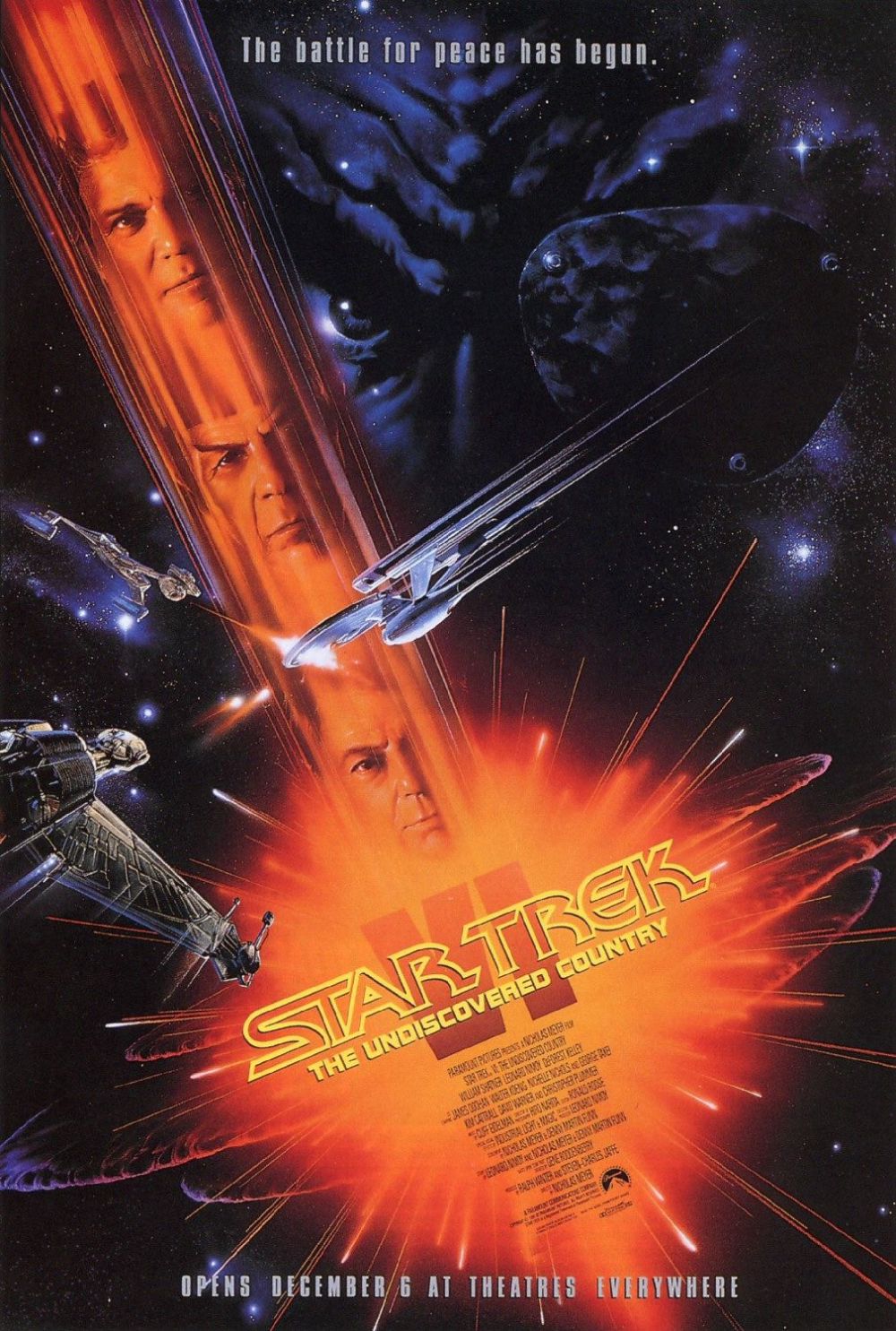
Yes, ladies and gentlemen, it has now been 25 years since “Star Trek VI: The Undiscovered Country” arrived in movie theaters. I still remember watching it with my parents at Blackhawk Cinemas like it was yesterday, thrilled that the original crew of the starship Enterprise managed to get one last adventure in space. For a time, it looked like that would not happen as “Star Trek V: The Final Frontier” almost killed the franchise, but thanks to Leonard Nimoy taking on executive producing duties and Nicholas Meyer returning to the director’s chair, Kirk, Spock, McCoy and the rest of the crew got a wonderful sendoff as they struggled to bring about a truce with their longtime enemies, the Klingons.

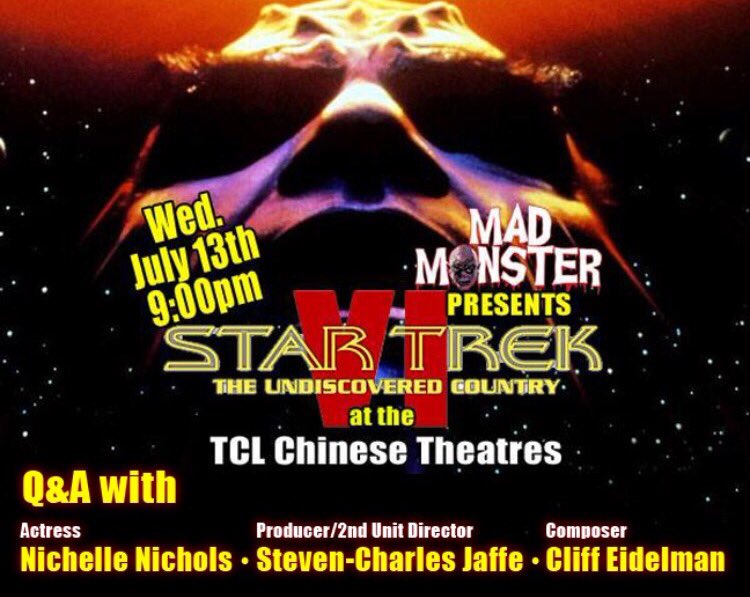
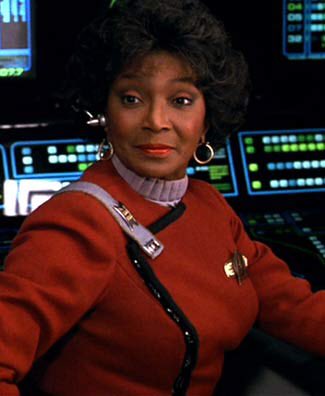
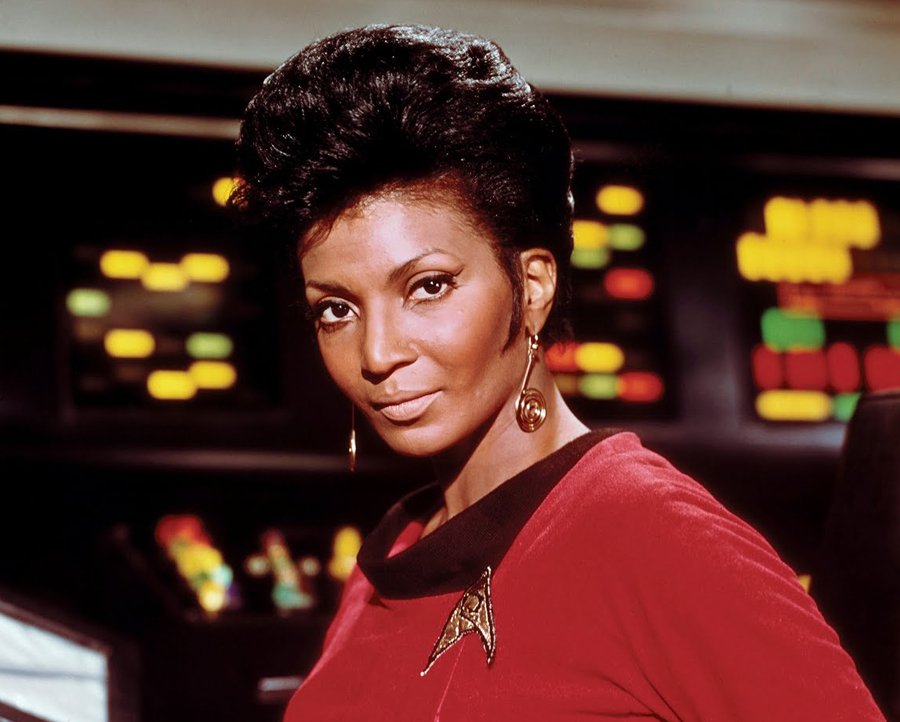
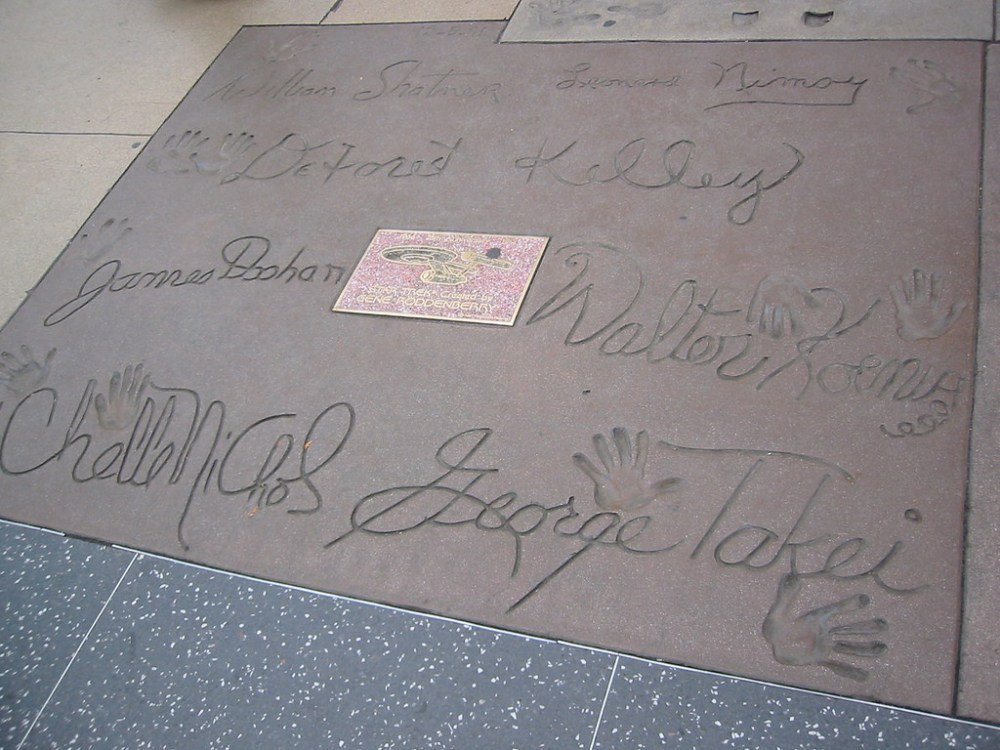
On July 13, 2016, Mad Monster hosted an anniversary screening of “Star Trek VI” at the TCL Chinese Theatres in Hollywood. It was the perfect place for this screening as “Star Trek VI” had made its debut at Grauman’s Chinese Theatre next door, and the cast got to write their names in the cement outside of it. Appearing for this screening were producer Steven-Charles Jaffe, composer Cliff Eidelman, and Nichelle Nichols whom we all know and love for playing Lieutenant Uhura.

Star Trek VI Nichelle Nichols

Nichols was asked how she first got cast as Uhura on the original “Star Trek” television series, and she said that she didn’t remember as that this character has been with her for so long and that she likes “the gal” and described her as “nice company.” When it came to getting cast in this iconic role, she replied that she was “just lucky I guess.”

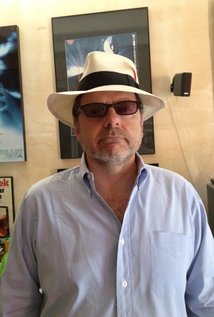
Steven Charles Jaffe

Jaffe pointed out that he previously produced “Ghost” and that Whoopi Goldberg told him if it weren’t for Nichols, she never would have become an actress. Goldberg had watched the original series and felt Nichols was such an inspiration to her and many generations of young actors as her role really represented racial diversity. Jaffe was also eager to add the following:

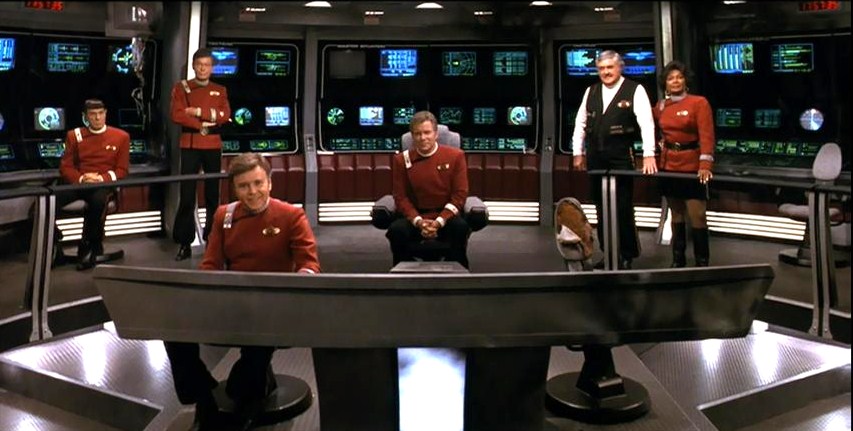
“The last week of shooting this movie, I was on the bridge of the Enterprise and we were setting up a shot and I was looking at the original cast, including Nichelle, and I had this very interesting flashback of being a little boy in Stanford, Connecticut in my pajamas watching ‘Star Trek’ on television with these same people, and here I am producing this movie and thinking what a lucky guy I am. I don’t know how this happened, but how special was that?”

To this Nichols added, “I was the lucky one.”

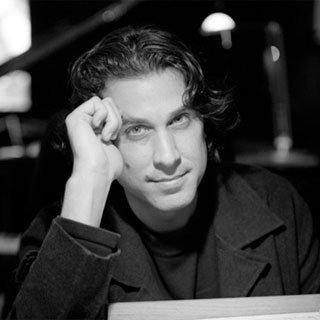
Cliff Eidelman

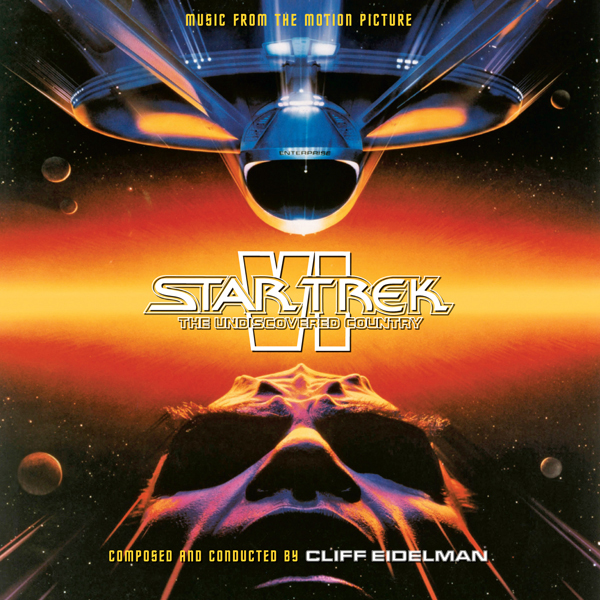
Eidelman’s score to “Star Trek VI” remains one of the most haunting of the franchise and helped propel the composer to new cinematic heights. But it turns out that Meyer wanted Eidelman to adapt Gustav Holst’s orchestral suite “The Planets” as opposed to creating an original score. Eidelman said he had studied that piece “a little” in college but lied to Meyer and said he studied it a lot. However, Eidelman had something else in mind.

“The truth is I didn’t want to adapt ‘The Planets,’” Eidelman said. “As a young composer I wanted to write an original score that would be original for this project, but I didn’t say that to Nick and I kind of played along. Not long after we started talking about it I started writing original themes, and at some point I think the people at Paramount started to inquire about the cost of licensing ‘The Planets’ from the Holst kids. I think the cost was apparently very expensive. But anyway, you (pointing to Jaffe) came by my apartment along with some people from Paramount and Nick, and I started to play these themes of mine on my old upright piano, and I was humming what the strings would do and what the brass would do. And at some point I think Ralph Winter or somebody turned and said, ‘Well why are we licensing ‘The Planets’ when we’ve got this theme?’ So that was the end of ‘The Planets’ and I was able to go off and write my own score.”

maf7117booklet.indd

Nichols spoke at length about Gene Roddenberry, the man who created “Star Trek” and set the whole franchise in motion.

“I knew Gene before I went on the show, and he told me what he was planning and what it was going to be and that it would be on television,” Nichols said. “He wanted me to be a part of it, and I got nervous (laughs) because I loved working for him and he is very particular. But I think that was why I liked working for him because you didn’t have to guess what was going on and you didn’t have to guess what you were going to do. If you had something that you wanted to give beyond what you thought he was talking about, he was very open to listen to it and say yes or no just like that. Fortunately, he said yes more than he said no to me.”

In addition to producing “Star Trek VI,” Jaffe was also the movie’s second unit director. He said he has directed second unit on every movie he ever produced and that this started on Meyer’s first movie, “Time After Time.” The first thing Meyer had Jaffe shoot on “Star Trek VI” was the ice planet in Alaska, and in the process he said he experienced “premature global warming.”

“I went up to Alaska on this glacier three weeks before we started filming,” Jaffe said. “I storyboarded everything, I had every shot, every location I thought locked down, and three weeks later I came back with a full crew and several helicopters and everything was gone. They said, ‘Well, glaciers do move.’ And I said, ‘They don’t move that quickly.’”

“My job was to not stand out,” Jaffe continued. “It was weird because I had never shot second unit before the movie began, and I was very nervous because the studio would see my dailies before anybody’s. I figured somebody is probably doing this to get me fired off this movie really quick. Fortunately, Leonard (Nimoy) who was one of the producers and the studio liked what I did, and that was that.”

Jaffe also talked about how he and Meyer had finished making a movie in Germany before “Star Trek VI” (“Company Business”) when the Berlin Wall came down. Unfortunately, the studio they did it for was having a hard time and the movie got a horrible release. The two of them were hanging out at Meyer’s house in London when Nimoy called and told Meyer, “I got a new idea for ‘Star Trek;’ the wall falls down in outer space!” Jaffe said Meyer hung up on Nimoy and that they were both very drunk at the time, and Jaffe encouraged Meyer to call Nimoy back.

“Wait a minute, you don’t get this opportunity too many times,” Jaffe remembered telling Meyer. “It isn’t the same movie, but it’s the same theme as the film we just made. ‘Star Trek’ will get a release. We’re crazy not to do this.”

Before the Q&A ended and the movie began, Nichols had the last word of the evening as she talked about her most important addition to the character of Uhura before the cameras were rolling on the original “Star Trek” show.

“They hadn’t named her yet and I said, ‘What about Uhuru?’ And they looked at me funny and I said, ‘It means freedom.’ They said, ‘Well it’s kind of harsh.’ And I said, ‘Well, make it Uhura.’ And he (Roddenberry) says, ‘I like that.’ And I said, ‘I do too!’ And I became then and there for the rest of my life Uhura, and I’m glad to be here with you.”

Nichelle Nichols orginal Star Trek

Technically, the 25th anniversary of “Star Trek VI: The Undiscovered Country” doesn’t occur until December 5, 2016, but it’s never too early to celebrate. This “Star Trek” movie succeeded in rejuvenating the movie franchise and helped give the original Enterprise crew the sendoff they richly deserved. After all these years it remains one of the best in the series as its themes of war, peace and change still resonate deeply in our everyday affairs. With “Star Trek Beyond” coming soon to theaters and a new “Star Trek” television series on the way, there is no doubt that this franchise will continue to live long and prosper from one generation to the next.

Star Trek Chinese Theatre

Star Trek VI last show of the crew

Star Trek VI poster

‘Zero Days’ Interview with Eric Chien


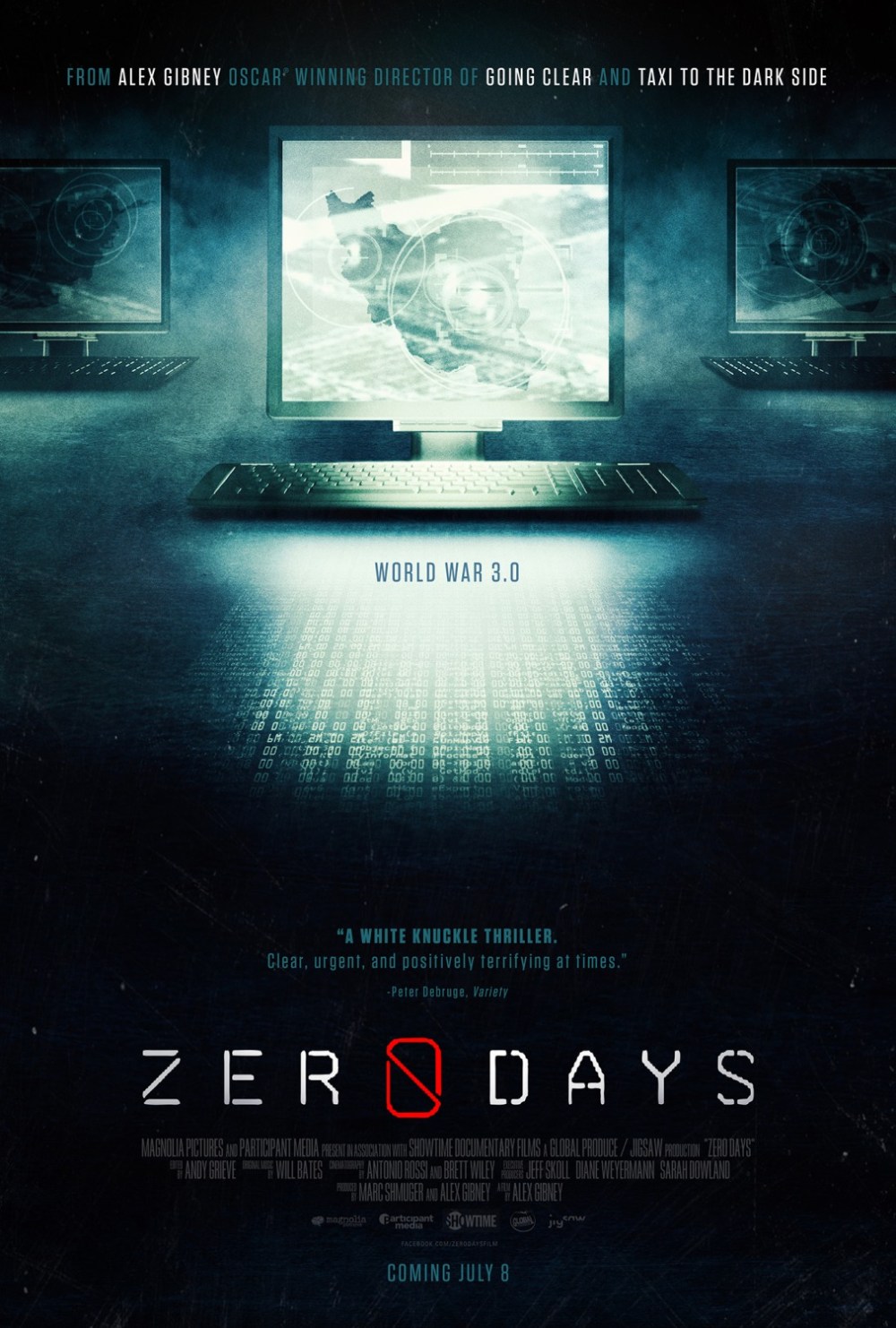
Zero Days poster

Alex Gibney is the most prolific documentarian working in movies today, and his latest documentary, “Zero Days,” may prove to be his scariest yet. Its main focus is on Stuxnet, the self-replicating computer virus invented by the United States and Israel to infiltrate and sabotage the Iranian nuclear centrifuges at Natanz. This movie reveals that the virus was part of a massive clandestine operation which involved the CIA, the NSA, the United States military and Israel’s intelligence agency Mossad to build and launch secret cyber bombs that could plunge the world into a devastating series of attacks which could shut down electricity, poison water supplies and turn cars, planes and trains into deadly weapons. But what’s especially terrifying is how the use of this virus could happen without anyone, even our own government, knowing who is responsible.

I recently got to speak with Eric Chien, one of the people Gibney interviewed extensively for “Zero Days.” Chien is a Distinguished Engineer and the Technical Director of the Security Technology and Response division at Symantec. He was one of the lead authors of Symantec’s groundbreaking research on the Stuxnet virus and has since become one of the foremost authorities on it. I first asked him about how the virus relates to a number of devices or programs we have seen in various science fiction movies.

Zero Days Eric Chien

Ben Kenber: When I look at the Stuxnet virus, I can’t help but think about Skynet in the “Terminator” movies or the black box in “Escape from L.A.” or Joshua/WOPR in “War Games.” These things came to mind especially one I was told that the Stuxnet virus is autonomous, meaning that no operator commanded it to attack in that it attacks on its own without human intervention. What are companies like Symantec doing to contain this virus, and is it even possible to contain this virus?

Eric Chien: There is no such thing as 100% security. If anyone else comes to you that is trying to sell you something and they say you are 100% protected, you should just run away. The thing is it’s a cat and mouse game. And to be honest it’s not even the most sophisticated and complex things that can have the biggest impact. Some things that can actually be very trivial and totally unsophisticated can have a huge impact. We’ve seen, especially coming out of North Korea, a lot of wiping attacks, and what that means is that they get a piece of malicious software in your machine and they just erase all your data. This is a very simple piece of malware to create. It could literally be 10 lines of code to get on and wipe your machines, and that could have a huge impact. We saw it have a huge impact in Saudi Arabia where their networks were totally wiped. Basically South Korean broadcasters and all their biggest banks, all wiped all at the same time. Obviously it was North Korea. 99% of all the malicious software we get is cybercrime, people trying to make money essentially. Right now we are seeing a huge uptake in what we call ransomware, and they are not even going after individuals anymore like they used to. Now they are going after corporations or entities, in particular hospitals. Hollywood Presbyterian got hit by a ransomware attack where the attackers got in with a simple program that basically just encrypted all their files, and they said if you want your files back you have to pay us. They held their data for ransom. They (the hospital) paid $17,000 and had to close their hospital, they had to transfer all the patients out, all their MRI machines, nothing was working and they lost all their patient data. So that’s why they had to pay because they didn’t have the backups.

BK: How much did you work with Alex Gibney on the documentary?

EC: Alex and his team, a guy named Javier Botero was his co-producer and a main research got, came in and I sat for five hours for a one on one interview. Then Liam (O’Murchu) came afterwards, five hours, one-on-one interview. And that was it, and then he produced all of that. We have done things where I have sat for 10 hours and got way less out of it, so we were actually quite impressed. They came in very well-prepared. At one point I was talking about something and Javier said, “Oh but that’s Stuxnet .5, isn’t it? The earlier version?” And I was like, “Oh yeah, that’s .5. They were just really, really well prepared and they knew the right questions to ask, and obviously even when I said something wrong at one point he reminded me that I was not talking about the right thing. All the graphics you see of code on the screen are not random pieces of code. They are exactly the pieces of code that we are talking about at the time that they are displayed. After we had done our interviews they came back asking for this and that, and it was really interesting to see how meticulous they were being.

BK: I visited the Symantec office in Culver City and noticed they have a War Room there. Did you ever go in that room to discuss the Stuxnet virus?

EC: Yeah. We were in that War Room, but we actually have a War Room you probably haven’t seen which allows us to do encrypted communications with other offices, and we call it our Halo Room. Basically it’s… It’s hard to describe. Imagine you cut this table in half so you have kind of a half table, and there’s this really big screen that kind of curves in front of you like this and it’s like full HD. The other office has half a table on their side, and so it looks like they really are there. All the sound and audio is all directional, so someone over here you hear them over there. So we use that room more frequently because in our other War Room that we have, it’s just classic teleconference which is great, but this room obviously affords much more interaction.

“Zero Days” opens in Los Angeles and will be available to watch on iTunes starting July 8. I want to thank Eric Chien for taking the time to talk with me.

Click here to visit the “Zero Days” website.