With the horror film “Honeymoon,” Leigh Janiak gives us one of the strongest directorial debuts I have seen in a while. It stars Harry Treadaway and Rose Leslie as Paul and Bea, a newlywed couple who spend their honeymoon at a beautiful cabin overlooking the river only to see their new beginning descend into chaos as sinister forces begin to tear them apart. For a first-time filmmaker, Janiak never takes a wrong step as she generates strong levels of suspense and horror and succeeds in maintaining them all the way to the movie’s infinitely creepy conclusion.
Janiak dropped by the Four Seasons Hotel in Los Angeles, California for the “Honeymoon” press day just before the movie was released. She studied creative writing and comparative religion at New York University, and then she later enrolled in a doctoral program at the University of Chicago which dealt with modern Jewish studies with an emphasis on violence and identity in post–World War II Hebrew literature. It was there her interest in movies skyrocketed after she met a group of student filmmakers known as Far Escape Films. As a result, she dropped out of her doctoral studies and moved to Los Angeles to pursue a career making movies.
Many wondered what horror movies inspired “Honeymoon” as well as which ones are her favorites. In regards to inspirations, her answer was a bit of a surprise.
“Well certainly ‘The Invasion of the Body Snatchers’ is the most kind of thematically influential on it,” Janiak said. “‘Rosemary’s Baby’ and ‘The Shining,’ those are kind of my favorite horror films generally. I like grounded horror where you really spend time with the characters and you get to this place of uncomfortableness.”
For myself, I was very interested in finding out how she maintained the suspense throughout “Honeymoon.” I kept waiting for the movie to make a wrong turn which would ruin everything which came before it, but that never happened. For a first time director, she really kept us on the edge of our seats throughout in a way I didn’t expect. I asked her how she managed to accomplish this feat.
“I think that the reason that works is because Harry and Rose’s characters are each transforming in different ways,” Janiak said. “So it was only challenging in so far as knowing that Rose would be on one page for her character internally and Harry is on a completely different one. We have to make them still interacting and keeping these things from one another so we recognize that as an audience we sense the unease. We sense things are going wrong with each of them even though we don’t know what and just making it feel like ‘okay enough. We know something secret is happening.’ It was just about balancing their transformations.”
After the interview ended, I asked Janiak which version of “Invasion of the Body Snatchers” she likes the best. There have been four different cinematic adaptations of Jack Finney’s novel “The Body Snatchers,” the most recent being the 2007 movie “The Invasion,” and she said she enjoyed the first two versions the most but the one with Kevin McCarthy, the 1956 version directed by Don Siegel, is her favorite
Here’s hoping that we get to see many more movies from Leigh Janiak in the near future. “Honeymoon” is now available to own and rent on DVD, Blu-ray and Digital.
PLEASE NOTE: THIS ARTICLE CONTAINS SPOILERS ABOUT THE MOVIE.
Tommy Lee Wallace dropped by New Beverly Cinema on October 30, 2010 to talk about his directorial debut, “Halloween III: Season of the Witch.” This is the Michael Myers-less sequel of the long running franchise and it played as a double feature with “Trick ‘r Treat.” All the “Halloween” movie fans were in for a special treat as Wallace gave us more trivia about the making of it than we ever could have ever expected.
When Wallace was brought up after the movie ended, he admitted his reaction to watching it after so many years was that it resembled one of the strangest and most bizarre movies he had ever seen. The original plan for “Halloween III” was to work from an original screenplay by Nigel Kneale, best known for his work on the “Quatermass” series. What Kneale ended up writing was, as Wallace put it, “brilliant and deeply, darkly grim” and more of a cerebral, intellectual horror movie than your typical slasher fare. But it turned out everyone thought the overall story needed work, and Wallace said he and Carpenter wanted to make it more commercial and scarier for audiences. As a result, Kneale took his name off the movie as he felt the filmmakers would simply butcher all he came up with. Wallace did say that he really liked Kneale’s script and hopes to put it online someday in its entirety for all to see.
While making the movie, Wallace described himself and the crew as being under the gun as it was a low budget affair like most horror movies. Understanding how to do work on the cheap, he said all the “el cheapo” special effects taught him a lot about simplicity which turned out to be a great virtue.
As for Carpenter’s participation, Wallace said Carpenter gave him full autonomy as he himself always expected to have it on all his movies. Joe Dante, the director of “Gremlins” and “Innerspace,” was originally set to helm “Halloween III,” but he later turned it down when something else came up. Having worked on many of Carpenter’s movies, Wallace was originally offered the gig of directing “Halloween II,” but he turned it down as he saw no way to top the original. But upon being offered “Halloween III,” Carpenter and the late Debra Hill told him neither of them wanted to do a direct sequel as Carpenter hated “Halloween II.” With that in mind, Wallace jumped at the chance to direct it.
The only real barrier Wallace had to deal with before accepting the job was getting the blessing of Dino De Laurentis. Wallace had previously written the script for a movie De Laurentis produced called “Amityville II: The Possession,” and he said the one rule everyone needed to remember was “you do not fuck with Dino.” In response to Wallace’s request, De Laurentis begged him not do the film, but Wallace said he was determined to get De Laurentis’ blessing because he would have directed it anyway.
With “Halloween III: Season of the Witch,” Carpenter and Hill wanted to turn the franchise into an anthology of movies about the occasion of Halloween. Looking back, the original was really not about Halloween at all (the original title was “The Babysitter Murders”). But when it came to releasing this particular “Halloween” movie, Wallace said Universal Pictures did not do enough to prepare audiences for it. Sadly, audiences did not want something new. They wanted Michael Myers back and breathing heavy while slashing over stimulated teenagers.
One of the biggest influences on “Halloween III” was the 1956 version of “Invasion of the Body Snatchers” directed by Don Siegel. Like that one, this sequel was meant to be a pod movie and could not be mistaken as something nice. Wallace even wanted to shoot it in Sierra Madre where Siegel’s classic was filmed, but it didn’t look good enough. The production team had driven all over Northern California looking for the perfect small town to film in, and it took forever to find it. Wallace said they were never as lucky as they were with Carpenter’s The Fog.” Also, the town’s name, Santa Mira, is the same as the one used in “Invasion of the Body Snatchers.”
But the big difference between “Invasion of the Body Snatchers” and “Halloween III” is in the way each movie ended. Siegel wanted his film to close on a highway with star Kevin McCarthy screaming frantically, “THEY’RE ALREADY HERE! YOU’RE NEXT! YOU’RE NEXT!” Instead, “Invasion” ended the same way it began, in a police station. All this did was indicate to the audience everything was going to be alright. Wallace said the ending of “Halloween III” was dedicated to Siegel for what he tried to pull off, and it leaves the fate of the world up in the air which makes things far scarier as your mind was forced to imagine what could have happened. Universal Pictures, however, put pressure on Carpenter to change the ending to something more upbeat. When Carpenter asked Wallace if he wanted to change the film’s ambiguous climax, Wallace said he refused to do so and Carpenter defended Wallace’s decision to the studio.
Tom Atkins’ name in the credits as well as his first appearance onscreen generated a huge applause from the audience. When it came to casting “Halloween III,” Wallace said Atkins was already a part of Carpenter’s company of actors, and his performance in “The Fog” served as his audition for the role of Dr. Daniel Challis. Wallace then went on to explain how horror movies can easily be ruined by “pretty boy casting,” and he felt this didn’t need to be the case here. Atkins naturalistic performance is commendable considering much of what he has to deal with is utterly ridiculous. You also have to give him credit for wasting no time in bedding the main female character, Ellie Grimbridge, played by Stacey Nelkin.
Another actor who got a lot of applause was the late Dan O’Herlihy who portrayed the movie’s chief villain, Conal Cochran. Wallace described O’Herlihy as being perfect for the part, and he was always prepared and ready to go. He also said O’Herlihy was a man from the British Isle, Irish and was someone who was never afraid of getting sentimental. O’Herlihy’s performance was a fiendish mix of a friendly persona which is a cover for his grisly nature.
As for Nelkin, the first question from the audience was whether or not her character was a robot throughout the entire movie. Wallace said he honestly didn’t know and figured Cochran’s company was really good at making robots in the first place. Nelkin was a very appealing presence in “Halloween III,” and perhaps Roget Ebert put it best in his one-and-a-half-star review of the movie: “Too bad she plays her last scene without a head.”
Then there’s the movie’s commercial for the Silver Shamrock masks which features one of those annoying jingles which, like any other commercial, you cannot get out of your head. Alan Howarth, who composed the score along with Carpenter, was given credit for doing the jingle and putting it to the tune of “London Bridge” from “My Fair Lady,” but Wallace said it was his idea more than anyone else’s.
As for the voice on the jingle, it is Wallace’s. They were originally going to hire someone else, but when they found out the guy wanted $550, it was quickly determined they couldn’t afford him. Wallace got the job soon after and said he got into the mood by doing the smooth tone of a “stupid radio voice from the 50’s.”
Another audience member asked Wallace if there were any product placements in “Halloween III,” and he said there were not. Truth be told, this wasn’t really the kind of movie which would allow for that, and it was also clarified how no one was ever asked to move the can of Miller Lite closer to the camera.
“Halloween III: Season of the Witch” was designed to be a diatribe against consumerism, and it didn’t turn out to be a very elegant one. The movie cost $2.5 million to make and grossed about $14 million at the box office. While it did make a tiny profit, the sequel was considered a critical and commercial disappointment. Wallace said he fell into an abject depression for months afterwards as he felt he did a shitty job on the sequel and figured he would be consigned to movie hell.
Years later, however, Wallace discovered “Halloween III” had developed a cult following and a new generation of fans. He was stunned to hear a lot of people telling him they watch it every single year, and he said people continue to invite him to speak at annual horror conventions about it. Having been originally released in 1982, audiences have had plenty of time to reflect on the kind of movie it was and reevaluate it critically. While still not a great film by any stretch, it’s much better than its reputation suggests.
Certainly, there are other “Halloween” sequels that are far worse (“Halloween: The Curse of Michael Meyers” is the pits), and the moderator put it best when comparing the third movie to “Halloween: Resurrection:”
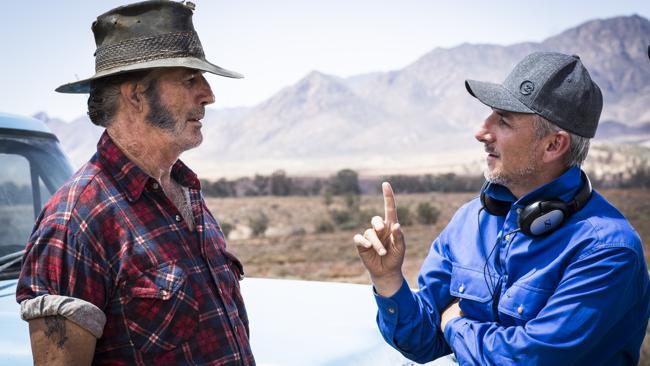
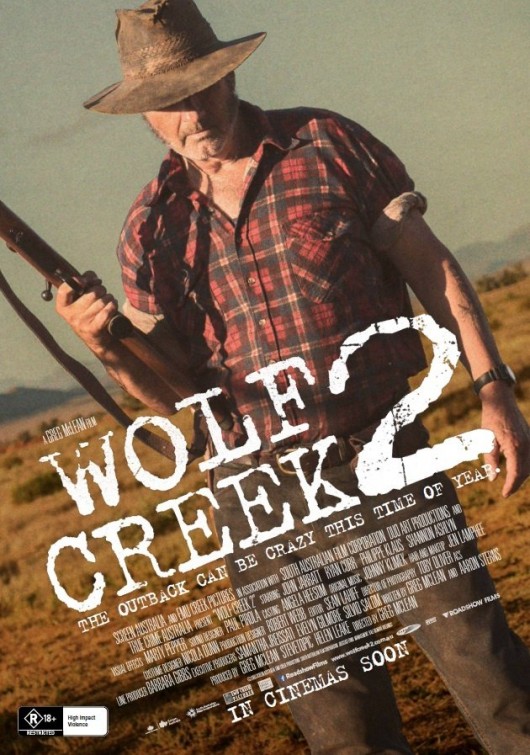
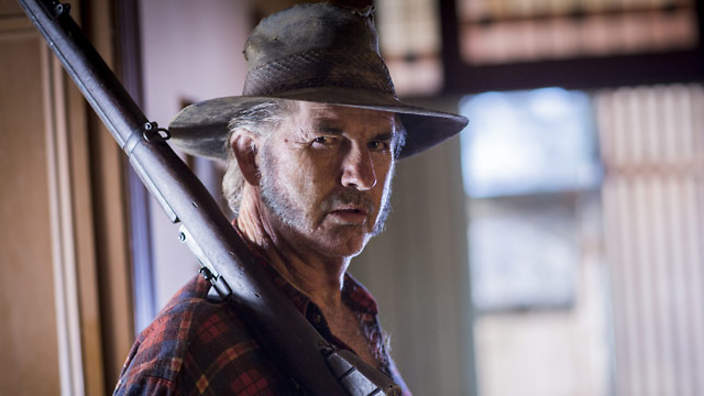
Australian film director Greg McLean returns to the scene of the crime with “Wolf Creek 2,” a movie which, supposedly anyway, is based on actual events. The original “Wolf Creek” came out in 2005 and introduced us to the relentless serial killer Mick Taylor (played by John Jarratt) who captures a group of backpackers and tortures them without any remorse. Now Mick is back to take on another group of tourists who make the mistake of crossing his path and have the serious misfortune of not being from his home country. If you are not a proud Australian and are not fully aware of the country’s rich history, pray you don’t run into Mick.
McLean also directed the killer crocodile horror film “Rogue,” and he is said to be a member of the unofficial “Splat Pack.” This term, which was created by film historian Alan Jones, refers to the modern wave of directors who make brutally violent horror films, and other members include Alexandre Aja, Neil Marshall, Eli Roth, James Wan and Rob Zombie. I spoke with McLean about “Wolf Creek 2” and he talked about how a sadistic psychopath like Mick Taylor can be strangely appealing, how this sequel differs from the original, and he pointed out the differences between making a film in Australia and the United States.
Ben Kenber: This was a terrific sequel, and it was great to see John Jarratt return as Mick Taylor. Mick is one of the most sadistic psychopaths ever put in a movie, and yet there is something about him which is undeniably appealing. Why is he so memorable and why are we drawn to characters like him?
Greg McLean: I think that people are generally fascinated with evil and true crime. A character like Mick Taylor represents a very interesting way of peering into a very, very dark psyche. People are fascinated with the nature of evil, and I think the appeal of a character like Mick Taylor is to really get a chance to examine someone who is completely devoid of any sign of humanity. He’s really incredibly dark and twisted, and he’s very terrifying. I think people who like horror films and thrillers and like being scared enjoy coming face-to-face with really disturbing personalities. There is a long history of really fascinating, evil characters and I think people are intrigued at how their personalities work.
BK: When it came to doing a sequel to “Wolf Creek,” was it something you had planned on doing all along, or did you consider doing it after the original movie was finished?
GM: My plan was always to see if the movie worked and people liked it. If people embraced the character (of Mick Taylor), then there will be a chance for another film. So it was always in my mind to do it, it just took a lot longer to get around to it than I thought it ever would (laughs).
BK: Regarding John Jarratt’s portrayal, did you develop the character with him or was it largely his creation?
GM: Well we obviously did the first film together so we had a background to how to approach the character and a discussion on what the character is about. We had been talking about this particular draft of the screenplay (for “Wolf Creek 2”) for a couple of years, so there were certain things we wanted to explore and certain aspects of the character we wanted to bring up, and we kept evolving it on set. Obviously John makes choices as an actor, and then some of those things are in the script and some are developed in the moment. When we got together, we just kind of jammed and came up with cool things to do.
BK: Since the script was in the development stage for a couple of years, did that make it easier for you to return to the character of Mick Taylor and the original movie’s setting?
GM: It certainly enabled us to mine the thematic ideas that we wouldn’t have had if we didn’t have such a long gestation period. We had a script a couple of years ago and it was good, but it just wasn’t amazing. I realized that there was an element to it that was missing and which was making me not want to pull the trigger on it, and what it didn’t have was a kind of somatic investigation into the character that I thought we needed to have. Then once I locked into that concept, then there was enough new information we revealed about his character that I thought it be worth making the film. We also wanted to make a different genre film. The first film is very much a first-person, true crime, real terror film whereas this one I wanted very much to explore the thriller film, and it’s more of an action film. It has horror elements, but it certainly is a different structure in terms of what kind of film that is.
BK: I agree, it does have a different structure and feels more like a road movie. Speaking of that, how did you manage to pull off the sequence where Mick Taylor launches the big rig truck into Paul Hammersmith’s (played by Ryan Corr) car?
GM: We just found a big hill and dropped the truck off it (laughs). It’s much easier to do stuff like that in Australia than it is in the (United) States. Doing things over there is still a bit of the Wild West. It’s interesting because I’m doing a film right now in Los Angeles and I showed that scene to some people and they were just like going, “Wow! How did you do that?” And there’s a shot after the actual truck hits where the fire is just actually continuing to burn the hillside, and everybody was freaking out about that. I said, “Why is that so weird?” They were just going, “Oh my god, how did you let the hill keep burning?” The restrictions are very intense. Obviously there are rules and regulations here and there are in Australia as well, but they were just fascinated by the idea of just literally destroying a truck and letting it burn a hole in the hill. We had fire brigades in the back, and we were able to just do some really crazy stuff. We also wanted to do it in a very practical way. I love doing CG stuff and we used a lot of CG for the kangaroo sequence, but some things I feel are just better to get onscreen practically because you see the texture of things and the physics of moving in a particular way that’s kind of cool.
BK: Yeah, I think that’s what I liked most about that sequence because it really did look real. In most American films, filmmakers would more likely film a sequence like that with CG.
GM: Yeah, I think that part of that is kind of a budgetary thing as well. When you have a low budget you have to find more practical ways of doing things. Digital effects, if you want them to, can be ultra-photorealistic and necessarily expensive. The other way to do it is to find a location you can do something like that and ask to just do it. For all the driving stuff in that sequence, we just closed down highways and did crazy driving on them for two weeks and got all the shots. It was great fun doing a sequence like that.
BK: Looking at those empty highways reminded me of “The Hitcher” with Rutger Hauer and C. Thomas Howell. You have this great open space, but still there’s something about it which is quite claustrophobic.
GM: Well I think the first movie had a very particular primary feed that it was drawing on, and this film to me was really about the fear of isolation in a desolate place. What most of the fear comes from is the primary idea of that which is quite different from the first film. The first film had a different emphasis which was more about the randomness of violence in the real terror that comes from believing someone is something and then suddenly seeing them transform. This one is really much more about exposing the audience to the real terror which comes from extreme isolation and being pursued by a character that is just relentless.
BK: What elements do you believe a horror movie should have in order for it to be successful?
GM: Two things. One, it needs to be based on a primary universal human fear that touches the psychic pressure point. Number two, the film has to have three, if not more, unique and believably memorable set pieces or things that people will talk about when they leave the cinema for hopefully weeks if not years, and that’s it.
I want to thank Greg McLean for taking the time to talk with me about “Wolf Creek 2.” The movie is now available to own and rent on DVD, Blu-ray and Digital.
It’s been a long time coming, but Australian actor John Jarratt finally returns to his famous role of serial killer Mick Taylor in “Wolf Creek 2.” When Jarratt first played this role back in the 2005 original, he succeeded in giving us one of the most terrifying psychopaths the world of cinema has ever seen. But at the same time, he also made Mick into one of the most amusing as well, and while watching him in this sequel you can’t help but laugh with him even as he becomes increasingly sadistic. Now he’s back to terrorize a new group of backpackers from other countries who don’t quite share his love for Australia.
I got to talk with Jarratt while he was doing press for “Wolf Creek 2,” and it was a real pleasure chatting with him. The sequel isn’t so much a horror movie as it is a thriller and a road movie, and Jarratt talked about the change in tone between the two movies. In addition, he also discussed how he based Mick Taylor on his father, how method he was in his approach to playing him, and of whether or not movies like this will affect tourism to Australia.
Ben Kenber: Thanks for another great performance as Mick Taylor. It was a lot of fun watching you play him once again.
John Jarratt: Thank you very much.
BK: You’re welcome. There was a long break between “Wolf Creek” and “Wolf Creek 2” (about eight years). Were there any changes for you in the way you portrayed Mick Taylor between the two movies?
JJ: No, not a bit. It was exactly the same. He’s not the kind of guy who has growth.
BK: That’s true. It was said you stayed in character during the making of “Wolf Creek.” Was this also the case on the sequel?
JJ: Not so much because I knew what worked, but you have to stay within the realms of it. You can’t be having a coffee and just fall back into John Jarratt and then some guy says, “Come over here and cut this person’s head off,” you know? So you’ve got to kind of stay in the zone if you know what I mean (laughs).
BK: But it’s not like Daniel Day-Lewis who stays in character 24 hours a day obviously.
JJ: No, I think that’s a bit of a wank, but anyway. With Mick Taylor, I tend to go a little bit method because he’s a psychopath and a serial killer, and it’s a long way from who I am, you know? So I have to work at that. People say you’re a method actor, and I just say I’m a professional actor.
BK: It was said that you based Mick Taylor on your father but that you filled in the evil bits because your father is clearly not evil. When it came to the evil bits, what exactly did you add?
JJ: Well if Mick Taylor wasn’t a psychopath and a serial killer, if he wasn’t bent, and if he was the guy you thought you knew at the hotel at the bar if you met Mick, that’s my dad. But like all serial killers he’s bent and everyone says, “He seems like such a nice guy and he’s a terrific fella. He’s quiet and he was a good neighbor and he’s mutilated 27 people, but…” The hard part for me was to find that part of Mick, that psychopath side, and find a way that he was comfortable with it, you know?
BK: Yeah. It reminds me of when Anthony Hopkins played Hannibal Lecter in “The Silence of the Lambs” where he said he wasn’t so much interested in doing research on serial killers. Instead, he worked on finding the psychopath or the crazy person within himself.
JJ: Yeah.
BK: While the original was a full out horror movie, and one of the scariest and unnerving in recent memory, “Wolf Creek 2” is more of a thriller and a road movie. How did you feel about that shift in tone this time out?
JJ: In a way, sequels are lose, lose affair, you know? If we made it pretty much the same as the first one, you’d all be complaining about that we didn’t go anywhere with it. But if you change a little, then everyone says it’s not like the first one. To me, I thought it was a good movement on the first one. The first one you wait for the monster to come out of the cage which is about halfway through the movie, and it’s the set up that’s scary and then how he becomes (who he is) and everyone freaks out. With the second one we all know who he is, so it’s a waste of time doing that so you get them from the get-go. It’s not unlike the first one much when Mick turns up because, as you may remember in the first one, they (the unlucky tourists) drive my pick up over a cliff and then I chased them in a car and I blow the girl way, and that’s the end of the movie. So there’s a bit of chase in that one, but a hell of a lot more in this one because you get the Mick thing happening from the beginning rather than halfway through.
BK: The scene where Mick Taylor sends that big rig truck rolling down a hill where it crashes into Ryan Corr’s jeep gives “Wolf Creek 2” one of its best action sequences. Were you on the set when it was shot?
JJ: Yeah, I was there. It was fantastic (laughs). The funny thing was that the jeep came down the hill and landed like nothing had happened to it. We didn’t expect that, but it says a lot about the jeep I’ve got to say. Then the big truck comes down and creams it, and it was a great day. They were 20 cameras on it watching the truck come down the hill. In real life it was quite stunning.
BK: I imagine it was. If this was an American production, I bet they would’ve used CGI effects instead, but the fact that you did the real thing makes the sequence all the more thrilling to watch.
JJ: Yeah, it was great. It was like “Mad Max” days, you know? It’s what Aussies do really well.
BK: What would you say you added to this character that wasn’t in the script or which Greg McLean didn’t come up with?
JJ: I don’t think I added anything. He (McLean) was there for the entire film. There was more opportunity for a lot more humor I suppose, but I honestly didn’t add anything. I just knew a hell of a lot more, and I thought Mick was pretty funny in the first one. I think about 90% of this film is Mick as opposed to 50%. I think that’s the difference, I really do, so I didn’t do anything differently except you see even more of what he does. I suppose that’s different.
BK: The black humor in this movie is very clever.
JJ: Yeah, you’ve got to have a laugh. You got to remember that he (Mick) is having a ball and he’s got a great sense of humor. If you met him in a bar you’d think he was a lot of fun; he’s a big barrel of happy-go-lucky and a fun kind of guy. He’s having a ball playing games with these Pommy backpackers, so I think it lends itself to comedy.
BK: A lot of people might look at a movie like this as if it will decrease tourism to Australia, but I think it will increase it because people travel to different countries for a variety of reasons. What effect do you think “Wolf Creek 2” will have on tourism?
JJ: I tend to think that tourism improves with these kinds of films and “Crocodile Dundee” kind of films. If someone gets eaten by a crocodile in the northern territory in Australia, the tourist numbers go up from the publicity it gets. So I don’t think people will be frightened (from travelling there) really.
I want to thank John Jarratt for taking the time to talk with me. “Wolf Creek 2” is now available to own or rent on DVD, Blu-ray and Digital.
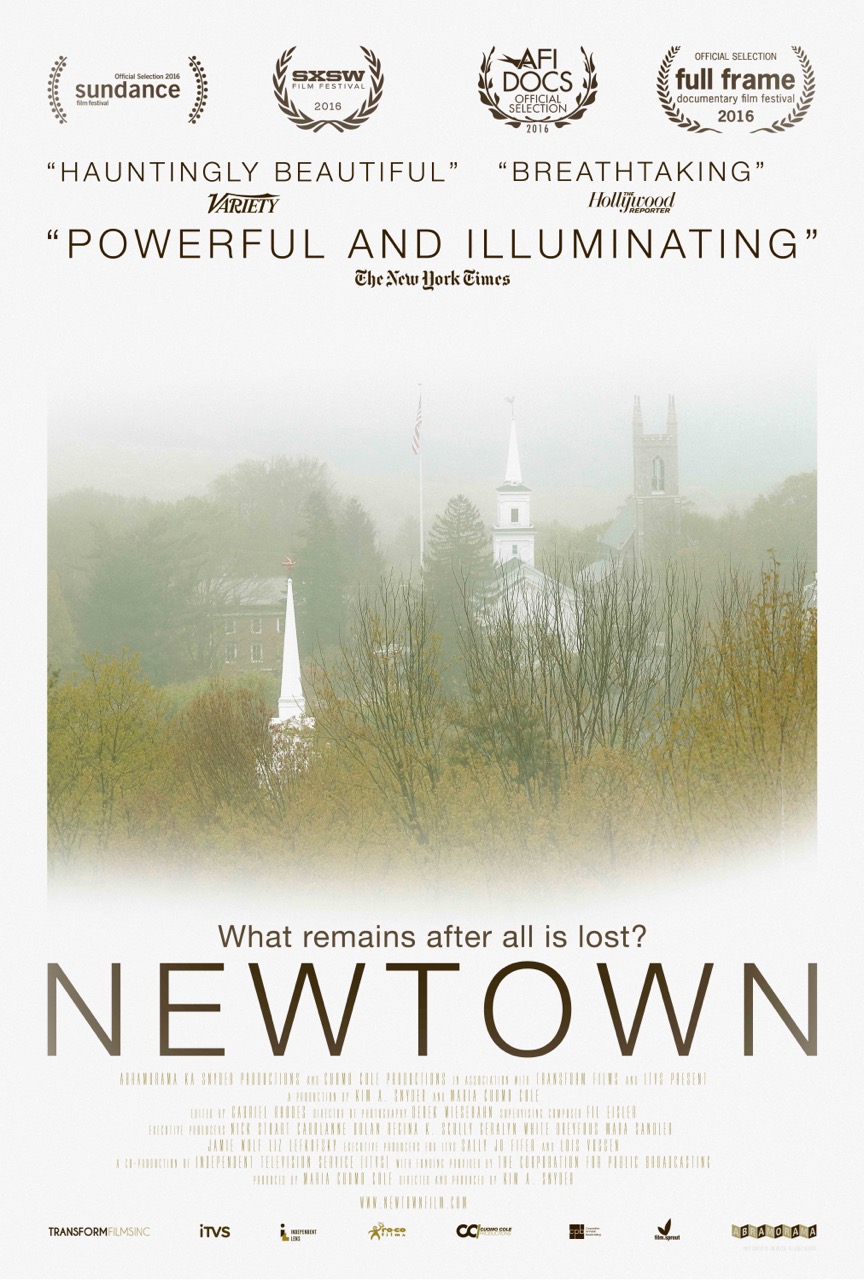
I got to speak with Kim A. Snyder recently while was in Los Angeles to discuss her documentary “Newtown.” The documentary looks at the aftermath of the largest mass shooting of school children in American history which took place at Sandy Hook Elementary School on December 14, 2012. The school was located in Newtown, Connecticut, and we watch as the adults who tragically lost their children attempt to move on with their lives. But since this tragedy, these adults look to be stuck in a moment they may never get past. What they are left with is profound grief and memories which will now be forever tinged with sadness.
“Newtown” is certainly one of the most emotionally devastating documentaries to come out in some time, but it is not without hope. Not once is the killer’s name mentioned or his face shown as Snyder’s real interest is in the townspeople who struggle to move on despite all they have lost. As painful as their stories are, these are the stories which need to be heard as the media often tends to focus on the shooter more than anything else.
Snyder is an award-winning filmmaker and producer, and for a time she was a contributor to Variety Magazine. She made her directorial debut in 2000 with “I Remember Me” which chronicled her struggles with Chronic Fatigue Syndrome (CFS). She also directed “Welcome to Shelbyville” which documented the intersection between race and religion in America’s Heartland. Her other works include the short films “Alone No Love,” “One Bridge to the Next” and “Crossing Midnight.”
While talking with Snyder, she explained why the shooter’s name was never mentioned in “Newtown,” why the term “gun control” was never used, of how Atom Egoyan’s “The Sweet Hereafter” proved to be a major influence on this documentary, and of how she managed to find hope in a story filled with infinite grief.
Check out the interview above, and be sure to catch “Newtown” when it opens in Los Angeles on October 14. Also, be sure to visit the documentary’s website at www.newtownfilm.com.
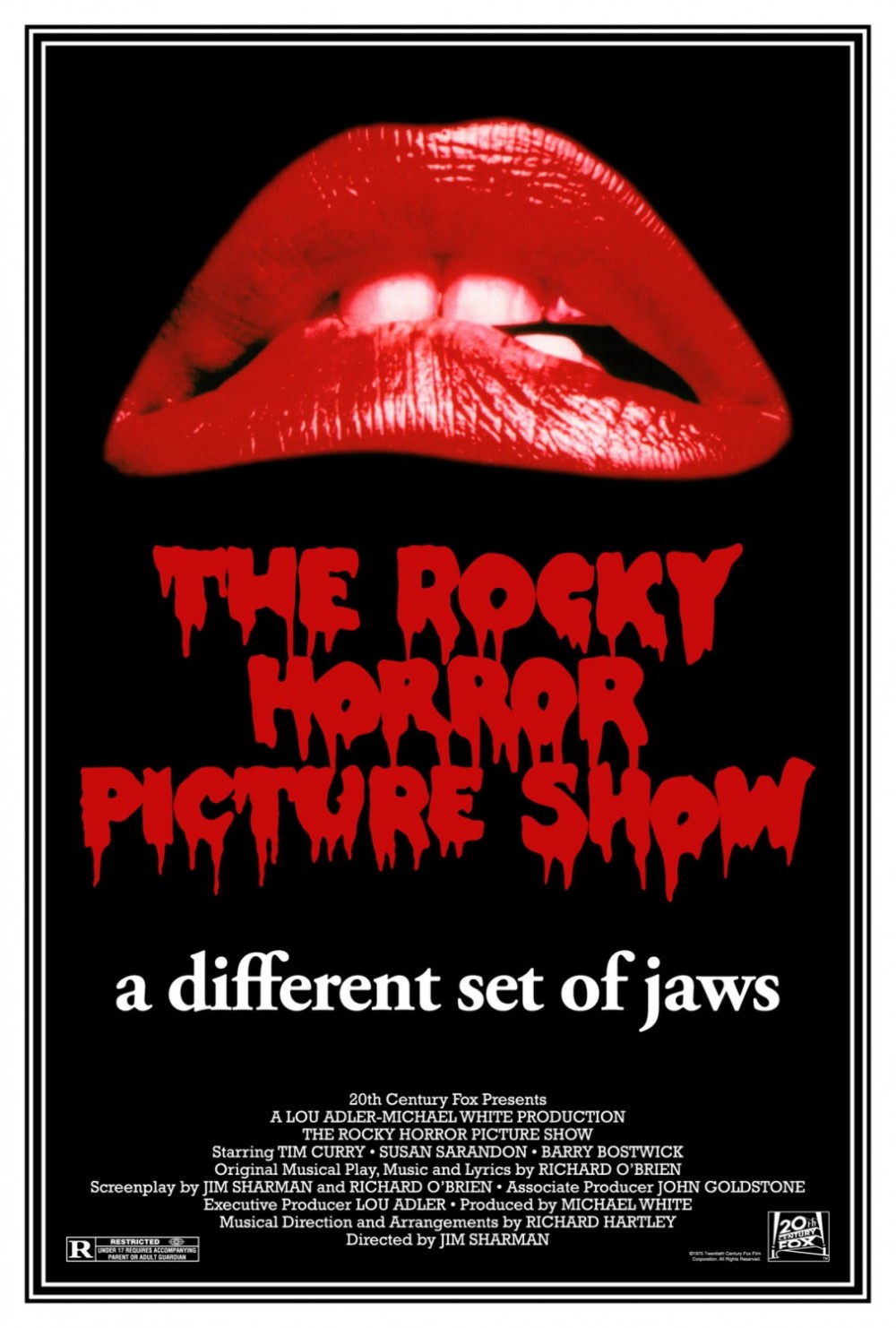
Few cult classics have had such a strong and everlasting cultural impact than “The Rocky Horror Picture Show,” and it always gains a new set of fans from one generation to the next. Based on the musical “The Rocky Horror Show” written by Richard O’Brien, the movie was a critical and commercial disappointment upon its release in 1975, but it went on to become a motion picture which made talking during the movie seem like not such a bad thing. Once it was introduced into the realm of midnight screenings in theaters everywhere, its influence became widespread, and it achieved a popularity many movies only dream of attaining.
“The Rocky Horror Picture Show” celebrated its 40th anniversary on October 30, 2015 outside of the building formerly known as the Mann Festival Theater in Westwood, California where it made its Los Angeles debut. Of all the cinemas the movie premiered in, it did the best business there when it was originally released. The theater closed down a number of years ago, but this wasn’t about to stop anyone from making the world remember that this location was where “The Rocky Horror Picture Show” got its start.
In attendance for this celebration, which was held on a ridiculously hot October day, were Tim Curry who originated the role of Dr. Frank N. Furter, Lou Adler who produced the movie, Sal Piro who is the President of the “Rocky Horror Picture Show” fan club and Los Angeles City Councilmember Paul Koretz. Joining them were a number of die-hard fans who did not hesitate to dress up as their favorite characters and the cast of Sins O’ The Flesh, a group of actors who perform at Saturday midnight screenings of “Rocky Horror Picture Show” at the Nuart Theater in Santa Monica.
Koretz declared October 30, 2015 “Rocky Horror Picture Show” Day in Los Angeles, and he remarked that while its fans may not know the capitol of every state in America, the movie continues to offer “solace, unity and friendship over the years to disenfranchised” and to anyone who feels like an outsider. The movie remains a very important one for LGBT people, and it has long since opened the doors for those who may not feel like they are part of the “mainstream.”
Adler remarked how there were almost as many people at this celebration as there were at the movie’s opening back in 1975, and he thanked what he called the “true fans” for showing up here as well as at every screening of this movie from one year to the next. Adler also remarked how Curry should have won the Academy Award for Best Actor back in 1975, and those in attendance were very much in agreement.
But make no mistake, the big star of the day was Curry, and the fans were ecstatic to see him appear at this celebration. The actor suffered a major stroke in 2013 which has left him confined to a wheelchair, but he was in good spirits as he greeted the fans and encouraged them not to fry as it was very hot outside. The fans in turn thanked him for coming to this event to which he responded, “Did you think I would miss this?”
Piro at how he and others put out the word about “Rocky Horror” midnight screenings in a time before there was social media or the internet. The fans came to see this movie over and over again through pure word of mouth, and it was the same group of people who came which showed how much it meant to them.
The ceremony concluded with the presentation of a plaque made to commemorate the movie theater in Westwood where “The Rocky Horror Picture Show” premiered all those years ago. Following this, Koretz quoted the words of Dr. Frank N. Furter and said to “give yourselves over to absolute pleasure and to don’t dream it, be it.”
I myself had the fortunate opportunity to talk with Curry following the ceremony. In addition to “The Rocky Horror Picture Show,” he also appeared in another cult classic movie called “Clue.” I asked him what the secret was to making a cult classic like this, and he replied that if he knew he would have done another one.
Be sure to check out the video of the anniversary celebration above. “The Rocky Horror Picture Show” is now available to watch on Blu-ray in honor of its 40th anniversary, but nothing will compare to seeing it on the big screen along with its many devoted followers.
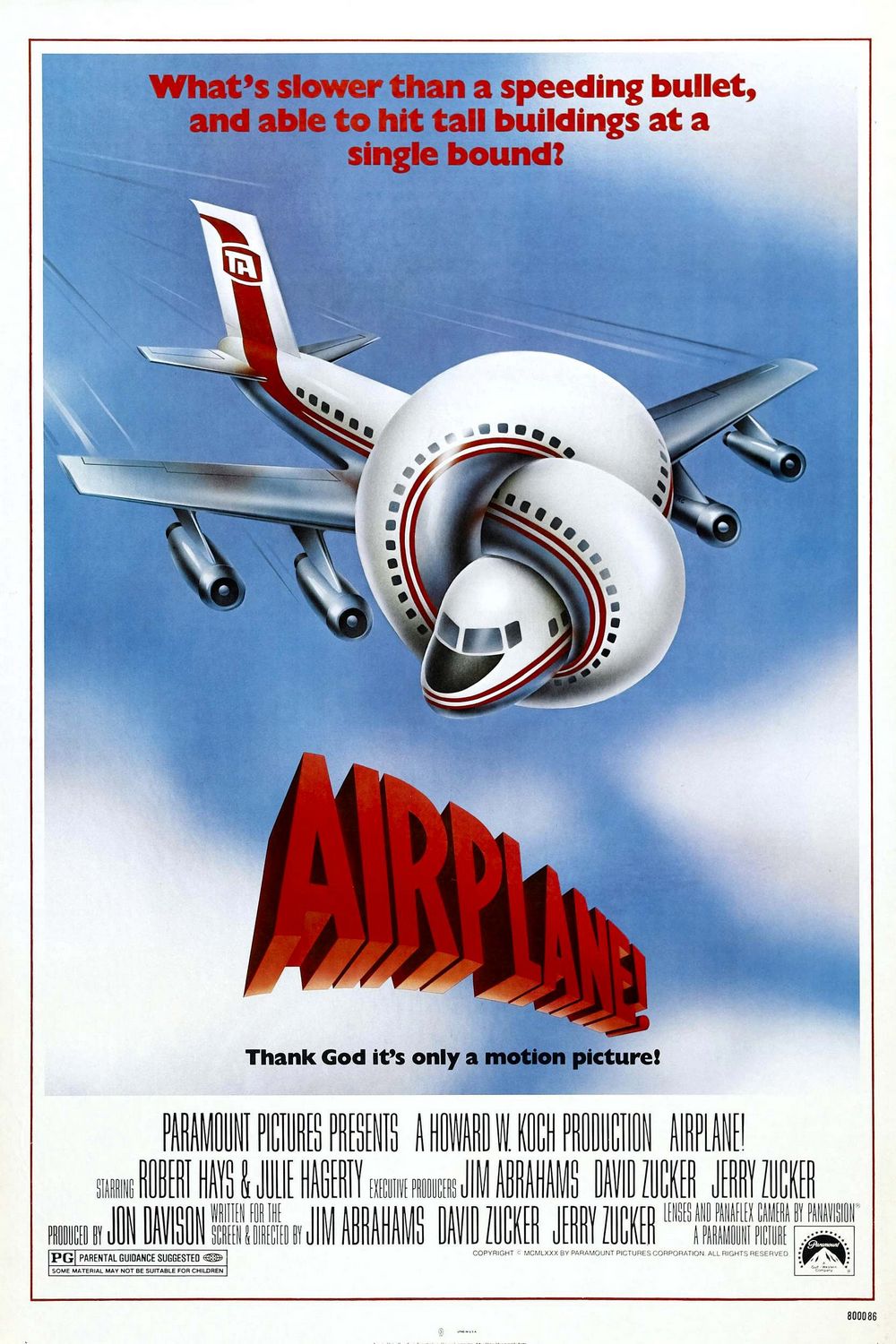
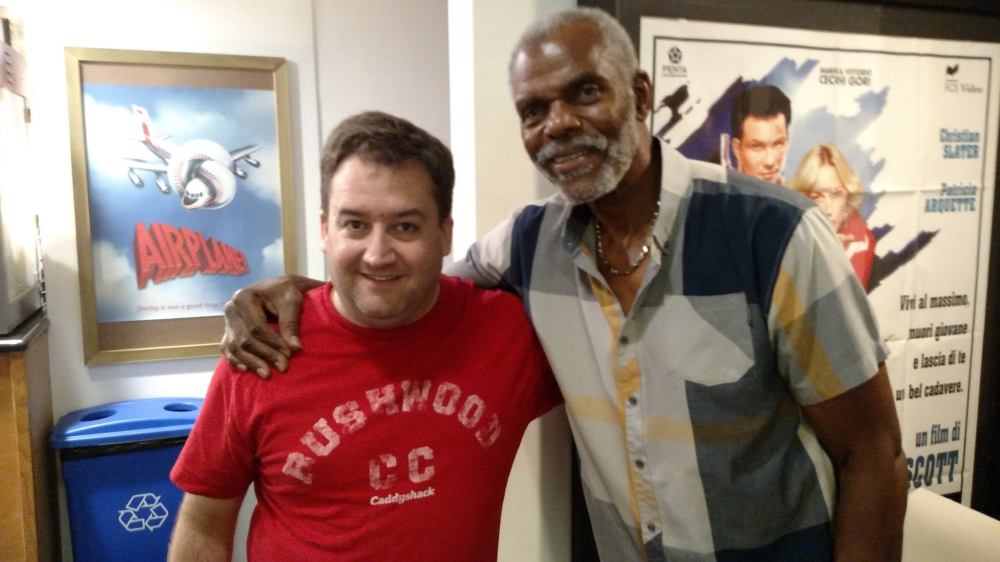
New Beverly Cinema was packed more than usual when the revival theater screened one of the funniest comedies ever made, “Airplane,” in honor of its 35th anniversary. After the movie was over, the audience got treated to a special appearance by Al White, the actor who played one of the jive talking passengers in the satirical comedy (to be more specific, he was the one with the beard). He ran up to the front of the theater to a thunderous applause and remarked how the movie still holds up after all these years, and the only thing which has changed about it is the color of his hair.
White was born in Houston, Texas but was raised mostly in San Francisco, California, and he decided to pursue an acting career after working as a janitor at Golden Gate Park for eight years. In addition to his role as the jive talking dude in “Airplane,” a role he would reprise in “Airplane II: The Sequel,” he also had a memorable role in “Back to the Future Part II” as an angry homeowner who tries to beat up Michael J. Fox with a baseball bat. He was also a member of the American Conservatory Theater for several years and originated the role of the military officer in the Tennessee Williams play “This is an Entertainment.”
White told the New Beverly audience that making “Airplane” proved to be a lot of fun. While the movie was distributed by Paramount Pictures, much of its filming took place in Culver City, California.
Acting opposite White as the other jive-talking man in the movie was Norman Alexander Gibbs whom has since moved back to the east coast of the United States. White remarked at how Gibbs talked so much to where he didn’t want to compete with him, so he tried to fill in the blanks when Gibbs wasn’t saying anything. That made for one wonderful scene after another in this comedy classic.
Many in the audience were curious about the jive language White, Gibbs and Barbara Billingsley, who played the elderly white woman who understood what they were saying, said throughout and if it was a real language. White said it was something he and Gibbs worked on throughout shooting. The movie’s writers and directors, Jim Abrahams, David Zucker and Jerry Zucker, apparently got the idea for the jive talking guys while they were in a restaurant and sitting next to some black men who spoke in a language they couldn’t understand.
Jeff Zucker, the one who worked with the actors on set the most, gave the actors free range to come up with dialogue, and White described how a line of dialogue like “each of us faces a moral choice” turned into “that gray matter backlot perform us DOWN, I take TCB-in’, man!”
Following the screening of “Airplane,” White hung out in the lobby to sign autographs and talk with the fans. I thanked him for coming down to the New Beverly and told him how I always wondered if the jive language was real or if it was gibberish. He replied, “It’s gibberish to those who don’t understand it, but it makes perfect sense to those that do understand it.”
The genius of “Airplane” is that all the actors never played their roles as if they were in on the joke, and that’s a lesson lost on many filmmakers today when they make satires. These days, filmmakers seem far more concerned about the jokes than anything else, and the movies they make suffer as a result. To this White replied, “The old stuff is better.”
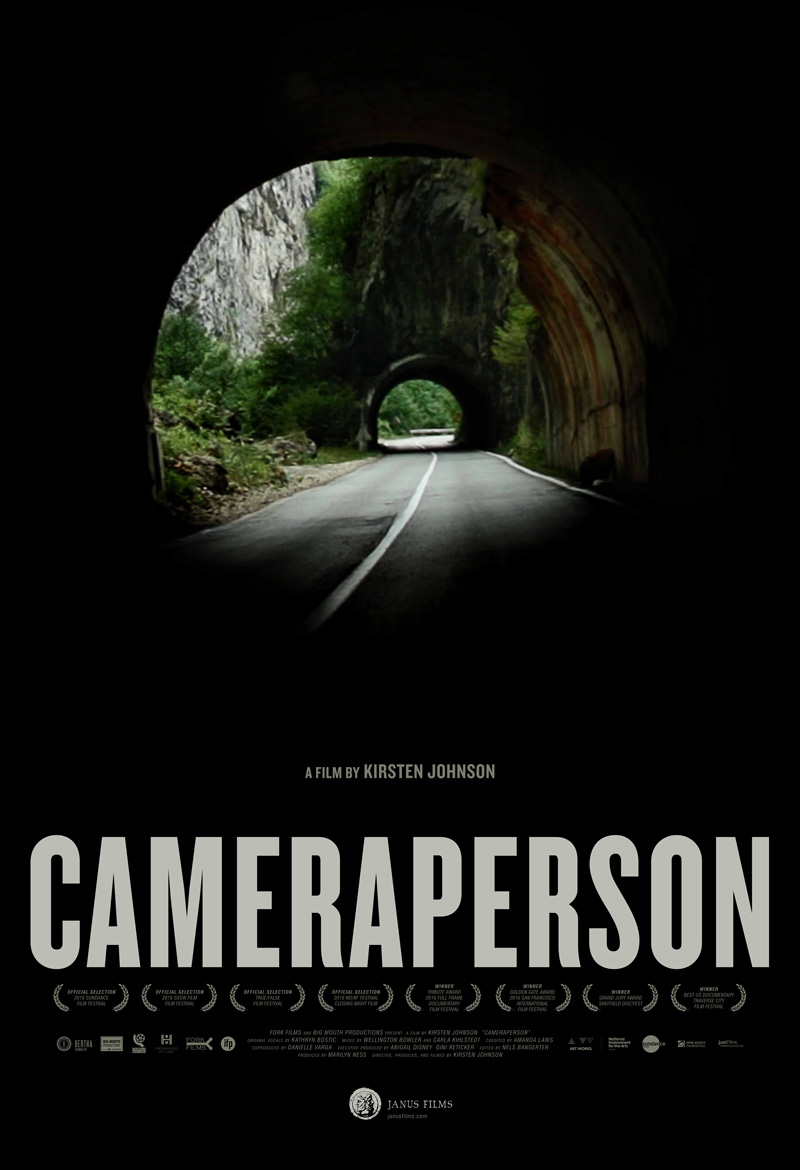
2016 has been a superb year for documentaries, and the latest example of this is “Cameraperson.” Directed by documentary filmmaker and cinematographer Kirsten Johnson, it is a series of images taken from her 20-plus year filmmaking career which she treats as a memoir of her life behind the camera. Among the visuals we get to see are of Brooklyn, a boxing match, postwar Bosnia and Herzegovina, a Nigerian midwife delivering babies as well as moments taken from Johnson’s own life as well. There is even a moment where she shoots footage of the entrance to an Iraqi prison which has a “you are there” feel to it, and it gets to where you are as eager to escape the area as they are. She presents these images to us in a movie without any narration as all these pictures tell a story all their own, and it is impossible to take your eyes off the screen. “Cameraperson” allows us to step into Johnson’s worldview as she takes us on a personal journey, and she acknowledges how complex it is to film and be filmed.
It was a real pleasure talking with Johnson while she was in Los Angeles to promote “Cameraperson,” and it resulted in one of the most fascinating interviews I have conducted this year. I was very eager to learn about how she went about constructing her documentary and of how it evolved from start to finish. This could have just been a movie with a bunch of images thrown together randomly, but there was clearly a lot of thought put into this one. Johnson also explained how she resisted the urge to put narration in her documentary, and she even shared some behind the scenes stories about “Citizenfour” which she was one of the camera people on.
Please check out the interview above, and be sure to watch “Cameraperson” which is now playing in Los Angeles at the Laemmle Royal thru September 29th.
Filmmaker Josh C. Waller has led a very interesting life so far. Born in 1974 to a cattle rancher/businessman and an actress mother, he spent his youth going to theatre rehearsals and watching movies on the weekends where his interest in filmmaking began to peak. After graduating high school, he joined the Marines and eventually worked for a private educational center which dealt with children afflicted with learning disabilities. This job ended up taking through different parts of the United States before he finally settled down in Los Angeles where his career as a filmmaker started to take off.
Waller’s film “Raze” stars Zoë Bell (“Death Proof”) as Sabrina, an abducted woman who wakes up to find herself imprisoned in a bunker where she and other imprisoned women are forced to fight one another to the death. On the surface it looks like another exploitation movie, but it soon becomes clear Waller had a lot more on his mind than that as he takes the characters and their story more seriously than you might expect.
I got to talk with Waller about “Raze” and what it was like to make the movie. Considering it was done on a very low budget, I was curious to see how he managed to pull off all he did with the little he had to work with. We also talked about what fighting styles were used in the movie, how his time in the Marines has influenced his work as a filmmaker, and he told a great story about how he managed to get all the sets for “Raze” built in just one day.
Ben Kenber: From the poster “Raze” looks like a typical exploitation movie, but it ends up going a lot deeper than that. What inspired you to make this film?
Josh C. Waller: To be honest, I had been working for years on another film completely different that I directed called “McCanick” with David Morse and Cory Montieth. That was something that I had been developing for about nine years with my producing partner who also wrote it, Daniel Noah, and it’s a tough project. It’s a drama with some very heavy subject matter and it was a bit of a bitch to get made, but it finally got green lit. But about the same time my friend Kenny Gage, he wrote a little short film called “Raze” which was like maybe seven or eight pages, I can’t remember exactly. He just asked me if I would take it home and he was just like, “Hey man, take a look at this thing and I’d love to hear your thoughts.” It wasn’t like, hey take this home, I think you should produce it, I think you should direct it. He was just like, hey take a look at this, I’d love to hear what you think, and I did. So I took it home that night and checked it out, and I thought there was something there. It was essentially the first fight between Jamie (Rachel Nichols) and Sabrina (Zoë Bell), then that was the short. It was a tad more exploitative of what the film ended up eventually being. Women were wearing a bit more revealing clothes and I think it mentioned something about it being particularly busty, and I brought it back to Kenny the next day and I was like, “Dude, there’s something here. I don’t know if I’m down with all the exploitative stuff, but there’s something here.” It got my mind going, so Kenny and I just started like bouncing things back and forth immediately, and the way that he and I were working together was so organic. The ideas just kept flowing and flowing and flowing, and I think that I really was interested in being a part of it and directing it because it’s not the kind of film that I would normally gravitate to nor is it the type of film that I would normally direct. I didn’t really watch the women-in-prison exploitations films from the 70’s and 80’s stuff, not at all. In fact, I was never really a fan of any of the exploitation films like “Faster, Pussycat! Kill! Kill!” It just wasn’t my thing, the Roger Corman films. So I was like okay, if I am going to do a film that kind of fits within that world, I’m going to have to take it as seriously as I would take “McCanick” or any other film, you know? I think that that was in my mind, then and still now, the only way we could possibly deal with something like this. And also it was incredibly exciting for Kenny and I. Kenny, before he got in the industry, was an undefeated professional boxer, and it was important for him and I and Zoë to try to show the most visceral, intense female fights that we had ever seen on the screen. And because every time you see women in a movie in some kind of fight, it seems to be all over the place in the trades and everything like that. That fight scene from “Mission Impossible: Ghost Protocol” (between Paula Patton and Léa Seydoux), people were like, “There’s the biggest catfight of all time in it!” And I saw it and I was like, “They what?! Man, you guys could have gone like so much further on this!” So we were like let’s see how far we can push this, and trust me when I say that we have so much more footage that we could’ve put in the movie.
BK: Regarding the fight scenes, Zoë said there were different fighting styles used in the movie. Were you looking to employ any particular fighting style or were you just open to whatever worked?
JCW: No, in fact we wanted to avoid looking for fighting styles. But what was interesting to me was to try to use the action… It was a little bit of like an experiment to see how much we could use the action to propel the narrative forward as opposed to dialogue or like emotional sequences. That said, the fight sequences themselves are pretty damn emotional, so being able to use those fights to like propel the movie forward emotionally and the narrative, that was something that was super interesting. So it wasn’t so much about looking for specific fighting styles in terms of like, this girl does Muay Thai and then this girl does Brazilian jiu-jitsu. That didn’t really work. We just needed to make sure that their fighting styles, however their fighting styles were, were a physical representation of who they were as women and what they were going through because they’re supposed to be normal women plucked from society. So occasionally you’ll have like one of the characters that knows how to fight. In the case of Sabrina, she has a military background and is well versed in hand to hand combat, so that’s the way that she fights. She fights very efficiently and she fights like a soldier. But if you start putting different martial arts styles on it… We didn’t want it to be like the female edition of “Best of the Best” or something like that like “Bloodsport” or “Mortal Kombat.”
BK: I read that you served in the Marines for a time, and thank you for your service by the way.
JCW: You’re welcome.
BK: Did any of what you learned in the Marines influence the making of this movie for you?
JCW: The guards down below I definitely fashioned after Marines. They’re most obvious trait are their Marine haircuts. All of those haircuts I maintained. I was the one who was like, “No, no, no,” and then I’d run outside with clippers and be like, “Sit down, sit down while I cut your hair!” Their uniforms, making sure their boots were polished, making sure that their haircuts were clean and not like all nappy and plain looking. Bruce Thomas who plays Kurtz, he and I had a lot of talks about his performance and how he could mimic the sound and the essence of a Marine drill instructor, so we would talk about a lot of stuff like that. I would put all the guards through a little closed quarter drill or boot camp over in a parking lot outside the set. In terms of fighting styles, not really; the military thing didn’t inform too much of that stuff. I can definitely say that, in terms of being a filmmaker, I would not be the filmmaker that I am today without it. Whether people think that’s good or bad, I would not be who I am as a man without the Marines. Almost every day, so many aspects of my life are informed because of my choice to join the corp.
BK: Absolutely. I bring that up because I have a family friend who was in the marines, and it has definitely influenced him in how he lives life today, and I think in a very good way.
JCW: It becomes one of those things because the Marine Corps is so daunting, and you end up graduating from boot camp and when you earn that title, you are filled with such an immense sense of price and accomplishment for earning that title. You feel a little bit like, “Well if I can do this, I can do anything.” So when you look at other tasks throughout your life, you’re kind of like, “This is lame. This is easy!”
BK: Zoë said that the total budget on “Raze” was less than a million dollars, but it looks like it cost more than that. The thing I continually find fascinating about low budget filmmaking is how it forces you to be more creative as a result. Would you say that was the case on this film?
JCW: Absolutely. I mean a perfect example of like how you’re forced to be creative is that like… Zoë was right, the budget was below a million, and if we had 19 action sequences, the shooting ratio on action to straight drama is like 10 to 1. It’s so drastically different. So to say that the shoot was an ambitious shoot is like stating something stupidly obvious. I think in terms of getting creative, there was one time where I was trying to figure out how the hell we were going to be able to afford… Because all of our sets were built, we shot everything on a soundstage, everything. We didn’t know how we were going to be able to pull that off with the money that we had, and I went home one night and I was sitting with my younger brother, and the flipside is as a youth I was the product of a divorce. On the father’s side, I was raised by a Marine cowboy father, and on the other side my mom and stepdad were into theater and dance and jazz and all of that stuff. I would go with my mom to movies on the weekend and I would watch movies like “Arthur” and “Zorro the Gay Blade” and stuff like that. I went home and I was hanging out with my little brother, and we were watching “Seven Brides for Seven Brothers,” and there’s a big musical number in the movie where all the brothers get together and with people in the neighborhood, and like an Amish community they have a big barn raising, dance and a big party, and I was like, “Holy shit man! That’s it! We’ll basically do a barn raising for all of our sets!” So I told the guys, “Look, all we have to do is throw a party, we’ll invite our friends, we’ll make teams of four people each and our production designer will be our foreman. And we’ll give a cash prize to whoever finishes their part of the build the fastest.” We had a DJ, we had food and beer and all that kind of stuff, and we built all of the flats for all of the sets in three hours on a beautiful Sunday afternoon. We all drank beer and barbecued. We never would have been able to do it (the regular way). It would have cost us 2 to 3 weeks of labor costs, so that was one of the creative ways. It was fun.
BK: That’s amazing! IFC Midnight is promoting this movie. How does it feel to have them promoting it, and what can you tell us about IFC Midnight?
JCW: IFC has been amazing. The person that I’ve been particularly involved with at IFC Midnight has been Mike Winton, and I have to say that it’s been an absolute pleasure. IFC Midnight also put up “Maniac” which my producing partner Elijah Wood was in, and they function within the same world that I function and we function in. Working with them is like working with our friends. It’s been a pleasure. I love it and I can’t wait to work with them again.
I thank Josh C. Waller for taking the time to talk with me, and I again want to thank him for his service to our country.
New Zealand native Zoë Bell has long since made a name for herself as a stunt performer having doubled for Lucy Lawless on “Xena: Warrior Princess” and Uma Thurman in the “Kill Bill” movies. But once we saw her play herself in Quentin Tarantino’s “Death Proof,” we saw she was a very entertaining personality to watch onscreen as well. Since then, Bell has been balancing stunt work with acting in films like “Whip It,” “Django Unchained” and “Oblivion.” Now she gets to combine those two talents in the viciously intense “Raze.”
In “Raze,” Bell plays Sabrina who is one of 50 women which have been abducted and imprisoned in a concrete bunker. She soon realizes this bunker is a modern day coliseum of sorts as the women are forced to fight one another to the death. If she doesn’t fight than her daughter will be murdered, so her choices are extremely limited to say the least. From start to finish, Bell is a riveting presence as she is driven to emotional extremes to do things she doesn’t want to do in order to protect the one she loves.
I was lucky enough to talk with Bell when she was doing press for “Raze,” and she proved to be as cool as she was in “Death Proof.” On the surface, “Raze” looks like your typical women-in-prison exploitation flick, but its director Josh C. Waller ends up taking this material much more seriously than you might expect. I talked with Bell about how she got involved in this movie, what kind of fighting styles were used in it and if she was instrumental in choreographing the brutal fight scenes. She also talked about what it’s like to be a stunt performer in show business today as opposed to years before, and she gave us an update on “The ExpendaBelles.”
Ben Kenber: “Raze” was different from what I expected it to be.
Zoë Bell: Well what were you expecting? I hope you weren’t expecting a romantic comedy.
BK: Oh no, I usually avoid those (Bell laughs). With so many different fighting styles around the world, was there any specific style of fighting you used in this movie?
ZB: There are all these action movies out there with samurais and stuff, but we didn’t want to have those kinds of fights at all. We wanted it to be real characters that were plucked from their lives and put in this really shitty situation. But as far as the characters are concerned, Sabrina comes from a military background, Teresa (Tracie Thoms) comes from a boxing background, Phoebe (Rebecca Marshall) is just street, and Cody (Bailey Anne Borders) is just the young girl who has to fight for her life. So the characters’ individual fight styles were less about the styles they were trained in and more about the life experience that they have, and it was really important for us that that come through. That’s what makes the fights different.
BK: What do you want audiences to get out of “Raze?”
ZB: I wanted the audience to have an experience of female fights that they maybe haven’t experienced before. I was looking to get more experience. I wanted to do female fights and stuff in a way that I’ve not done before. We wanted to take everything sort of heightened and strip all of that away. It was more just sort of like an experience I wanted to put out there for people. Ironically what’s ended up coming out of it is the joy that women audiences who have watched this movie have. It’s like they’re living vicariously through this womanhood and these actors, but also the characters and for all the right reasons, obviously the crazy ones, it’s satisfying. All the actors were just like, “This is so fucking cool that we are doing this film!” And that means the world to me because I’ve spent my life doing these kinds of films and I’ve gotten benefits from it as long as I can remember. It’s cool to be able to share that around a bit.
BK: How did the role of Sabrina come to you?
ZB: Sabrina came to me through the project really that was sort of… Kenny (Gage), Andy (Pagana, the producer) and Josh (C. Waller, the director) had also worked together on this project before I came aboard. Josh and I have known each other for a long time and when he threw my name in the mix, Kenny and Andy were excited about it and they brought me in. We all kind of vibed and jived and they asked me if I wanted to come on as a producer, and I got really excited and I said yes. At that stage it was still in a short format, and the role of Sabrina was really… I was just going to work on staging the fights basically. I worked with this woman named Christy and I created this whole story and at some level put a lot of preparations on her (Sabrina) for the short. But as it turned into a feature, a lot of the stuff I worked on before carried over to her in the feature script which was really cool. It’s a really fun way to go about it. It’s kind of an ass backwards way of going about it. We had problems doing it the way we did, but it was still pretty exciting.
BK: Did you work closely with director Josh C. Waller on the fight scenes in “Raze?”
ZB: Everything on this movie was pretty collaborative, but the fight scenes in particular because I have experience in that world and therefore I basically have a convenience when it comes to that stuff. We had a fight choreographer called James Young, and so basically we had James Young and we had me who was never going to be quiet about it. My forte is female action and what works well for women. There’s something about a female character in the way that she moves in the kind of choices that she makes in a fight situation, and Josh was very much about bringing emotional truth to those fights and these women. Kenny, having been a boxer for years and a real ring fighter, was one of the biggest cheerleaders for having female fights that were real that haven’t been seen before, so we had a lot of people that the fights were very important to on the creative side. So fortunately we all worked quite collaboratively together and I think we all ended up getting the fights we wanted. They are pretty cool.
BK: Did you do all your own stunts in this movie or were there some done by a stunt double?
ZB: Oh no, no, no, no. No one had a stunt double. There was one stunt that ended up not even making it into the movie which we brought in a stunt double for. We didn’t have time or the money, so the girls are all bringing it.
BK: Having been a stunt person for quite some time, what kind of changes have you experienced for stunt performers in the industry? Have things gotten better or worse?
ZB: I think work conditions for stunt people across the board have technically improved. There are more challenges in regards to safety and, having said that, when you get more technology it also enables you to push the limits. We’re always trying to do something new and bigger. Work conditions are what they were. As for work opportunities, now compared to 22 or 30 years ago, women were not really allowed to be stunt people. Guys would put on wigs and cover their hairy legs and double for women. As far as female action, it almost feels to me like it kind of goes back to where you’ve got “Xena” and “Alias” and all these… There is more female driven stuff now to where I feel like then there was for a long time. I think the type of action that’s acceptable for what females are doing now has probably shifted too. “Charlie Angel’s” was technically action and it was all females, and the action of the “Wonder Woman” to be done now, the type of action you’d see your committing would be far different to what was in the day.
BK: “Death Proof” really opened doors for you as an actress. At this point, does doing acting appeal to you more than stunts, or are you equally passionate about both?
ZB: “Death Proof” was definitely the catapult for me. It feels like it’s probably a good time to naturally progress over. If I’m being given these opportunities and I’ve worked hard enough to make that change, then that’s the next stage of wherever my career is taking me. I’ve had to be very conscious about not being in the industry as a stunt woman as much as an actress because, for myself certainly, I would very easily kind of slide back into the comfort zone of what I know well which is being a stunt girl and shy away from maybe what’s a little more challenging which has been acting. But also the intention of being seen as an actor and taken seriously by the industry, I think it was sort of important to me to sever ties from one so that I could fully commit to the other. It’s a shame but it’s part of the process, you know?
BK: Yes, it is. What was the budget for “Raze?”
ZB: Well I’m not sure that’s something I am allowed to say. We think it was $600,000 or $700,000. It was definitely well below $1 million.
BK: I was just curious because it looks like it cost a lot more than that.
ZB: Yeah, and it’s very important for us, I think, for people to know that the budget was incredibly low but that we are so proud of what we managed to do with well below $1 million. We are just in the process of doing a general audit just to double check the numbers, so I don’t want to put a number out there because I would be making it up, but I can basically say that it was well below $1 million.
BK: That’s interesting because what I’ve learned from most filmmakers is that working with less money forces you to be more creative. It certainly looks like you got a lot of creative stuff out of the budget that you had.
ZB: Yeah definitely, and we also got really lucky with the people that we had on board.
BK: Regarding the other actresses, did they have any fight training when they came onto this movie or did you help them out with that?
ZB: A lot of the girls had taken themselves and… I know Rebecca has been doing some kickboxing on her own time. Rachel Nichols has done a bunch of action films before. The girls are not meant to be… We didn’t need Rachel Nichols to walk in there and look like she had a black belt. We did a lot of work on the fights together before we shot it. James has done a lot with the choreography, Kenny worked on a lot of boxing with bags, and I just worked with them doing everything and anything they could when I had a minute. And most of when I was of use to the other women was just as a girl in how I approach it. So I spoke their language and that’s the gift I had to give. Everyone was just super dedicated and it was really touching to see these women always so dedicated to their roles.
BK: One last question, is there anything you can tell us about “The ExpendaBelles?” (This is an offshoot of “The Expendables,” and it was reported that Bell had been talking to the filmmakers about being in it.)
ZB: No, absolutely nothing. I have met with those guys. I don’t know if it was specific to… Well here’s what I can tell you about “The ExpendaBelles” and why I’m excited for that movie to be in existence whether I’m a part of it or not: I would love to be a part of it. That’s all I can tell you.
BK: Okay no problem. Well thank you very much for your time Zoë. This has been a lot of fun and you were terrific in “Raze.”